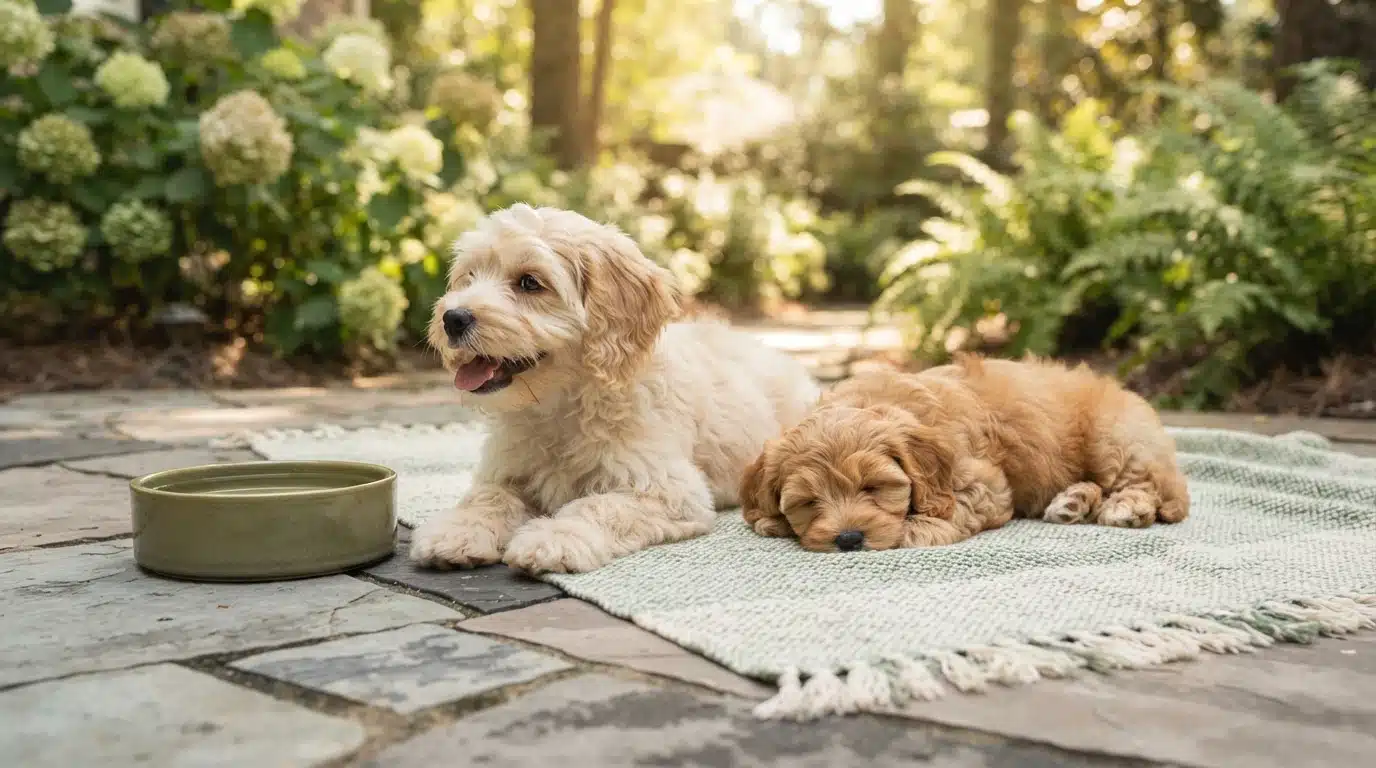
Quick Summary: Puppies overheat much faster than adult dogs, so summer safety means walking before 8 a.m. or after sunset, testing pavement with the seven-second hand test, and keeping play sessions to 10-15 minutes. Watch for heavy panting, bright red gums, or wobbling as early heatstroke signs, and never leave a puppy in a parked car since temperatures can rise about 20 degrees in 10 minutes. The guide from Sage Puppies, a Utah breeder of Havanese, Havapoo, and Cavapoo puppies, also covers hydration breaks every 15-20 minutes, avoiding saltwater and toxic plants, and rinsing coats after swims.
A five-minute potty break across sun-heated pavement can turn into a real safety problem for a small Havanese, Havapoo, or Cavapoo still learning how to handle heat. Little breeds run close to the ground, burn pads fast, and overheat quicker than adult dogs. That’s why summer dog safety deserves its own plan, not a guess.
This guide walks you through the essentials of puppy outdoor safety: keeping your pup cool, planning activity around the day’s hottest hours, and recognizing dog heatstroke signs before they become an emergency. You’ll also find practical steps for water play, travel, and seasonal hazards like hot sidewalks and pesticides.
We’re Sage Puppies, a boutique program in South Jordan, Utah, raising health-tested Havanese, Havapoo, and Cavapoo puppies in our home. We’ve guided hundreds of families through their first seasons together, and this guide shares what we teach them.
Puppies overheat much faster than adult dogs. Their cooling system is still immature, and dogs rely mostly on panting to shed heat because they barely sweat. When panting fails to keep up, core temperature climbs, and veterinary research links severe cases to hot, humid air, exertion, and poor heat acclimation. That is why summer dog safety starts with understanding your puppy’s limits.
Why Young Puppies Need Extra Supervision
A puppy cannot pace itself. It will chase, wrestle, and zoom until it drops, and it will not ask for a break. Young puppies also lack the fat, muscle, and adult conditioning that help older dogs handle heat. You have to be the one who ends the fun.
Watch for early warning signs:
- Hard panting, even after play stops
- Bright red gums and heavy drool
- Slowing down or wobbling
A puppy that looks “just tired” on a hot day may already be in trouble. Summer dog safety means stopping play before your puppy chooses to stop.
How Temperature, Humidity, and Sun Change the Risk
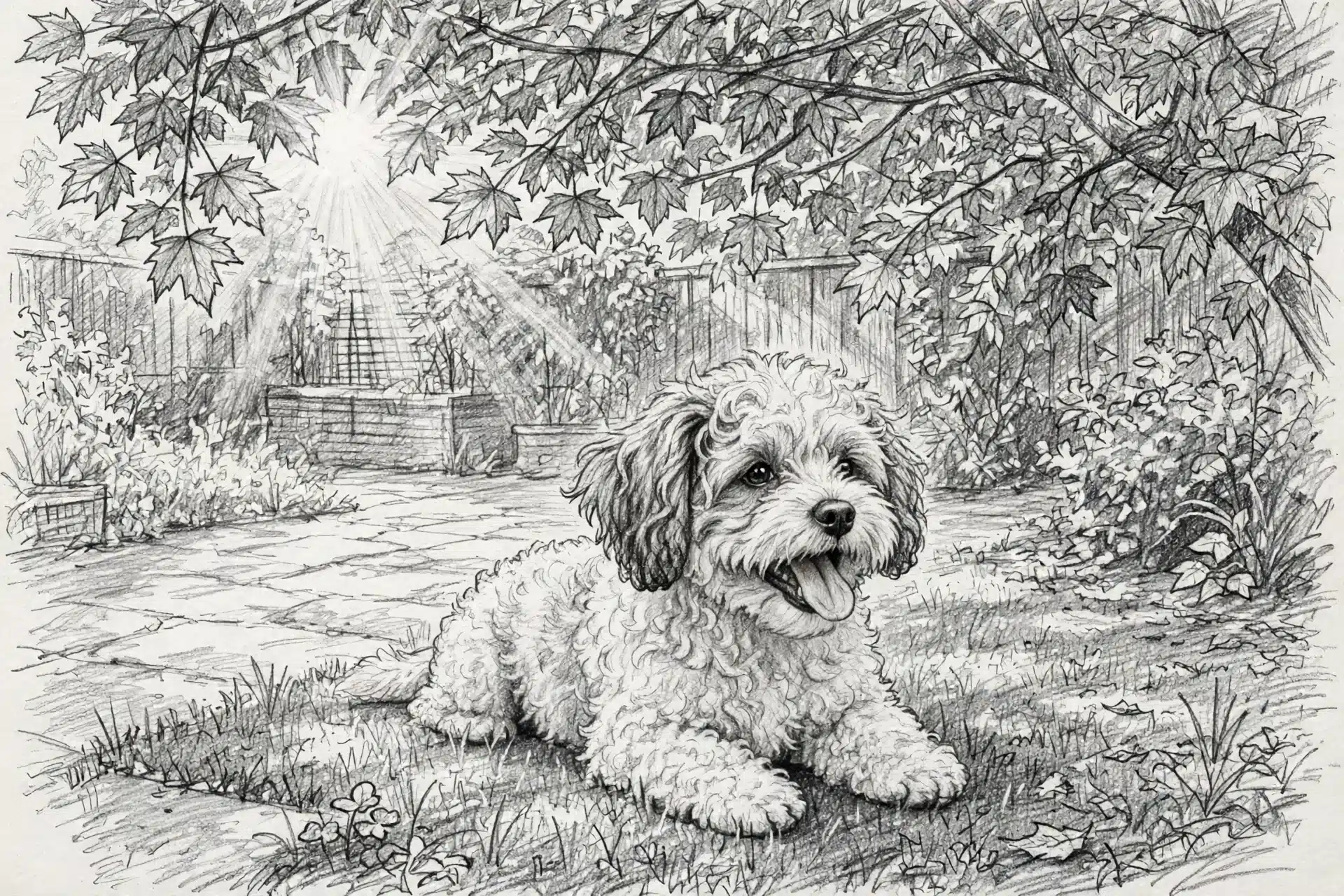
Humidity is the hidden danger. Panting cools a dog through evaporation, but moist air blocks that process, so a mildly warm, humid afternoon can be riskier than a dry, hotter one. UK VetCompass data found exercise triggered most heat-related illness events, not just hot cars. Direct sun adds radiant heat, and hot pavement warms small bodies from below.
Which Puppies Need the Most Caution
Flat-faced mixes, overweight pups, and very young puppies face the highest odds. Use short, cool-hour outings as the backbone of your summer dog safety plan.
Also Read: How to Prepare Louisiana Puppies for Their First Summer Road Trip
Plan Safer Outdoor Time, Walks, and Play
A puppy can enjoy summer outside safely. The trick is not less play. It’s smarter timing, shorter sessions, and a quick check of the ground before every outing.
Choose Cooler Times and Safer Locations
Walk early or late. Before 8 a.m. and after sunset are the safest windows, because both the air and the ground have had time to cool. Aim for grass, dirt trails, and shaded paths instead of asphalt and concrete. On a sunny afternoon, dark pavement can run far hotter than the air above it, which is why a “warm” day can still scorch paws. That gap between air and surface temperature is the number one thing owners miss, according to Whole Dog Journal’s pavement guide.
Use Short, Supervised Activity Sessions
Puppies have small bodies and big opinions about play. Keep sessions to 10 or 15 minutes, then rest in the shade. Watch your pup, not the clock: heavy panting that doesn’t ease, wobbling, or flopping down mid-play means stop and cool off. Bring water and offer it often. Slow sniffing walks actually tire a puppy out more than chasing, so treat the walk as exploring, not exercise. Skip fetch and running on hot or humid afternoons entirely.
Check Paws and Surfaces Before You Leave
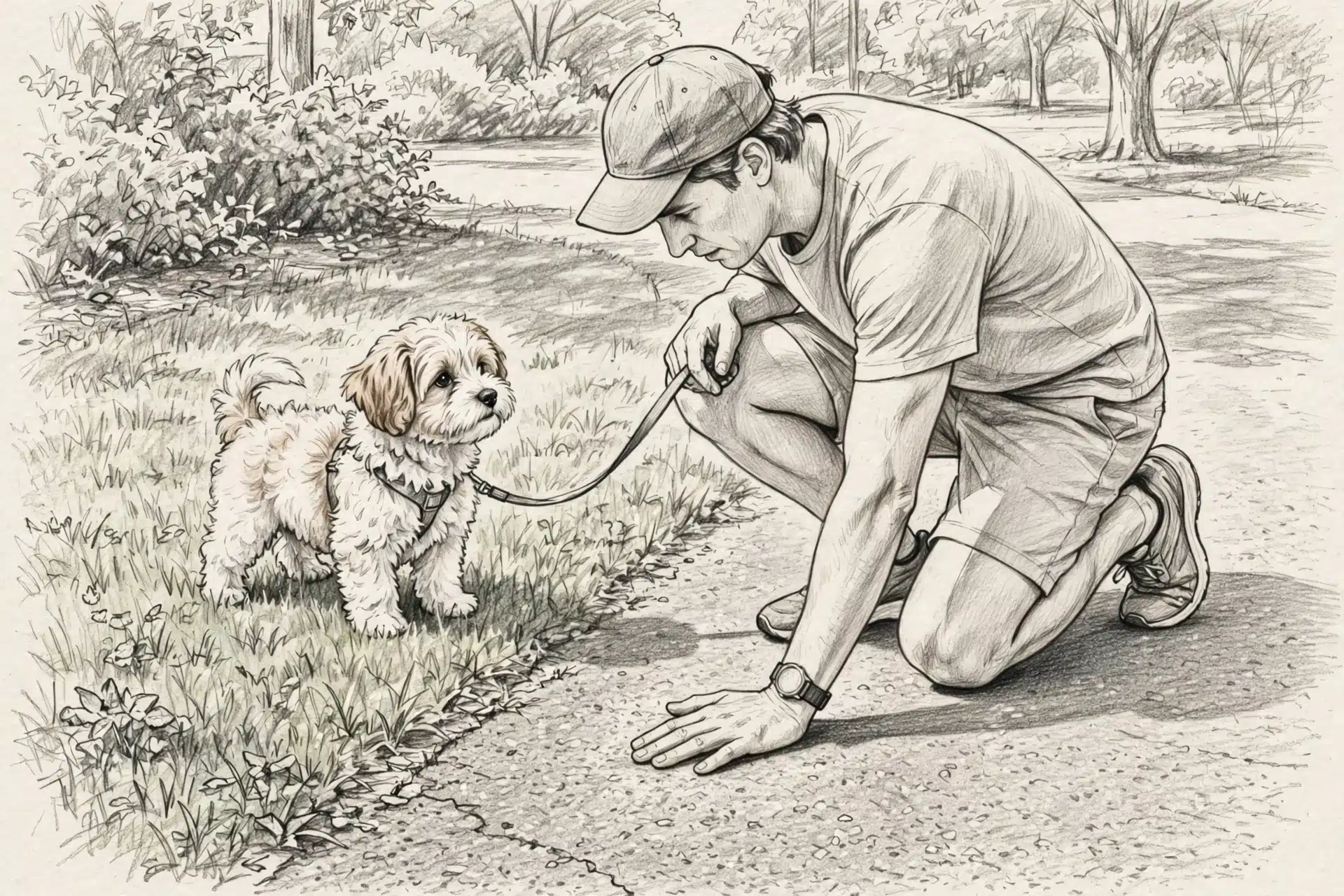
Use the seven-second test. Press the back of your hand flat on the pavement. If you can’t hold it there for seven seconds comfortably, it’s too hot for puppy paws. The American Kennel Club puts it simply: too hot for your hand means too hot for their paws, and asphalt can hit 135°F when the air is only 86°F. At those temperatures, pads can blister in under a minute, so route onto grass and retest if the sun shifts. Check pads after every walk for redness, limping, or licking.
Also Read: Puppy Care Blog & Resources | Sage Puppies
Prevent Dehydration and Make Water Activities Safer
Puppies dehydrate fast in summer heat. Small breeds like Havanese, Havapoo, and Cavapoo puppies lose water quickly through panting, and they rarely stop playing to drink on their own. Watch for dry gums, thick saliva, lethargy, and sunken eyes, and know the warning signs of dehydration before your next outing.
Pack Fresh Water and Offer Regular Breaks
Bring more water than you think you need. A collapsible bowl or pet travel bottle works well, and offering water every 15 to 20 minutes keeps small puppies ahead of thirst. If your puppy snubs the bowl, try seedless watermelon chunks as a hydrating treat. Rest breaks in shade matter just as much as water, so alternate short play sessions with cool-down time. Never let your puppy drink from puddles, ponds, or standing water, since blue-green algae in warm, still water can be deadly.
Beach Safety: Saltwater, Sand, Sun, and Waves
Saltwater is the biggest beach risk. Drinking ocean water causes vomiting and diarrhea, and severe cases can trigger tremors, confusion, or seizures, according to the AKC’s guide to saltwater poisoning. Hydrate your puppy before you arrive, offer fresh water often, and pull them away from the surf every few minutes.
Sand creates problems too. Discourage digging snacks and eating sand, which can block the intestines. Use pet-safe sunscreen on light-coated dogs, rinse salt off after swimming, and keep sessions short when waves get rough.
Pools, Lakes, and Backyard Water Features
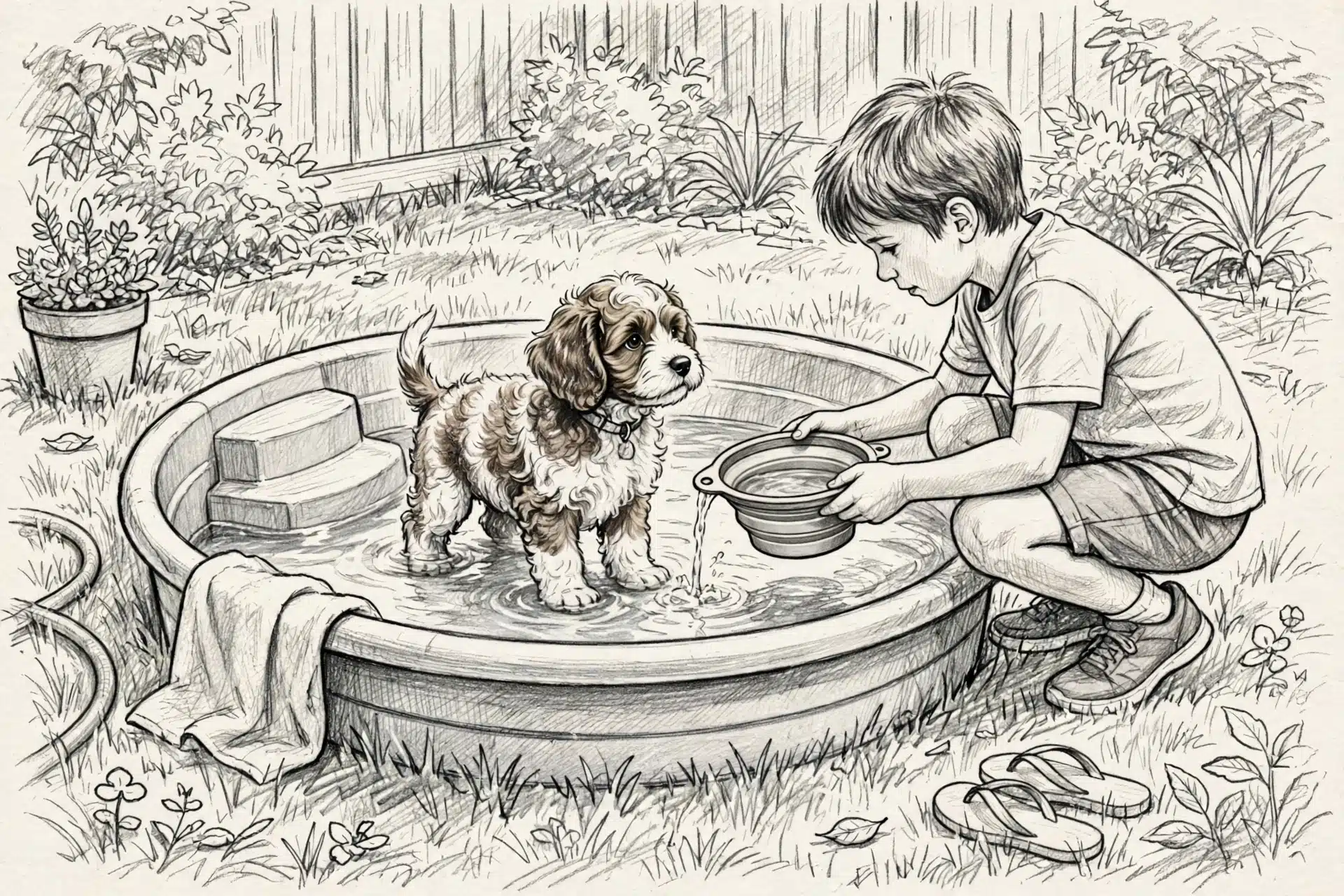
Even water-loving puppies can drown, so supervise every swim. Show your puppy where the pool steps are, and never leave them alone near water, including covered pools. In lakes, stick to clear, moving water. After any swim, rinse your puppy’s coat and offer fresh water, not pool or lake water.
Also Read: Puppy Weather Safety Guide for Heat, Cold, and Severe Storms
Recognize Dog Heatstroke Signs and Respond Immediately
Heatstroke is a true emergency. A dog’s normal body temperature runs 100.5 to 102.5°F, and once it climbs to 105°F or higher, organ damage can start quickly. Small companion breeds like Havanese, Havapoo, and Cavapoo puppies can’t tell you they’re in trouble, so watching their body language is your best early warning.
Early Warning Signs of Overheating
Catch overheating before it becomes heatstroke:
- Heavy or frantic panting that doesn’t settle after a break in the shade
- Thick drool or excessive drooling
- Bright red gums and tongue
- Skin that feels hot to the touch
- Restlessness or a wobbly, unsteady walk
Slow your puppy down the moment you see these. Move to shade, offer water, and stop activity entirely.
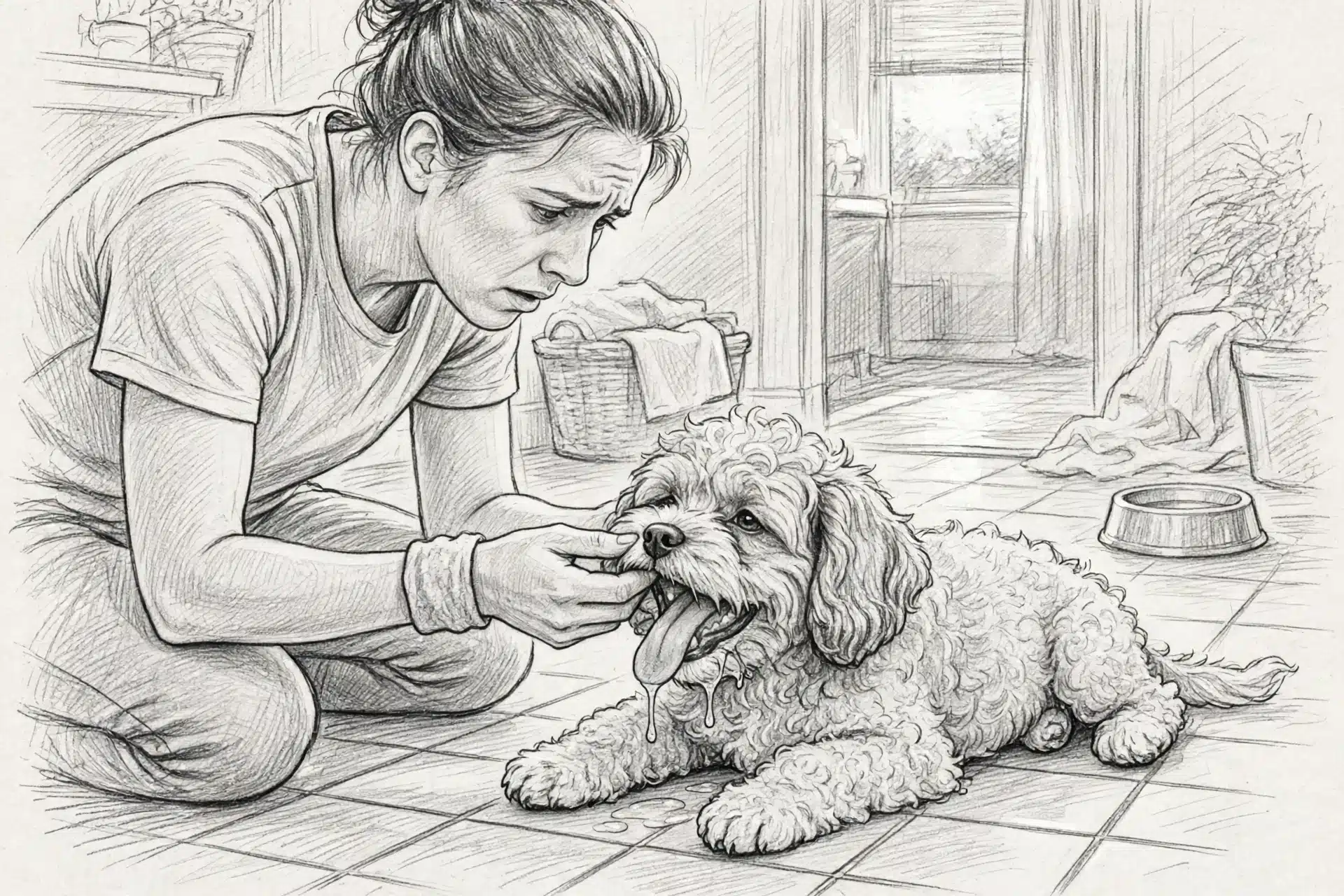
Emergency Signs That Require Veterinary Care
These signs mean go to a vet now. Per Cornell’s veterinary guidance, heatstroke can cause vomiting, bloody diarrhea, weakness, confusion, seizures, and collapse. Gums that turn pale, blue, or grayish signal poor oxygen and shock.
- Vomiting or diarrhea, especially with blood
- Confusion, stumbling, or unwillingness to move
- Seizures or full collapse
- Pale or bluish gums
Don’t wait to see if it passes. The AKC notes that even a dog who seems to recover needs a vet visit, since internal damage isn’t always visible.
What to Do While Contacting the Veterinarian
Start cooling immediately, but keep it controlled:
- Move your puppy to shade or air conditioning.
- Wet them with cool (not ice-cold) water, especially the belly, armpits, and paws.
- Direct a fan or car AC on them during transport.
- Offer cool water only if they’re alert enough to drink.
Never cover them with wet towels. That traps heat instead of releasing it.
Why Follow-Up Matters After Heat Illness
Heatstroke can harm kidneys, blood clotting, and other organs days later. A dog who overheats once also faces a higher risk again. Schedule a follow-up exam and keep future summer outings shorter and cooler.
Make Summer Travel and Car Rides Puppy-Safe
Summer trips are fun, but cars get dangerous fast for a young puppy. A little planning keeps every ride safe.
Never Leave a Puppy Alone in a Parked Car
Even on a mild day, a parked car heats up quickly. According to the AVMA, the inside of a vehicle can rise about 20 degrees in 10 minutes and more than 40 degrees in an hour. On a 70-degree day, that means over 110 degrees inside. Cracked windows barely help.
| Elapsed Time | Inside Temperature Rise |
|---|---|
| 10 minutes | about 19°F |
| 20 minutes | about 29°F |
| 60 minutes | about 43°F |
The rule is simple: never leave your puppy alone in a parked car, not even for a minute. Bring another adult or leave your puppy at home.
Prepare for Safe Rides and Road Trips
Secure your puppy in a crash-tested harness, carrier, or crate on the back seat. Loose puppies can distract you or get hurt in a sudden stop, as AKC experts note. Plan stops every two hours for water and potty breaks. Keep windows partly open, but never let a puppy ride with its head out.
Plan Pickup or Delivery During Warm Weather
If you’re picking up a Havanese, Havapoo, or Cavapoo puppy, bring a travel crate, water, and cool air. Sage Puppies families in South Jordan or anywhere nationwide should schedule pickup or delivery for early morning or evening heat-free hours.
Also Read: Guides – Sage Puppies
Protect Your Puppy From Summer Yard and Outdoor Hazards
Your backyard can be the safest play space your puppy has, or the most dangerous. A quick sweep for toxins, pests, and escape points makes all the difference.
Lawn Products, Plants, and Seasonal Toxins
Puppies explore with their mouths, so check your yard before they do. Skip toxic plants like sago palms, azaleas, oleander, and foxglove, and keep cocoa mulch out entirely. It smells like chocolate and is just as harmful.
Store fertilizer, weed killers, and snail bait in a locked shed. Keep your puppy off treated grass until products are fully dry or watered in, and ask your lawn service how long to wait. Compost piles and molded birdseed cause serious stomach and neurologic problems, so block access to both.
Fleas, Ticks, Mosquitoes, and Wildlife
Summer pests peak from April through September. Ticks can carry Lyme disease, and mosquitoes spread heartworm, so keep your puppy on a vet-approved preventive year-round. Check for ticks daily after outdoor play, especially around ears and paws.
Scan the yard for ant hills, wasp nests, androdent activity before letting your puppy roam. Cover garbage cans and never leave food outside that might attract raccoons or skunks.
Sun, Storms, and Secure Outdoor Spaces
Small breeds overheat fast. Offer shade, fresh water, and breaks during afternoon heat. Fireworks and thunderstorms scare many puppies, so bring them indoors early. Walk your fence line for gaps, and latch gates every time. A secure yard plus supervision keeps every adventure safe.
Also Read: 10 Red Flags to Avoid When Visiting a Local Puppy Breeder
A good summer plan does not need to be complicated. It just needs three stages: prep, watch, and reset. Vets at Cornell’s canine health center stress that prevention is far easier than treating heatstroke.
Before Any Summer Outing
- Pick early morning or evening slots, since late afternoon is the hottest part of the day.
- Do the pavement test with the back of your hand.
- Pack water, a collapsible bowl, and towels.
- Check that parasite prevention is current before trail time.
During the Activity
- Take water breaks every 15 to 20 minutes.
- Keep play short and stay on grass or shaded paths.
- Watch for heavy panting, drooling, or slowing down.
- End early if your puppy seems tired. AVMA guidance recommends frequent breaks and cooler hours.
After You Return Home
- Offer cool water and let your puppy rest indoors.
- Check paw pads for burns, cuts, or lodged debris.
- Brush out the coat and look for ticks.
Families who raise a Havanese, Havapoo, or Cavapoo with us get this same calm, plan-ahead approach from day one.
Also Read: How to Prepare a New Puppy for Florida’s Heat and Humidity

Ready to raise a summer-safe puppy? At Sage Puppies, our home-raised Havanese, Havapoo, and Cavapoo puppies come well-socialized, health-tested, and prepared for family adventures. Browse our available puppies, submit an application, and choose pickup in South Jordan, Utah or nationwide delivery. Your confident, well-started companion is waiting.
Frequently Asked Questions
Q1: How hot is too hot for a puppy to be outside?
Most puppies handle outdoor time safely below 80°F. Above 85°F, keep outings short and shaded. Check the pavement with your hand – if it’s too hot for five seconds, it can burn paw pads.
Q2: What are the signs of heatstroke in a puppy?
Watch for heavy panting, drooling, bright red gums, wobbling, vomiting, or collapse. Small breeds overheat fast. Move your puppy to shade, offer cool water, and call your vet immediately if symptoms don’t settle.
Q3: How can I keep my puppy safe at the beach?
Use a fitted canine life vest, provide fresh drinking water, and set up shade. Rinse salt off after swimming, and prevent your puppy from drinking seawater, which causes vomiting and dehydration.
Q4: Can small breeds like Havanese or Cavapoos handle summer hikes?
Yes, with limits. Keep hikes under 30 minutes on hot days, pack water, and walk early or late. Their light coats help, but flat-faced or tiny puppies tire quicker than you’d expect.
Q5: Should I shave my puppy’s coat for summer?
No. Double and curly coats actually insulate against heat. Regular brushing and trimming do more for cooling than shaving, which can raise sunburn risk and affect how the coat grows back.
Conclusion
A safe summer with your puppy comes down to a few habits. Walk early or late, test the pavement, and keep water close. Skip the beach at peak heat, rinse after swims, and never leave your pup in a car, which AVMA research shows can climb about 20 degrees in just 10 minutes. Small breeds like Havanese, Havapoos, and Cavapoos tire faster, so watch for heavy panting, drooling, or wobbling. Cornell’s canine health team calls heatstroke a life-threatening emergency, so act quickly and call your vet if symptoms appear. Plan ahead, stay calm, and summer stays fun.