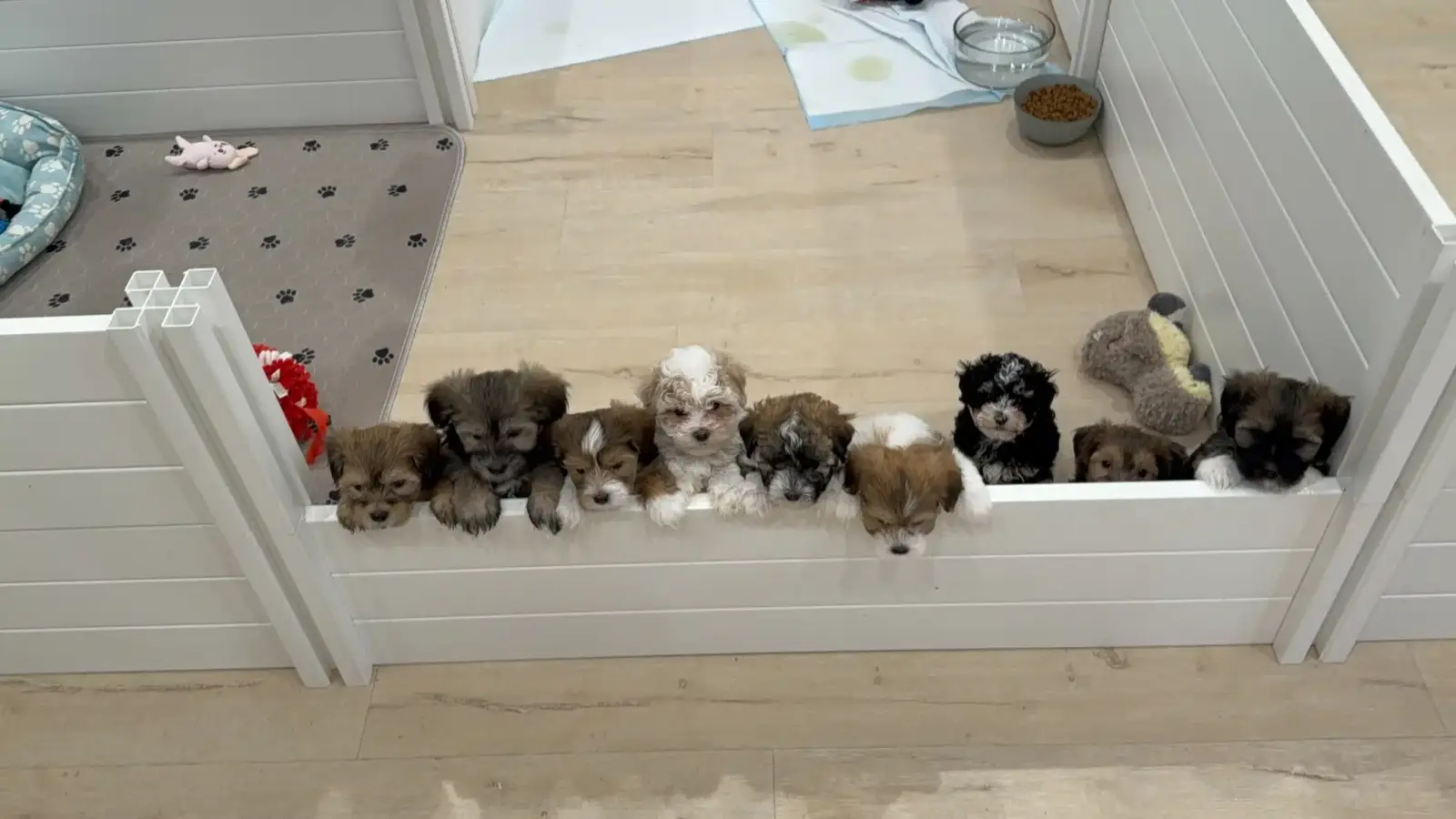
Quick Summary: Small breed puppies like Havanese, Havapoos, and Cavapoos need very different care than larger dogs. Feed them three to four small meals daily to prevent hypoglycemia, since their tiny stomachs burn through glucose fast. Brush their constantly growing coats three to five times a week, use a well-fitted harness instead of a collar, and keep walks short based on the five minutes per month of age rule. Drawn from the routines at Sage Puppies in South Jordan, Utah, the guide also covers crate training, vet scheduling, and puppy-proofing for low-level hazards.
A six-pound Havapoo and a sixty-pound Lab both need puppy care, but they do not need the same care. The gaps between them are exactly where first-time owners get caught off guard: kibble size, blood sugar dips, a coat that mats within days, and a harness that slips a small chest. Good small breed puppy care means knowing those differences before your puppy comes home. This guide walks through them step by step, from feeding routines and hypoglycemia prevention to grooming schedules for Havanese, Havapoo and Cavapoo coats, plus crate and harness fit made for little bodies. It draws on the daily routines we use at Sage Puppies in South Jordan, Utah, where Cassie Milar raises Havanese, Havapoo and Cavapoo puppies with a boutique, hands-on approach. If you are still choosing your puppy, see our available puppies and pricing and reservation pages.
Step 1: Set Up a Small Breed Feeding Routine That Protects Glucose and Growth
Good small breed puppy care starts at the food bowl. Tiny pups burn through calories fast, and their tiny stomachs hold very little, so how and when you feed matters as much as what you feed.
Match the Meal Cadence to a Small Puppy’s Stomach
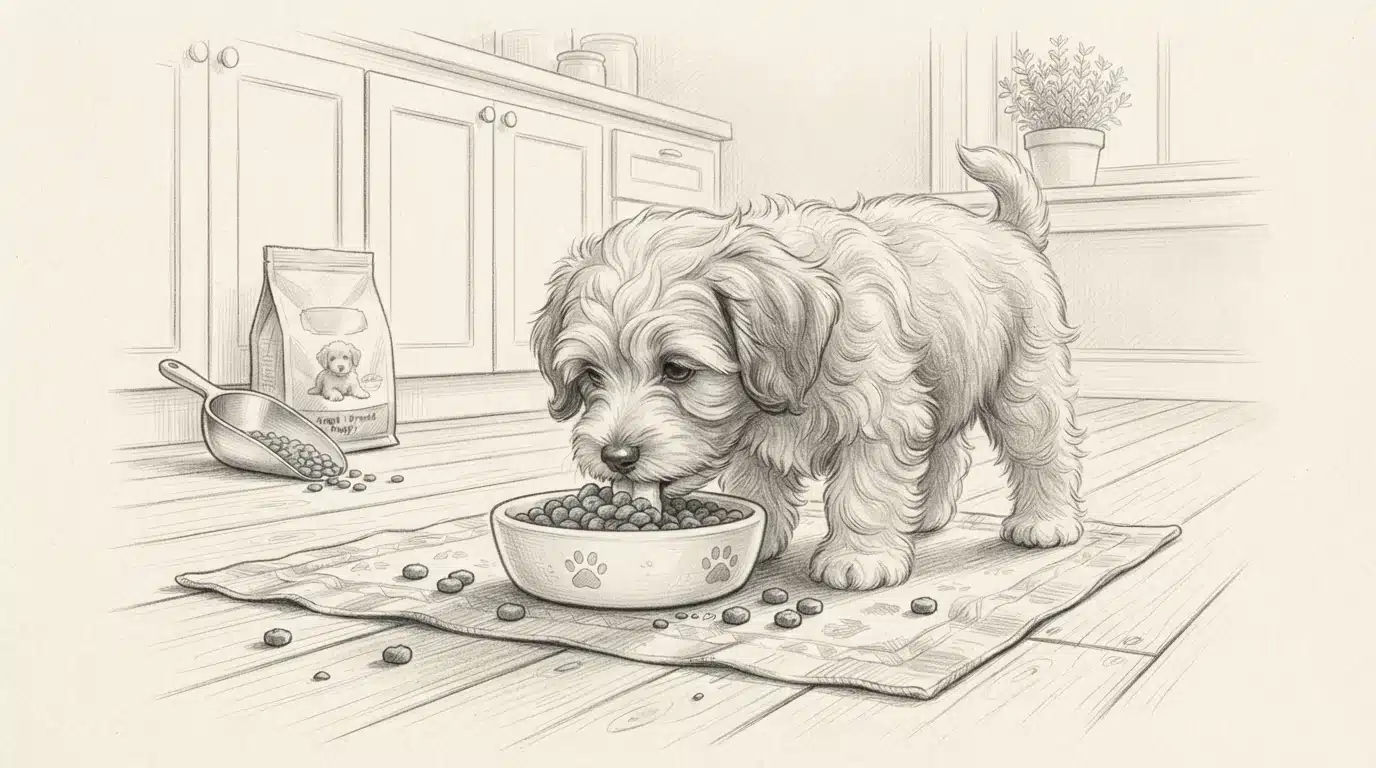
Your Havanese, Havapoo, or Cavapoo puppy should eat three to four times a day until around four to six months old. Meals spaced about three to four hours apart keep blood sugar steady, because small breeds carry little stored glucose compared to larger dogs according to FirstVet.
Pick a food formulated for small or toy breeds. The kibble pieces are smaller, which makes them easier to chew and swallow, and the calories are denser. Measure each meal rather than free-feeding, so you notice right away if your puppy skips one. A skipped meal in a small pup is a signal, not a quirk.
Prevent the Hypoglycemia Dip That Catches New Owners Off Guard
Hypoglycemia means low blood sugar, and toy breed puppies are at higher risk because of their small body mass per a published veterinary review. Watch for wobbly walking, weakness, trembling, or unusual sleepiness, especially after hard play or a long stretch without food.
If you see these signs and your puppy is still awake, offer food first. A dab of honey or corn syrup on the gums can raise blood sugar quickly, then follow with a real meal once your pup steadies. Call your vet any time it happens. In everyday small breed puppy care, the fix is simple: keep meals frequent, keep naps warm, and avoid long gaps between eating and play.
Transition Foods Slowly and Track Weight Weekly
Switch foods over seven to ten days, blending a little more of the new food into the old each meal. Sudden changes upset small stomachs and can lead to diarrhea that drains the very calories you want to keep. Weigh your puppy weekly on a kitchen scale and write it down. Steady gain means your routine works. If your pup is still settling in, our guide to bringing home a small breed puppy walks through the first weeks step by step.
Step 2: Build an At-Home Grooming Station for a Silky or Curly Coat
Havanese, Havapoos, and Cavapoos all grow hair instead of fur. That hair keeps growing, tangles fast, and mats within days if you skip sessions. A small grooming corner in your home makes the routine easy to keep.
Choose Brushes That Match a Small Breed’s Coat
Start with three tools. A slicker brush with fine, bent pins lifts loose hair and works through small tangles on a puppy-sized body. A metal comb checks your work: if it glides from skin to tip, the coat is clear. Blunt-tipped curved scissors trim around the eyes, paws, and sanitary areas safely. Skip cheap bristle brushes; they glide over the top coat and leave mats underneath. Add detangling spray and styptic powder, then store everything in one caddy so nothing goes missing mid-session.
Run a Line-Brushing Session Three to Five Times a Week
Line brushing means parting the hair into rows and brushing each row from the skin outward. Lay your puppy on its side on a nonslip mat, part a line along the body, and brush below it. Move the part an inch at a time until you reach the spine. Mist with detangler first so you don’t break hair. Pay extra attention behind the ears, armpits, and the harness area, where mats form first. Keep sessions short, about ten minutes, and end with a treat.
Schedule Baths, Ear Care, and Nail Trims on a Calendar
Put routine tasks on a simple schedule so nothing gets missed.
| Task | Frequency | Notes |
|---|---|---|
| Bath | Every 2 to 3 weeks | Brush fully before wetting; mats tighten in water |
| Ear check | Weekly | Pluck or trim hair only if your vet advises it |
| Nail trim | Every 3 to 4 weeks | If you hear clicking on floors, trim now |
| Full clip | Every 6 to 8 weeks | A groomer visit keeps a curly coat manageable |
Dry coats fully with a low-heat dryer, since damp hair mats overnight. If grooming a wiggly puppy feels overwhelming at first, our small breed puppy preparation guide covers how to build calm handling habits from day one.
Step 3: Train at a Pace That Suits a Small Body and a Sensitive Mind
Havanese, Havapoo, and Cavapoo puppies learn quickly, but their small bodies run on short fuel cycles. Train in brief, predictable sessions, and your puppy will succeed long before frustration sets in.
Pair Potty Trips With Meals, Naps, and Play
A tiny bladder empties on a schedule, so watch the clock instead of waiting for accidents. Carry your puppy outside right after every meal, nap, and burst of play, plus first thing in the morning and last thing at night. Use the same door and the same quiet phrase each time, then reward generously within two seconds of finishing. Small breeds can look fully house-trained for a week and then slip, so keep the routine consistent until six months of age.
Most small-breed puppies need a potty trip every 45 to 60 minutes while awake. Set a timer at first. It feels fussy, but it prevents months of bad habits.
Crate Condition in Five-Minute Sessions
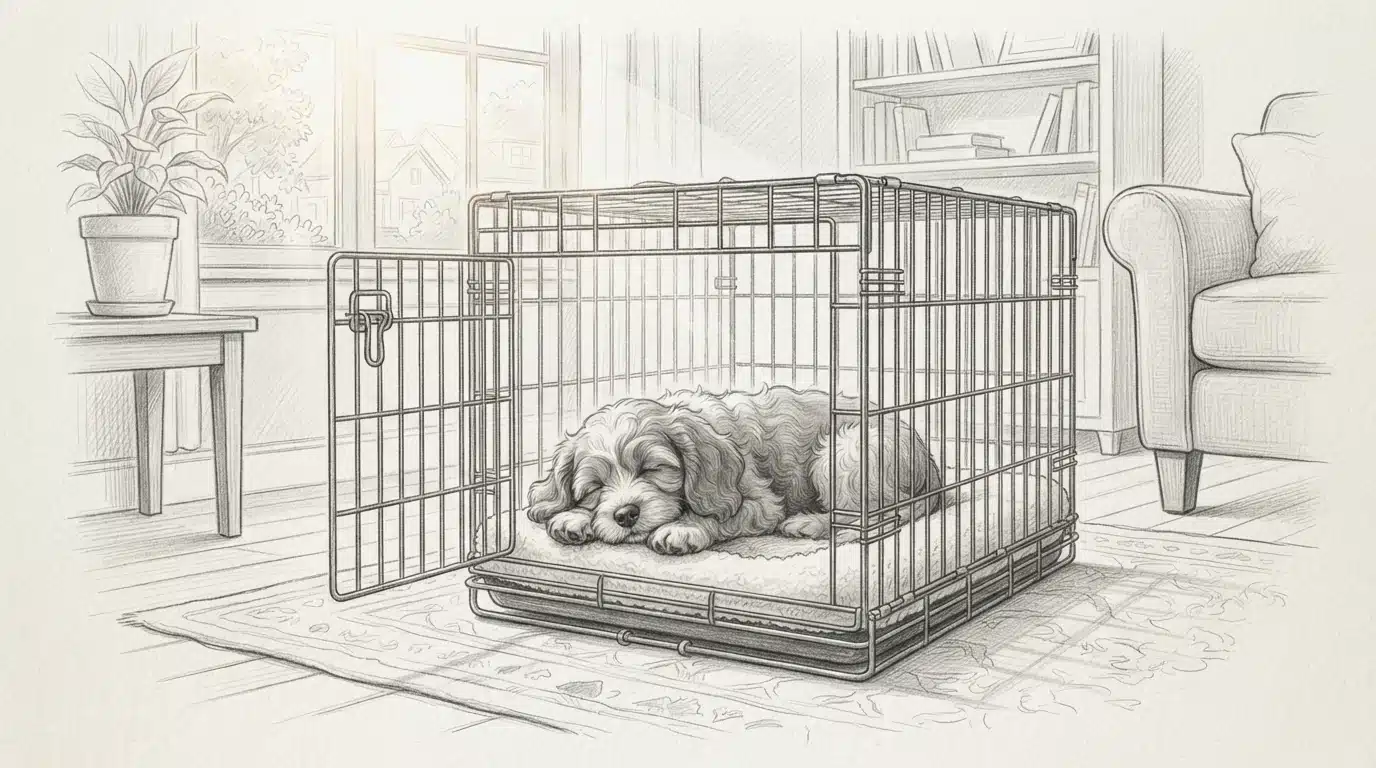
The crate should feel like a den, not a punishment. Feed meals just inside the open door for a day or two, then close it briefly while your puppy eats. Build up to five-minute naps with the door shut, always letting her out before she cries. Once she settles, stretch the sessions toward meal-length naps. Crate training also supports house-training, because most puppies avoid soiling their sleeping space. For more routines that make early training stick, browse our puppy training and socialization guides.
Use Treats Strategically to Avoid “Small Dog Syndrome”
“Small dog syndrome” is not a size problem; it is a training gap. Toy breeds often miss out on consistent guidance because owners find jumping or nipping cute at four pounds. The fix is simple: reward calm behavior, require a sit before meals or doors opening, and keep treat pieces pea-sized so daily training never upsets a small stomach. Fair, consistent rules from day one raise a confident, well-mannered companion.
Step 4: Plan Exercise and Enrichment That Fit a Small Frame
Tiny puppies have big energy, but their joints and blood sugar are still catching up. The goal is short, steady activity plus plenty of thinking games, not long marches.
Use the “Five Minutes per Month” Walk Rule
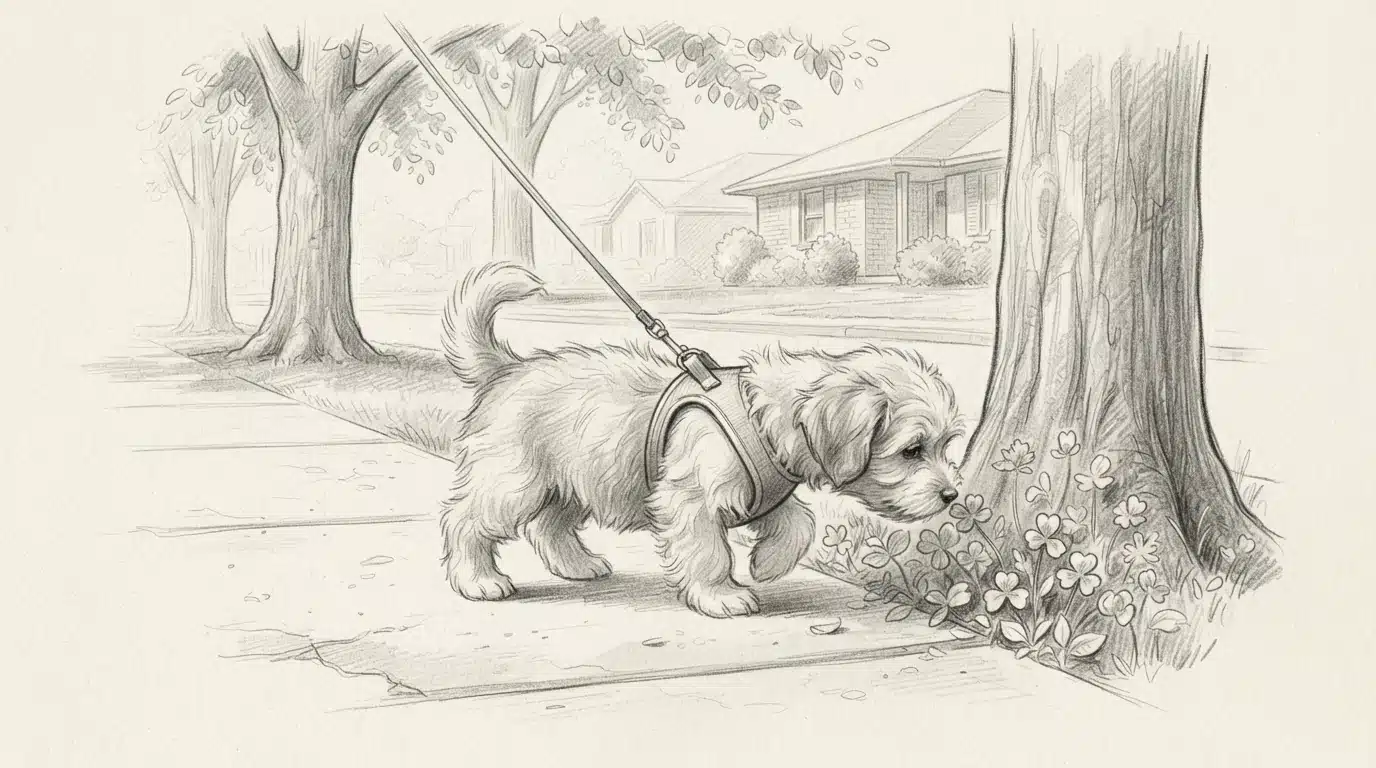
A common starting guide is about five minutes of structured walking per month of age, once or twice a day. A four-month-old Havanese gets two short 15-20 minute outings, with sniffing allowed. Researchers note this rule is a rough tool, not hard science, so watch your puppy instead of the clock (Veterinary Ireland Journal). End early if he sits down, lags, or gets wobbly, since small breeds tire and dip in blood sugar faster than larger dogs (AKC).
Rotate Indoor Enrichment Games Daily
Mental work tires a puppy faster than miles of walking, and it happens safely indoors. Rotate three or four games so nothing gets boring:
- Snuffle mat or scattered kibble for nose work at breakfast
- Stuffed rubber toy during your work calls
- Two-minute training sessions teaching sit, touch, and name recall
- Short play with soft toys, ending before he gets nippy or frantic
Two or three short sessions spread through the day beat one long block. End each game while he still wants more.
Carry-and-Place Socialisation for In-Progress Vaccines
Before vaccines are finished, keep paws off public grass. Instead, carry your puppy to a quiet storefront or park bench, set him on a blanket, and let him watch the world. Pair every stranger, stroller, and dog with a treat. Short, calm exposures like this build confidence safely during the critical window.
Ready to plan your puppy’s first weeks? Start your Sage Puppies application.
Step 5: Run a Home Health Routine With Your Veterinarian
Your puppy’s health depends on two things working together: a vet who guides the first year and you, watching daily at home. Set up both in the same week your puppy arrives.
Follow the First-Year Veterinary Timeline
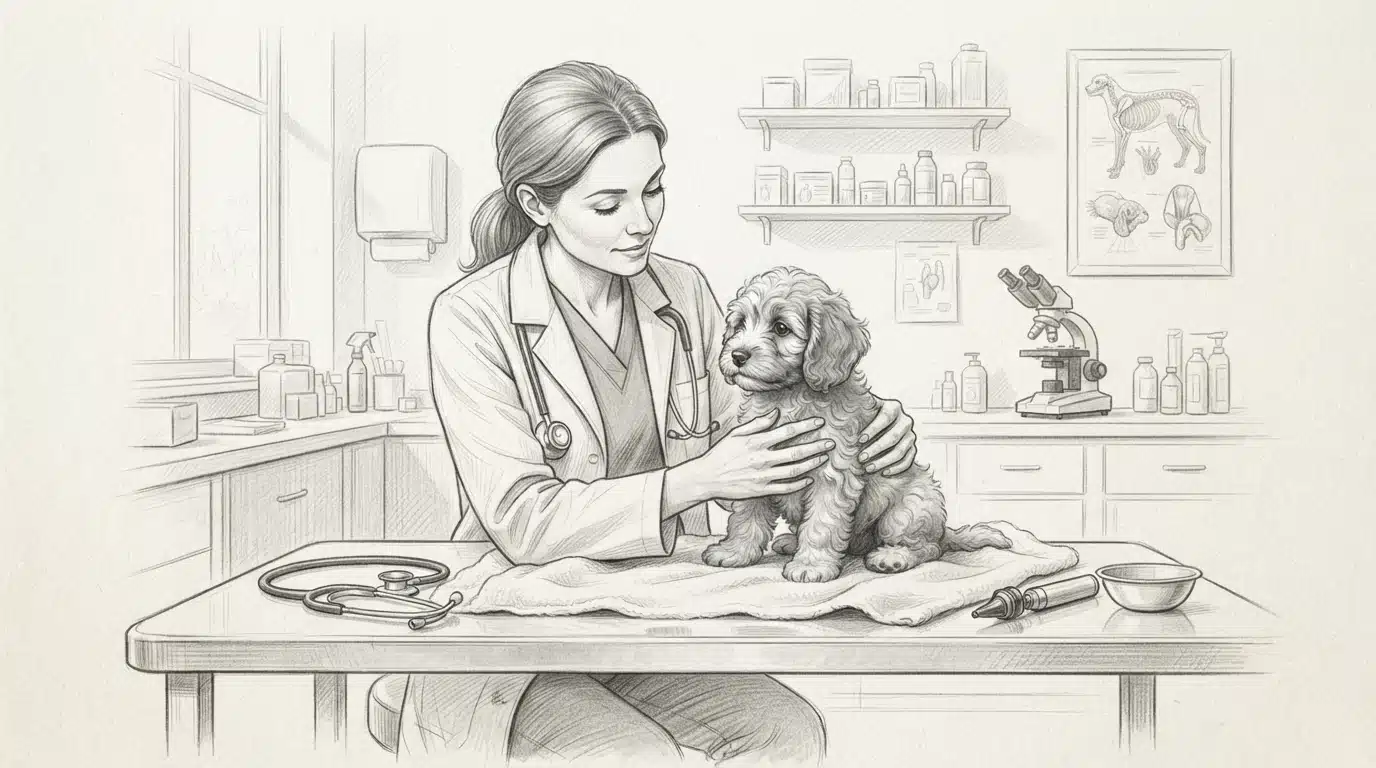
Book a wellness exam within the first 72 hours, even if your breeder already did a vet check. That visit sets your baseline. From there, follow the AAHA vaccination guidelines: core combination shots every 2 to 4 weeks until at least 16 weeks of age, then a booster one year later. Ask your vet to add rabies on the schedule your state requires. Plan spay or neuter timing at the six-month conversation, since small breeds often mature earlier than large ones.
Watch for Small-Breed Health Flags at Home
Tiny puppies burn through blood sugar fast. Learn the signs of low blood sugar: wobbliness, drooling, glazed eyes, or sudden tiredness. Rub a little honey or corn syrup on the gums and call your vet right away. Keep a daily log for the first month, noting meals, potty habits, and energy. Watch for runny stools, coughing, refusal to eat for more than a few hours, or a belly that looks swollen. Small bodies have little reserve, so early calls beat wait-and-see.
Quick tip: Save your vet’s number and the nearest emergency clinic in your phone before pickup day.
Start Dental Care Early to Prevent Crowding
Small mouths crowd teeth, and crowded teeth trap plaque. Ask your vet to check for retained baby teeth at each visit. Begin handling the muzzle now, then introduce a dog toothbrush and dog-safe paste. Daily brushing feels ambitious; three or four sessions a week still changes the outcome. Pair the routine with dental-checkup questions at every annual exam, and your Cavapoo, Havapoo, or Havanese keeps the smile she was born with. When you’re ready to bring a puppy home, start with our application.
Step 6: Puppy-Proof the Home With Small-Breed Hazards in Mind
Audit Each Room for Low-Level Hazards
Get down on your knees and look at each room from puppy height. A Havanese or Cavapoo weighs just a few pounds at pickup, so hazards live closer to the floor than most families expect. Secure loose electrical cords, sweep up dropped pills, hair ties and children’s Legos, and block gaps behind couches and washers where a tiny puppy can wedge in. Move toxic houseplants such as pothos and peace lilies out of reach, and keep the toilet lid closed. Store trash cans in a cabinet, because leftover bones and coffee grounds are genuine dangers.
Manage Outdoor and Car Safety for a Light Puppy
A fenced yard still needs a walk-through. Check for gaps under gates, loose fence boards and standing water, and put away snail bait, antifreeze and cocoa mulch. Keep your puppy on a flat harness and short lead near roads; a four-pound puppy can slip a collar in seconds.
In the car, always use a crash-tested carrier or a harness clipped to the seat belt. Never leave a small puppy alone in a parked car, since their tiny bodies heat up and chill down faster than an adult dog’s.
Set up your puppy’s space before pickup day, and if you haven’t yet reserved your pup, Sage Puppies’ application is the next step.
Common Mistakes to Avoid in the First Six Months
Small breed puppies rarely fail from one big error. They fall behind because small routines get skipped.
Skip These Routines and a Small Puppy Falls Behind
Watch for these common slips:
- Free-feeding all day. Toy breeds need scheduled meals so you can spot appetite changes fast.
- Skipping midday snacks. A four-month Havapoo can still dip into low blood sugar between meals.
- Waiting on coat care. Matting starts at the armpits by week twelve, and a painful first brushing creates a lifelong struggle.
- Carrying your puppy everywhere on walks. They need short ground time to build confidence.
- Vague vet visits. Book boosters on a written schedule, not from memory.
Build a One-Page Care Calendar You Will Actually Use
Print one page for each month. Add three columns: meals and weight, training wins, and grooming notes. Post it on the fridge and update it in thirty seconds daily. If you want a head start, my care sheet travels home with every Sage Puppies application.

Raising a small breed puppy takes the right start, not guesswork. If a well-bred Havanese, Havapoo or Cavapoo is next for your family, apply through Sage Puppies and let Cassie help match you with the right puppy.
Frequently Asked Questions
Q1: how to properly raise a small dog at home
Feed small, frequent meals to prevent low blood sugar, puppy-proof low spaces, use a harness instead of a collar, and keep outings short and positive.
Q2: How often should I feed a small breed puppy?
Three to four meals daily until six months old, then two. Small tummies empty fast, so steady meals help prevent hypoglycemia.
Q3: When can my puppy climb stairs safely?
Wait until growth plates close, usually around 12 months. Use gates, and carry your puppy on steep staircases instead.
Q4: How do I socialize a puppy before vaccinations?
Carry your puppy to new places and let calm people greet her. Sightseeing counts; paws stay off shared ground.
Q5: What brush works best for a Havanese coat?
A metal comb plus a slicker brush, used daily in short sessions. Spritz with detangler first so you never pull dry hair.
A Calm, Steady Start for the Next Decade
Caring for a small breed puppy comes down to a few steady habits: small kibble served often to prevent low blood sugar, gentle coat routines matched to your Havanese, Havapoo or Cavapoo, a well-fitted harness and crate, and early socialization built on calm carries and safe places. None of it needs to be perfect. It needs to be consistent. Watch your puppy’s weight, energy and appetite each day, and let your veterinarian guide the health decisions. With warm hands, short sessions and plenty of rest, those first weeks at home shape the confident, cuddly companion you hoped for. Trust the process, and enjoy every small moment.