
Quick Summary: Choosing the right small breed puppy requires matching energy levels, grooming demands, and temperament to your actual daily routine. Sturdy companion breeds like Havanese, Havapoos, and Cavapoos offer low-shedding coats and gentle temperaments that suit family and apartment living. Ethical breeders like Sage Puppies ensure puppies adjust smoothly by conducting documented health screenings and raising litters directly inside the home.
Bringing home a small puppy is easy. Choosing the right one for your everyday routine takes more thought than falling for a tiny face. Many families pick a breed on looks alone, then struggle with coat care, energy levels, or a temperament that does not fit their home. This guide shows you how to choose a small breed puppy with confidence. You will learn how to match a breed to your lifestyle, what health testing and early socialization really tell you, and how to spot an ethical breeder before you commit. We draw on years of raising Havanese, Havapoo, and Cavapoo puppies in our South Jordan, Utah home, where each litter grows up around family life. Three simple questions can save you from a mismatch. Let’s start there.
Assess Your Household Routine and Energy Level
Learning how to choose a small breed puppy starts with an honest look at your own calendar. The right puppy fits the life you actually live, not the one you hope to have someday.

Matching Daily Exercise Capacity with Breed Energy
Most small companion breeds need less intense exercise than large working dogs, but “less” is not “none.” Plan for two or three short walks a day, plus indoor play. A Havapoo or Cavapoo usually thrives on 30 to 45 minutes of activity, while a Havanese is often happy with a bit less if playtime fills the gap.
Ask yourself three questions. Can you walk your puppy every day, in every season? Does anyone in the home enjoy fetch or training games? Do you have a safe, enclosed space for quick potty breaks and play? If you answered yes to two of these, a small companion breed is likely a great match. If not, be honest before you commit. You can compare energy and temperament across breeds to find the fit that matches your pace.
Evaluating Work Schedules and Alone Time Tolerance
Puppies are social, and long empty hours are hard on them. Before you choose, map out a typical week. Count the hours your puppy would spend alone each day.
| Daily Alone Time | What It Means for a Puppy |
|---|---|
| Under 4 hours | Ideal for a young puppy |
| 4 to 6 hours | Manageable with a midday break or dog walker |
| Over 6 hours | Consider adult help, doggy daycare, or waiting |
Small companion breeds like the Havanese bond closely with their people and can struggle when left alone too long. If your household is busy, plan for a midday visit or a trusted neighbor. A puppy raised in a home setting, with early socialization before it comes to you, often handles new routines and brief absences with more confidence.
Evaluate Living Environment and Space Requirements
Small breeds adapt well to most homes, but the right match still depends on your space, noise tolerance, and daily routine. Before you fall for a face, think honestly about where the puppy will live.
Apartment Living and Vocal Tendencies
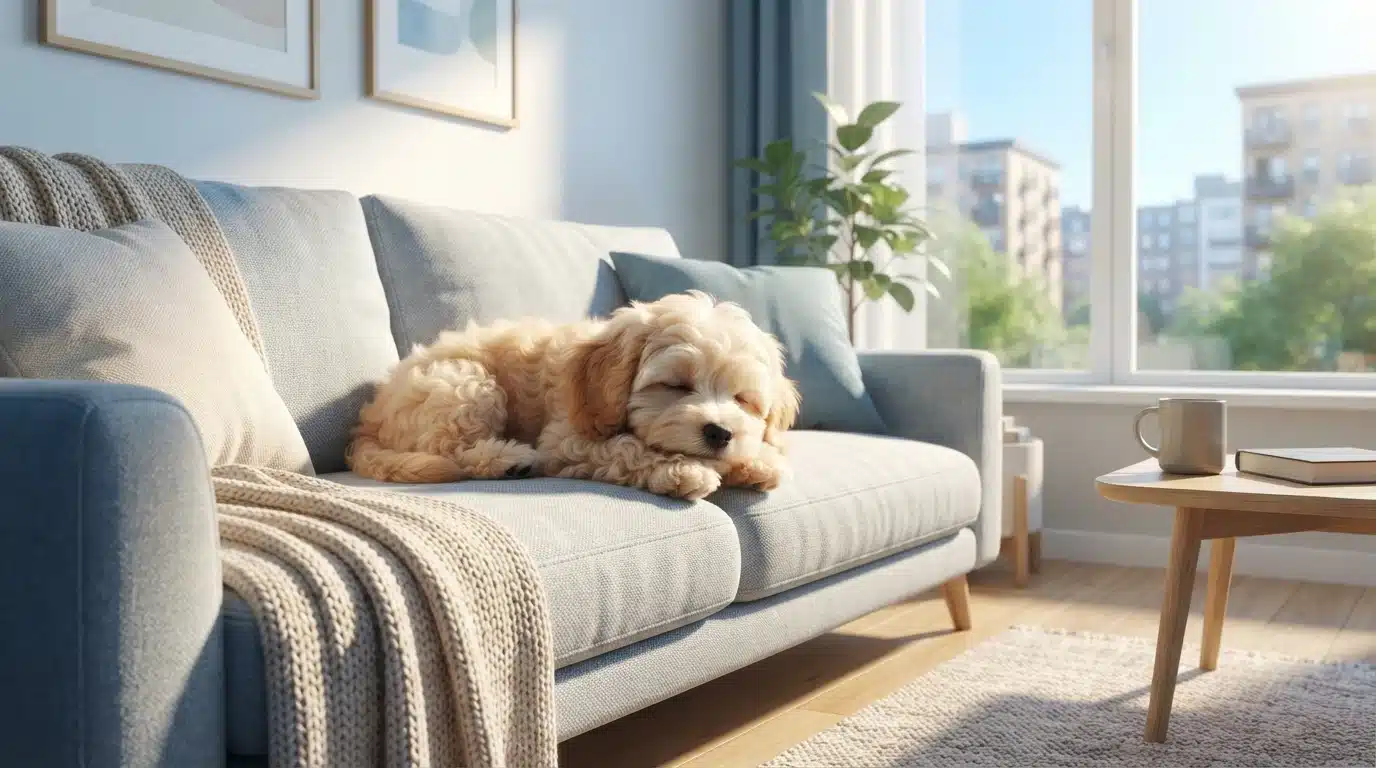
Size matters less than sound. In an apartment, a puppy that barks at every hallway sound becomes a neighbor problem fast. Havanese, Havapoos, and Cavapoos are generally quieter companion breeds, but early socialization shapes how comfortable they stay when left alone or when sounds filter through walls. Ask a breeder how puppies are raised. Home-raised litters hear doors, dishwashers, and everyday life, so they settle into apartments with less drama.
Vocal tendencies also vary within each breed, so watch a puppy before you commit. A well-bred companion stays content with two brisk walks and indoor play. For a closer look at one of the calmest options, this Havapoo temperament guide breaks down what apartment families should expect.
Yard Access, Safe Boundaries, and Potty Logistics
You do not need a big yard. You do need a plan. A small patch of grass, a patio turf pad, or a consistent outdoor route all work, because small breed puppies succeed on routine more than square footage. What matters is a safe, contained space where the puppy can relieve itself without crossing streets or meeting unfamiliar dogs.
If you have a yard, check the fence line at puppy height. Loose boards and gaps under gates are escape routes for an eight-pound explorer. Keep a potty spot close to the door, visit it after meals and naps, and praise quietly.
Apartment or house, Sage Puppies families get pickup in South Jordan, Utah or nationwide delivery, plus guidance on the first-week routine so potty training starts on solid ground.
Consider Family Dynamics and Child Compatibility
The right puppy for your home depends on who lives in it. A toddler who grabs and a gentle ten-year-old who reads quietly need very different dogs, so match the breed’s build and temperament to your household before you fall in love with a face.
Sturdy Companion Builds Versus Fragile Toy Breeds
Small does not mean fragile, but the difference matters. Delicate toy breeds with fine bones can be injured by a fall from a young child’s arms or a hard step. Sturdier companion builds handle the honest clumsiness of family life far better.
Havanese, Havapoo, and Cavapoo puppies sit in that sweet spot. They stay small enough for apartments yet carry a solid, balanced frame that tolerages play, gentle tugs, and supervised roughhousing. Their coats are soft and their joints are sound, which helps them bounce back from ordinary childhood enthusiasm.
Set house rules early, too. Young children should sit on the floor to hold the puppy, and no dog should be carried by young kids without an adult nearby. A sturdy build gives you margin, but supervision gives you safety.

Temperament, Patience, and Child Socialization
Build matters less than character. The best family dogs forgive clumsy handling, recover quickly from surprises, and seek out people rather than hiding from them.
Look for three traits when you meet a litter. First, resilience: a puppy that startles and then returns to play. Second, an interest in people, including children, rather than only adults. Third, a soft mouth and moderate energy that suit indoor family life.
Early socialization shapes these traits, so ask how the breeder raises each litter. Puppies raised in a home, handled daily by adults and children, arrive already comfortable with family noise and routines. That head start shows in the first week at your house and for years after.
Ready to see which of our current puppies fits your family? Visit our available puppies page.
Understand Coat Types, Shedding, and Grooming Commitments
A puppy’s coat shapes your daily routine as much as its personality does. Before you fall for a fluffy face, know what that fur will ask of you.
Low-Shedding Coats and Allergy Considerations
The three breeds we raise share one family-friendly trait: coats that shed very little. The Havanese has a silky double coat, while the Havapoo and Cavapoo often lean toward the soft, wavy coat their Poodle parent contributes. None of these breeds is truly hypoallergenic, because no dog is. Allergens live in dander and saliva, not just fur. Still, low-shedding coats keep loose hair off your sofa and can make life easier for mild allergy sufferers. If allergies are a concern, spend time around the breed before you commit. A short visit tells you more than any breed description can.
Realistic Daily Brushing and Professional Salon Care
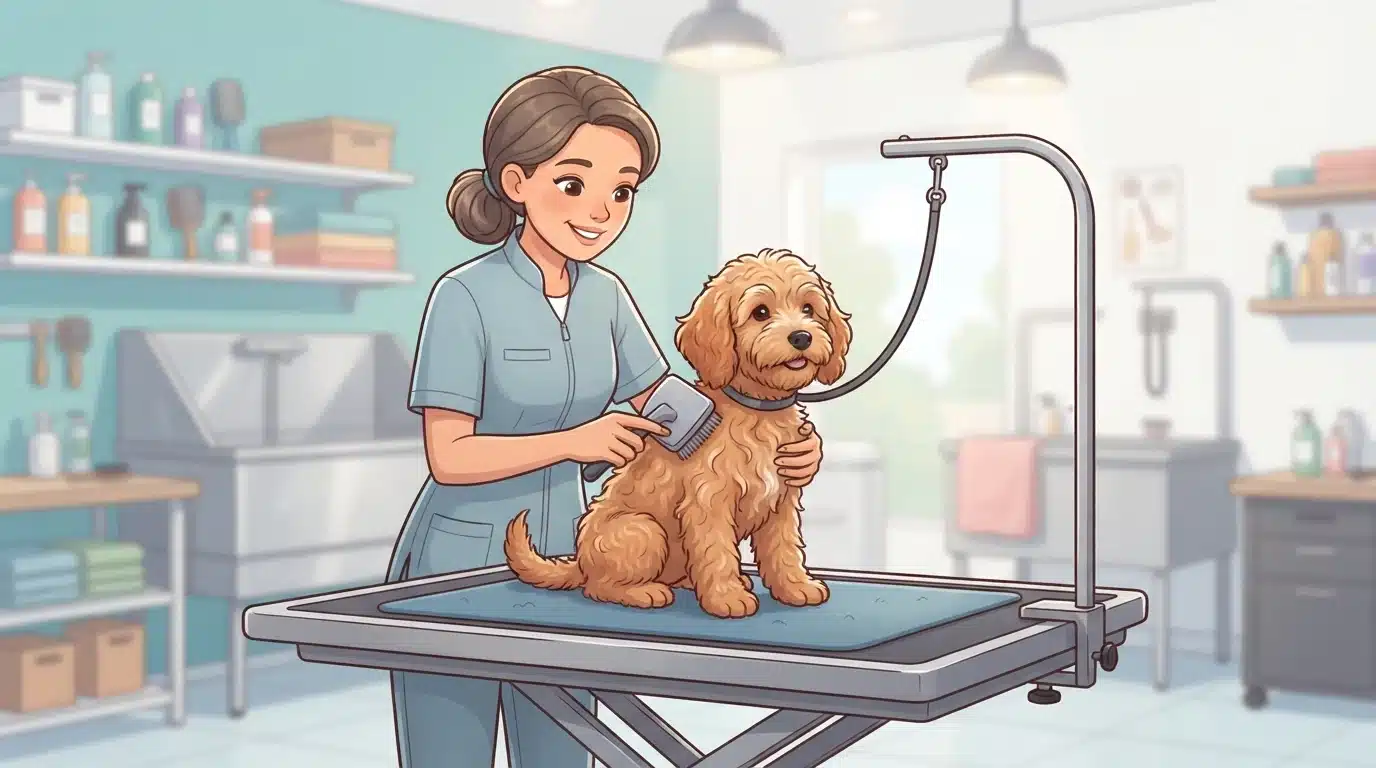
Low shedding comes with a trade-off: the coat keeps growing. Plan on brushing a few minutes most days to prevent mats, especially behind the ears and under the legs. Most families also book professional grooming every six to eight weeks for a trim, bath, and nail care. Between visits, keep a simple routine: a slicker brush, a metal comb, and patience during puppyhood, when coats change texture. Poodle mixes need the most consistent care; a Cavalapoo’s coat can range from straight to curly within one litter, so ask about each puppy’s coat before you reserve. Build grooming costs into your budget from day one. For help planning, see our guide on choosing the right puppy.
Examine Top Companion Small Breeds
Three breeds stand out for families who want a small, affectionate dog that fits home life. Here is what each one offers.
The Purebred Havanese: Affectionate, Sturdy, and Cheerful
The Havanese is Cuba’s national dog, and its reputation rests on one trait: it wants to be with you. These dogs follow family members from room to room, settle easily into apartment life, and stay playful well into their senior years. At 7 to 13 pounds, they are small but sturdy, which makes them more forgiving with gentle children than many toy breeds. Their silky coat needs regular brushing, but they shed very little. If you want a Havanese puppy with a cheerful, people-first temperament, this breed is hard to beat.
The Cavapoo: Gentle, Empathetic, and Social
A Cavapoo blends the Cavalier King Charles Spaniel with the Poodle, and the result is a soft-natured dog that seems to read the room. Many families choose a Cavapoo because it adapts its energy to yours: calm on quiet evenings, eager for a walk or a game when you are. They weigh 10 to 20 pounds and respond well to positive training. Their Poodle influence gives most a low-shedding, wavy coat.
The Havapoo: Clever, Hypoallergenic, and Playful
The Havapoo mixes the Havanese with the Poodle, producing a bright, quick-learning companion with a coat many allergy-sensitive families tolerate well. Expect 8 to 15 pounds of playful, social energy that thrives on short training sessions and daily play. Because both parent breeds are companion dogs, Havapoos bond closely and dislike long hours alone. Their coats range from wavy to curly, so ask about grooming needs early. For a fuller breakdown, see our Havanese vs Cavapoo comparison, which covers care and temperament in detail.
Identify Health Screening Standards and Ethical Breeding Practices
A healthy puppy starts long before birth. The dam and sire need documented testing, and the breeder should explain every result without prompting. Ask for records early, because a transparent program will share them gladly.
Essential Genetic and Orthopedic Health Screenings
Parents should carry clear results in three areas. First, orthopedic screening: OFA or PennHIP evaluations of the hips and patellas, since small breeds commonly deal with luxating patellas. Second, eye certification: annual OFA CAER exams by a board-certified ophthalmologist to catch inherited eye disease. Third, genetic panels: DNA tests for breed-relevant conditions, such as the heart and joint markers that matter in Havanese, Cavapoo, and Havapoo lines.
Ask which tests were done, when, and what the results show. A breeder who says “the vet checked them” without paperwork is asking you to guess. Written results let you verify claims independently through the OFA’s public database.
Red Flags of Commercial Kennels Versus In-Home Programs
Commercial kennels follow a simple pattern: many litters, little contact, constant turnover. Watch for puppies housed in kennel buildings or barns, no access to the mother, and breeders who ship on sight. Multiple litters available at once, prices dropped for quick sale, and refusal to let you meet the dam all point toward volume production.
In-home programs look different. Puppies grow up in a kitchen and living room, handled daily by adults and children. That early exposure shapes temperament for life, so a family-raised puppy typically settles into a new home faster and with less stress.
At Sage Puppies, every litter is raised in our South Jordan, Utah home with health-tested parents. Meet our current Havanese puppies and see the difference for yourself.
Evaluate Safe Puppy Delivery and Seamless Pickup Logistics
A great puppy can have a stressful start if the trip home is rushed or confusing. Ask any breeder you’re considering to explain exactly how puppies travel, who handles them, and what your puppy gets on the day.
Local Pickup: Establishing Calm Transitions at the Breeder
Meeting your puppy where it was raised tells you a lot. You’ll see the home environment, meet the mother when possible, and watch how your puppy responds to new people. A calm, clean setup and a breeder who asks you questions back is a good sign.
Plan your visit for a relaxed day, bring a travel crate lined with a familiar-scent blanket, and keep the first car ride short. Our step-by-step adoption process walks Utah families through pickup day at our South Jordan home.
Nationwide White-Glove Flight Nanny Travel
For families outside Utah, a flight nanny is often the gentlest option. Your puppy rides in the cabin with a dedicated handler, never as checked cargo, and goes straight from the nanny’s arms to yours at your home airport.
Ask which airlines are used, how layovers are handled, and what the puppy eats and drinks en route. A reputable program sends photo updates during travel and confirms arrival details the day before.
Tip: Whichever option you choose, block out a quiet first week at home so your puppy can settle before meeting visitors.

Ready to meet your puppy? Our Sage Puppies families choose from health-tested, home-raised Havanese, Havapoo, and Cavapoo litters, with pickup in South Jordan or delivery nationwide. Browse available puppies today and start a calm, transparent application when the right match appears.
Frequently Asked Questions About Choosing a Small Breed Puppy
Q1: How do I choose the right small breed puppy for my home?
Match the breed’s energy, coat, and temperament to your routine. Havanese, Havapoos, and Cavapoos suit most homes because they’re adaptable, people-focused, and low-shedding. A home-raised breeder can help you pick the best fit.
Q2: Are small breed puppies good with children?
Yes, when they’re well socialized early. Breeds raised in a family setting learn gentle handling from day one, which matters most for homes with young kids.
Q3: Which small breed puppy needs the least grooming?
Short answer: none are zero-maintenance. Havapoos and Cavapoos need brushing several times a week plus regular trims, but their low-shedding coats shed far less than many breeds.
Q4: What should I ask a breeder before reserving a puppy?
Ask about health testing on both parents, how puppies are socialized, and what support you’ll get after pickup. Transparent breeders answer all three gladly.
Q5: Can I get a puppy delivered if I live outside Utah?
Yes. Many boutique programs, including Sage Puppies, offer local pickup in South Jordan and safe nationwide delivery, so distance shouldn’t limit your choice.
Finding Your Ideal Small Breed Companion
The right puppy comes down to honest self-assessment. Match a breed’s energy, coat care, and temperament to your household, then vet breeders as carefully as you choose the breed itself. Health-tested parents, early socialization, and transparent practices matter more than price or convenience.
Whether you lean toward a Havanese, Havapoo, or Cavapoo, take your time with the decision. Families who compare temperaments and care needs before reserving tend to settle in faster, and our breed guides can help you weigh each option. A well-matched small breed companion fits easily into family life and rewards thoughtful choices for years.





