
Quick Summary: Choosing between a Havanese and a Cavapoo comes down to your daily routine, not just looks. Havanese need daily brushing and struggle with long alone time, while Cavapoos vary more in coat, size, and temperament because they’re a cross. Both need regular grooming, moderate exercise, and positive training, and neither suits a home empty all day. Pick the breed whose adult needs match your lifestyle, and ask breeders for specific health test results on both parents.
Choosing between Havanese vs Cavapoo puppies comes down to one thing: your routine. A Havanese may fit a home ready for regular coat care and a dog that wants to stay close. A Cavapoo may fit families open to a puppy whose coat and traits vary with its Cavalier and Poodle parents. Neither breed is low-effort.
Cute photos hide the real differences in grooming, time alone, exercise, and training. Families comparing Havanese vs Cavapoo puppies deserve a clearer picture than a breeder’s ad.
That is what this guide covers. We compare daily care, explain what to ask about each puppy and its parents, and help you decide which routine actually fits your family. Every puppy is an individual, and honest breeders will tell you so.
Havanese vs Cavapoo Puppies: Daily Care at a Glance
| Havanese puppy | Cavapoo puppy | |
|---|---|---|
| Temperament and companionship | Typically cheerful, social, and people-oriented | Often affectionate, playful, and people-focused |
| Coat care | Long silky coat; regular brushing helps prevent tangles and mats | Wavy-to-curly coat; regular brushing and grooming are important |
| Exercise and enrichment | Moderate activity; walks and play can meet many needs | Daily walks, play, and mental enrichment |
| Training and alone-time practice | Responds well to positive training; may not enjoy long isolation | Positive training and gradual separation practice are useful |
| What varies by puppy | Individual confidence, coat, and routine needs | Coat, shedding, size, and inherited temperament traits |
How Havanese puppy and Cavapoo puppy Compare
Havanese puppy
A small, social companion breed with a long, silky coat and a cheerful, people-oriented nature. It suits families who want a steady, outgoing dog and can commit to regular brushing and close daily involvement.

Key strengths
- Typically cheerful, social, and eager to be with people
- Moderate exercise needs met with walks and play
- Responds well to positive, gentle training
Cavapoo puppy
A Cavalier King Charles Spaniel and Poodle cross known for affectionate, playful, people-focused temperaments. Coat type, size, and personality can vary with the puppy and its parent lines, so meeting the parents helps.
Key strengths
- Often affectionate, playful, and family-focused
- Daily walks, play, and mental games keep it happy
- Benefits from early training and gradual alone-time practice
Temperament and Companionship in Everyday Family Life
Both breeds were made for company. The Havanese is a true “people dog” that follows you from room to room, while the Cavapoo brings the same warmth with a bit more bounce. Neither breed thrives in a quiet house where everyone is gone all day. Both want to be where the family is.
What close companionship looks like at home
Picture an ordinary Saturday. A Havanese will sit on the couch beside you during movie night, then trot to the kitchen when someone stands up. The breed standard calls it a friendly, playful, alert companion with a sweet disposition, and daily life matches that. The AKC’s Havanese profile notes they thrive on human company and don’t do well left alone for long stretches.
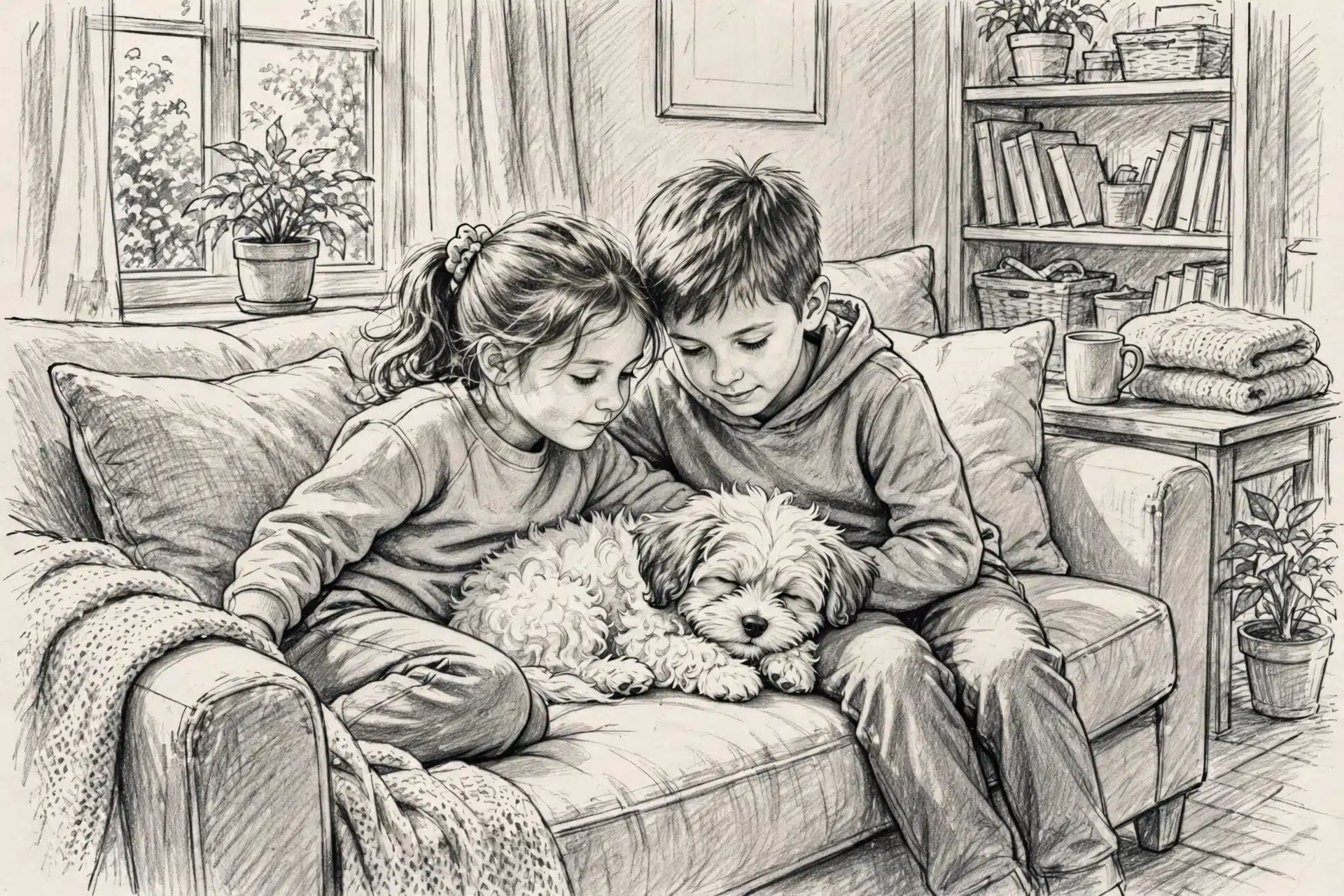
Cavapoos behave much the same way. They shadow their favorite people, join backyard games, and settle at your feet when the day winds down. Many are slightly more athletic, so they may want an extra walk or a puzzle toy after dinner.
The catch for both: this closeness can tip into separation stress. Start short practice absences early.
Tip: Raise your puppy in a home where daily handling and household noise are normal. Puppies from Sage Puppies grow up in our South Jordan, Utah home, so family life already feels familiar on day one.
Matching temperament to children and visitors
Both breeds are usually patient with kids when raised and socialized well. But small bodies need gentle hands.
- Havanese: cheerful and social, often quick to greet guests. A vet-reviewed Cavapoo comparison notes Havanese-type mixes are friendly with strangers once they decide someone is safe.
- Cavapoo: affectionate and outgoing, sometimes more energetic with visitors.
- For both: supervise play, teach kids to invite contact rather than chase, and give the dog a quiet retreat spot.
Remember, temperament is a tendency, not a promise. Individual personality matters.
Also Read: Havapoo vs Cavapoo: Which Puppy Needs Less Exercise?
Coat Care: The Routine That Shapes Your Week
Both breeds have hair that keeps growing instead of shedding out. That means no fur on your couch, but it also means the coat never takes care of itself. Loose hair stays trapped and turns into tangles, so brushing is a real commitment, not an occasional chore.
Building a gentle brushing habit early
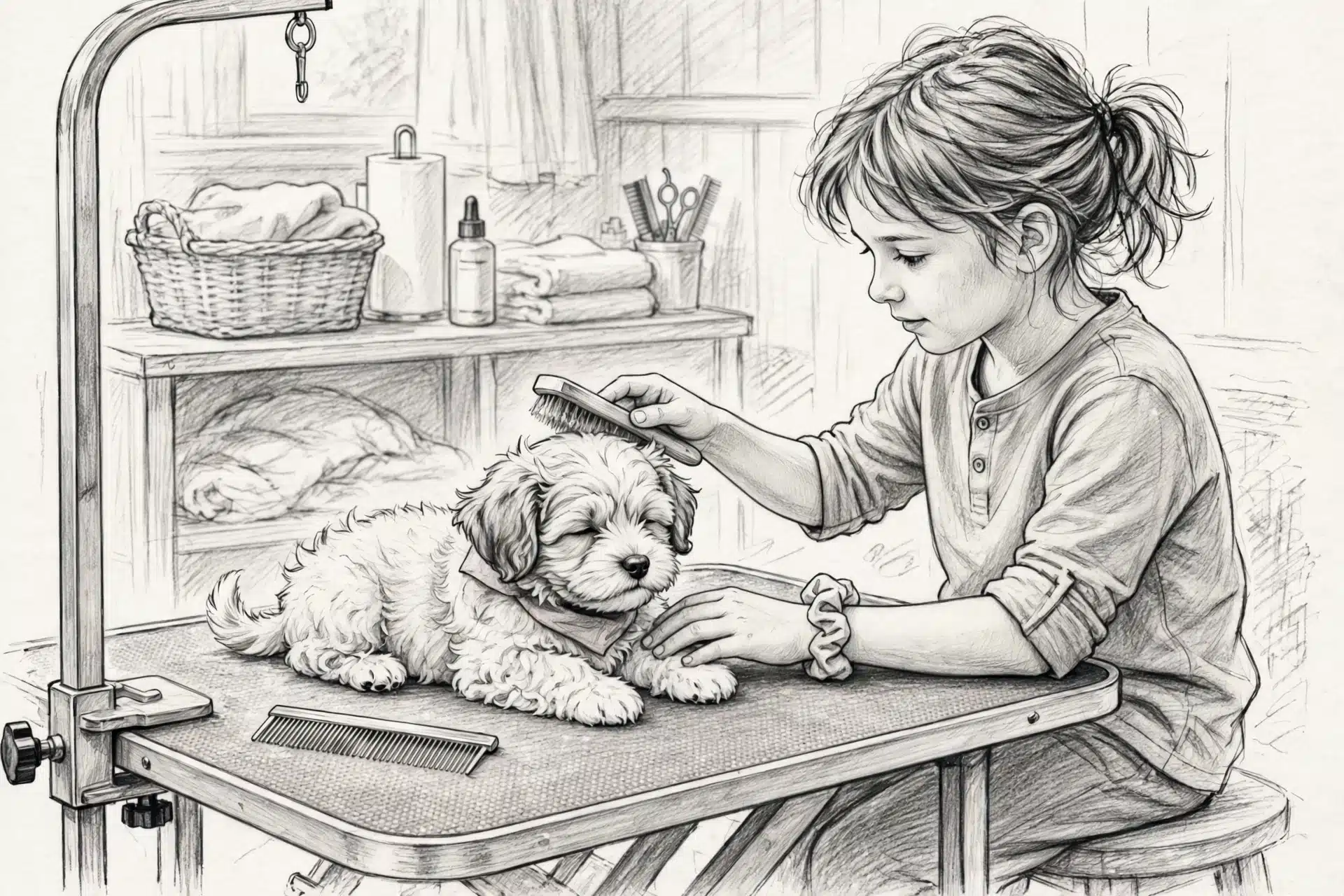
Start the day your puppy comes home. The Havanese Club of America recommends brushing and combing puppies about three times a week so they grow up comfortable with handling. Ten minutes with a pin brush and a metal comb is enough at first.
Keep it positive:
- Pick a quiet time after a potty break or a nap.
- Mist the coat lightly with a detangling spray. Never brush a dry coat.
- Brush in small sections, down to the skin, not just the top layer.
- Pay extra attention behind the ears, armpits, and the collar line.
- End with praise or a small treat.
Families who raise litters at home, like we do at Sage Puppies in South Jordan, start this handling before puppies ever leave, which makes your job easier. The payoff lasts: a puppy who lies calmly for brushing becomes a dog who tolerates nail trims, vet exams, and kid cuddles without stress.
Planning for grooming appointments and coat changes
Most owners keep a shorter “puppy cut,” which needs professional grooming every 4 to 6 weeks and home brushing 2 to 3 times a week. A long, flowing coat looks stunning but demands daily brushing and baths every 1 to 2 weeks.
| Coat Style | Home Brushing | Pro Grooming | Bathing |
|---|---|---|---|
| Puppy cut | 2-3x per week | Every 4-6 weeks | Every 2-3 weeks |
| Teddy bear cut | Every other day | Every 4-6 weeks | Every 2-3 weeks |
| Full long coat | Daily | Every 3-4 weeks | Every 1-2 weeks |
Watch the coat change between 8 and 15 months. The soft puppy fluff gives way to a silkier adult coat, and mats form faster for a few months. Step up to daily brushing during that window.
Brush before every bath. Water tightens tangles into mats that are hard, or impossible, to comb out. As Dogster’s grooming guide puts it, a rushed groom is an incomplete one.
Budget for grooming too. At roughly $60 to $90 per visit, that is a real line in your monthly pet costs. It buys a mat-free, comfortable dog, which is worth every dollar.
Also Read: Havanese, Havapoo & Cavapoo Puppy Care Blog
Exercise, Enrichment, and Training Across a Normal Day
Both breeds are companion dogs with moderate energy. Neither needs miles of running. What they do need is a steady rhythm: short activity, then real rest, repeated through the day.
Balancing walks, play, and rest
Puppies follow one simple rule. Give them about 5 minutes of structured exercise per month of age, once or twice a day. A 3-month-old gets 15 minutes. A 6-month-old gets 30. This comes from veterinary guidance on protecting developing joints, and the AKC’s puppy exercise guide recommends keeping walks on soft surfaces like grass while your puppy grows.
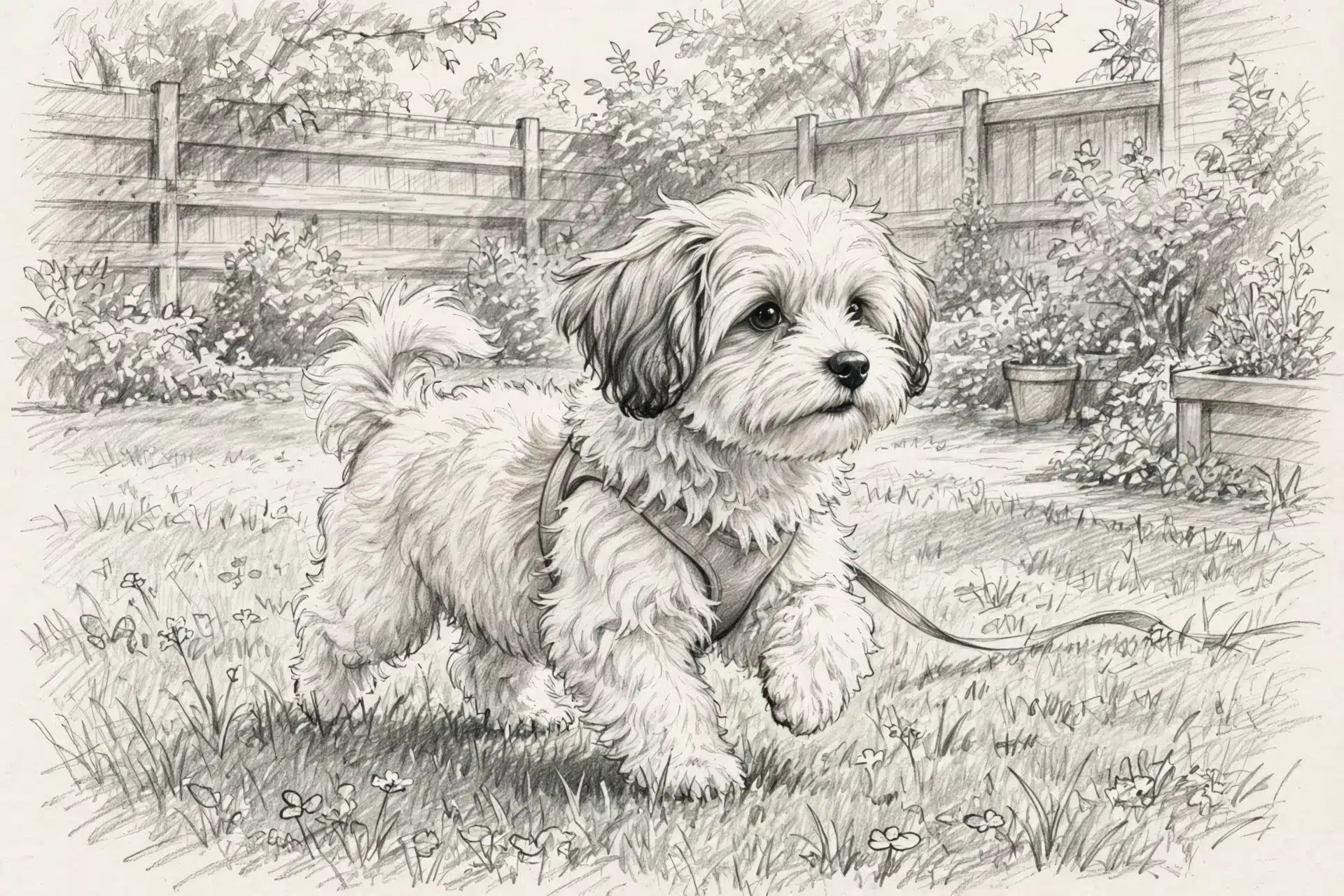
Adults are easier. Most healthy Havanese and Cavapoos do well with 30 to 60 minutes of daily activity, split into two short outings. A brisk walk before work and a play session in the evening covers it. Free play in a fenced yard or on a long line lets your dog set their own pace, which is safer than forcing them to keep up with yours.
A normal day might look like this:
- Morning: 15 to 20 minute walk after breakfast.
- Midday: Short game of fetch or tug, then a nap.
- Afternoon: Free play or sniffing time in the yard.
- Evening: Second short walk, then calm time with the family.
Watch for heavy panting, lagging behind, or lying down mid-walk. Those are your dog’s way of asking for a break. In summer heat, walk early or late, since both breeds handle warm weather poorly.
Using training and enrichment to support calm behavior
Here’s the part first-time owners miss: a tired mind settles a dog faster than a tired body. Ten minutes of problem-solving can wear out a small dog as much as a long walk.
Work these into your day:
- Short training sessions. Two or three rounds of 5 minutes. Practice sit, down, come, and loose-leash walking. Keep it upbeat and reward generously.
- Puzzle feeders. Serve one meal a day in a treat-dispensing toy or snuffle mat instead of a bowl.
- Hide-and-seek. Hide treats or yourself around the house. Both breeds love the search.
- Settle practice. Reward calm lying on a mat. This builds the “off switch” every family dog needs.
Because Havanese and Cavapoos bond tightly with their people, training that involves you works best. Leaving them alone in the yard rarely tires them out. It usually just produces barking at the door.
Puppies raised with this daily rhythm, like the ones started at Sage Puppies in South Jordan, tend to settle into family life faster. Consistency in the first weeks does most of the work.
Health, Individual Variation, and Questions to Ask Before Choosing
Both breeds are generally healthy, but no puppy is a carbon copy of its parents. This matters more for the Cavapoo than the Havanese, so it helps to understand why.
Why a Cavapoo’s inherited traits can be less predictable
The Cavapoo is a cross, not a standardized breed. That means size, coat, and temperament can swing within a single litter depending on which traits each puppy inherits. Some lean toward the Cavalier: calmer, softer-coated, more velcro. Others take after the Poodle: curlier, brighter, more alert. An F1 puppy gets about 50% of each parent breed, so individual results vary.
Health works the same way. A Cavapoo can inherit risks from either side. The Cavalier brings mitral valve disease and syringomyelia; the Poodle brings patellar luxation and eye conditions like progressive retinal atrophy. The Havanese, being a purebred with a closed studbook, is more predictable in type, though it carries its own watch-list of joint and eye issues.
None of this is a dealbreaker. It just means a well-bred puppy depends on the breeder, not the breed label.
How to discuss parent screening and puppy records
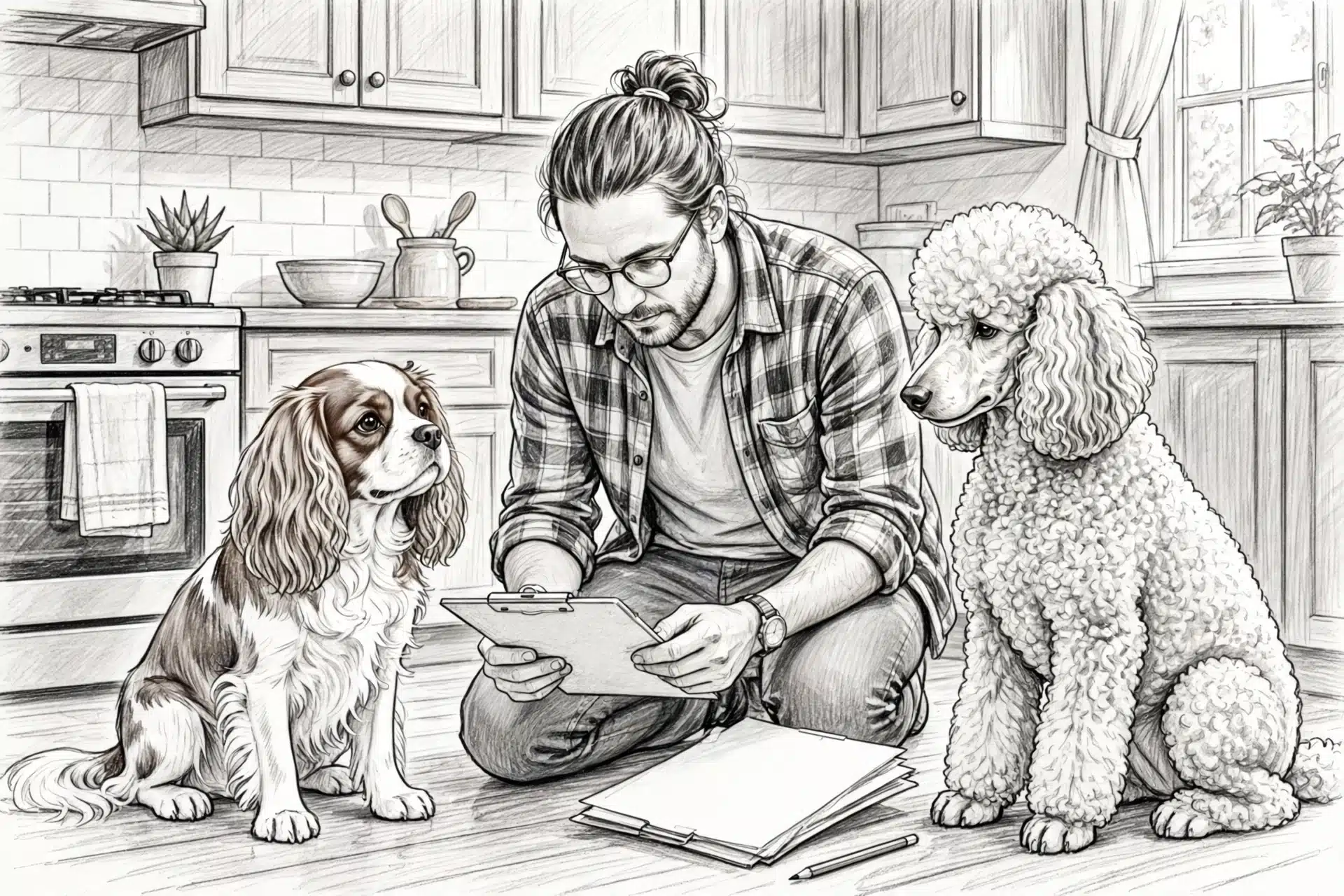
Ask every breeder the same questions so you can compare answers fairly:
- Which tests were done on both parents, by name?
- Can I see the actual results, not just hear “health tested”?
- Were hearts and eyes checked by specialists, or just a routine vet visit?
- Were patellas and hips evaluated?
- What veterinary care and deworming did the puppies receive?
Specific answers build trust. Vague phrases like “our vet checked them” or “we’ve never had problems” are warnings. A routine wellness exam is not a health test.
At Sage Puppies, parent health records and puppy care details are shared openly, and we’re happy to walk through them with you before you reserve.
Also Read: Havanese Review: Temperament, Care, and Family Compatibility
Which Puppy Fits Your Family’s Daily Routine?
The best puppy isn’t the cutest one. It’s the one whose needs match the day you actually live. Before you fall in love, look honestly at your schedule.
Choose by the routine you can sustain
Both breeds are small companions, but they ask for your time in different ways. A Havanese needs about 30 minutes of daily exercise, split into short walks or play sessions, and thrives on being near you all day. The AKC’s breed guide notes they don’t do well when left alone for long stretches. They’re true people dogs.
Cavapoos land in a similar range. Most are happy with a daily walk plus active playtime, and their poodle mix often brings a slightly higher play drive. Neither breed needs a farm or a fenced acre. Both do well in apartments and suburbs, as long as someone is home often enough.
The bigger difference is grooming. A Havanese’s long, silky coat needs brushing most days unless you keep it clipped short. Per PetMD’s care guide, plan on daily brushing or a shorter haircut to keep mats away. A Cavapoo’s wavy coat usually needs brushing a few times a week plus regular trims.
| Daily Need | Havanese | Cavapoo |
|---|---|---|
| Exercise | About 30 minutes, walk or play | About 30-45 minutes, loves play sessions |
| Brushing | Daily (or clip short) | 3-4 times a week |
| Time alone | Struggles with long days alone | Tolerates a bit more, with training |
| Work-from-home fit | Excellent shadow | Great, slightly more independent |
Ask yourself a few questions:
- Is someone home most of the day?
- Can you brush a coat for five minutes, every evening?
- Do you want a lap dog or a play partner?
Honest answers matter more than breed stats. Both puppies adapt well to family life in South Jordan homes or houses across the country. The right match is simply the routine you’ll actually keep for the next 15 years.

Still torn between a Havanese and a Cavapoo? Sage Puppies raises both, right here in South Jordan, Utah, with health-tested parents and gentle early socialization. Browse available puppies, review our pricing and process, then apply – we offer local pickup and nationwide delivery.
Frequently Asked Questions
Q1: How do Havanese and Cavapoo puppies differ in daily care?
Havanese need daily brushing and regular trims since they have a single, human-like coat that sheds very little. Cavapoos vary by coat type, but most also need brushing several times a week and grooming every 6-8 weeks.
Q2: Which breed is better for first-time owners?
Both work well. Havanese are eager to please and easy to train. Cavapoos are also smart and affectionate but can be a bit more energetic early on.
Q3: Do either of these breeds do well in apartments?
Yes. Both stay small and adapt easily. Short daily walks plus playtime meet most of their exercise needs.
Q4: How much do Havanese vs Cavapoo puppies cost?
Expect roughly $1,500 to $3,500 depending on the breeder, pedigree, and location. Health testing and home raising often raise the price but improve quality.
Q5: Are these breeds good with kids and other pets?
Both are gentle and social. Supervise early interactions, and both breeds usually settle in happily with children and other animals.
Q6: Do Havanese or Cavapoos have separation anxiety?
Both bond closely with their families. Crate training, gradual alone-time practice, and consistent routines help either breed handle time alone.
Q7: How can I meet a puppy before adopting?
Families near South Jordan, Utah can visit Sage Puppies in person, and out-of-state families get video calls, photos, and safe nationwide delivery options.
A Care Routine You Can Feel Good About
Havanese and Cavapoos are both affectionate, people-first companions. The real difference comes down to predictability. As our first-time owner guide explains, Havanese stay consistently toy-sized, while Cavapoo size, coat, and energy can vary more.
Both need regular brushing, positive training, and company. Neither suits a home empty all day. Pick the breed whose adult needs match your routine, not just the cutest face. Do that, and the daily care feels less like work and more like the best part of your day.



