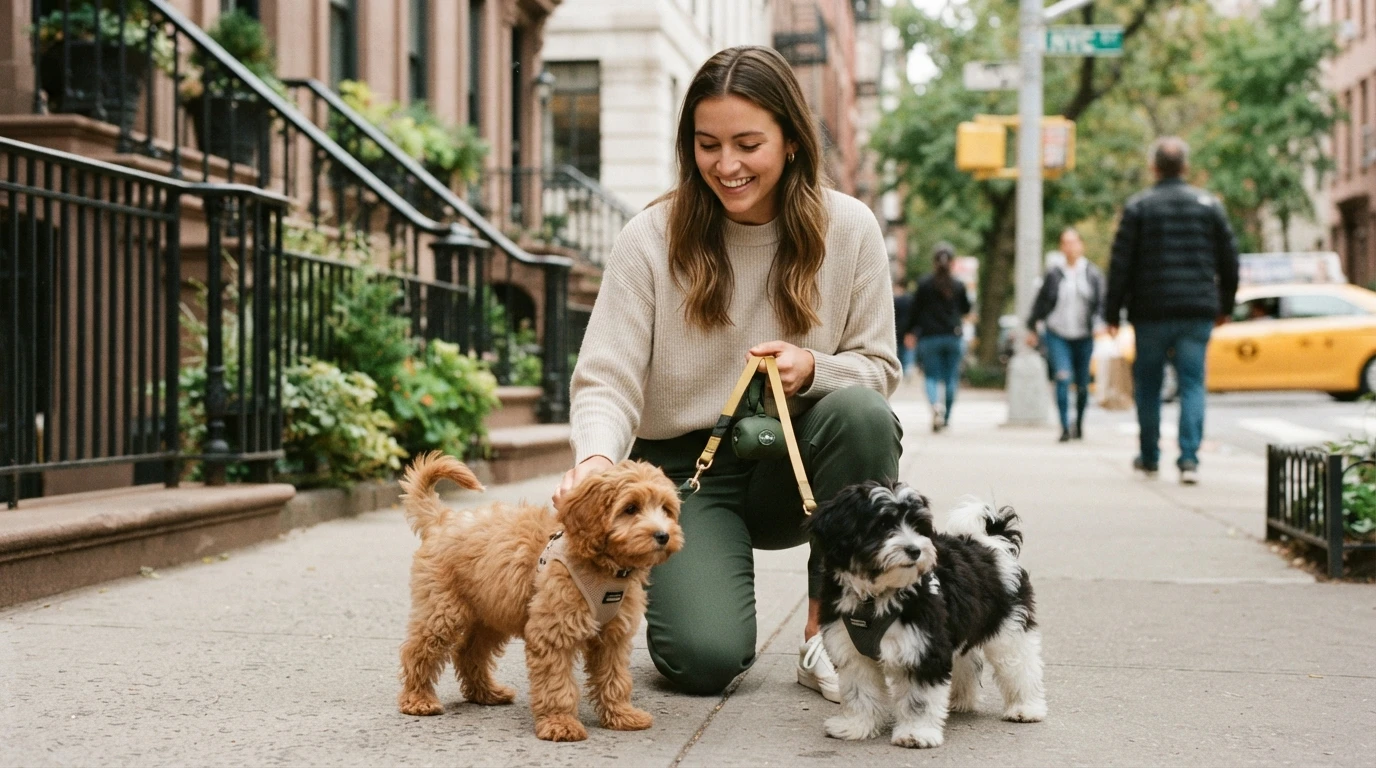
Quick Summary: Choosing between a Havapoo and a Cavapoo comes down to your home’s daily energy level. Spirited Havapoos bring resilient, playful energy suited for active families, while gentle Cavapoos offer calm, intuitive cuddling perfect for quieter households. Both small doodle mixes share low-shedding coats and require 30 to 45 minutes of daily activity, making early health testing and home-raised socialization the deciding factors for a great family pet.
The Havapoo temperament vs Cavapoo temperament debate comes down to one honest question: does your home run lively or calm? Havapoos tend to be witty, resilient little playmates who thrive with active families. Cavapoos lean toward gentle, serene cuddling, which suits quieter households beautifully.
The problem is that both share teddy bear looks, low-shedding coats, and clever Poodle genes. That similarity makes comparing Havapoo temperament vs Cavapoo temperament genuinely hard for first-time owners.
This guide walks you through ancestry, temperament, exercise needs, grooming, health, and household fit. At Sage Puppies, we raise both breeds in our South Jordan home, so we know how each puppy behaves long before it meets your family. By the end, the right match will feel obvious.
Havapoo vs Cavapoo: At a Glance Comparison
| Havapoo | Cavapoo | |
|---|---|---|
| Parent Breeds | Havanese x Miniature or Toy Poodle | Cavalier King Charles Spaniel x Miniature or Toy Poodle |
| Average Adult Weight & Height | 8-15 lbs, 9-12 inches | 9-18 lbs, 10-14 inches |
| Core Temperament & Demeanor | Playful, outgoing, comical, highly social, and adaptable | Sweet-natured, placid, emotionally intuitive, gentle, and eager to snuggle |
| Daily Energy & Activity Level | Moderate energy; thrives on interactive indoor games and two short daily walks | Low-to-moderate energy; satisfied with relaxed strolls and extended cuddle sessions |
| Coat Texture & Grooming Needs | Soft wavy or curly fleece; brushed 3-4 times weekly, groomed every 6-8 weeks | Silky loose waves to curls; brushed 3-4 times weekly, groomed every 6-8 weeks |
| Primary Genetic Health Screenings | Patellar luxation, PRA eye exams, cardiac clearance, and hip evaluations | Mitral Valve Disease (cardiac clearance), PRA eye clearance, patellas, and DNA panels |
How Havapoo and Cavapoo Compare
Havapoo
The Havapoo crosses the Havanese with a Miniature or Toy Poodle, producing a playful, outgoing companion that usually matures between 8 and 15 pounds. It suits active families who want a social, comical dog that adapts easily to home life. Its angle in this comparison: the more spirited, game-for-anything of the two.
Key strengths
- Highly social and adaptable temperament
- Moderate energy with easy indoor exercise needs
- Soft wavy or curly fleece coat
Cavapoo
The Cavapoo pairs the gentle Cavalier King Charles Spaniel with a Miniature or Toy Poodle, yielding a sweet-natured, emotionally intuitive companion of 9 to 18 pounds. It fits calm households and first-time owners seeking a devoted snuggler. Its angle here: the placid, people-focused heart of the matchup.
Key strengths
- Gentle, snuggle-oriented temperament
- Low-to-moderate energy needs
- Silky, low-shed loose waves to curls
Genetic Heritage and Physical Development
Every Havapoo and Cavapoo starts with one parent breed that shapes the whole dog. The other half of the pairing is usually a poodle, but the base breed sets the size range, coat character, and much of the temperament you will live with.
Lineage Foundations: Havanese vs Cavalier King Charles Spaniel
The Havapoo descends from the Havanese, Cuba’s national dog and a longtime companion breed. Havanese dogs were bred to be lap warmers and gentle playmates, so they lean sociable, adaptable, and quick to learn. The Cavapoo descends from the Cavalier King Charles Spaniel, a British toy spaniel with a softer, more tender nature. Cavaliers crave closeness and can worry more when left alone. Both parents should be health tested; responsible breeding practices matter more here than breed labels.
Expected Adult Weight, Height, and Physical Build
Adult size overlaps, but the ranges differ. Here is a realistic picture:
| Trait | Havapoo | Cavapoo |
|---|---|---|
| Adult weight | 7 to 20 pounds | 9 to 20 pounds |
| Height | 8 to 12 inches | 9 to 14 inches |
| Build | Sturdy, slightly longer body | Balanced, spaniel frame |
| Coat | Silky, wavy, low shed | Soft, wavy, low shed |
Both stay small enough for apartments, yet sturdy enough for kids. Toy poodle parents produce the smaller end of each range; mini poodles push the top.
Havapoo Temperament vs Cavapoo Temperament: Personality and Demeanor
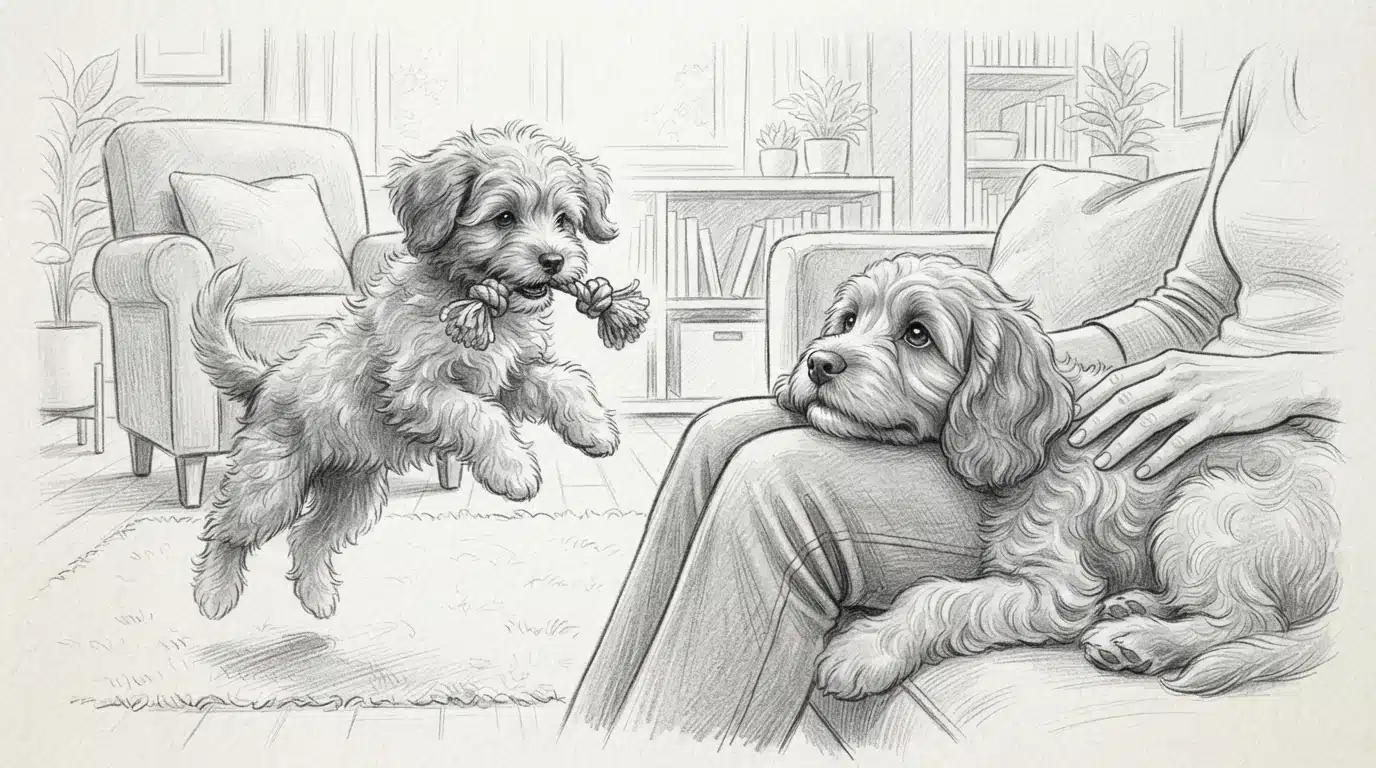
Both breeds are affectionate companion dogs, but they express it differently. The Havapoo tends toward playful, curious energy, while the Cavapoo leads with a soft, people-focused devotion.
The Havapoo Demeanor: The Playful, Curious Entertainer
Havapoos are outgoing, funny, and quick to learn. The Havanese side brings a bouncy, show-off streak, and the Poodle side adds problem-solving smarts, so expect a puppy who invents games and wants an audience. Both parents score high for friendliness and adaptability, which is why the mix is described as friendly, playful, and eager to please in PetMD’s Havapoo profile. They thrive on attention and interaction, so they do best in homes where someone is around often. Bored or lonely Havapoos may bark or get into mischief, which makes early socialization and short, positive training sessions especially valuable for this lively little entertainer.
The Cavapoo Demeanor: The Empathetic, Devoted Shadow
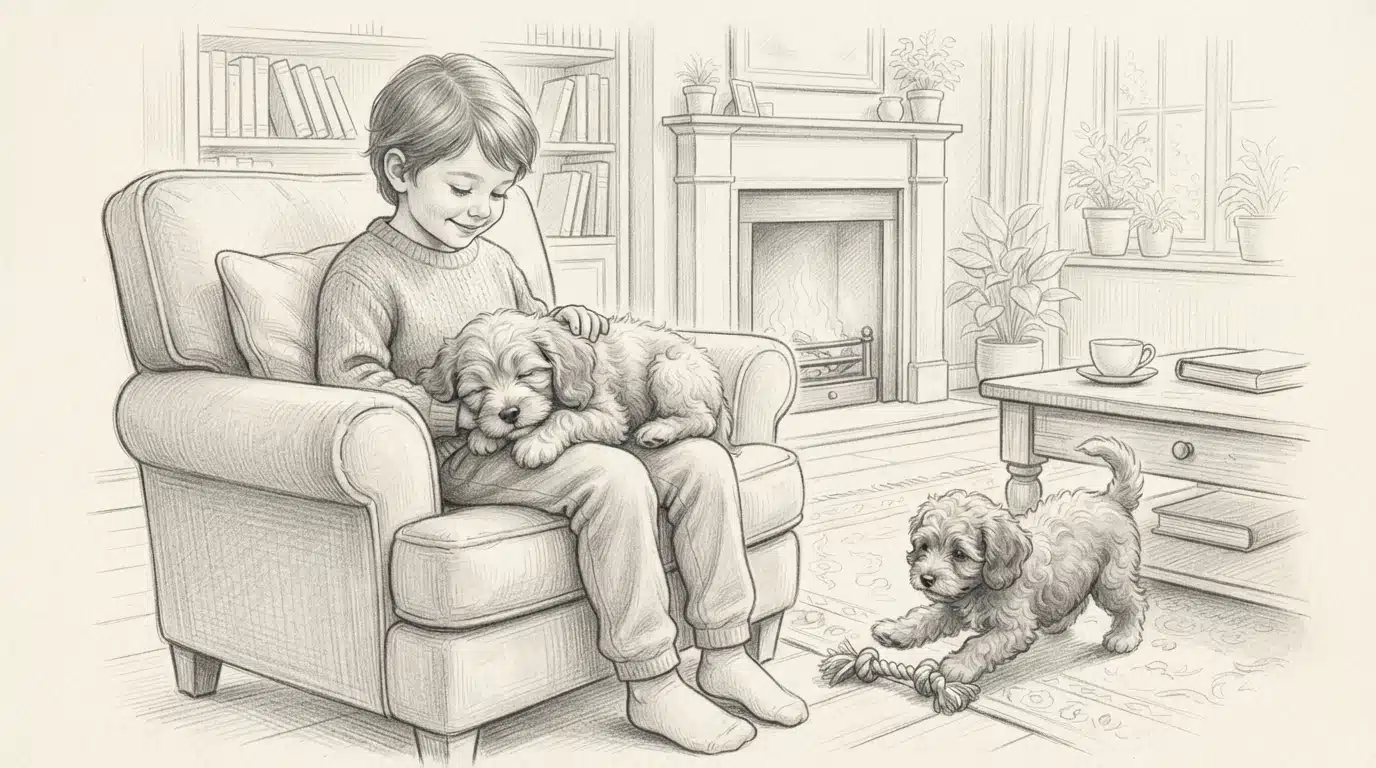
Cavapoos are gentle, even-keeled, and deeply tuned to their people. The Cavalier King Charles Spaniel contributes a soft, intuitive nature, so many Cavapoos seem to sense mood shifts and settle quietly beside whoever needs company. They get along with children and other pets, and they adapt well to apartments or larger homes, as PetMD’s Cavapoo guide notes. Their devotion has one catch: strong attachment can become separation anxiety if puppies are never taught to spend time alone. With that covered, a Cavapoo is a calm, steady shadow who follows you from room to room.
Trainability, Intelligence, and Household Manners
Both breeds learn quickly. The difference lies in what motivates them.
Learning Speed and Motivation Drivers
Cavapoos inherit the Poodle’s problem-solving streak and the Cavalier’s eagerness to please, so they usually ace early commands with soft praise and a treat. Havapoos bring Havanese charm and Clown-like wit; they learn just as fast but pause to consider whether the game is worth it. Keep sessions short, upbeat, and reward-based for either mix, and both can pick up basics by twelve weeks. Neither breed needs harsh corrections, which backfire badly. If you want a head start, look for puppies raised with early socialization at home.
Housebreaking Timelines and Crate Conditioning
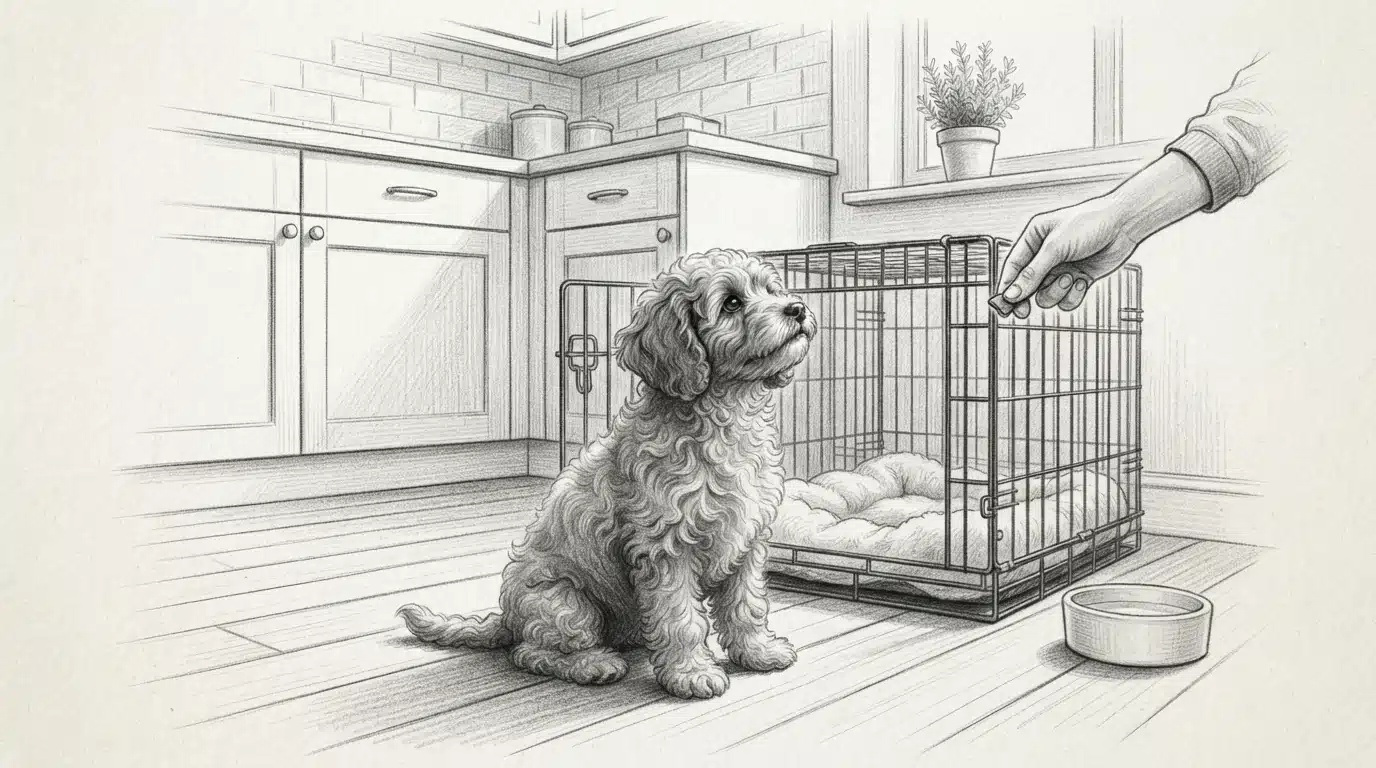
Most small doodle mixes housebreak within four to eight months, and these two follow a similar curve. Cavapoos often respond faster to a fixed routine because they crave approval. Havapoos can be a touch stubborn about wet weather, so many owners add an indoor potty option for snowy Utah winters. Crate conditioning works beautifully for both breeds since neither handles long hours alone well. A plush-lined crate, predictable potty breaks, and calm departures set you up. Puppies already crate-familiar from a home-raised start usually sleep through the night within the first week.
Energy Expenditure, Exercise Routines, and Daily Activity
Both breeds are small companion dogs, but they spend energy differently. Knowing the pattern behind each puppy helps you match daily routines to your household.
Daily Activity Budgets: Backyard Romps vs Couch Snuggles
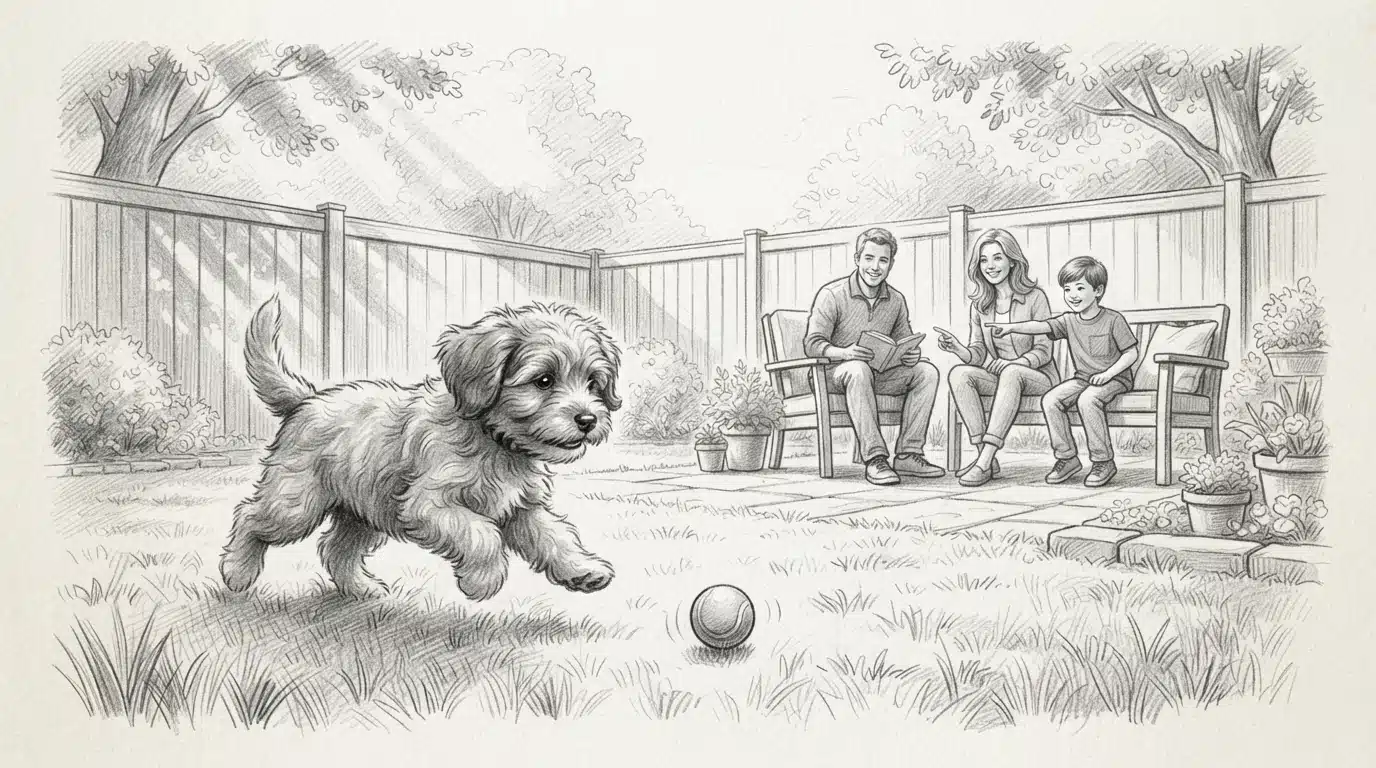
A Havapoo brings the Havanese’s playful spark and enjoys short, frequent activity bursts. Expect two or three 15-minute play sessions, a walk, and some indoor games. A Cavapoo tends toward steadier energy: one longer walk plus relaxed play usually satisfies it. Neither needs hours of hard exercise. What both need is consistent interaction, because boredom, not stamina, drives most small-dog behavior problems. Plan on 30 to 45 minutes of active time daily, then let your puppy settle nearby while you work.
Managing Separation Anxiety and Alone-Time Tolerance
Neither breed loves long hours alone. The Havanese lineage makes Havapoos especially people-focused, so they handle short absences best. Cavapoos, from the gentler Cavalier side, also bond tightly and can grow anxious without practice. Build tolerance early: start with minutes alone, reward calm behavior, and use a safe space like a crate or pen. Puzzle toys and a predictable goodbye routine help too. Families who raise puppies with early, gentle socialization, as we do at Sage Puppies, often see more confident alone-time from day one.
Apply for a puppy when you’re ready.
Coat Types, Shedding Levels, and Grooming Maintenance
Both breeds are low-shedding, but neither coat is maintenance-free. Expect brushing several times a week and trims every six to eight weeks to keep mats away.
Coat Textures and Hypoallergenic Realities
No dog is truly hypoallergenic. Both the Havapoo and Cavapoo shed very little, so most allergy-sensitive families do well with either. The difference shows up in texture. A Havapoo often carries the silky Havanese coat, straight to softly waved, and it tangles less. A Cavapoo usually has a denser, curlier coat from the Poodle side, closer to fleece or wool. Curly coats trap loose hair, which means fewer sneezes but more knots near the ears and collar. For a closer look at daily care, see our Havapoo care guide.
Brushing Regimens and Professional Grooming Cycles
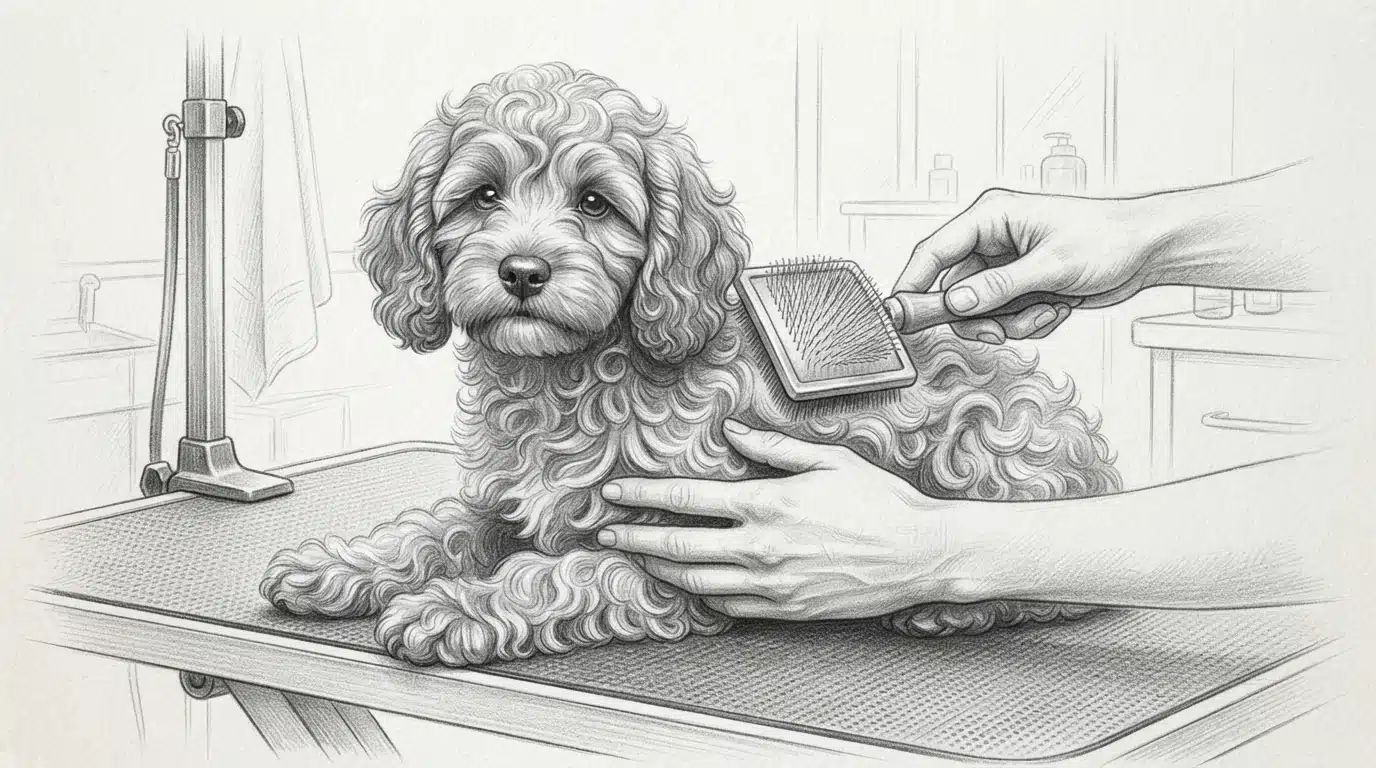
Brush both breeds three to four times a week with a slicker brush and metal comb. Work down to the skin, because surface-only brushing hides mats. Book a professional groom every six to eight weeks for a trim, nail care, and a sanitary clip. Many families keep a shorter “puppy cut” year-round; it looks tidy and cuts brushing time in half. Bath every three to four weeks, then dry and brush fully to stop damp curls from matting.
Start this routine the week your puppy comes home, so grooming feels normal instead of scary.
Genetic Health Profiles and Ethical Breeding Screening
Every mixed breed inherits the health risks of both parent lines. Knowing which risks belong to which parent helps you judge whether a breeder has done the work that matters.
Key Health Vulnerabilities: Mitral Valve Disease vs Orthopedic Risks
The Cavapoo carries the bigger cardiac concern. Mitral valve disease affects Cavalier King Charles Spaniels about 20 times more often than other breeds and is their leading cause of death, so a breeder should screen every Cavalier parent’s heart with a cardiologist. Cavaliers also face elevated rates of hip dysplasia and kneecap dislocation. The Havapoo inherits fewer of these risks because Havanese lines are generally heart-healthy. Its main concerns are orthopedic: luxating patellas, hip dysplasia, and inherited eye conditions.
The Non-Negotiable Screening Standards of Reputable Programs
Ethical programs prove health with paperwork, not promises. Ask for OFA health testing on both parents, including cardiac clearance by a cardiologist, patella and hip evaluations, and an eye exam from a board-certified ophthalmologist. Genetic panels for progressive retinal atrophy should be standard too. A trustworthy breeder shares these certificates before you ask, explains any findings honestly, and never breeds a dog that failed a screen. If answers stay vague, walk away. You can also review how to verify a breeder’s health testing in detail.
Tip: Health guarantees matter, but tested parents matter more. Prevention beats paperwork.
Household Compatibility: Children, Pets, and Living Spaces
Interactions with Young Children and Multi-Pet Households
Both breeds are gentle with kids, but they fit slightly different homes. Cavapoos tend to be softer and more biddable, which suits calm families with gentle children. Havapoos carry the Havanese’s playful confidence, so they often handle busier households and noisy play better. Neither likes rough handling, so teach kids to sit on the floor and let the puppy come to them. With other dogs and cats, both usually settle in well, especially when socialized early.
Tip: Ask your breeder how each puppy was raised. Home-raised litters with daily family contact adjust to kids and pets far faster than kennel-raised pups.
Urban Apartments vs Suburban Homes: Barking and Space Demands
Both breeds are small enough for apartment life, and neither needs a yard. The real difference is vocal. Havanese-influenced Havapoos can be alert barkers, so apartment dwellers should plan early training. Cavapoos are typically quieter, though every puppy is an individual. In a suburban home with a fenced yard, either breed thrives with short daily walks and indoor play.
Compare both breeds’ full temperaments in our detailed Havapoo temperament guide.
Which Should You Choose: Havapoo or Cavapoo?
Both breeds are loving, low-shedding companions, so the real choice comes down to energy and temperament. Neither is better. One simply fits your household rhythm more closely.
Choose a Havapoo If You Value Playful Energy and Resilience
Pick a Havapoo if your home is busy, social, and often on the move. The Havanese side brings a bouncy, cheerful spark that loves games, tricks, and greeting guests. These pups bounce back quickly from new sounds, kids, and change, which makes them a good match for families with young children. If you want a small dog with big-dog confidence and a silly streak, this is your puppy. For a closer look, see our Havapoo temperament guide.
Choose a Cavapoo If You Prioritize Tender Cuddles and Gentle Calm
Pick a Cavapoo if quiet evenings matter more than constant play. The Cavalier heritage shows up as a soft, watchful sweetness. These dogs settle well, follow you from room to room, and melt into laps. They suit first-time owners, seniors, and calmer households. Their feelings run deep, so they respond best to gentle training. Bred with care, either pup becomes a devoted companion. Our team at Sage Puppies raises both breeds at home in South Jordan, Utah, so we can help you match personality to your family.

Still torn between the two? Meet both. At Sage Puppies, our health-tested Havapoo and Cavapoo parents raise confident, well-started puppies right in our South Jordan home. Browse available puppies, then apply and we’ll help you choose the match that truly fits your family.
Frequently Asked Questions
Q1: Which puppy breed is a better fit for my family, a Havapoo or Cavapoo?
Both fit most families. Choose a Havapoo for lower shedding and playful adaptability, or a Cavapoo for a softer, people-focused temperament.
Q2: Do Havapoos or Cavapoos shed more?
Havapoos usually shed less because the Havanese coat is low-shedding. Either mix can vary, so ask to see each parent’s coat.
Q3: How big do Havapoos and Cavapoos get?
Most weigh 10 to 20 pounds and stand under 15 inches tall, though smaller parents produce smaller puppies.
Q4: Which breed is easier for first-time owners?
Both are trainable and gentle. Cavapoos tend to be extra eager to please, which makes early house training slightly smoother.
Q5: How much daily exercise do these puppies need?
Plan on 30 to 45 minutes of walks, play, and training. Neither breed needs intense exercise, just steady daily activity.
Conclusion
Both the Havapoo and Cavapoo make warm, affectionate companions for first-time families. The Havapoo leans playful and sociable, while the Cavapoo tends toward a softer, people-pleasing nature. Health-tested parents and early socialization matter more than the mix itself. Match energy level, grooming commitment, and your household rhythm to the puppy, and choose a breeder who welcomes your questions. If a lively, adaptable companion sounds right, meet a well-bred Havapoo before you decide.