Quick Summary: Havapoos blend the intelligence of Poodles with the affectionate nature of Havanese, creating gentle, low-shedding companions that thrive with consistent human contact. They need about 30 to 45 minutes of daily activity and frequent coat brushing, but they risk separation anxiety if left alone for long periods. Sage Puppies provides a reliable source for these dogs by using health-tested parents and raising litters inside their Utah home to ensure confident, well-socialized pets.
A Havapoo puppy gives you the bright, trainable mind of a Miniature Poodle wrapped in the soft, snuggly nature of a Havanese. For families and busy professionals, that mix creates a devoted companion that fits real life. But choosing the right pup is hard. Breeders describe every litter as perfect, and honest details about temperament, grooming, and daily care are rare. This Havapoo puppy review clears that up. We break down what this cross actually needs, how it behaves with children and other pets, and which homes it suits best. You will also see what a healthy, well-socialized puppy looks like before you commit. Our perspective comes from hands-on work raising Havanese, Havapoo, and Cavapoo puppies in our South Jordan, Utah home, with health-tested parents and early socialization built into every litter.
Temperament and Personality: What Living with a Havapoo Really Feels Like
Any honest Havapoo puppy review has to start with temperament, because this mix lives for people. The Havapoo blends the Havanese’s devotion with the Poodle’s smarts, so you get a small dog that follows you from room to room and settles only when the family settles.

The Velcro Trait and Companionship Needs
Breeders and owners call Havapoos “velcro dogs” for a reason. Your puppy will want to be where you are, whether that’s the couch, the kitchen, or the home office. This is not a breed that thrives alone in a backyard.
Plan for companionship the way you’d plan for food and walks. A Havapoo left alone eight hours a day, every day, can develop separation anxiety, barking, or chewing habits. Retirees, remote workers, and families with someone home most of the day are the best fit. If your household is gone all day, a dog walker or midday visit helps, but it’s not a full fix.
The upside is real, too. That closeness makes training easier. A Havapoo watches you, wants to please, and learns routines fast. Early socialization during the first weeks at home shapes a confident adult dog, which is why our South Jordan program raises every litter inside the house, around everyday sounds and gentle handling. Well-started puppies adapt more quickly.
Compatibility with Children and Other Household Pets
Havapoos are generally gentle and patient with respectful kids. Their small size means rough play can injure them, though, so teach children to sit on the floor, use soft hands, and never carry the puppy unsupervised.
With other pets, they usually do well. Havanese and Poodles are both social breeds, so a properly introduced Havapoo often accepts cats and other dogs within a few weeks. Slow introductions in neutral space work best. If a lap-sized, people-focused companion matches your household, our available Havapoo puppies page is the natural next step.
Havapoos sit in the middle of the energy spectrum. They play hard, then they rest hard, and most of their day follows your household’s rhythm rather than a demanding schedule of their own.
Morning and Evening Activity Realities
Expect two lively windows. Mornings bring bursts of play, a short walk, and a quick potty trip before everyone leaves or settles in. Evenings are the same: twenty to thirty minutes of fetch, tug, or a neighborhood stroll, then the puppy winds down on the couch.
The rest of the day is quiet. A well-started Havapoo naps through work hours, which is why this mix suits families with school-age kids and adults who work from home. Puppies under six months need more frequent potty breaks, roughly every two to three hours, but their actual exercise stays light.
Plan for about 30 to 45 minutes of real activity spread across the day, not a single exhausting session.
Mental Stimulation and Apartment Suitability
Physical exercise is only half the picture. These dogs come from two clever parent breeds, so a bored Havapoo invents its own entertainment, usually by chewing shoes or barking at hallway sounds. Puzzle feeders, short training sessions, and rotating toys cover that gap in ten minutes a day.
Apartment living works well. They are small, rarely exceed their parents’ size, and bark far less than many watchdog breeds when socialized early. What matters more than square footage is midday contact, a lunchtime visit or dog walker, until your puppy is past the bladder limits of young puppyhood.
Families on our available Havapoo puppies page often ask about routine fit, and the honest answer is simple: if you can offer two short activity windows, a little brain work, and a midday check, a Havapoo will slot neatly into your day.
Trainability and Intelligence: How Quickly Do Havapoos Learn?
Havapoos learn fast. Both parent breeds rank among the smarter companion breeds, so most puppies pick up names, sit, and crate routines within a couple of weeks. The catch is how they learn. These dogs respond to tone and mood as much as treats, which makes your approach matter more than your schedule.
Positive Reinforcement versus Sensitivity
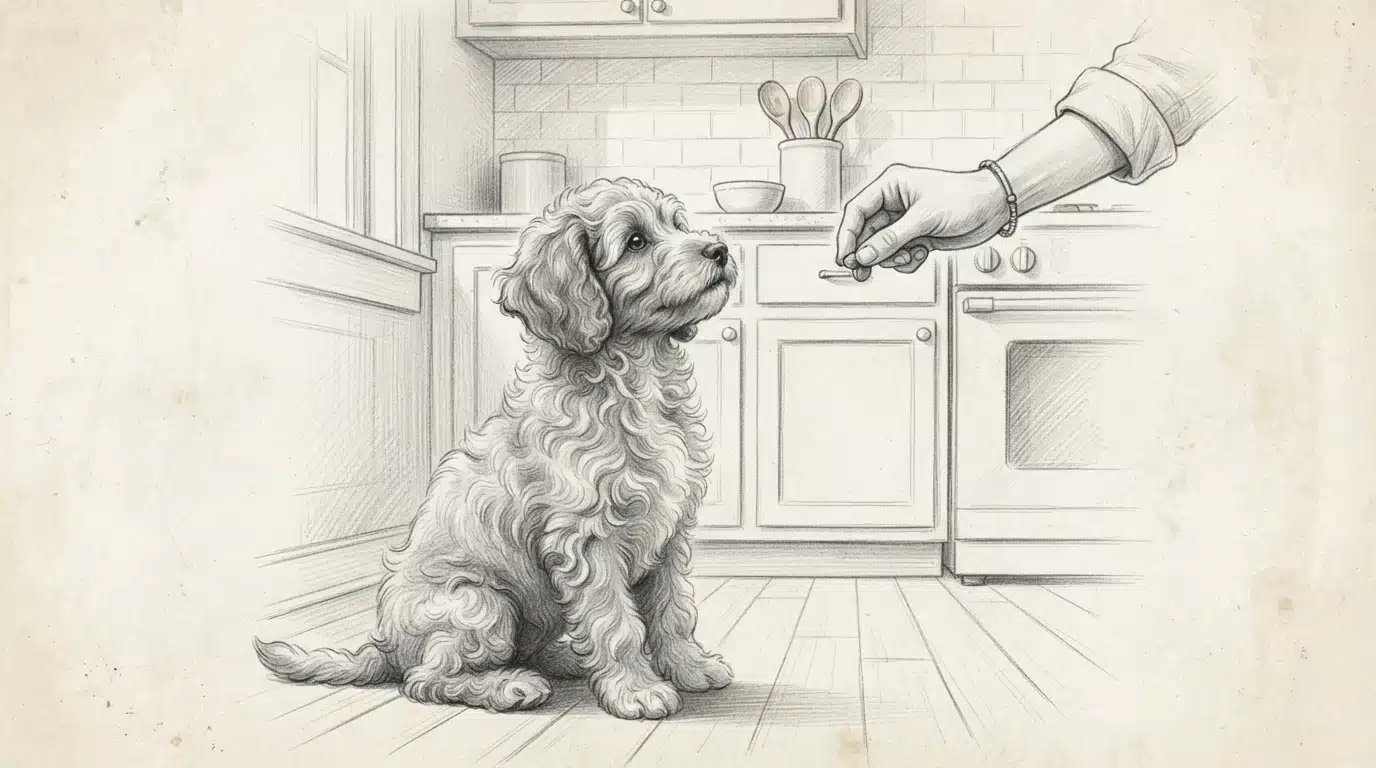
A Havapoo will work eagerly for praise, tiny treats, and a happy voice. Short sessions of five minutes, repeated a few times a day, beat long drills. Mark the behavior the instant it happens, then reward. Simple timing, big results.
But sensitivity cuts both ways. Harsh corrections, raised voices, or even a frustrated sigh can shut these puppies down. A scolded Havapoo often just hides or appeases rather than understanding what went wrong. If you find yourself repeating a cue louder, stop and reset. Go back a step, lower the stakes, and reward small wins. Families who keep training gentle usually see faster progress than those who push.
This is also where early socialization pays off. Puppies raised in a home, handled daily, and exposed to normal household sounds arrive already confident, so formal training starts from a calm base.
Housebreaking Timelines and Consistency
Housebreaking is the area where Havapoos test your patience. Small breeds have small bladders, so expect four to eight weeks of steady routine, with some puppies needing closer to twelve weeks for full reliability.
The system matters more than the puppy. Take your pup out after every meal, nap, and play session. Go to the same spot. Reward the moment elimination happens outside. Supervise indoors, and use a crate or playpen when you cannot watch, because unwatched puppies find corners.
Most accidents trace back to laps in the routine, not a stubborn dog. Keep a simple log for the first two weeks and patterns appear fast. Families who follow our Havapoo puppy preparation guide and hold a consistent schedule typically housebreak well within the first few months.
Tip: Ring a bell on the door handle every trip outside. Many Havapoos learn to ring it themselves within weeks.
Grooming, Shedding, and Allergy Considerations
A Havapoo coat is closer to hair than fur, which means less shedding but more hands-on care. Plan on real grooming time, not just a quick brush now and then.
The Daily Coat Care Reality
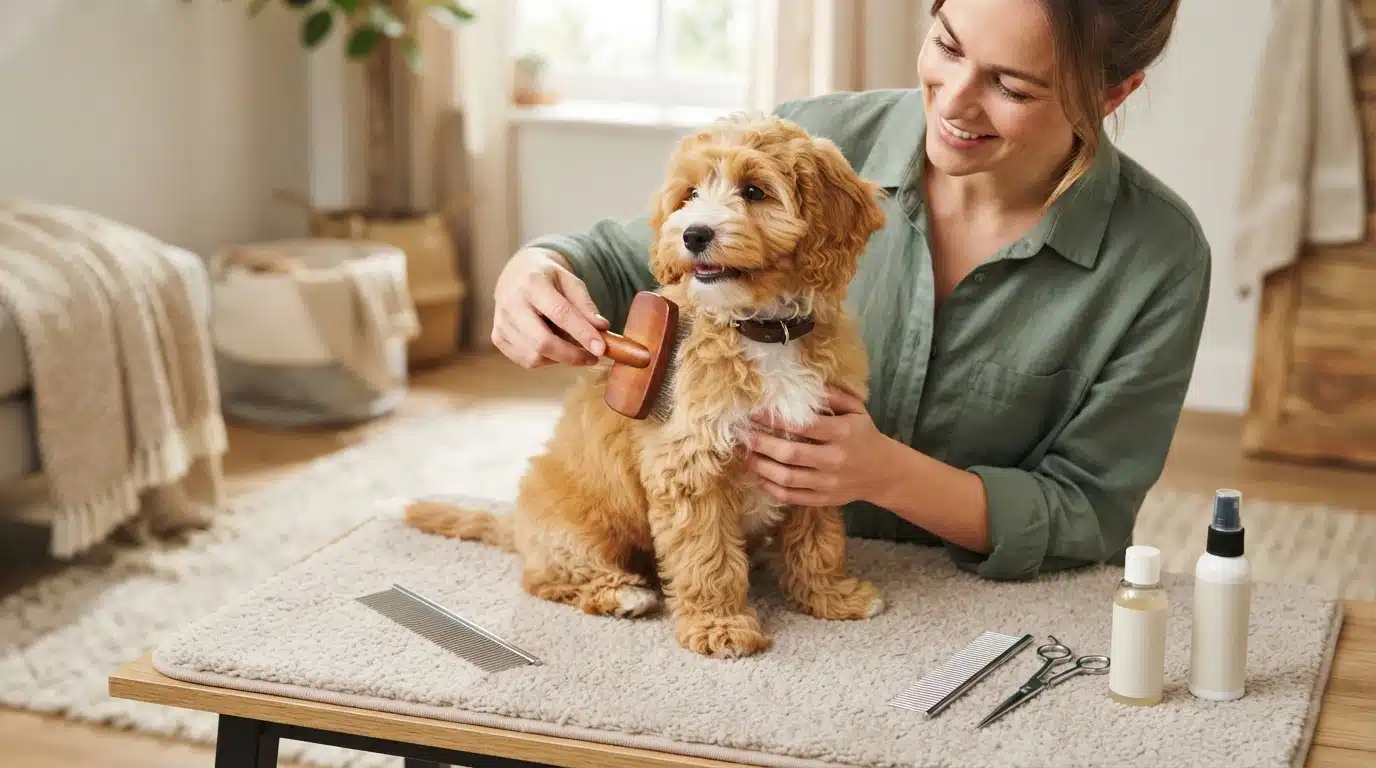
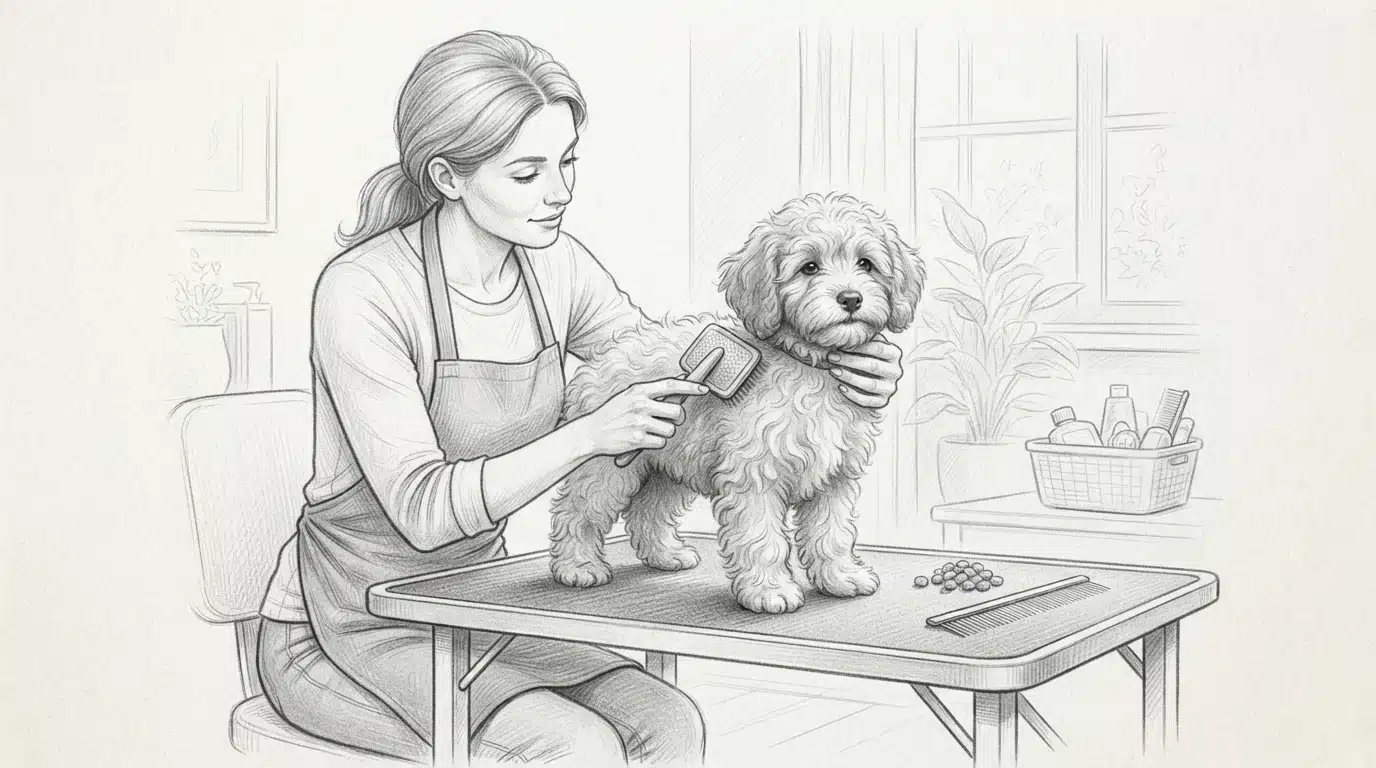
Most Havapoos need brushing three to five times a week, and a full professional trim every six to eight weeks. Skip the routine and mats form fast, especially behind the ears, under the collar, and in the armpits. Mats pull at the skin, so prevention is much kinder than fixing them later.
A simple kit covers the basics: a slicker brush, a metal comb to check for hidden tangles, and detangling spray for longer coats. Start grooming habits the week your puppy comes home. Short, calm sessions with treats teach your dog to stand for brushing, and that habit pays off for life.
At our Havapoo program in South Jordan, puppies begin early handling and coat care before they leave, so the first brush at home feels familiar instead of frightening.
Hypoallergenic Potential and Allergy Truths
No dog is truly hypoallergenic, including the Havapoo. Allergies are usually triggered by proteins in dander and saliva, not the hair itself. That said, low-shedding coats release less dander into your home, so many families with mild allergies live comfortably with a Havapoo.
Here is the honest part: coat type varies within a litter. A puppy that leans toward the Havanese parent typically sheds less than one with a looser, Poodle-leaning wave. Reputable breeders can tell you which puppies shed the least based on their coats and lines.
If allergies are a concern, spend time around the puppy before you commit. A short visit or careful discussion about the parents’ coats tells you far more than any breed label.
Health, Longevity, and the Importance of Ethical Breeding
Havapoos are generally healthy dogs. With Havanese and Poodle parents living roughly 14-16 and 10-18 years respectively, a well-bred Havapoo can be a companion for a decade and a half or more, according to PetMD’s Havapoo health guide. But “generally healthy” is not the same as guaranteed. What your puppy inherits depends almost entirely on how carefully its parents were chosen.
Common Health Vulnerabilities in Small Hybrids
Small breeds share a few predictable weak spots, and Havapoos can inherit conditions from either side of their family tree. The most common ones to know about:
| Condition | What It Means | Sign to Watch |
|---|---|---|
| Patellar luxation | The kneecap slips out of its groove | Limping or bunny-hopping |
| Progressive retinal atrophy | Inherited eye disease that leads to blindness | Clumsiness in the dark |
| Legg-Calve-Perthes disease | The hip joint’s femur head breaks down | Gradual lameness in young dogs |
| Periodontal disease | Gum disease common in toy breeds | Bad breath, tartar buildup |
None of these should be a surprise, and most can be reduced or ruled out before a litter is ever conceived. That is where the breeder comes in.

Why Parent Health Testing and Early Raising Matter
Responsible breeders screen their breeding dogs for inherited eye disease, knee and hip problems, and heart conditions before breeding, following the screening practices recommended for the Havanese. A breeder who can show you health testing on both parents is filtering out risk in advance. One who cannot is leaving it to chance.
Early raising matters just as much. Puppies handled daily in a home setting develop steadier temperaments, and their first weeks of nutrition and care shape lifelong health. At Sage Puppies, every pairing starts with health-tested parents and ends with puppies raised inside our South Jordan, Utah home. If you are comparing breeders, ask to see the parents’ test results; here is what to ask about health-tested puppy parents.
Pros and Cons of Owning a Havapoo Puppy
Every breed has trade-offs, and the Havapoo is no different. Here is an honest look at what daily life looks like with one.

| Pros | Cons |
|---|---|
| Low-shedding coat that suits many allergy-sensitive homes | Needs regular brushing and grooming every 4 to 6 weeks |
| Affectionate, people-focused temperament | Can develop separation anxiety if left alone all day |
| Small size, usually 10 to 20 pounds | Fragile around very young children and large dogs |
| Smart and eager to please, so training moves quickly | Barking can become a habit without early guidance |
| adaptable to apartments and houses alike | Toy breeds can face kneecap and dental issues |
The pros outweigh the cons for most families who want a close companion. The main commitments are grooming, companionship, and consistent early training.
Tip: Ask how your puppy was raised before you reserve. A puppy raised in a home, like ours in South Jordan, Utah, already knows household sounds, gentle handling, and crate basics, which removes much of the early friction new owners dread.
Want the full picture on setup expenses? Our guide to Havapoo puppy costs breaks down the first year.
Is a Havapoo Puppy Worth It for Your Lifestyle?
For many families, yes. A Havapoo fits well if you want a small, affectionate companion with a low-shedding coat and a gentle nature. The honest question is whether your daily routine matches the dog’s needs: companionship, light grooming, and consistent training.
Ideal Households for a Havapoo
Havapoos thrive in homes where someone is around most of the day, since they bond closely with their people. They suit apartments and houses alike, and they do well with children who handle dogs gently. Retirees, remote workers, and first-time owners tend to be a great fit. If you travel often or leave a puppy alone for long stretches, plan for a dog walker or a second option before you commit. Our guide to the true cost of a Havapoo puppy covers the full budget beyond the purchase price.
Safe Adoption: Delivery and Local Utah Pickup
Where you adopt matters as much as which breed you choose. Families in Utah can visit our South Jordan home, meet the mother, and see how puppies are raised. Families across the country can reserve a puppy online and arrange safe, supervised delivery to a major airport near them.
Ask any breeder to see the parents’ health testing and the puppy’s socialization plan before you place a deposit.
Either way, you should expect clear updates, health records, and a breeder who interviews you as carefully as you interview them. If that matches how you want to adopt, browse our available puppies to take the next step.

If a gentle, people-focused companion sounds right for your family, meet our home-raised Havapoo puppies. Visit Sage Puppies to see available puppies, review our pricing and process, and start your application today. Pickup in South Jordan, Utah, or delivery nationwide.
Frequently Asked Questions
Q1: Is a Havapoo puppy a good match for my home and daily routine?
Yes, if you want an affectionate, low-shedding companion. Havapoos adapt well to apartments and houses, need moderate daily play, and thrive on company rather than long solo hours.
Q2: Do Havapoos shed much?
Most shed very little thanks to the Havanese and Poodle mix, but coats vary. Regular brushing three to four times a week keeps mats away and grooming visits manageable.
Q3: How much exercise does a Havapoo need?
Plan for two short walks plus indoor play each day, roughly 30 to 45 minutes total. They settle quickly after activity, which suits busy families.
Q4: Are Havapoos good with children and other pets?
Typically yes. Their gentle, social nature makes them a strong fit for respectful kids and multi-pet homes, especially when puppies are raised around people early.
Q5: How do I reserve a Havapoo puppy?
Check Available Puppies, submit an application, then place a reservation. Sage Puppies offers local pickup in South Jordan, Utah, or nationwide delivery.
Conclusion
A Havapoo fits best in a home that wants a small, social, low-shedding companion and can offer daily attention. Temperament makes the breed: gentle, eager to please, and quick to train with kind methods. Care stays simple but consistent, with regular grooming, early training, and steady routines doing most of the work. The real difference between a good puppy and a great one comes from breeding. Health-tested parents and home-raised socialization shape how a Havapoo behaves for life. Sage Puppies pairs both, raising each litter inside the family home in South Jordan, Utah, with delivery available nationwide. For families weighing grooming costs, see our Havapoo puppy costs guide.