
Quick Summary: Recent pet food recalls highlight serious risks for young puppies, including Salmonella contamination in raw poultry and dangerous vitamin D imbalances in canine milk replacers. Because young pups have delicate immune systems, contaminated diets and environmental hazards like extreme heat or antifreeze pose swift threats. Owners should check FDA recall notices regularly, save packaging lot numbers, and contact a veterinarian at the first sign of illness.
Federal safety regulators and veterinary health agencies have issued a wave of 2026 puppy safety news alerts, covering commercial pet foods, milk replacers, and raw diets tainted with pathogens. If you just brought home a puppy, these warnings matter to you. Young puppies have immature immune systems and delicate digestive tracts, so a bad batch that an adult dog shrugs off can seriously harm them. This report pulls together the verified 2026 puppy safety news from regulators, explains what contamination means for a growing pup, and hands you a simple checklist to protect your new companion. As a boutique breeder of Havanese, Havapoo, and Cavapoo puppies in South Jordan, Utah, we track these alerts closely for every family we serve.
FDA and AVMA Issue Stringent 2026 Safety Warnings Across Pet Foods and Supplements
The biggest 2026 puppy safety news for new owners centers on food. The FDA’s recall list this year includes raw chicken formulas, dog treats, supplements, and canned foods pulled for bacteria, vitamin errors, and metal or plastic fragments. The FDA’s recall database is the fastest way to check any product you buy.
Pathogen Detection Surges in Raw Diets and Poultry Formulations
Raw and freeze-dried diets lead this year’s alerts because they skip the heat step that kills bacteria. In August 2026, Northwest Naturals recalled nearly 2,000 pounds of raw chicken food nationwide after testing found both salmonella and listeria. That followed a May recall of Albright’s raw Chicken Recipe for Dogs, also for salmonella, and a January FDA advisory telling owners not to feed eight lots of Raaw Energy Dog Food.
Puppies are at higher risk than adult dogs, and humans can catch these bacteria from bowls, counters, and even a puppy’s saliva. Wash your hands after feeding, sanitize bowls often, and check lot numbers against FDA advisories before opening a new bag. If your puppy stops eating, runs a fever, or has bloody diarrhea, call your vet the same day.
Foreign Object Ingestion Hazards from Manufacturing Packaging Failures
Bacteria are not the only danger. The current recall list also flags products for physical contamination. Fromm pulled wet canned dog food over potential metal contamination, Mars Petcare recalled Pedigree wet food for possible plastic fragments, and an injectable pet drug was recalled for visible glass fibers. These fragments can cut a puppy’s mouth, damage the gut, or cause a blockage that needs surgery.
For a small Havanese or Cavapoo, even a sliver of hard plastic is a real threat, so inspect canned food before serving and report anything unusual to the FDA’s Safety Reporting Portal. This is also why we feed our own puppies simple, well-traced diets at Sage Puppies, and why every family leaves with a clear feeding plan. Slow the pace further with the calm routines in our puppy weather safety guide when heat or storms disrupt mealtimes.
Critical Nursery Alert: Vitamin D Irregularities in Canine Milk Replacers
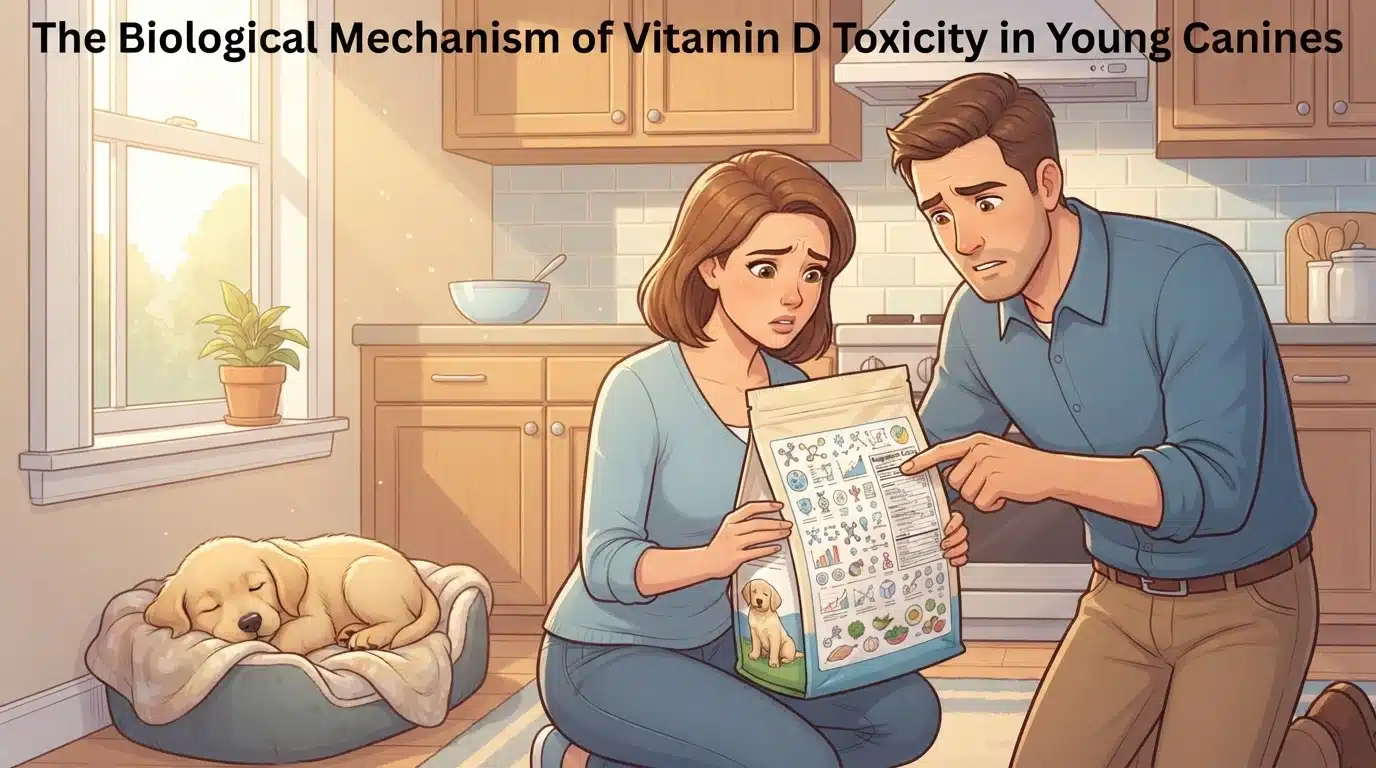
In April 2026, Revival Animal Health recalled its Breeder’s Edge Foster Care and Shelter’s Choice canine milk replacers after testing found variable vitamin D levels, some too high and some too low. The products were sold nationwide, and the recall was later expanded to include the company’s goat milk formulas.
The Biological Mechanism of Vitamin D Toxicity in Young Canines
Vitamin D helps puppies absorb calcium, so it supports normal bone growth. But too much of it pushes calcium into the bloodstream at levels the body cannot manage. The kidneys then work overtime to flush the excess, and the strain can lead to renal dysfunction.
Watch for vomiting, loss of appetite, increased thirst, increased urination, excessive drooling, and weight loss. These signs can appear within days of feeding an affected formula.
Too little vitamin D carries its own risk. Two complaints of rickets, a bone-development disease in young animals, have been reported so far. Puppies’ kidneys and skeletons are still forming, which makes them more fragile than adults.
Contact your veterinarian right away if your puppy shows these symptoms and has eaten a recalled product.
Safe Weaning Protocols for Breeders and New Puppy Families
First, check any formula you own against the recall list and stop use immediately. Returns for a full refund are being handled by the company.
Most puppies start weaning around three to four weeks. Offer a gruel of quality puppy food softened with warm water, and thicken it over two to three weeks until they eat moist solid food. Most puppies are fully weaned by six to seven weeks. If a very young puppy still needs a replacer, ask your veterinarian to recommend a verified safe brand.
For more ways to protect a young puppy, see our guide on keeping puppies safe in heat, cold, and storms.
Seasonal Environmental Risks: High-Heat and Winter Ground Chemical Hazards
Summer Hyperthermia: Why Small and Toy Companion Breeds Overheat Rapidly
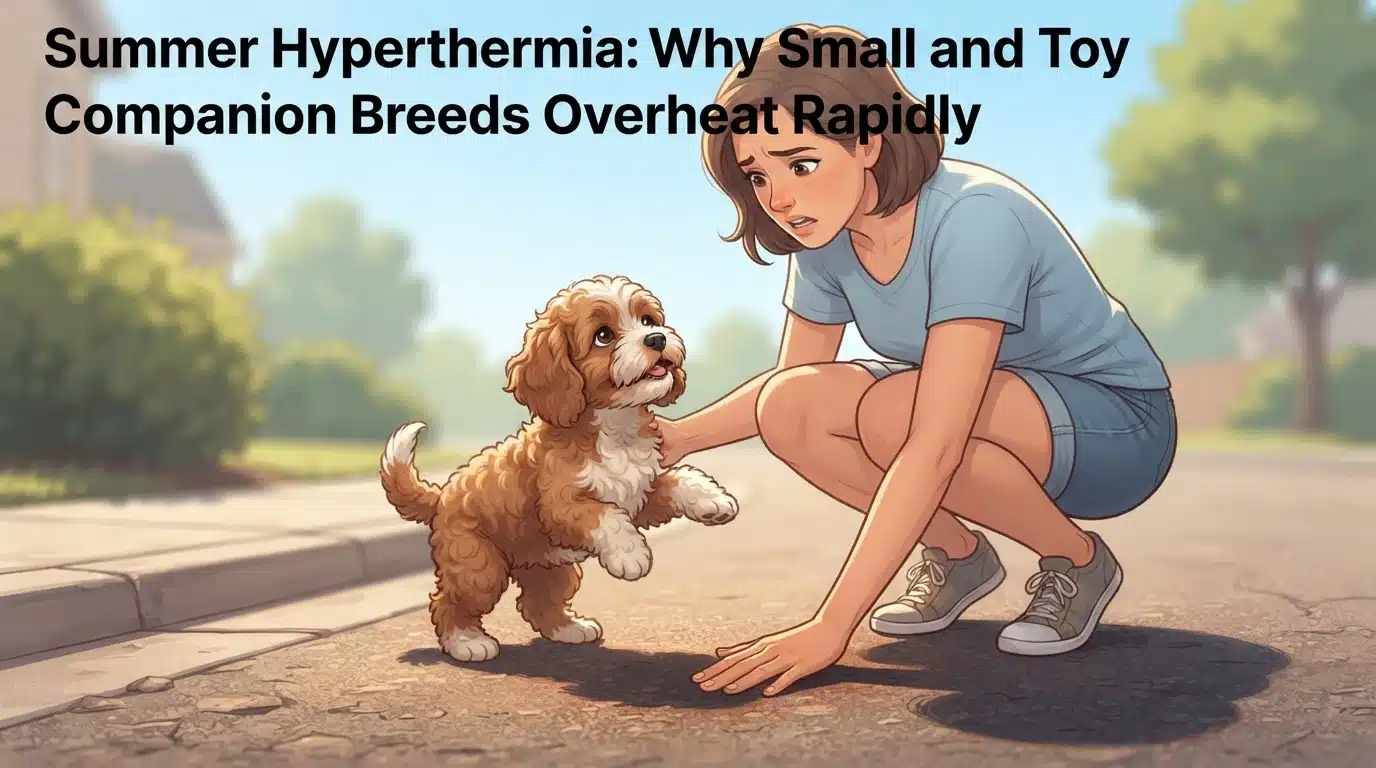
Puppies cannot cool themselves the way adults do, and small breeds struggle more than most. A Havanese or Cavapoo puppy has a compact airway and a thick single or curly coat, so panting alone may not shed heat fast enough. On a warm sidewalk, ground temperature can run far higher than the air, and short legs sit right in that heat zone.
Watch for heavy panting, bright red gums, wobbling, or lying down and refusing to move. Move your puppy into shade, offer small sips of cool water, and wet the belly and paws with lukewarm water. Never use ice, which tightens blood vessels and traps heat.
Skip midday walks in summer. Early morning and evening are safer, and grass beats pavement every time. Utah summers get hot enough that a five-minute errand in a parked car can turn dangerous, so your puppy stays home when you drive. For a fuller seasonal checklist, our puppy weather safety guide covers heat, cold, and storms.
Cold Weather Dangers: Chemical Ice Melts, Antifreeze, and Hypothermia
Winter brings a different set of ground hazards. Many ice melts contain salts that burn paw pads and cause vomiting or diarrhea when a puppy licks its feet. Wipe paws with a damp cloth after every walk, and use pet-safe deicer on your own driveway.
Antifreeze is the sharpest winter threat. Its sweet taste attracts dogs, and even a small amount of ethylene glycol can cause kidney failure. Clean spills immediately, store containers out of reach, and call your vet fast if you suspect exposure.
Cold itself matters too. Small breeds lose body heat quickly, so keep winter outings short and watch for shivering or a hunched posture. A coat helps, but a warm indoor puppy stays the safest puppy.
Infectious Disease Surveillance: Parvovirus Strains and Canine Respiratory Outbreaks
Canine parvovirus has several strains, including CPV-2a, CPV-2b, and CPV-2c, and all cause similar signs in puppies. The virus survives months in soil and on surfaces, which is why the AVMA’s parvovirus guidance treats it as a year-round threat rather than a seasonal one. Puppies between 6 and 20 weeks old carry the highest risk, especially before their vaccine series is complete.
Community Transmission Risks in High-Traffic Pet Environments
Local clusters matter more than headlines. In 2023, New York City veterinary clinics reported a parvovirus spike far above normal yearly numbers, mostly in puppies and young dogs, according to a city health department alert. No national tracking system exists for companion animal disease, so outbreaks often surface through local vet reports and shelter notices.
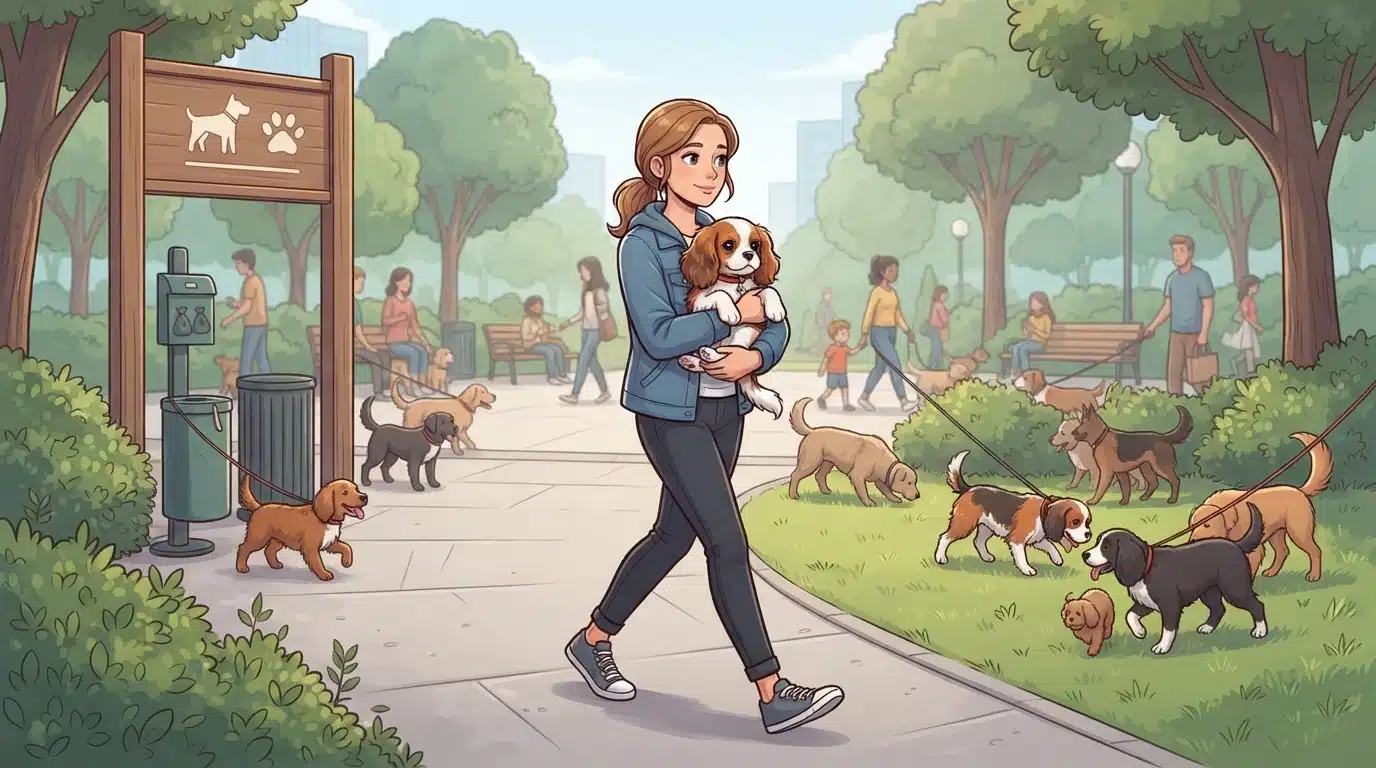
Until your puppy finishes its full vaccine series, usually around 16 weeks, treat busy dog spaces with care. Pet shops, dog parks, daycare, groomers, and group classes all concentrate dogs from many households. A few practical habits lower the risk sharply:
- Carry your puppy past grassy areas where unknown dogs relieve themselves
- Skip shared water bowls at parks and stores
- Ask trainers and groomers whether they require current vaccinations
- Wash hands and change clothes after handling unfamiliar or sick dogs
Watch for lethargy, appetite loss, vomiting, or bloody diarrhea. Call your vet the same day, since most parvo deaths occur within 48 to 72 hours of the first signs.
Strict Quarantine Protocols During Interstate Puppy Delivery and Travel
Travel adds its own exposure layer. Rest stop potty areas and carrier surfaces at airports can carry the virus home on shoes or paws, so plan the route before pickup day. Our safe puppy delivery guide covers timing and arrival planning in detail.
Keep the first two weeks simple and quiet:
- Limit contact to your home, yard, and vet clinic
- Delay dog park visits, group classes, and boarding until your vet clears the vaccine series
- Use a leash-only potty spot away from unknown dogs
- Disinfect floors with a cleaner proven to kill parvovirus if an exposed dog has visited
At Sage Puppies, puppies stay home-raised with their litter until they leave, and we coordinate pickup or delivery around each family’s vaccine timeline. That calm first stretch protects the socialization work already done and keeps a healthy start healthy.
Context and History: The Evolution of U.S. Pet Food Oversight and Recall Triggers
Pet food safety in the United States has been shaped less by routine checks and more by crises. The rules we rely on today exist because pets got sick first.
From Melamine to Dilated Cardiomyopathy: Lessons Learned
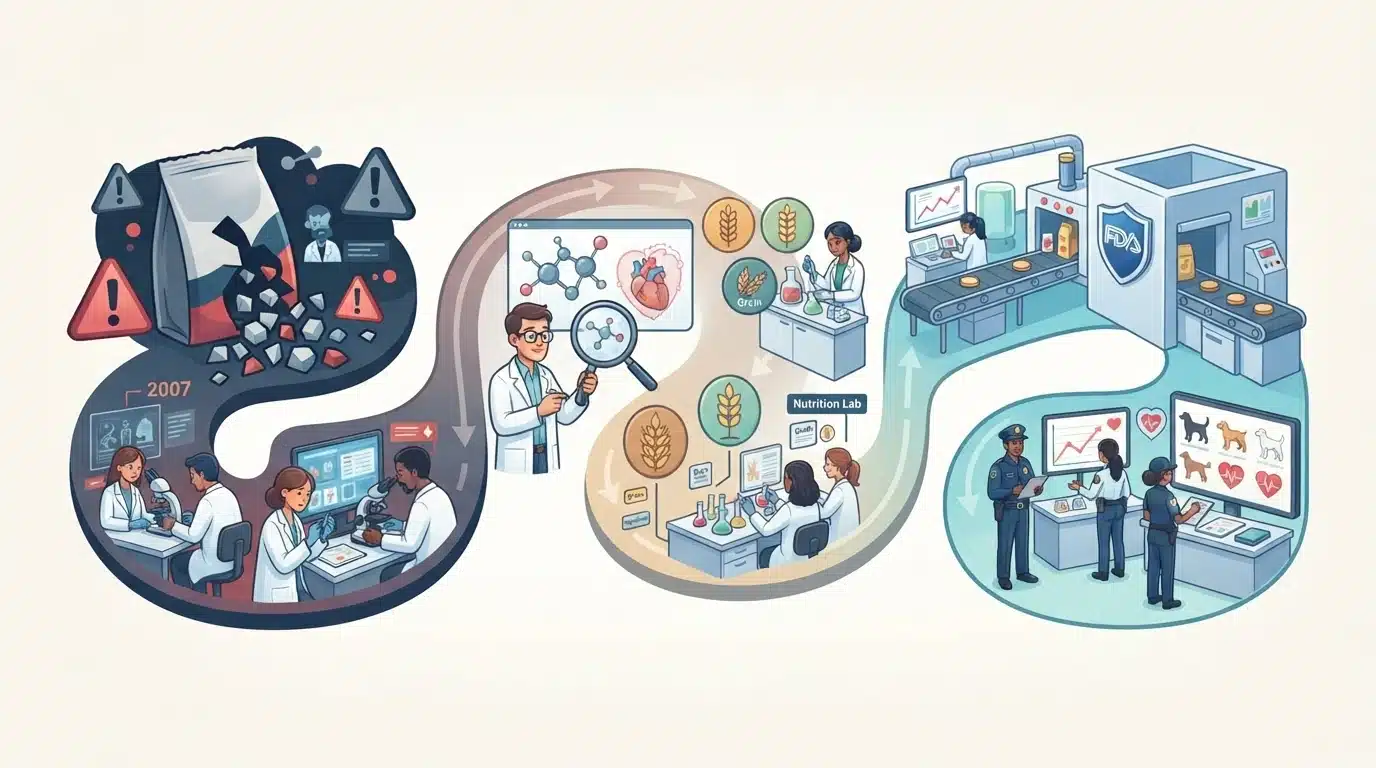
In March 2007, Menu Foods recalled 60 million cans and packets of pet food after contaminated wheat gluten from China was laced with melamine and cyanuric acid. Thousands of dogs and cats suffered kidney failure, and the recall eventually covered more than 5,300 products across dozens of brands. Congress responded within months. The FDA Amendments Act of 2007 required companies to report adulterated pet food within 24 hours and pushed the agency to build an early warning system. Later, the Food Safety Modernization Act added preventive controls for animal food. The FDA’s ongoing recalls and withdrawals list now tracks issues ranging from Salmonella to nutrient shortfalls, a transparency the 2007 era never had. The diet-associated dilated cardiomyopathy (DCM) investigation added a different lesson: not every danger shows up as a contamination event. Some emerge slowly from formulation choices, which is why veterinary cardiologists and nutrition researchers now watch grain trends and taurine-linked cases so closely.
Why Small Companion Dogs Bear the Highest Burden of Dietary Misformulation
Small breeds eat small portions, so a misformulated batch delivers a concentrated dose relative to body weight. A toy breed puppy also has less fluid reserve, which makes toxin exposure and nutrient excess harder to absorb safely. That is why breeders who control nutrition from the first meal, like Sage Puppies with its Havanese, Havapoo, and Cavapoo program, treat food safety as part of breeding, not an afterthought.
Immediate Response Plan: What to Do If Your Puppy Consumed Recalled Products
Clinical Triage and When to Seek Immediate Emergency Veterinary Care
Act fast, but act in order. First, remove the recalled food, treat, or chew from your puppy’s reach and bag the original packaging. The FDA notes the lot number and date code on that packaging matter most for any follow-up, so keep it even after a vet visit.
Next, watch for warning signs: vomiting, diarrhea, lethargy, tremors, drooling, or refusal to eat. Puppies dehydrate quickly because of their small body size, so symptoms that look mild in an adult dog can turn serious within hours.
Go to an emergency clinic right away, not a scheduled appointment, if your puppy vomits repeatedly, seems weak or wobbly, has a swollen belly, or ate a large amount of the product. Call ahead so the staff can prepare. Bring the packaging, and note roughly how much your puppy ate and when.
If your puppy seems fine, still call your vet. Early advice beats an overnight emergency, and small breeds like Havanese and Cavapoos have less body reserve to draw on.
Filing Formal Reports with the FDA Safety Reporting Portal
Once your puppy is stable, file a report with the FDA’s Safety Reporting Portal. Anyone can file, and your puppy does not need to be sick to report a problem product. Expect the form to take 20 minutes to 2 hours, depending on how much detail you gather.
Have ready: the product name, lot number, UPC code, best-by date, where and when you bought it, and your puppy’s age, weight, breed, and symptoms. If your vet ran tests, include those results. You can report as a guest or create an account, which lets you save a partial report and add follow-up details later.
Your report feeds FDA surveillance, helping the agency spot patterns and protect other puppies.
The Breeder Standard: How Ethical Programs Protect Litters Before They Come Home
Most puppy health problems trace back to choices made in the first eight weeks. Ethical programs protect litters long before a family ever fills out an application, starting with the mother dog and the room she whelps in.
Rigorous Maternal Nutrition and Bio-Secure Nursery Practices
A strong litter starts with a strong dam. Expect any program you interview to feed a high-quality puppy-formula diet through pregnancy and nursing, run routine vet checks, and keep the whelping space warm, quiet, and cleaned daily. Bio-security matters just as much. Visitors should be limited, hands washed before handling puppies, and other dogs kept away until litters are older. At Sage Puppies, puppies are raised in our South Jordan home, so these habits are part of daily family life, not a checklist. You can learn more about how our program works before you apply.
Transparent Adoption Pathways: Local South Jordan Pickup and White-Glove Delivery
Clear next steps protect families too. Ask when you can visit, how the puppy travels, and what paperwork comes home. Ethical programs answer those questions plainly. We offer local pickup in South Jordan, Utah, plus nationwide delivery options, so whether you live nearby or across the country, you know exactly how your puppy arrives and when.

Keeping your puppy safe starts long before an alert makes the news. At Sage Puppies, our home-raised Havanese, Havapoo, and Cavapoo puppies come from health-tested parents with early socialization, so your first weeks are calm and confident. Visit sagepuppies.com today to see available puppies.
Frequently Asked Questions About Puppy Safety Alerts
Q1: What recent news should puppy owners know about puppy safety?
Pet food and treat recalls, plus seasonal warnings about toxic foods and products, are the main alerts. Check FDA pet recall notices before buying food or chews for your new puppy.
Q2: How do I check if my puppy’s food was recalled?
Search the FDA’s pet food recall list by brand and lot number. Stop feeding it immediately if it appears.
Q3: What household items poison puppies most often?
Chocolate, grapes, xylitol, certain plants, and human medications. Store them high and locked away.
Q4: When should I call the vet after exposure?
Right away. Early treatment matters more than waiting for symptoms.
Q5: How do ethical breeders reduce early health risks?
Health-tested parents, early socialization, and transparent care, all standard in our South Jordan program.
Protecting Your Puppy Through Informed, Proactive Care
The safest puppy households share a few habits. They check recall notices from the FDA and AVMA regularly, store food and treats safely, and watch for early signs of illness like vomiting, lethargy, or refused meals. They also keep their vet’s number handy and act quickly when something seems off.
Most alerts are resolved without harm, but speed matters. A young puppy has less reserve than an adult dog, so small problems escalate fast. Stay informed, stay observant, and trust your instincts when your puppy seems unwell.





