
Quick Summary: The Havapoo usually needs slightly less exercise than the Cavapoo, with adults content around 30-45 minutes daily versus 45-60 minutes, but both are low-energy companion dogs. Puppies of either breed need short, gentle play sessions spread throughout the day, not long walks, to protect growing joints. The real difference is modest, about 15 minutes a day, so choose based on your schedule and the individual puppy’s temperament rather than breed averages.
If your ideal puppy routine is a couple of short walks and play breaks, not a daily long outing, the Havapoo usually has a slight edge. Havapoo exercise needs tend to run a bit lower, and the typical Cavapoo energy level sits slightly higher, though both are considered low exercise dogs for a busy household. The difference is modest, and neither puppy works as a no-exercise dog. You will find conflicting daily-minute estimates everywhere, so this guide compares adult activity ranges, explains why puppies need a different approach, and shares a simple split-session routine. Your puppy’s age, health, temperament, and parents matter most of all.
Havapoo vs Cavapoo Exercise Needs at a Glance
| Havapoo | Cavapoo | |
|---|---|---|
| Typical adult exercise | Often described as moderate; some guides cite about 30 minutes daily | Moderate; commonly cited estimates range from about 40 minutes to 45 minutes or more |
| Puppy activity approach | Brief, age-appropriate play and exploration with ample rest | Brief, age-appropriate play and exploration with ample rest |
| Activity style | Leisurely walks, indoor play, and short games | Walks, play breaks, and gentle training games |
| Mental enrichment | Short training, sniffing, and food puzzles | Short training, sniffing, and interactive games |
| Best routine fit | Families wanting flexible, moderate activity and daily interaction | Families able to offer a regular mix of activity and engagement |
How Havapoo and Cavapoo Compare
Havapoo
A Havanese-Poodle mix bred for easygoing companionship. Havapoo exercise needs are usually moderate, with many guides pointing to about 30 minutes a day, though each puppy differs.

Key strengths
- Flexible routine that suits relaxed or busy families
- Happiest with short walks, indoor play, and sniffing games
Cavapoo
A Cavalier King Charles Spaniel-Poodle mix with a playful, people-loving streak. Its exercise needs tend to run a bit higher, often cited around 40 to 45 minutes daily.
Key strengths
- Enjoys a steady mix of walks, play breaks, and gentle training games
- Great fit for families who want daily interaction built into the routine
Which Puppy Usually Needs Less Exercise?
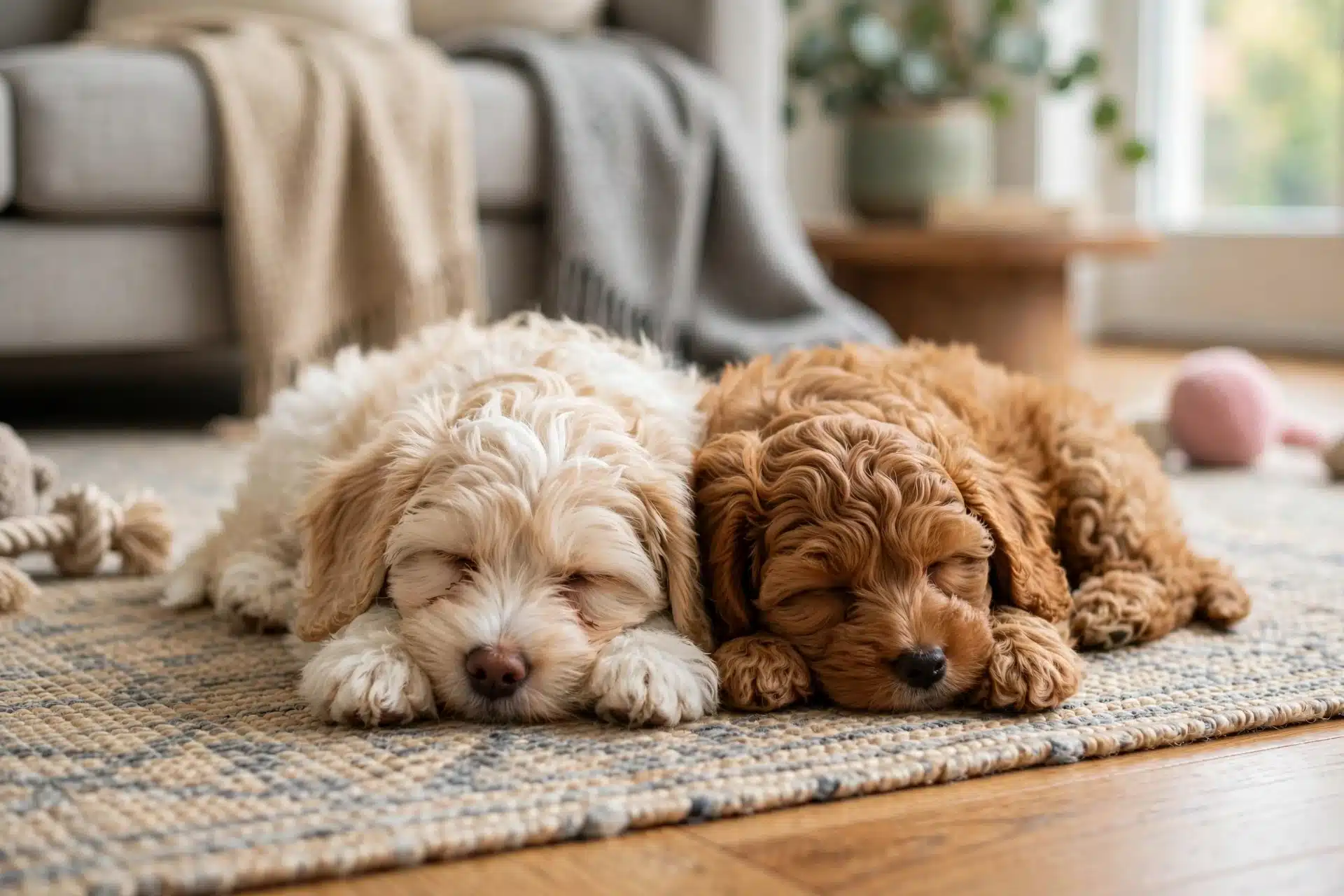
Quick answer: the Havapoo usually needs less exercise. Most Havapoos are happy with about 30 to 45 minutes a day, while Cavapoos generally do better with 45 to 60 minutes. Vet-reviewed comparisons place Havapoos at 30+ minutes daily and Cavapoos at 45+ minutes, which matches what we see in our own Havapoo and Cavapoo lines at Sage Puppies.
The gap is real but modest. These are both companion breeds, not working dogs. Neither will demand a jog or a mountain hike. The difference shows up on your busiest days, when a Havapoo settles after a short walk and indoor play, and a Cavapoo still wants that extra round of fetch.
How to Read the Adult Exercise Estimates
Those daily-minute numbers describe healthy adults, not your eight-week-old puppy. Reading them correctly keeps your puppy safe and your expectations realistic.
Here is what matters:
- Adult estimates are targets, not rules. A brisk 30-plus minutes for a Havapoo often includes walks, play, and training time combined.
- Puppies need less structured exercise, more often. A common guideline is about five minutes of formal exercise per month of age, up to twice a day. So a three-month-old puppy gets roughly 15 minutes per session.
- Growing joints come first. Forced long walks can strain developing bones and joints, so keep puppy sessions short and low impact.
- Mental work counts. Ten minutes of puzzle games or trick training can tire a puppy as much as a walk.
Think of it in two phases:
- Puppy stage (8 to 12 months): several short play and sniff-walk sessions, ending before your pup seems exhausted.
- Adult stage: settle into the breed’s steady routine, roughly 30 to 45 minutes for a Havapoo or 45 to 60 for a Cavapoo.
One more note: breed averages are averages. An individual puppy’s energy depends on its parents, its temperament, and your daily rhythm. Meet the parents, ask your breeder, and watch the puppy in front of you. The estimate is your starting point, not a verdict.
How Much Exercise Does a Havapoo or Cavapoo Puppy Need?
Here’s the short answer: a young Havapoo or Cavapoo puppy needs short, gentle bursts of play spread through the day, not one long workout. Think 15 to 30 minutes of easy activity for a two to four month old puppy, split into several sessions. Havapoo exercise needs at the puppy stage are mostly about play, sniffing, and naps – not mileage.
Why Puppy Activity Is Not an Adult Minute Target
Adult Havapoos and Cavapoos usually do well with 30 to 60 minutes of daily activity. That number does not apply to your eight-week-old puppy, and trying to hit it can actually cause harm.
Puppies grow fast. Their bones, joints, and soft growth plates are still forming, and too much forced exercise – long leash walks, jogging, repetitive ball chasing on hard surfaces – can stress those developing joints. The AKC’s puppy exercise guidance recommends short walks scaled to your puppy’s age and notes that free play is safest, because puppies naturally speed up and slow down on their own.
You’ll also hear about the “5 minutes per month of age” rule. It’s a rough starting point at best. The UK’s PDSA points out that the rule has no scientific basis and doesn’t fit every puppy. Watch your pup instead: sitting down mid-walk, lagging behind, or getting overtired means it’s rest time.
The good news? Both breeds are companion dogs. Neither needs an athletic household.
A Flexible Activity Plan for a Growing Puppy
Build your day around short sessions and plenty of sleep:
- Morning: 10-15 minutes of play or a short sniff walk on grass.
- Midday: Training games like sit, recall, or hide-and-seek. Mental work tires puppies out fast.
- Afternoon: Free play in a fenced yard or on a long line, at your puppy’s pace.
- Evening: Another calm 10-minute stroll or a puzzle feeder.
- All day: Enforce naps. Puppies need 18-20 hours of sleep.
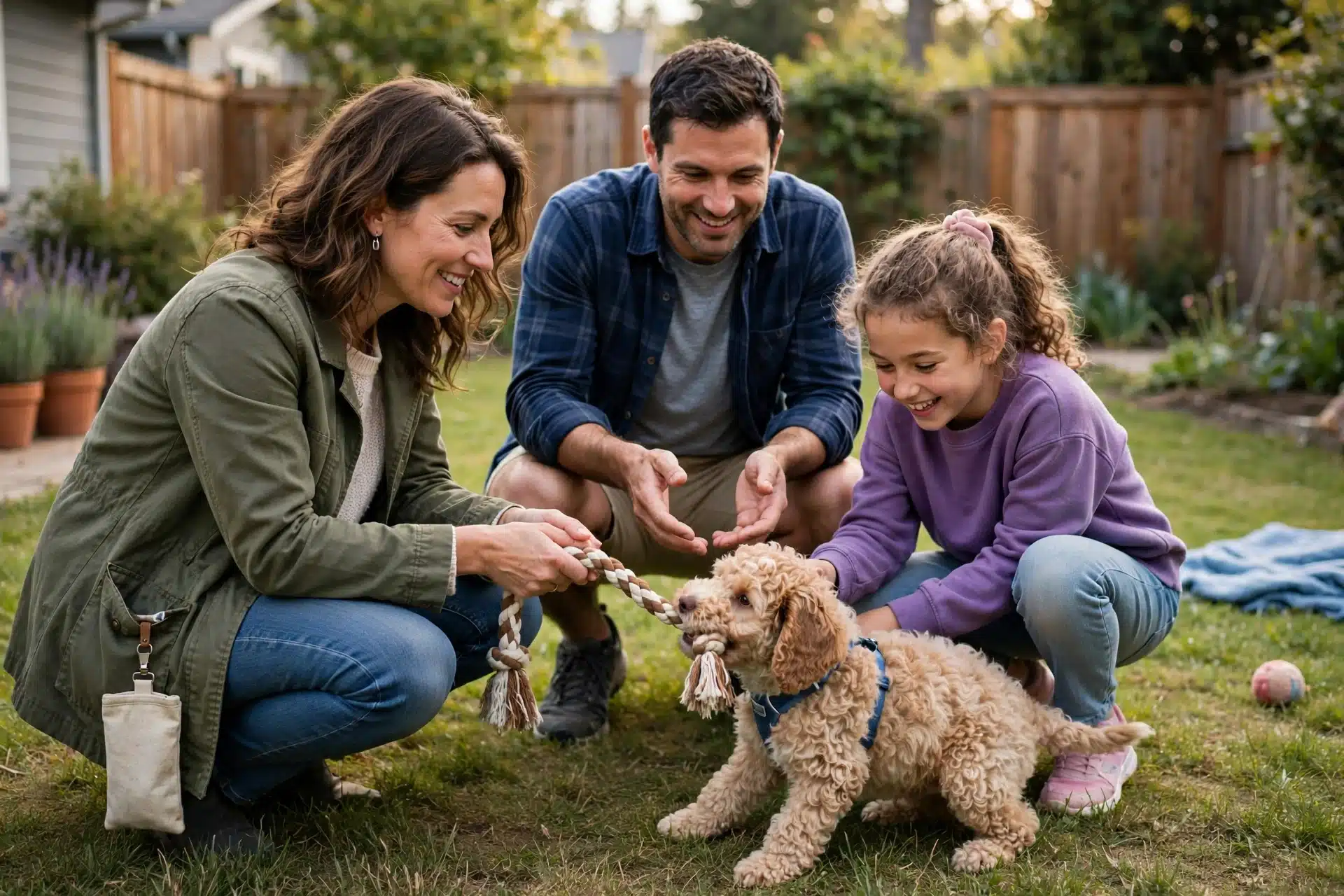
Repeat the pattern, add a few minutes each month, and adjust to your individual puppy. Some Havapoos are zoomier than some Cavapoos – but every puppy needs the same thing: short, safe, happy movement.
Also Read: Cavapoo vs Cockapoo vs Havapoo: Comparing the Top Doodle Breeds
What Counts as Exercise Beyond a Walk?
A walk is only one piece of the puzzle. For a Havapoo or Cavapoo puppy, many daily activities count as real exercise, and some tire a puppy out faster than any leash walk can.
Think in two buckets: body work and brain work. Puppies need both, and mental effort often matters more for small companion breeds. Trainers at the American Kennel Club point out that a tired body alone is not enough. Their classic example: a Labrador finished a three-mile run, then shredded couch pillows an hour later. What was missing was mental work. As AKC trainers put it, the goal is to wear a puppy out both physically and mentally (AKC).
Physical Activity and Brain Work in the Same Day
Here is what counts as exercise for a small breed puppy, beyond the leash.
Body work:
- Free play in a fenced yard or on a long line. This is the best option. Puppies set their own pace, sprint, flop, and rest as needed, which protects growing joints.
- Tug and gentle fetch. Keep sessions short. Skip high jumps and hard landings until your puppy is fully grown.
- Hide-and-seek with people. You hide, puppy finds you. It mixes running with recall practice.
- Indoor obstacle courses. Chairs to weave through, a cushion to climb. Supervise and keep it low to the ground.
Brain work:
- Sniffy walks. Let your puppy choose the route and sniff as long as they want. Sniffing is calming and tiring. The AKC notes it can improve focus and reduce stress (AKC).
- Snuffle mats and puzzle feeders. Hide kibble so mealtime becomes a hunt. Ten minutes of nose work can tire a puppy like a brisk walk.
- Two-minute training sessions. Sit, down, name response, a new trick. Short and frequent beats long and rare.
For Havapoos and Cavapoos, a day with one short walk, some free play, and a few brain games easily meets their needs. That is exactly why they suit families who want a companion, not a running partner.
Also Read: Puppy Care Blog & Resources | Sage Puppies
A Realistic Weekday Routine for Each Mix
A Sample Day That Leaves Room to Adjust
Both mixes thrive on the same basic rhythm: short bursts of activity, plenty of rest, and a predictable potty schedule. Here is a sample workday that fits either puppy, roughly three to four months old.
| Time | What Happens | Why It Works |
|---|---|---|
| 6:45 am | Potty break, then 10 minutes of gentle play | Burns first-thing energy before breakfast |
| 7:00 am | Breakfast, then another quick potty trip | Puppies usually need to go right after eating |
| 8:00 am | Crate or pen time with a chew toy | Nap while the family starts work or school |
| 12:00 pm | Potty break, 15 minutes of sniffing and short training games | Midday reset prevents afternoon zoomies |
| 1:00 pm | Lunch for young puppies, then quiet time | Small breeds do best on three meals at this age |
| 5:30 pm | 20 to 30 minute leashed walk or backyard play | The day’s main exercise block |
| 6:30 pm | Dinner, potty, calm family time | Winding down before the last stretch |
| 9:30 pm | Final potty break, then bedtime in the crate | Sets a predictable overnight routine |
The exact clock times matter far less than the pattern. A Havapoo may push that evening walk to 35 or 40 minutes without tiring, while a Cavapoo is often content at 20. Watch your puppy, not the schedule.
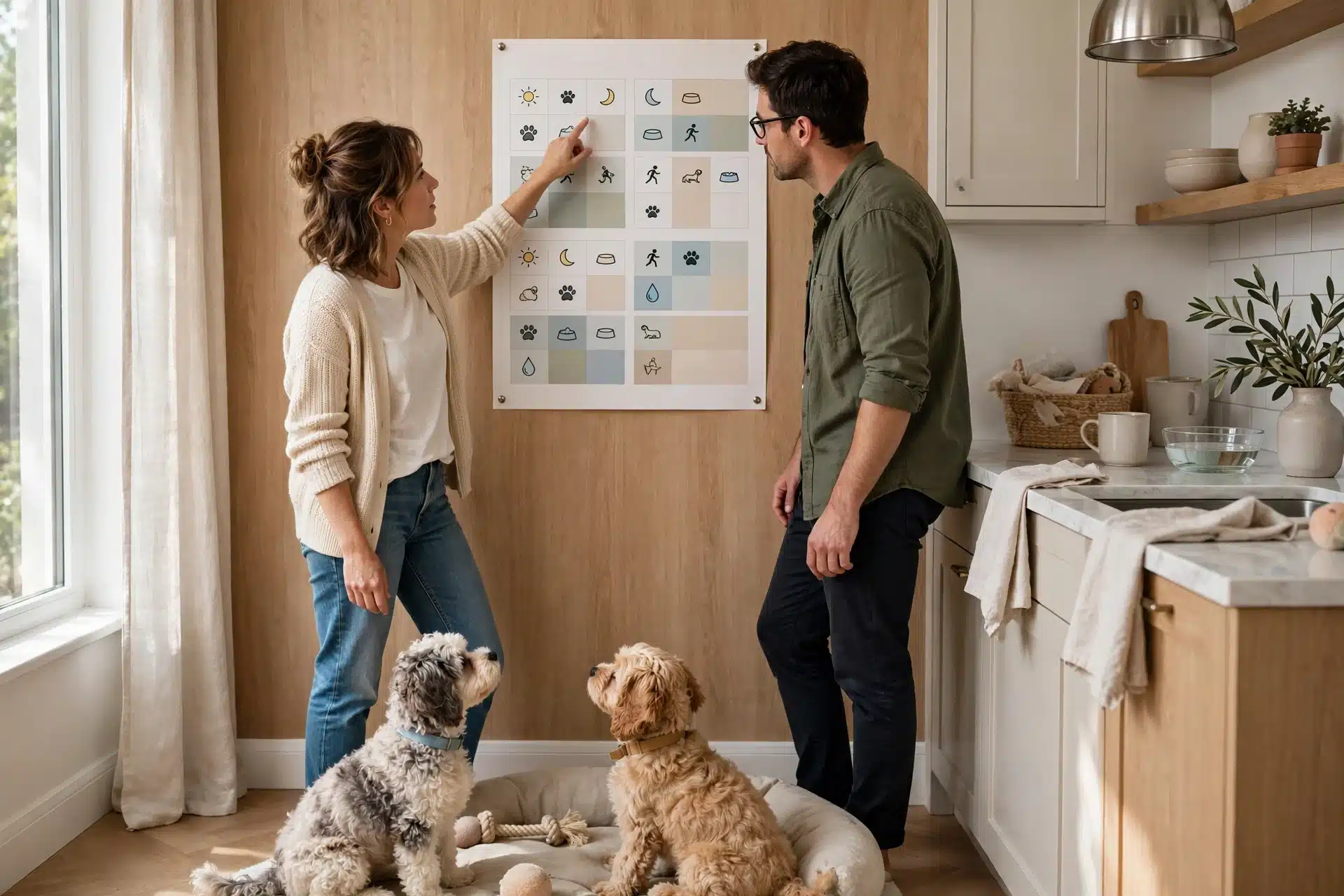
A few adjustments keep this flexible:
- Busy day? Split the evening walk into two 15-minute sessions instead.
- Rainy day? Trade the walk for five-minute training reps and a snuffle mat inside.
- Long workday? A midday visit from a neighbor or dog walker covers the gap.
Both mixes adapt well to this kind of routine because they were bred as companions, not athletes. What they need is consistency, not intensity. Families working with a home-raised program like Sage Puppies get puppies already used to household rhythms, which makes this first month noticeably smoother.
Also Read: 10 Red Flags to Avoid When Visiting a Local Puppy Breeder
How to Tell Whether the Activity Balance Is Working
Your puppy will tell you if the plan is right. You just need to know what to look for. A well-balanced day produces a puppy who plays hard, settles easily, and wakes up ready to go again. An off-balance day shows up in behavior within a day or two.
Watch for these signals:
| Sign | Too Much Activity | Too Little Activity |
|---|---|---|
| Energy | Limping, stiffness, or refusing to walk | Chewing, barking, restlessness |
| Sleep | Exhaustion right after play, trouble settling | Pacing at night, short naps |
| Mood | Irritability, snapping, missing known cues | Demand barking, clinging behavior |
| Body | Sore muscles, worn or red paw pads | Weight gain, clumsy pent-up energy |
Trainers and vets note that overworked dogs often show soreness only after resting, so check how your puppy moves the morning after a busy day. PetMD’s vet-reviewed guide lists limping, stiffness, and paw damage as the clearest red flags.
Too little activity shows up differently. According to the AKC, puppies self-regulate free play well, so destructive behavior usually means unmet needs, not a bad puppy.
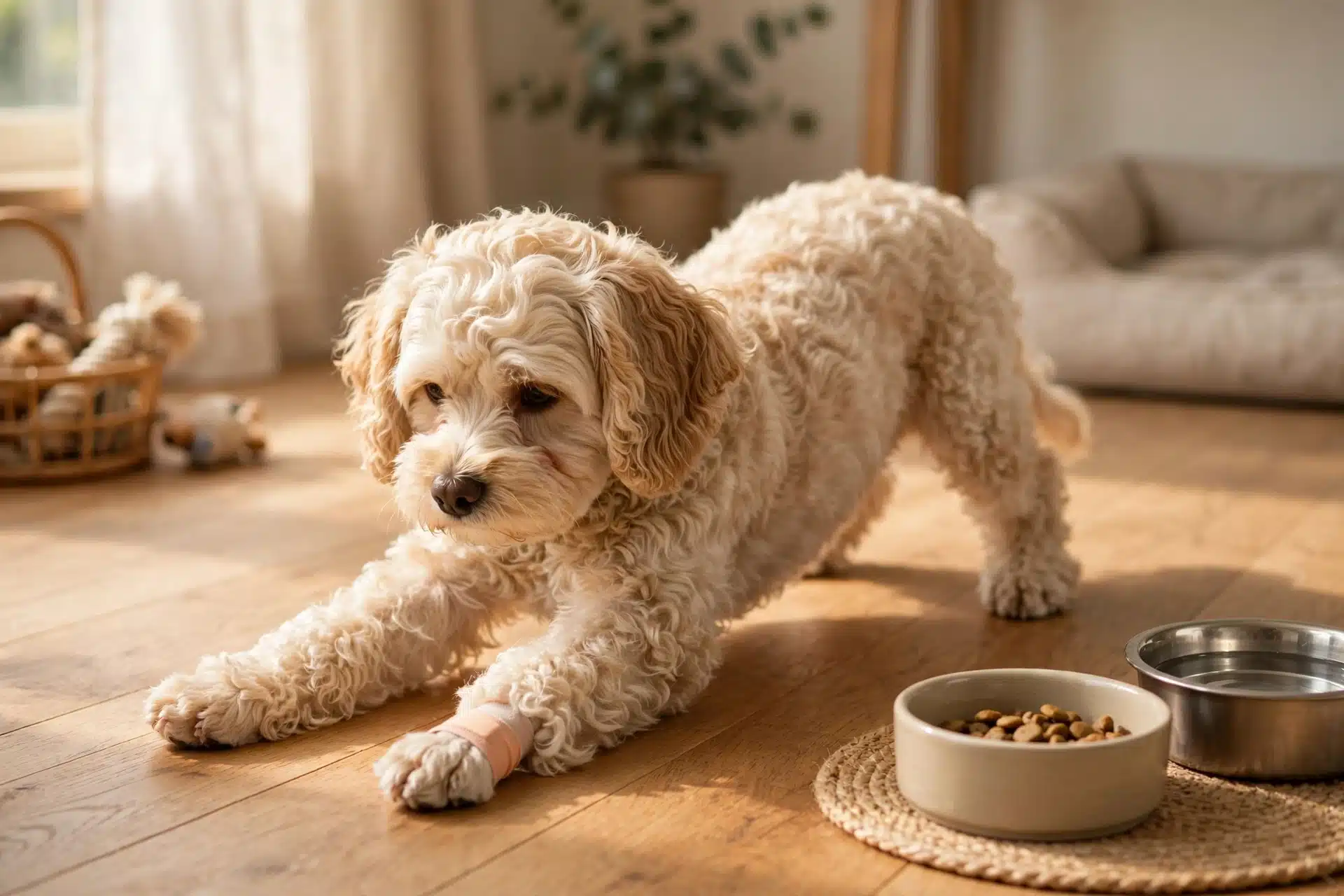
Adjust one variable at a time. Shorten a walk, add a sniffing game, or move play earlier. Give any change three days before judging it.
Which Should You Choose: Havapoo or Cavapoo?
Pick the Havapoo if your days shift a lot. Most adults stay happy with about 30 minutes of daily movement plus short play breaks, so a missed walk is easy to make up with indoor games.
Pick the Cavapoo if your family has a steadier routine and a bit more time. Guides often put Cavapoo needs around 45+ minutes a day, and they reward that extra attention with a playful, social edge many families love.
Either way, you get a small, affectionate companion that trains easily and fits apartment life. For busy or first-time owners, the Havapoo is usually the simpler match; for active households that want a little more energy, the Cavapoo fits beautifully. Both breeds need only moderate daily exercise compared with larger dogs, so the real difference comes down to about 15 minutes a day and how predictable your schedule is.
Whichever you lean toward, ask breeders about the parents’ temperaments. A well-bred puppy from health-tested parents matters more than the average for the breed.

Both Havapoos and Cavapoos thrive on moderate, structured exercise, and the right puppy makes that easy. Meet our home-raised, health-tested Havapoo and Cavapoo puppies at Sage Puppies. Browse available puppies or start your application today, with Utah pickup or nationwide delivery.
Frequently Asked Questions
Q1: Which puppy needs less exercise: Havapoo or Cavapoo?
It’s a near tie. Both need short, gentle activity. Havapoos often settle slightly faster, but either breed suits a calm, non-athletic family.
Q2: How much exercise does a Havapoo puppy need daily?
Follow the five-minute-per-month-of-age rule, twice a day, plus play. Short walks protect growing joints.
Q3: How much exercise does a Cavapoo puppy need daily?
The same rule applies: two or three short sessions daily. Gentle sniffing walks and indoor play work well.
Q4: Can a puppy get too much exercise?
Yes. Overdoing it risks joint strain and overstimulation. Watch for lagging, limping, or heavy panting, and end sessions early.
Q5: What counts as exercise for a puppy?
Short walks, fetch, sniffing, and puzzle toys all count. Mental work tires a puppy as much as physical play.
Q6: Do adult Havapoos and Cavapoos calm down?
Both settle nicely after puppyhood, typically needing 30-60 relaxed minutes daily. Sage Puppies raises both breeds in Utah with nationwide delivery.
A More Manageable Routine Starts with the Right Match
Both breeds are small, affectionate companions. The Havapoo usually needs less, staying content with about 30 minutes a day, while the Cavapoo often does better with 45 or more, according to Dogster’s vet-reviewed comparison.
Remember the fine print: these are adult averages. Puppies of both breeds need short, gentle play sessions, never long forced walks, while their joints are still growing.
The real answer is your dog, not the breed chart. Watch energy, settle time, and behavior after exercise, then adjust. Pick the puppy whose rhythm matches your family’s, and the daily routine takes care of itself.



