
Quick Summary: Active families in Montana can successfully integrate small breeds like Havanese, Havapoos, and Cavapoos into their outdoor lifestyles by prioritizing temperament and health-tested genetics. Sage Puppies emphasizes matching individual puppy personalities to specific activity levels to ensure a sustainable fit for both trail adventures and home life. Proper preparation, including consistent training and realistic exercise expectations, allows these smaller companions to thrive alongside their owners.
When your weekends include trails near Big Sky or long days across Montana’s open country, the right puppy has to keep up. Searching “puppies Montana near me” usually turns up plenty of litters, but few bred for both energy and small size. That’s the real challenge: most small breeds were developed to be lapdogs, not hiking companions.
This guide shows you which small breeds actually thrive in active homes, what to look for in a breeder, and how to prepare a puppy for trail life. As the founder of Sage Puppies, a boutique program offering Havanese, Havapoo and Cavapoo puppies, I’ve helped many active families match temperament to lifestyle. Whether you’re comparing puppies Montana near me listings or planning delivery nationwide, start with current available puppies and pricing.
Assessing Your Lifestyle and Energy Needs
Be honest about your week before you fall for a puppy. Small breeds can keep up with active families, but only when the match fits both the dog’s body and the family’s routine.
Defining Small Breed Activity Capacity
A Havanese, Havapoo or Cavapoo is not a marathon runner, yet none of them is a lap ornament either. Most thrive on 30 to 60 minutes of daily activity, split between a walk and play. That is enough to join a family hike, a stroll around a Billings neighborhood, or a game of fetch in the yard.
What small breeds cannot do is sustain long runs, hot summer trail miles, or repeated jumping from height. Their joints and shorter strides set the limit. Watch for heavy panting, lagging behind, or a puppy that lies down mid-activity. Those are signals to rest, not push.
Plan two shorter outings instead of one long one. A morning walk plus an evening play session fits a small dog far better than a single three-hour adventure.
Matching Temperament to Outdoor Goals
Now match energy to what you actually do outdoors. If your weekends mean camping, lake trips and easy hikes, a Havapoo’s playful stamina fits well. If your adventures lean toward town walks, dog-friendly patios and shorter outings, a calmer Cavapoo may suit you better. Havanese tend to be cheerful companions who enjoy activity in smaller doses.
Temperament matters as much as breed. Ask the breeder which puppy in a litter follows you around and which one watches from a distance. That difference predicts how each dog handles new trails and crowds.
If you are comparing puppies Montana near me options, choose a program that matches puppies to your lifestyle rather than selling to whoever calls first. When you are ready, start your application so the match is based on your real routine.
Why Breed Selection Matters for Active Families
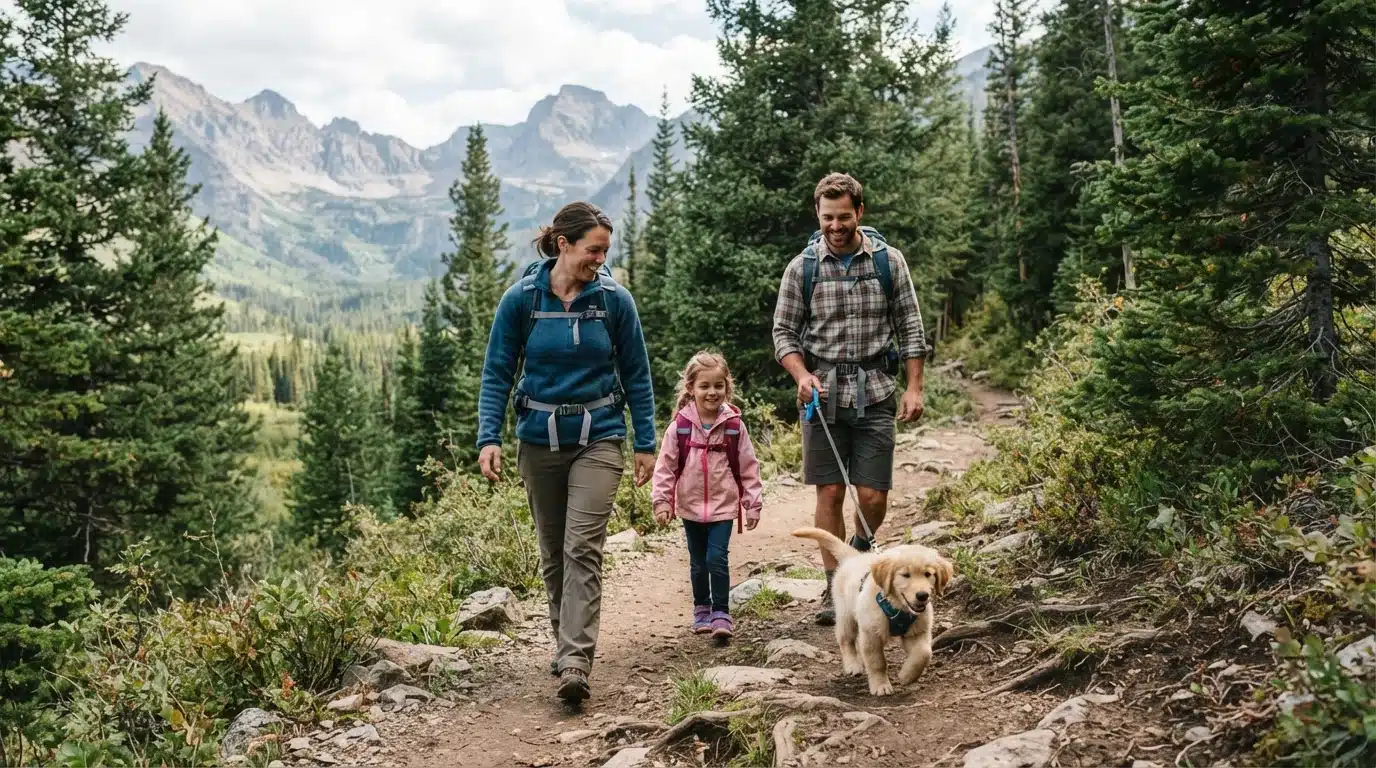
An active family does not need a big dog. It needs the right small dog. Montana weekends fill with trailheads, lake trips, and long days outside, so your puppy must keep up without breaking down or melting into anxiety. Breed choice is really about temperament and energy: how a dog recovers from a busy day, how it handles strangers and other dogs, and whether it stays content in a household that is always moving. A poor match shows up fast, usually as a stressed, overtired puppy. A good match simply joins the routine.
The Havanese Advantage in Temperament
The Havanese earns its reputation as a family companion. The breed standard describes a small, sturdy dog of immense charm, beloved as a friendly, intelligent, and playful partner, according to the Havanese Club of America. That playfulness matters here. Havanese love games and short adventures, yet they settle well at home afterward, which suits families alternating between a Saturday hike and a quiet Sunday.
They are also social with children, adults, and other dogs, and the AKC’s breed profile rates them strongly on affection and good behavior with young kids. For a busy household with visitors coming and going, that easy sociability prevents a lot of stress.
Hybrid Vigor and Personality
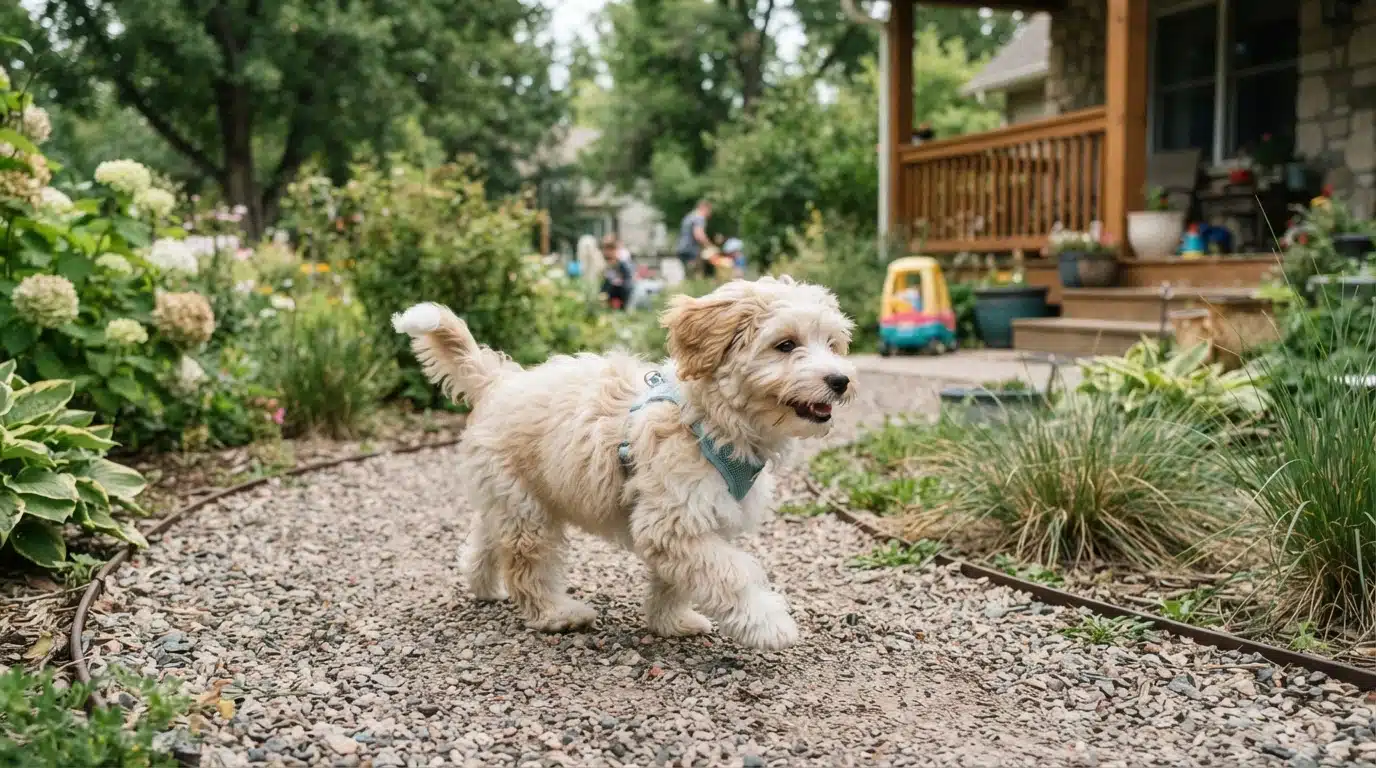
Havapoos and Cavapoos add another angle. Crossing two breeds can widen the gene pool, a concept often called hybrid vigor, though it is a tendency, not a promise. Responsible breeders still health-test both parents, and testing informs decisions rather than guaranteeing outcomes.
Temperament is where these mixes shine. A Havapoo blends Poodle intelligence with the Havanese’s warm, people-focused nature. A Cavapoo brings the same eagerness to please from the Cavalier side. Both tend to be quick learners, which helps when you want a trail companion who also recalls reliably. Individual puppies vary, so meet the litter and ask about the parents’ personalities before you commit. Curious how the mixes compare day to day? Our guide to Havapoo and Cavapoo exercise needs breaks it down.
The Role of Ethical Breeding in Puppy Longevity
Prioritizing Health Foundations
A puppy’s lifespan starts long before you bring him home. The choices a breeder makes in the first eight weeks shape how your dog’s joints, heart and eyes hold up for the next decade or more. For active Montana families, that foundation matters even more, because a trail-loving small breed puts real demands on his body.
Ethical breeding begins with the parent dogs. A careful breeder health tests both parents for the conditions common to the breed, such as patellar luxation, cardiac issues and inherited eye disease in Havanese and poodle mixes. She also studies pedigrees to avoid pairing dogs that carry the same risks. Puppies from tested, thoughtfully matched parents simply have better odds.
Care in the first weeks matters just as much. Puppies raised in a home environment, handled daily and exposed to normal household sights and sounds build stronger nervous systems and more resilient immune responses. Early socialization is not a luxury; it is preventive health care.
Here is a quick comparison of what ethical programs do differently:
| Practice | Ethical Breeder | Careless Source |
|---|---|---|
| Parent health testing | Documented, breed-specific | Rarely done |
| Raising environment | In-home, well socialized | Kennel or outdoor run |
| Breeding age and frequency | Mature dams, rest between litters | Back-to-back litters |
| Transparency | Answers questions, shares results | Vague or evasive |
At Sage Puppies, every litter reflects the Wisely Bred philosophy: tested parents, home raising and honest conversations about each puppy’s temperament and needs. That same standard of care carries into how we prepare families, so if you want to see how matching works, our puppy preparation guide walks through the first steps.
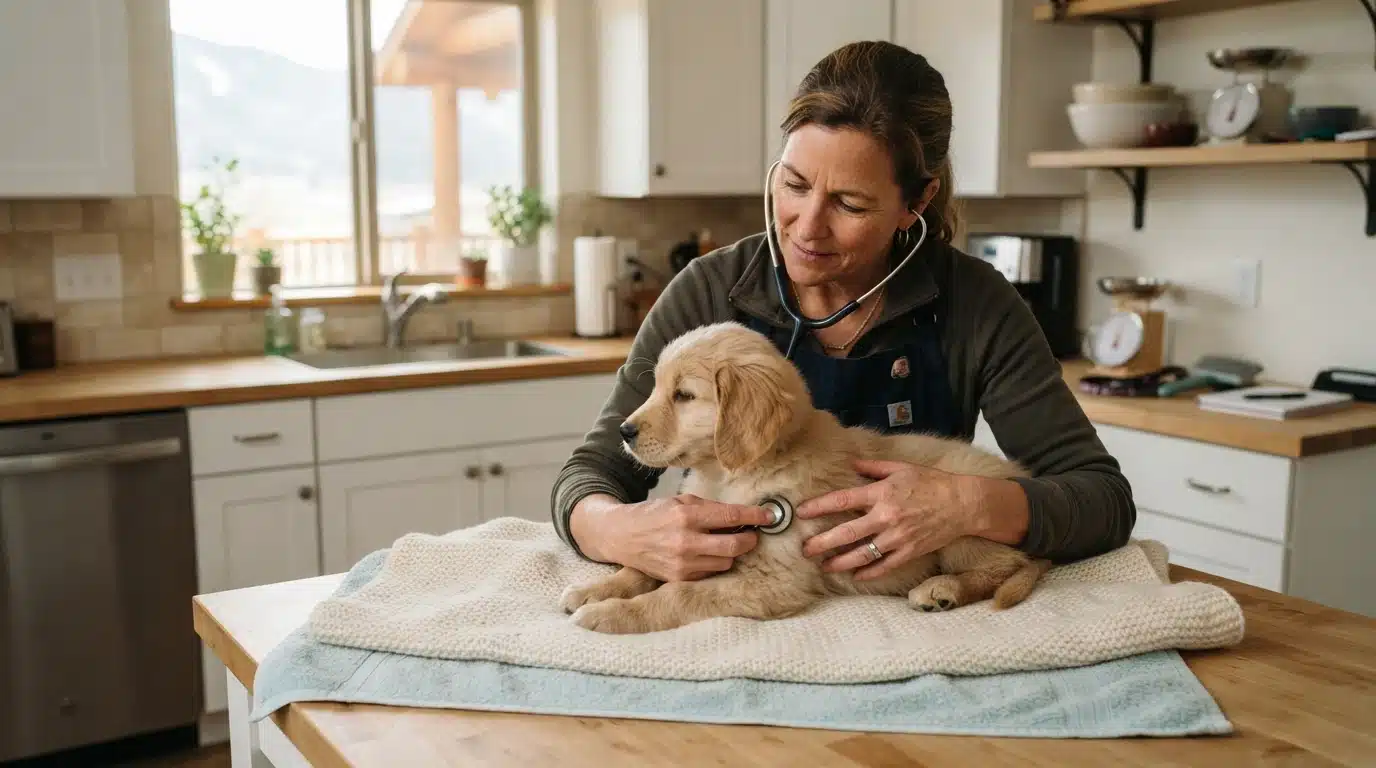
Ask any breeder you consider whether both parents were tested, and ask to see the results. A good breeder welcomes the question.
Tip: Longevity is mostly genetics and prevention. Choose the genetics; you control the prevention.
A small puppy in a busy Montana household does best when the house is ready before pickup day. Most of what you need fits in one shopping trip, so keep the list short and practical.
Start with a crate sized for a small breed, around 24 inches. Your puppy should stand and turn inside it without extra room. Add a soft crate pad, a cheap blanket for the car ride home, and a washable bed for the room where he’ll spend most of his time. Secure a harness rather than a collar for walks; small breeds pull against their throats, and a Y-front harness spreads pressure across the chest. Pair it with a four or six foot leash. Skip the retractable one for now.
Food comes next. Ask the breeder what your puppy has been eating, and buy the same brand so his stomach can settle. If you plan to switch, blend the two foods over a week. Use stainless steel bowls, which clean well and don’t harbor bacteria like plastic can. A slow-feeder bowl helps if your puppy gulps.
Grooming matters for small breeds like Havanese, Cavapoos and Havapoos, whose coats grow long and soft. A slicker brush, a metal comb, puppy shampoo, and nail clippers cover the basics. Brush for a few minutes every day from week one so grooming feels normal instead of scary.
Round out the kit with puppy pads, enzyme cleaner for accidents, a few safe chew toys, and baby gates if you need to block stairs. Store the gear in one spot near the door. When everything lives in one place, the first week feels less like a scramble.
If you haven’t reserved your puppy yet, our available puppies page shows who’s heading home soon.
Training for the Montana Trail
A small breed can keep up on Montana trails, but only if you build the skills early. Positive reinforcement, meaning you reward the behavior you want with treats, praise, or play, is the fastest way to get there. Puppies repeat what pays off. So every recall, loose-leash walk, and calm trail greeting becomes a habit your dog offers willingly, not one you have to enforce.
Start at home before you ever touch a trailhead. Teach a solid “come” in the living room, then the backyard, then a quiet park. Each new place adds distraction, so lower your expectations and raise the reward. Tiny soft treats work best because your puppy can eat them in one second and keep moving. Short sessions of five minutes, several times a day, beat one long drill.
Recall is the skill that matters most out here. Wildlife, other hikers, and cold streams all compete for your puppy’s attention. Reward every check-in generously, even the ones you didn’t call for. If your pup looks back at you on a walk, that glance earns a treat. You are teaching that staying connected to you is the best game on the trail.
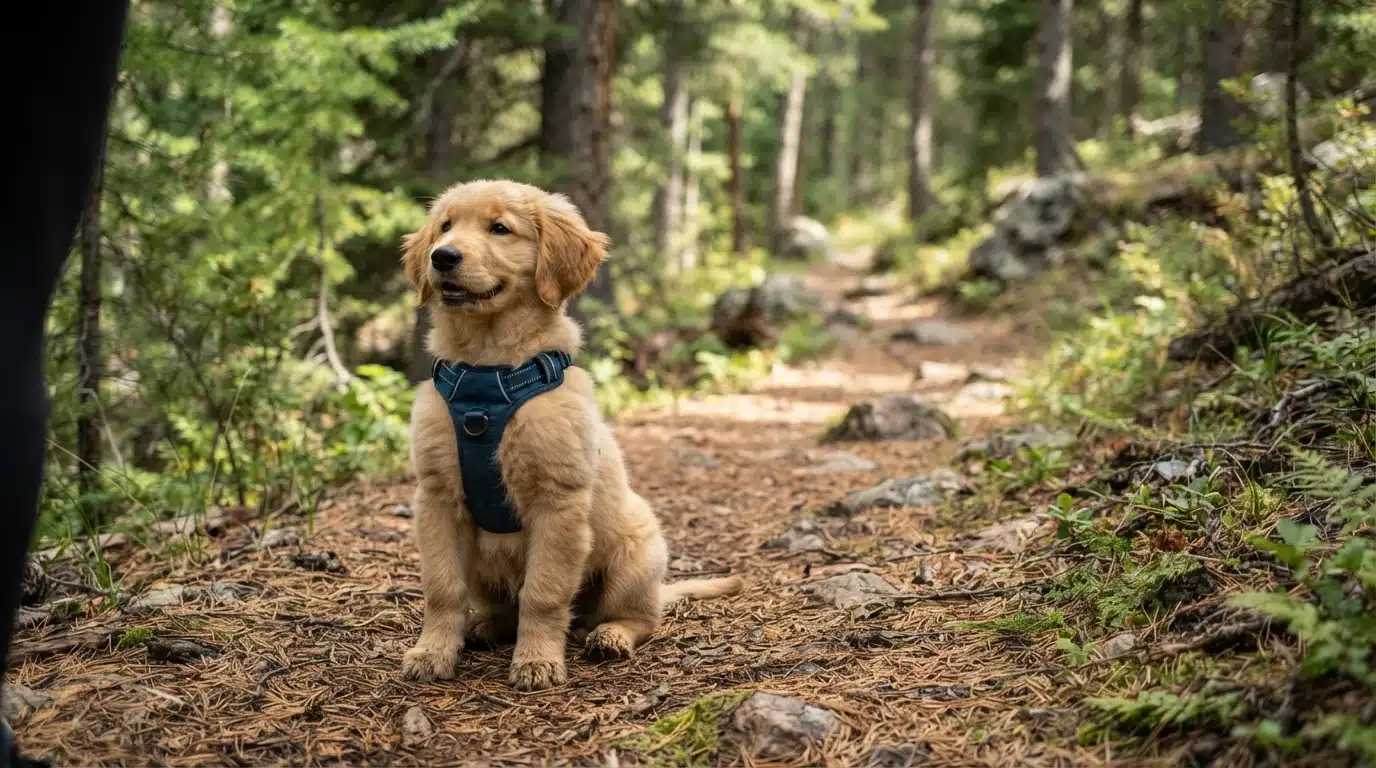
Loose-leash walking comes next. A front-clip harness gives you gentle control without straining a small throat. Stop when the leash tightens and move when it relaxes. It feels slow at first, but small breeds learn this quickly when the rules stay consistent.
Then add trail-specific manners: settle on a rock during water breaks, wait at intersections, and ignore horses or mountain bikers until they pass. Keep early hikes short and flat. Growth plates in young puppies are still developing, so follow your vet’s guidance on safe distance before longer outings.
For breed-specific training notes, our Havanese puppy guides cover care and early skills in more depth.
Managing Logistics for Out-of-State Families
Most Montana families who fall in love with a small breed end up looking beyond state lines, because Havanese, Havapoo and Cavapoo programs are concentrated in a few regions. That makes planning the handoff just as important as choosing the puppy.
Start by comparing your two realistic options: flying in to pick up your puppy in person, or having a trusted escort bring the puppy to you. Small breeds travel well in cabin carriers, which is one reason flight-nanny delivery has become popular for Havanese and doodle mixes. A helpful starting point is our guide to nationwide delivery questions to ask.
Before you commit, confirm a few details in writing:
- Who travels with the puppy, and whether the puppy rides in the cabin rather than cargo
- Timing, since most programs release puppies around eight weeks of age
- Total cost, including the escort fee and any airport charges
- What the puppy needs on arrival, such as food, a quiet settling space and an early vet visit
Whichever route you choose, keep travel day calm. Pack a familiar-smelling blanket, offer water often, and skip big outings for the first few days. A short, well-planned trip matters far more than a fast one.

Ready to find a small pup who keeps up with your Montana adventures? Sage Puppies matches active families with wisely bred Havanese, Havapoo and Cavapoo companions. Start your application today and let Cassie help you find the right fit.
Frequently Asked Questions
Q1: What should active households consider when choosing a Montana puppy?
Match energy to lifestyle. Small breeds like Havanese, Havapoo, and Cavapoo thrive with active families when daily walks, play, and training are consistent. Cold Montana winters also call for a plan for indoor exercise.
Q2: Are small breeds sturdy enough for hiking?
Yes, with limits. Short, moderate hikes work once your puppy is fully grown. Build endurance slowly and watch for fatigue.
Q3: How much exercise do these breeds need daily?
Plan on 30 to 60 minutes split between walks and play, plus mental games.
Q4: When can a puppy start strenuous activity?
Wait until growth plates close, around 12 months, before long runs or steep trails.
Q5: How do I prepare for a puppy in cold climates?
Get a warm coat, booties, and indoor enrichment toys before winter arrives.
Q6: How do I start the application process?
Review availability, then complete the application to begin matching with the right puppy.
Conclusion
The right Montana puppy for an active home is not the toughest one. It is the one bred for health, matched to your pace, and prepared for the life you already live. Small breeds like the Havanese, Havapoo and Cavapoo can keep up on trails, road trips and snowy yards when they come from thoughtful lines and settle in with steady routines.
Focus on what you can control: honest health testing, a breeder who knows every puppy, and realistic plans for exercise, grooming and cold-weather care. That mix turns a cute face into a true hiking and couch companion. Wisely bred and beautifully loved is not a slogan. It is the difference between a dog that endures your adventures and one that enjoys them.





