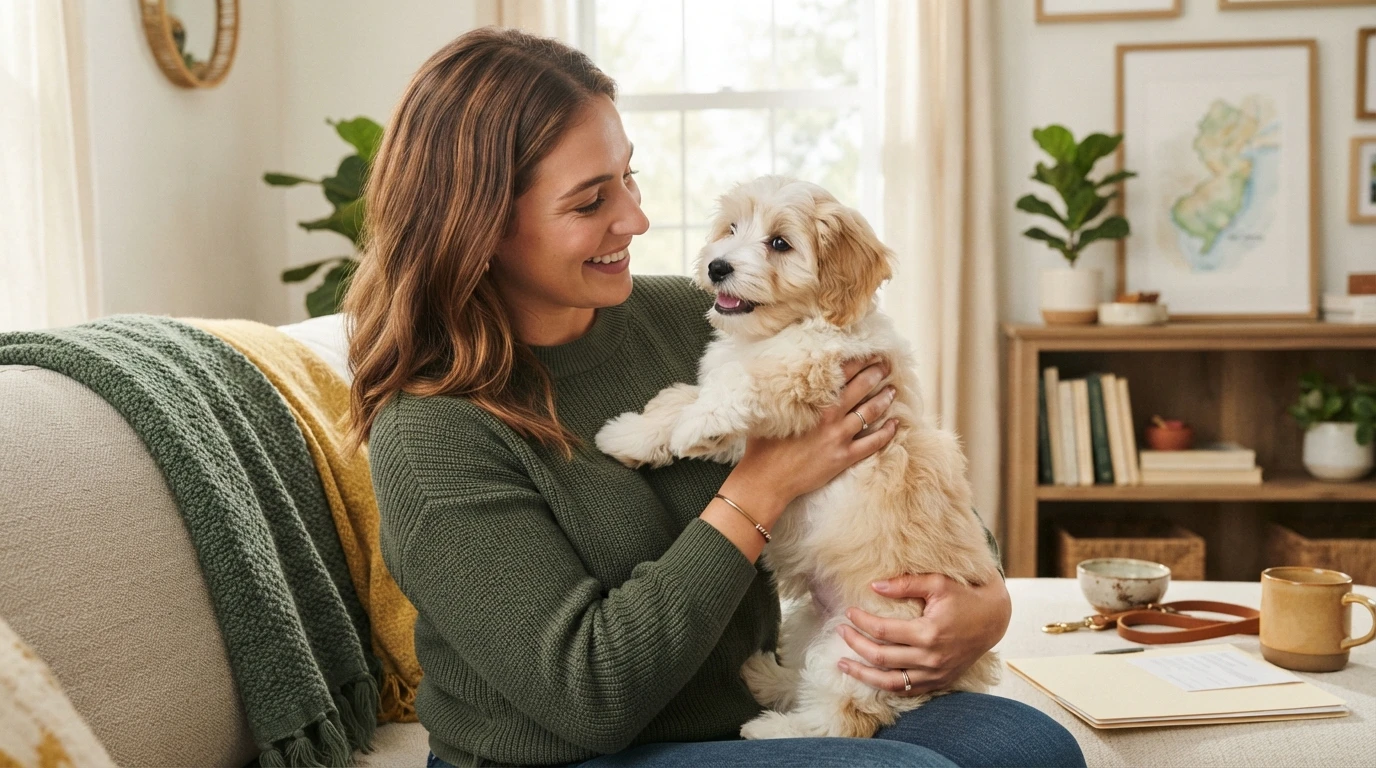
Quick Summary: Most “family-raised puppies for sale near me” listings hide low-quality breeders, so the guide recommends asking where puppies actually live, requesting OFA and CHIC health records for parent dogs, and demanding a live video walkthrough of the whelping area before paying any deposit. Red flags include stock photos, price tags well below the $3,500 to $4,500 range for well-bred small breeds, and sellers dodging questions or skipping written contracts. Run by a South Jordan, Utah program called Sage Puppies, the article frames its own home-raised Havanese, Havapoo and Cavapoo operation as the model buyers should match, with in-person pickup preferred over flight delivery whenever possible.
You searched “family-raised puppies for sale near me,” opened three listings, and two already felt off: stock photos, vague answers, no sign the puppies actually live in a kitchen. That hesitation is useful. Real dog breeders are proud of the messy, everyday details, while resellers and puppy-flippers avoid them because they have none.
This guide shows you how to tell the difference. You’ll learn the questions that expose a fake “home-raised” claim, the early-socialization signs that predict a confident adult dog, and a simple verification-first workflow you can follow before you send a deposit anywhere.
I run Sage Puppies, a small program in South Jordan, Utah, where every Havanese, Havapoo and Cavapoo is born and raised in our home. I know what honest dog breeders will share without being asked, and I wrote this so you can ask for it. You can see how we do things on our available puppies and pricing and reservation pages.
Tip 1: Define What “Family-Raised” Must Look Like in Practice
Many dog breeders use “family-raised” on their websites. The phrase only matters if you can picture the puppy’s daily life. Ask where puppies sleep, who handles them, and what sounds and surfaces they meet each day. If a breeder cannot answer in detail, the label is just marketing.
Daily Conditions That Set a Home Program Apart
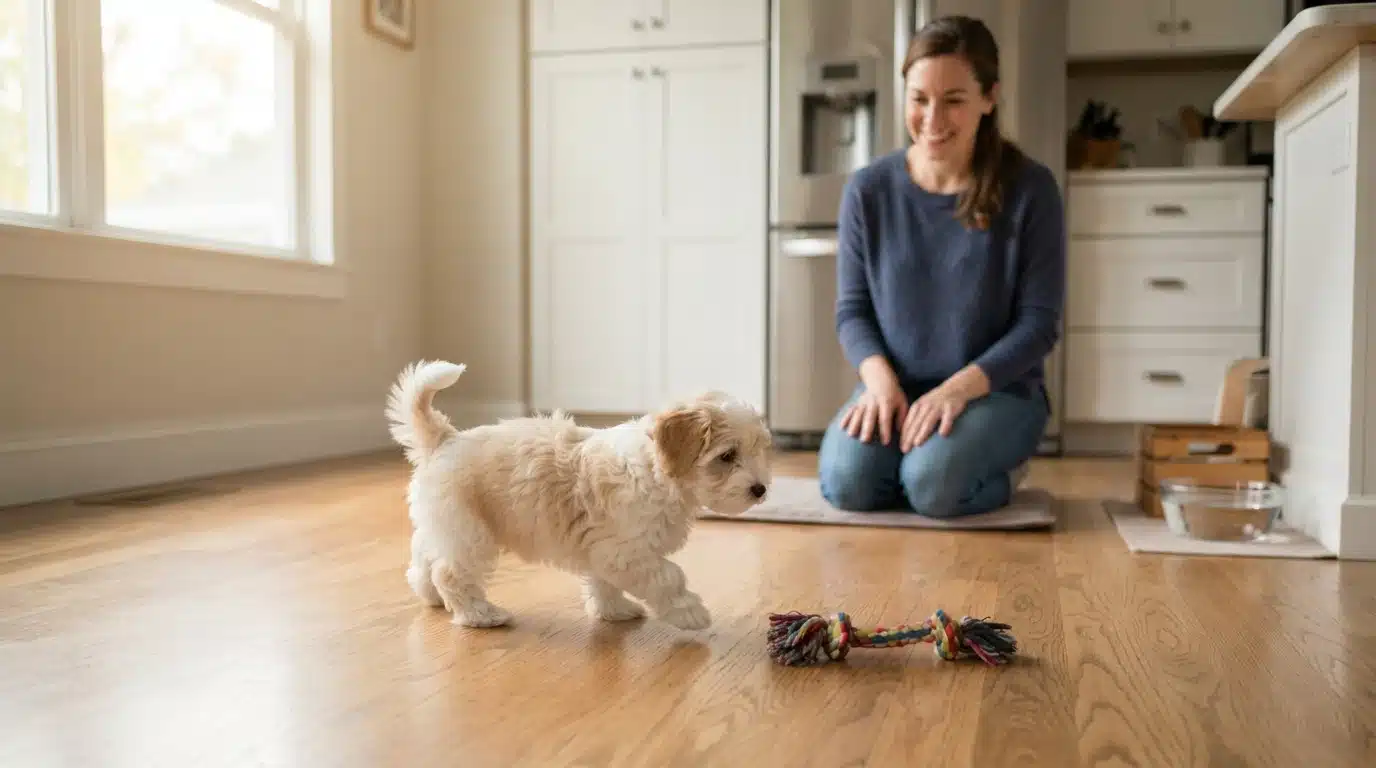
A real home program looks like this: puppies are born and raised inside the house, not in a garage or outdoor kennel. They hear dishes, vacuums, doorbells, and children. They are handled by several people every day, starting in the first weeks. Their whelping area is cleaned often, and they get daily time on new surfaces such as tile, carpet, and grass. The mother lives in the home as a pet, not a production animal. Good breeders will also start simple habits, like crate introduction and name recognition, before puppies leave. When you visit or video chat, ask to see the exact room where the litter lives. Honest breeders welcome that request.
What Research Says About Home-Raised vs Kennel-Raised Puppies
Science supports what you can see. One study found puppies raised in a home were more confident and less likely to show fear-based aggression than kennel-raised pups, as summarized in Companion Animal Psychology. Penn State’s Extension also notes that dogs raised with intentional early socialization tend to be more adaptable and calm in new settings.
Tip 2: Search Local Channels the Smart Way
The fastest way to find family-raised puppies near you is to search where good breeders actually show up, then filter hard.
Use National Breeder Directories With a Filter
Big directories list everyone, so your job is narrowing. Look for programs that state where puppies are raised, name the parents, and describe daily home life rather than kennel runs. Skip any listing without health testing details or breeder contact information. Programs like ours limit themselves to a few small breeds and raise every litter in the home, which is the pattern worth matching. When a directory listing interests you, verify it before you fall in love: search the program’s own website, read its application process, and ask for a video call. A short buyers guide can help you sort strong listings from weak ones.

Lean on Local Vets, Groomers and Small-Breed Communities
Your neighborhood is full of people who already know which breeders do it right. Ask your vet, your groomer, or the trainer at puppy class; these folks see the results of every breeding program in town. Small-breed Facebook groups and local dog clubs often mention litters months before they hit a directory. When someone recommends a program, ask two questions: have they met the breeder in person, and how did the puppies turn out at one year old? Honest answers point you toward raised-at-home litters like our Havanese, Havapoo and Cavapoo families.
Tip 3: Verify the Breeder with Care
A cute photo proves very little. Before you place a deposit, ask for paperwork. Responsible breeders expect questions and answer them willingly, because verification protects both you and their dogs.
Health Testing and Veterinary Records to Request
Start with the parent dogs. Ask whether both parents have OFA certifications and a CHIC number, which the Orthopedic Foundation for Animals issues once a dog completes the required screenings for its breed. For Havanese, that includes an OFA CAER eye exam, along with cardiac, hearing and patella checks.
Ask for proof, not promises. A breeder should send you copies of:
- Parent health test results, searchable by the dog’s registered name on the OFA site
- A vet exam record for each puppy
- Vaccine and deworming dates
- Any DNA panel results for the parents
Watch for a common shortcut. Some sellers advertise “health tested” litters when only DNA was done, skipping exams like eye checks or patella evaluations. If a breeder dodges a request for written results, walk away. When we pair families with puppies at Sage Puppies, health documentation is part of the matching process, not an extra step you must fight for.
Temperament, Socialization and Parent-Visit Evidence
Health records tell half the story. Puppies raised in a home, handled daily and exposed to normal household sounds grow into calmer adult dogs. Ask the breeder to describe a typical day for the litter. Where do the puppies sleep? Who handles them, and how often?
Then ask for proof. A video call through the whelping area lets you see the mother’s temperament and the puppies’ comfort with people. In-person visits work too, and honest breeders invite them or explain the limits, such as protecting unvaccinated litters. If a program refuses both a video call and a visit with no safety reason, treat that as a red flag and keep looking.
Tip 4: Ask the Right Questions Before You Reserve
A breeder’s answers tell you more than any listing photo. So before you put money down, have a short list ready and pay attention to how quickly and fully they respond. A good breeder welcomes questions, even pointed ones.
A Ready-to-Use Breeder Question List
Bring these to your first call or email:
- Health testing: Can you share results for the parents’ eye, heart and patella exams?
- Raising setup: Where do the puppies live, and who handles them daily?
- Socialization: What sounds, surfaces and people have the puppies already met?
- Parents: Can I meet the mother or see recent photos and videos?
- Vet care: Which vaccines and dewormings will my puppy have before coming home?
- Timing and pickup: When will the puppy be ready, and how does pickup or delivery work?
- References: May I speak with a family who bought from you recently?
Note which answers come easily and which get vague. Someone raising Havanese, Havapoo or Cavapoo puppies in their own home, like the puppies for sale near you we list, can usually answer these without hesitation.

Reading Contracts, Deposits and Return Policies
Get every promise in writing before you pay. A solid contract states the health guarantee window, what it covers, and whether a vet exam is required on your end. It should also spell out the deposit: how much, whether it transfers to a future litter, and under what conditions it becomes refundable.
Ask about the return clause, too. Responsible breeders commit to taking a puppy back at any age if your home cannot keep it. If a program avoids written terms or pressures you to reserve same-day, treat that as a signal to slow down. Our pricing and reservation steps show what a transparent process looks like in practice.
Tip 5: Compare Local Pickup vs Nationwide Delivery for Family-Raised Puppies
Both paths can end with a healthy, well-socialized puppy. The difference is how much you can verify in person, and how much trust you place in the breeder’s process. Families near the breeder usually benefit from a pickup visit, while those farther away need a delivery plan that keeps safeguards intact.
When Local Pickup to a Home Program Makes Sense
Pickup makes sense when you live within a reasonable drive of the breeder’s home. You see the mother dog, the whelping area, and how the puppies are handled. That visit answers questions no photo or video can. You can watch how a puppy reacts to strangers, noise, and siblings. Many breeders, including small Utah programs, welcome this because it shows confidence in their setup.
Pickup also lowers cost and stress. There is no flight fee, no crate training for travel day, and no waiting at an airport. Your puppy rides home in your lap or a soft crate, often settling within the hour. Ask the breeder what to bring and what paperwork to expect, then plan a calm first evening at home.
Safely Arranging Delivery Without Losing Verification
If you live out of state, delivery can still be safe when you verify first. Ask for live video calls where you see the puppy moving, eating, and playing with littermates. Request the mother’s health records and the puppy’s vet exam before travel is booked.
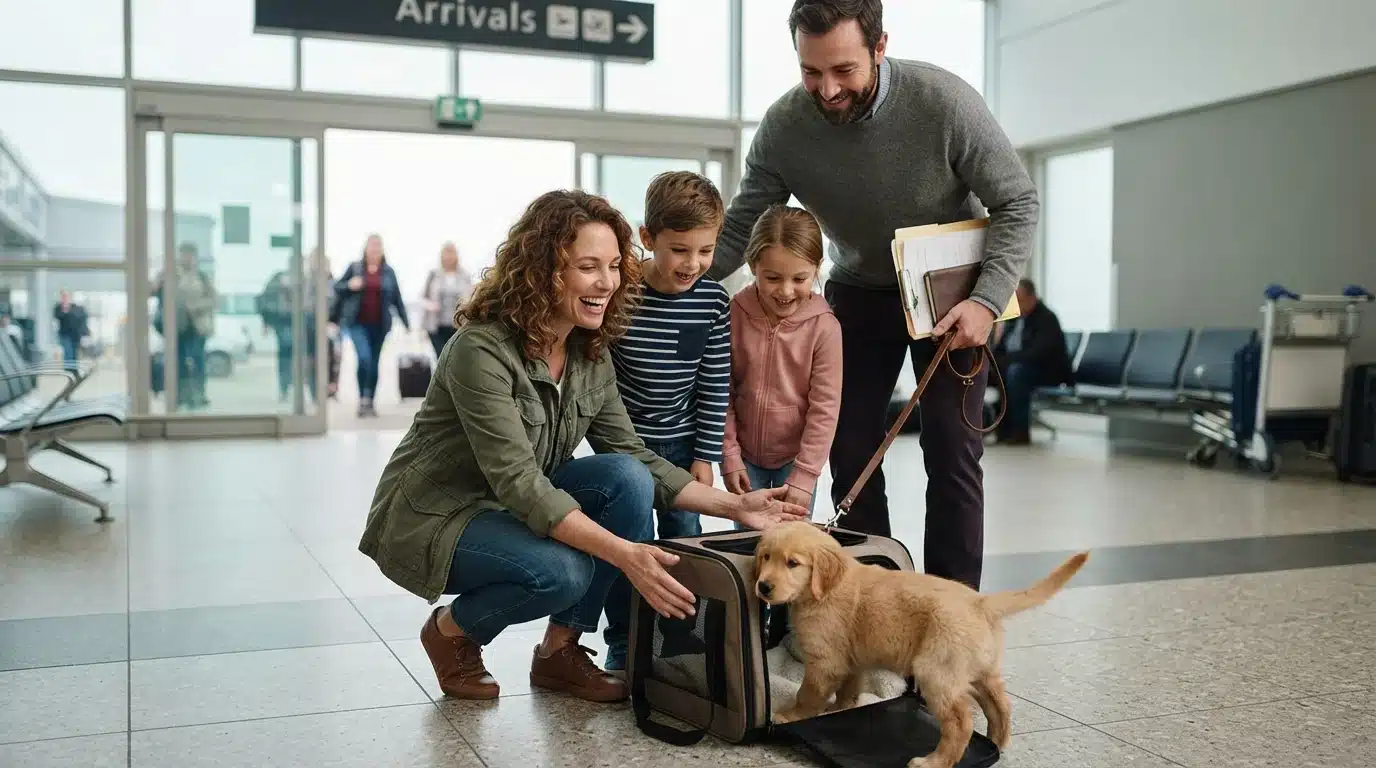
Use a flight nanny who carries the puppy in the cabin, or a licensed ground transporter. Confirm names, dates, and tracking in writing. Then review how programs describe their delivery and matching steps, such as Sage Puppies’ reservation process, before you send a deposit.
Tip 6: Spot Red Flags That Disqualify a Listing
Most bad listings announce themselves. You just need to know what to look for before you send a deposit.
Pressure Tactics, Stock Photos and Vague Answers
Walk away from any seller who pushes urgency. “Three families are waiting, pay today” is a sales trick, not a waitlist. The same goes for prices that seem far below the normal $3,500 to $4,500 range for a well-bred Havanese, Havapoo or Cavapoo.
Ask for photos and videos of the puppy with its mother, taken this week. A seller who only sends glossy studio shots or the same litter photos every family receives is hiding something. Then ask simple questions: How old is the dam? How many litters per year? Who raised the pups, and where? Vague or shifting answers matter more than polished marketing. A good breeder enjoys these questions.
Missing Records, No Contract and Surprise Fees
A responsible program sends you three things without being asked: vaccination and deworming records dated by a vet, a written health guarantee, and a purchase contract you can read before paying. No contract means no accountability. If a “delivery fee,” “processing fee” or “crate fee” appears after you commit, that is your answer.
You can compare what a transparent process looks like on Sage Puppies’ pricing and reservation page.
Tip 7: Prepare Your Home Before the Puppy Arrives
A small breed puppy steps into a big new world the day you bring her home. A little prep makes those first days easier for both of you. Our new puppy guide walks through puppy-proofing room by room, but here is what matters most.
A Calm First 72 Hours at Home
Set up one quiet space before pickup day: a crate or pen, soft bedding, water, and food. Keep the first three days low-key. Skip visitors, car trips, and busy rooms. Let your puppy sleep often, since puppies need 18 to 20 hours of rest a day. Show her where her potty spot is and take her there after meals and naps. Calm routines now build trust fast.
Keep the whole family on the same rules from day one, so your puppy hears one consistent message.
Continuing the Socialization Your Breeder Started
A well-bred puppy leaves her litter already handled, held, and exposed to everyday household sounds. Your job is to keep that momentum going gently. Once your vet clears her, introduce new surfaces, gentle handling of paws and ears, short car rides, and calm people of different ages. Keep each experience short and positive, and let her watch before she joins in. Slow, steady exposure during the first few months shapes a confident adult dog far more than any single big outing.

If you’re ready to stop scrolling through anonymous listings and meet a breeder who knows each puppy by name, start with Sage Puppies. Browse our Havanese, Havapoo and Cavapoo litters, then complete the application so Cassie can match your family with the right pup. Selection is never guaranteed, so apply early.
Frequently Asked Questions
Q1: how to find high quality local home breeders
Search breed clubs, ask your vet for referrals, and visit the home in person. Quality breeders raise puppies indoors, welcome questions, health-test parents, and interview you. Trust programs like Sage Puppies that run a clear application and matching process.
Q2: How much should I expect to pay for a family-raised Havanese or doodle puppy?
Most well-bred Havanese, Havapoo and Cavapoo puppies cost $3,500 to $4,500. Prices reflect health testing, socialization and support. Be cautious with rates far below that range.
Q3: Are video visits enough if I can’t travel to the breeder?
Yes, when they’re live and unedited. Ask to see the puppies, mother and living area in real time, not just photos or polished videos.
Q4: When can puppies safely leave their mother?
Around eight weeks at minimum. Puppies learn bite control and calm behavior from littermates, so early removal often causes biting and anxiety.
Q5: What health records should a breeder provide?
Expect vaccination and deworming dates, a vet exam record, a written health guarantee, and parent health testing results. Get everything in writing before you pay.
Conclusion
Finding family-raised puppies near you comes down to verification, not luck. Look past photos and prices to the evidence: health testing on the parents, daily home socialization, and a breeder who asks you questions right back. The science backs this up. Puppies raised in the home with gentle early handling grow into steadier, more confident companions.
Compare your options with a written checklist, visit when you can, and trust programs that welcome your questions. If you’re drawn to Havanese, Havapoos, or Cavapoos, a small family program like Sage Puppies shows what good breeding looks like in practice: three breeds, one home standard, no out-of-state facilities.
The right puppy is worth the slower search. Take your time, verify everything, and bring home a dog who was wisely bred and beautifully loved from day one.