
Quick Summary: Finding a healthy puppy in New Jersey requires looking past cute photos to verify actual health testing and home-raised conditions. Reputable breeders will provide written veterinary records and OFA health results for parent dogs rather than relying on vague promises. Sage Puppies supports this transparent approach by sharing documentation and using a thorough application process to ensure every puppy is well-matched.
Search puppy adoption NJ and you’ll find hundreds of listings in local classifieds within minutes. The hard part isn’t finding a puppy. It’s knowing where that puppy actually came from, because a cute photo tells you nothing about the mother’s health, the breeder’s screening, or the first eight weeks of care.
That gap is the problem this guide solves. We’ll walk you through the questions that separate reputable Havanese breeders from marketplace shortcuts, the health records to ask for, and the red flags that should end a conversation fast. You’ll learn what ethical breeding standards look like, how vet checked puppies are documented, and how families in New Jersey can bring home a Havanese, Havapoo, or Cavapoo with real confidence. You can browse current availability and pricing to see the process firsthand. Let’s start with what safe actually means.
Evaluating Local Puppy Adoption NJ Listings
Most puppy adoption NJ listings on marketplaces look honest at a glance. Cute photos, a friendly price, a quick reply. The trouble shows up only when you know what to check, so here is the checklist we use when we look at any online listing.
Spotting Red Flags in Digital Marketplaces
Start with the price. A $400 Havanese or Cavapoo is almost never real. Ethical breeders invest in health testing, veterinary care and proper socialization, and their prices reflect that. When a listing undercuts every other ad, the puppy usually comes from a broker, a mill or no one at all.
Next, look at the photos. Reversed image searches take ten seconds. If the same picture appears on listings in three states, you have your answer. Also be wary of sellers who refuse a video call or will only send “the exact photos” they already posted. A real breeder will happily show you the puppy moving around, playing with littermates and meeting people.
Watch how the seller answers questions, too:
- No vet records or vaccine dates, only vague reassurances like “up to date”
- Pressure to pay a deposit fast, often by gift card, wire transfer or a payment app with no protection
- No parent dogs on site, or no willingness to share the mother’s health testing
- Meeting only in a parking lot, never at the home where the puppy was raised
That last one matters most. Puppies learn their first lessons about the world in their first eight weeks. A clean home, handled puppies and a breeder who asks you questions are all good signs.
If you want a listing process built around transparency, our available puppies page shows exactly how we share health records, parent details and honest updates for every litter.
Identifying Reputable Havanese Breeders
A good Havanese breeder can show you more than a cute photo. They can walk you through the parents’ health testing, one record at a time. Here is what separates real proof from reassurance.
Health Testing versus General Vet Clearance
Many New Jersey listings say a puppy was “vet checked.” That is a start, but it is not the same as health testing. A vet check confirms a puppy looks healthy on that day. It cannot predict hips, knees, or eyes ten years from now, and those are the problems that show up in small breeds.
Reputable Havanese breeders test the parents before breeding. The Havanese Club of America requires three tests for a CHIC number: an annual eye exam, hip evaluation, and patella certification. Patellas matter especially with Havanese, because loose kneecaps are one of the breed’s most common issues. You can look any dog’s results up yourself in the OFA database, so there is no reason to take a breeder’s word for it.
Ask for three things:
- The registered names of both parents
- Their OFA or CHIC records, which you can verify online
- DNA results for any conditions the breeder screened for
If a breeder refuses, gets vague, or says “our vet checks everything,” keep looking. A general exam simply does not cover inherited disease.

We test every breeding dog at Sage Puppies and share the paperwork before you commit. Good breeders anywhere in New Jersey should do the same, without being asked twice.
The Importance of Early Socialization and Environment
The first eight weeks shape a puppy for life. Long before your Havanese or Cavapoo meets your family, its brain is wiring around the sights, sounds and handling it experiences daily. Puppies raised in busy, loving homes tend to greet new people, vacuums and car rides with curiosity instead of fear. Puppies raised in quiet kennels or outdoor runs often need months of extra work to catch up.
That is why the environment a breeder provides matters as much as health testing.
The Role of Home-Raised Puppies
Home-raised puppies live where life happens. They hear dishwashers, doorbells and children, and they learn that human hands mean good things. Breeders who raise litters indoors can handle each puppy from day one, which builds early trust and makes the transition to your home far smoother.
Look for these signs when you talk with a New Jersey breeder:
- Puppies live inside the house, not in a garage, barn or separate kennel building
- Daily handling starting in the first week, including gentle touch on paws, ears and mouth
- Exposure to normal household noise, visitors and children of appropriate ages
- A clean, warm whelping area with room to play and explore as the litter grows
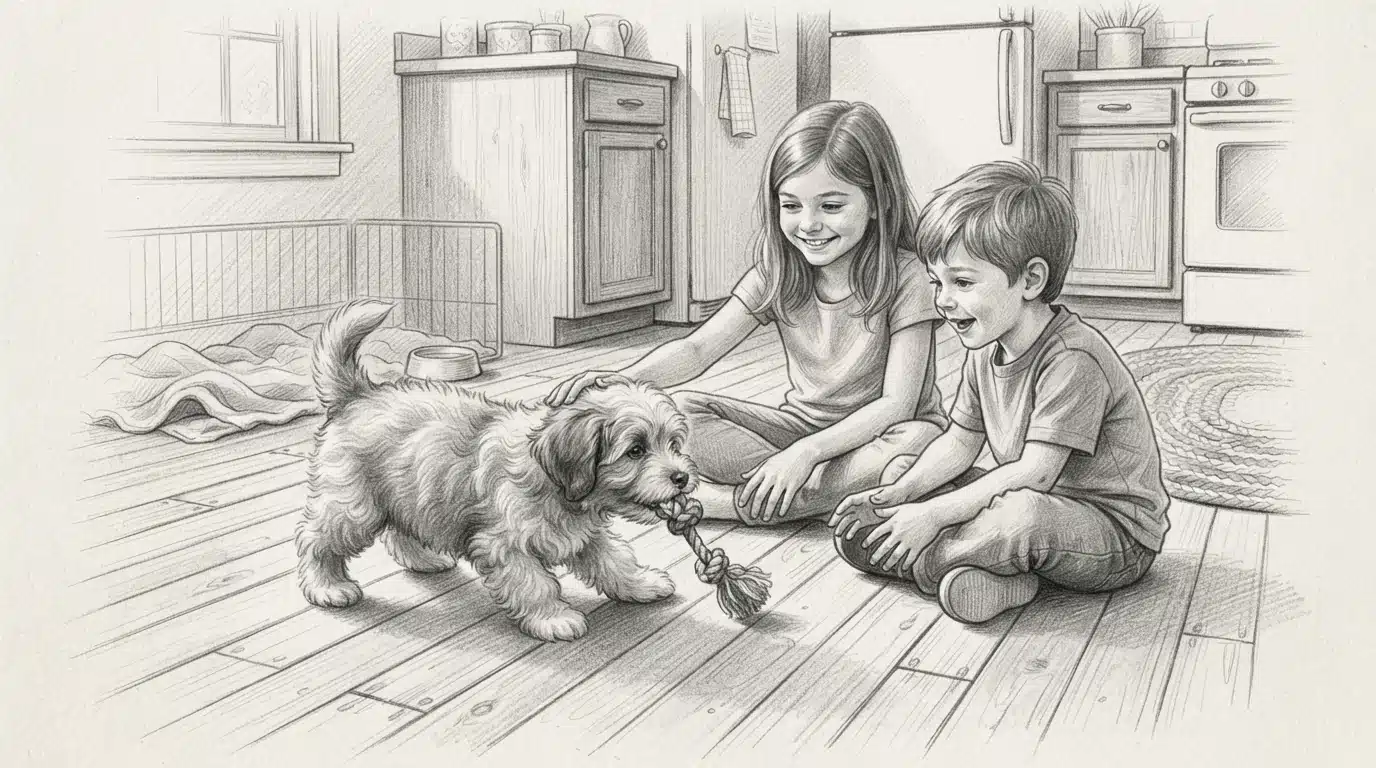
Ask to see exactly where the puppies sleep and play, ideally on a video call if you cannot visit. An ethical breeder will be glad to show you. Hesitation is a signal worth noting.
This is also where small programs stand apart from high-volume sellers. At Sage Puppies, every litter is raised in Cassie Milar’s own home in South Jordan, Utah, so puppies arrive already used to family life. Before you bring yours home, our puppy preparation guidance helps you keep that early socialization going.
Navigating Breeder Communications
The way a breeder talks with you before you pay tells you almost everything. Good breeders welcome questions, answer them plainly, and ask some back. A breeder who dodges, rushes you toward a deposit, or communicates only through quick texts is showing you how they’ll handle problems later.
Reach out the same way to every breeder on your shortlist, then compare the replies. Slow, unclear, or evasive answers are data. So is a breeder who interviews you first; that usually means they care where their puppies land.
Key Questions to Ask Your Potential Breeder
Work through this list in order. You can adapt the wording, but cover each point.
Health and breeding practices
- Which health tests did the parents have, and can you share the results? For small breeds, ask specifically about knees (patellas), eyes, and hearts.
- How old is the mother, and how many litters has she had? More than a few litters or very early breeding is a red flag.
- Have the puppies seen a veterinarian? Ask for the visit record, vaccine dates, and deworming schedule.
Raising and socialization
- Where do the puppies live, and who handles them daily? Puppies raised in the home, around normal household noise, adjust faster.
- What have you done to prepare them for grooming, crates, and being alone briefly?
The transition home
- When can puppies go home, and what comes with them? Expect food, a familiar blanket, and written care notes.
- What is your health policy in writing? Get the terms before you pay anything, not after.
A question to ask yourself
If a breeder pressures you to decide today, step back. Ethical programs, including ours at Sage Puppies, use an application first so both sides can say yes with confidence. You can see how our matching process works before any deposit.

Ensuring Health Integrity in Your Puppy
Paperwork tells you more about a puppy than any listing photo ever will. A healthy puppy comes with records you can read, check, and question. Here is how to do that with confidence.
Reading Health Documentation Correctly
Start with the vaccination record. Puppies need a series of shots, not a single visit, so a legitimate record shows dates, the vaccine name, and the vet’s clinic stamp. A puppy sold before eight weeks of age with “all shots done” is a red flag, because the core series is usually still in progress at that age. Ask which doses are next and when.
Next, look for deworming dates. Most breeders deworm puppies several times between two and eight weeks. The record should list the product used and the date, not just a checkmark.
Then review any parent health testing. For small breeds like the Havanese, reputable programs test breeding dogs for inherited conditions through organizations such as OFA, and those results appear in a public database you can search yourself. Ask for the dam’s and sire’s registered names so you can verify the results rather than trusting a photocopy.
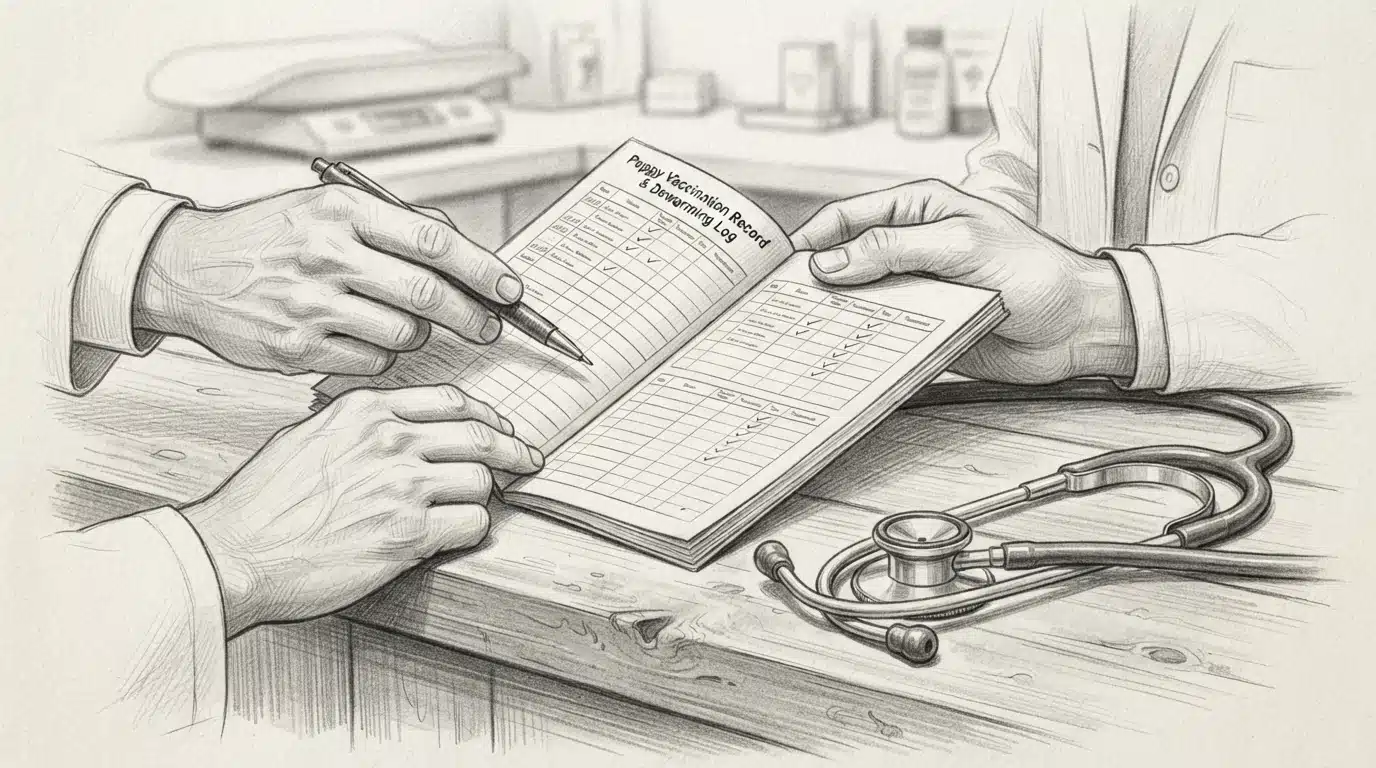
A wellness exam by a licensed veterinarian matters too. This check should happen within days of your puppy coming home, and it should note heart, knees, eyes, and weight. Some contracts give you a short window to have your own vet examine the puppy, so schedule that visit before pickup day.
Ask for everything in writing. Verbal promises about hips, hearts, or patellas mean little if a problem appears later. A written health record protects both sides.
At Sage Puppies, each puppy goes home with complete vaccination and deworming records, plus documentation of parent health testing, so you can verify rather than take anyone’s word.
Keep every document in one folder from day one. Your vet will thank you, and so will your future self. If you are ready to meet puppies backed by this level of care, start with our puppy application.
The Ethics of National Breeder Selection
Choosing a breeder outside your state is not unethical in itself. What matters is whether the breeder knows each puppy as an individual, screens homes carefully, and plans transport around the puppy’s wellbeing instead of convenience. A small program that raises litters in its home, asks real questions about your household, and stays in touch after pickup can be a safer choice than a nearby kennel you never vetted. The risk comes from volume sellers who ship anywhere to anyone. Distance should raise your standards, not lower them.
Logistics of Puppy Delivery and Safety
How a puppy travels tells you a lot about a breeder. Ask for the exact plan before you send a deposit, and be wary of anyone who will not describe it in detail.
There are three common options for small breeds like Havanese, Havapoos, and Cavapoos:
| Method | How It Works | What to Ask |
|---|---|---|
| Flight nanny | A handler flies with the puppy in the cabin and hands it to you at your airport | Is the handler registered with USDA APHIS? Will you meet the same person? |
| Ground transport | A driver carries the puppy by vehicle, usually with rest stops | How long is the trip, and how often are breaks and food offered? |
| Owner pickup or delivery | You fly in, drive, or the breeder delivers personally | Can you see where the puppy was raised? |
In-cabin flight nannies are often the gentlest option for tiny breeds because a person stays with the puppy the whole way. Look for USDA registration, which regulators treat as a marker of professional standards in pet transport, and confirm insurance coverage. Federal rules for interstate pet movement also matter, so ask whether the puppy will travel with a valid health certificate from a licensed veterinarian.
Warning: Never accept cargo shipping for an eight-to-twelve-week-old small breed puppy. The temperature swings, noise, and handling in cargo hold are unnecessary risks when cabin and ground options exist.
A responsible breeder will time delivery around the puppy, not your calendar, and will schedule travel only after the puppy is eating well, vaccinated on schedule, and cleared by a vet. Sage Puppies works this way, arranging owner-managed delivery plans for national families only after a puppy is truly ready. If a seller pushes travel dates earlier than eight weeks or offers to “meet you halfway” at a parking lot with no paperwork, walk away. Good logistics protect the puppy first and convenience second.

If a healthy, well-bred puppy matters more than a fast local deal, Sage Puppies can help. Cassie Milar matches families nationwide with Havanese, Havapoo and Cavapoo puppies raised under careful, ethical standards. Browse available puppies at Sage Puppies, then start your application to reserve your companion.
Frequently Asked Questions
Q1: How can I safely find healthy puppies for sale in New Jersey?
Start with breeders who welcome your questions, share health testing results, and let you meet the puppy’s parents, in person or by video. Never send money to anyone who pressures a fast deposit. Programs like Sage Puppies use an application and matching process, which is a safer model than anonymous marketplace ads.
Q2: What should I look for to identify a reputable puppy breeder in New Jersey?
Look for health-tested parents, clean home-raised conditions, a written health record, and a breeder who interviews you. Ethical breeders raise small litters, keep puppies with mom long enough, and stay in touch after you take your puppy home.
Q3: How can I avoid puppy scams when searching for puppies in New Jersey?
Refuse wire transfers, gift cards, or crypto payments. Ask for a live video call showing the puppy and breeder together. Scammers reuse stock photos, so run a reverse image search. If the price seems too low, walk away.
Q4: How much should I expect to pay for a healthy small-breed puppy?
Well-bred Havanese, Havapoo, or Cavapoo puppies typically cost $3,500 to $4,500. That price reflects health testing, early socialization, and support. Very cheap listings usually skip those steps.
Q5: Can I have a puppy delivered if the breeder is out of state?
Yes. Reputable programs offer flight nanny delivery or hand delivery. Ask who travels with the puppy, how the trip is handled, and what happens if delivery is delayed before you pay.
Q6: What health records should a breeder give me when I pick up my puppy?
Expect vaccination and deworming dates, a vet exam record, and the parents’ health testing results. Ask for these in writing before your pickup day, not after.
Finding Your Perfect Companion
Healthy puppies in New Jersey come from breeders who open their doors, share health testing, and interview you right back. That is the standard to hold, whether you meet a breeder in person or work with a program that places puppies with vetted families.
Watch for the warning signs: no health records, pressure to pay fast, or a seller who will drop a puppy at a parking lot. Trust what you see, not what a listing promises.
Small breeds like the Havanese, Havapoo, and Cavapoo reward careful choosing with fifteen or more years of companionship. Take your time, ask the hard questions, and bring home a puppy who was wisely bred and beautifully loved from day one.





