New Puppy Guide: Preparation, Grooming & Puppy-Proofing Tips
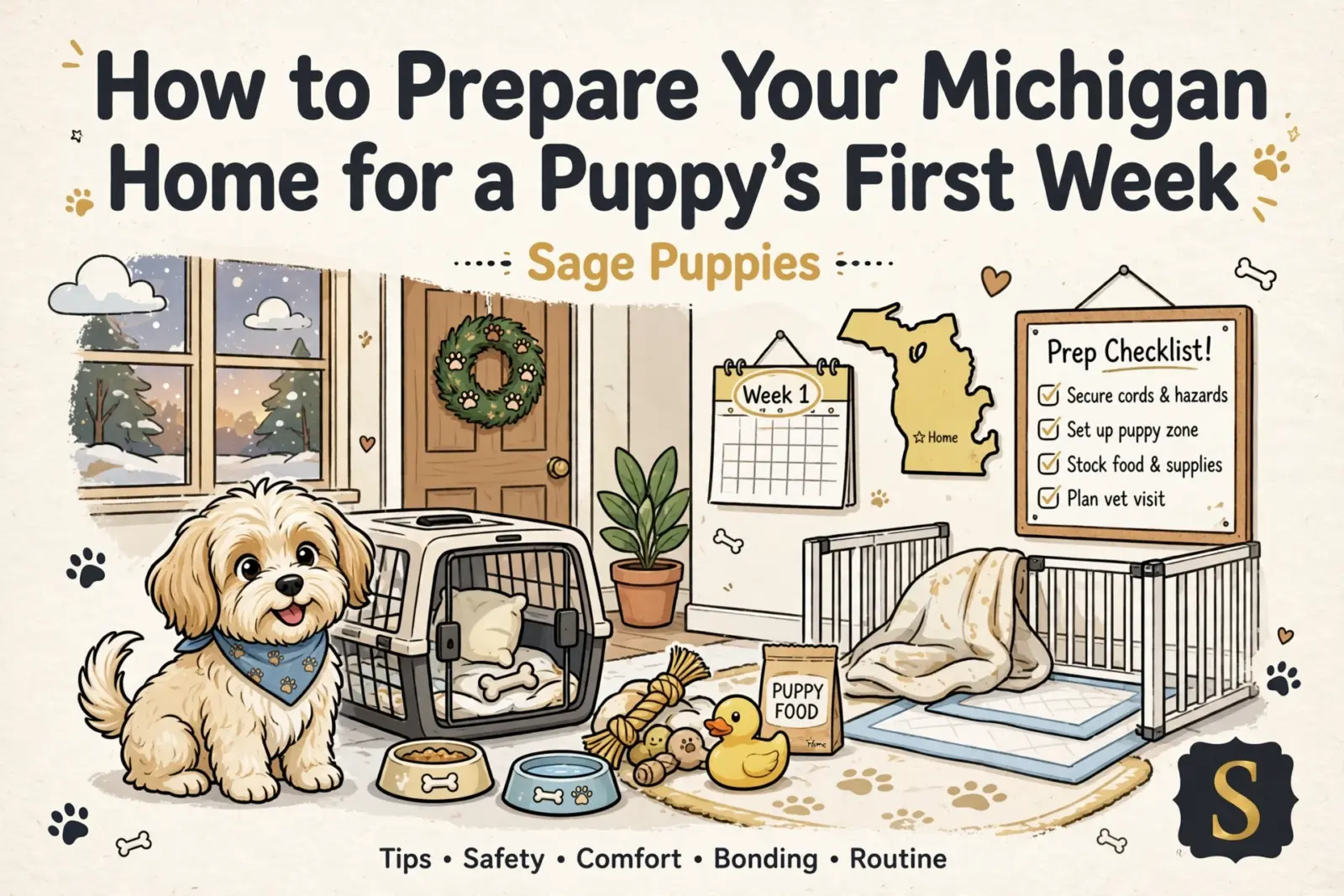
New Puppy Guide: Preparation, Grooming & Puppy-Proofing Tips begins with a calm plan covering supplies, safety, feeding, sleep, training, grooming, vaccinations, and socialisation. Prepare one quiet area, schedule a veterinarian visit, and supervise every interaction during the first week.

Your First 48 Hours: How to welcome dog Energy With Confidence and Calm
Your First 48 Hours: How to welcome dog Energy With Confidence and Calm requires a predictable routine. Offer small meals, frequent toilet breaks, quiet naps, and gentle introductions rather than overwhelming visitors. The 3-3-3 rule reminds a dog parent that adjustment commonly unfolds over three days, three weeks, and three months.
Why a Thoughtful new puppy checklist Beats Last-Minute Shopping [2026 Essentials]
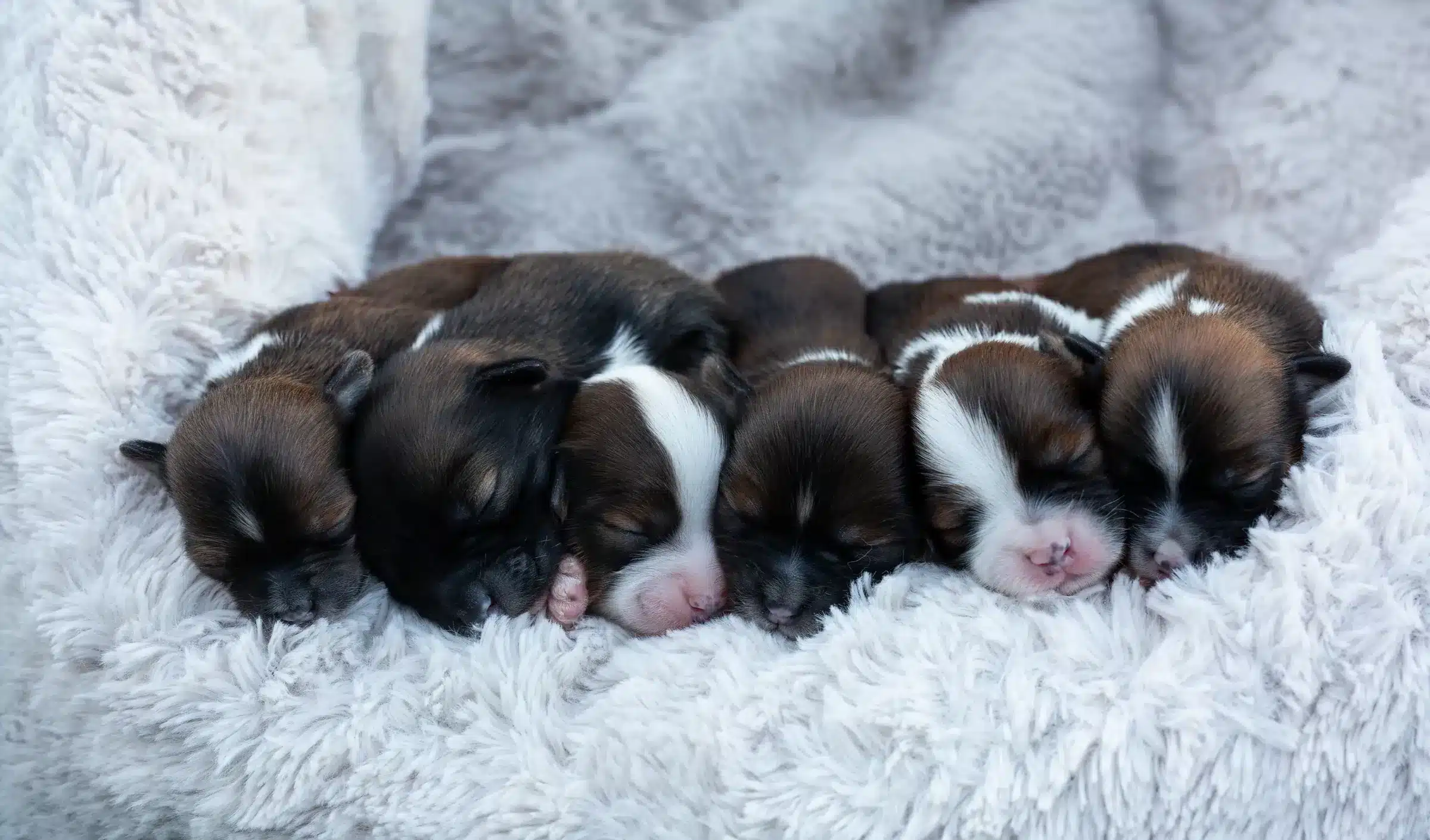
Why a Thoughtful new puppy checklist Beats Last-Minute Shopping [2026 Essentials] matters because planned purchases prevent unsafe substitutions. List food, food and water bowls, a collar and leash, crate, bedding, chew toys, cleaning supplies, and identification. A breeder checklist should also record diet, microchip details, worming dates, and vaccination history.
How to Use Your new puppy checklist to Systematise Every Room [Printable Room-by-Room Edition]
How to Use Your new puppy checklist to Systematise Every Room [Printable Room-by-Room Edition] means checking hazards systematically. Mark electrical cords, medicines, plants, bins, windows, stairs, and small objects in each room, then assign an action and completion date. This method turns puppy preparation into measurable safety work.
7 Small Wins From a Proven new puppy checklist That Calm First-Night Nerves
7 Small Wins From a Proven new puppy checklist That Calm First-Night Nerves include preparing a warmed blanket, measuring dinner, locating cleaning products, setting alarms, and placing identification by the door. These small tasks reduce decision-making when everyone is tired and help a new puppy experience positive experiences immediately.
Building Your Personalised puppy checklist for Food, Sleep and Comfort
Building Your Personalised puppy checklist for Food, Sleep and Comfort starts with the puppy’s current routine. Keep the same puppy diet initially, provide three or four age-appropriate meals when recommended, and protect frequent sleep periods. Record appetite, stools, water intake, and settling behaviour so changes can be discussed at the vet appointment.
7 Small Wins From a Proven new puppy checklist That Calm First-Night Nerves
Creating a Calm safe space Beside the Family Hub for Daytime Naps gives the puppy security without isolation. Position a pen or bed away from foot traffic, provide ventilation, and keep noise moderate. Short, supervised rests teach independence while allowing the puppy to observe family life.
Setting Gentle house rules for Kids and Guests Around the Crate Zone
Setting Gentle house rules for Kids and Guests Around the Crate Zone protects sleep and trust. Children should wait for the puppy to wake, avoid reaching inside, and invite contact rather than chasing. Guests should ignore jumping, keep voices low, and follow the household’s reward-based training plan.
Essential house preparation for a Joyful Arrival [2026 Updated Framework]
Essential house preparation for a Joyful Arrival [2026 Updated Framework] combines physical safety with predictable routines. Install baby gates, secure cupboards, remove toxic substances, prepare an exercise area, and decide where eating, sleeping, toileting, and grooming will occur. Consistency across household members prevents confusion.

Designing a Nurturing safe space That Helps Your new puppy Settle In 3 Days
Designing a Nurturing safe space That Helps Your new puppy Settle In 3 Days involves familiar scent, comfortable bedding, water, and limited stimulation. Introduce the area with treats and never use it for punishment. Observe whether the puppy relaxes, pants, vocalises, or repeatedly attempts escape, then adjust location and size.
7 Small Wins From a Proven new puppy checklist That Calm First-Night Nerves
Transforming Your Living Area Into a Soothing safe space With Crate and Bed Choices requires correct sizing: the dog crate should allow standing, turning, and stretching, but not encourage a separate toilet corner. Use washable bedding and inspect seams, zips, and filling regularly during teething.
Establishing Clear house rules for Sofas, Stairs and Sleeping Arrangements
Establishing Clear house rules for Sofas, Stairs and Sleeping Arrangements prevents mixed messages. Decide whether furniture access is permitted, block unsafe stairs, and choose a consistent nighttime location. Reward the behaviour you want rather than repeatedly correcting mistakes after they occur.
Room-by-Room puppy-proofing Playbook for Curious Explorers [Vet-Approved]
Room-by-Room puppy-proofing Playbook for Curious Explorers [Vet-Approved] starts at floor level, where puppies investigate with their mouths. Remove batteries, cables, coins, medication, laundry, and choking hazards; secure rubbish and unstable furniture; and check outdoor boundaries. Supervision remains essential because no setup eliminates every risk.
Clever puppy-proofing Tricks to Conceal Cables, Plants and Cleaning Products
Clever puppy-proofing Tricks to Conceal Cables, Plants and Cleaning Products include rigid cable covers, closed cupboards with child locks, elevated plant stands, and labelled storage. Confirm plant toxicity with a veterinarian, and never transfer cleaners into unmarked containers. Offer safe alternatives such as durable chew toys to redirect exploration.
Creating a Calm safe space Beside the Family Hub for Daytime Naps
Essential puppy-proofing Moves for Kitchens, Bathrooms and Balconies include blocking appliance doors, securing food waste, closing toilet lids, removing razors, and preventing balcony access. Keep hot pans, detergents, and medicines inaccessible. Inspect railings for gaps and never rely on height alone to contain an agile puppy.
Complete puppy preparation Blueprint: From puppy supplies to Safe Hydration
Complete puppy preparation Blueprint: From puppy supplies to Safe Hydration connects equipment choices with daily wellbeing. Prepare measured food, washable bowls, bedding, cleaning materials, enrichment toys, grooming tools, and emergency contacts. Fresh water should be available unless a veterinarian gives specific instructions, and bowls require daily washing.
What Does Your new puppy Really Need? 12 Must-Have puppy supplies Revealed
What Does Your new puppy Really Need? 12 Must-Have puppy supplies Revealed includes food, food and water bowls, bed, crate, pen, collar, leash, identification, gates, enzymatic cleaner, chew toys, and grooming tools. Buy safe, washable products and verify fit as the puppy grows. Amazon pet products can be convenient, but inspect reviews and materials carefully.
The Ultimate new puppy Shopping List: Bowls, Beds and Chew-Safe puppy supplies
The Ultimate new puppy Shopping List: Bowls, Beds and Chew-Safe puppy supplies should prioritise stability, cleanability, and correct proportions. Stainless-steel bowls resist scratches, while a washable bed supports hygiene. Rotate several appropriately sized toys, including a Kong used with suitable food, and discard damaged items promptly.
Creating a Calm safe space Beside the Family Hub for Daytime Naps
Choosing Non-Toxic, Washable puppy supplies That Last Beyond Teething means avoiding loose parts, unknown coatings, and easily shredded fabrics. Select products from reputable pet brands, follow weight guidance, and supervise use. Affiliate links should not replace independent safety checks or advice from a qualified veterinarian.
Building Your Personalised puppy checklist for Food, Sleep and Comfort
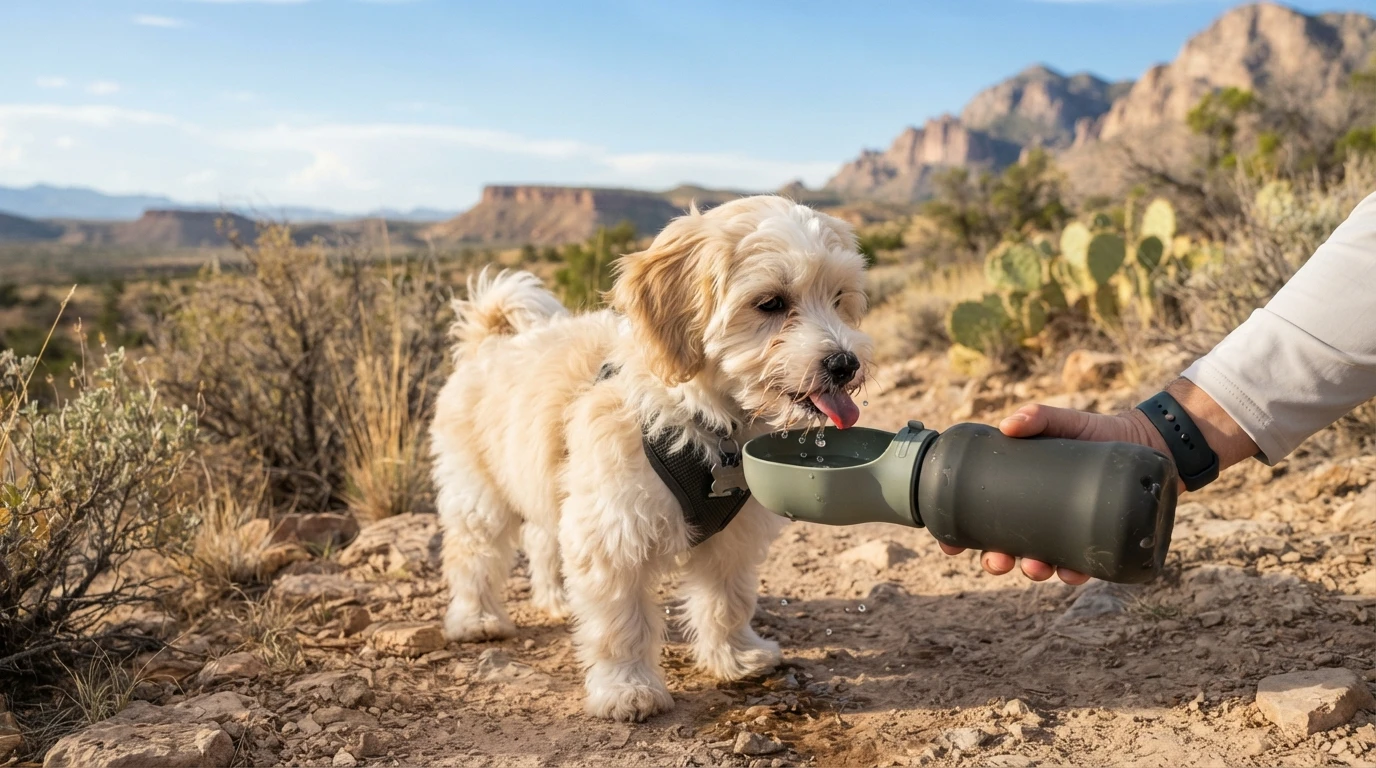
Hydration and Outdoor Safety: Stop pet dehydration Before It Starts requires water access, shade, rest, and sensible activity. Puppies can overheat quickly because they regulate temperature less effectively than mature dogs. Carry water outdoors, avoid hot pavement, and schedule exercise during cooler periods.
Creating a Calm safe space Beside the Family Hub for Daytime Naps
How to Spot Early pet dehydration Signs During Play and Travel involves watching for sticky gums, unusual tiredness, excessive panting, reduced urination, weakness, or vomiting. Stop activity, move to shade, offer small amounts of water, and contact a veterinarian urgently if signs persist or the puppy collapses.
Setting Gentle house rules for Kids and Guests Around the Crate Zone
Preventing pet dehydration With Fresh Water Stations and Summer Safety Hacks means placing several clean bowls, carrying a travel container, and checking water during play. Never leave a puppy in a parked vehicle. Cooling should be gradual; ice baths and force-feeding water can worsen distress.
First month puppy preparation Masterclass: Grooming, Confidence and Daily puppy care
First month puppy preparation Masterclass: Grooming, Confidence and Daily puppy care establishes habits through brief, rewarding sessions. Combine feeding, sleep, toilet breaks, play, handling, and rest in a flexible schedule. Track puppy health, appetite, stools, skin, and behaviour, and report meaningful changes rather than waiting for a crisis.

Building Your Personalised puppy checklist for Food, Sleep and Comfort
How to Master At-Home puppy grooming Without Stress [Step-by-Step for Beginners] starts with letting the puppy investigate a brush. Touch one area, reward calmness, and stop before resistance develops. Progress to short brushing, paw handling, ear observation, and mouth checks. Professional grooming may be needed for specialised coats.
Creating a Calm safe space Beside the Family Hub for Daytime Naps
How Often Should You Brush? A Simple puppy grooming Routine for Silky Coats depends on coat type, length, and matting risk. Long or silky coats may need daily gentle brushing, while short coats often need weekly attention. Use the correct tool, brush in sections, and never cut tight mats at home.
Setting Gentle house rules for Kids and Guests Around the Crate Zone
Nail, Ear and Teeth Care: Gentle puppy grooming Habits That Prevent Vet Visits requires gradual handling. Introduce nail trims one toe at a time, inspect ears without inserting cotton buds, and use veterinarian-approved toothpaste. Pain, odour, redness, or discharge warrants professional assessment rather than home treatment.
Where Can puppy owner resources Save You Time and Money in the first month puppy preparation?
Where Can puppy owner resources Save You Time and Money in the first month puppy preparation? Reliable guidance prevents unsuitable purchases and delayed care. Use veterinary hospitals, recognised welfare organisations, insurance documents, and emergency services for evidence-based information. Gardens Animal Hospital may provide local protocols, while the RSPCA offers practical welfare guidance.
Setting Gentle house rules for Kids and Guests Around the Crate Zone
Curated puppy owner resources for Nutrition, Insurance and First-Aid Confidence should explain life-stage feeding, exclusions, waiting periods, emergency transport, and basic wound protection. Keep the policy, vaccination record, microchip number, and clinic contact together. Do not give human medicines or delay emergency care based on online advice.
Where to Find Trusted puppy owner resources for Night-Time Support and Hotlines
Where to Find Trusted puppy owner resources for Night-Time Support and Hotlines begins with your veterinary clinic’s after-hours number. Save poison-control guidance where available, identify the nearest emergency hospital, and ask breeders or rescues about settling patterns. Clear escalation rules reduce dangerous hesitation overnight.
Proven puppy training and dog training Strategies for a Happy family dog [2026 Playbook]
Proven puppy training and dog training Strategies for a Happy family dog [2026 Playbook] rely on management, timing, and rewards. Pair a cue with an immediate consequence, keep sessions short, and prevent rehearsal of unwanted behaviour. Use puppy training to teach toilet habits, calm greetings, handling, recall, and safe walking.
5 Proven dog training Routines Every family dog Needs in Week One
5 Proven dog training Routines Every family dog Needs in Week One are name response, toilet trips, calm settling, hand-targeting, and gentle leash movement. Practise each for two to five minutes, several times daily. Reward promptly with food, play, or access to something the puppy values.
Setting Gentle house rules for Kids and Guests Around the Crate Zone
Foundations of Positive dog training for Potty, Crate and Leash Success depend on predictable timing and supervision. Take the puppy out after sleeping, eating, and play; reward outdoor elimination immediately; and introduce crate training gradually. Housebreaking succeeds faster when accidents are cleaned enzymatically and never punished.
When to Call a Certified dog trainer for Barking, Biting or Anxiety
When to Call a Certified dog trainer for Barking, Biting or Anxiety is when behaviour is intense, escalating, difficult to interrupt, or associated with fear. Pain can alter dog behaviour, so arrange veterinary assessment first. Choose a professional who uses humane, reward-based methods and explains each intervention.
Should You Hire a dog trainer? How Expert Guidance Accelerates puppy training
Should You Hire a dog trainer? How Expert Guidance Accelerates puppy training depends on goals, experience, and the puppy’s temperament. Early coaching can improve timing, prevent accidental reinforcement, and adapt exercises for challenging environments. Interview trainers about qualifications, methods, insurance, and how they handle fear or aggression.
How a Qualified dog trainer Tailors Lessons for Shy or Boisterous Puppies
How a Qualified dog trainer Tailors Lessons for Shy or Boisterous Puppies by adjusting distance, reward value, movement, and session length. A shy puppy may need observation without contact, while a boisterous puppy benefits from impulse-control games and scheduled rest. Progress is measured by relaxed behaviour, not forced interaction.
Choosing Between Group Classes and 1-to-1 dog trainer Support [Comparison Guide]
Choosing Between Group Classes and 1-to-1 dog trainer Support [Comparison Guide] requires matching the format to temperament and health status. Groups offer controlled distractions and supervised puppy socialization; private lessons provide personalised help for fear, household logistics, or specific risks. Confirm cleaning, vaccination, class size, and trainer credentials.
Daily puppy care and Loving socialisation for a Thriving Companion
Daily puppy care and Loving socialisation for a Thriving Companion combines sleep, nutrition, enrichment, handling, and safe exposure. Puppy socialization should include varied surfaces, sounds, people, and calm animals without flooding or forced greetings. Protect rest, because overtired puppies often bite, bark, and struggle to learn.
How Does Consistent puppy care Shape Behaviour in the First 30 Days?
How Does Consistent puppy care Shape Behaviour in the First 30 Days? Predictable meals, toilet breaks, boundaries, naps, and reinforcement lower uncertainty. Record triggers and successful responses, then adjust the environment before problems repeat. Consistent routines support emotional regulation while allowing gradual flexibility.
At-Home puppy care Essentials for Feeding Schedules and Restful Sleep
At-Home puppy care Essentials for Feeding Schedules and Restful Sleep include measured meals, fresh water, quiet bedding, and uninterrupted naps. Follow the breeder’s or veterinarian’s feeding guidance, avoid sudden diet changes, and schedule toilet opportunities after meals. Sleep needs vary, but young puppies commonly require many hours daily.
Daily puppy care Checklist for Energy, Play and Mental Enrichment
Daily puppy care Checklist for Energy, Play and Mental Enrichment should balance short play, sniffing, food puzzles, handling, training, and substantial rest. Rotate safe activities to prevent frustration, supervise chew toys, and stop before exhaustion. Mental work can tire a puppy without excessive impact on developing joints.
Why Socialisation Turns a Nervous Pup Into a Confident family dog [Case Study]
Why Socialisation Turns a Nervous Pup Into a Confident family dog [Case Study] is illustrated by a cautious puppy introduced to traffic sounds at a distance, rewarded for looking calmly, and gradually brought closer over several weeks. The puppy’s relaxed body language improved without forced contact, demonstrating that controlled exposure creates confidence.
How Often Should a family dog Meet New People? Building Confidence Safely
How Often Should a family dog Meet New People? Building Confidence Safely depends on recovery, not a fixed quota. Arrange brief meetings with calm adults, allow the puppy to approach, and reward observation or polite greeting. Stop when the puppy hides, freezes, yawns repeatedly, or becomes overexcited.
Transforming Your Living Area Into a Soothing safe space With Crate and Bed Choices
From family dog to Social Butterfly: Playdates That Reinforce Good Manners requires compatible, healthy partners and active supervision. Choose one calm dog, use neutral space, interrupt rough play, and provide breaks. Safe play should include loose movement, reciprocal chasing, and easy disengagement when either dog signals discomfort.
Veterinary care and Outdoor Health: Vaccines, Ticks and Lasting Protection
Veterinary care and Outdoor Health: Vaccines, Ticks and Lasting Protection begins with a timely vet appointment and a written preventive plan. Discuss vaccinations, flea and tick prevention, heartworm prevention, worming, diet, neutering, microchipping, and exercise limits. Follow regional disease guidance rather than copying another dog’s schedule.
When Should Your new puppy Meet the Vet? Timing Your First veterinary care Visit
When Should Your new puppy Meet the Vet? Timing Your First veterinary care Visit should be confirmed soon after adoption, often within a few days. Bring records, a stool sample if requested, and diet information. The clinic can assess weight, heart, eyes, ears, teeth, hydration, parasites, and development.
How to Discuss Vaccines and Parasites During Your First veterinary care Appointment
How to Discuss Vaccines and Parasites During Your First veterinary care Appointment by asking which diseases occur locally, when immunity develops, and what exposure is safe between doses. Review flea treatment, worming, tick control, and heartworm prevention by weight and season. Ask how adverse reactions should be handled.
Transforming Your Living Area Into a Soothing safe space With Crate and Bed Choices
What Does Excellent veterinary care Look Like? 7 Questions to Ask Your Clinic includes questions about emergency access, vaccine timing, parasite prevalence, nutrition, insurance records, behaviour referrals, and aftercare. Excellent care is collaborative, explains alternatives clearly, checks understanding, and provides written instructions for home monitoring.
Designing a Nurturing safe space That Helps Your new puppy Settle In 3 Days
Is Your Garden Safe? Definitive Lyme disease prevention for Active Puppies requires reducing tick habitat and checking the puppy after outdoor activity. Keep grass short, remove leaf piles, maintain barriers near woodland, and discuss regional risk with your veterinarian. Lyme disease prevention also includes prescribed tick control and prompt removal.
Transforming Your Living Area Into a Soothing safe space With Crate and Bed Choices
Seasonal Lyme disease prevention Tactics for Woodland Walks and Gardens include avoiding dense vegetation during peak tick activity, staying on maintained paths, using veterinarian-approved repellents, and checking ears, neck, toes, armpits, and groin afterward. Wash hands after removal and seek advice if illness follows a tick bite.
Establishing Clear house rules for Sofas, Stairs and Sleeping Arrangements
Your Year-Round Lyme disease prevention Plan: Tick Checks, Vaccines and Repellents should be written with the clinic and reviewed as the puppy grows. Use products exactly for species and weight, never combine treatments without advice, and ask whether vaccination is appropriate locally. Daily checks remain valuable even after prevention.