Ethical Dog Breeding: Avoid Puppy Mills & Backyard Breeders
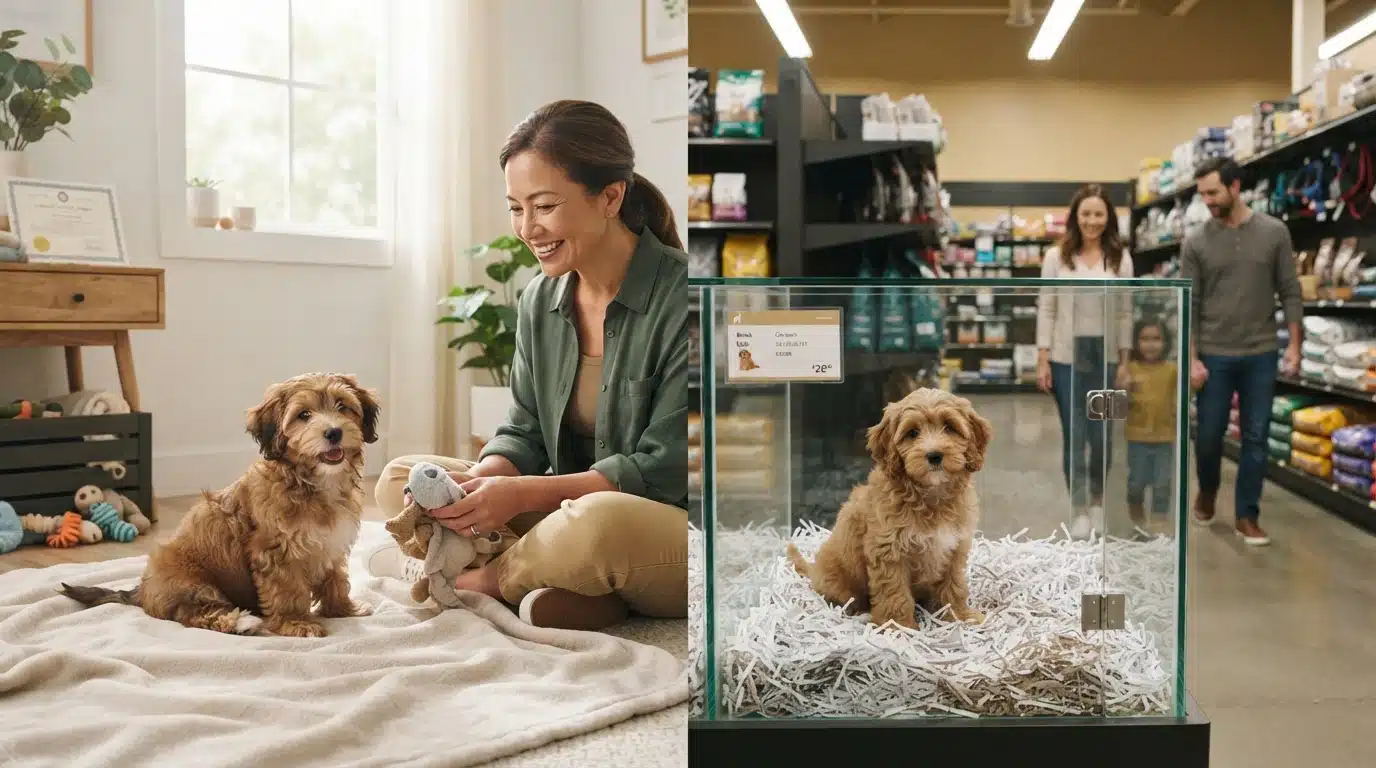
Ethical dog breeding begins with animal welfare, documented health testing, transparent care, and a willingness to recommend animal adoption first. A responsible dog breeder raises dogs in clean homes, answers difficult questions, uses veterinary specialists, and accepts returns when families cannot continue care. Compare contracts, health records, socialization practices, and living conditions before paying a puppy price. Never rely on pet stores, puppy brokers, pressure tactics, or attractive photographs alone.

7 Essential Truths Behind Ethical Dog Breeding and Why Puppy Mills Fail Every Breeding Criteria Test
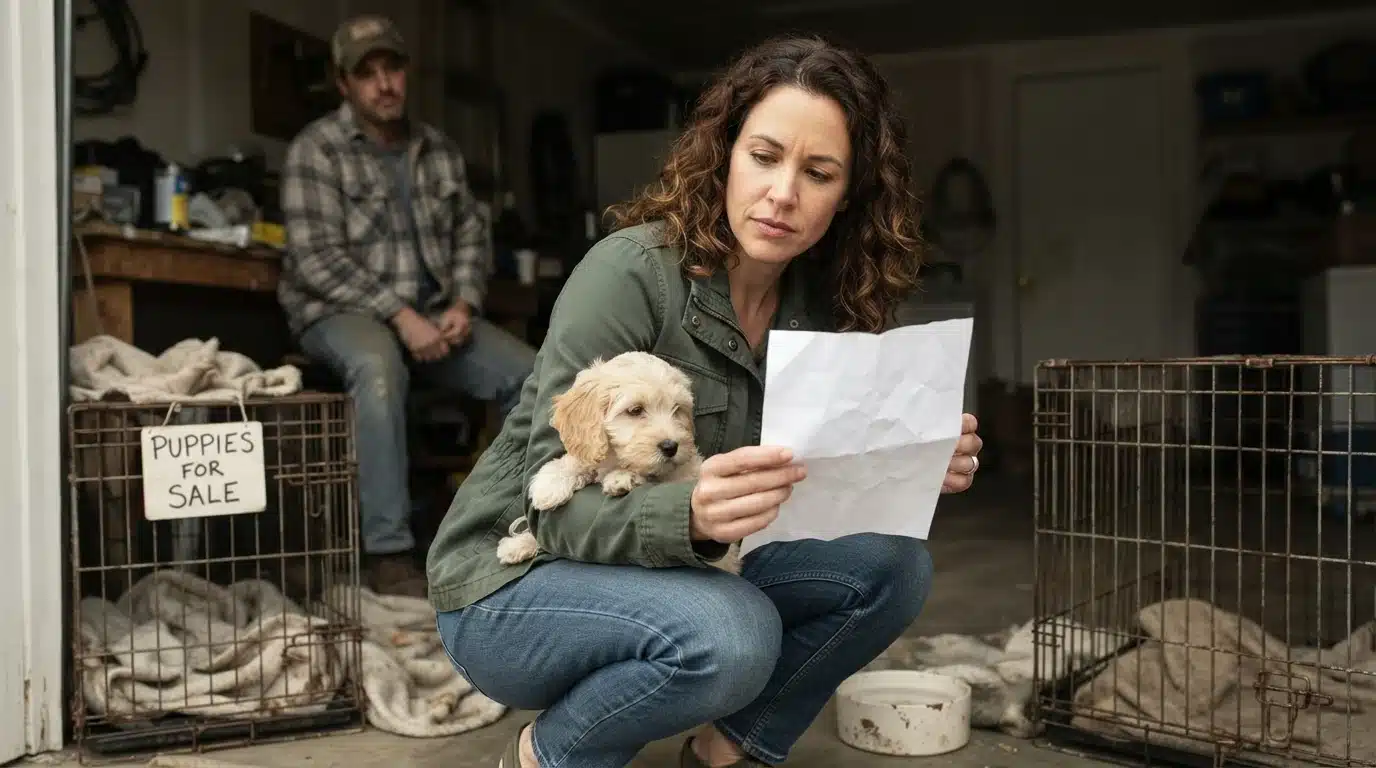
Responsible breeding requires deliberate selection, health testing, appropriate housing, limited litters, lifelong support, and accountability. Puppy mills commonly prioritize volume over breed health, producing animals in overcrowded conditions with inadequate veterinary care and little socialization. Ask to see the mother, living areas, records, and written policies. A trustworthy program explains why each pairing was chosen and how it protects healthy litters.
Why Responsible Breeding Health Tests Matter More Than Looks in Puppy Selection
Health testing matters more than unusual color, size, or fashionable markings because inherited disease can affect a puppy for life. Responsible breeders test breeding stock according to national breed club recommendations, then share results before accepting deposits. Tests may include hip X-rays, cardiac evaluations, eye examinations, and DNA panels. Health screenings do not guarantee perfection, but they reduce preventable risk and demonstrate responsible breeding.
4 Proven Health Screening Protocols Dogs Puppies Need Before Placement [2026 Checklist]
Health testing for dogs puppies should include breed-appropriate orthopedic, cardiac, ophthalmic, and genetic evaluations. Confirm that health testing was completed on parents, not merely promised for the puppy. Request official reports, verify registration numbers, and ask which findings would exclude an animal from breeding. Vaccinations, parasite control, microchipping, and a veterinary examination should also be documented before placement.
How Ethical Breeders Use Partnerships With Vets to Prevent Deception in Health Records
Ethical breeders maintain direct partnerships with veterinarians who can verify identities, dates, laboratories, and treatment histories. Ask whether records come from recognized databases or independent clinics, and contact the practice using publicly listed information rather than a number supplied only by a seller. Veterinary specialists can explain ambiguous results and identify missing health testing. Refusal to permit verification is a serious warning sign.
Decoding ASPCA Guidance on Puppy Selection From Reputable Breeders
ASPCA guidance emphasizes observing conditions, meeting the mother, reviewing records, and avoiding sellers who conceal locations or ship puppies without meaningful screening. It also encourages families to consider shelters and rescues before purchasing. A reputable breeder asks about lifestyle, housing, exercise, and previous dog experience because placement should serve the animal, not simply complete a sale.
How Ethical Breeders Use Partnerships With Vets to Prevent Deception in Health Records
Trusted breeders demonstrate preventive care, individual records, clean accommodation, social contact, and responsible retirement plans. Puppy mills often use repeated breeding, inadequate enrichment, and brokered sales that obscure origin. ASPCA animal cruelty prevention principles focus on reducing suffering through oversight and humane treatment; they are not a commercial scorecard for every breeder. Evaluate evidence rather than marketing claims.
Community Membership Perks That Connect You to Ethical Breeders and Dogs Puppies Vet Networks
A credible community membership can connect families with breed clubs, veterinary professionals, trainers, and ethical breeders, but membership alone is not proof of quality. Check moderation rules, complaint handling, referral standards, and whether advertisements are clearly labeled. Good Dog and similar directories may offer useful profiles, yet buyers should independently verify health testing, contracts, and facility conditions.
What Does Responsible Breeding Look Like Inside a Truly Transparent Kennel?
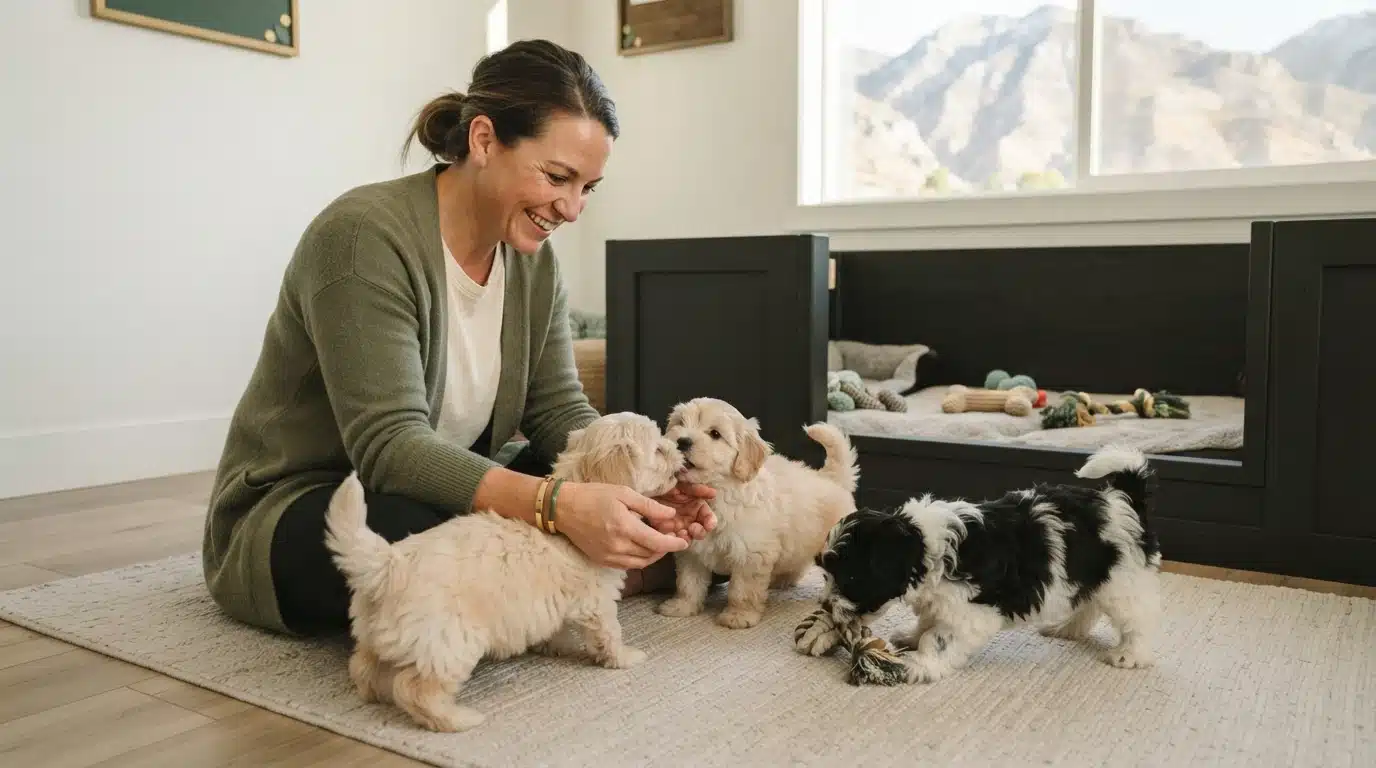
Responsible breeding is visible in daily details: dogs receive exercise, enrichment, preventive medicine, clean bedding, and calm human interaction. The breeder explains whelping plans, emergency care, retirement, and puppy evaluation methods. Facility flooring should be safe, washable, and non-slip, while puppies should experience household sounds and age-appropriate handling. Transparency includes admitting limitations and declining unsuitable homes.

Touring Facilities Linked to Trusted Breeders and Shelters and Rescues Partnerships
Touring facilities lets buyers assess odor, sanitation, temperament, ventilation, exercise space, and the relationship between adults and puppies. Trusted breeders welcome reasonable visits and explain any restricted area during whelping or quarantine. Partnerships with shelters and rescues may show a broader commitment to animal welfare, including rehoming assistance and support for homeless animals.
Comparing Trusted Breeders Versus Puppy Mills on ASPCA Animal Cruelty Prevention Scores
One family avoided deception by slowing down after an online seller demanded immediate payment. Through a local community membership, they contacted a mentor, compared references, verified veterinary records, and visited two programs. They eventually joined a waiting list with a reputable breeder whose contract included return provisions. Their experience shows that a trusted network can replace urgency with evidence-based decisions.
How to Find Ethical Dog Breeders: Vetting Every Responsible Dog Breeder by Breeding Criteria
Finding dog companions ethically means comparing adoption, rescue, and carefully verified breeding options. Use a written checklist covering health testing, temperament, living conditions, litter frequency, contract terms, and lifelong support. Responsible breeders welcome questions and may place families on waiting lists instead of offering instant availability. Never confuse a polished website with proof of responsible care.

How to Spot a Responsible Dog Breeder [2024 Field Guide Updated for 2026]
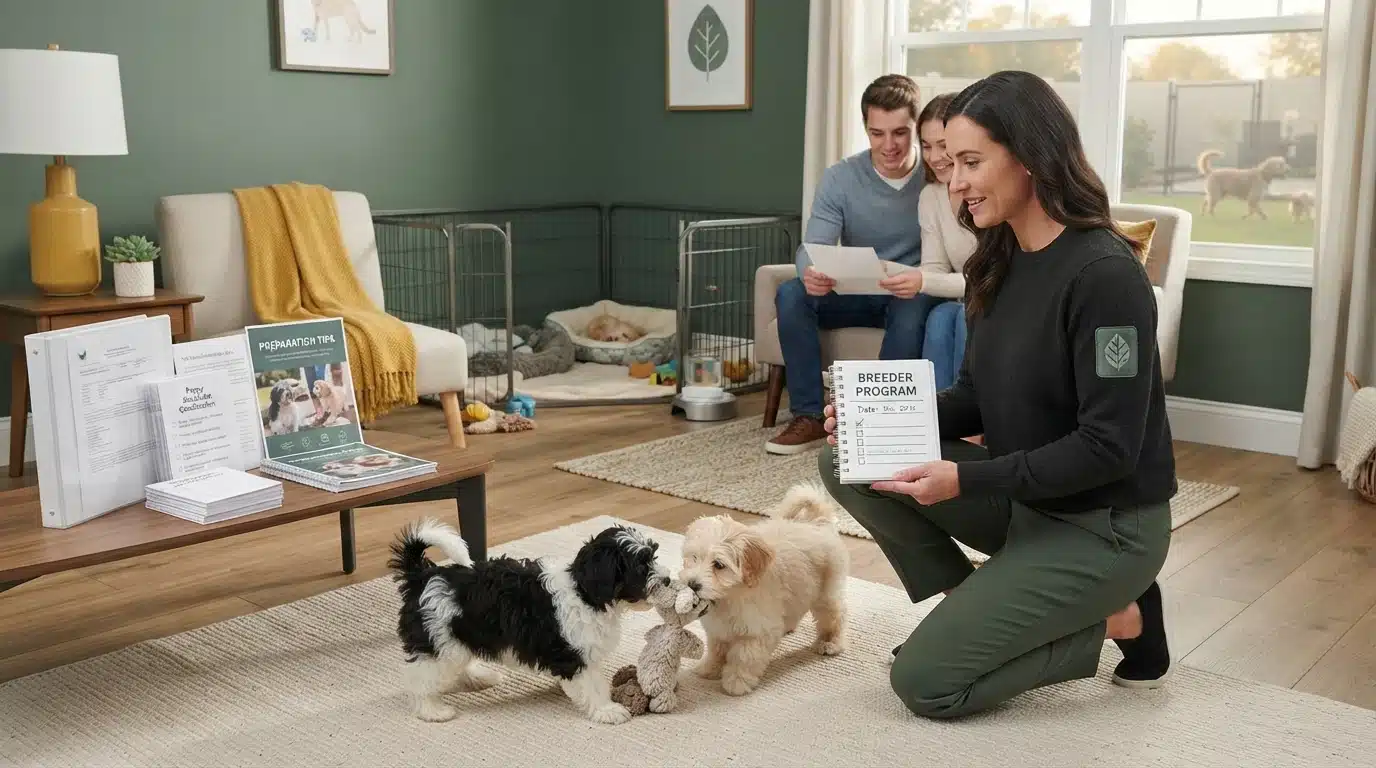
A responsible dog breeder raises limited litters, knows each dog’s history, shows health records, interviews buyers, and provides a detailed contract. The breeder can explain breed health concerns, socialization, nutrition, vaccination, and rehoming procedures. Verify claims through official databases, independent veterinary confirmation, references, and an in-person visit. A reputable breeder never guarantees a flawless future.
How Ethical Breeders Use Partnerships With Vets to Prevent Deception in Health Records
Breeding criteria should exclude severe inherited disease, unstable temperament, poor structure, inadequate age, and unsafe reproductive history. A responsible breeder records outcomes and stops using dogs when evidence indicates unacceptable risk. Ask how the program handles genetic defects, hip dysplasia, breathing problems in bulldogs, or cardiac disease in Cavalier King Charles spaniels. Specific answers matter more than slogans.
How an Honest Dog Breeder Proves Breeding Integrity Without Deception
An honest dog breeder proves integrity through verifiable conduct: open records, consistent names and addresses, independent references, realistic availability, and a clear return policy. The breeder permits time for research and never asks buyers to hide the transaction from family or veterinarians. Confirm ownership, registration, health testing, and payment details before signing or transferring money.
Where Do Reputable Breeders and Ethical Breeders Overlap on Puppy Selection Excellence?
Reputable breeders and ethical breeders overlap in their focus on temperament, health, suitability, and lifelong responsibility rather than novelty or speed. They observe each puppy over time, match energy and behavior to a household, and explain both strengths and limitations. Selection excellence means choosing the right relationship, not simply the most attractive puppy.
Question Checklist to Find Dog Matches Through a Responsible Breeder Interview
Ask how parents were selected, which health testing was completed, how puppies are socialized, what food and vaccines they receive, and what happens if placement fails. Ask to see the mother, meet available relatives, review the contract, and speak with previous puppy buyers. Also ask whether the breeder supports sterilization decisions and lifelong veterinary care.
Comparing Trusted Breeders Versus Puppy Mills on ASPCA Animal Cruelty Prevention Scores
Dogs puppies benefit from gradual exposure to household sounds, surfaces, gentle handling, safe visitors, grooming, crates, and short separations. Trusted breeders pair experiences with food and rest, avoiding flooding or forced interaction. They record observations so families receive useful guidance about confidence, sensitivity, play style, and recovery from mild stress before puppy selection.

Decoding ASPCA Guidance on Puppy Selection From Reputable Breeders
A hobby breeder can meet responsible dog breeder standards without operating a large dog breeding business, provided care is evidence-based and accountable. Small scale does not excuse missing health testing, poor records, inadequate socialization, or weak contracts. The breeder should understand expenses, emergency planning, genetic risk, placement screening, and lifelong return obligations before producing a litter.
Comparing Trusted Breeders Versus Puppy Mills on ASPCA Animal Cruelty Prevention Scores
Backyard breeders may skip contracts because they treat breeding as an informal sale rather than a long-term welfare responsibility. Without return clauses, health disclosures, sterilization terms, and support obligations, families and dogs face greater risk. Animal cruelty risks rise when unplanned litters, overcrowding, poor supervision, or financial pressure replace careful planning and veterinary oversight.
Community Membership Perks That Connect You to Ethical Breeders and Dogs Puppies Vet Networks
About Us stories are useful when they explain learning, mentorship, health testing, setbacks, and changed practices rather than presenting uncheckable praise. A hobby breeder becoming responsible may consult a mentor, join a national breed club, improve records, and retire unsuitable dogs. Verify the story through documents and conduct, not emotional language alone.
Inside the Dog Breeding Business: Dog Breeding Experience, Puppy Contract Essentials, and Honest Dog Breeder Values
A dog breeding business should treat welfare as its operating foundation, not as an afterthought to sales. Dog breeding experience matters when it produces better protocols, accurate records, emergency readiness, and sound placement decisions. An honest dog breeder explains costs, contract obligations, return procedures, insurance, and veterinary support without disguising limitations or inflating a puppy price.
Is Your Dog Breeder an Honest Dog Breeder? 6 Proven Tell-Tale Signs
Six signs identify an honest dog breeder: verified health testing, access to the mother, clean conditions, thoughtful buyer questions, a detailed contract, and lifelong support. Additional evidence includes realistic waiting lists, transparent pricing, independent references, and willingness to decline unsuitable homes. No single sign proves quality, so evaluate the complete pattern before committing.
3 Questions That Reveal an Honest Dog Breeder Versus Puppy Mills Sales Pitches
Ask three questions: What documented health risks affect this breeding? What happens if I cannot keep the dog? May I verify records and visit the parents? Puppy mills sales pitches often answer with urgency, vague guarantees, or shipping promises. Honest sellers provide specific evidence, time for consideration, and a practical return pathway.
Comparing Trusted Breeders Versus Puppy Mills on ASPCA Animal Cruelty Prevention Scores
A business strategist evaluates a dog breeding business through operations, not branding. Review litter frequency, staffing, veterinary relationships, mortality records, complaint patterns, refund policies, and facility capacity. Compare claimed revenue with visible welfare costs: nutrition, testing, emergency care, enrichment, and retirement. High volume, anonymous sales channels, and unexplained discounts deserve scrutiny.
Decoding ASPCA Guidance on Puppy Selection From Reputable Breeders
Puppy contract terms separate reputable breeders from backyard breeders because they define responsibilities after payment. Strong agreements identify the dog, disclose health information, state vaccination and microchip details, explain guarantees, require appropriate care, and describe return or rehoming procedures. Buyers should obtain time to review the contract and independent legal or veterinary advice.
Comparing Trusted Breeders Versus Puppy Mills on ASPCA Animal Cruelty Prevention Scores
Puppy contract clauses from ethical breeders protect dogs puppies by requiring veterinary care, prohibiting resale to unknown parties, and directing unwanted animals back to the breeder or an approved home. Clauses may address congenital illness, sterilization, breeding rights, insurance, and dispute procedures. Read every exception, especially short claim deadlines or vague health guarantees.
Community Membership Perks That Connect You to Ethical Breeders and Dogs Puppies Vet Networks
Partnerships with trainers give families practical help with house training, socialization, handling, recall, and behavior challenges. Responsible breeder programs may provide recommended trainers, early lessons, follow-up calls, and referrals for serious problems. Choose reward-based professionals who avoid intimidation and can coordinate with veterinarians when fear, pain, or medical issues affect behavior.
Does Dog Breeding Experience Guarantee a Responsible Breeder Mindset?
Dog breeding experience does not guarantee a responsible breeder mindset. Years in the field may reflect repeated poor practices as easily as careful improvement. Evaluate current health testing, veterinary collaboration, socialization, breeding limits, contract quality, and accountability. A newer breeder with strong mentorship and evidence may be safer than an experienced seller who resists scrutiny.
Community Membership Perks That Connect You to Ethical Breeders and Dogs Puppies Vet Networks
Behind the About Us page, trusted breeders share dates, mentors, breed-club involvement, veterinary relationships, breeding goals, and lessons from difficult cases. Authentic accounts acknowledge retired dogs, unsuccessful pairings, and changes made after health results. Cross-check biographies against registration records, references, facility visits, and consistent communication before trusting the narrative.
Community Membership Forums Where Business Strategist Advice Helps Hobby Breeder Growth
Community membership forums can help hobby breeders improve budgeting, recordkeeping, customer communication, and welfare planning when advice comes from qualified professionals. Business strategist guidance should never encourage cutting veterinary costs, increasing litter volume, or using deceptive scarcity. Look for moderated discussions, conflict policies, evidence-based resources, and clear separation between education and advertising.
Puppy Mills vs Backyard Breeders vs Adoption: Making the Adoption Choice That Honors Animal Rights
Puppy mills, backyard breeders, and adoption represent different welfare risks and responsibilities. Adoption from a shelter or rescue group can help address animal overpopulation while giving families behavioral and medical information. If purchasing, choose an ethical breeder that demonstrates health, transparency, and lifelong responsibility. The central decision should honor animal rights by rejecting suffering, impulse sales, and disposable ownership.
Decoding ASPCA Guidance on Puppy Selection From Reputable Breeders
Backyard breeders and puppy mills threaten animal rights when animals are treated as inventory, denied appropriate care, or bred despite preventable disease and distress. ASPCA cases repeatedly illustrate how confinement, inadequate sanitation, untreated illness, and deceptive sales harm animals and consumers. Report suspected cruelty to appropriate authorities and preserve factual evidence without trespassing.
Comparing Trusted Breeders Versus Puppy Mills on ASPCA Animal Cruelty Prevention Scores
ASPCA reports linking puppy mills to animal cruelty describe recurring patterns rather than a single universal statistic: crowded housing, insufficient veterinary care, repeated breeding, and misleading retail channels. Check current ASPCA publications for verified 2025 data, because figures and enforcement outcomes change. Treat any seller unable to identify origin or records as high risk.
Community Membership Perks That Connect You to Ethical Breeders and Dogs Puppies Vet Networks
Shelters and rescues offer ethical adoption partnerships through behavioral assessments, medical examinations, foster observations, counseling, and post-adoption support. Ask about known history, vaccination, sterilization, medications, and triggers, while recognizing that shelter behavior may change in a home. A responsible animal shelter matches realistically rather than promising that every dog suits every family.
Could Dog Adoption From Shelters and Rescues Be Kinder Than Buying From a Dog Breeder?
Dog adoption from shelters and rescues can be kinder than buying from a dog breeder when it fits the family and gives an existing animal a safe home. Adoption may reduce demand contributing to animal overpopulation, while fees often support medical care and future placements. Families should still ask questions, prepare gradually, and budget for veterinary needs.
Community Membership Perks That Connect You to Ethical Breeders and Dogs Puppies Vet Networks
Shelters and rescues often outperform backyard breeders on lifetime adoption support by offering counseling, behavior referrals, medical updates, foster insight, and return policies. Their mission generally includes preventing abandonment rather than maximizing litter sales. Before adoption, clarify emergency contacts, post-placement services, medication instructions, and whether the organization accepts returns if circumstances change.
Community Membership Drives That Fund Shelters and Rescues Through Ethical Partnerships
Community membership drives can fund shelters and rescues through transparent donations, sponsored veterinary procedures, food programs, transport, and foster supplies. Ethical partnerships publish goals, expenses, beneficiaries, and outcomes instead of using emotional pressure alone. Members can help by fostering, volunteering, adopting, sharing verified profiles, or supporting spay neuter initiatives.
What Separates a Hobby Breeder From a Commercial Dog Breeding Business Strategist Approach?
A hobby breeder may produce occasional litters, while a commercial dog breeding business strategist approach emphasizes systems, scale, staffing, and revenue. Neither label proves humane care. Evaluate population size, individual attention, veterinary capacity, retirement planning, records, and placement quality. Commercial breeders must demonstrate that growth never exceeds safe housing, socialization, and medical resources.
Business Strategist Playbook: Turning a Hobby Breeder Passion Into a Sustainable Model Without Hype
A business strategist playbook for a hobby breeder starts with welfare budgets, emergency reserves, realistic litter limits, insurance, accurate bookkeeping, and written procedures. Sustainable operations fund health testing, nutrition, enrichment, maternity care, retirement, and returns before calculating profit. Marketing must use truthful claims and never manufacture scarcity, testimonials, or unverified guarantees.
Touring Facilities Linked to Trusted Breeders and Shelters and Rescues Partnerships
About Us transparency reveals why dogs are bred, which traits matter, what health risks remain, and how the breeder responds to new evidence. A credible breeder explains selection goals without claiming genetic certainty, identifies mentors and clubs, and describes retirement and rehoming policies. Compare these statements with records, facility observations, and buyer references.
Your Complete Resource Guide for Lifelong Dog Care and Support
Your complete resource guide should cover preventive veterinary care, nutrition, training, enrichment, identification, emergency planning, insurance, and behavior support. Before bringing home a puppy or adult dog, locate a veterinarian, prepare safe confinement, budget for routine and unexpected care, and identify qualified trainers. Lifelong ownership means planning for changing health, housing, and family circumstances.
Finding Your Perfect Shelter Dog Through Adoption Resources
Finding Your Perfect Shelter Dog Through Adoption Resources starts with exploring the wide network of animal adoption options available to you before you consider buying a puppy. While every puppy is adorable, choosing dog adoption from an animal shelter or rescue group is a powerful way to support animal welfare and help reduce the number of homeless animals in need of humane communities. Many shelters and rescues have a diverse selection of dogs, including purebred dogs and puppy options of all ages, sizes, and temperaments, so you can find a companion that truly fits your lifestyle. Reputable adoption resources provide detailed profiles, behavioral assessments, and medical histories, and staff can help you understand if a particular puppy or adult dog is a good match for your home. The ASPCA and other trusted organizations also offer searchable databases to connect you with a local shelter or rescue group, making it easy to meet your perfect puppy and give a deserving dog a second chance through responsible animal adoption.
Community Membership Perks That Connect You to Ethical Breeders and Dogs Puppies Vet Networks
Using the navigation menu, locate adoption resources, breeder profiles, health guidance, contracts, and community support areas in a logical order. Start with shelters and rescues, then compare verified breeder listings if adoption is not suitable. Listings are starting points, not endorsements; independently confirm identity, health testing, visit policies, and return commitments.
Evaluating Reputable Breeders Through Health Standards and Puppy Contracts
Evaluating reputable breeders through health standards and puppy contracts requires matching documented parent results with breed recommendations and reading every obligation. Confirm vaccination, parasite control, microchip, registration, health guarantee, return policy, and breeding restrictions. Ask an independent veterinarian to explain technical results before paying a deposit or accepting a puppy.
Where Does the Navigation Menu Lead When You Want to Verify an Honest Dog Breeder?
Where the navigation menu leads matters less than what evidence each destination provides. Open the breeder profile, health documentation, About Us information, contract guidance, community policies, and contact details. Use those sections to build a verification trail, then confirm claims independently through breed clubs, veterinary practices, references, and an in-person visit.
Verifying Honest Breeders and Exploring Profiles From Responsible Programs
Verifying honest breeders means comparing profile claims with official records, parent identities, facility access, buyer references, and contract language. Responsible programs explain unavailable dogs, postponed litters, failed tests, and retirement decisions rather than hiding them. Ask for current information because an old profile may not represent present housing, staff, health, or breeding practices.
Touring Facilities Linked to Trusted Breeders and Shelters and Rescues Partnerships
Navigation menu shortcuts to About Us, dogs puppies galleries, and community membership areas can make research efficient, but photographs are not proof of welfare. Use galleries to inspect consistency, not to judge health from appearance. Read policies, verify dates, identify administrators, and avoid communities that permit anonymous pressure or unsubstantiated guarantees.
What Does Responsible Breeding Look Like Inside a Truly Transparent Kennel?
Partnerships and community membership models can strengthen responsible breeding networks when they connect families with veterinarians, trainers, breed clubs, shelters, and accountable breeders. Effective networks share standards, disclose conflicts, protect personal data, and remove deceptive sellers. Their purpose should be education and welfare, not simply increasing transactions or promoting a particular breeding program.
Touring Facilities Linked to Trusted Breeders and Shelters and Rescues Partnerships
Business strategist insights support partnerships between shelters and rescues and ethical breeders when goals are measurable and animal-centered. Joint efforts may fund transport, emergency care, foster training, sterilization, behavior support, or educational workshops. Written agreements should define money handling, referrals, privacy, decision authority, and what happens when an animal requires specialized care.
Story Spotlight: How One Family Used Community Membership to Avoid Deception
Community membership benefits keep dogs puppies families connected after adoption through training groups, veterinary referrals, behavior consultations, reunions, health updates, and responsible rehoming assistance. The strongest communities welcome adopters from shelters and rescues as well as ethical breeder placements. Choose programs with clear moderation, accessible support, privacy safeguards, and no pressure to purchase additional animals.