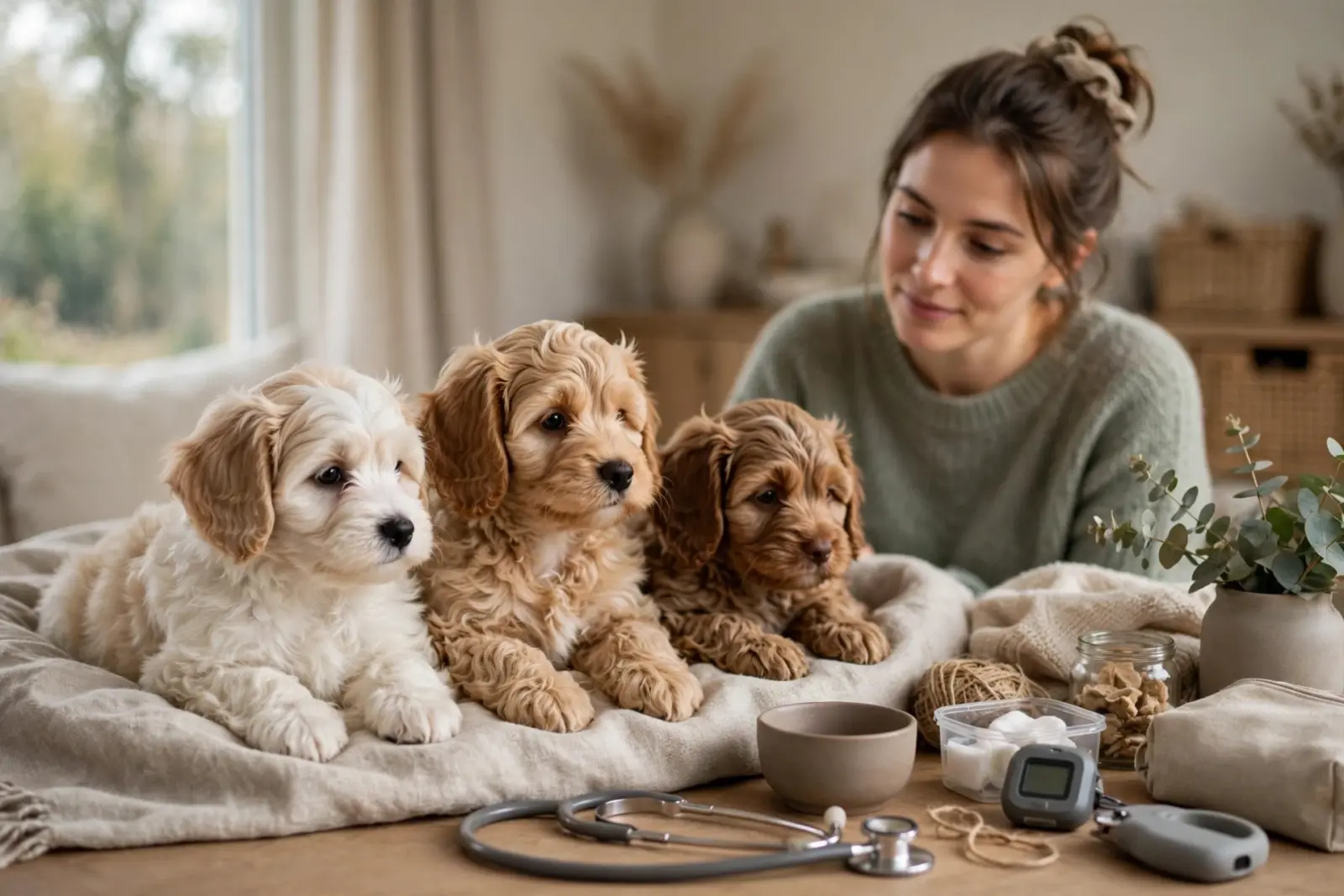
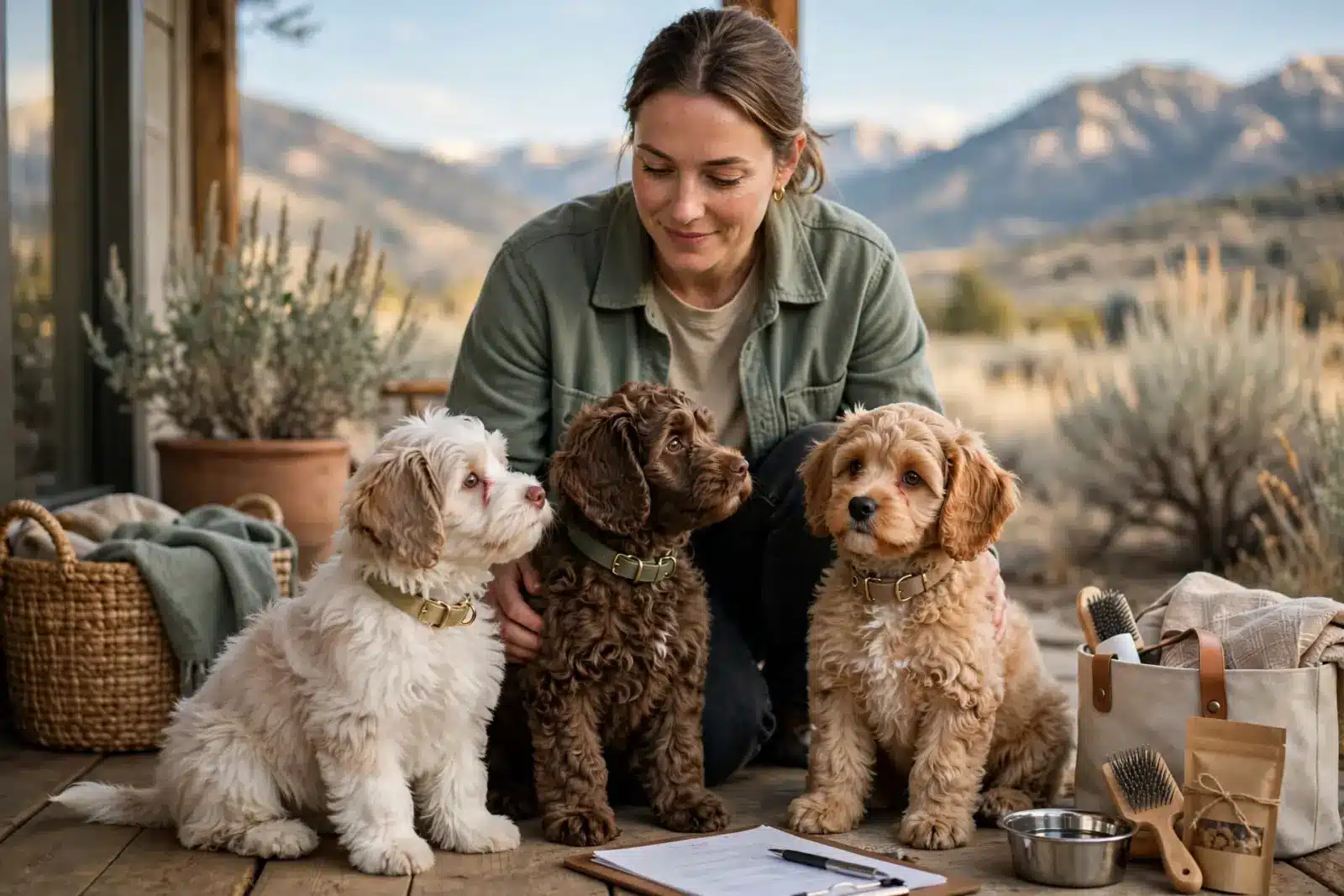
Quick Summary: An in-person breeder visit should confirm what photos and claims cannot: a clean, safe puppy environment, a calm dam, balanced littermates, and responsible handling by the breeder. Verify health testing in the OFA database, review veterinary and pedigree records, and read the contract, health guarantee, return-to-breeder clause, and pickup plan before paying a deposit. Sage Puppies welcomes visits for Havanese, Havapoo, and Cavapoo puppies and says buyers should judge every breeder by the same evidence, not excitement.
Most people spend more time choosing a restaurant table than choosing the breeder behind their next fifteen years with a dog. A website can promise health-tested parents and well-socialized puppies. An in-person breeder visit checklist is how you confirm it, because the visit shows you the physical litter, the health ledger, and the actual contract in one afternoon.
The problem is that marketing copy and a clean kennel photo tell you almost nothing on their own. What matters is what you see and ask while you meet the dam and litter.
This guide walks you through that visit step by step: what to bring, what to watch in the puppies, which records to verify, and the questions that separate a responsible breeder interview from a sales pitch. It applies whether you’re a Utah family picking up locally or flying in for a Havanese, Havapoo, or Cavapoo puppy.
Before You Start: Set Your Criteria and Confirm the Visit
A good breeder will interview you as much as you interview them. That is a feature, not a hurdle. Before any in-person breeder visit checklist comes out, a responsible program wants to know who you are, who lives in your home, and how a Havanese, Havapoo, or Cavapoo puppy would fit your daily life.
You can also study the difference between reputable breeders vs puppy mills before you go, so you know what good looks like.
What a Reputable Breeder Expects From Your Visit
Expect questions about your schedule, kids, other pets, and grooming budget. Expect a scheduled time, not a drop-in. Many programs also ask for a completed application before you meet the dam and litter.
Build a One-Page Checklist Before You Leave Home
Write one page with three columns: what to observe, what to ask, and what to verify in records. Note the mother’s temperament, puppy living conditions, and health testing claims. Confirm the visit time, address, and whether young puppies can be handled. Keep it in the car where you will actually use it.
Step 1: Assess the Environment Where the Puppies Are Raised
Photos can hide a lot. A clean floor in one corner says nothing about where the puppies sleep, eat, and play all day. This part of any in-person breeder visit checklist focuses on what you can see, hear, and smell during the visit itself.
Cleanliness, Order, and Daily Care
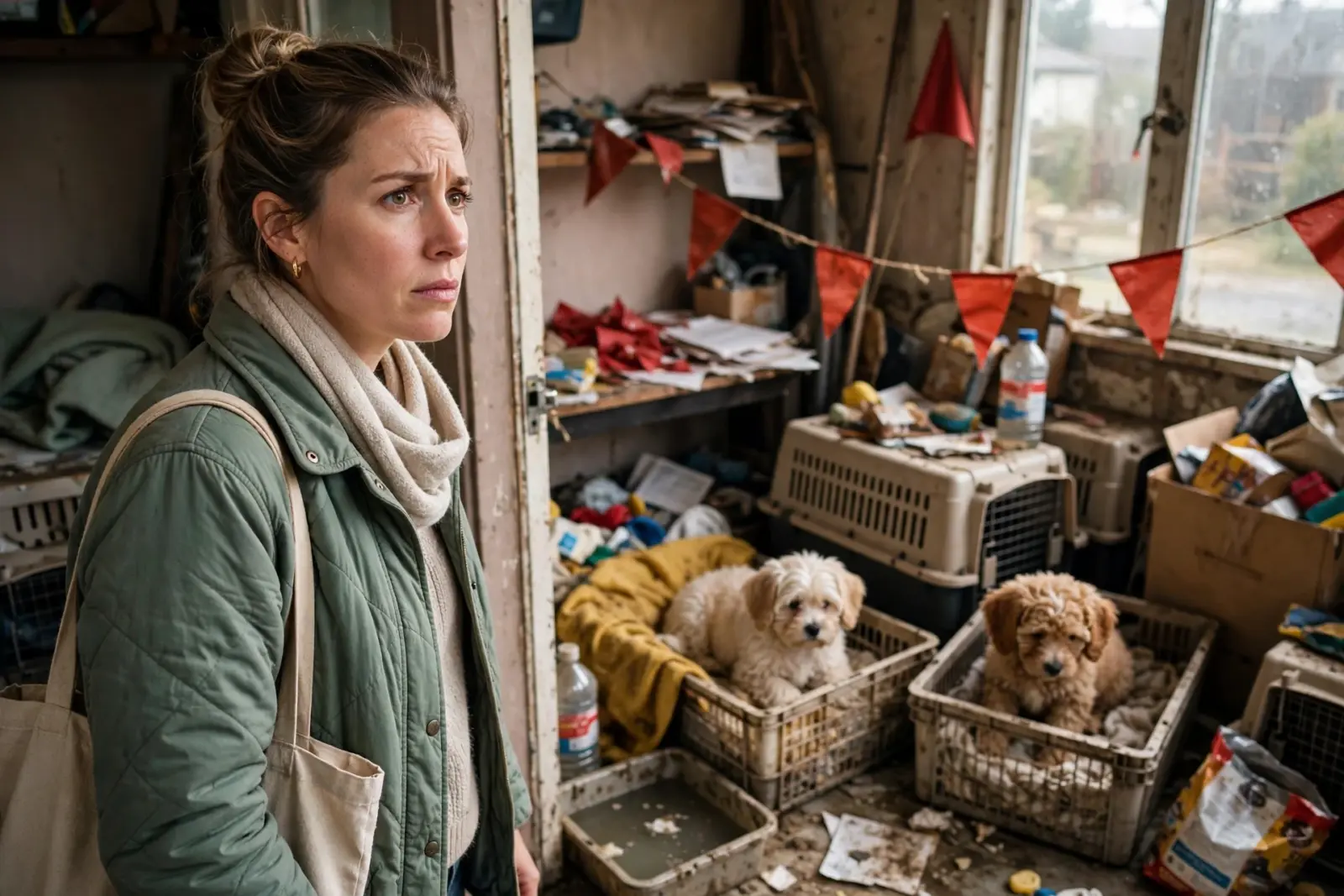
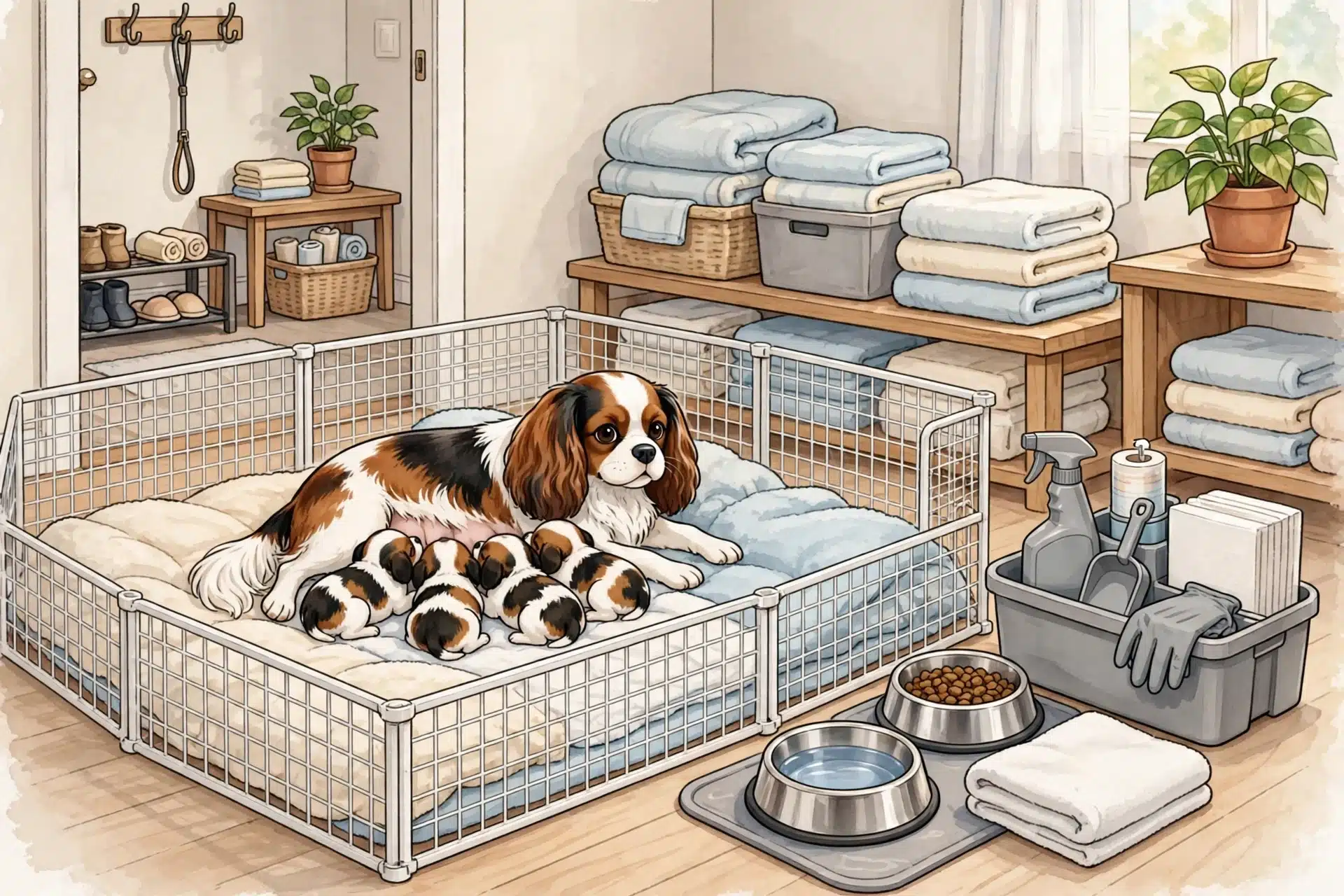
Look past the tidy entryway. Check the whelping area, the puppy pen, food and water bowls, and bedding. Waste should be picked up promptly, and bowls should be clean, not caked. A light smell of dog is normal. A heavy ammonia stink means cleanup is lagging behind.
Noise, People, and Daily Handling
Well-socialized puppies grow up around ordinary household noise: dishes, doorbells, vacuum cleaners, kids. Ask whether the litter lives in the home or in a separate building. Then watch the puppies react. Brief startle that recovers quickly is healthy. Constant cowering or frantic barking signals thin socialization. Ask who handles the puppies daily, and how often.
Safe, Age-Appropriate Puppy Areas
The puppy space should match the litter’s age. Young pups need a warm, enclosed area with soft bedding and no stairs or gaps to squeeze through. Older puppies need room to romp and safe toys to chew. Slippery tile and wire flooring are poor surfaces for growing joints, especially for small breeds like Havanese and Cavapoos.
How the Breeder Handles the Dogs in Front of You
Watch the breeder, not just the dogs. Puppies should come to people willingly, and the dam should be calm and approachable when the breeder picks her up. Rough corrections, yelling, or dogs that flinch at a raised hand tell you how they are treated when no one visits. A good breeder talks through each dog’s nature plainly, including the shy ones.
Step 2: Observe the Dam, the Litter, and the Sire
During an in-person visit, watch these things in order:
- The dam’s condition – healthy weight, clean coat, no visible ribs or matting
- Her temperament – calm, curious, and comfortable around people
- Nursing behavior – she allows it without irritation in older litters, or settles quietly with young ones
- The litter’s movement – steady gait, bright eyes, no limping or head tilting
- Littermate play – balanced play with no puppy hiding in a corner or being bullied nonstop
The Mother: Condition, Demeanor, and Nursing Behavior
The dam tells you the most. She should look well fed but not heavy, with a clean coat and no discharge or tenderness around her mammary glands. A mother who greets you calmly, or checks you out and settles, was likely raised inside a home. A dog who cowers, growls from a distance, or seems shut down points to thin socialization. Nursing should look relaxed, not frantic.
The Litter: Weight, Movement, and Littermate Skills
Puppies in the same litter should look close in size, with none fading or noticeably smaller. Watch each one walk and turn; wobbles are normal at four weeks, not at seven. Good littermate skills look like tussling, pouncing, and brief yelps with quick recovery. One consistent sign of a good program: puppies raised in the home handle normal kitchen and household noise without panic. This is the standard behind choosing a Havanese, Havapoo, or Cavapoo in Utah, where home-raised socialization matters as much as pedigree.

Handling a Puppy Yourself
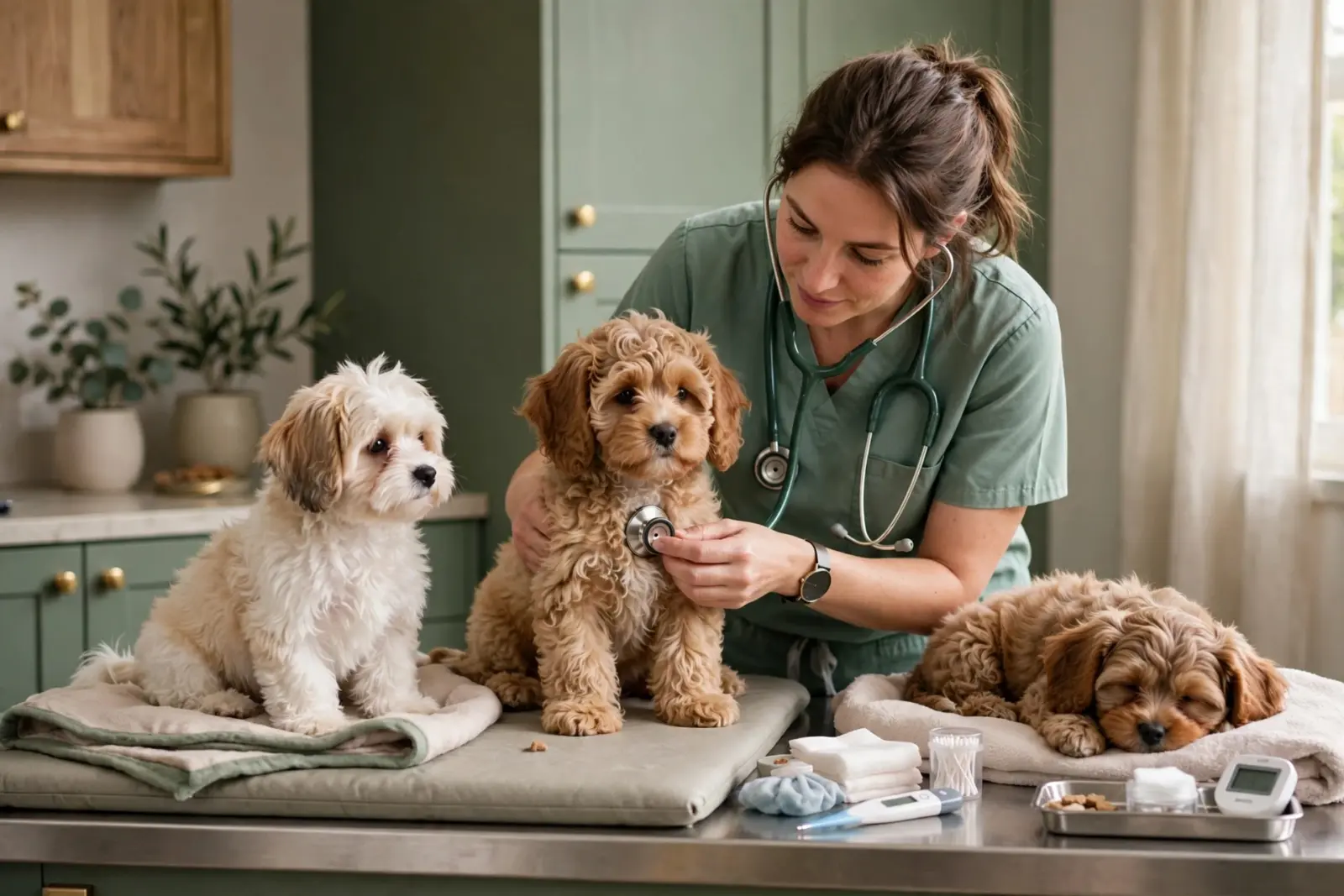
Ask to hold one. A well-socialized puppy squirms, licks, and relaxes within a minute. Check ears, eyes, belly, and rear for cleanliness, and feel for a smooth, plump body. Puppies that go rigid, cry nonstop, or bite hard without settling may need more handling time, which is fine, but a breeder should say so.
When the Sire Is Not On Site
Many breeders use outside sires, so his absence alone is not a red flag. Ask for his registered name, then verify health testing yourself rather than accepting a screenshot. One firm rule applies regardless: most states require a puppy to be at least eight weeks old before sale, so a breeder pushing an earlier pickup is breaking state minimum-age laws.
Step 3: Examine Health Testing and Ancestry Records In Person
You verify a breeder’s health test results by looking up each parent dog’s registered name in the OFA database, either from your phone during the visit or the same week at home. Ask to see the paperwork while you are there. Verbal reassurance is not a record.
Request the Records, Not the Claims
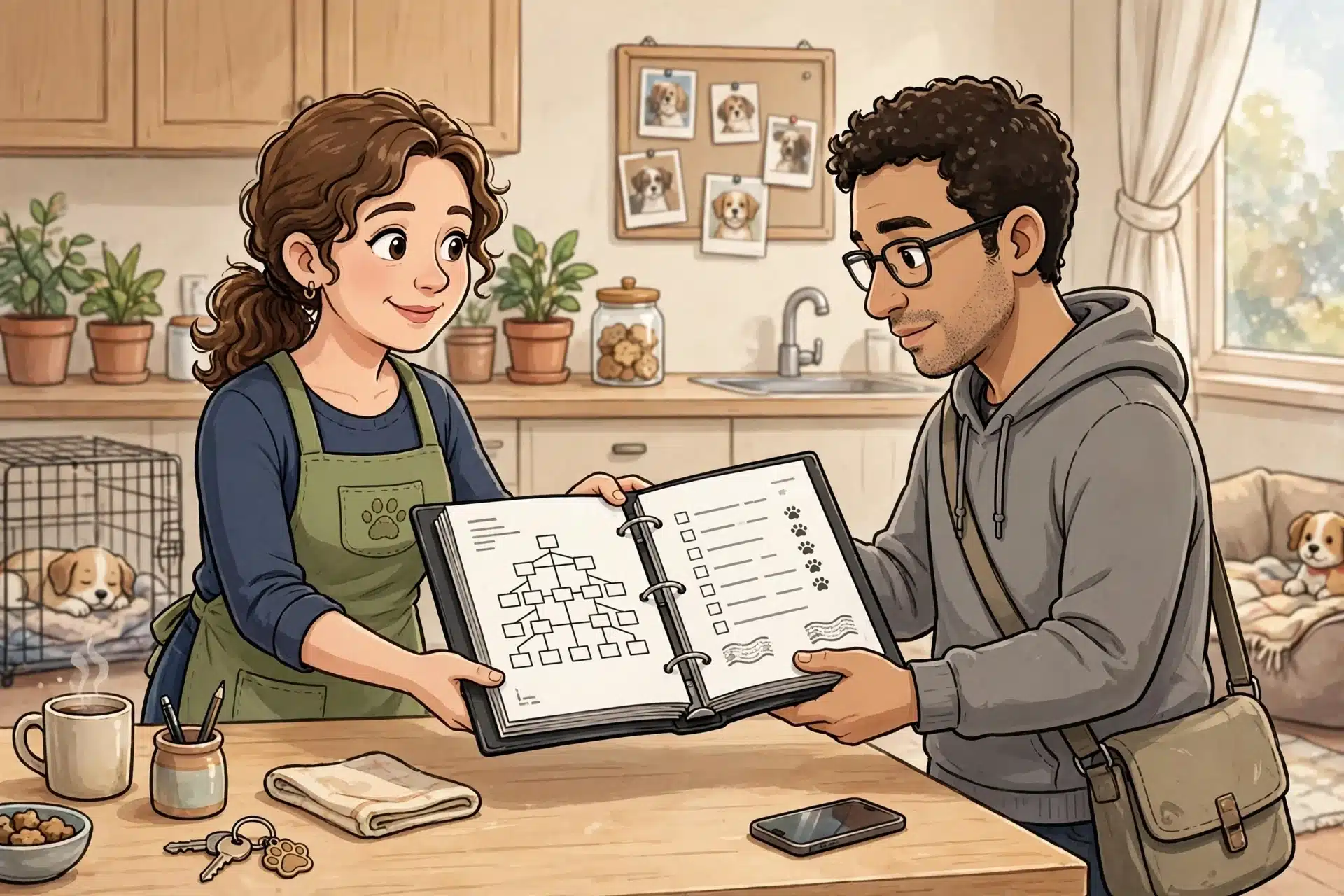
Ask for three things: the dam’s and sire’s health test results, each puppy’s veterinary exam record, and the parents’ registration or pedigree papers. A responsible breeder hands these over without hesitation. Excuses, “it’s in the email somewhere,” or a promise to send copies later are reasons to slow down. Serious programs, including our own, keep these documents in one binder ready for visitors.
Verify While You Are Still There
Type the parent’s registered name into OFA’s search on your phone. The CHIC program posts a dog’s completed breed-specific screenings and results in one place, so you can confirm what you were told matches the database. Check that names, dates and results line up.
What Is Expected for Havanese, Havapoo, and Cavapoo
For Havanese lines, look for cardiac, hearing and patellar (kneecap) evaluations plus eye exams. Havapoo and Cavapoo parents should carry both breeds’ screenings, and poodle-side grandparents matter for hip and eye results. Parent DNA panels for known breed conditions are standard. Our guide to parent screening and DNA tests walks through each record.
Veterinary Care and Pedigree Paperwork
Finally, review the puppy’s own exam record: vaccination dates, deworming schedule and the vet’s findings. Match the litter’s birth date and the dam’s name on the pedigree against what the breeder showed you earlier. Consistent paperwork across every document is the quiet proof you came for.
Step 4: Ask Questions That Test the Program
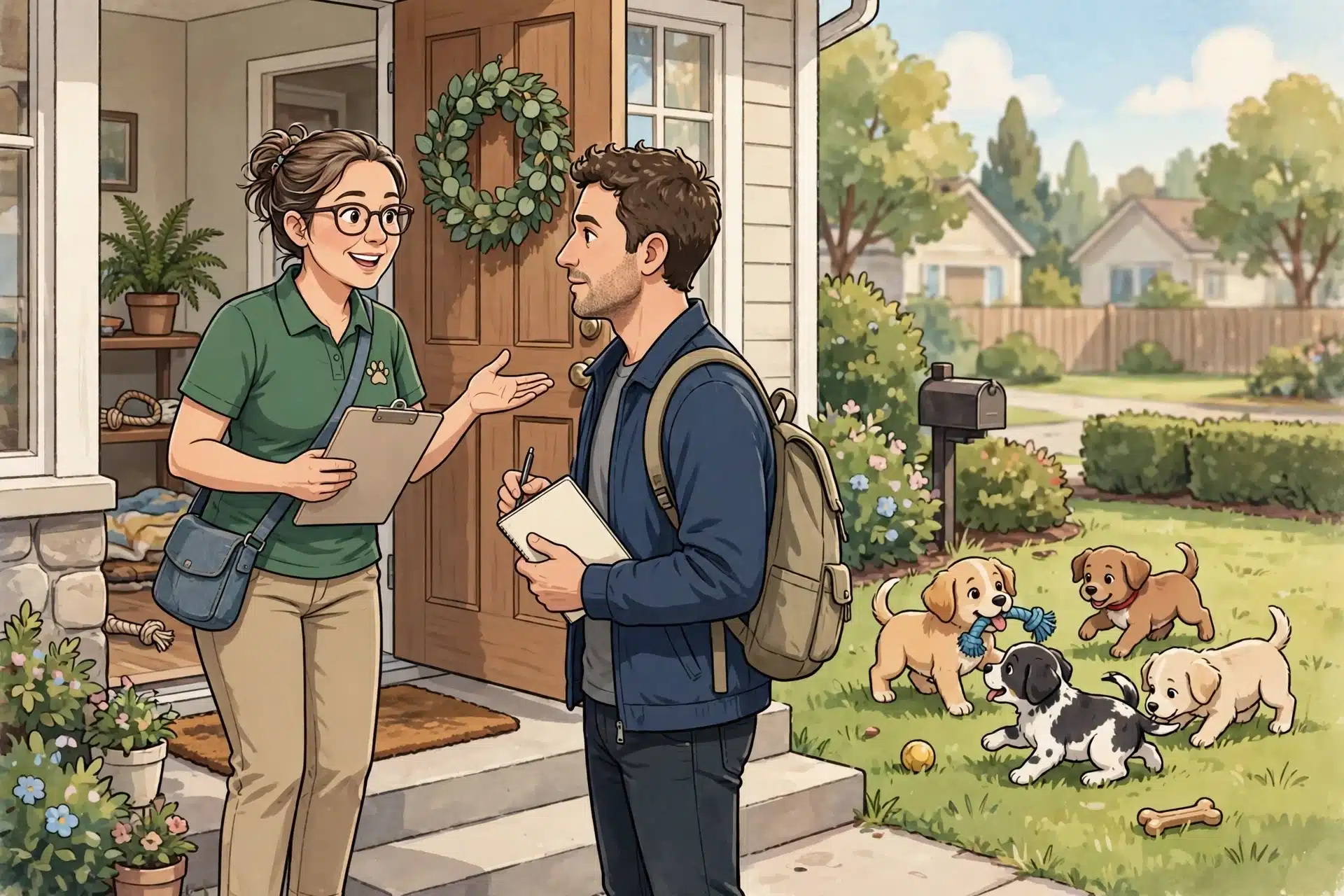
What should you ask a breeder when you meet in person? Group your questions by purpose: program (“How long have you bred Havanese or Cavapoos, and who mentors you?”), breeding (“Why did you pair these parents?”), health (“What OFA testing did both parents pass?”), and fit (“How do you match puppies to families?”). A good breeder answers each one plainly, and asks plenty back, as the AKC’s responsible-breeder guidance points out.
Breed Commitment and Mentorship
Ask which breeds they work with and why. Someone focused on one or two breeds, with a mentor or breed club behind them, learns from every litter. A program spread across five breeds can’t know each one deeply.
Why This Litter Exists
Then ask what this pairing was meant to improve: temperament, structure, coat. Responsible programs breed toward the breed standard, not to fill orders. Vague answers here are a quiet red flag.
Health Knowledge and Veterinary Partners
Ask what health tests both parents passed, and whether results are public in the OFA database. Follow up with: “Who is your vet, and when were the puppies last seen?” A real partner clinic means records, not promises.
Turn the Interview Around
Expect questions aimed at you: your schedule, your yard, your experience. At Sage Puppies, Cassie’s matching process starts with an application, and that screening protects the puppy as much as you.
Step 5: Review the Contract, Guarantees, and Support Structure
A serious breeder hands you a written contract before money changes hands. Read it before the visit ends, not after you get home.
The Return-to-Breeder Clause
A return-to-breeder clause requires you to give the dog back to the breeder if you can no longer keep it, at any point in its life. It matters because it keeps your puppy out of a shelter if illness, divorce, or a move upends your plans. Any breeder contract worth signing includes one.
Health Guarantees and Payment Terms
A solid puppy contract should list the following:
- A written health guarantee with a clear window, often a vet-exam deadline within days of pickup
- The vaccination and deworming records that come home with the puppy
- Any spay or neuter requirement and its deadline
- The deposit amount, what it is refundable against, and the final balance due
- How the guarantee pays out: refund, replacement, or both
Ask what happens if a genetic issue appears later. Get the answer in writing.
Post-Purchase Support and Pickup Plan
Good contracts cover life after pickup day. Ask who you call with a question at 9 p.m., whether the breeder wants updates, and how pickup or delivery works. Utah families can meet at the breeder’s home; out-of-state buyers should confirm travel details and costs in writing. Sage Puppies, for example, pairs every puppy with an application and a clear pickup or delivery plan.
Ask for References and Read the Contract Fully
Before you sign, ask for two or three references from past puppy families and call them. Then read every line of the contract yourself. Never sign a document you have not read end to end.
Common Mistakes to Avoid
Mistakes That Cloud Your Judgment
The biggest breeder visit red flags often hide behind a cute face. Buyers fall in love on the spot and stop asking questions. A breeder who rushes you, dodges a tour of the whelping area, or won’t let you meet the dam is asking you to decide with your heart instead of your eyes, and puppy mill watchdogs flag that refusal as a serious warning sign. Slow down. Judge the litter’s space, noise exposure, and temperament first.
Mistakes With Paperwork and Timing
A second common slip: paying a deposit before you see records. If a breeder can’t show vet records, vaccination dates, and deworming history on request, treat those records as missing. Also verify the dam’s health testing yourself rather than taking screenshots at face value. Finally, don’t book pickup before the contract terms, health guarantee, and delivery or Utah pickup details are in writing.
Deciding After the Visit
Score the Visit, Then Follow Up in Writing
Sit down the same day and rate what you saw: how the dam acted, how the puppies responded to household noise, and whether the breeder answered your questions without dodging. Then email your remaining questions. A written reply gives you answers you can hold the breeder to, and it shows whether they follow through after the visit ends.
Where Sage Puppies Fits If You Are Looking at Small Breeds
If your shortlist includes Havanese, Havapoo, or Cavapoo litters, Sage Puppies in South Jordan, Utah welcomes visits and matches puppies through an application. Ask the same questions here that you would ask anyone, because a program confident in its health records and socialization will welcome them. Then decide on the evidence, not the excitement.

Found a breeder who checked out in person? The next step is a program that welcomes your questions before and after pickup day. At Sage Puppies, Cassie matches each Havanese, Havapoo, and Cavapoo puppy with the right family through an owner-managed application. Wisely Bred. Beautifully Loved.
Frequently Asked Questions
Q1: What should I observe during an in-person breeder visit?
Watch four things: the puppy area’s cleanliness and safety, the dam’s condition and temperament, the litter’s movement and play, and how the breeder handles the dogs. Then verify OFA health testing and vet records on your phone before you leave.
Q2: What questions should I ask a breeder when meeting in person?
Group them by purpose. Program: how long have you bred this breed, and who mentors you? Breeding: why this pairing? Health: what OFA tests did both parents pass? Fit: how do you match puppies to families? Also ask for two or three references from past puppy families.
Q3: Should I pay a deposit during the first visit?
No. See the records first. Confirm health testing, vet exams, vaccination dates, and contract terms in writing before any money changes hands.
Q4: What if the sire lives elsewhere?
That’s normal. Ask for his registered name and verify his health testing yourself in the OFA database rather than trusting a screenshot.
Q5: How old should a puppy be at pickup?
At least eight weeks. Most states set this as the minimum sale age, so an earlier pickup offer is a serious red flag.
Conclusion
A breeder visit comes down to four checks: a clean, safe puppy area; a calm dam and even-tempered litter; verifiable OFA health testing and vet records; and a written contract with a return-to-breeder clause, health guarantee, and pickup plan. Take notes while you are there, meet the dam and litter in person, and follow up in writing before any deposit. When a breeder answers plainly, hands over records without hesitation, and asks about your home as much as you ask about theirs, you have likely found someone worth trusting with the next fifteen years. Havanese, Havapoo, and Cavapoo families who judge the visit on evidence rather than excitement rarely regret it.