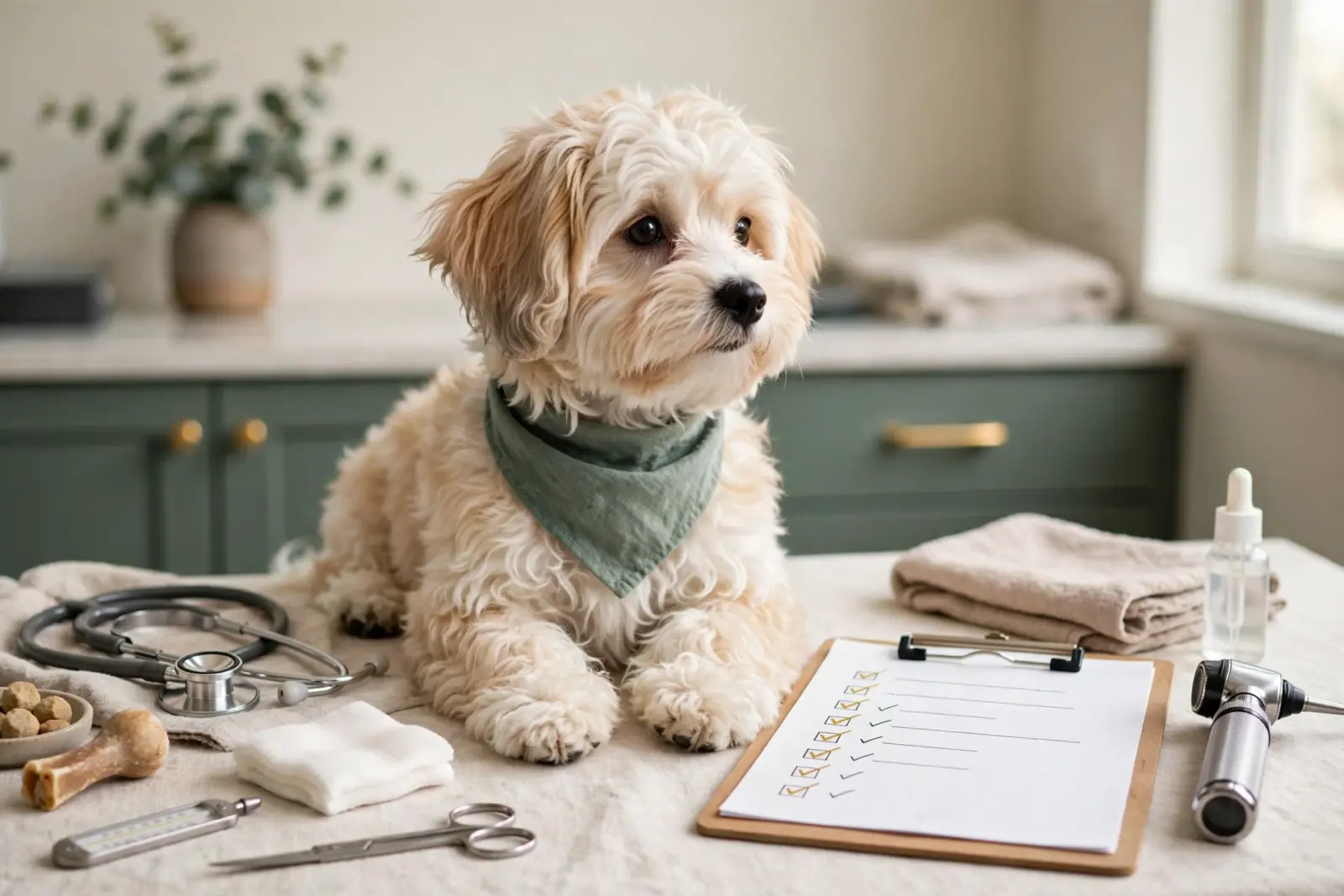
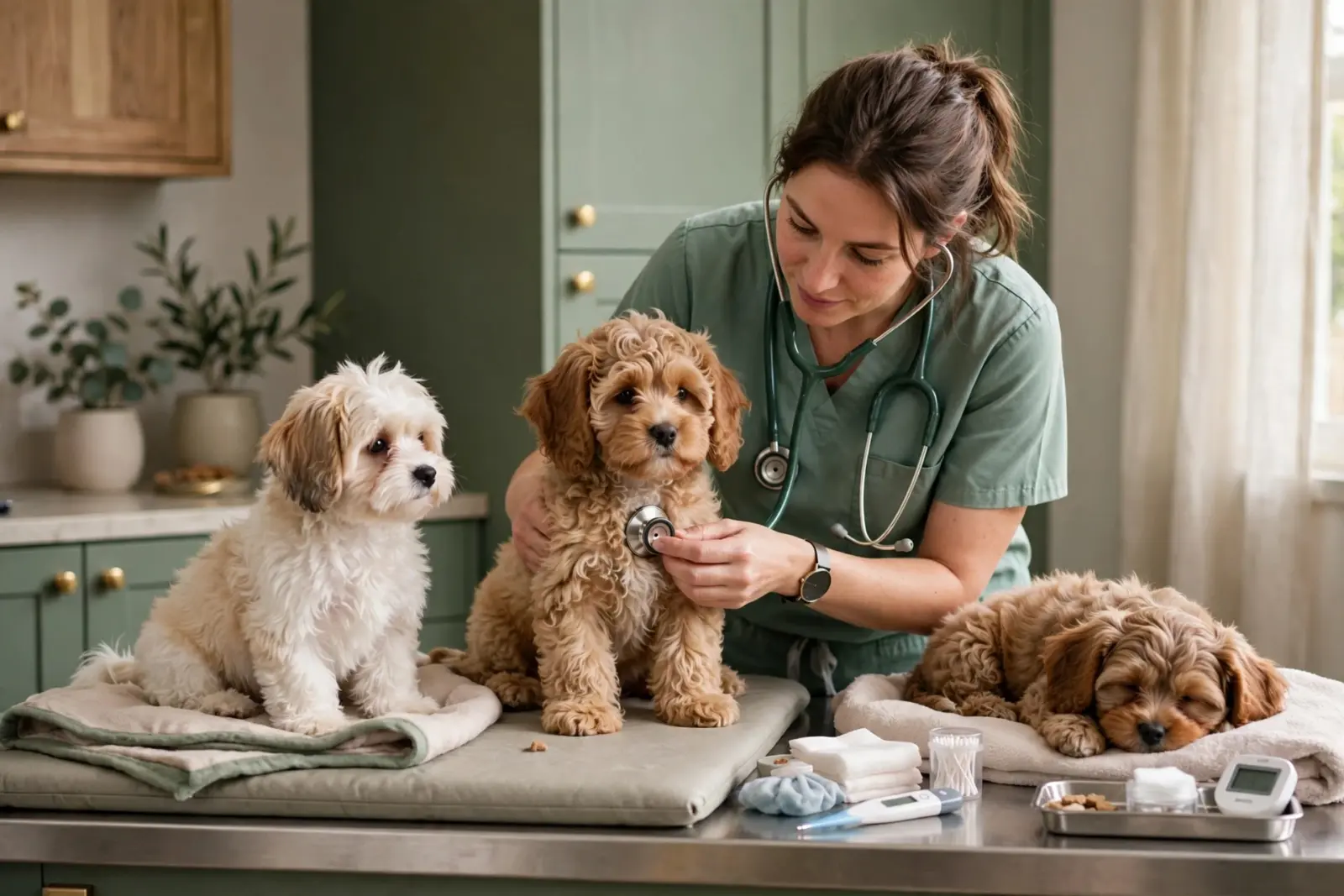
Quick Summary: Lifetime breeder support should be defined in writing, covering training, feeding, grooming, response times, health guarantees, and take-back policies before you pay a deposit. A good breeder stays available through the puppy’s first 90 days and beyond, provides verifiable health records, and answers specific questions promptly after pickup or delivery. Sage Puppies is presented as an example of a breeder that includes written support terms for Havanese, Havapoo, and Cavapoo families nationwide.
Most families spend weeks picking the right puppy. Then, a few weeks after pickup, the breeder who answered every message within an hour stops replying entirely the first time the puppy refuses food. That gap between promise and practice is the problem this guide solves. Real breeder support after puppy purchase is a written set of terms, not a line on a website. Here, you will learn what breeder support after puppy purchase should cover, which questions to ask before you pay a deposit, what to expect in the first 90 days, and the red flags that should stop a sale. Sage Puppies raises Havanese, Havapoo and Cavapoo puppies in South Jordan, Utah, and matches families nationwide, so this advice comes from the daily work of breeding and placing companion puppies.
What Breeder Support After Purchase Actually Covers
Lifetime breeder support sounds impressive on a breeder’s website, but the phrase means something different to every program. Before you pay a deposit, you need to know exactly what breeder support after puppy purchase includes: which questions get answered, for how long, and in writing.
The Components of Genuine Post-Purchase Support
Real support is a working relationship, not a one-time handoff. It usually covers these pieces:
- Training and settling-in help, such as house training, crate training, and the first nights at home
- Feeding guidance, including the exact food the puppy is already eating and how to transition
- Grooming coaching for the coat type, since Havanese, Havapoo, and Cavapoo coats need regular care
- Ongoing access to the breeder by phone, text, or email when a question comes up months or years later
How Support Differs From Health Guarantees and Take-Back Policies
These three terms get mixed up constantly, so here is the plain difference:
| Term | What It Promises | What It Does Not Cover |
|---|---|---|
| Health guarantee | Refund, replacement, or vet-cost help if a covered genetic condition appears within a set window | Training, feeding, and everyday questions |
| Lifetime breeder support | Advice and guidance for the dog’s whole life | Financial compensation for illness |
| Take-back policy | The breeder rehomes or accepts the dog if you cannot keep it | Ongoing coaching or vet costs |
A puppy health guarantee protects your wallet. Support protects your confidence as an owner, and a strong puppy purchase contract spells out both.
Why “Lifetime” Needs a Written Definition
Because the word is unregulated, any breeder can use it. Ask what “lifetime” means in hours: is the breeder reachable on weekends? For how many years? Does support end if you move out of state? The answers belong in the contract, not in a conversation. Programs such as Sage Puppies put terms in writing before payment, and you should expect the same from anyone you consider. If a breeder resists putting support terms on paper, treat that as your answer. For more on what separates a serious program from a careless one, see how to tell reputable breeders from puppy mills.
Why Breeder Support After Purchase Matters
Breeder support after puppy purchase matters because your breeder knows your puppy’s health history, temperament, and early care better than anyone else, and that knowledge helps you through the hardest early weeks. Here is why it makes a real difference:
- The breeder holds records and details no vet or trainer can recover later
- The toughest adjustment weeks happen right when you bring the puppy home
- Regular check-ins catch problems early, on both sides
The Information Nobody Else Holds
No one else knows what your puppy ate, how it handled its first bath, or which littermate bullied it at the food bowl. A good breeder does. If your Havanese refuses food on night two, a breeder who raised the litter can tell you whether that is normal or a warning sign. Vets and trainers work from what they observe. A breeder works from months of history, so the answers come faster and fit your specific puppy. That is also how you can tell a reputable breeder from a mill: mills stop answering once the money clears.

Support Peaks at the Same Time as the Hardest Weeks
Puppies go home around eight weeks, right in the middle of their key learning window. The American Veterinary Society of Animal Behaviorists says the first three months are the most important time for puppy socialization. So the weeks when you most need advice on biting, crate training, and house training are the same weeks a committed breeder stays available. Support that fades after pickup leaves you alone at the steepest part of the curve.
Support as a Two-Way Verification Loop
Good support runs both directions. You send updates, and the breeder flags anything concerning. A breeder who keeps hearing about loose stools across several homes can spot a shared cause. A breeder who hears nothing may lose track of how their lines mature. That steady exchange protects your puppy and improves the program for the litters that follow.
What to Ask Before You Pay a Deposit
What questions should you ask a puppy breeder before paying a deposit? Ask these, and keep a copy of each answer:
- What exactly does lifetime breeder support include?
- How soon do you respond to questions, and by phone, text, or email?
- Does support cover feeding, house training, grooming, and vet referrals?
- What is your take-back policy if our family cannot keep the puppy?
- What does the puppy health guarantee cover, and for how long?
- Will I receive vet records, vaccine dates, and health screening results?
- How do you support out-of-state buyers after delivery?
- Can I speak with a family who bought a puppy from you before?
A breeder who answers these easily has already thought through life after pickup day.

Questions About Support Specifically
Vague promises tell you little. Push for detail on how the breeder actually helps. Ask who answers questions, how fast, and for how long after go-home day. Ask about help with a first veterinary visit for a new puppy, grooming schedules for a Havanese coat, or a puppy that suddenly refuses food. Support should also cover rehoming help if life changes. Responsible breeders often spell out lifetime support, take-back clauses, and health screening expectations in writing, and some list these terms publicly, as the pricing and reservation details page shows. The pattern matters more than the words.
Getting the Answers in Writing
Ask the breeder to include support terms in the puppy purchase contract before you pay anything. A written line such as “lifetime phone support” is stronger than a promise made at the meet and greet. If the breeder hesitates, ask why. A contract should also state the health guarantee window, vaccination records provided, and the return process. Keep a saved copy of emails and texts. Written terms protect both sides, and they let you compare breeders on facts instead of feelings.
Red Flags and Non-Signals
Some hesitation is normal, so read warnings carefully. Real red flags include refusing written terms, no take-back policy, dodging questions about health screening records, or pressure to pay a deposit the same day. These are also non-signals: a short waitlist, a quiet website, or a breeder who asks you plenty of questions. Screening you is a good sign, not a bad one. Match on evidence, not gut feeling alone.
How to Evaluate a Breeder’s Support Offer in Practice

Test Responsiveness Before You Commit
Send a specific question before you send money. Ask how the breeder handles a puppy with a soft stool at ten weeks, or whether they will walk you through crate training the first night. A breeder who offers real lifetime breeder support answers within a day or two, in detail, without pushing you toward a deposit. Vague replies or answers that dodge the health question tell you what help will look like later.
Request the Documentation Behind the Claims
Anyone can claim health-tested parents. Ask for proof, and check it yourself:
- Ask which registries they use, then search the OFA (Orthopedic Foundation for Animals) site and the CAER eye exam registry by the parent’s registered name.
- Request a copy of each parent’s puppy health guarantee terms in writing.
- Get the puppy’s own vet exam record, vaccine dates, and deworming log before pickup or delivery.
If the breeder will not share records, treat the claim as marketing.
Local Pickup and Remote Delivery Compared
Meeting the breeder at the kennel lets you see the mother, the litter, and the living conditions in person. Delivery works well for out-of-state families, but ask who travels with the puppy, how the breeder handles weather delays, and what support looks like once the puppy arrives. A good breeder gives the same follow-up either way, including guidance on the first veterinary visit for a new puppy. Some programs, like Sage Puppies in Utah, match by phone or video first and keep that support consistent after delivery.
What Good Support Looks Like Across the First Year
Here is the short answer: in the first 90 days you should expect records and a vet visit within the first two weeks, open access for training, diet and behavior questions through week twelve, and a breeder who still answers the phone after that. The timeline below breaks each stage down.
The First Two Weeks: Records and the First Veterinary Visit
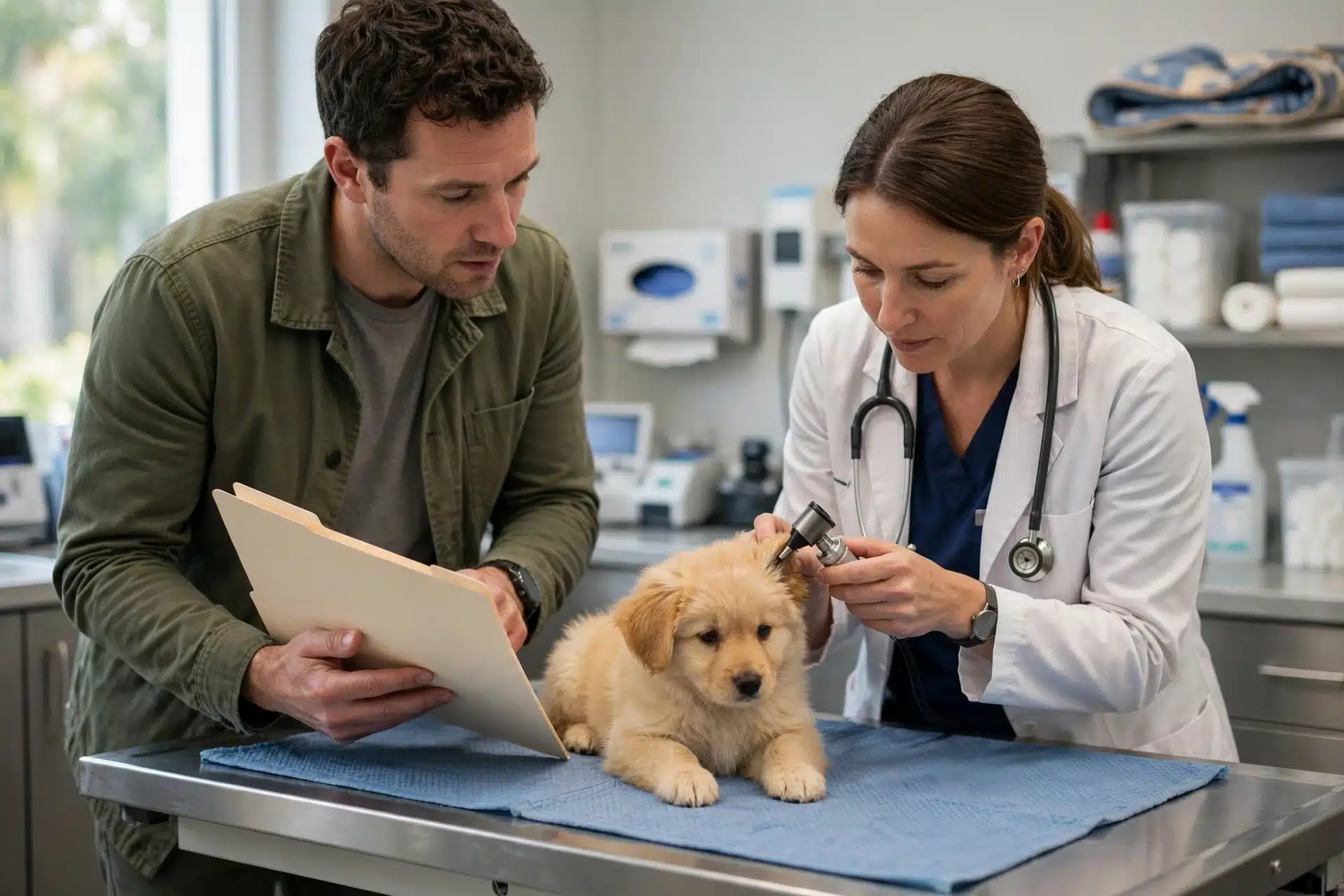
A good breeder hands over written records before you leave: vaccination dates, deworming history, microchip number and any vet exams the puppy already had. Most puppies should see a vet at 6 to 8 weeks for a first checkup and vaccines, so your puppy may have already started this series, per AAHA’s life stage guide. Book your own exam within a few days of pickup. The Sage Puppies guide to the first vet visit checklist for new puppies covers what to bring. Expect the breeder to ask how that appointment went.
Weeks Three to Twelve: Training, Diet and Behavior Questions
This stretch is where support earns its name. Crate training stalls, stools turn loose after a food switch, or a Havanese pup starts barking at the crate door. A responsive breeder answers these messages within a day and gives specific, breed-based advice rather than a generic link. Ask now which food the puppy eats, because sudden switches cause stomach upset, and change foods slowly over a week if you plan to.
Beyond One Year: Periodic Contact and Long-Term Records
Lifetime breeder support does not end when the puppy stage does. Good breeders send occasional check-ins, want health updates as the dog matures, and keep records so future health questions have history behind them. You should be able to call years later about a diet issue, a screening result or even rehoming help. If a breeder stops replying after the check clears, that was a sale, not support.
Comparing Support Models Before You Choose
Ownership-Based and Partnership-Based Programs
Most breeders run one of two models. In an ownership-based model, the breeder’s job ends at handoff: you get records, a contract, and a phone number that may or may not be answered later. In a partnership-based model, the breeder stays involved through the puppy’s life with check-ins, training help, and a rehome or take-back promise in writing. Neither is wrong by itself, but the second model usually delivers the “lifetime breeder support” that pages mention. Ask which model applies before you pay.
Questions That Distinguish Strong Support From Weak Support
Put these five questions in an email so the answers arrive in writing:
| Question | Strong answer | Weak answer |
|---|---|---|
| Who answers questions after pickup? | The breeder, by name and channel | “Our team” |
| What is the response window? | A stated timeframe, like 48 hours | No timeframe |
| Is a take-back clause in the contract? | Yes, with terms spelled out | Verbal assurance only |
| What health screenings were done? | OFA or CAER records you can see | “Vet checked” |
| Can you call past buyers? | Two or three references offered | Hesitation |
Vague answers on two or more rows signal weak support, no matter how polished the website looks.
What to Do When a Breeder Cannot Answer
Silence is information. If a breeder dodges the take-back question, refuses written terms, or pushes you to pay before you see the contract, slow down and ask why. A confident breeder answers quickly and expects the questions. Some programs, including Sage Puppies, build support terms into the purchase process itself, so the answers arrive before money changes hands. If yours cannot, keep looking. The right breeder will still be there after your questions.

You now know what written breeder support should include, so hold breeders to it before you pay a deposit. Sage Puppies offers Havanese, Havapoo and Cavapoo puppies with owner-managed matching and honest guidance at Sage Puppies. Start the application today, and bring your checklist questions to the first conversation.
Frequently Asked Questions
Q1: Why does breeder support after purchase matter?
Your breeder holds your puppy’s health history, early diet, and temperament details that no vet or trainer can recover later. When problems appear in the toughest first weeks, that history turns guesses into fast, specific answers.
Q2: What should lifetime breeder support include in writing?
Training help, feeding guidance, grooming coaching, a stated response window, and a take-back clause. Every item belongs in the puppy purchase contract before you pay a deposit.
Q3: Is a health guarantee the same as breeder support?
No. A health guarantee covers defined genetic conditions for a set window. Support covers everyday questions for life. You want both spelled out separately.
Q4: How do I test a breeder’s responsiveness before committing?
Send one specific question, like how they handle a puppy refusing food at ten weeks. Detailed answers within a day or two signal real support.
Q5: What support should out-of-state buyers expect after delivery?
The same follow-up as local pickup: records before travel, guidance on the first veterinary visit, and ongoing access by phone or text.
Q6: What red flags should stop a sale?
Refusing written terms, no take-back policy, missing health screening records, or same-day deposit pressure. Any of these means keep looking.
Conclusion
Lifetime breeder support is only as good as the paper it is written on. Before you pay a deposit, get the support terms, the puppy health guarantee window, and the take-back clause into the puppy purchase contract. Test responsiveness with one specific question. Verify health screening records yourself. Then judge how the breeder answers, not how the website reads. A reputable puppy breeder near you or across the country will welcome the checklist, answer in writing, and still be reachable in the first 90 days and years beyond. Weak support hides behind vague promises, so treat every hesitation as a fact about the help you would get later. Choose the breeder whose terms hold up, and the puppy years get easier.