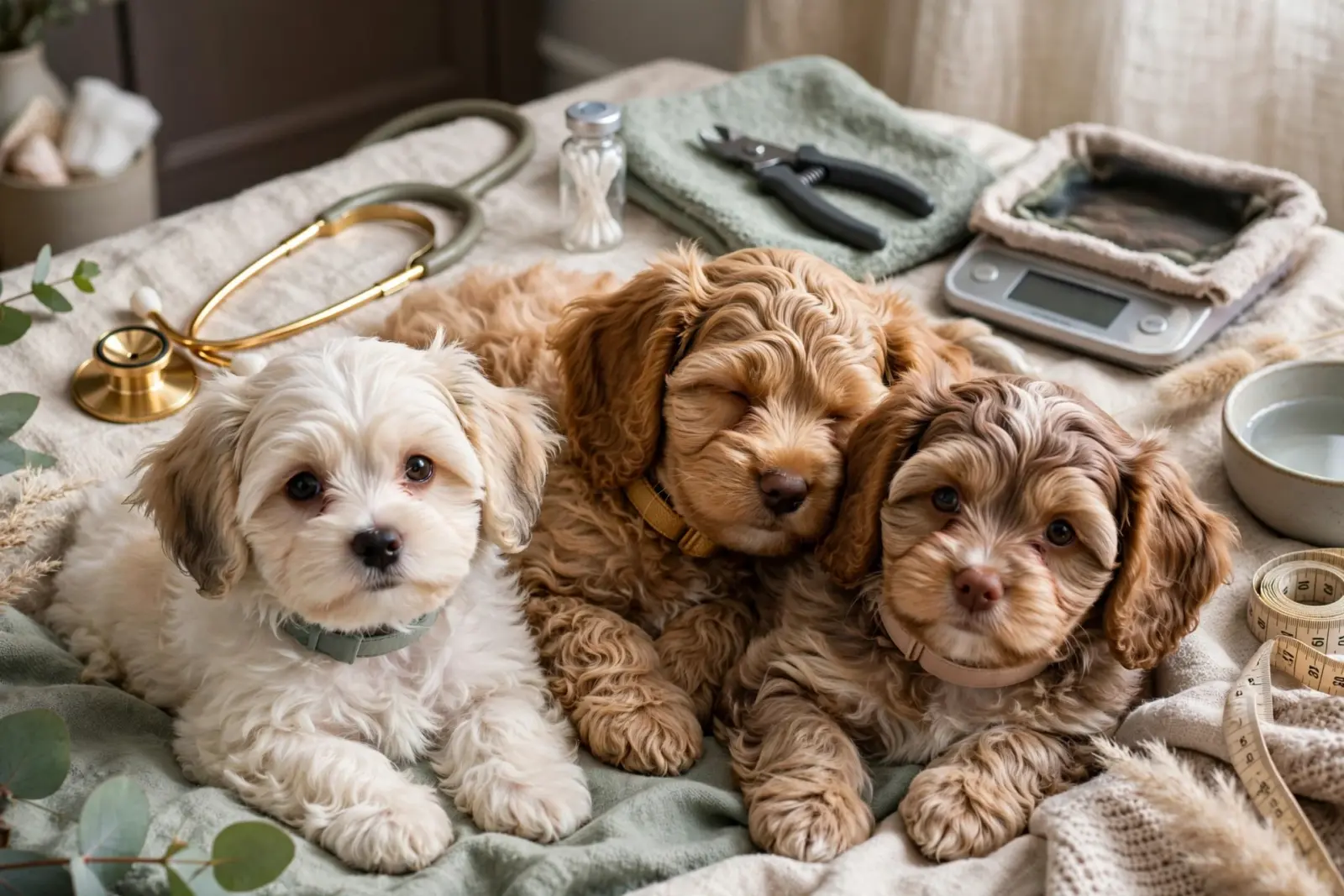
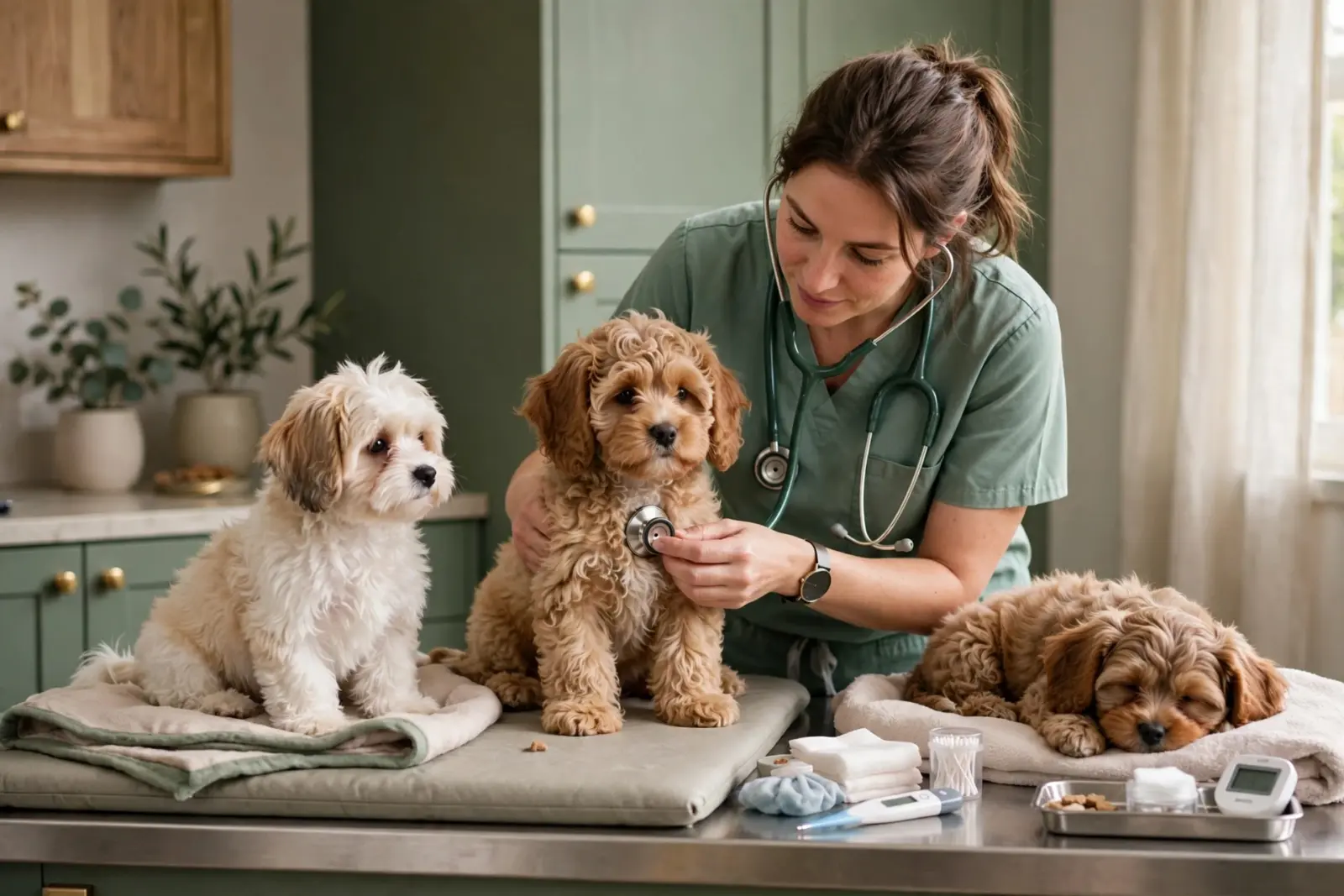
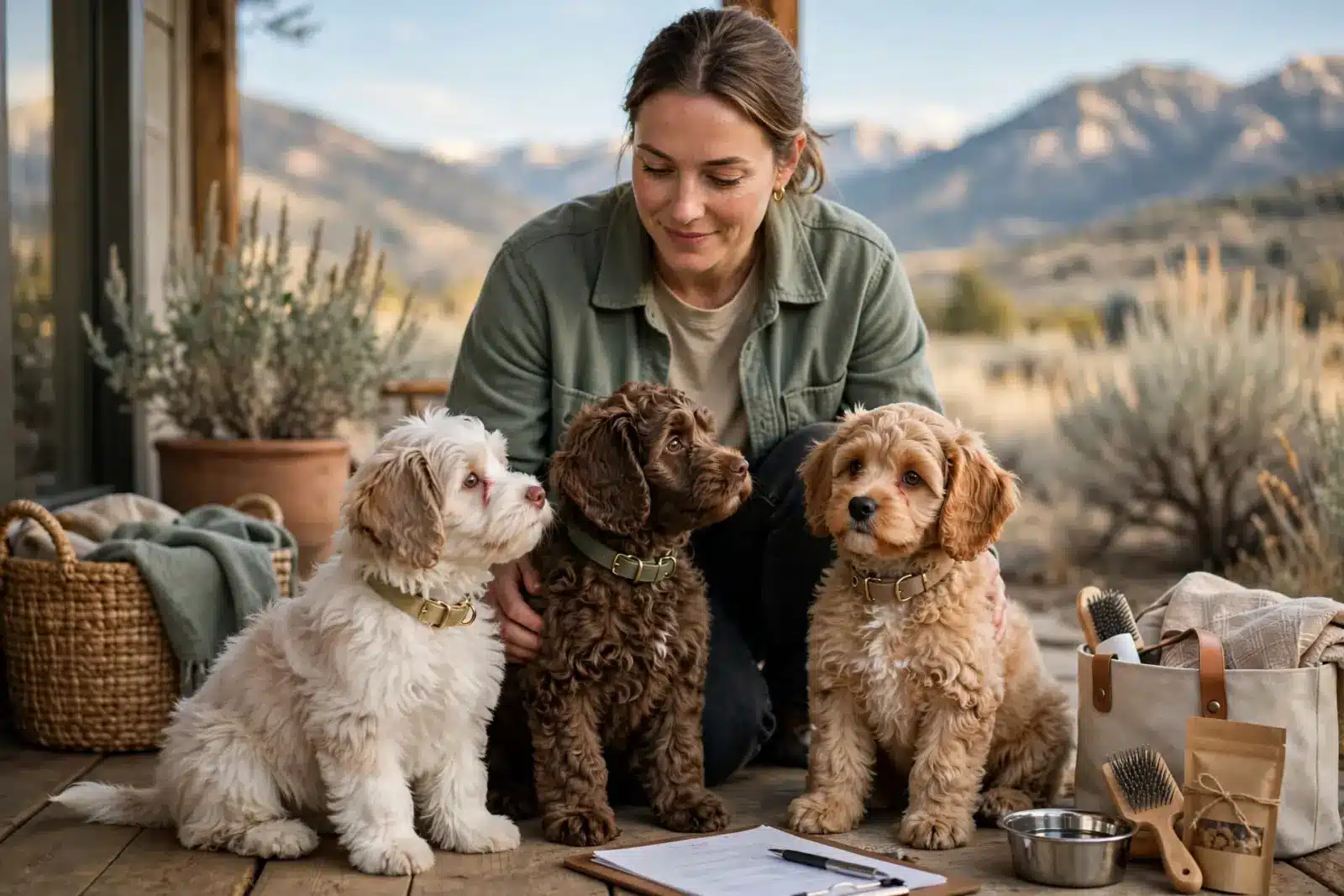
Quick Summary: A trustworthy puppy breeder visit is about evidence, not charm, so inspect the home, meet the mother, and verify the litter’s actual health records before paying. Check parents’ OFA results and DNA tests, read the contract carefully, and treat pressure to deposit immediately, vague answers, dirty conditions, or refusal to show records as reasons to leave. Sage Puppies presents itself as an example of a breeder that welcomes home visits, document checks, and unhurried questions.
You pull into a tidy driveway. The door opens, and a small Havapoo puppy is pressed into your hands before you have seen the litter, the mother, or a single page of paperwork. That is the moment most people fall for a bad breeder, because they are already holding the thing they came for. Once the puppy is in your arms, saying no feels nearly impossible, and a careless breeder counts on exactly that.
The hard part is that many red flags when meeting a puppy breeder look like warmth or trust. A breeder who rushes you inside, skips health records, or shrugs off questions about parent testing may seem friendly, not risky. Others look suspicious but are perfectly normal, such as a mother who barks at strangers or a waitlist you cannot skip.
This guide walks you through a visit in the order it actually happens, from driveway to paperwork. At each step you will see what to ask, what genuine answers sound like, and which warning signs should make you pause. We raise Havanese, Havapoo, and Cavapoo puppies in South Jordan, Utah, so every example here comes from real visits, both good and bad.
Step 1: Set the Terms of the Visit Before You Leave Home
Most of the first red flags when meeting a puppy breeder show up before you ever knock on the door. A reputable breeder invites you to her home, answers scheduling questions plainly, and hands over records without being chased. Set those terms in your first few messages.

Ask for the Home Visit by Name
Say the words: “I’d like to visit the puppies where they were raised.” Then listen. A breeder who raises pups in her kitchen usually says yes. One who suggests a parking lot, a park, or a “partner facility” is telling you something. Many small programs keep a waiting list, so ask how visits fit the process and how early in a litter’s life you can come.
Confirm Who Will Be Present and Where You Will Meet
Ask three things before you drive: the address, who lives at that home, and whether you will see the mother. Breed club and vet guidance puts seeing the dam at the top of the list, so push gently if she’s “at the vet” or “resting.” Some programs, including boutique ones like Sage Puppies, arrange visits around a mother’s recovery on purpose. That’s a reasonable explanation, not a dodge.
Pre-Read the Records They Already Sent
Good breeders send paperwork before you arrive: health test results, vet exams, and vaccination dates. Read it all the night before and note what’s missing, so your visit runs on questions instead of requests.
Step 2: Read the Room and the Adult Dogs in the First Five Minutes
You can learn more in your first five minutes on site than in an hour of texts. One of the biggest red flags when meeting a puppy breeder is a nice sales pitch that doesn’t match what you actually see. Keep your eyes open from the driveway on.
Look at Where the Puppies Live
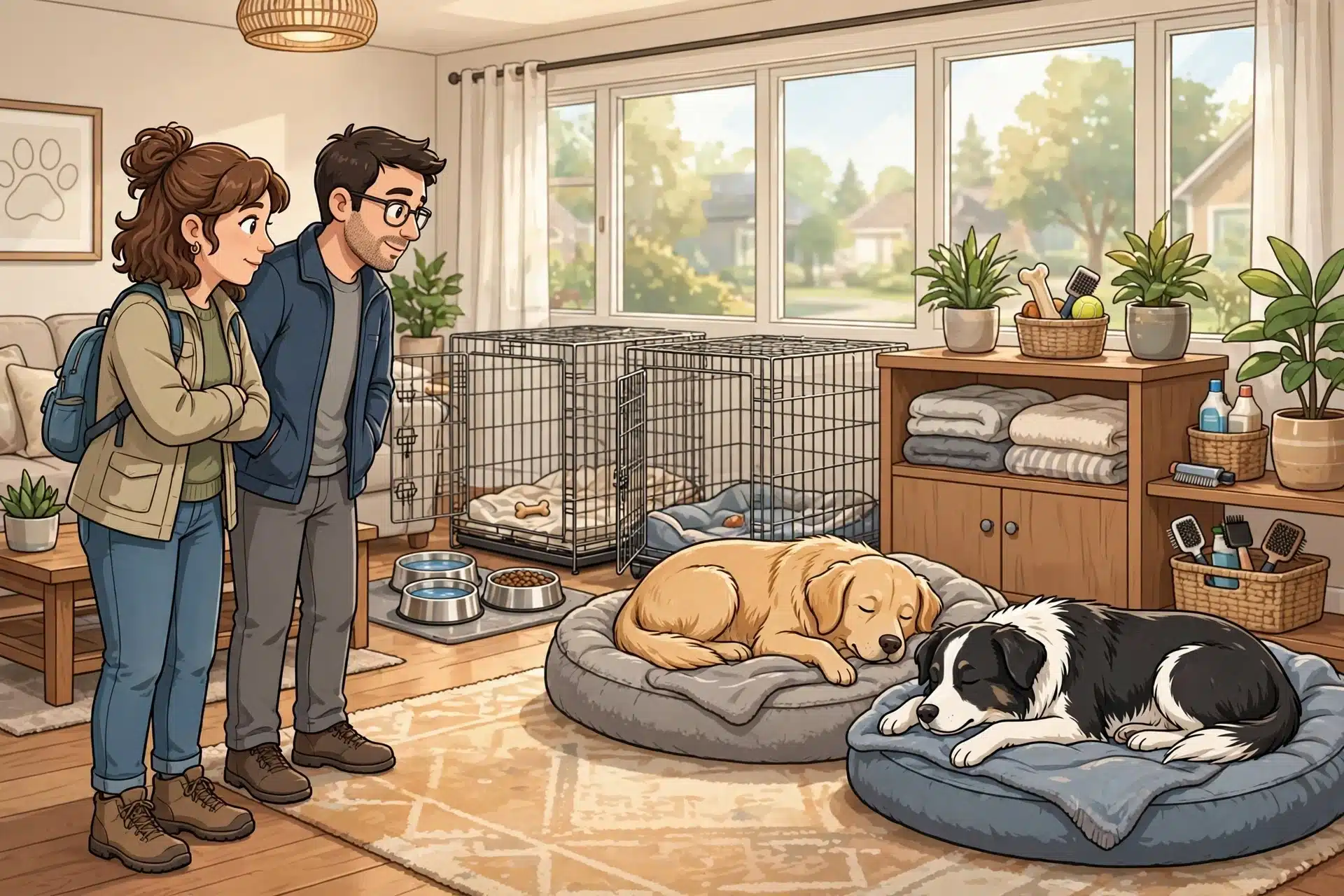
Notice the space before anyone says a word. Puppies should be clean, warm, and kept where they can see people. A strong smell of urine, matted fur, or piles of waste in the play area means cleanup isn’t happening daily. Food and water should be fresh and easy to reach. Crates belong in a living space, not stacked in a dark garage or a shed out back.
Watch How the Adult Dogs Behave
The mother dog tells you a lot. A well-bred dam may be tired from caring for puppies, but she should still be friendly and curious, not growling or cowering in a corner. Dogs that flinch, hide, or bark nonstop suggest they don’t get much handling. Adult dogs should look healthy too: bright eyes, clean coats, and an easy walk.
Count the Dogs and Ask the Simple Questions
Take a quiet headcount. A dozen breeding females at a home program may signal volume over care. Then ask plainly: How many litters a year? Where do the dogs sleep? Can I meet the father? Hesitant or shifting answers deserve a follow-up, because honest breeders enjoy these questions.
Step 3: Meet the Parents and Watch How the Puppies Behave
The mother dog, called the dam, is your best single window into what your puppy may grow into. Ask to meet her where she actually lives, not in a parking lot or a staged room.
What the Dam Tells You About Your Puppy
A healthy dam should look lean but well fed, with clean eyes, a shiny coat and no limping. Her temperament matters more than her paperwork. Calm and curious? Good sign. Fearful, growly or shut down? That matters, because puppies learn a lot from their mother in the first eight weeks. Ask how many litters she has had; breeders who breed a dam every heat cycle are cutting corners.

Asking to Meet the Sire, and What His Absence Means
The father, or sire, often lives elsewhere, and that is normal. Studs are frequently borrowed from another program, so a photo or video call may be the best you get. What matters is proof: his health testing results, his DNA panel and his registration papers. A red flag is vagueness, like “he’s a friend’s dog, I don’t have his info.” If the breeder claims both parents are on site, meet them both.
Watching the Litter Without Grading It
Sit on the floor and let the puppies come to you. You want a litter of confident, wobbly individuals: some bold, some slower to warm up, all curious about your shoelaces. Do not expect puppies to be identical. One shy pup in a lively litter is normal, not a defect. Watch instead for across-the-board problems: every puppy flinching at touch, discharge in the eyes, or potbellies that can signal worms. A breeder who lets you handle the puppies in their own space, the way we do at Sage Puppies, is showing you nothing to hide.
Step 4: Read the Health Records the Way a Vet Reads Them
Good breeders hand you paperwork without being asked. Bad ones hand you a story. Before your visit ends, ask for the actual documents, then sort them into three piles so nothing gets blurred together.
Sort the Documents Into Three Piles
Pile one is the puppy’s own records: vet exam, deworming, vaccines, and microchip. Pile two covers the parents: hip, patella, and eye screening results. Pile three is DNA testing, which applies to both the parents and, in some cases, the puppies. Keep the piles separate because each one answers a different question about the puppy you are taking home.
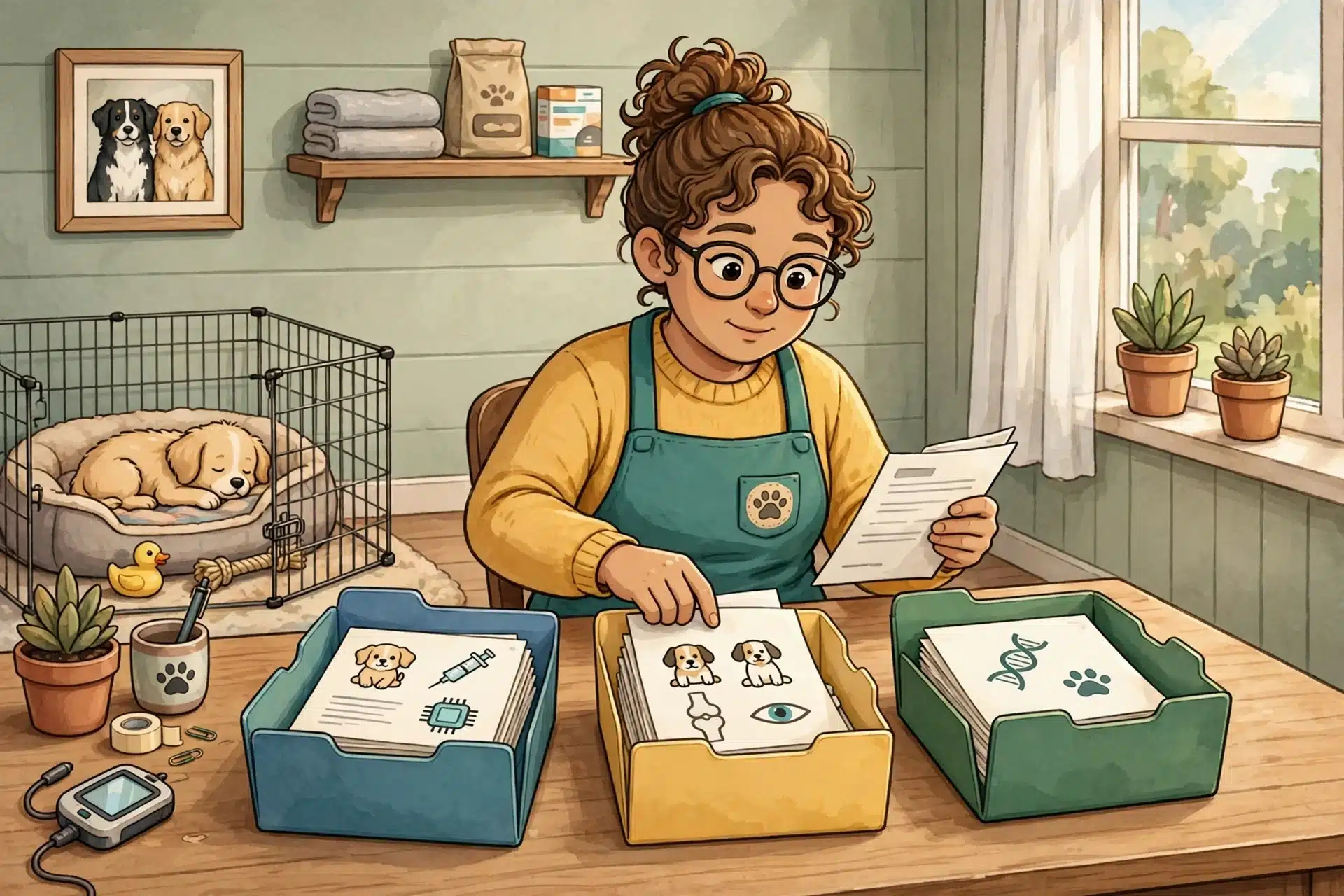
Ask Which Tests the Parents Actually Completed
The Havanese parent club lists OFA hips, OFA patellas, and annual eye exams as the tests needed for a CHIC number, the public record that a dog completed its breed’s required screenings. Ask the breeder which tests each parent finished and when. Results should be easy to look up, because OFA posts them publicly on its databases. If a breeder says “the vet checked them,” that is not the same thing.
A CHIC number proves tests were done, not that they all passed. Read the actual results.
Verify Before You Leave, Not After the Deposit
Look up each parent’s name on OFA’s site while you sit in the breeder’s kitchen, not days later from home. Names get misspelled, and “results are coming” can mean years. Breeders who welcome the check, including small programs like Sage Puppies, expect it. Hesitation is your answer. For a deeper walkthrough, see this guide on reading puppy health records before choosing a litter.
Step 5: Read the Contract and Deposit Terms Line by Line
A good breeder hands you a written contract before you pay anything. Take it home, read it slowly, and ask questions. As the AKC explains, a solid puppy contract spells out the health terms, breeding restrictions, and what happens if things go wrong. Our overview of key family-raised puppy contract terms walks through the same clauses in plain language.
The Health Clause
Look for a clear window, often 72 hours to a few weeks, when a vet exam can trigger a refund or replacement. Vague promises like “healthy for life” without defined terms are a red flag. Realistic breeders cover serious inherited conditions, not every cough, and they state exactly what proof they need.
The Lifetime Home Clause
Most ethical breeders require you to return the puppy to them if you can ever keep it. That is not a red flag. It means they never want their dog in a shelter. Ask what happens to your deposit or payment in that case, and get the answer in writing.
Deposit, Spay and Neuter, and Timeline Terms
Check whether the deposit is refundable, transferable, or forfeited, and when. Pet-quality puppies usually require a spay or neuter by a stated age, so make sure the timing matches what your vet recommends. Finally, confirm the go-home date and any delivery terms in writing before you pay.
Step 6: Catch the Pressure Tactics You Can Feel in the Room
The Puppy in Your Arms Is Not a Sales Tool for Pressure
Some breeders hand you the puppy the moment you walk in. Warm, squishy, and hard to put down, which is exactly the point. A puppy placed in your lap makes “yes today” feel natural. Hold it, cuddle it, enjoy it. But a good breeder wants you thinking clearly, not deciding while your heart is racing. If the puppy stays in your arms and the pitch gets louder, slow everything down.
Deadlines, Discounts, and Shipping Stories
Listen for the classic lines. “Another family is coming at four.” “This price ends today.” “If you don’t take a deposit now, you’ll wait six months.” A few of these can be true, but a stack of them is a pattern. Real urgency comes with proof, like an actual waitlist you can see. An owner-managed process such as Sage Puppies’ puppy matching shows how unhurried matching works: questions first, deposit later.
How to Leave Without Burning the Relationship
You can walk away kindly. Say “Thank you for the tour. We need to talk it over tonight, and we’ll call you tomorrow.” A reputable breeder respects that. One who pushes harder, guilt-trips, or drops the price on the spot just confirmed your instinct. Trust it.
Step 7: Make Your Go or No-Go Call Before You Drive Away
Score What You Actually Saw and Heard
Trust the evidence in front of you, not the charm of the sales pitch. Puppies should look bright-eyed and clean, with no discharge, coughing, or limping. The mother should seem friendly and well cared for. Papers, vet records, and DNA results should be in hand, not “coming later.” If two or three core things feel off, say no kindly and walk out.
When Distance Makes an In-Person Visit Impossible
If you can’t travel, ask for a live video call instead of pre-recorded clips, so you can request angles on the spot. Watch how the puppies move and interact, and ask to see the mother on camera too. Some breeders, including those offering nationwide delivery like Sage Puppies, build video walkthroughs into the process. A breeder who refuses live video entirely is a serious red flag.
Comparing Your Notes Across Breeders
Lay your notes side by side once you get home. Compare health testing proof, how freely they answered questions, contract terms, and the health window for a vet exam, which often runs 72 hours to a few weeks. Score each breeder on facts, not feelings. The right choice is usually the one whose answers stayed consistent from first call to final visit.
Common Mistakes to Avoid
Buying on Vibe Alone
A clean house and friendly dogs are nice, but they are not proof of anything. Some breeders are great talkers with weak paperwork, and some quiet ones never show health records at all. Judge the evidence, not the charm: ask to see testing results, contracts, and where the puppies live. If warmth is all you get, that is a signal to slow down and keep asking.
Skipping the Hard Questions to Be Polite
It feels awkward to ask about health testing or what happens if the puppy gets sick. Ask anyway. A good breeder welcomes these questions, because they show you care about the dog’s future. Vague or defensive answers matter more than any brochure. Write your questions down before the visit so you don’t forget them under pressure. Breeders who run a clear application and matching process, like Sage Puppies does, expect this kind of scrutiny.

Ready to meet a breeder who welcomes every question? Sage Puppies raises Havanese, Havapoo and Cavapoo puppies with documented health testing and an open, owner-managed matching process. Start your application today, and visit with confidence.
Frequently Asked Questions
Q1: What are the warning signs during an in-person breeder meeting?
Strong-smelling kennels, a dam who hides or growls, records promised but never shown, and pressure to pay before you read the contract. Stack two or three together, and it’s time to walk.
Q2: Can a breeder refuse to show the mother dog?
She can delay a visit for a real reason, like post-birth recovery. Refusing entirely is a red flag. Ask for a live video call instead and note how she responds.
Q3: Is a CHIC number proof the parents are healthy?
No. A CHIC number confirms the required tests were done, not that they passed. Look up the actual OFA results before you leave.
Q4: Should I worry if the father lives elsewhere?
Not usually. Sires are often borrowed from other programs. What matters is documented health testing and DNA results, not location.
Q5: Is a required spay or neuter clause normal?
Yes. Pet-quality contracts commonly set a stated age for it. Just confirm the timing matches your vet’s advice before signing.
Q6: Can I trust a breeder who only offers nationwide delivery?
Ask for a live video walkthrough of the home, the mother, and the litter. A breeder refusing live video entirely is a serious warning sign.
Conclusion
A good breeder visit comes down to evidence, not charm. Set the terms before you leave home, then watch the space, the mother, and the litter with your own eyes. Separate the paperwork into three piles: the puppy’s records, the parents’ health screenings, and the DNA results, and verify them on site. Read the contract line by line, and treat every pressure tactic as an answer in itself.
Some red flags look like warmth, and some quirks look like red flags. Now you know the difference. Score what you saw, trust consistency over charisma, and the right litter will be easy to spot.