Quick Summary: Review puppy contracts carefully before paying a deposit, focusing on details like identity, health guarantees, registration, and return policies. Ensure the health guarantee covers serious issues with clear deadlines and remedies. Check breeding restrictions, spay-neuter timing, and buyer responsibilities for fairness. A transparent contract protects both families and breeders, emphasizing lifelong placement and responsible care.
If you are comparing family-raised puppy listings near South Jordan or planning delivery to your home, read the contract before you pay a deposit. The real question is simple: what are you agreeing to when you reserve this puppy? Too many buyers skim Puppy Contract Terms and miss key details on deposits, health coverage, registration, returns, and breeder responsibilities.
This guide helps you review Puppy Contract Terms in plain English so you can spot fair language, vague wording, and red flags fast. You will learn what to check first in a Puppy Sale Agreement, how a Puppy Purchase Contract should handle health and placement, and which Puppy Contract Terms matter most before you commit.
This advice is built for careful puppy families who want clear answers, not pressure, especially when working with a reputable family breeder in Utah or arranging national delivery.
1. Confirm the puppy and the buyer information are exact
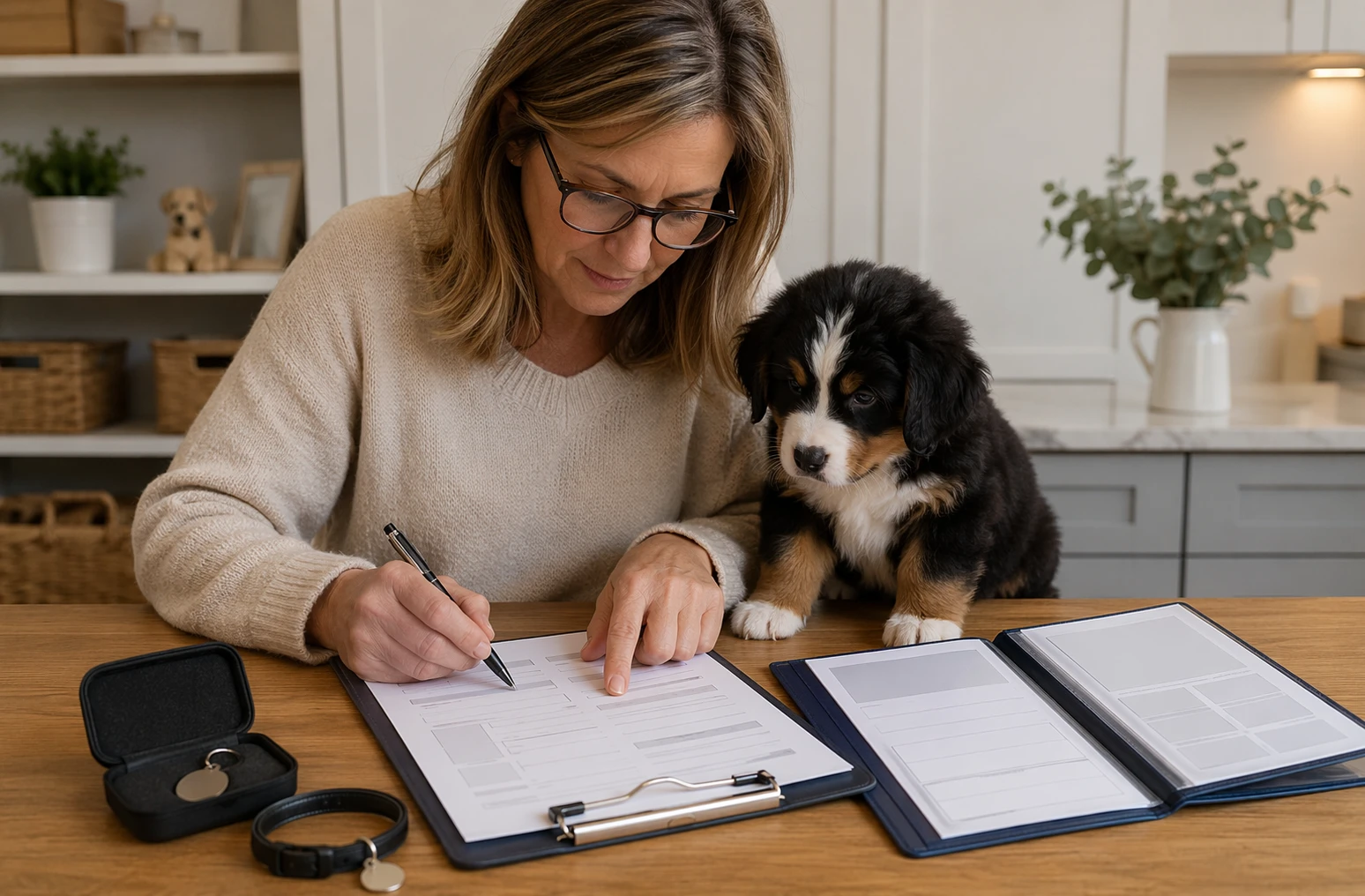
Small errors in a puppy contract can turn into big problems later. Read the identity section slowly, and match it to the real puppy, the real people, and the real sale.
Check the puppy’s identity details line by line
Start with the puppy’s basic facts. If one detail is off, ask for a corrected contract before you sign.
Use this quick check:
| Contract item | What to confirm | Why it matters |
|---|---|---|
| Breed | Havanese, Havapoo, Cavapoo, or exact mix listed correctly | Avoids disputes over what you reserved |
| Sex | Male or female matches the puppy | Important for records and future care |
| Birth date | Exact date or stated estimate | Affects timing, vaccines, and pickup |
| Color and markings | Matches photos and the puppy you chose | Helps prove identity |
| Microchip or ID number | Written exactly, if assigned | Helps connect the puppy to you |
| Registration status | Pet only, limited, or full if offered | Prevents false assumptions |
USDA record rules for regulated dealers require records to fully disclose breed, sex, age or birth date, color, markings, and identifying numbers under 9 CFR 2.75.
If the contract says “similar puppy” or leaves identity details vague, slow down.
Make sure the seller and buyer details match the real transaction
Check the names, address, phone, and email for both sides. The person taking payment should be the same person or business named in the contract.
Review these points:
- Seller name matches the breeder or program you applied with.
- Buyer name matches the adult who will legally own the puppy.
- Pickup or delivery contact is listed if different.
- State and address are current and complete.
USDA disposition forms also call for seller and buyer name and address on the transfer record, which shows how important exact party details are in animal sales Record of Disposition of Dogs and Cats.
Look for written proof of purchase terms
Do not rely on texts or phone calls alone. The contract should show the amount paid, what the payment covers, and what still must happen before the puppy goes home.
Look for:
- Purchase price
- Reservation fee amount
- Balance due date
- Pickup or delivery terms
- Any refund or transfer terms
- Signature lines and date signed
If a promise matters, it belongs in writing.
Also Read: About Sage Puppies | Boutique Puppy Breeder in Utah
2. Review the health guarantee before you assume anything is covered
A health guarantee matters, but the fine print matters more. Many buyers skim this page, assume it covers “anything serious,” and find out later that the deadline, diagnosis rules, or remedy is much narrower.
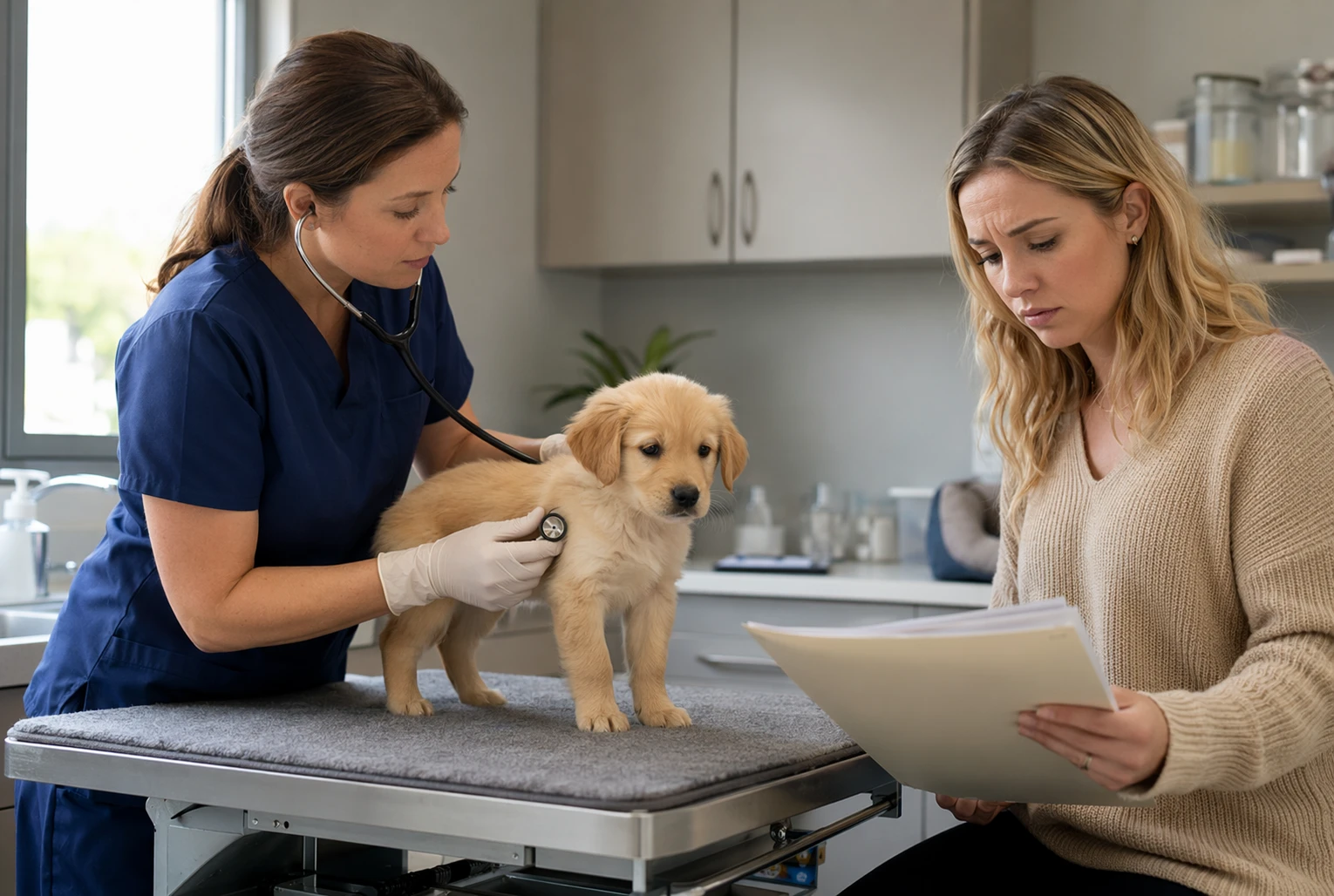
Understand the early veterinary exam window
Most contracts require you to schedule a vet visit fast, often within 48 to 72 hours, sometimes a bit longer. State buyer protection rules often work the same way. For example, Pennsylvania says buyers must take a newly purchased dog to a licensed vet within 10 days to preserve rights under that law, and Minnesota gives buyers only two business days to notify the seller after a vet diagnosis under its statute Pennsylvania Attorney General guide and Minnesota statute.
Use this checklist right away:
- Book the exam before pickup or delivery day
- Bring the contract, vaccine record, and microchip info
- Ask the vet to note any concerns in writing
- Email the breeder the same day if the vet finds an issue
If you miss the exam window, the guarantee may be worthless even if the problem is real.
Separate life-threatening genetic issues from normal puppy conditions
Not every puppy problem triggers a guarantee. Many contracts cover congenital or hereditary conditions that seriously affect the dog’s long-term health. They often do not cover common, treatable issues like mild diarrhea, stress from travel, minor parasites, or low appetite in the first day or two.
| Usually more likely covered | Usually often excluded or limited |
|---|---|
| Serious heart defect | Mild loose stool after travel |
| Major liver shunt | Routine parasites with treatment |
| Severe inherited eye disease | Small umbilical hernia |
| Genetic issue that shortens life | Hypoglycemia tied to missed meals |
Ask one blunt question: “What exact diagnosis would qualify for this guarantee?”
Check the remedy: refund, replacement, or repair support
The remedy tells you what happens after a covered diagnosis. Some contracts offer:
- Replacement puppy only
- Refund only
- Partial vet reimbursement
- A choice among those options
That difference is huge. A replacement may sound fair, but some families do not want to return a bonded puppy. Vet reimbursement can help more, but many contracts cap it at the puppy’s purchase price or less. Read this line slowly before you reserve.
Review any care rules tied to the guarantee
Many guarantees stay valid only if you follow care rules exactly. Common examples include:
- Keep vaccines current
- Use parasite prevention
- Feed an approved diet
- Avoid unsafe exposure before full vaccination
- Do not breed the puppy
- Keep records and receipts
A fair breeder should explain these rules clearly, not hide them. If you are comparing programs, a transparent family breeder like Sage Puppies should be willing to walk through the guarantee in plain English before you commit.
Also Read: 7 Best Small Breed Puppies for Apartment Living in 2026 – Sage Puppies
3. Read the registration and breeding terms as a companion-home buyer
Companion-home contracts often limit breeding on purpose. That is normal. Your job is to make sure the terms are clear, fair, and written down before you reserve a puppy. For the full contract checklist, go back to the parent guide on Family-Raised Puppy Contracts: Key Terms to Review First.
Know what limited registration actually means
Limited registration does not mean fake papers. It usually means the puppy can still be registered, but any puppies it produces cannot be registered, and the dog cannot compete in AKC conformation. AKC explains that dogs on limited registration can still do many other events, and their offspring are not eligible for registration in that status, according to AKC’s breeder contract guide.
Ask these questions:
- Will I receive registration papers?
- Is this limited registration or no registration?
- When are papers released?
- Is the puppy sold strictly as a pet-only companion?
If the contract says “pet home only,” assume no breeding rights unless a separate written breeding agreement says otherwise.

Check whether spay or neuter timing is required
Many companion-home contracts require proof of spay or neuter by a certain age. The key issue is not just if, but when. AKC notes that timing varies by breeder and breed, and contracts often spell that out in detail in its puppy contract overview.
Use this quick check:
| Contract term | What to confirm |
|---|---|
| Required procedure | Spay, neuter, or no surgery deadline |
| Due date | Exact age, date, or vet milestone |
| Proof needed | Vet invoice, certificate, or email from clinic |
| Penalty | Lost guarantee, withheld papers, or contract breach |
If your vet recommends a different timeline, ask the breeder to approve that change in writing.
Look for any breeding restrictions or approval clauses
Some contracts go beyond limited registration. They may ban breeding, require breeder approval, or require the dog to be returned if an unauthorized litter happens. Read those lines slowly.
Check for:
- No breeding under any condition
- Breeder approval required before breeding
- Extra health testing before breeding
- Co-ownership or future breeding rights addendum
A good family breeder keeps this simple. If terms feel vague, ask for plain-English edits before you sign.
4. Review the return-to-breeder clause before you sign
A strong return clause protects the puppy first. It also protects you if life changes. The ASPCA says responsible breeders should be willing to take back or rehome a dog for any reason at any time, and should spell out the return policy in plain language in the contract ASPCA’s responsible breeding criteria.
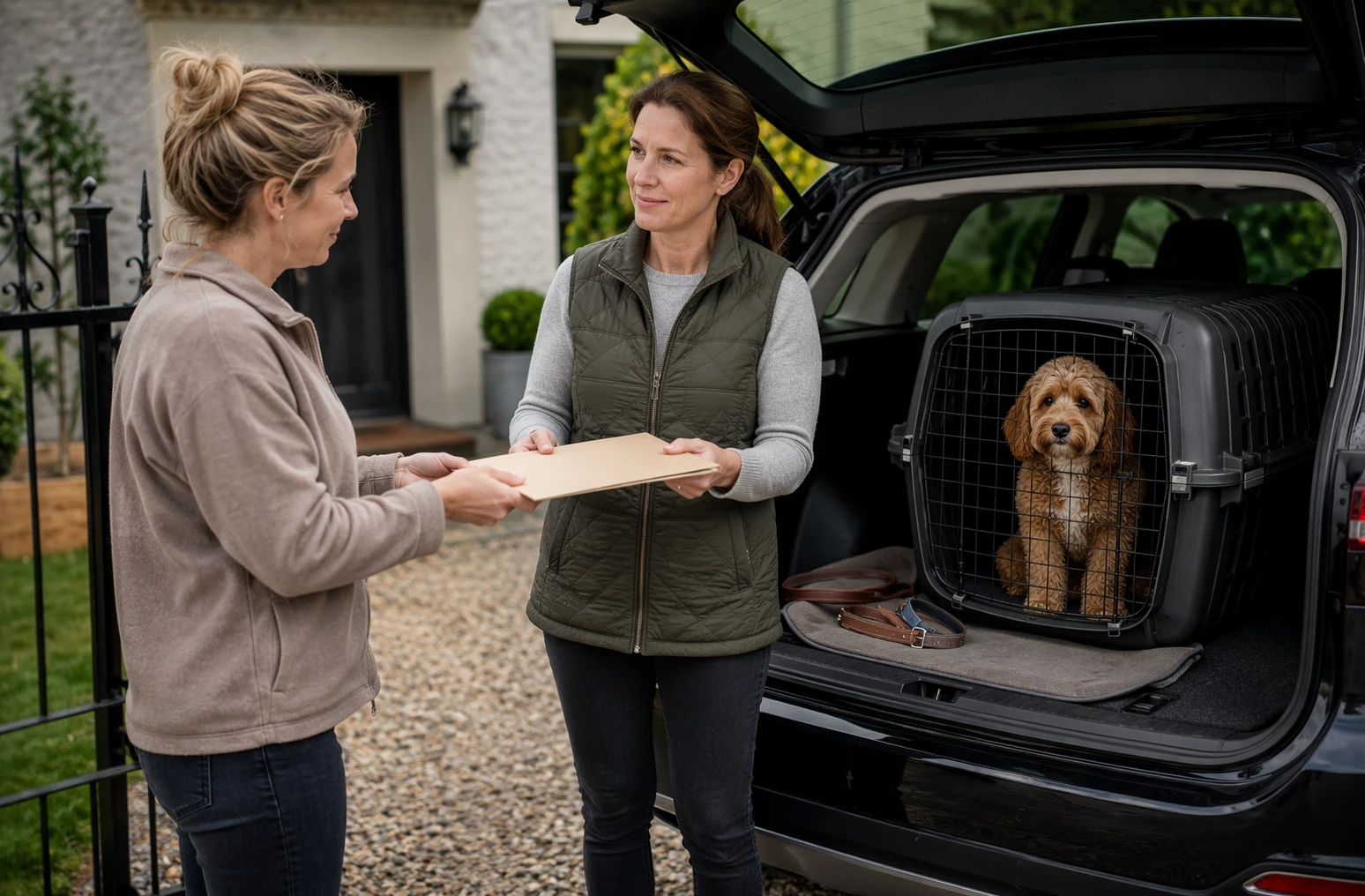
Understand the right of first refusal
This clause means you must contact the breeder before giving, selling, or rehoming the puppy yourself. In plain English, the breeder gets the first chance to take the dog back.
That is not a red flag by itself. It often shows the breeder wants lifelong placement control. The issue is whether the wording is clear.
Ask these questions:
- Does the clause apply for the puppy’s whole life?
- Can the breeder help approve a private rehome, or is return mandatory?
- What counts as a transfer – a friend, family member, or rescue?
- Is there any refund, credit, or no payment at all?
If the clause is vague, ask for the exact return steps in writing before you sign.
Check whether returns are for life or for a limited period
Some contracts only cover returns for a short window. Others last for the dog’s full life. The AKC notes that many breeder contracts include both a short refund period and a separate lifetime return option after that AKC contract guidance.
Use this quick check:
| Clause detail | Good sign | Ask about |
|---|---|---|
| Time limit | Lifetime return allowed | Return allowed only for a few months |
| Trigger | Any reason listed | Only illness or behavior listed |
| Outcome | Clear next step | No process explained |
A lifetime clause is usually stronger for the dog’s safety. A limited-time clause can still work, but only if the next-step plan is clear.
See who pays for transport, records, and transfer steps if the puppy comes back
Returns get messy when the contract skips the logistics. Read this part slowly.
Check for:
- Transport costs – pickup, flight nanny, or ground delivery.
- Vet records – who must send them and by when.
- Registration transfer – microchip, AKC papers, and ownership forms.
- Condition of return – crate, food, meds, and current vaccines.
A fair contract tells you who does what, who pays, and how fast it must happen.
If a breeder offers national delivery, this matters even more. Families working with Sage Puppies or any long-distance breeder should want the return process spelled out just as clearly as the pickup or delivery plan.
Also Read: Puppy Socialization & Early Development | Sage Puppies
5. Scan the buyer responsibility section for practical red flags
Buyer duties should protect the puppy, not trap you in vague promises. The AKC notes that breeders often require a prompt vet visit after pickup, and that is normal when it is clearly written in the contract AKC’s puppy contract overview. Watch for terms like:
- “proper care”
- “best environment”
- “adequate exercise”
Those sound fine, but they need details. A fair contract says what you must actually do, such as feed quality food, keep vaccines current, and seek vet care when needed.
| Reasonable term | Red flag |
|---|---|
| Vet exam within a set number of days | “Buyer must provide perfect care at all times” |
| Keep puppy as an indoor family dog | “Breeder decides care standards later” |
| Contact breeder if rehoming is needed | “Any disagreement voids all guarantees” |
If the wording feels broad enough to blame you for anything, pause before you sign.
Some breeders also require proof that you followed the contract. That can be fine if the request is practical. Good examples include:
- A dated vet invoice
- Vaccine records
- Spay or neuter confirmation, if required
- Microchip transfer proof
Minnesota consumer guidance says buyers may need a vet exam within 10 days to keep certain remedies, depending on the sale and the law Minnesota pet buyer guidance. What you want to avoid is a contract that demands constant updates, surprise home checks, or open-ended paperwork with no deadline.
Daily-life limits need the closest look. Check for rules on:
- work hours
- travel
- children in the home
- fenced yards
- grooming schedules
- training methods
Some limits fit a breed or breeder philosophy. Others are too controlling for normal family life. A strong family breeder explains the reason behind each rule and keeps expectations realistic.
Also Read: 12 Small Breed Puppies That Are Perfect for Kids (2026) – Sage Puppies
6. Ask for the three things that make a contract easier to trust
A good puppy contract should feel clear before you pay, not confusing after.
-
Confirm you will receive the puppy’s health records in writing
Ask exactly what papers you get on pickup or before delivery. A solid contract should name the records, not just say “health info provided.” Some state laws require written disclosure of vaccines, worming, treatment history, and known health issues. California law, for example, requires breeders covered by that law to give buyers written disclosures including inoculations, worming, and vet treatment records in writing.If the breeder hesitates to list the records in the contract, slow down.
-
Ask how changes, questions, or disputes are handled
You do not need a legal fight plan. You do need a simple process. Ask who you contact, how fast they reply, and whether any deadline applies if a vet finds a problem. Minnesota says some buyer remedies depend on quick written notice and a vet statement within set time limits after purchase. That matters because a fair contract should explain the steps in plain English.
| Trust signal | What to look for |
|---|---|
| Contact path | One person, phone, email |
| Time limits | Clear dates for notice |
| Problem process | Written steps, no vague wording |
- Use the contract as a fit check, not a surprise
Read the contract before placing a deposit. Then ask direct questions in a list:
- What happens if the puppy becomes unavailable?
- Is the registration status stated clearly?
- Does the return policy protect the dog for life?
The best family breeders welcome these questions.
If you want a contract that feels clear, fair, and family-first, start with Sage Puppies. You can review a transparent process, learn how pickup or delivery works, and take your next step with more confidence before placing a reservation for your Havanese, Havapoo, or Cavapoo puppy.
Frequently Asked Questions
Q1: What are the essential terms to review in a family-raised puppy contract?
Check the purchase price, deposit rules, health guarantee, registration status, spay-neuter terms, return policy, and pickup or delivery details. Read who pays for vet exams, what voids the guarantee, and whether the breeder requires the puppy returned if you cannot keep it.
Q2: How do puppy contracts protect both families and breeders?
A good contract sets clear rules before money changes hands. It protects your rights if a health issue appears early, and it protects the breeder by spelling out care standards, payment terms, and safe rehoming steps.
Q3: What should I look for in a puppy’s health guarantees and warranties?
Look for exact time limits, covered conditions, required vet exam deadlines, and whether the remedy is a refund, replacement, or credit. Ask for plain language. If terms feel vague, assume problems later could be hard to resolve.
Q4: Is a nonrefundable deposit always a red flag?
Not always. Many reputable breeders use nonrefundable deposits to hold a puppy. The key is clarity. The contract should state when the deposit applies, if it can transfer to another litter, and what happens if the breeder cancels.
Q5: Why does a lifetime return clause matter?
It shows the breeder cares about lifelong placement, not just the sale. If life changes, you have a safe path instead of rehoming alone. That matters with family-raised programs like Sage Puppies, where placement standards stay important after pickup.
Conclusion
A strong puppy contract should answer the big questions before you reserve, not after you fall in love. Review the health guarantee, registration status, refund or replacement terms, spay-neuter or breeding limits, and the return-to-breeder clause first. Those terms tell you how the breeder handles risk, responsibility, and the puppy’s long-term welfare.
Good contracts also match responsible breeding standards. The USDA’s Animal Welfare Act regulations set federal care and record rules for covered breeders, and the AKC notes that solid contracts commonly include health records, registration details, and lifetime return language in puppy contract guidance. Clear terms usually signal a breeder who plans for the puppy’s whole life.