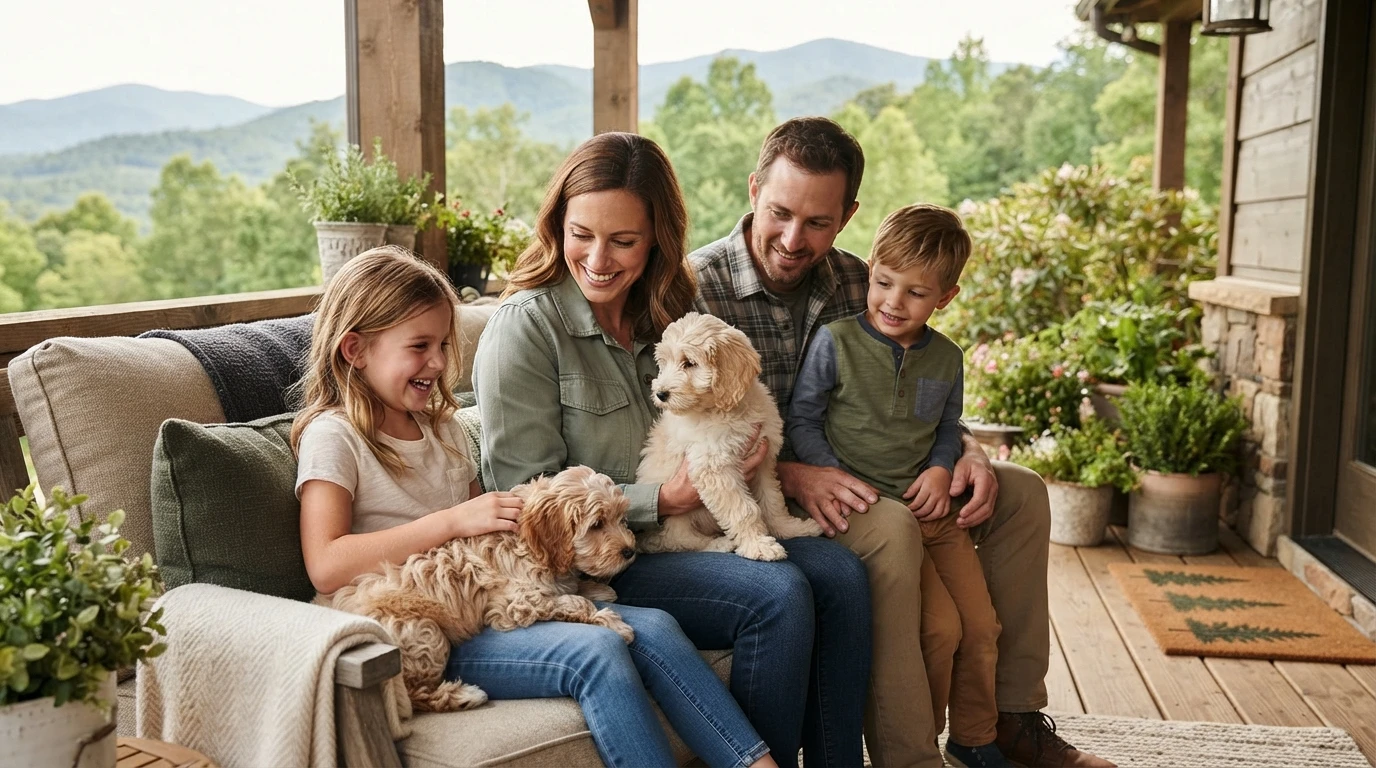
Quick Summary: Small breed puppies can become much-loved family companions, but no breed or mix is automatically “perfect for kids.” Look at the individual puppy, your children’s handling skills, the adults’ availability, and the care each dog needs. Gentle interaction, adult supervision, training, grooming, exercise, and protected rest time matter for every option below.
If you are comparing small breed puppies for kids, start with your household’s real routines. Consider your children’s ages, how they respond to boundaries, and whether an adult can guide interactions and manage daily care. A small puppy is a living companion that needs space and patient teaching.
Many families love the idea of toy breed puppies, but size alone does not tell you whether a dog is a good match. Small breeds and mixes differ in coat care, activity, companionship needs, and temperament. A gentle reputation does not mean a puppy will tolerate rough handling or settle comfortably in every home.
This guide covers 12 breeds and mixes: six detailed profiles followed by six shorter honorable mentions. The order is a way to organize your research, not a proven safety ranking. Use the comparisons to ask about parent temperament, the puppy’s observed behavior, documented health screening, and early development.
Sage Puppies is based in South Jordan, Utah and offers Havanese, Havapoo, and Cavapoo only, serving local and national families. The other options are included for education. Compare the breeds Sage Puppies offers if you are narrowing those choices. The page screenshots below illustrate resources, not current puppy availability.
Often affectionate and companion-focused; individuals vary
Gentle interaction and protected rest
Walks or play, training, company, and care in warm weather
Frequent coat care; long coats generally need daily brushing
What to know about small breed puppies
Small breed puppies can be wonderful companions, but small does not automatically mean suitable for children. Look for a puppy whose needs fit the household, with adults responsible for supervision, feeding, veterinary care, training, and grooming. Children can help with suitable tasks while adults remain accountable.
Puppy behavior is different from adult expectations. Playful mouthing, chewing, frequent toilet breaks, and a need for plenty of rest are part of the preparation. Even a friendly puppy may become uncomfortable when chased, repeatedly picked up, or surrounded by excited visitors. No build or temperament makes rough play appropriate.
Consider individual temperament, safe handling, activity, grooming, companionship, and the adults’ care plan together—not appearance alone.
The CDC’s dog-safety guidance emphasizes supervision even with a familiar family dog. Give the puppy a child-free resting area and separate children and dogs whenever an adult cannot actively supervise.
A Cavapoo combines Cavalier King Charles Spaniel and Poodle ancestry. Many are affectionate, playful companions, but coat, adult size, energy, and confidence vary. PetMD’s veterinary-reviewed Cavapoo guide describes the mix, while the AKC Cavalier profile provides parent-breed background. Neither predicts every puppy’s behavior with children.
Highlights
Often affectionate and social
Companion mix with individual temperament differences
Cavalier King Charles Spaniel and Poodle ancestry
May suit a prepared, hands-on family
Specs
Best for: Families wanting close companionship and prepared for variable traits
Handling and supervision: Gentle interaction, active supervision, and a quiet retreat
Daily home needs: Walks or play, training, toilet routines, and company
Grooming commitment: Frequent brushing and combing plus professional grooming
Pros
Many enjoy being included in family life
Reward-based training can build useful household skills
A smaller companion to consider alongside the parents’ actual sizes
Cons
Longer, denser, or curlier coats may need daily attention
Long absences require a care plan and gradual alone-time training
For a family with children, ask how the individual puppy approaches people, settles after play, and responds to gentle handling. Discuss those observations alongside parent temperament without deliberately testing the puppy’s tolerance for stress.
Havanese puppies may appeal to families wanting a cheerful companion that joins daily routines. The AKC describes Havanese as vivacious, sociable companions. That general description is a starting point: assess the individual puppy’s confidence, energy, and comfort around your household, and plan gentle introductions.
Highlights
Compact companion breed
Often cheerful and social
May enjoy participating in household routines
Needs exercise and enrichment as well as indoor rest
Specs
Best for: Families wanting a cheerful companion and able to provide daily attention
Handling and supervision: Gentle handling, supervised play, and adult management of lifting
Daily home needs: Walks or play, training, toilet routines, and company
Grooming commitment: Frequent brushing and combing; longer coats may need daily care
Pros
Often affectionate and people-oriented
Can live in different home types when daily needs are met
An established companion breed to research
Cons
Coat maintenance remains necessary even with a shorter trim
A Havanese may suit a family that wants close companionship and can maintain coat care. Small size does not remove the risk of accidental injury or the need for adult supervision.
Bichons are often cheerful, playful companions. The AKC’s Bichon Frise overview describes their social nature, daily play, and training needs. Families should still assess the individual puppy and plan supervised games, rest, and considerable coat care.
Highlights
Often playful and friendly
May enjoy interactive games with the family
Small size with ongoing exercise needs
Coat care is a substantial commitment
Specs
Best for: Families wanting a playful companion and prepared for coat maintenance
Handling and supervision: Supervised games, gentle handling, and space to stop interacting
Daily home needs: Walks or play, training, toilet routines, and company
Grooming commitment: Frequent brushing and combing plus professional grooming
Pros
Often sociable with people
Many enjoy play and reward-based learning
Can live in a smaller home with an appropriate daily routine
Cons
Requires consistent grooming and a realistic grooming budget
Consider a Bichon if the adults can support both play and coat maintenance. A fluffy coat and friendly reputation are not evidence that a puppy will tolerate chasing or rough handling.
Cavalier King Charles Spaniels are often affectionate, companion-focused dogs. The Cavalier King Charles Spaniel Club describes their interest in people, play, and regular exercise. Families should assess the individual puppy, provide company, and protect small puppies from accidental injury.
Highlights
Often affectionate and companion-focused
May enjoy both play and quiet family time
Small puppies need careful handling
Regular exercise and human companionship matter
Specs
Best for: Families wanting a close companion and prepared to research health needs
Handling and supervision: Gentle interaction, active supervision, and adult management of lifting
Daily home needs: Walks or play, training, toilet routines, and company
Grooming commitment: Regular brushing plus ear, nail, and dental care
Pros
Many enjoy close contact with their people
May participate in both play and quieter routines
A companion breed with accessible breed-club resources
Cons
Inherited health concerns deserve careful discussion with a veterinarian
A Cavalier’s gentle reputation does not establish that it is safer than another breed. Health screening, individual assessment, and thoughtful daily care all matter; screening cannot guarantee future health.
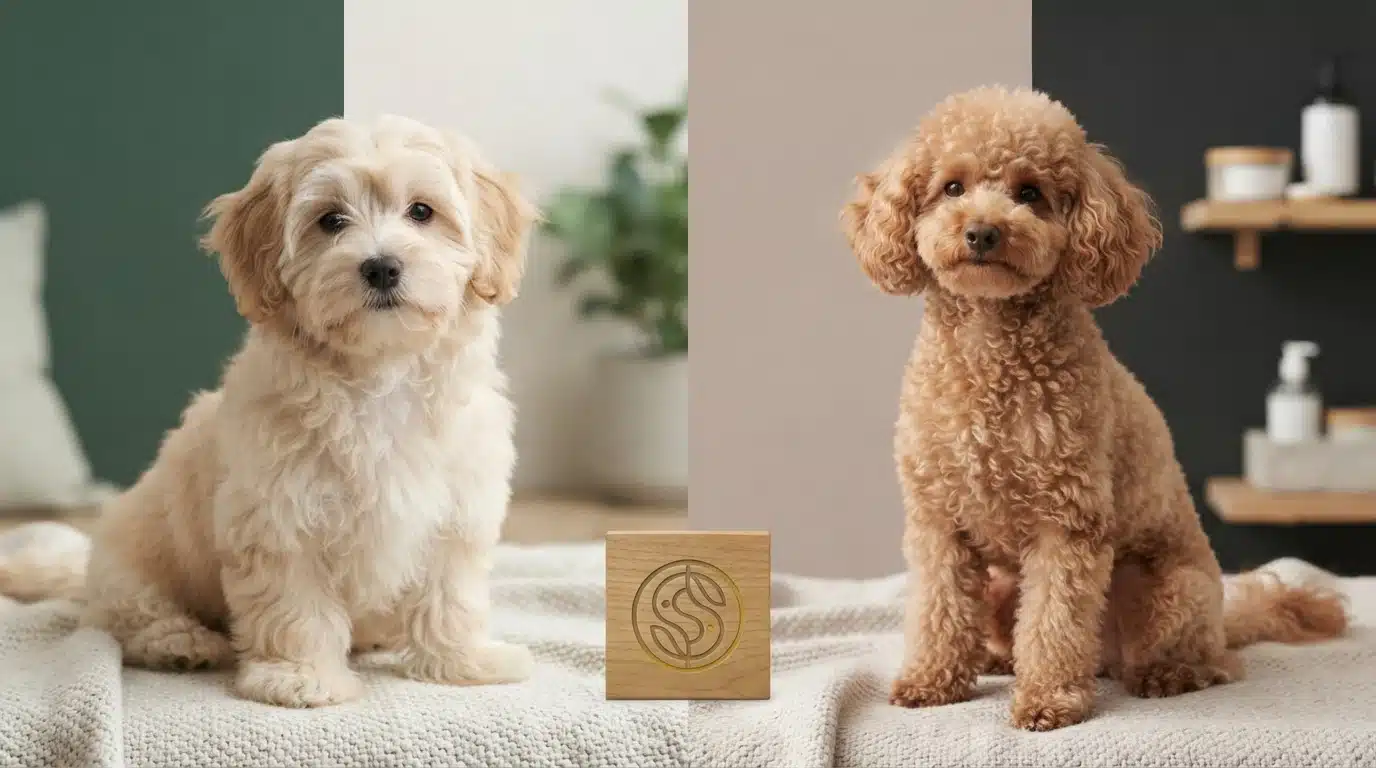
A Havapoo combines Havanese and Poodle ancestry. Many are engaging companions, but size, coat, confidence, and activity can differ within a litter. AKC’s Havanese guidance and the Havanese breed standard explain one parent breed; they do not prove that every Havapoo inherits the same traits.
Highlights
Havanese–Poodle companion mix
Often bright and engaged with people
Coat, size, and personality vary
May suit owners ready for training and grooming
Specs
Best for: Families wanting an engaged companion and comfortable with variation
Handling and supervision: Supervised introductions, gentle handling, and attention to comfort
Daily home needs: Walks or play, training, toilet routines, and company
Grooming commitment: Coat-dependent brushing, combing, and professional grooming
Pros
Many enjoy participating in household life
Reward-based training can support family routines
May suit city or suburban homes when daily needs are met
Cons
Parent sizes and family records inform estimates, not guarantees
Needs ongoing grooming, companionship, and training
Ask about the actual parents and how the puppy responds to everyday activity, gentle handling, and rest. An appealing mix name or teddy-bear appearance does not establish suitability for your children.
Shih Tzus are companion dogs that often enjoy affection and time with their people. The AKC Shih Tzu profile introduces the breed. Calm household routines and gentle interaction can help, but a puppy still needs training, play, supervision, and protected rest.
Highlights
Often affectionate and companion-focused
Can live in a smaller home with daily care and activity
May enjoy quieter time alongside play
Long coats require considerable maintenance
Specs
Best for: Families wanting close companionship and prepared for grooming
Handling and supervision: Gentle interaction, active supervision, and protected rest
Daily home needs: Walks or play, training, toilet routines, and care in warm weather
Grooming commitment: Frequent coat care; long coats generally need daily brushing
Pros
Many enjoy affectionate family interaction
A smaller companion to consider for indoor routines
Can adapt to different home types when needs are met
Discuss heat sensitivity and appropriate activity with your veterinarian
Consider a Shih Tzu according to your family’s handling skills, daily schedule, and grooming capacity. No child’s age alone guarantees readiness, and a companion reputation does not promise a calm or quiet puppy.
Honourable Mentions
These six additional options complete the list of 12. They are shorter starting points for research, not lower safety ratings. The same supervision and individual assessment apply.
Chihuahua – Tiny and often alert. Adults should manage lifting and protect the puppy from falls, chasing, and rough contact.
Yorkshire Terrier – Often affectionate and lively. Plan careful handling, training, activity, and regular coat care.
Pug – Often playful and affectionate. Discuss breathing, heat sensitivity, weight management, and suitable activity with a veterinarian.
Boston Terrier – Often sociable and lively. Small-home suitability still requires exercise, training, companionship, and supervised interaction.
Miniature Schnauzer – Often alert and engaged. Plan exercise, training, coat maintenance, and realistic expectations about barking.
French Bulldog – Often playful and companion-focused. Breathing and heat-related health needs deserve veterinary discussion; this is not a maintenance-free or exercise-free choice.
How to choose the right small breed puppy
Pick for your real life, not the cutest face. Consider what the adults can consistently provide and how your children interact with animals. Introductions to other pets also need adult management and separate spaces.
Match activity and company to your schedule. Discuss the puppy’s play, settling, and rest patterns. Plan walks or play, short reward-based training, toilet breaks, and daytime help when needed. Choosing a calmer breed cannot make long days alone effortless.
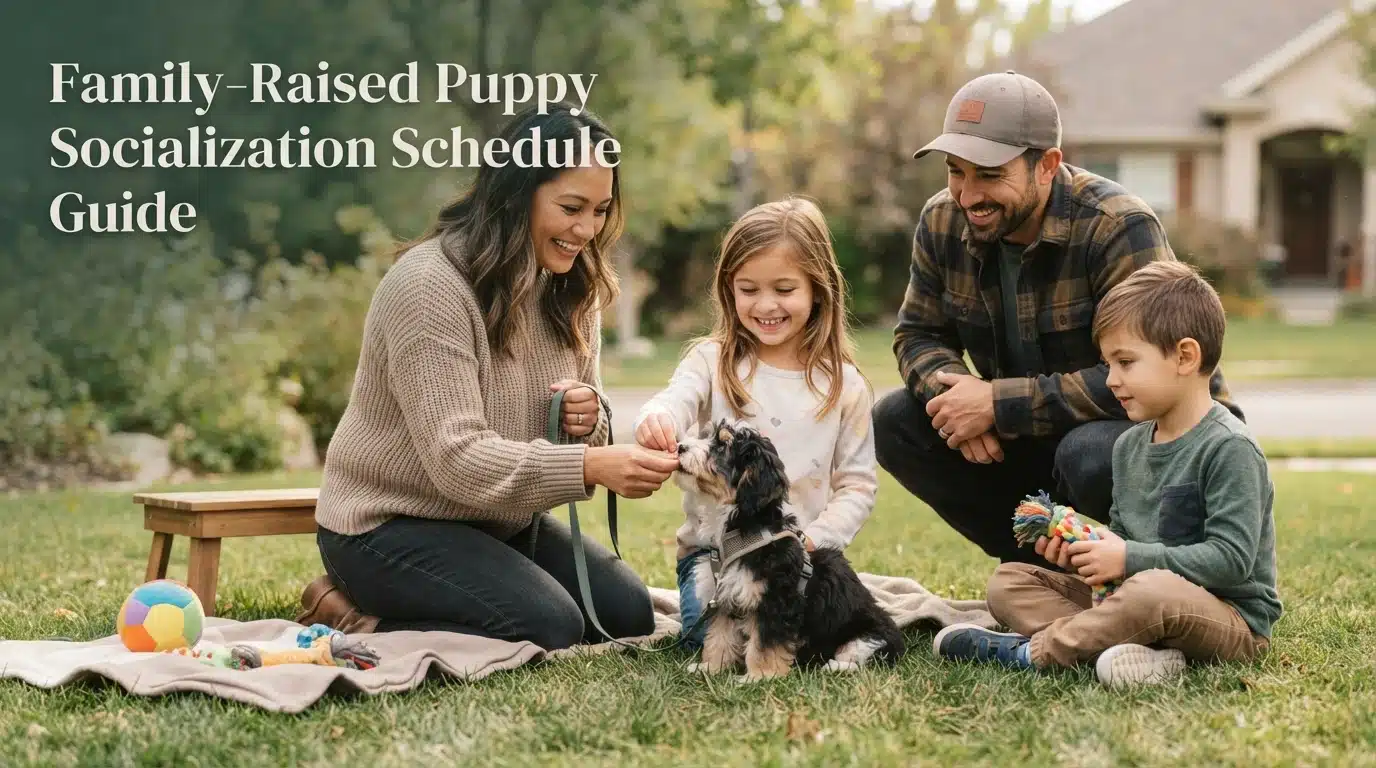
Plan safe handling and supervision. Assess whether children can follow boundaries rather than relying on a fixed age cutoff. Adults should manage lifting; avoid chasing, tight hugs, and face-to-face contact. Let the puppy move away, and use gates or separate rooms when supervision is unavailable.
Be honest about grooming. Budget time and money for the actual coat and trim. Longer or curlier coats may need daily brushing and combing as well as professional grooming. Low shedding does not guarantee allergy compatibility; consult an allergist if allergies affect your decision.
Ask specific health questions. Request records for the actual parents and puppy. Parent screening, puppy veterinary examinations, and contractual health terms answer different questions. Sage’s Health Testing page explains its approach; ask which evaluations apply to the pairing you are considering.
Understand early development and matching. Ask about parent temperament and documented observations of the puppy around people, gentle handling, play, sounds, and rest. Sage Puppies describes these foundations on its Early Development page. Families must continue training and socialization after placement; early foundations do not certify a puppy as child-safe.
Prepare quiet spaces and respectful introductions. Provide a resting area children cannot enter, and keep meals and naps undisturbed. Introduce family members calmly without forcing contact or testing tolerance. In apartments, plan barking management, exercise, toilet access, and comfortable separation—not just floor space.
Sage Puppies homepage screenshot. Use the linked pages for current program information and puppy availability.
If you are considering Havanese, Havapoo, or Cavapoo, Sage Puppies in South Jordan, Utah can discuss your household’s needs. Check current puppy availability, then share your family’s needs in the puppy application, including children’s ages, handling experience, daily routine, other pets, and preferences. Discuss the individual puppy’s fit before reserving.
Frequently Asked Questions
Q1: What are the best small breed puppies for families with kids?
There is no universally best or safest breed. Havanese, Cavapoos, Havapoos, Bichons, and Cavaliers may appeal to families seeking companionship, but assess the actual puppy and the adults’ capacity for care. Breed reputation and early socialization do not replace supervision or respectful handling.
Q2: Which small dog breeds are most suitable for city apartments in the US?
Several options in this guide can live in apartments when their needs are met. Consider toilet access, walks or play, training, grooming, barking, and company. A small dog is not automatically quiet, low-energy, or comfortable alone, and housing rules may affect your choice.
Q3: What small breed puppies pair well with active families in the US?
Match the individual dog’s activity needs and health to your family’s plans. A playful puppy still needs rest, gentle handling, and age-appropriate exercise. Ask your veterinarian about safe outings and activity; do not expect a young puppy to keep up with long hikes or nonstop children’s play.
Q4: How do I choose a small puppy from a responsible breeder?
Ask for parent temperament and health-screening information, puppy veterinary records, documented early-development practices, and clear written terms. Ask how the puppy responds to gentle everyday interaction and what continuing care it needs. A brief visit or breed label cannot establish future behavior, and a crossbreed is not automatically protected from inherited disease.