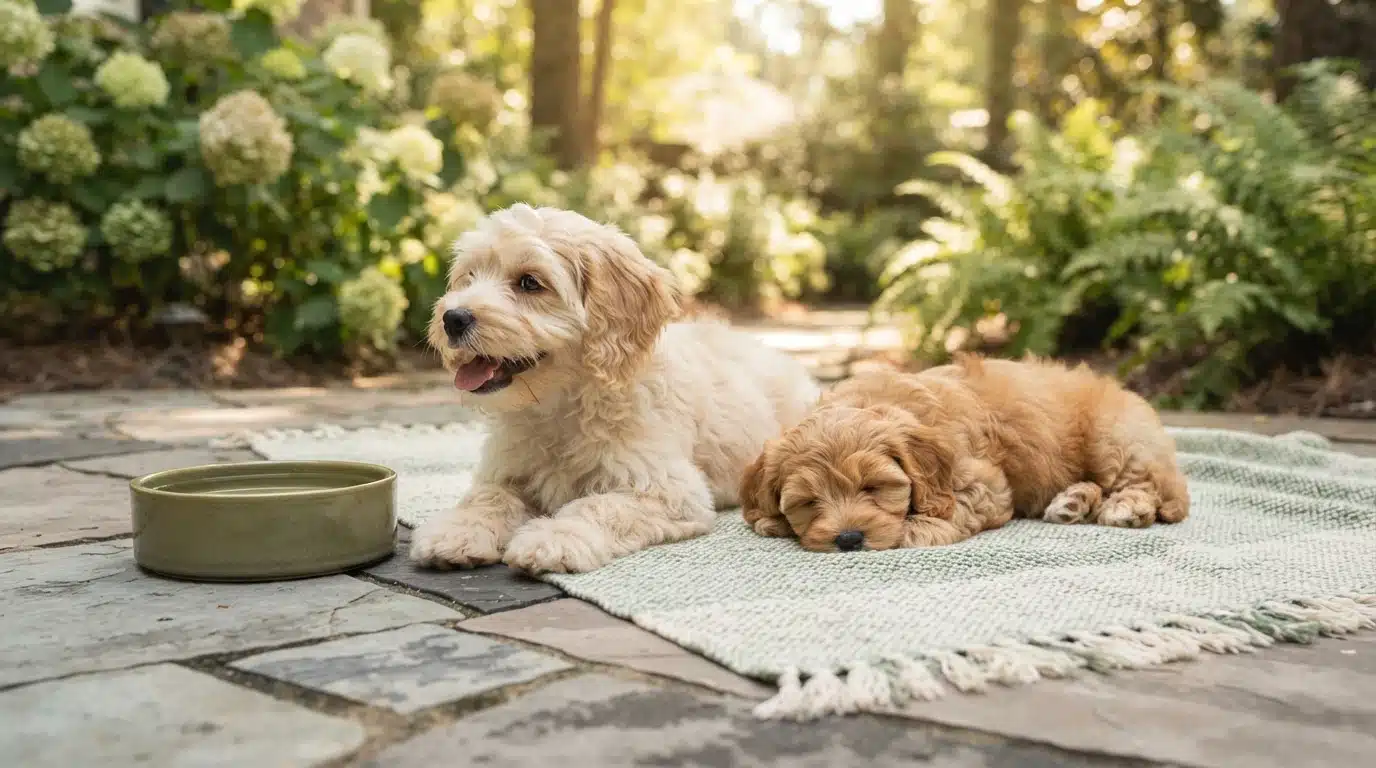
Quick Summary: Havanese dogs are friendly and adaptable but require consistent grooming, training, and socialization. First-time owners should set up a safe home environment, establish routines, and start early house and crate training. Regular grooming, vet visits, and positive reinforcement help keep them healthy and well-behaved.
That fluffy 8-week-old pup is easy to love. The real question is what Havanese Dog Care looks like once brushing, potty accidents, feeding, and first vet visits start on day one. Many first-time owners feel stuck between cute breed photos and real daily work.
This guide fixes that. You will get clear Havanese Puppy Tips, a practical Havanese Training Guide, and simple steps for grooming, health, feeding, and home setup. Good Havanese Dog Care is not hard, but it does need a plan. This article pulls the key parts of Havanese Dog Care into one place, with advice shaped for U.S. first-time owners and families.
Understanding the Havanese Temperament and Care Needs
What Makes the Breed Easy for First-Time Owners
Havanese are one of the easier toy breeds for new owners because they are friendly, bright, and eager to be close to their people. The AKC notes they are cheerful, social dogs that usually adapt well to city or suburban homes. They also need only moderate exercise, so short walks and indoor play often do the job.
- They usually learn well with praise and treats
- They tend to fit family routines fast
- They are small, sturdy, and easy to manage physically
A Havanese wants companionship more than hard exercise.
What New Owners Often Underestimate
The easygoing side can fool people. Havanese still need daily grooming, steady training, and lots of human time. The AKC breed standard describes them as friendly, playful, alert and intelligent, which means they notice everything and can form clingy habits if you never teach independence.
- Coat care can become a daily job
- They may bark to alert you
- They do not do well alone for long hours
- Potty training may take patience
If you want a low-effort dog, the Havanese is not it. If you want a people-focused companion, it is a strong fit.
Also Read: Cavapoo vs Havapoo vs Havanese: Which Small Breed Is Best?
Setting Up Your Home for the First 90 Days
Puppy-Proofing and Safe Zones
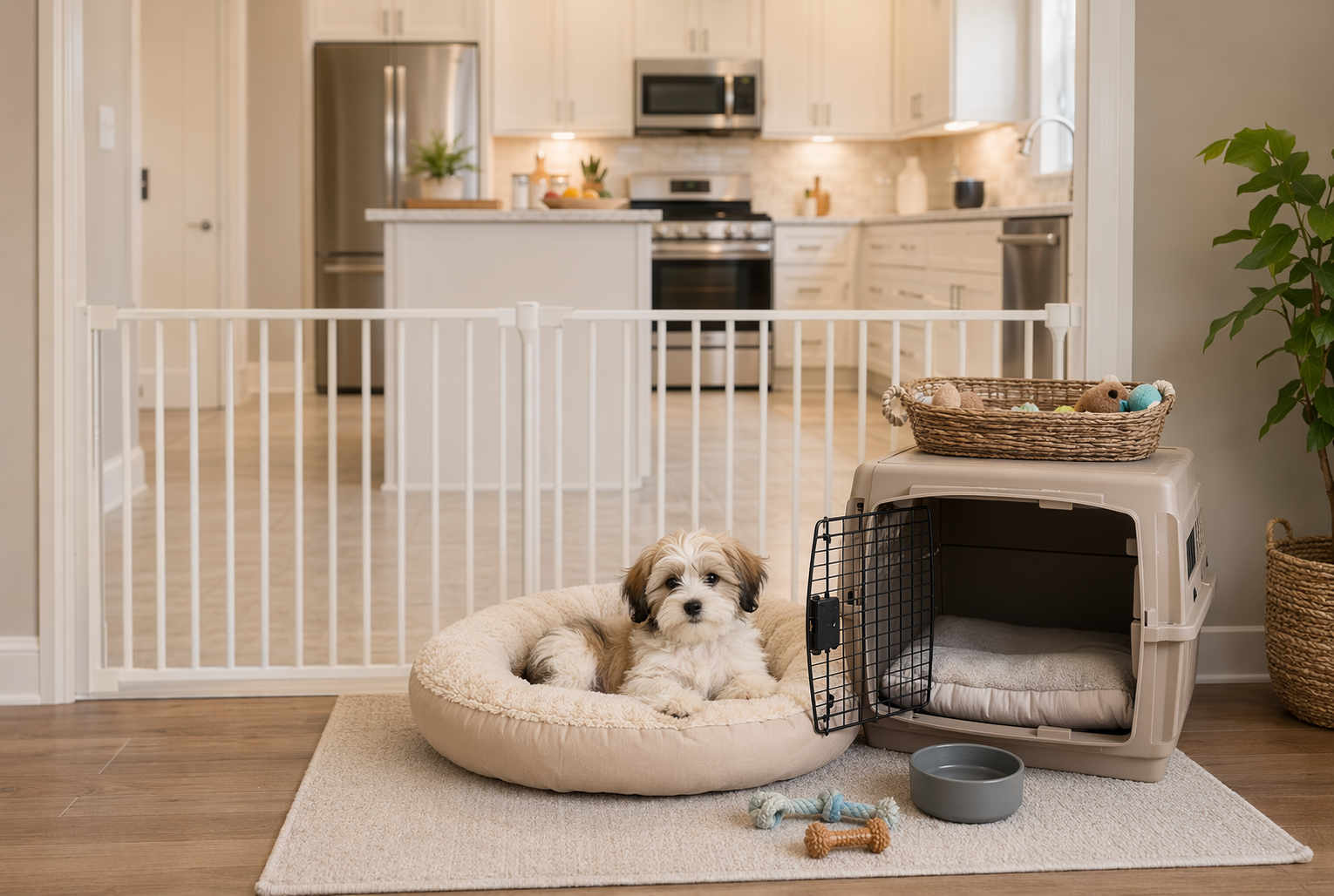
Start small. Your Havanese does not need full access to the house on day one. The AKC recommends limiting a new puppy to one area first, then opening more rooms slowly as they settle in first-day puppy guidance.
- Block stairs and off-limit rooms with baby gates
- Hide cords, shoes, kids’ toys, meds, and cleaning supplies
- Remove small chewable items and risky plants
- Set up one safe zone with a crate, bed, water, and chew toys
A small breed can slip into tight spaces fast, so check under couches, recliners, and beds.
The First 48 Hours at Home
Keep the house calm and boring at first. Skip visitors, loud play, and long outings. AKC says puppies adjust better when you stay home, limit access, and start the potty spot and house rules right away AKC first day tips.
- Take your puppy to the same potty area as soon as you arrive.
- Offer water, a light meal, and a quiet nap.
- Introduce family one at a time.
- Put the crate near your bed at night.
If your puppy cries, comfort them quietly, then keep the routine the same.
Building a Predictable Routine
Havanese do best with structure because they bond hard and notice every change.
| Time block | What to do | Why it helps |
|---|---|---|
| Morning | Potty, meal, short play | Starts house training |
| Midday | Potty, nap, chew toy | Prevents overtired biting |
| Evening | Meal, play, potty | Burns energy calmly |
- Take potty trips after sleep, meals, play, and training
- Keep feeding times consistent
- Use short, upbeat training sessions
Sage Puppies families usually do best when they keep the breeder’s food and early schedule for the first week, then change slowly if needed.
Feeding, Growth, and Daily Health Basics
Feeding a Small-Breed Puppy
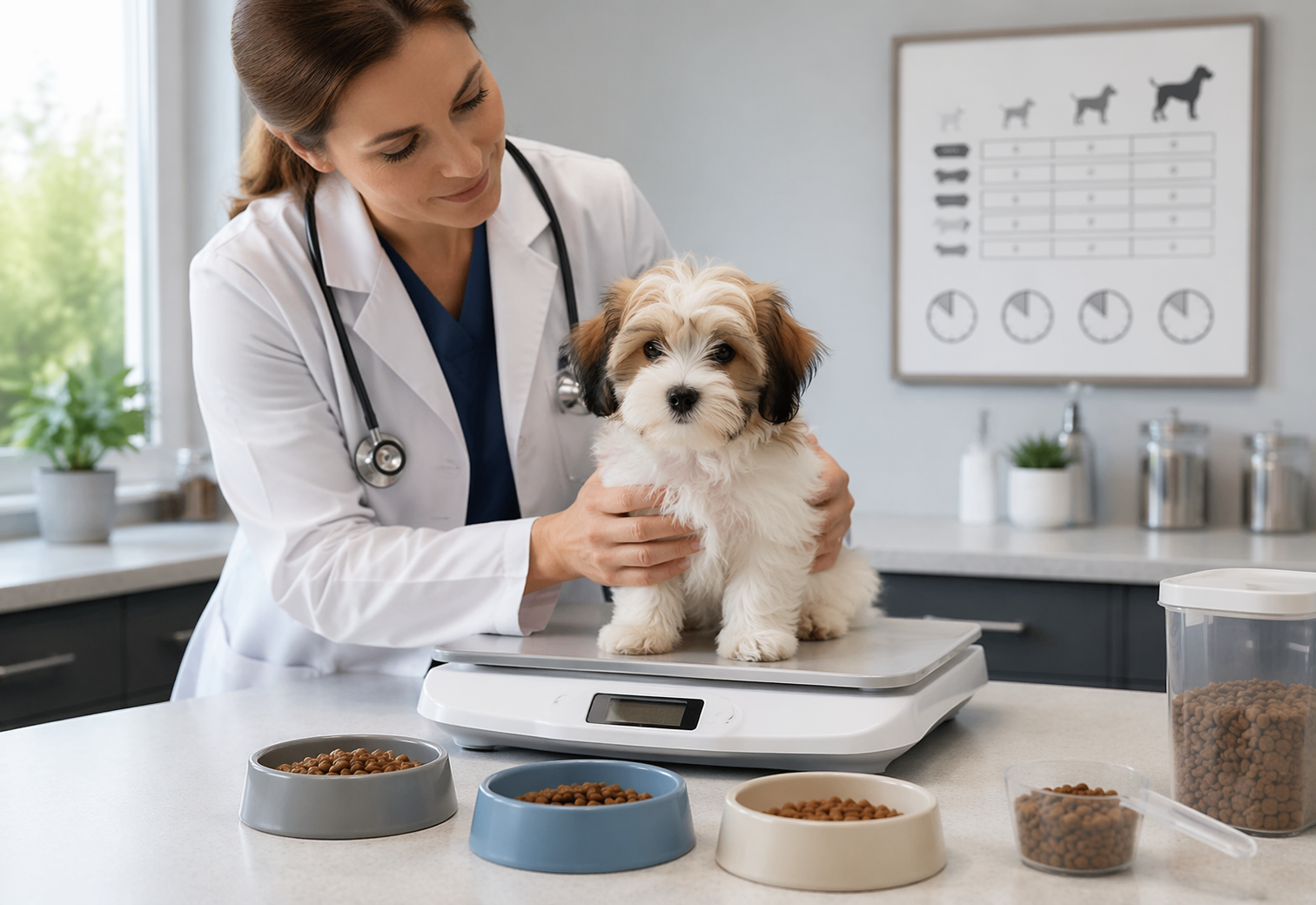
Feed your Havanese puppy a small-breed puppy food with an AAFCO statement, not adult food. Small puppies need more frequent meals, and Merck’s puppy care guide notes this basic schedule: 4 meals daily at 6 to 12 weeks, 3 meals at 3 to 6 months, and 2 meals at 6 to 12 months.
- Measure each meal
- Keep treats under 10% of daily calories
- Watch body shape, not begging
- Ask your vet before adding supplements
A Havanese puppy that acts weak, shaky, or suddenly sleepy may be dealing with low blood sugar. Call your vet fast.
First Vet Visits and Preventive Care
Book your first vet visit within a few days of bringing your puppy home. Merck’s preventive care guide says puppies usually need exams every few weeks until about 20 weeks old.
Your vet will usually cover:
- Vaccine timing
- Fecal checks and deworming
- Flea, tick, and heartworm prevention
- Weight tracking
- Microchip and dental basics
| Visit focus | Why it matters |
|---|---|
| Vaccines | Lowers risk of serious disease |
| Parasite control | Protects gut health and growth |
| Weight checks | Catches overfeeding early |
| Dental checks | Small breeds often get dental trouble |
Breed-Specific Health Watchouts
Havanese are often healthy, but smart owners watch for a few repeat issues. The Havanese Club of America health guide highlights patellas, eyes, hips, and heart concerns in breed health screening.
Watch for:
- Skipping or bunny-hopping while running
- Tear staining with squinting
- Exercise intolerance
- Bad breath or crowded teeth
- Limping in a young puppy
Ask your breeder for parent health testing records. That matters more than promises.
Grooming the Silky Havanese Coat Without the Stress
A Havanese coat stays soft and pretty if you keep mats from starting. The goal is short, calm sessions that your dog can handle.
Daily Brushing and Coat Handling
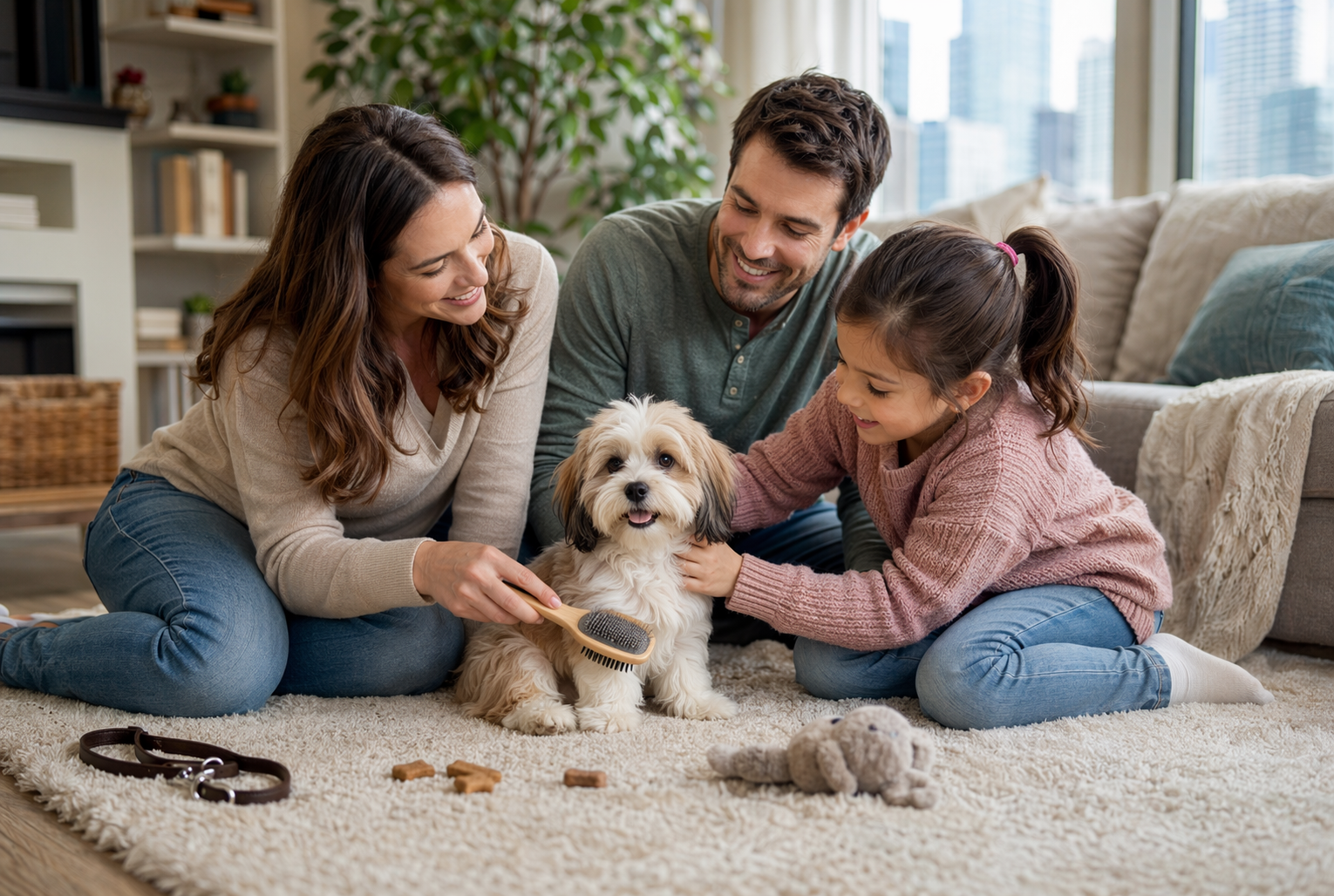
Brush a Havanese every day or close to it. Long, silky coats tangle fast, especially behind the ears, under the legs, and around the collar. VCA notes that long, silky coats often need daily brushing, and the AKC says regular brushing helps prevent mats and remove debris.
- Use a pin brush, metal comb, and detangling spray
- Brush in small layers down to the skin
- Stop if you hit a mat and tease it apart gently
- Reward after each body area
Never rip through knots. That is what makes grooming stressful.
Bathing, Drying, and Professional Grooming
Bathe only when your Havanese feels dirty or starts to smell. Too many baths can dry the coat. Brush before the bath so tangles do not tighten. Use dog shampoo, towel dry well, then blow dry on low while brushing sections straight.
A full groom every 4 to 8 weeks helps keep the coat easy to manage.
- Ask for a puppy cut if daily coat work feels like too much
- Choose a groomer used to toy breeds
- Keep early visits short and positive
Eyes, Ears, Teeth, and Nails
Face care matters as much as coat care. Wipe eye corners daily with a soft damp cloth. Clean only the outer ear flap unless your vet tells you more. Trim nails before they click on the floor.
Small breeds also need steady dental care. The AVMA advises yearly dental checks, and daily brushing is the best home habit.
- Brush teeth with dog toothpaste
- Check ears weekly for smell or redness
- Trim nails every 2 to 4 weeks
Also Read: 7 Best Small Breed Puppies for Apartment Living in 2026
Training, Socialization, and Behavior
House Training and Crate Training
Havanese are smart, but house training can still test your patience. Their small size means they need more bathroom trips, and they do best with a tight routine. The AKC notes that Havanese respond best to positive training methods and need early training and socialization according to AKC.
Use this simple plan:
- Take your puppy out after sleep, meals, play, and every 2 to 3 hours.
- Reward outdoor potty trips right away.
- Use a crate for short rest periods and overnight.
Keep the crate calm, cozy, and never use it for punishment.
Early Socialization That Builds Confidence
The breed standard describes the Havanese as friendly, playful, alert, and intelligent, not shy or sharp in the AKC standard. That means your goal is not to force friendliness. It is to build steady confidence.
Focus on short, positive exposure to:
- New people
- Gentle dogs
- Kids, sounds, and car rides
- Grooming, vet handling, and being alone for brief moments
Let your puppy watch first, then engage. If your Havanese clings or hides, create more space and lower the pressure.
One good exposure beats five stressful ones.
Preventing Barking, Clinginess, and Separation Anxiety
Havanese love people, so clingy behavior can show up fast. The AKC says separation anxiety often looks like pacing, whining, barking, house-soiling, or destructive chewing when left alone in this AKC guide.
To prevent it:
- Practice short absences every day
- Ignore dramatic greetings and exits
- Give a chew or food toy before you leave
- Teach your puppy to settle on a bed, not always in your lap
If your puppy panics in the crate, do not force longer crate time. Slow down and rebuild comfort first.
Common Mistakes First-Time Havanese Owners Should Avoid
Skipping Daily Coat Care
Skipping coat care is one of the fastest ways to create painful mats. The AKC notes Havanese coats need regular brushing, and the Havanese Club of America says puppies should be brushed and combed about three times per week, often more during coat change according to AKC and the Havanese Club of America.
Do not wait until the coat mats. Dematting is uncomfortable and avoidable.
- Brush behind ears, legs, chest, and tail base
- Keep a simple grooming schedule
- Start handling early so grooming feels normal
Allowing Too Much Freedom Too Soon
Too much freedom can slow house training and build bad habits fast. Havanese are social and sensitive, so they do best with structure, short alone-time practice, and close supervision.
- Use crates, pens, or small safe spaces
- Limit room access at first
- Reward calm behavior and potty success
- Build independence in short steps
If you give full-house access too early, expect accidents, chewing, and clingy behavior.

Ready to bring home a well-started Havanese? Sage Puppies helps first-time owners with health-tested parents, early socialization, and a clear, family-first adoption process.
Frequently Asked Questions
Q1: What are the essential health considerations for first-time Havanese owners in the US?
Watch for patella, eye, dental, and heart issues. Pick a breeder with health-tested parents, keep up with vet visits, vaccines, parasite control, and daily tooth brushing.
Q2: How can I effectively train my Havanese puppy for good behavior and socialization in the US?
Use short, reward-based sessions. Start crate training, housebreaking, and gentle socialization early. Expose your puppy to kids, sounds, visitors, and car rides without overwhelming them.
Q3: What grooming routine is recommended for maintaining a Havanese’s silky coat in American households?
Brush at least three to four times weekly, or daily for a long coat. Bathe every few weeks, clean tear stains, trim nails, and keep hair mats from forming behind ears.
Q4: Is a Havanese a good fit for apartment living and families?
Yes. Havanese do well in apartments if they get daily walks, play, and attention. They usually fit family life well because they are small, social, and people-focused.
Conclusion
A Havanese fits many homes because the breed is friendly, playful, and smart, according to the AKC breed profile. The big wins are simple: train early, brush often, watch teeth and joints, and stay close to your dog. Breed club health data suggests a natural lifespan of about 15 years in many Havanese, based on Havanese Club of America surveys.