
Quick Summary: Small breeds like Havanese and Cavapoos require careful management to thrive in Mississippi’s heat and humidity. Owners should prioritize early morning walks, consistent indoor cooling, and daily grooming to prevent overheating. Sage Puppies emphasizes these climate-specific routines to ensure their puppies remain safe and healthy throughout the Gulf Coast summer.
Bringing a puppy home to Mississippi means more than adding a family member. It means building a partnership that calls for real adjustments, especially for small companion breeds like Havanese, Havapoo and Cavapoo. Heat and humidity shape everything: when you walk, how you hydrate, even how you groom.
Families searching for puppies Mississippi near me often worry about one thing first: can a delicate small breed thrive in a Gulf Coast summer? The answer is yes, with planning. This guide covers cooling routines, safe exercise windows, coat care and early training suited to southern conditions.
At Sage Puppies, we breed these breeds with careful health screening and place them with families nationwide, including many across the South. Read on, then browse our available puppies and start your application when you feel ready.
Understanding Small Breed Sensitivity to Mississippi Heat
Small breeds handle Southern summers differently than large dogs, and Mississippi’s climate tests that difference daily. Families searching for puppies Mississippi near me often fall in love with a breed’s face first, then learn how that same anatomy affects cooling.
The Physiology of Small Breeds
Dogs cool themselves mainly by panting, because they sweat very little. Small bodies also have less surface area relative to their weight, so they gain heat faster and shed it slower. Breeds with flat or short muzzles, such as bulldogs and pugs, struggle most, and research shows brachycephalic dogs are over-represented in heatstroke cases according to a published veterinary review. Puppies add another layer of risk: they pant less efficiently than adults and dehydrate quickly. Havanese and their mixes carry a silky double coat, which insulates against cold but holds heat when humidity climbs.
Managing Humidity Levels
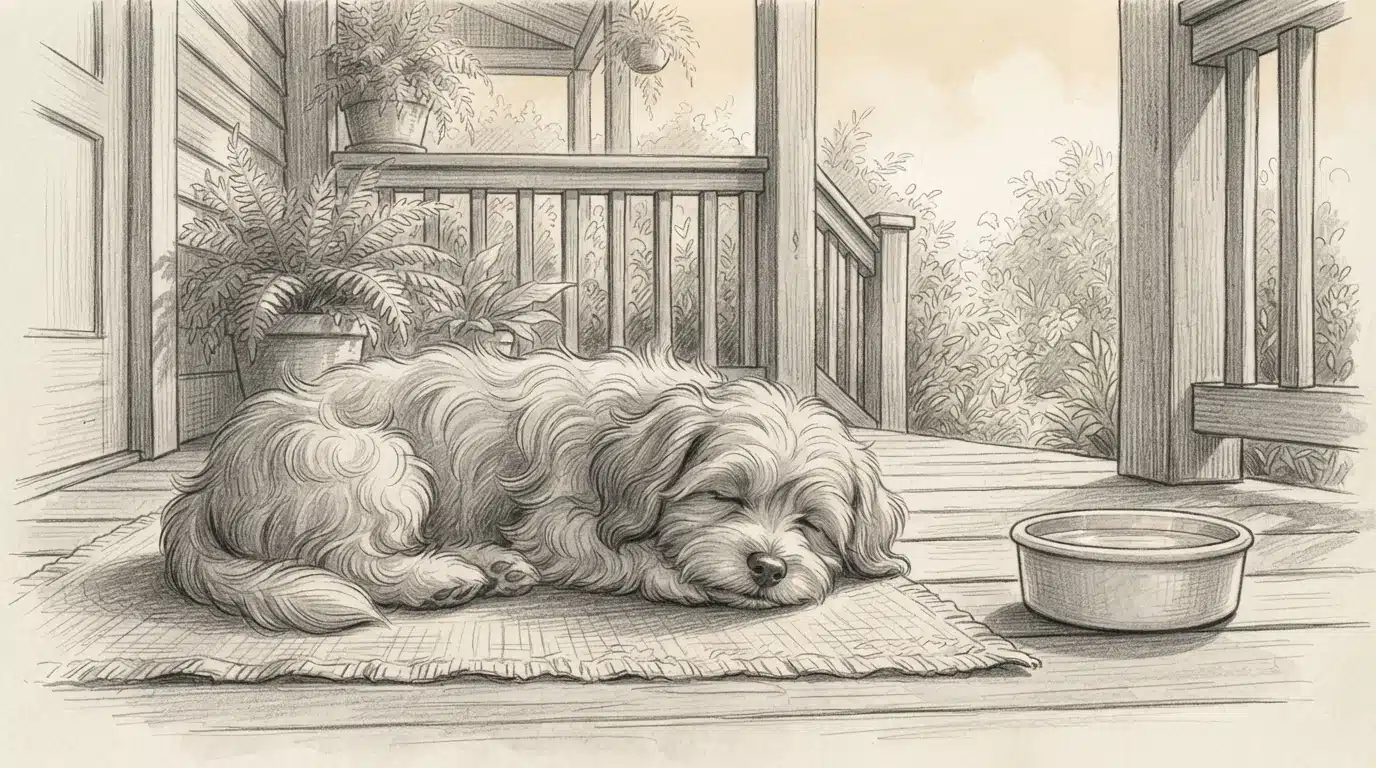
Humidity matters as much as temperature. When the air is already heavy with moisture, panting releases less heat, so an 85-degree Gulf Coast afternoon can stress a small dog more than a dry 95. Plan walks before 9 a.m. or after sunset, keep cool water available, and watch for heavy panting, drooling, or wobbliness. Signs of heatstroke warrant immediate veterinary care, and our seasonal safety guide covers routines in depth.
Step 1: Preparing Your Home Environment for a New Arrival
Before your Havanese, Havapoo, or Cavapoo steps through the door, set the house up for Mississippi’s heat. Small breeds feel temperature swings faster than larger dogs, so a little planning in week one prevents stress later. Families searching for puppies Mississippi near me often focus on picking the right puppy, but the home setup matters just as much. For a full walkthrough of first-week routines, our guide to preparing your home for a puppy covers the basics you can adapt to a warmer climate.
Optimizing Indoor Climate Control
Your air conditioner becomes your puppy’s best friend from June through September. Keep the thermostat between 72 and 78 degrees, and resist the urge to raise it while you’re at work; a small puppy cannot cool itself well. Place the crate away from sunny windows and outside the kitchen, where appliances add warmth. A fan helps air move, but never point it directly at a sleeping puppy. Check the room in the afternoon, when a south-facing wall can hold heat long after the sun shifts. If you leave during the day, ask a neighbor to peek in, or use a smart thermostat alert so you know the temperature stays steady.
Designing the Cooling Sanctuary
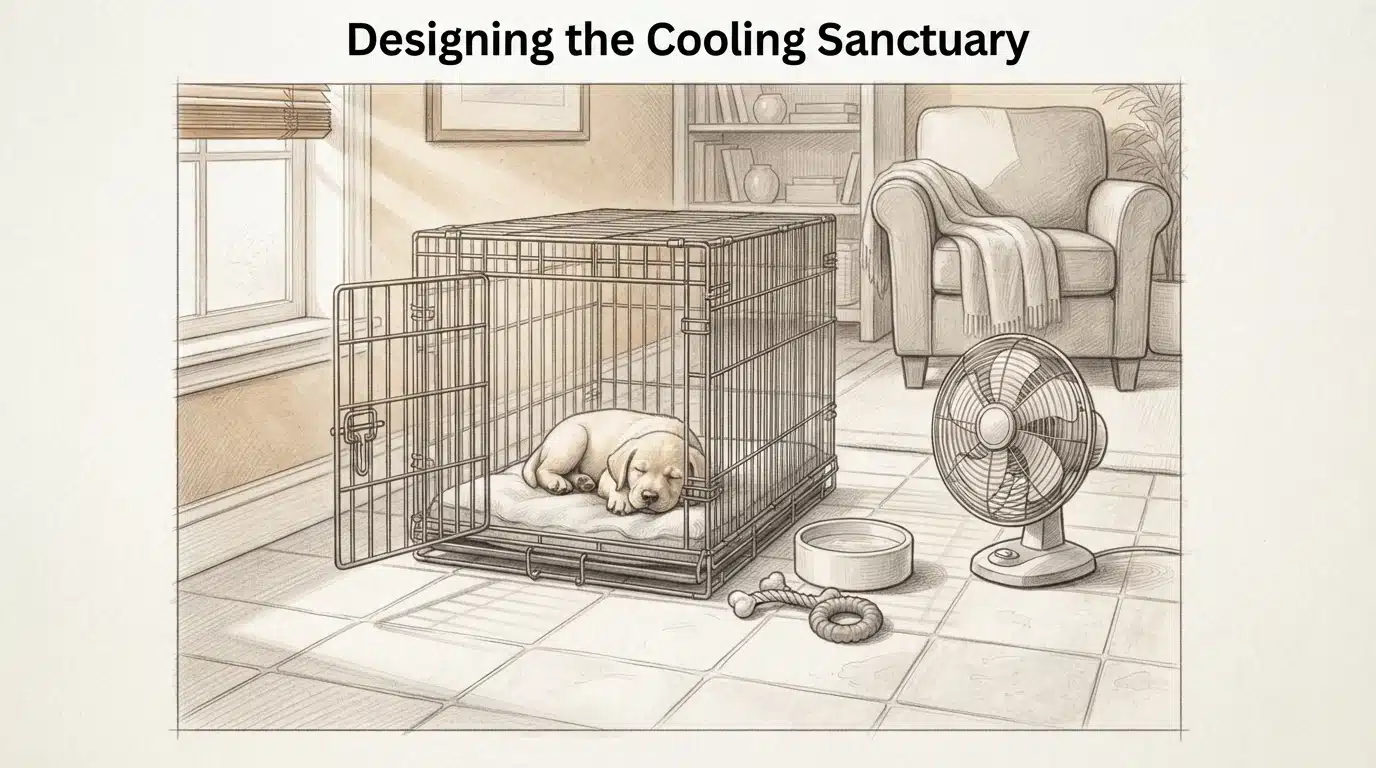
Every puppy needs one cool, quiet spot that stays comfortable all day. Choose tile or hardwood flooring, since it holds less heat than carpet. Add a breathable mat, a bowl of fresh water, and a few safe chew toys. Keep this zone consistent so your puppy learns where to settle when the house feels warm.
Step 2: Safe Outdoor Routines During High-Heat Seasons
Mississippi summers do not reward a set schedule. Humidity changes how hot a day actually feels, and puppies cool themselves poorly compared with adult dogs. Instead of fixed rules, watch your puppy and the conditions each time you go out.
The Golden Hours for Exercise
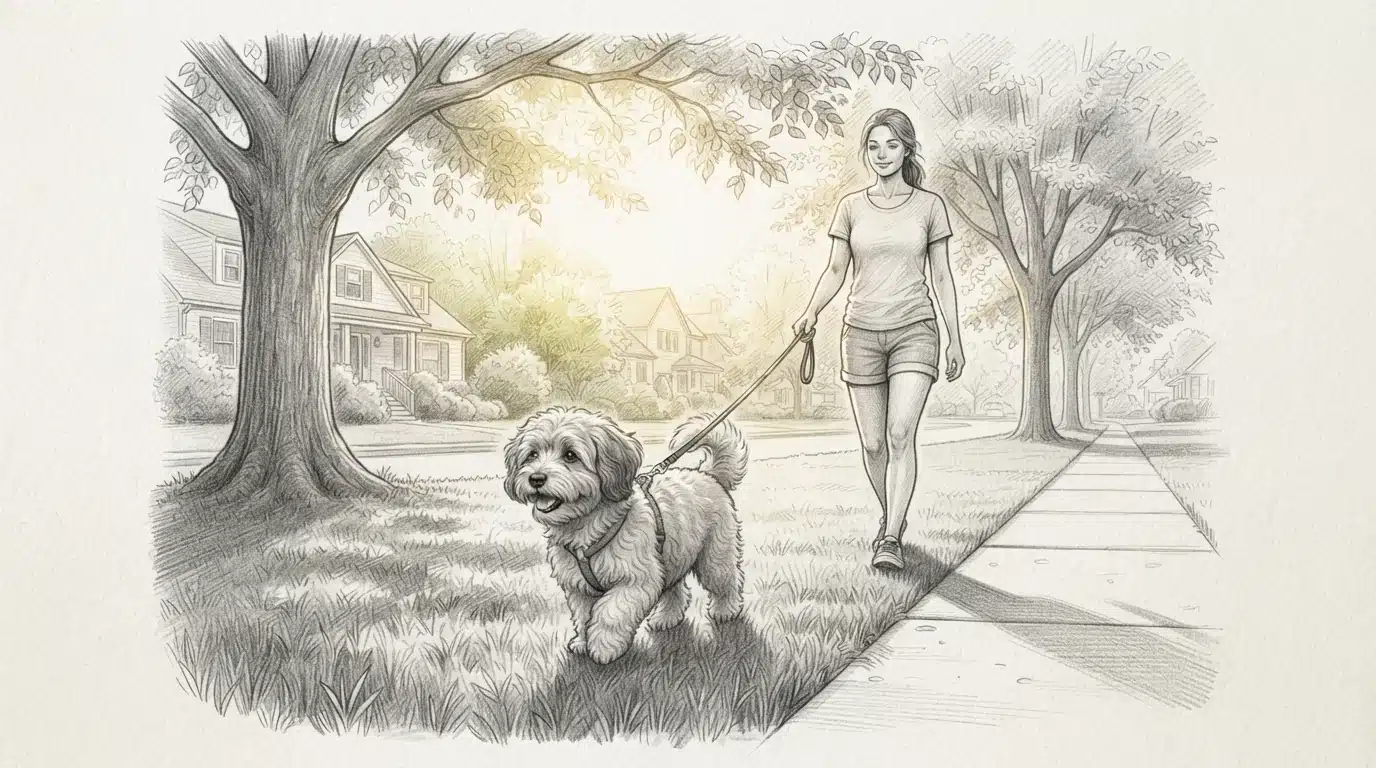
Plan outdoor time for early morning or after sunset. Before 9 a.m., pavement has cooled overnight and the air usually sits at its lowest heat and humidity of the day. Evening works too, but only once the sun is down and surfaces have had time to release the day’s warmth.
Short sessions beat long ones. Ten to fifteen minutes of gentle play or leash practice, repeated a few times a day, builds skills without taxing a young body. Bring water on every outing and offer it often, and stop the moment your puppy slows down, pants hard, or hunts for shade. Flat-faced and thick-coated pups need even more caution. If midday potty breaks fall during a heat advisory, keep them brief and stick to shaded grass. Our puppy weather safety guide covers warning signs in more depth.
Surface Awareness for Paws
Asphalt in direct sun can burn paw pads quickly, so test any surface before your puppy steps on it. Press the back of your hand or your bare forearm against the pavement for seven seconds. If you cannot hold it there comfortably, it is too hot for little paws.
Grass, dirt paths, and shaded mulch stay far cooler than blacktop, driveways, and metal surfaces. Choose routes that keep your puppy off pavement entirely, and check pads after every walk for redness, limping, or licking at the feet. Booties can help, but most puppies do better simply avoiding hot ground. When in doubt, carry your puppy across the driveway to the grass.
Hydration Strategies for Active Puppies
Small breeds like a Havanese or Cavapoo lose water fast in Mississippi heat. Keep fresh water with you on every walk, offer it every 15 to 20 minutes during play, and plan outings for early morning or evening.
Encouraging Water Consumption
Some puppies are picky drinkers, especially somewhere new. A few simple tricks help. Add a splash of cool water or low-sodium broth to food. Carry a collapsible bowl so water is always available, because many puppies will not drink from a strange cup. Some dogs prefer moving water, so a pet fountain can help at home. Keep bowls clean and filled, and place one in every room where your puppy plays. Ice cubes work as a treat on hot days, but give them in small amounts to avoid stomach upset. Praise your puppy when it drinks, and stop play for a water break before you see heavy panting.
Recognizing Dehydration Early
Catching dehydration early keeps a hot day from turning into an emergency. Gently lift the skin between your puppy’s shoulder blades. A hydrated puppy’s skin snaps right back; if it settles slowly, your puppy needs water and rest, per PetMD’s dehydration guide. Check the gums too. Healthy gums feel moist and pink, while sticky or dry gums are a warning sign. Watch for sunken eyes, dry nose, low energy, and less urination. Offer small sips, move to shade, and call your vet if symptoms last more than a few minutes.
Grooming Maintenance for Southern Climates
The Role of Coat Maintenance in Cooling
A Havanese, Havapoo, or Cavapoo coat does not work like a double coat. There is no insulating undercoat to strip out. Instead, these silky single coats trap heat when mats form close to the skin, so grooming is genuinely a cooling tool in a Mississippi summer, not just a cosmetic one.
Matting is the main problem. Tangled fur holds moisture against the skin, which blocks airflow and creates warm, damp pockets where hot spots and skin infections start. In Gulf Coast humidity, a matted coat can stay damp for hours after a romp through wet grass. Brushing down to the skin removes that trapped layer and lets air move freely.
A simple schedule keeps most coats summer-ready:
| Task | Frequency | Why It Helps |
|---|---|---|
| Line brushing (section by section, down to skin) | Daily in summer | Prevents mats that trap heat and moisture |
| Comb check behind ears, armpits, collar line | Every brushing | Finds tangles in high-friction spots first |
| Trimming the belly and paw pads | Every 4-6 weeks | Helps dogs release heat through less-covered skin |
| Full bath with full blow-dry | Every 2-4 weeks | Removes coat-dulling residue; damp coats mat faster |
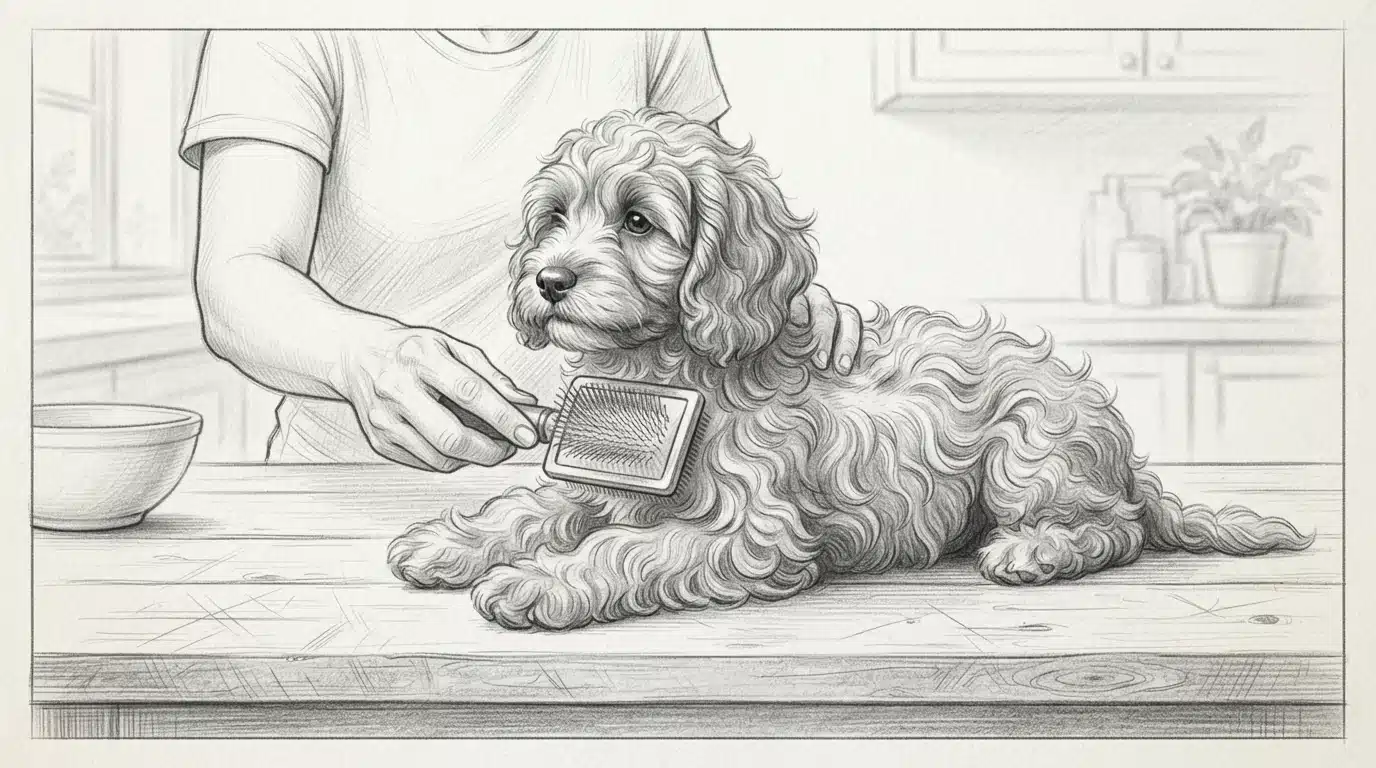
Shorter trims help, but a shave-down is rarely the answer. These breeds can sunburn on exposed skin, so many owners keep a one-to-two-inch “puppy cut” instead of clipping to the skin. Skip coats before they begin: start brushing routines early, ideally in puppyhood, so your dog accepts the table, the brush, and the dryer calmly.
If your family is still choosing a breed, see our available puppies and pricing and reservation details. When you are ready to begin, our puppy application is the best place to start.
When to Consult Your Veterinarian
Some heat symptoms need a call right away, not a wait-and-see approach. The AVMA lists anxiousness, excessive panting, drooling, restlessness, and unusual gum color as reasons to seek emergency care. In a young puppy, these signs can move fast, so trust your instincts and phone first.
Go to the vet immediately if you see:
- Collapse, wobbliness, or refusal to stand
- Panting that doesn’t slow down after rest in a cool room
- Vomiting or diarrhea on a hot day
- Gums that look bright red, pale, or bluish
- A rectal temperature of 104°F or higher
The Red Cross counts 104°F as a true emergency. While you arrange the visit, start cooling: move your puppy to shade, wet the belly and paws with cool (not icy) water, and offer small sips of water.
Call your regular vet, not just an urgent line, when symptoms are mild but lingering. A puppy who seems “off” after a hot afternoon may be mildly dehydrated, and a quick check prevents bigger problems. Cornell’s canine health center notes heatstroke is a medical emergency needing critical care, so never assume a puppy has “cooled off” once panting eases. Ask your vet for their after-hours number and keep it on the fridge before summer begins.
Common Mistakes to Avoid in Hot Climates
Mississippi heat punishes small mistakes fast, so it helps to know where new puppy families slip. These are the errors I see most often, and every one is easy to prevent.
Walking at the wrong time. Midday pavement can burn paw pads in minutes. Test it with the back of your hand; if you cannot hold it there for seven seconds, wait. Walk early morning or after sunset instead.
Treating heat like a human problem. Puppies cool by panting, not sweating, so they overheat quicker than you feel it. A Havanese or Cavapoo that seems “a little slow” may already be in trouble.
Leaving a puppy in a parked car. Even with windows cracked, cabin temperatures climb dangerously in minutes. Never risk it, not for a quick errand.
Skipping shade and water checks. Water left in the sun grows warm and unappealing, so puppies drink less. Refresh bowls often and keep a shaded retreat available in the yard.
Shaving double or curly coats. A proper coat insulates against heat. Brushing matters more than clipping.
Overdoing play in July and August. Short sessions, then rest indoors. Watch for heavy panting, thick drool, or wobbling, and cool the belly and paws with cool (not ice) water if you see them.
Call your vet immediately if your puppy seems confused, collapses, or stops panting normally. Heatstroke is an emergency, not a wait-and-see issue.
Build these habits early and your puppy settles into a safe summer routine. If you are still choosing a breeder, ask how litters are raised in warm weather; our available puppies page explains how we match families, and pricing and reservation covers next steps.
Finding Your Perfect Companion
The right puppy is less about breed hype and more about fit. Havanese suit families who want a velcro companion that thrives on attention. A Havapoo adds a wavier, lower-shedding coat for busy households. A Cavapoo brings a softer, gentler energy that settles well with young kids and calm routines.
Ask yourself three questions before you fall for a face. Who is home during the day? How much grooming can you honestly sustain? Do you want a playful shadow or a mellow lap dog?
Then work with a breeder who knows each litter as individuals. At Sage Puppies, Cassie Milar matches puppies to families through a hands-on application process rather than a first-come shelf. That matters more in Mississippi than anywhere, because heat and lifestyle will shape your daily routine together.
Browse current puppies and review pricing and reservations, then start your application to begin the match.

Planning for Mississippi heat starts before your puppy comes home. If a heat-smart, well-bred Havanese, Havapoo, or Cavapoo fits your family, start your application with Sage Puppies and let Cassie guide your match.
Frequently Asked Questions
Q1: What puppy care considerations matter in Mississippi’s hot climate?
Walk early or late, keep fresh water available, and watch for heavy panting. Limit outdoor play on humid days because puppies overheat fast.
Q2: Can small breeds like Havanese handle Mississippi summers?
Yes, with shade, air conditioning, and short outings. Their coats insulate them, so avoid midday heat entirely.
Q3: When can a puppy safely start walking outside?
After your vet confirms vaccination progress, usually a week or two past the final set.
Q4: How do I potty train during extreme heat?
Use the same shaded spot close to the door, and keep trips under five minutes.
Q5: Does heat affect bringing a puppy home?
Yes. Reputable breeders plan climate-safe travel, so discuss timing during your application.
Q6: What heat warning signs need a vet?
Excessive drooling, wobbliness, or vomiting. Move your puppy somewhere cool and call promptly.
Conclusion
Mississippi heat shapes almost every puppy decision in this guide. Shade, fresh water, short morning outings, and pavement checks keep a young Havanese, Havapoo, or Cavapoo safe from May through September. Indoors, cooldown mats, fans, and steady grooming routines matter just as much. Watch for heavy panting, drooling, or wobbly steps, and treat them as early warning signs. Puppies bred for family life adapt well to Southern summers, but only with a plan. Choose a breeder who screens parents honestly, then bring your pup home during the cooler months if you can. With a little foresight, your small-breed companion will thrive through every Gulf Coast season.





