
Quick Summary: Minnesota weather significantly impacts small breed puppies, requiring owners to adjust training and care routines based on the season. Sage Puppies specializes in Havanese, Havapoo, and Cavapoo breeds, offering guidance on how to manage these small companions through both harsh winters and humid summers. Choosing the right time for pickup and preparing your home environment ensures a smoother transition for your new pet.
Watching the first light snow dust the pines, you might picture a tiny, soft-coated companion trotting beside you on those chilly mornings. But timing matters. Most people searching for puppies for sale in Minnesota don’t realize how much season shapes availability, pricing, travel plans, and a small puppy’s first weeks home.
This guide walks through how each season changes your search, what to ask breeders before winter pickup, and why Havanese, Havapoo, and Cavapoo puppies suit Minnesota families so well. At Sage Puppies, we breed these three breeds exclusively, with a small program in Utah and safe delivery options for families nationwide. You can browse current litters on our available puppies page and review costs and reservations here. Whether you bring home a spring pup or plan winter delivery, a little seasonal planning makes those first mornings easier for everyone, especially the puppies for sale in Minnesota families bring home.
Understanding Climate Needs for Small Breed Puppies
Small breeds feel weather changes faster than big dogs. A Havanese or Cavapoo puppy loses body heat quickly in a Minnesota January and can overheat in a humid July. So when families browse puppies for sale in Minnesota, climate should shape the decision as much as size or coat color. The good news is that these companion breeds adapt well to any season, as long as your home and routine account for the extremes.
The Importance of Indoor Climate Control
Most of a small puppy’s climate comfort comes from indoors, not outdoors. Puppies under six months cannot regulate body temperature well, so drafts, cold floors, and hot rooms all matter more than you might expect.
Keep your puppy’s sleeping area between roughly 68 and 75 degrees. In winter, that means keeping the kennel off a cold basement floor and away from entry doors that let in bursts of frigid air. A washable bedding layer helps too, because a chilled puppy can burrow and warm up on its own.
In summer, use air conditioning on humid days and never leave a puppy in a parked car, even briefly. Minnesota summers can push past 90 degrees, and small dogs overheat in minutes. Plan potty breaks and play sessions for early morning or evening during heat waves, and keep fresh water available in every room the puppy uses.
Coat Types and Cold Tolerance
Coat type changes how much cold a puppy can handle. This is where Havanese, Havapoo, and Cavapoo differ from short-coated breeds, and it is worth understanding before you commit.
The Havanese has a silky double coat that insulates well in cool air, which is why the breed thrives in chilly climates with short outdoor sessions. A Havapoo’s wavy coat offers moderate insulation, so it handles crisp fall walks nicely but still needs a sweater below freezing. The Cavapoo sits in the same range, comfortable in snow for ten or fifteen minutes but not for a long winter hike.
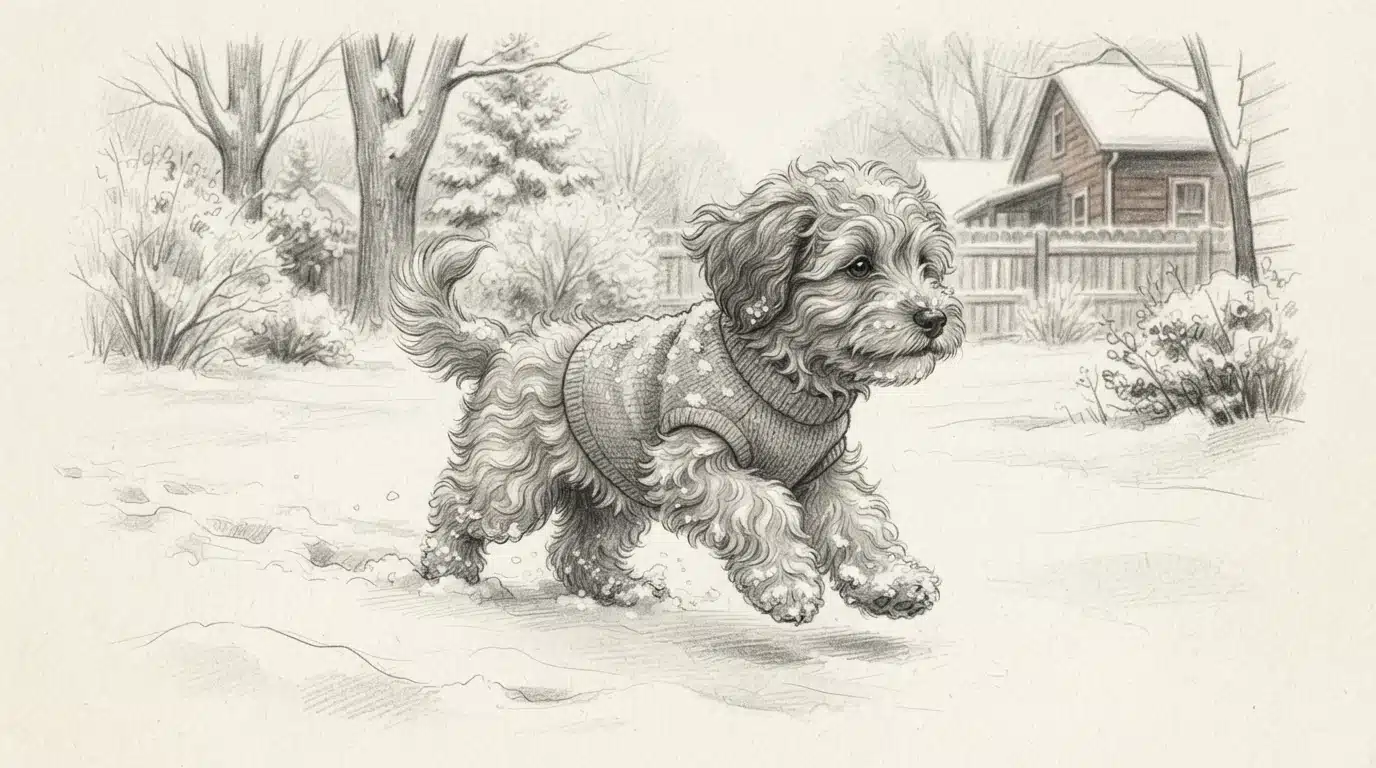
Watch for shivering, lifted paws, or a hunched posture. Those signals mean playtime is over and it is time to head back inside.
Coats need care in every season, since matted fur loses insulation and traps moisture. If grooming feels new to you, our small breed grooming basics page walks through what each coat type needs.
None of these breeds are built to live outdoors. They are house dogs bred for companionship, so treat Minnesota weather as a reason to plan indoor routines, not a reason to avoid the state. Families searching for puppies for sale in Minnesota do best with breeds like these, paired with realistic expectations about winter bathroom breaks and summer shade.
Spring and Summer: Ideal Windows for Early Training
Warm months make puppy training easier for both of you. A Havanese, Havapoo, or Cavapoo brought home in spring or early summer benefits from longer daylight, dry ground, and plenty of chances to practice new skills outside.
Advantages of House Training in Warm Weather
House training is the first big job, and warm weather gives it a real head start. Potty trips are quick and pleasant when the grass is dry and the sun is up. Puppies learn faster when they can go out often, so families with flexible summer schedules can offer a potty break every hour or two during early weeks. Consistency builds the habit before bad habits take hold.
There are practical sides too. Wet or snowy yards mean more cleanup, shorter trips, and puppies that hesitate at the door. In warm weather, your puppy wants to linger outside, sniff, and explore. That extra time teaches them where business belongs. You also avoid the mid-winter challenge of teaching a tiny dog to tolerate subzero Minnesota pavement, which is a genuine hurdle for small breeds with thin coats.
Socialization windows close early. The critical period for meeting people, dogs, and new places runs roughly three to fourteen weeks of age, according to guidance from the American Veterinary Society of Animal Behavior. A summer puppy can visit patios, parks, and neighborhood sidewalks safely, once your veterinarian clears early vaccinations.
A few cautions keep the season safe:
- Walk in early morning or evening when pavement cools
- Provide shade and fresh water during every outdoor session
- Watch for heat stress signs like heavy panting or lagging
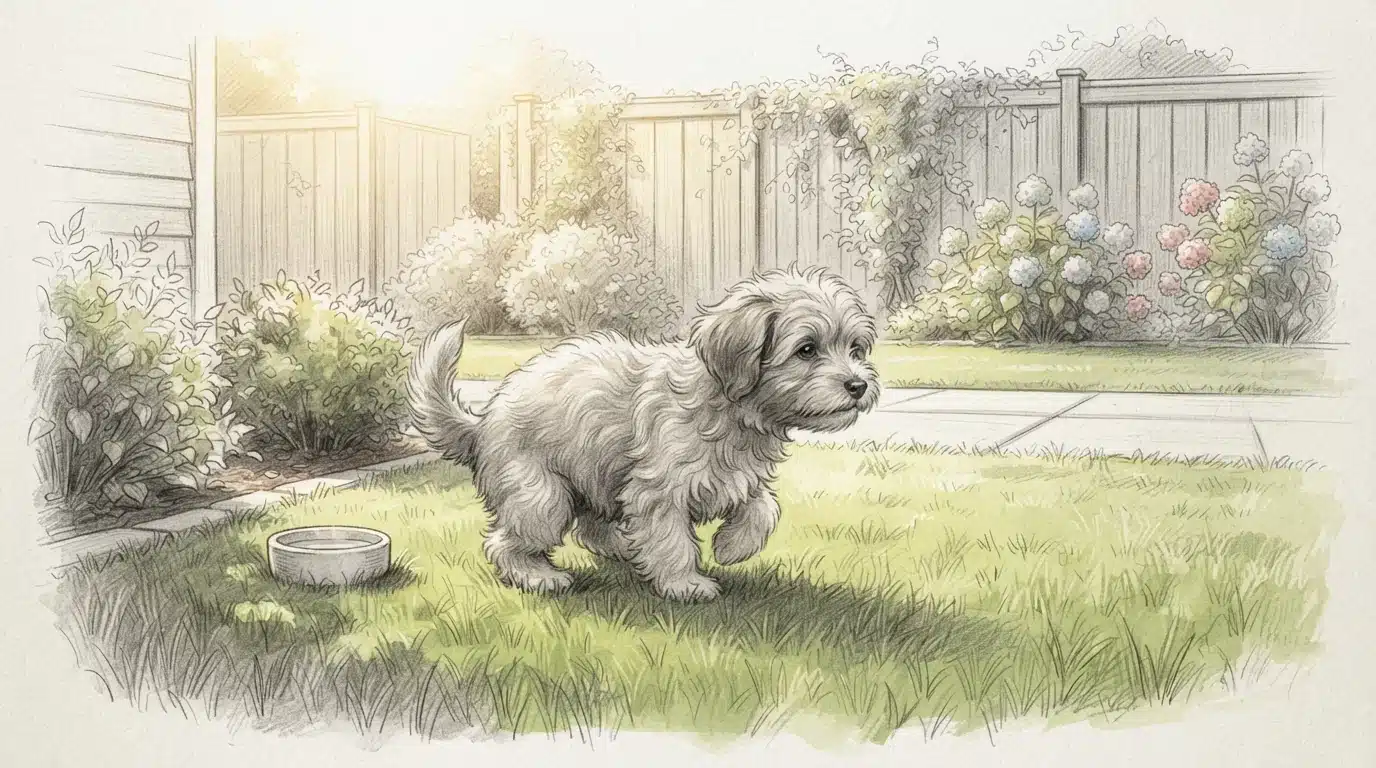
Warm-weather timing pairs well with a thoughtful start. Families reviewing available puppies often plan pickup around spring or summer for exactly these training advantages.
Plan outdoor sessions in short, frequent blocks. Five calm minutes outside beats one long, overwhelming afternoon.
Winter Preparedness for New Puppy Owners
A Minnesota winter changes how you raise a small puppy. Havanese, Havapoo, and Cavapoo puppies are indoor companions by nature, so the cold months mostly shift their life inside. That means your job is to build a home where play, potty breaks, and rest all work in a small footprint. If you are still choosing your puppy, browse available puppies and review pricing and reservation details before the snow flies.
Creating Engaging Indoor Play Areas
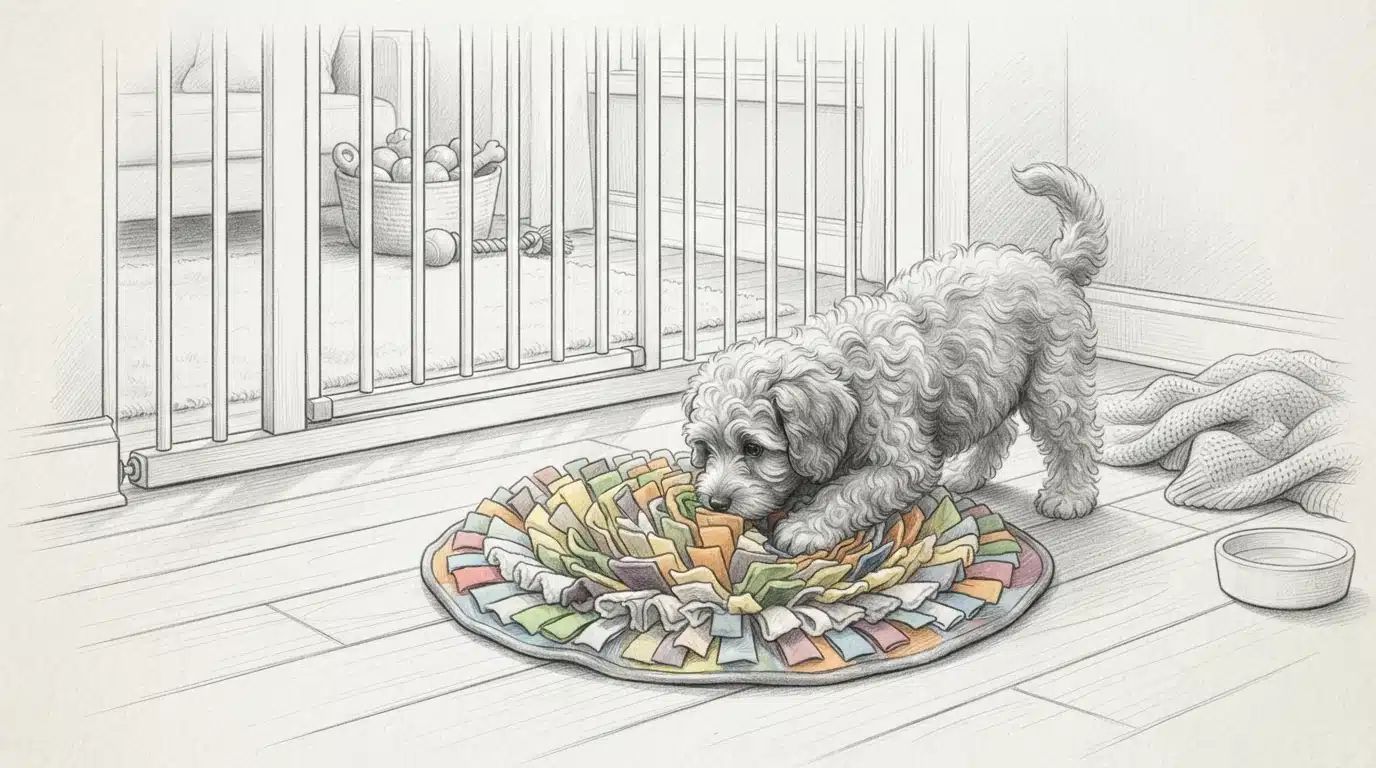
Start with one defined play zone. A gate or pen section of the living room keeps a small puppy safe while the furnace hums and the windows stay shut. Put a washable rug down, because indoor potty accidents happen most in the first weeks.
Next, rotate toys. Puppies bore fast when everything is out at once. Keep three or four toys available and swap the rest weekly. A snuffle mat hides kibble and burns mental energy, which matters when short daylight cuts your walks short. A soft tug toy and a puzzle feeder cover the rest.
Add a short indoor “course.” Two cushions and a blanket make a tunnel. A low ottoman becomes a step-over obstacle. Five minutes of this tires a Cavapoo more than ten minutes of fetch in a hallway.
Cold days also affect potty training. Shovel a small path to one grass or gravel patch and use the same spot every time. Small breeds dislike deep snow, so many families keep a turf pad on a covered porch as a backup. Praise warmly and go right back inside; the goal is a quick, boring, successful trip.
Tip: Set the play zone away from heating vents and drafty doors. Puppies nap 18 to 20 hours a day, and a warm, quiet bed inside the pen helps them settle.
If you want a full first-week plan, our bringing a puppy home guide walks through it step by step.
When you feel ready, submit your application and we will talk through timing.
Selecting Your Breed Based on Lifestyle
The right puppy fits your daily routine first. Coat, energy level, and grooming needs matter more than looks, and those traits show up early. Before you browse current litters on Sage Puppies’ available puppies page, think honestly about how much time you have for grooming, walks, and training each day.
Why We Specialize in Small Companions
Sage Puppies raises three breeds on purpose: the Havanese, Havapoo, and Cavapoo. Each one is a small companion dog bred to live close to people. That focus lets Cassie match puppies to families with real accuracy instead of guessing across a dozen breeds.
Here is how the three compare for everyday life:
| Breed | Energy | Coat | Best Fit |
|---|---|---|---|
| Havanese | Playful, moderate | Silky, low-shedding | Attentive owners who enjoy brushing |
| Havapoo | Gentle, adaptable | Wavy, often curlier | Families wanting a low-shedding mix |
| Cavapoo | Sweet, people-first | Soft, easy waves | First-time owners and calm homes |
All three stay small, travel well, and adapt to apartments or houses. None of them thrive when left alone all day, every day. If your household is gone for long stretches, plan for a dog walker or midday check-in before you reserve a puppy.
Grooming is the biggest difference between them. The Havanese carries a fuller coat that needs regular brushing and trims. The Havapoo and Cavapoo usually need professional grooming every six to eight weeks, plus weekly brushing at home. Winter in Minnesota adds a wrinkle: snow, road salt, and wet mittens of a coat mean more baths and paw checks in cold months.
If you want a deeper side-by-side, the Havanese vs Havapoo vs Cavapoo breed guide walks through temperament, coats, and training in detail.
Once you narrow your pick, review the pricing and reservation process so you know what to expect. Then, when a breed feels right, start your puppy application and let the matching begin.
Travel and Local Pickup Considerations
Families in Minnesota face a real distance question when the right puppy is bred elsewhere. A drive from the Twin Cities to South Jordan, Utah runs roughly 1,200 miles, so most Sage Puppies families choose between a long weekend road trip, a flight, or a scheduled puppy delivery. Each option works well in the right season, and each has a season where it goes sideways.
Local-style pickup trips are easiest from late spring through early fall. You can plan your route around clear highways, stop every two to three hours for potty breaks, and keep a small crate, water, and soft bedding in the car. A Havanese or Cavapoo puppy handles a long drive far better in the cabin with you than in a cargo area, so plan your vehicle around that.
Winter pickup is possible but demands a buffer. Minnesota to Utah in January means mountain passes, possible closures on I-80 or I-70, and a puppy who should not sit in a cold car any longer than needed. If you travel between December and February, build in a flexible arrival day and watch road conditions for a week before you leave.
Callout: Ask your breeder how the puppy will be prepared for the trip. A short practice crate session in the weeks before pickup makes the first travel day calmer for everyone.
Air travel and flight-nanny delivery are strong options in deep winter, when roads are uncertain but planes still fly. Some airlines restrict pets in extreme heat or cold, so confirm the policy before booking.
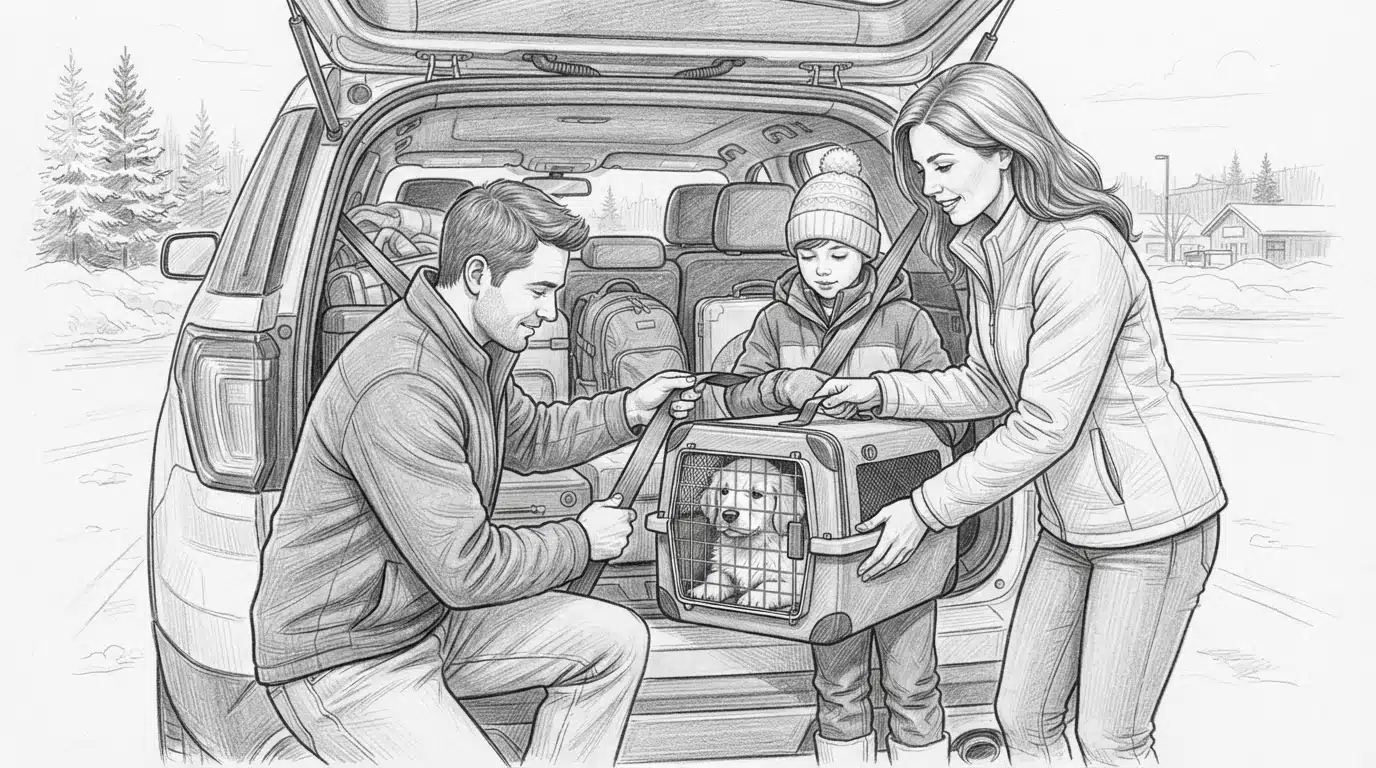
If you are still weighing your options, review current available puppies and pricing and reservation details, then start an application to plan pickup timing together.
The Sage Puppies Difference
Not every puppy program works the same way, and the differences show up long before you bring a puppy home. Sage Puppies is a small, owner-run program. Cassie Milar founded it in 2025 in South Jordan, Utah, and she raises Havanese, Havapoo, and Cavapoo puppies only. That focus matters. Three breeds, raised well, beat a dozen raised quickly.
Because the program is small, matching is personal. You start with a real conversation about your home, your schedule, and what you want in a companion. Then Cassie helps you choose, or waits for a puppy that truly fits. If you want a closer look at how it works, the puppy matching process page walks through each step.
A few things set the program apart from larger listing-style breeders:
- Three breeds only, so advice comes from daily experience, not a catalog
- One location, with no out-of-state facilities to hide behind
- Clear pricing in the $3,500 to $4,500 range, stated up front
- Owner-managed matching, so you always talk to the person who knows the puppies
A boutique program can only raise so many litters a year. If timing matters for you, reach out early and ask what is planned.
Season matters too, and Minnesota families often plan around it. Warm-weather pickup and delivery are easier on a small puppy, and winter timing needs a little more thought. Sage’s general pricing and reservation details are shared openly, so you can plan your budget before you apply.

Minnesota winters and humid summers both shape how a small-breed puppy settles in, so timing matters. If you want a Havanese, Havapoo, or Cavapoo raised with calm, careful breeding, visit Sage Puppies to see current plans. When a litter feels right, start your application and let Cassie help you match the season to your family.
Frequently Asked Questions
Q1: How should Minnesota weather affect the puppy I choose?
Choose a breed that tolerates both cold winters and humid summers. Havanese, Havapoos, and Cavapoos adapt well indoors, so plan for short winter potty breaks, paw care in ice melt, and air-conditioned comfort in July.
Q2: Which season is best to bring a puppy home?
Late spring or early summer gives you mild weather for house training. Winter works too, but budget extra time for coat-drying paws and quick outdoor trips.
Q3: Do Havanese and doodle coats handle Minnesota winters?
Their coats insulate decently, yet they are indoor dogs. Add a sweater below 20 degrees, wipe paws after salted sidewalks, and never leave them outside unsupervised.
Q4: How do I prepare my home for a winter puppy?
Set up a draft-free sleeping area, keep a towel by the door, use pet-safe ice melt, and shorten potty trips until your puppy finishes vaccinations.
Q5: What does a well-bred puppy typically cost?
Expect $3,500-$4,500 for a thoughtfully bred small-breed puppy. Pricing reflects health testing, early socialization, and breeder support, so ask any program what their fee includes.
Q6: Can out-of-state families safely receive a puppy in winter?
Yes, with planning. Ground transport or flights should avoid extreme cold snaps, and a breeder who coordinates timing around weather protects the puppy’s comfort.
Ready to meet your match? Submit an application at sagepuppies.com/application.
Conclusion
Minnesota’s seasons shape more than your wardrobe. They shape when puppies are born, how house training goes, and how quickly a small breed like a Havanese, Havapoo, or Cavapoo settles into your routine. Winter calls for extra coat care and indoor potty plans. Spring and summer open the door to earlier socialization and easier outdoor training. Fall offers a calm middle ground.
The right timing matters less than the right breeder. Look for health testing, honest answers, and puppies raised in a home rather than a kennel run. Then match the season to your family’s schedule, not the calendar’s pressure. A wisely bred puppy, brought home at the right time, gives you years of easy companionship in any Minnesota weather.





