Quick Summary: Utah does not license dog breeders, so buyers must vet sellers themselves before traveling and paying a deposit. Visit the puppies where they live, observe their behavior and health, meet the dam, and verify veterinary, vaccination, deworming, and genetic records. Walk away if a seller hides the litter, pressures you to pay, lacks health records, or shows several puppy-mill warning signs. Handle puppies only with permission, clean hands, and proper support.
You pull into a Utah driveway expecting a litter, and the first thing the breeder does is hand you a puppy. No whelping area, no dam, no records in sight. That moment decides whether you trust everything else you hear.
Visiting a breeder in Utah comes with a wrinkle: the state issues no breeder license, so vetting a seller takes more than checking a credential. It takes knowing what to look for, from meeting the mother to reading a puppy health certificate.
This guide walks through the whole visit in order. You will learn how to confirm the seller before you travel, what a healthy environment looks like, how to inspect puppies without putting them at risk, and which papers to collect before you leave or place a deposit. Sage Puppies raises Havanese, Havapoo, and Cavapoo litters in South Jordan, and this is the same checklist we encourage every puppy family to use anywhere.
Step 1: Confirm the Visit and Vet the Seller Before You Travel
Visiting a breeder Utah starts before you get in the car. Confirm the address, the person, and what you will be allowed to see, so you do not drive hours for a handoff in a parking lot.
Verify the Address and the Person Before You Arrive
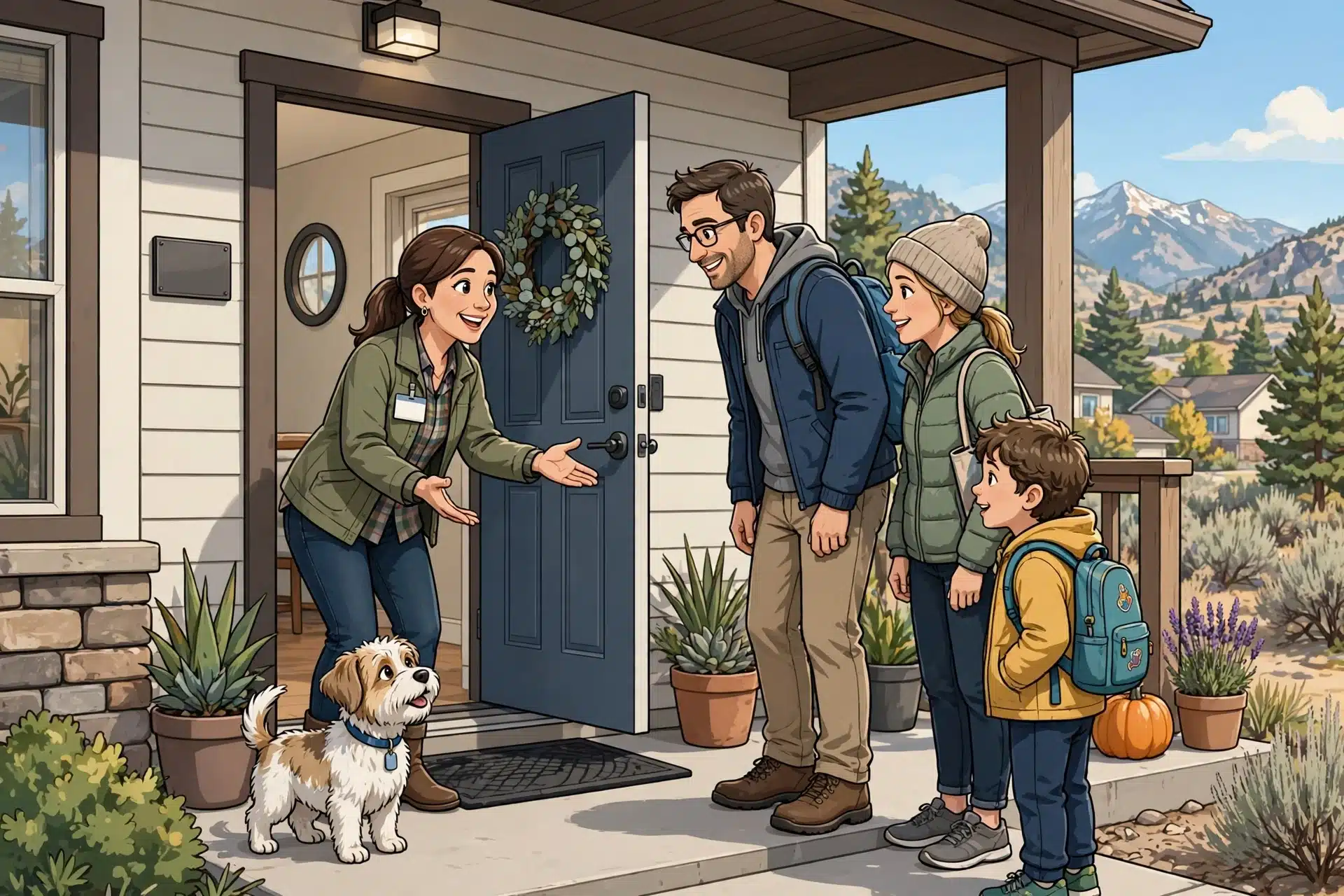
Ask for the full street address, not a crossroads or “we’ll meet halfway.” A legitimate breeder welcomes visits at the home where the puppies live. Match the name on the address to the name on the paperwork, and plan a video call first if you are flying in from out of state. If someone resists a visit or keeps steering you toward delivery only, treat that as a signal and keep looking.
Know What Utah Rules Do and Do Not Cover
So does a Utah breeder need a license? Utah has no state dog breeder license or breeder-specific care standards, so oversight mostly happens at the city level. Cities such as Salt Lake City set their own rules for kennels and litter permits. The USDA license you may hear about is a federal wholesale license: it mainly applies to breeders with more than four breeding females who sell sight unseen or to brokers. A small program selling to families who visit in person usually needs none of these, which makes your own inspection more important.
Confirm You Can See the Dam, the Litter, and the Records
Before you travel, ask three questions. Will the mother be on site? Will puppies be seen in their living space, not a staged room? Will you get vaccination and deworming records? A confident breeder says yes to all three and asks about your home in return.
Tip: Put every confirmation in writing, even a simple text message. It protects both sides.
Step 2: Inspect the Environment Where the Puppies Live
The space tells you more than any website can. When you’re visiting a breeder in Utah, the first five minutes on-site should be spent looking around, not talking.
What a Clean Small-Breed Setup Looks Like
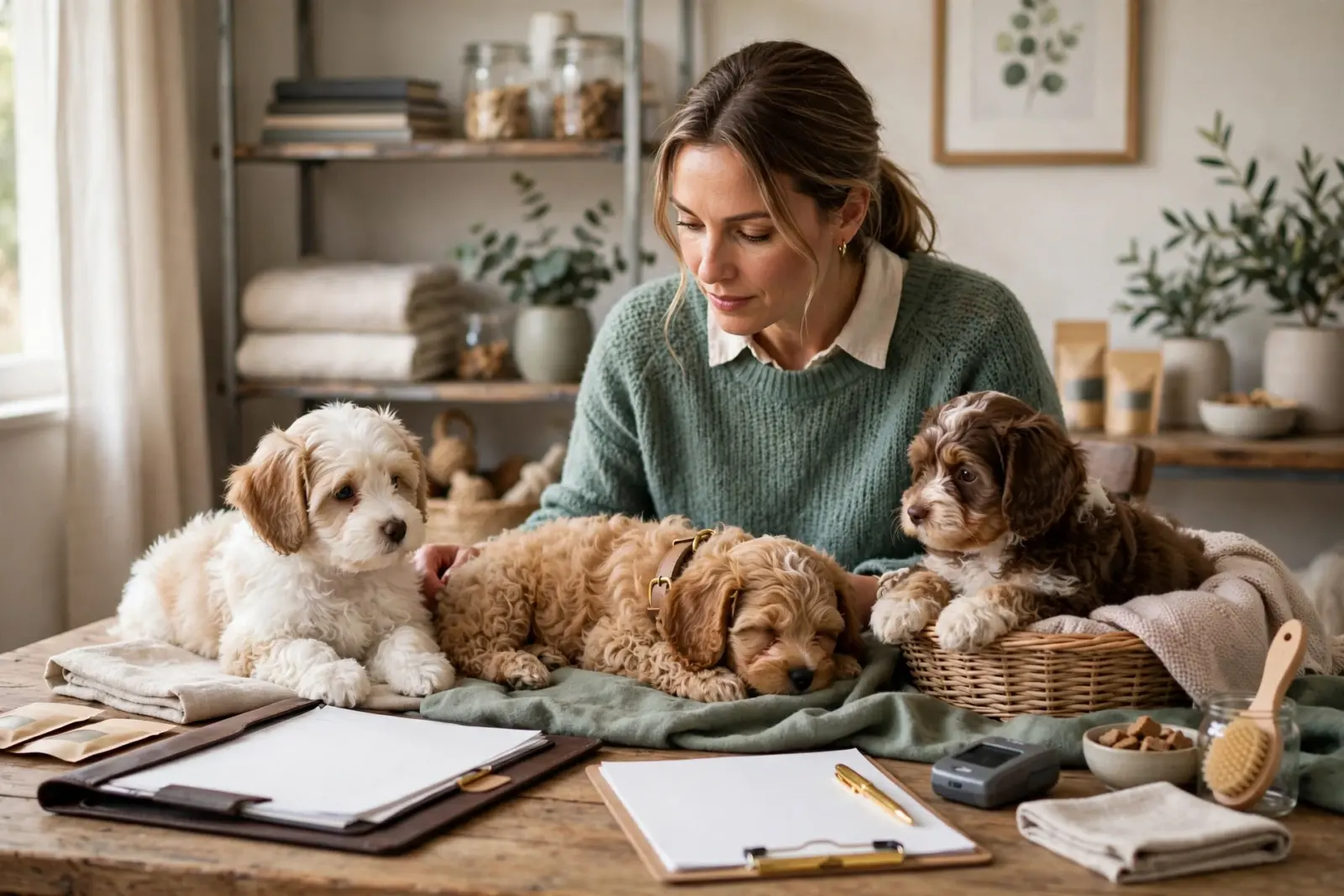
Good small-breed setups are calm, warm, and inside or close to the family home. Floors are dry and free of waste. Bedding looks washed and barely used. Water is fresh, food is labeled, and toys are intact. Adult dogs greet you without fear or frantic barking. Puppies should be curious and reasonably clean, even after playing. A light dog smell is normal, but ammonia should never sting your eyes.
Environmental Red Flags That Suggest Mass Production
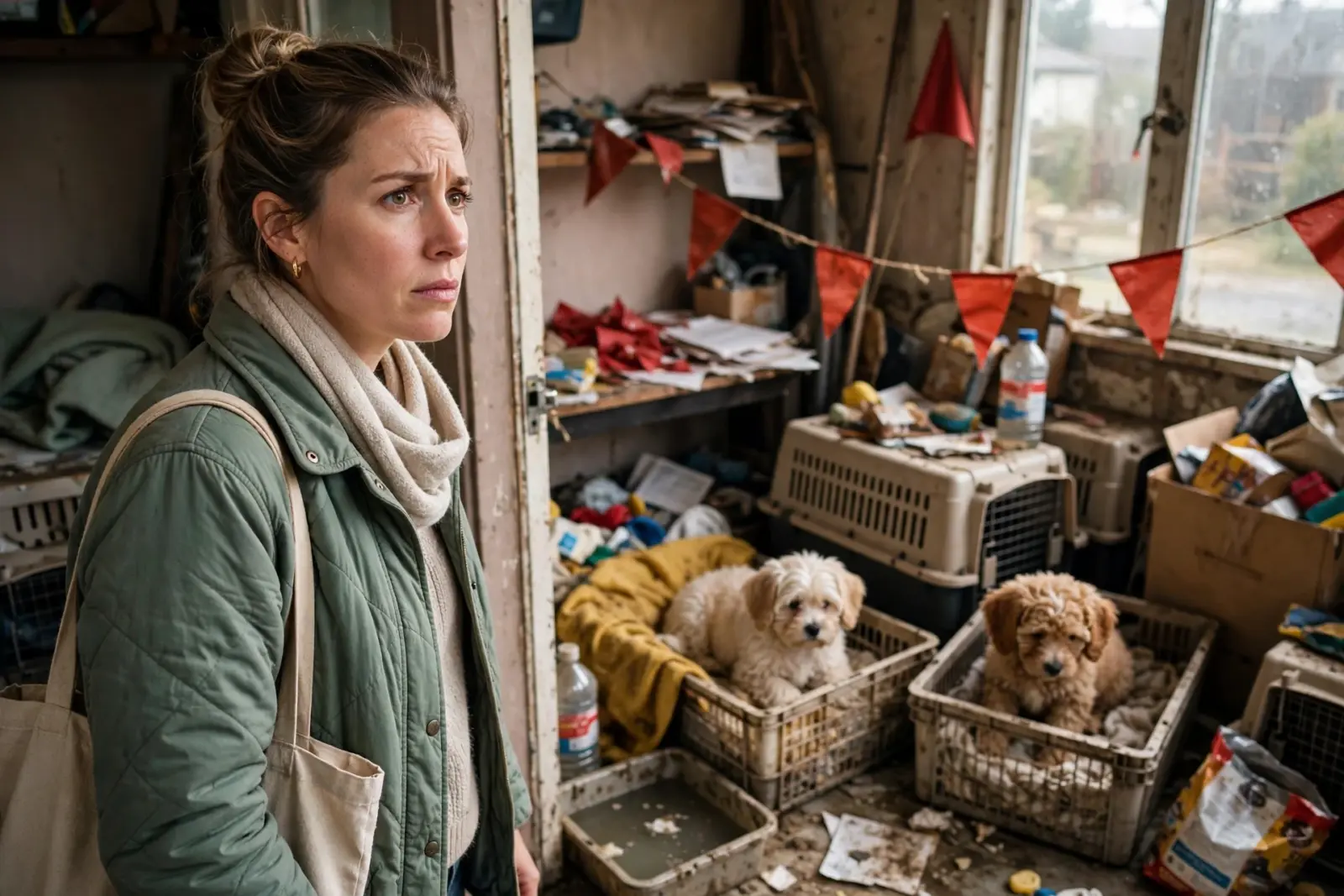
Watch for signs the dogs are products, not pets. Warning signs include:
- Crowded cages or runs with no space to move freely
- Strong odor of urine or feces in the living area
- Puppies only, with no adult dogs on site to meet
- Stacked wire cages, a common puppy mill setup noted by groups like the Humane World for Animals
- Matted coats, dirty ears, or crusty eyes on several dogs at once
- Refusal to show where the dam and litter actually live
One bad day can explain a mess. A pattern of several of these signs is a pattern, and Zoetis pet care advises walking away if you cannot see where the puppy was raised.
Ask to See the Whelping Area and Sleeping Space
A responsible breeder shows you the whelping area without hesitation. That is where the litter was born, and it should be quiet, warm, and easy to clean. Ask to see where the puppies sleep each night. Small breeds like Havanese, Havapoos, and Cavapoos need draft-free bedding and protection from bumps, so a pen or puppy-proofed room is a good sign. If the answer is “out back” or “in the garage,” ask more questions. For deeper prep, our guide to what to look for on-site covers the full walk-through.
Step 3: Inspect the Puppies Themselves
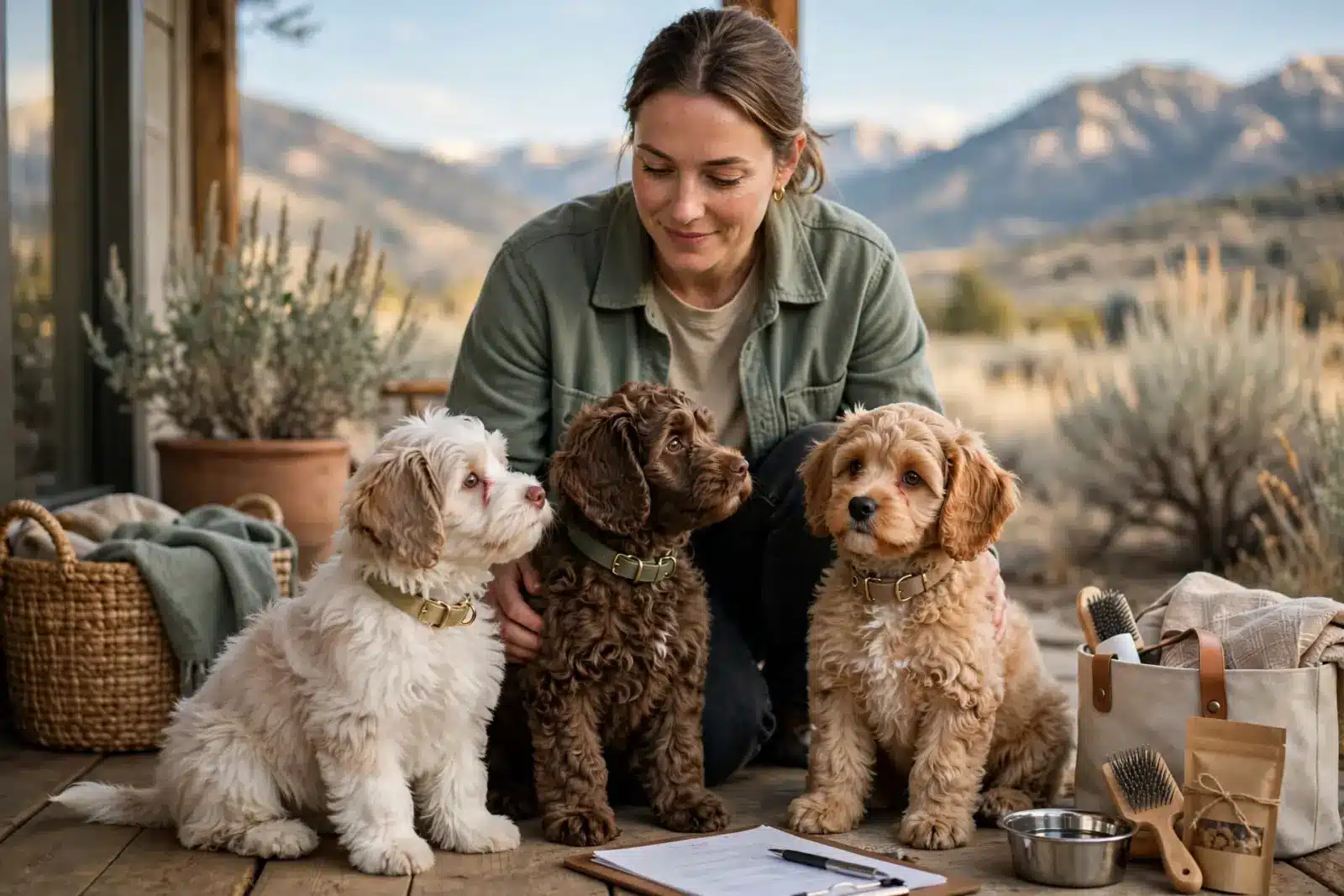
Watch first, then handle. A healthy puppy is curious, plays with littermates, and recovers quickly from a startle. One shy puppy in a litter is normal. A whole litter that hides, trembles, or seems flat deserves a closer look. Note how the puppies react to you before anyone picks them up, because that first minute tells you a lot about their socialization.
Watch Behavior Before You Touch Anything
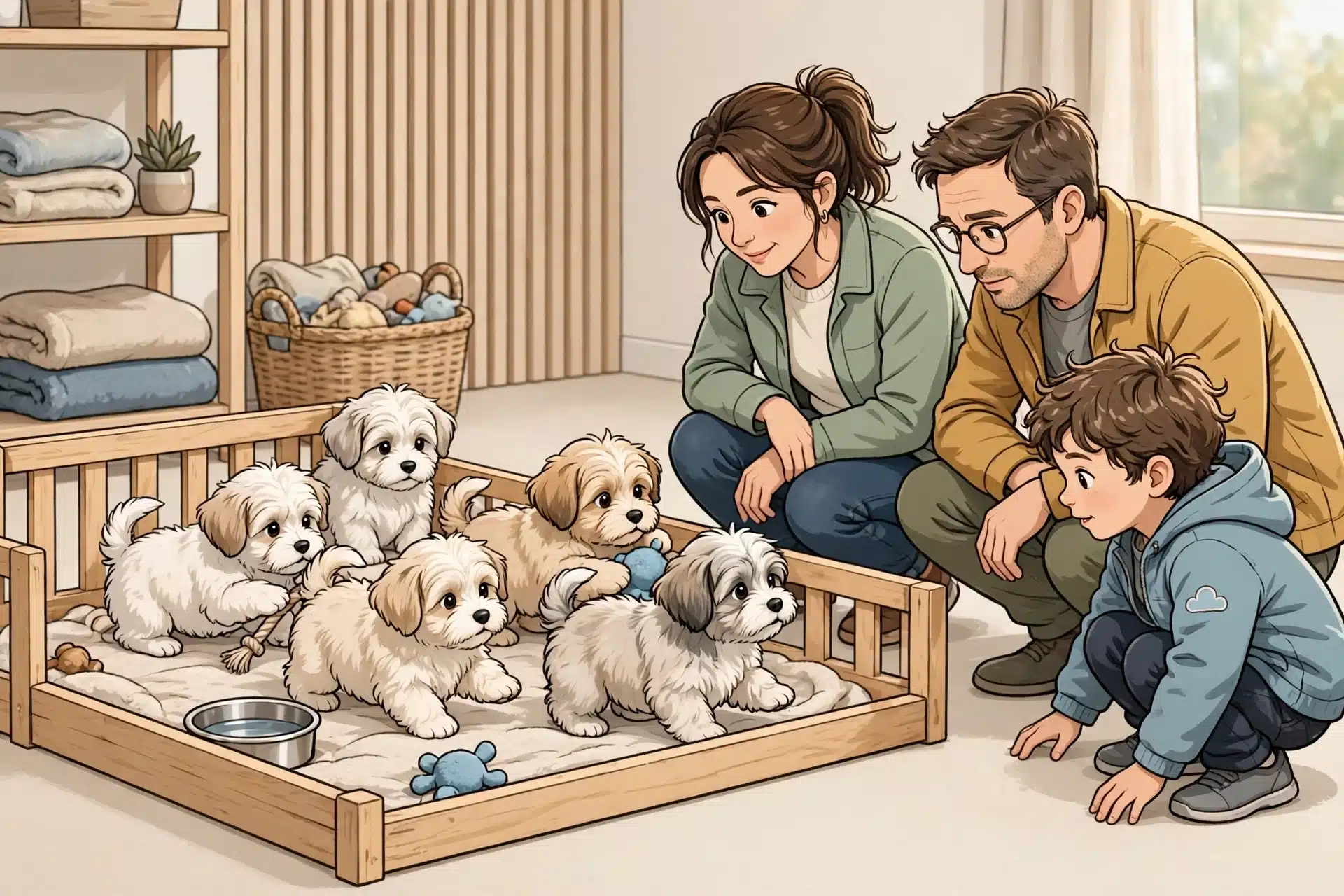
Sit down at puppy level and give the litter a few minutes to approach you. Confident puppies investigate new people, tug at shoelaces, and bounce back after a loud noise. Watch how they interact with each other too. Play that looks rough but ends quickly is healthy. Constant bullying, or one puppy always pinned in a corner, is worth asking about.
Check Eyes, Ears, Nose, and Coat in Your Own Hands
Hold each puppy you’re considering and look at the basics. Eyes should be clear and bright, with no discharge or cloudiness. Ears should smell clean, not yeasty, with no dark wax or scratching. The nose should be free of thick mucus. Run your hands through the coat for bald patches, scabs, or flakes. With Havanese, Havapoo, and Cavapoo puppies, a soft, even coat is the norm, and inspecting puppies safely means using your hands, not just your eyes.
Assess Body Condition, Weight, and Movement
A puppy should feel solid, not bony and not bloated. You should feel ribs under a light layer of fat but not see them sharply. Check that the belly is soft, since a swollen belly with thin ribs can point to worms. Then set the puppy down and watch it move. A steady, even gait with no limping or head tilt is what you want.
Compare Puppies Within the Litter
Look at the litter as a group, not one puppy at a time. Sizes can vary normally, but every puppy should be alert, well fed, and similarly groomed. If one is noticeably smaller, quieter, or has runny eyes while the rest look sharp, ask the breeder directly about it and how it has been treated so far.
Step 4: Meet the Dam and Review Health Documentation
The mother dog tells you more than any brochure. Ask to see her in person, in the same home where the puppies live. A legitimate breeder will agree without hesitation.
What the Dam’s Condition Tells You
Watch how the dam moves, eats, and greets you. She should be alert, a healthy weight, and clean, with no hair loss or sores. She may be thinner after nursing a litter, but she should still act confident and curious. Shy or trembling behavior in her own home can signal little handling. Ask how old she is and how many litters she has had; one litter a year is a reasonable pace.
Reading Genetic Tests and Veterinary Health Certificates
Ask for the dam’s and sire’s genetic panel results in writing. For Havanese, Havapoo, and Cavapoo puppies, common screens cover heart, hearing, and orthopedic conditions, plus inherited eye disease. Results from programs like the OFA’s CHIC database list the exact tests each dog passed, so you can verify them yourself rather than trusting a screenshot. A puppy health certificate from a licensed veterinarian, issued shortly before pickup, confirms the puppy you saw was examined and found well.
Verify the Veterinator and the Vaccination Record
Ask which clinic examines the litter, then call to confirm the relationship. A real clinic can verify the visit. Next, review the vaccination and deworming record: dates, product names, and which shots are still due at home. Puppies need a series of doses, not a single visit, so the record should show a schedule that continues after you leave.
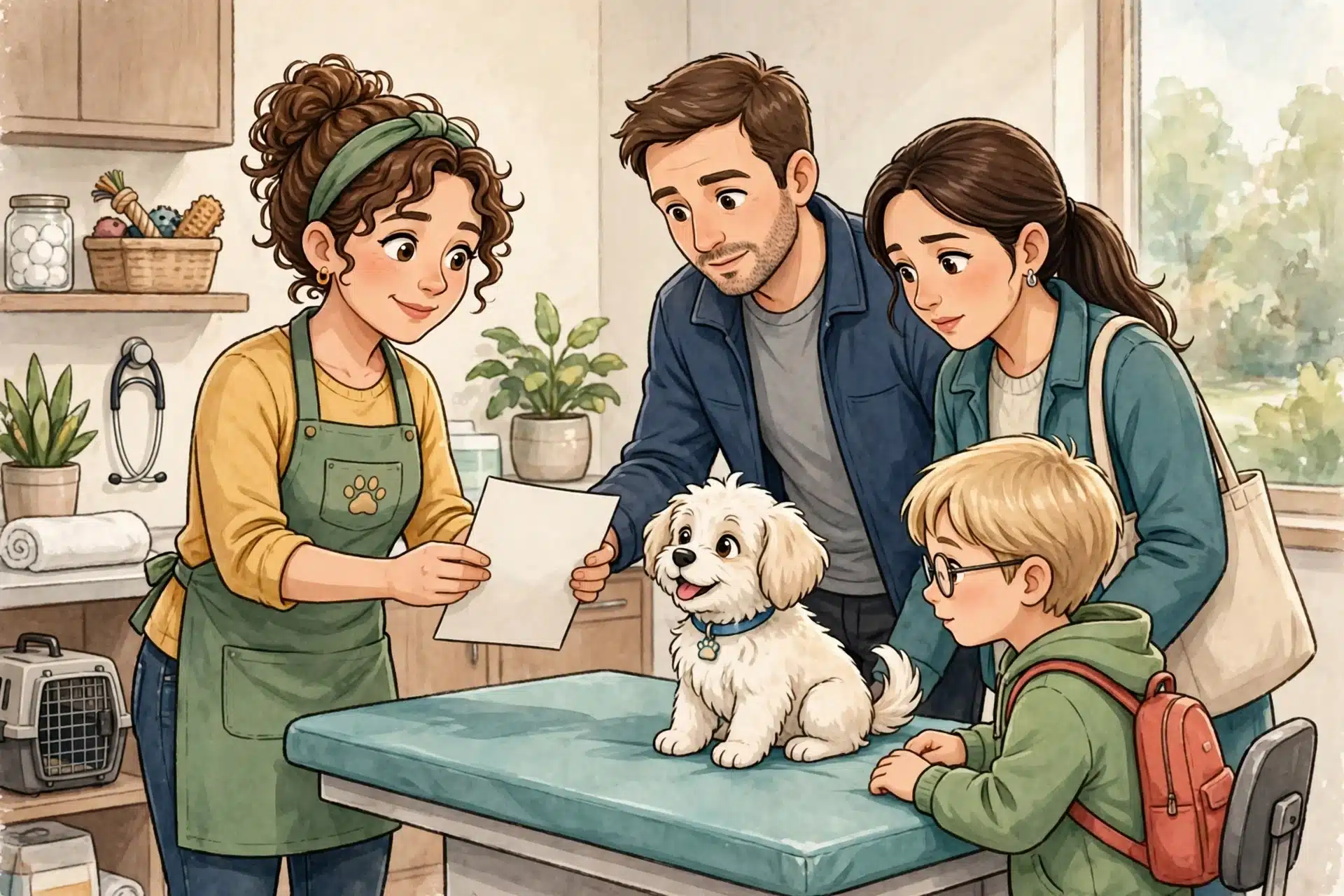
Good breeders expect these questions and answer them plainly. We walk our own families through health tests worth asking about before a visit, because paperwork you can verify beats promises you cannot. If a breeder stalls, edits answers, or offers only photos, treat that as your answer and keep looking.
How to Tell If a Utah Breeder Is a Puppy Mill
A Utah puppy mill usually shows up as a pattern, not a single flaw. Watch for several of these at once: multiple litters of different breeds always available, no dam on site, refusal to show the whelping area, no vet records, and sellers who ship before you can visit.
The Pattern of Red Flags Rather Than One Odd Detail
One odd detail rarely means trouble. A seller running late or a puppy napping away from its mother is normal life. But stacked wire cages, six litters under four months old, no vaccination or deworming records, and a dam you never see add up to a serious problem. Judge the whole picture, because volume plus secrecy is the core puppy mill pattern.
Pressure Tactics and Manufactured Urgency
Legitimate breeders also screen you. Expect questions about your home, your schedule, and your experience. So treat urgency as a warning sign: “three other families want this puppy today,” deposits payable only by gift card, or a seller who pushes delivery before your visit. Real programs use written applications and deposits with clear terms, because they are planning for the puppy’s lifetime, not the next sale.
Walk-Away Checklist
Leave when you see any of these:
- Multiple litters of different breeds ready “right now”
- No dam present and no explanation why
- Refusal to show where puppies were whelped and raised
- No vet contact information, vaccine records, or health certificate
- Pressure to pay a deposit before you finish the visit
- You cannot pick up the puppy where it was raised, or the pickup location keeps changing
If most of the visit checks out but something small bothers you, trust that instinct and ask. A good breeder answers. A mill redirects, and that difference tells you nearly everything you need to know.
Handle Puppies Safely: Hygiene and Visitor Rules
Wash, Remove Outer Layers, and Ask First
Safe puppy handling starts with clean hands and the breeder’s permission. Wash your hands thoroughly or use the sanitizer provided before you touch anything. Take off coats, bags, and jewelry, since germs ride on fabric and straps. Young puppies have immune systems that are still developing, so good breeders set visitor rules and expect you to follow them.
Handle With Support and Keep Contact Low
To safely pick up and hold a puppy, ask the breeder first, then sit down and lift the puppy with both hands: one under the chest and one under the hindquarters. Hold the puppy close to your lap or chest so a wriggle never turns into a fall. Small breeds like Havanese, Havapoo, and Cavapoo puppies are light but sturdy only in the right support, so never scoop one by the scruff or under the front legs alone.
Keep sessions short. Two or three minutes of calm holding beats twenty minutes of passing the puppy around, and handwashing before handling puppies protects both the litter and your own family. Let children sit on the floor and hold puppies in their laps with an adult’s hands underneath. A breeder who supervises every pickup, like the small programs you meet when visiting a Utah breeder, is showing you good practice, not gating you out.
After the Visit: Documents, Contracts, and Next Steps
The Paperwork That Should Travel With the Puppy
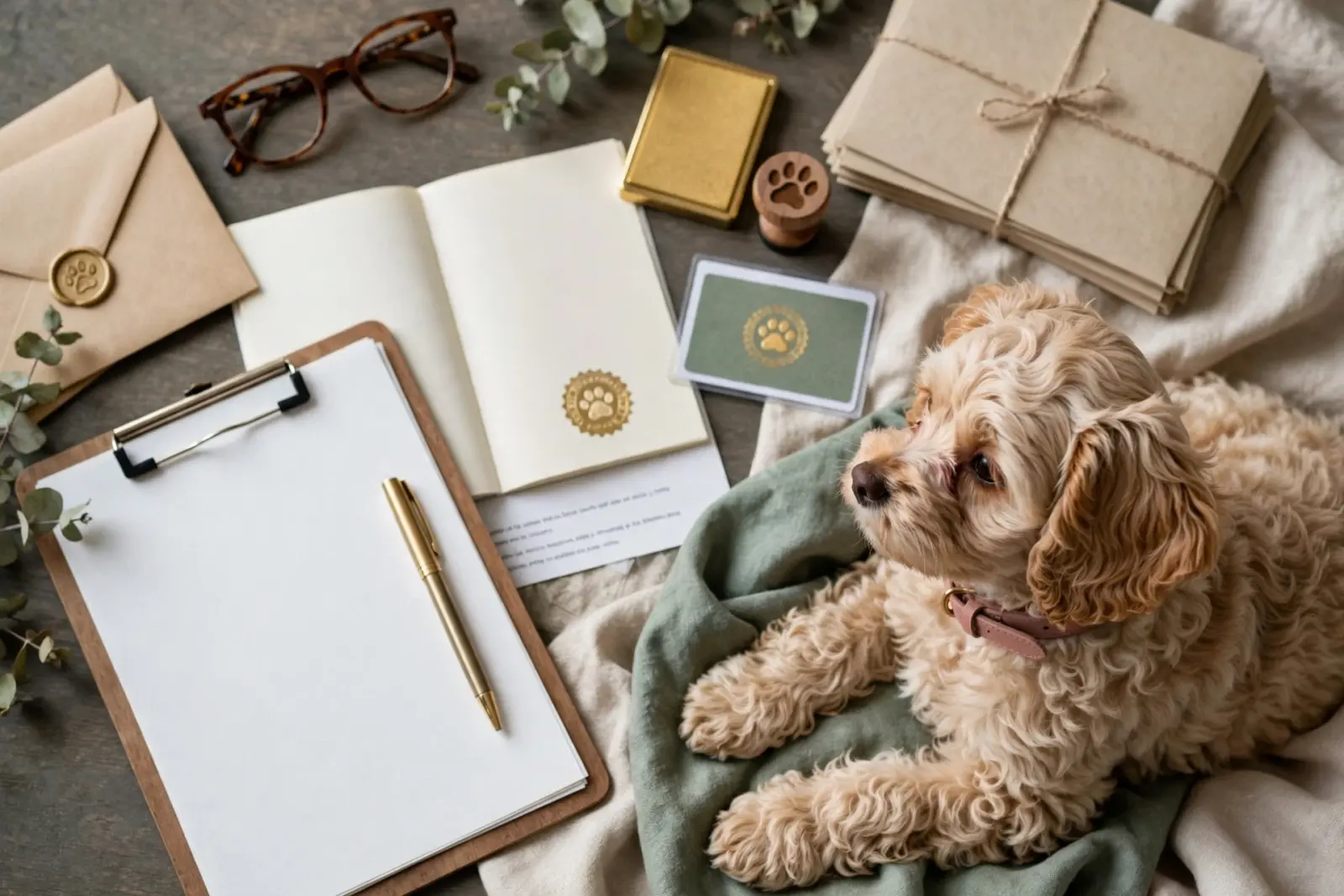
Before you pay anything, a breeder should hand over records you can read and keep. Ask for:
- A veterinary health certificate dated close to pickup
- Vaccination and deworming records with dates and products used
- Parent health results, including any genetic testing for the breed
- A written receipt tied to your contract
A breeder who hesitates here is telling you something. Serious programs, including small Utah breeders, expect these questions.
Read the Contract Before You Pay a Deposit
A puppy deposit and contract should be one document, and you should read all of it. Look for the purchase price, what the deposit covers, refund terms, and a health policy with a clear time window. Check who pays to return a puppy if a serious problem appears, and whether spay or neuter terms apply. Avoid contracts that offer only vague phrases like “healthy to the best of our knowledge.” If terms are spoken but not written, ask for them in writing before you send money.
Prepare for Pickup Day and a Realistic First Week
Confirm the pickup time, bring a secured carrier, and plan a short ride home. Keep the first week calm: same food, one potty spot, short handling sessions, and plenty of sleep. Puppies need rest more than outings right now. The first weeks with a small breed puppy set habits that last, so ask what food and schedule your puppy is on, then keep both steady for at least a week.

Planning a visit starts with finding a breeder worth the drive. If Havanese, Havapoo or Cavapoo puppies are on your list, see the current litters and application steps at Sage Puppies, then come meet them in South Jordan.
Frequently Asked Questions
Q1: How do I visit a puppy breeder in Utah safely?
Visiting a breeder in Utah safely starts before you drive. Confirm the home address, plan to see the dam and litter in their living space, put every agreement in writing, and wash your hands before handling puppies.
Q2: What should I look for when visiting a breeder to inspect puppies?
How to inspect puppies comes down to watching first, then touching. Check clear eyes, clean ears, a soft coat, solid body condition, and steady movement, and compare each puppy against its littermates.
Q3: How do I tell if a Utah breeder is a puppy mill?
Look for a pattern: multiple litters of different breeds always available, no dam on site, a hidden whelping area, missing vet records, and pressure to deposit before your visit.
Q4: Should I pay a deposit before or after I visit?
After. A real breeder lets you meet the puppy first, then takes a deposit with a written contract covering price, refund terms, and health policy.
Q5: Can out-of-state buyers visit a Utah breeder in person?
Yes, and serious programs welcome it. If travel is hard, ask for a live video walkthrough of the home, the dam, and the records before any money changes hands.
Q6: How old should puppies be at pickup?
Small breeds are usually ready around eight weeks, after early socialization with the dam and littermates. Earlier handoffs deserve questions.
Conclusion
A good visit follows an order: vet the seller before you travel, read the environment, watch the litter before you touch it, meet the dam, and check the paperwork before any deposit. When visiting a breeder in Utah, remember there is no state license to lean on, so your own eyes and questions do the work a credential would. Look for patterns, not single flaws. Confident breeders welcome every part of this checklist, and inspecting puppies safely keeps the litter healthy while you decide. Use it at any kennel door in the state.