Quick Summary: Ask for three layers of proof before paying a deposit: the puppy’s vet exam and vaccination records, both parents’ clinical screening, and DNA variant reports. For Havanese, Havapoo, and Cavapoo litters, look for patella, eye, hip, cardiac, and relevant genetic tests, then verify registered names and results through OFA’s public database. DNA screening cannot replace exams, and no breeder can guarantee a puppy will never develop inherited conditions, so review the paperwork and written health contract with your own veterinarian.
Two breeders can each hand you a folder for the same Havapoo litter, and only one of those folders actually covers the parents’ hips, the dam’s knees, and the puppy’s own care. The difference is not how thorough the breeder is. It’s whether you know which document answers which question.
Most buyers don’t. So a stack of papers feels like proof even when it isn’t. This guide breaks puppy health evidence into three layers: the puppy’s exam and puppy vaccination records, the parents’ clinical screening such as patella and eye exams, and DNA variant results, including proper Havanese genetic testing for the three core conditions. Together, they form a complete genetic health screening picture. We breed Havanese, Havapoo, and Cavapoo puppies in South Jordan, Utah, and we built this checklist from the questions we ask of our own program, so you can hold any breeder to the same standard before you pay a deposit.
Three Kinds of Health Records Buyers Should Keep Apart
“Health tested” can mean three very different things. A puppy’s vet visit, a parent’s clinical screening, and DNA variant results all count as evidence, but each proves something else. Keep them apart and the breeder conversation gets much easier.
The Puppy’s Own Veterinary Record
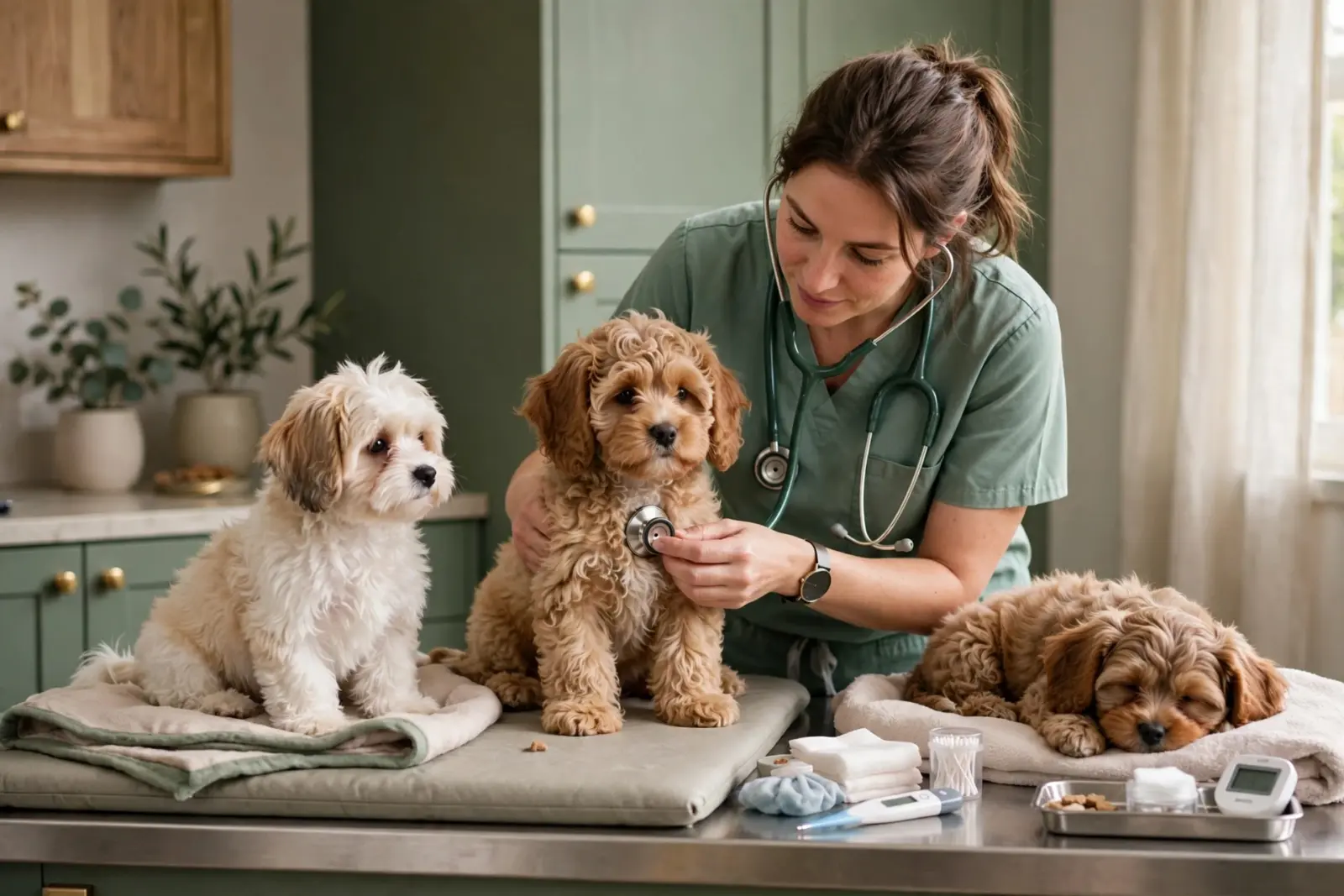
This is the exam record from the puppy’s first vet visits. It shows weight, heart and knee checks, and any issues spotted that day. It also lists the puppy vaccination records and deworming history. Strong paperwork here proves the puppy is healthy now, but it says nothing about inherited risks. Many breeders share this record before pickup; at Sage Puppies it goes home with the puppy.
Clinical Screening of the Parents
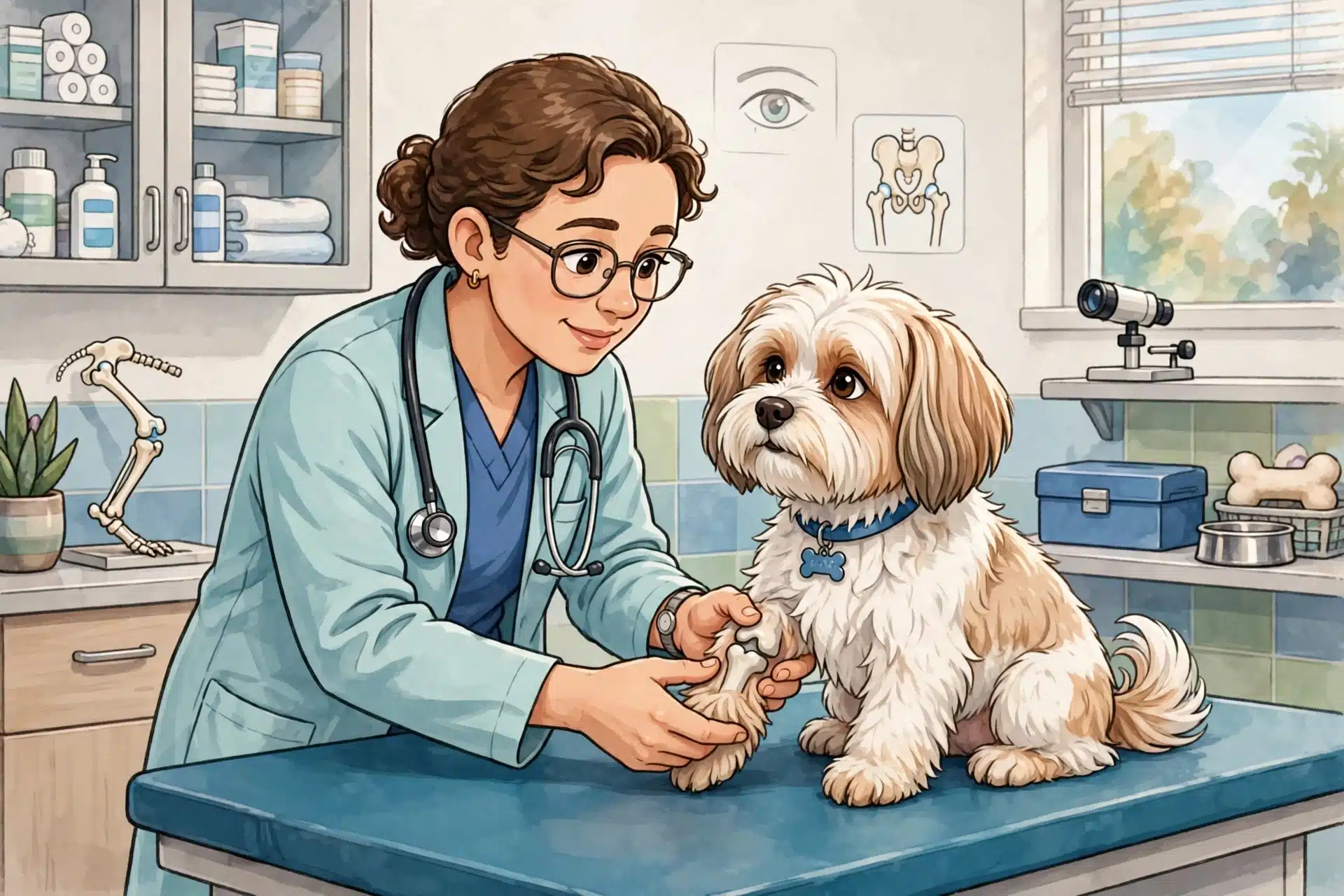
Clinical screening checks the living dog, not its genes. For Havanese, the CHIC trio covers patella luxation, a CAER eye examination, and a cardiac exam, per the Havanese Club of America’s testing guide. Results are graded by a specialist and posted publicly, so ask for the parent’s OFA CHIC certificate number. For Cavapoo and Havapoo litters, expect screening on the Cavalier or Poodle side too, since hip dysplasia x-ray and mitral valve disease checks matter there.
DNA Variant Results From Panels
Is a DNA health panel enough on its own? No. Havanese genetic testing looks at DNA variant results for inherited conditions, reported as clear and carrier, but a panel cannot catch every gene or screen for problems like patella luxation. Use DNA testing alongside clinical screening, never instead of it.
The Core Screening List for Havanese, Havapoo, and Cavapoo Parents
Which tests should parent dogs actually have? It depends on the mix behind the litter:
- Havanese parent: hip dysplasia x-ray, patella (kneecap) evaluation, CAER eye examination, plus cardiac and hearing checks
- Havapoo parents: the Havanese list on one side, and the same orthopedic and eye work on the Poodle side
- Cavapoo parents: the Cavalier list, including mitral valve disease and syringomyelia screening, plus the Poodle side
| Breed pairing | Priority screens to ask about |
|---|---|
| Havanese x Havanese | Hips, patellas, annual eyes, cardiac, BAER hearing |
| Havapoo | Havanese list plus Poodle hip, patella, and eye results |
| Cavapoo | Cavalier cardiac, hips, patellas, eyes, plus Poodle side |
Hips, Knees, and Eyes: The Havanese CHIC Trio
A Havanese CHIC number rests on three exams: a hip dysplasia x-ray read by OFA, a patella luxation check, and a yearly eye exam through CAER. The hip x-ray needs the dog to be at least 24 months old, so a young “CHIC-pending” parent means results are not final yet. The Havanese Club of America’s testing guide confirms hips are one of the three required tests and notes the two-year age rule.
Ask which exams are done and read the actual certificates, not just a claim in an ad.
What Havapoo Parents Need Beyond the Havanese List
A Havapoo litter has two parents, so both sides matter. Ask for the Havanese trio from one parent and comparable hip, patella, and eye work from the Poodle parent. Some breeders also run cardiac exams on both lines. If a breeder shows results for only one side of the pairing, you are buying half a health picture.
The Cavalier Side of a Cavapoo Litter
Cavaliers bring the most serious screening list of the three breeds. The key tests are a cardiac exam by a cardiologist to check for early mitral valve disease, hip and patella evaluations, annual eye exams, and, ideally, a neurologist’s MRI screening for syringomyelia. Mitral valve disease screening matters most because it is common and can shorten a Cavalier’s life. A Cavapoo breeder who skips the cardiac side is not health testing this breed properly.
Where DNA Testing Fits Into the Havanese Health Picture
Havanese genetic testing covers inherited variants an exam cannot see, such as carriers for specific disease markers. These DNA variant results tell you whether a parent is clear, a carrier, or affected. Vets cannot spot carriers on an x-ray or during an eye exam, so both layers matter. The OFA CHIC program stores these results alongside clinical tests so buyers can look them up in a public database before any money changes hands.
The Questions to Ask a Breeder Before You Pay a Deposit
The right questions separate health-tested breeders from breeders who just say “healthy.” Before any deposit, ask which health tests you should expect: parent patella and eye exams, hip or PennHIP x-rays after 24 months, cardiac screening for mitral valve disease, and DNA results showing each parent is clear or a carrier for the breed’s known variants. Then ask for the paperwork itself.
The Nine Questions That Matter Most
Ask these nine, in writing if possible:
- What specific health testing have both parents had, and can I see the results?
- Do both parents have an OFA CHIC number or certificate?
- What did the most recent CAER eye exam find for each parent?
- Are the DNA results clear, carrier, or affected for each variant?
- What was the vet’s finding at the puppy’s own exam?
- Can I see the puppy’s vaccination and deworming records?
- How old was each parent at the time of testing?
- What health terms does your puppy contract include?
- What happens if a serious condition appears later?
The AKC’s breeder interview guide covers several of these same points, including what happens if a health problem shows up.

Questions to Ask About Parents and Ancestry
“Verify ancestry” means asking about the grandparents too, especially for mixes. A Cavapoo puppy inherits Cavalier risks, so ask whether the Cavalier parent has mitral valve screening and, ideally, a syringomyelia MRI. Ask for registered names so you can look up results yourself instead of trusting screenshots. For Havanese lines, confirm the CHIC trio: patella, eyes, and hips.
What a Good Answer Sounds Like
A good breeder answers with specifics and paperwork, not adjectives. You’ll hear registered names, exam dates, and direct access to public database listings. Vague replies like “our vet checks everything” are a reason to keep looking. Sage Puppies, for example, shares documented parent results before any reservation. If a breeder hesitates at question one, that tells you everything. Serious programs invite these questions, and you can compare answers against our broader list of questions to ask before bringing a puppy home.
How to Read the Paperwork for Yourself
A breeder’s health test paperwork should include three things before you pay a deposit: the puppy’s vet exam record, clinical screening results for each parent (patella, eyes, and heart or hips where the breed calls for them), and DNA reports showing clear or carrier status. Ask for copies, not summaries.

What an Orthopedic Certificate Should Show
A real orthopedic certificate lists the dog’s registered name and number, the test done (such as patella luxation or a hip dysplasia x-ray), the result, the evaluating date, and the veterinarian or panel that scored it. Match that name to the parent the breeder claims was tested. Remember the age rule: hips need the dog to be at least 24 months old, so a young parent’s hip result cannot be final yet.
Spotting a Real DNA Report
A genuine DNA report names the lab, the dog, and each DNA variant result as clear, carrier, or affected. Vague claims like “genetically cleared” without a lab name mean little. For Havanese and doodle parents, ask which panel was run; you want the actual report, not a breeder’s note. A health-tested versus untested comparison shows why that paper trail matters.
Verifying Results Yourself in Public Databases
You can confirm orthopedic results on OFA’s public database using the dog’s registered name, registration number, or CHIC number. Check that a CHIC certificate lists each required test as completed, because a CHIC number means tests were done and reported, not that every result was normal. If nothing appears, ask why before you commit.
Puppy Vaccination Records and Preventive Care History
Health paperwork is layer one of your buyer audit, and it starts before you bring the puppy home. A responsible breeder keeps a dated record sheet for each litter and hands it over with the puppy. Ask for it early; a breeder who hesitates here is telling you something.
What a Complete Vaccination Record Includes
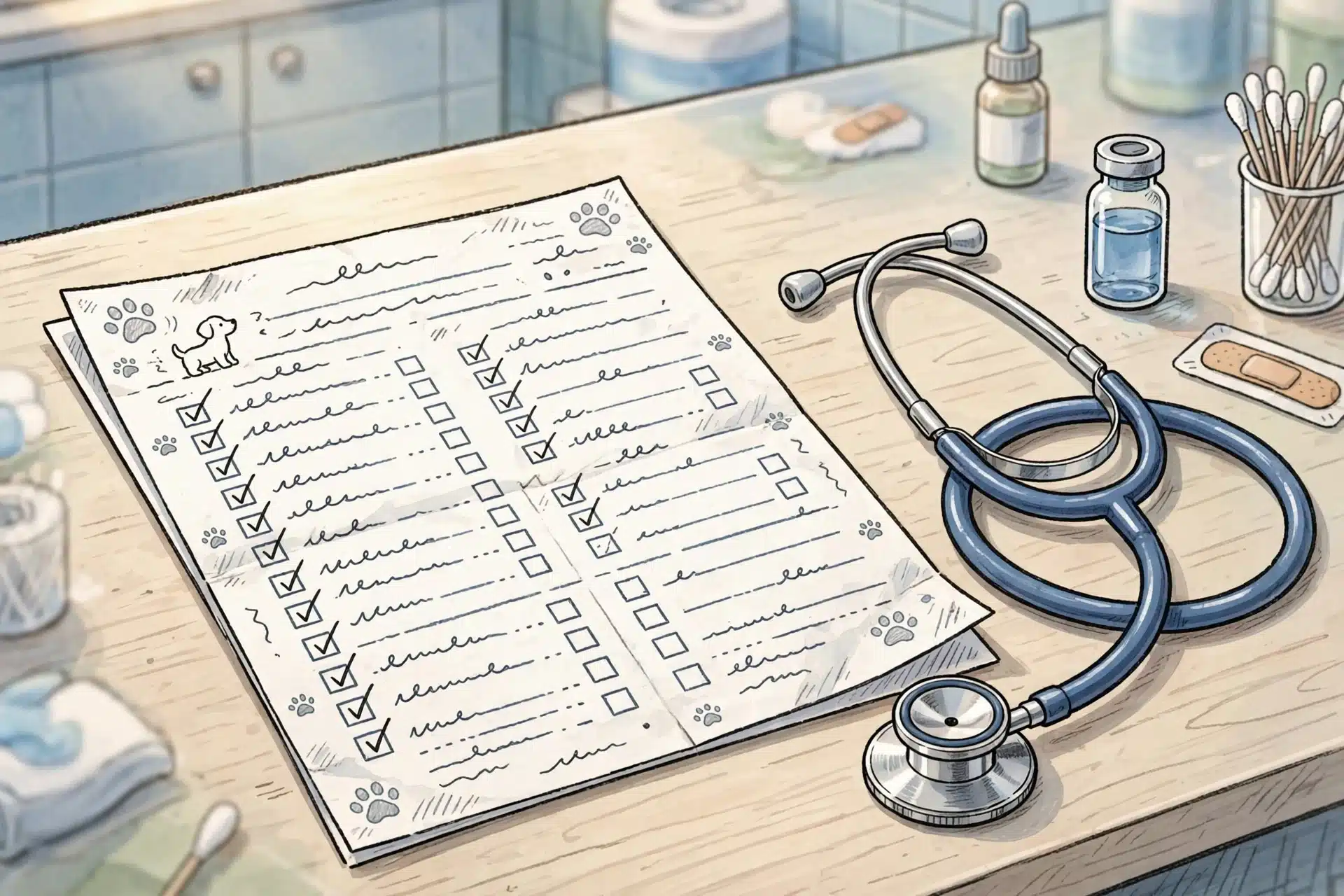
A complete record lists the vaccine name, the manufacturer and serial number, the date given, and who gave it. Puppies get a series of DHPP shots (distemper, hepatitis, parainfluenza, parvovirus), usually at 8, 12, and 16 weeks, so an 8-week-old puppy should have had at least the first dose. Rabies is typically given later, around 12 to 16 weeks, depending on state rules. Compare the dates against the puppy’s age. Missing doses or vague notes like “puppy shots done” deserve a follow-up question.
Deworming, Microchip, and the First Vet Visit
Deworming is routine because most puppies carry roundworms. Ask which product was used, on what dates, and whether a fecal test checked the result. Confirm the microchip number matches the puppy in person and that it is registered to the breeder or you. Finally, ask whether the puppy had an independent vet exam before going home, and request a copy. At Sage Puppies, every puppy leaves with documented vet exam and vaccination records, so you can hand your own veterinarian a complete history on day one.
Red Flags and Honest Limits in Health Claims
Signs of a Thin Testing Program
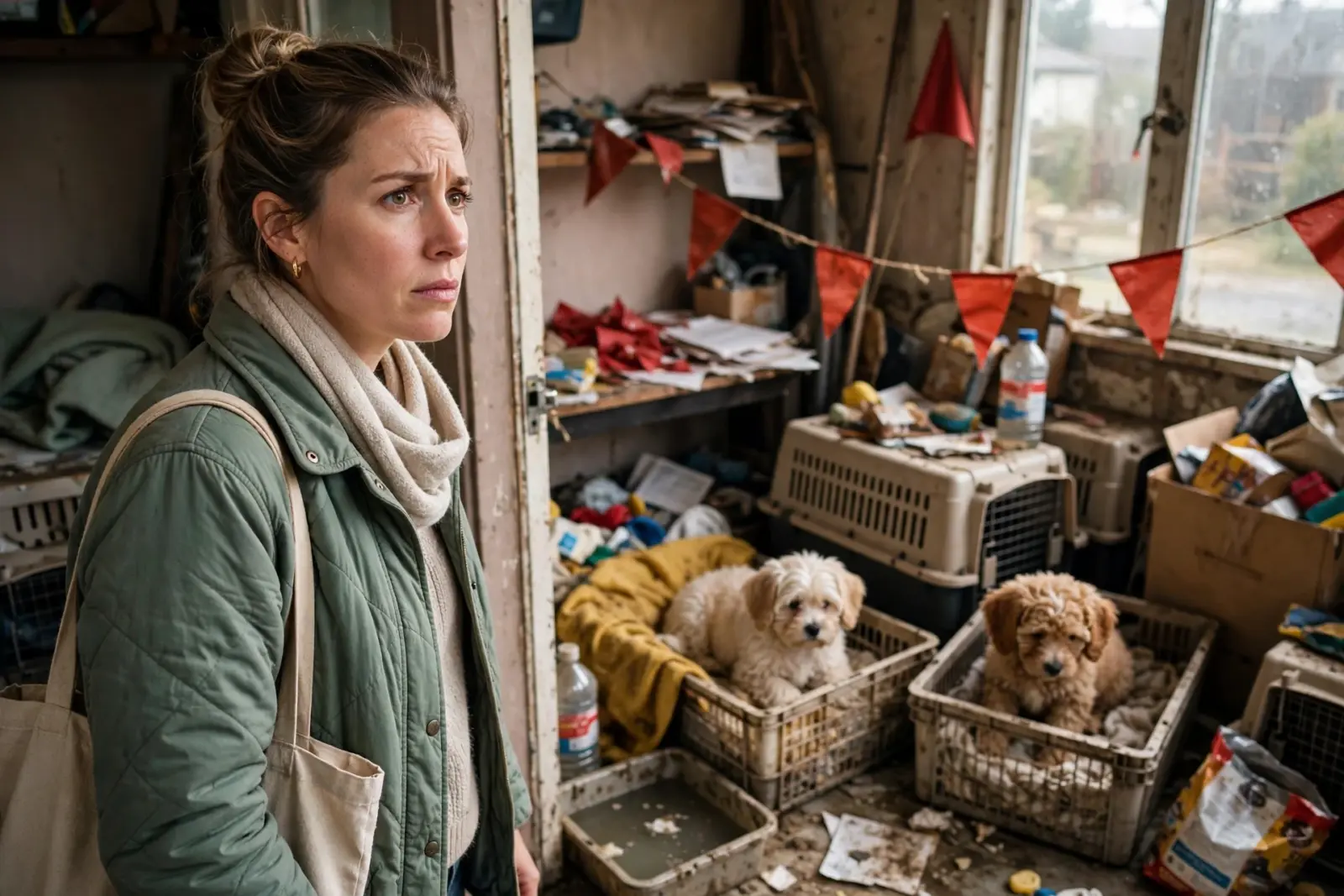
A thin program shows up in what’s missing, not what’s promised. Watch for parents with no OFA CHIC certificate, only a verbal “vet checked,” or DNA results that skip one breed-relevant variant. Other warning signs: no patella luxation or CAER eye examination records, a young parent whose hip dysplasia x-ray cannot be final yet, and refused database lookups.
Promises to Treat Carefully
Some claims sound better than the science allows. No breeder can honestly promise a puppy will never develop mitral valve disease, allergies, or luxating patellas. DNA variant results only cover tested mutations, so a “genetically clear” puppy can still face conditions with no marker yet. Treat “health guaranteed for life” and “hypoallergenic” as marketing, not evidence.
Why Honest Breeders Add Caveats
Good breeders talk about limits because genetics deals in odds, not certainties. Two clear parents can still produce a carrier, and environment shapes joint and heart health too. Ask how a breeder handles a puppy diagnosed later. An honest answer includes a written puppy contract with defined health terms and a plan that does not depend on blame.
A breeder who explains what testing cannot prove is usually the one whose results you can trust.
At Sage Puppies, Cassie shares each parent’s records openly, so families can verify before they commit.
Bringing the Records to Your Own Veterinarian
Your vet’s first exam is the moment the breeder’s paperwork gets checked by someone with no stake in the sale. Bring everything, and ask for a full review.
What to Bring to the First Appointment
Pack the puppy’s shot and deworming history, the vet exam record from the breeder, any OFA or DNA paperwork on the parents, and the contract with its health terms. Ask your vet to confirm the exam findings, check the vaccine dates against the puppy’s age, and flag anything missing. A breeder who hands over records willingly makes this easy; hesitation here is worth a second question.
Keeping Your Own Records From Day One
Start a folder the day your puppy comes home. Add each visit note, vaccine date, and weight entry, plus your microchip number and registration confirmation. Keep parent test results in there too, since your vet may want them later. Digital copies work fine, but back them up.

You now know the three layers of proof: puppy exam records, parent screening, and DNA results. Use them before you pay a deposit anywhere. Want a small-breed puppy raised under that standard from day one? Visit Sage Puppies to see our Havanese, Havapoo, and Cavapoo program and start the application. Wisely Bred. Beautifully Loved.
Frequently Asked Questions
Q1: What health tests should I ask a breeder about before buying a puppy?
Ask about three layers: the puppy’s vet exam and puppy vaccination records, the parents’ clinical screening (patella luxation, CAER eye examination, cardiac, hip dysplasia x-ray), and DNA variant results. Get paperwork for each, then verify results in OFA’s public database before paying a deposit.
Q2: Which health tests do Havanese, Havapoo and Cavapoo parents need?
Havanese parents need the CHIC trio: hips, patellas, and yearly CAER eye exams, plus cardiac and hearing checks. Havapoo litters need the same on both sides. Cavapoo litters add Cavalier cardiac screening for mitral valve disease and ideally a syringomyelia MRI.
Q3: What should a breeder’s health test paperwork include before I pay a deposit?
Three things: the puppy’s vet exam record, clinical screening certificates for each parent showing registered name, test, result, and date, and DNA reports naming the lab. Ask for copies, not summaries, and check each OFA CHIC certificate lists every required test.
Q4: Does a CHIC number mean the dog is healthy?
No. A CHIC number only confirms the required tests were done and results were reported publicly. Some results can still be abnormal. Read the actual outcome on each certificate.
Q5: Can I verify a breeder’s claims without trusting screenshots?
Yes. Search the dog’s registered name, registration number, or CHIC number on OFA’s public database. Genuine results appear there, so missing listings deserve a direct question before you commit.
Q6: How old should parents be before hip testing counts?
A hip dysplasia x-ray needs the dog to be at least 24 months old before the result is final. A younger parent listed as “CHIC-pending” has no finished hip result yet.
Conclusion
The health tests every puppy buyer should ask about come down to three layers of evidence. The puppy’s exam and vaccination records prove current care. Parent screening, from patella luxation and CAER eye exams to the Havanese hip dysplasia x-ray after 24 months, shows the dogs behind the litter. DNA variant results fill in what no exam can see, marking each parent clear or carrier.
Ask for paperwork, not promises. Match registered names, check dates, and confirm results in OFA’s public database before any deposit. Breeders who test thoroughly welcome those questions, and breeders who hesitate tell you just as much. Your puppy’s long-term health starts with the standard you hold before you ever bring it home.