Quick Summary: Good breeders welcome specific questions, while dealers dodge visits, paperwork, and hard-to-verify answers. Before paying a deposit, meet the mother, confirm where the litter was raised, check the parents’ OFA or DNA records, and review written terms for health coverage, refunds, and total costs. Sage Puppies illustrates this transparent approach through its home-based Havanese, Havapoo, and Cavapoo program in South Jordan, Utah.
The moment a breeder says the words fully vaccinated and health tested, most first-time buyers stop asking questions. That is usually exactly when the important questions should begin. A clean shot record tells you about vaccines, not about hips, hearts, or how the mother dog lives.
The real risk is not a sick puppy. It is a seller who looks friendly online but runs a volume operation behind a polished website. Good breeder vetting questions expose that gap fast. So do the right seller questions about deposits, contracts, and where the puppy actually was born.
This guide gives you both, plus practical puppy prep questions for bringing your new dog home. You will also learn where to confirm each answer, which red flags point to puppy mills and dealers, and what a transparent home-based breeder’s answers sound like in practice. We are Sage Puppies in South Jordan, Utah, a small program raising Havanese, Havapoo, and Cavapoo puppies, so the worked examples here come from a real $3,500 to $4,500 program, not a theory.
Getting Oriented: Questions That Reveal Who the Breeder Is
Start with three breeder vetting questions that show you who you are actually dealing with. The answers tell you whether you are talking to a hands-on breeder or a reseller with a price list.

“How long have you been breeding, and who handles the litters?”
Experience matters, but location of that experience matters more. Ask who delivers the puppies, who sleeps next to the whelping box, and who weighs each pup every day. A breeder who answers “me” will know every puppy’s habits by heart. A vague answer, or someone who mentions a distant farm, points to a third party raising the litter.
“How many litters do you have per year, and how many litters has the mother dog had?”
Volume changes everything. A mother dog should have only a few litters in her life, with rest between them. Breeders producing litter after litter, or running many mothers at once, usually operate at a scale where individual puppy care slips. A small program with one or two litters a year can give each puppy daily attention.
“Do you screen buyers, and can you share references?”
Good breeders interview you right back. Expect questions about your home, schedule, and experience with dogs. Ask to speak with families who bought previous puppies, and note how the breeder responds. A refusal, or a promise of references that never arrives, is a warning sign. Serious programs, including small programs like ours, use an application process for exactly this reason.
Visiting the Breeder: Meeting the Mother Dog and Seeing the Litter Environment
Can I visit the puppy’s mother and see where the litter was raised?
Ask this early, because it’s one of the most revealing breeder vetting questions you can pose. A responsible breeder will say yes without hesitation. The mother should be on site and easy to meet, since the sire often lives elsewhere, but the dam belongs right there with her litter. Hesitation, excuses, or a push toward “video calls only” deserves follow-up. Some remote scheduling is legitimate, especially before puppies have had their first shots, but a good breeder will still invite you in person once it’s safe.
What to look for in the home or kennel
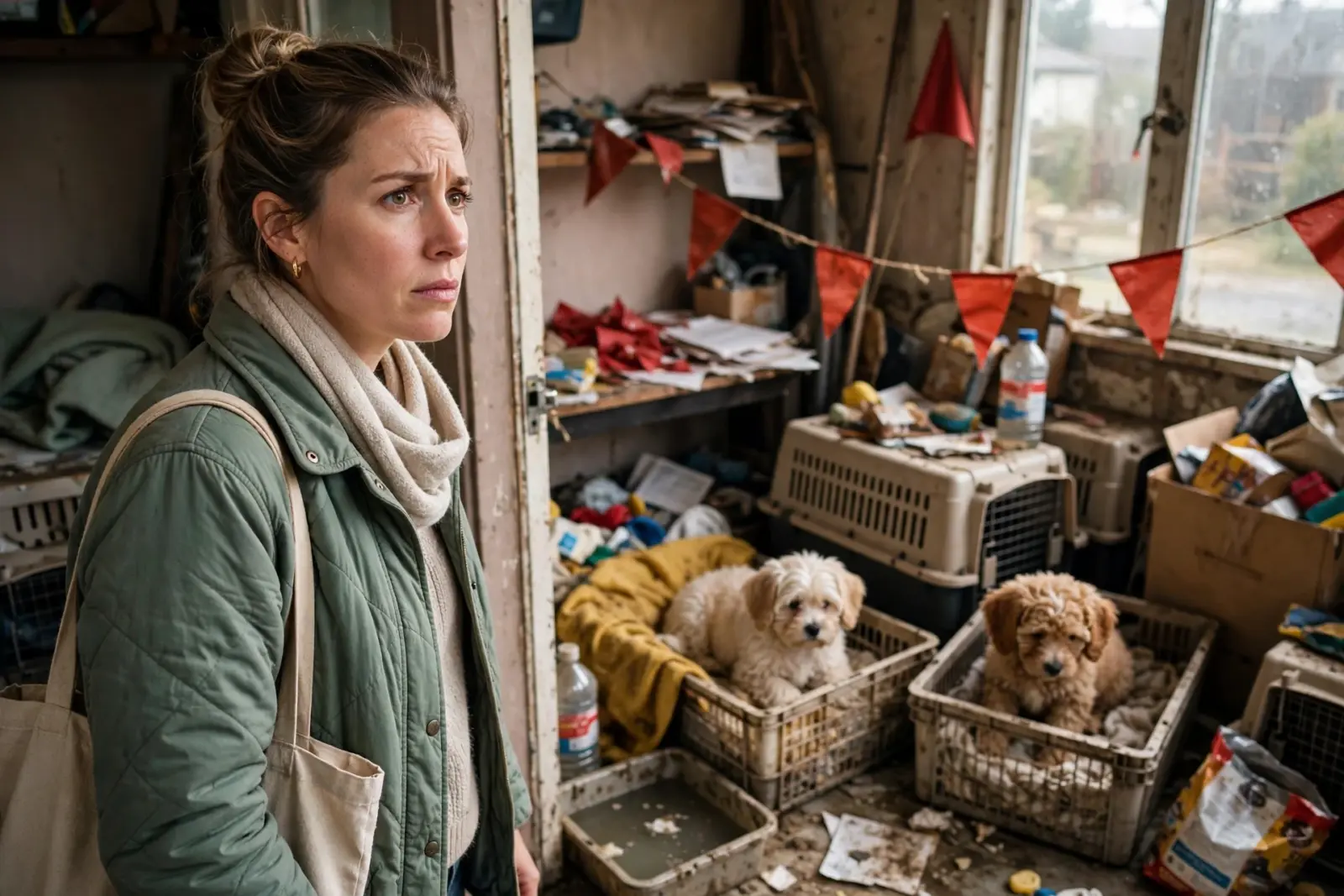
Trust what you see, not what you’re told. The breeder should happily show you where the dogs sleep and where the puppies were born. Watch for a few specifics:
- A clean, warm space with room to move, free of strong urine smells
- Puppies that are curious, plump, and comfortable around people
- A mother who is friendly and well kept, since her temperament often shapes her pups’
- Fresh water, appropriate food, and toys or enrichment
We raise our Havanese, Havapoo, and Cavapoo litters in our South Jordan home, and you can meet the parent dogs before you commit to a visit.
Precautions to take before and after your visit
Ask the breeder to confirm the puppies’ vaccination status first, and plan your visit before pickup day. Leave your other dogs at home, wear clean shoes, and skip visiting shelters or dog parks that same day. Afterwards, change clothes and wash up before handling unvaccinated puppies elsewhere. Simple habits protect every litter you’re hoping to meet.
Health and Genetic Testing: Questions to Ask About the Parents
A puppy inherits half of its health outlook from each parent, so parent testing tells you more than any puppy-side exam. Ask these three questions and write down the answers.
What health tests have both parents had?
For Havanese, ask specifically about patellas (kneecaps), eyes, hips, and hearing. The Havanese Club of America lists patella, eye, and hip screening among the core tests behind a CHIC number, a public record showing a dog completed breed-required health screenings. For Cavapoos and Havapoos, ask what both the Cavalier or Havanese parent and the Poodle parent were tested for, since each breed carries different risks. A breeder who names tests and results off the top of their head is usually doing the work.
Can I see the actual certificates and registry records?
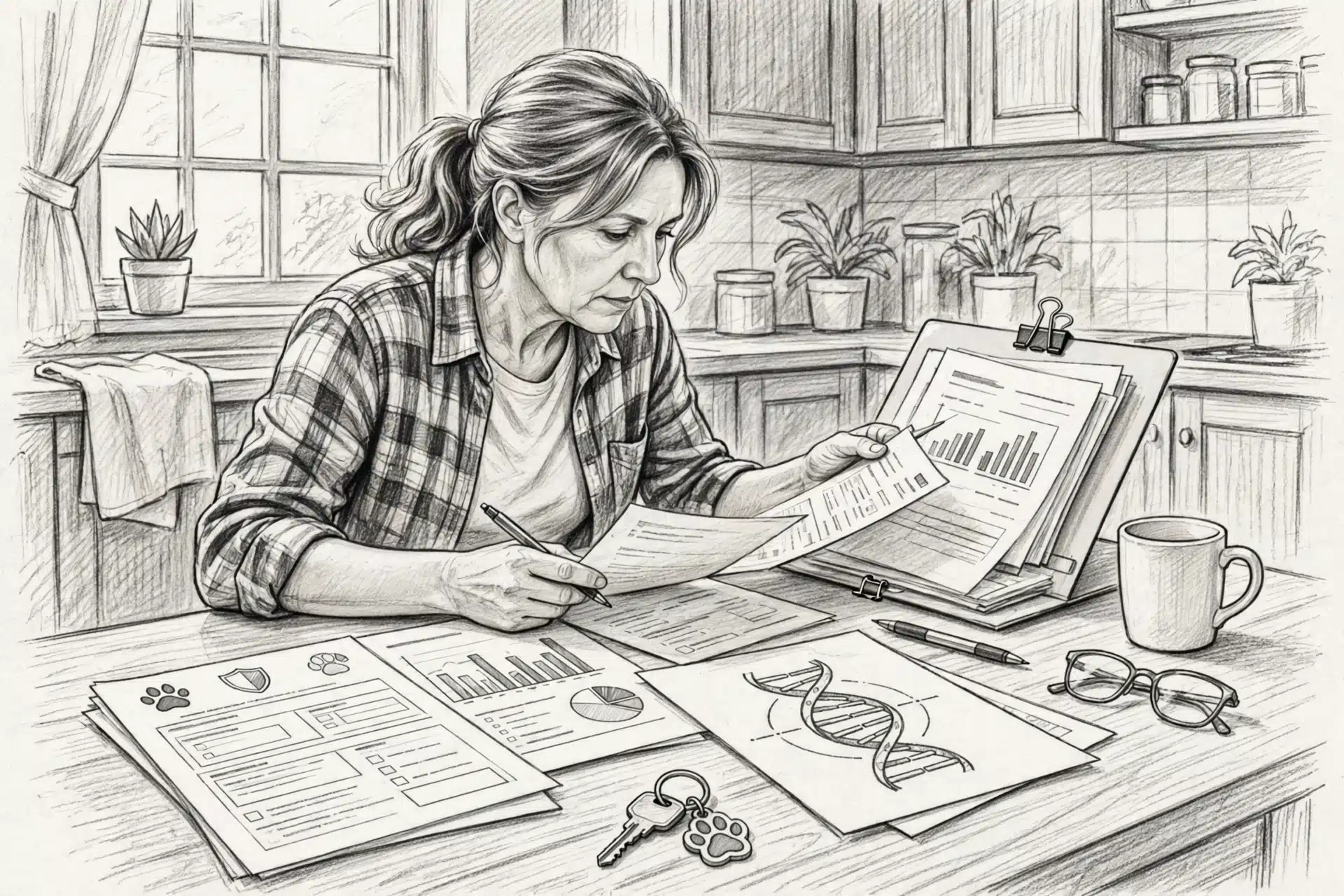
Verbal answers are not proof. Ask for the parents’ OFA registration numbers or DNA reports and look them up yourself. The OFA database is free to search, and legit breeders expect buyers to check. A breeder may refuse to share results, or a seller may claim testing happened but can’t produce a single document. Hesitation here matters more than one imperfect result. Our own program at Sage Puppies shares parent records during the application, and many careful home-based breeders do the same.
What do DNA results mean for my puppy?
DNA panels screen for inherited gene variants, but results need context. Ask which conditions each parent was tested for, whether either is a carrier, and how pairs are matched. Learn how to verify a puppy’s health test results yourself so nothing rides on memory or good faith.
The Puppy’s Own Medical Records and Veterinary Care
Parent health testing tells you about the family. The puppy’s own records tell you what actually happened to this litter, so ask for specifics and dates.
What vaccinations, deworming, and vet visits has this puppy had?
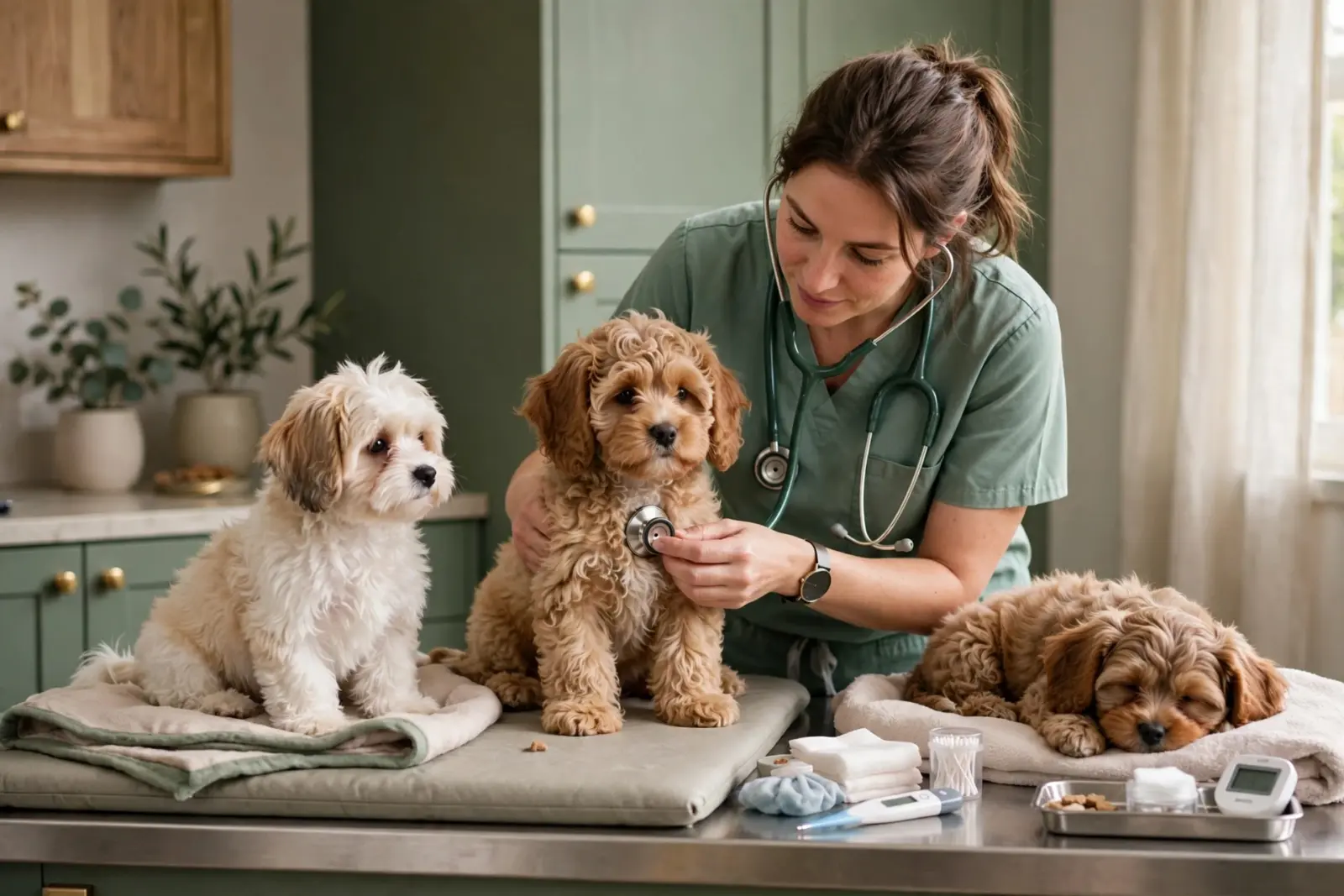
A good breeder answers without hesitation: which vaccine was given, on what date, and by whom. Ask how many rounds of puppy shots are done, whether deworming happened and when, and if a licensed veterinarian examined the litter. Get the exact dates in writing, not “fully vaccinated,” which can mean different things at eight weeks. An AVMA-registered practice exam with notes is a strong sign of real care.
Will I receive the records, food, and a feeding plan?
Ask what comes home with the puppy. You should receive the vet and vaccine records, the current food, and a written feeding schedule so you can keep the same routine at first. Sudden food changes upset young stomachs. A responsible program like Sage Puppies sends this packet as standard, and you can see what a health record packet should include before you compare breeders.
Who do I call if something comes up after pickup?
Ask for a named contact and a time window, such as the breeder directly for the first weeks. A breeder who dodges this question is telling you something.
Contracts, Deposits, and Guarantees: Questions That Protect Your Money

What exactly does the contract cover?
Ask to see the full contract before you pay anything. A good one states the puppy’s price, both parties’ names, health terms, and what happens if things go wrong. Read for specifics, not promises. “Healthy puppy” means little; “the breeder covers treatment costs for confirmed genetic conditions in the first two years” means a lot. Legitimate breeders hand over a written agreement and answer your questions without pushback. At Sage Puppies, contracts use specific terms, including guardian arrangements where noted, so you know who is responsible for what. If a seller resists putting terms in writing, walk away.
How do deposits, refunds, and transfers work?
Deposits should come with clear rules. Ask: is this payment refundable, and under what conditions? Can I move it to a future litter if timing changes? Get the answers in writing, not just in a text. Reputable programs publish their terms up front; ours, for example, are on our puppy deposit refund policy page so buyers can read them before applying.
What is the total cost, and what is not included?
Ask for the complete price and every condition attached to it. Some breeders list a base price, then add costs for delivery, registration papers, or starter supplies. If you live outside Utah, confirm delivery fees before you commit. A transparent program quotes one clear range, $3,500 to $4,500 here, and explains exactly what that covers.
Red Flags: Signs a Seller Is a Dealer Rather Than a Breeder
A dealer sells puppies; a breeder raises them. The difference shows in what the seller will let you see, verify, and take your time on. Lists like PAWS’s puppy mill guide flag the classics: many breeds available, puppies under six weeks, and no view of where dogs actually live.
Pressure, urgency, and shipping patterns
Dealers move puppies fast because holding them costs money. Watch for “only two left,” same-day deposits, or a litter that is somehow always available. Constant shipping offers matter too. A real breeder plans delivery around the puppy’s readiness, not your impulse. Breeders focused on profit rarely ask you questions; a careful one interviews you about your home, schedule, and experience before any money changes hands.
Claims to check: licensing, registration, and guarantees
Anyone can print paperwork, so verify instead of trusting it. Ask for the seller’s legal business name and any USDA license number, then check it against federal inspection records, where inspectors documented hundreds of care violations in 2025 alone. Registration papers prove lineage to a club, not health. And treat vague “health guarantees” with care: a real one names the conditions covered, the testing done on the parents, and how a refund or replacement actually works.
The questions to ask when the answers feel off
Ask simple, verifiable things: “Can I visit or video call and see the mother?” “Which vet examines your dogs?” “Who owns the parents right now?” Dealers dodge, delay, or redirect to a deposit. Hesitation on the mother’s location is the biggest tell of all.
Pickup, Delivery, and the First Week at Home
Pickup or delivery: what to ask before travel
Ask who travels with the puppy and how. Confirm whether you pick up in person, meet the breeder partway, or use a flight nanny, and get the cost in writing. Ask when the puppy last ate and drank before the trip. Good breeders plan short, calm journeys and stay reachable the whole way. A breeder who refuses any contact during transport is a red flag.
What should I have ready at home before pickup day?
Set up one quiet space, not the whole house. You need a crate, food and water bowls, a soft bed, chew toys, and the same food the breeder has been using. Ask for the food brand ahead of time so you can buy it. Book a vet appointment within a few days of arrival, and agree on house rules with your family before the puppy walks in.
What should the breeder hand over on pickup day?
Expect the vaccination and deworming records, a health certificate if your state requires one, the sales contract, and a small bag of the puppy’s current food. Ask about feeding amounts and the next vaccine due date. Breeders like Sage Puppies include written care notes so nothing depends on memory during a busy first week.
Common Mistakes to Avoid When Asking Your Questions
Mistakes that cost buyers leverage
Most buyers lose ground before a breeder even answers. The usual errors: asking vague questions (“Is she healthy?”), accepting yes-or-no answers, staying silent when a contract clause confuses you, and paying a deposit before you’ve seen health testing records. Keep notes. If a seller dodges about paperwork, pressures you to decide today, or refuses a video call, walk away. No puppy is worth ignoring those signs.
And yes, a good breeder will ask you questions too
Expect the interview to run both ways. A careful breeder asks about your schedule, kids, other pets, and home setup, because a good match protects the puppy. We ask these questions at Sage Puppies for exactly that reason. If nobody screens you, be cautious: a seller who hands a puppy to anyone with cash may also skip screening on the breeding side.

The right breeder answers these questions without flinching. When you’re ready, Sage Puppies invites you to review our application and matching process yourself. Ask us anything on this list. Then decide if a Havanese, Havapoo, or Cavapoo raised in our South Jordan home belongs in yours.
Frequently Asked Questions
Q1: Can I visit the puppy’s mother and see where the litter was raised?
Yes, and a responsible breeder says so without hesitation. The dam should live where the litter was raised. Hesitation or video-only excuses deserve follow-up.
Q2: What health tests should the parents of my puppy have?
For Havanese, patellas, eyes, hips, and hearing. For Cavapoos and Havapoos, ask what both parents were tested for. Verify OFA numbers yourself in the free database.
Q3: What red flags show a puppy is being sold by a dealer or puppy mill?
Pressure to deposit today, many breeds always available, puppies under six weeks, refusal to show the mother, and no verifiable health records.
Q4: How much should I expect to pay a reputable breeder?
Home-based programs vary widely by breed and location. Sage Puppies charges $3,500 to $4,500 with everything stated up front, so confirm what a quoted price includes.
Q5: Should I get a written contract when buying a puppy?
Always. A real contract names the price, health terms, and deposit rules. If a seller resists putting terms in writing, walk away.
Conclusion
Good breeders welcome hard questions; dealers dodge them. Before any deposit, confirm who raised the litter, meet the mother, check the parents’ OFA or DNA records yourself, and read the contract’s exact terms on price, health coverage, and refunds. Watch for the classic red flags: constant availability, pressure to pay today, and refusal to show where the dogs live. Verify each answer instead of trusting it, since paperwork is easy to print and free to check. A transparent program quotes one clear range, shares records during the application, and interviews you right back. That combination of openness and screening is the surest sign your Havanese, Havapoo, or Cavapoo is coming from a real home, not a volume seller.