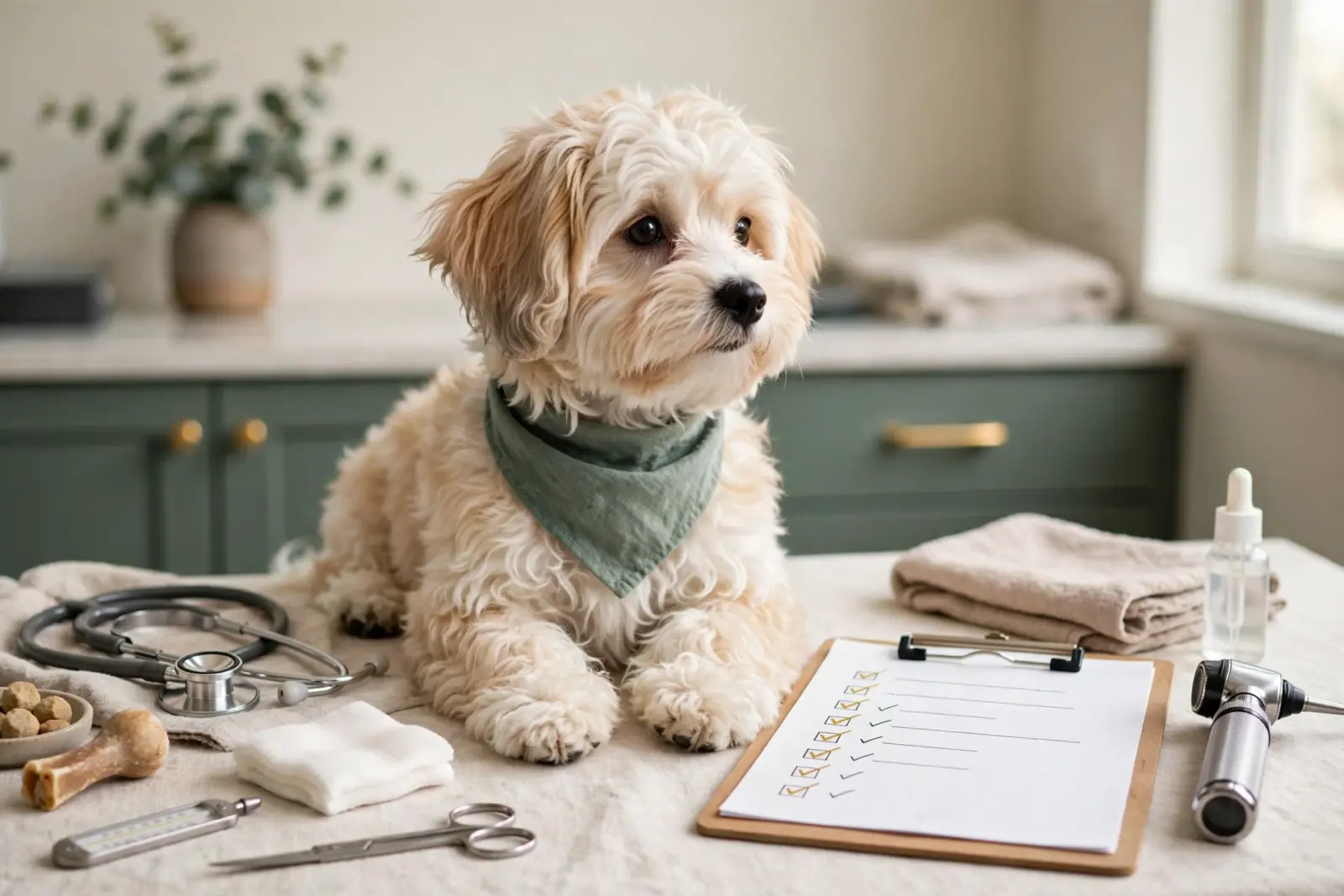
Quick Summary: A reputable puppy breeder should provide a signed contract, the puppy’s veterinary records, the parents’ health screenings, pedigree and registration details, and the microchip number before you pay. Verify records through your vet, the OFA database, and the relevant registry, and check that names, dates, amounts, and terms match across every document. Keep your own copies of the complete file because hesitation, gaps, or contradictions are warning signs.
Two breeders can both say their puppies are health-tested and family-raised. The difference often shows up on paper: one hands you a signed agreement with the parents’ screening numbers attached, and the other hands you a text message and a request for a deposit. Learning to read puppy breeder contracts and records protects you before money changes hands, not after.
This guide walks through one ordered review workflow. You will separate the puppy’s own care record from parent health screening and DNA results, then check each document against the registry or database where it can be verified. We raise Havanese, Havapoo and Cavapoo puppies in South Jordan, Utah, and we wrote it the way we would want a buyer to review our own paperwork.
Step 1: Ask for the Contract Before You Ask for Anything Else
A serious breeder will send the contract before you ask. A hesitant one is telling you something. Start every search for puppy breeder contracts and records with the written agreement, because it sets the terms for everything else: refunds, health coverage, and who keeps the dog if things go wrong. Review the puppy purchase agreement before you send a deposit, not after.

The Six Clauses to Locate First
What should a puppy purchase contract include? Scan for these clauses:
- Health guarantee terms, including how many days you have to vet-check the puppy
- Return-to-breeder clause, requiring the dog come back to the breeder, never a shelter
- Spay and neuter terms, with the deadline and proof required
- Deposit and refund conditions, stating clearly what is refundable
- Delivery or pickup responsibilities, including who carries risk in transit
- Registration terms, if papers or limited registration are promised
The contract should also name both parties, the price, and the puppy’s identifying details. If a clause is verbal, it does not exist. Ask for changes in writing.
What a Return-to-Breeder Clause Should Actually Do
This clause protects the dog first. It should state that if you cannot keep the puppy at any age, the breeder takes it back or rehomes it carefully, never reselling to a stranger. Watch for two red flags: a clause that expires, or one that lets the breeder resell the dog without your consent. A strong clause reads as a lifelong safety net, not a condition that vanishes after twelve months.
Questions to Put in Writing Before You Sign
Email your questions so answers arrive as text you can keep. Ask what happens to your deposit if the litter is small, which conditions void the guarantee, and who pays if the puppy is sick at delivery. Our guide to the questions worth asking a puppy breeder before you buy covers these in more depth, and any reputable breeder of Havanese, Havapoo or Cavapoo puppies will answer them plainly.
Step 2: Separate Health Records From Health Testing
Breeders hand you two different kinds of paper, and mixing them up is how buyers get fooled. Health records describe care the puppy already received. Health testing describes screening done on the parents before the puppy was born. Ask for both, and read each one against its own standard. This distinction is the backbone of smart puppy breeder contracts and records review.
| Record Type | What It Shows | Where to Verify It |
|---|---|---|
| Puppy’s vet record | Exams, vaccines, deworming | Your own vet |
| Parent screening | Hips, eyes, heart, patellas | OFA database |
| DNA variant report | Inherited disease risks | Lab report and OFA |
The Puppy’s Own Veterinary Record
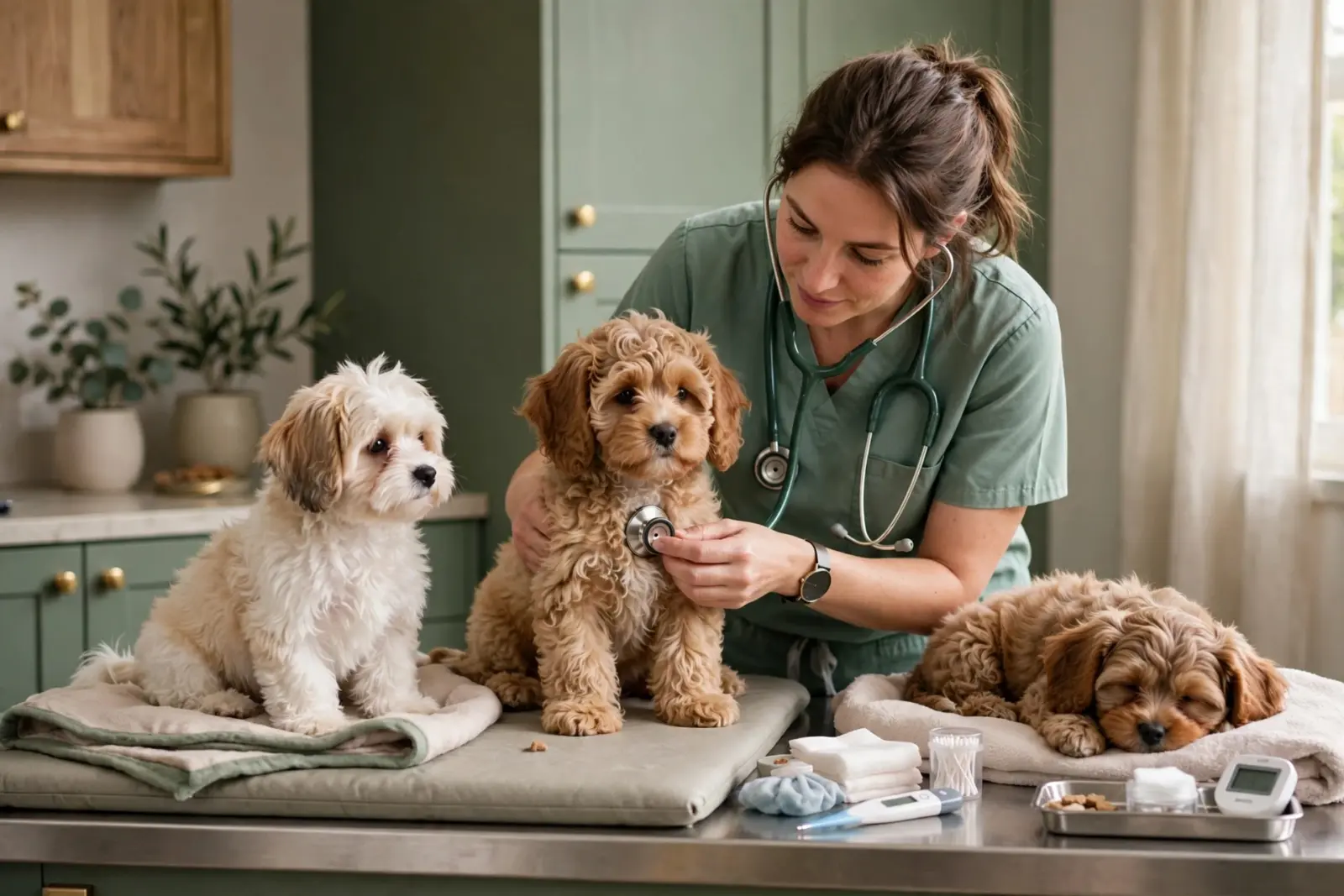
This document covers the puppy’s care so far: a wellness exam, age-appropriate vaccines, and deworming dates. It should carry the clinic’s name and the examining vet’s details. Ask for the original or a clinic-issued copy, not a typed summary. Then have your own vet look it over within a few days of pickup.
Parents’ Clinical Screening Results
Clinical screening means physical exams done by veterinarians, such as eye clearances, cardiac checks, and patella evaluations. For small breeds like Havanese, Havapoo and Cavapoo, patellas and eyes matter most. Ask which parent dogs were screened and request copies of each result. A breeder who tests will share these without hesitation.
DNA Variant Results and What They Cannot Tell You
A DNA report lists specific gene variants a lab tested for, and labs can submit those results to the OFA database as well, as UC Davis’s veterinary genetics lab explains. But a clear report only covers the variants on that panel. It cannot rule out every inherited condition, and it says nothing about structure or temperament. Treat it as one layer, not a guarantee.
Where You Can Check Records Yourself
You do not have to take paperwork on faith. The OFA’s advanced search lets you look up individual dogs by registered name and see posted screening results. A CHIC number confirms a dog completed its breed’s recommended test list, though results may still include some abnormalities, so read the actual findings. If a parent dog’s name returns nothing, ask why before you commit. For a worked example, our guide on how to read a breeder’s health record walks through a real file page by page.
Step 3: Check Pedigree, Registration and Identity Records
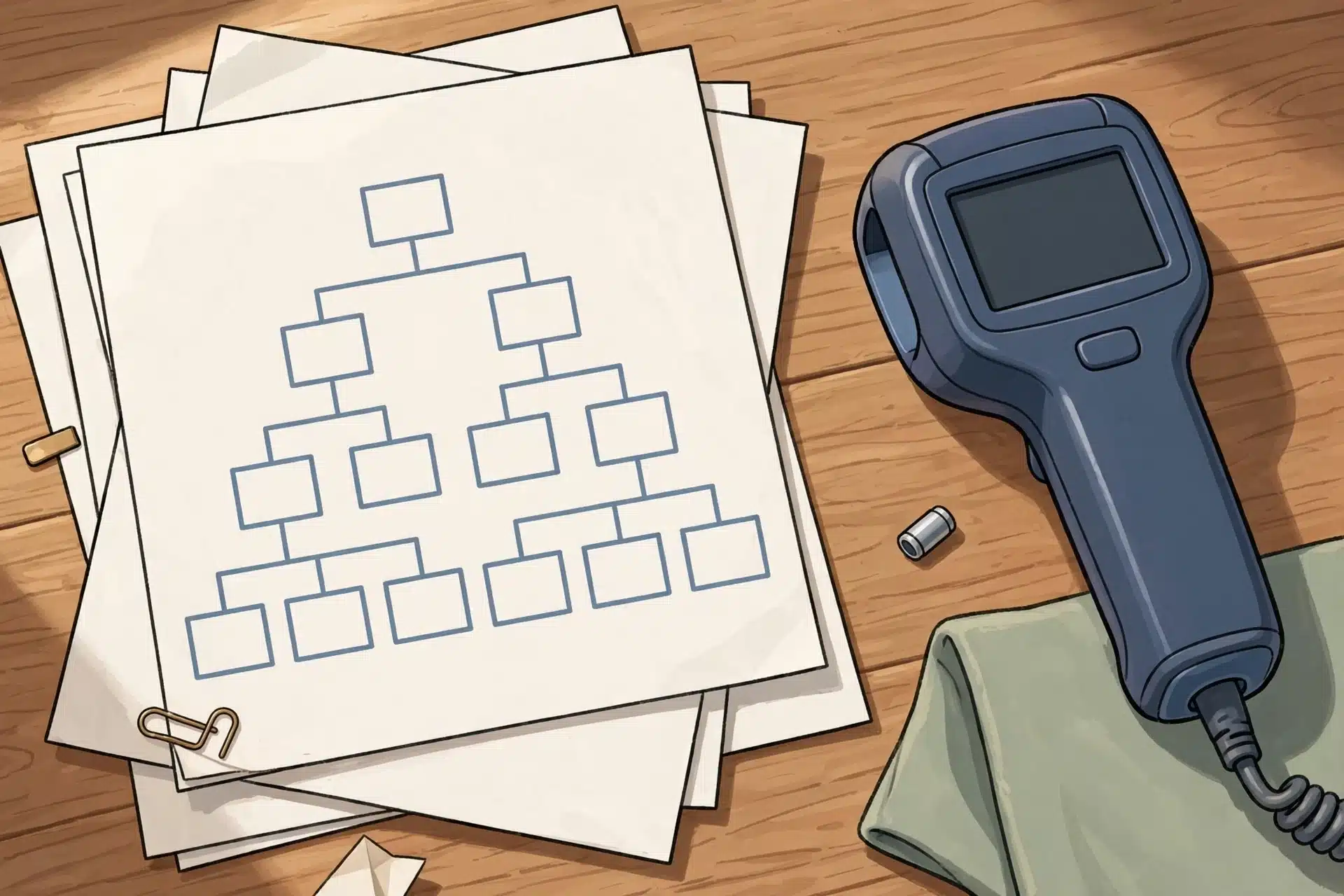
A pedigree chart traces three or more generations of a puppy’s ancestry. Ask to see it, then check it against everything else the breeder has given you.
Matching Parents Across Every Document
The dam’s and sire’s names should match exactly across the pedigree, health test reports, DNA results, and any registration papers. If the mother listed on the pedigree differs from the mother named on the OFA records, stop and ask why. Small breeders sometimes use shortened or “call names” on one document and full registered names on another, which is fine once explained. Consistency here confirms that the health testing you reviewed in Step 2 actually belongs to this puppy’s parents. It also confirms the Havanese, Havapoo or Cavapoo ancestry the breeder describes matches the documented line.
Registration Papers and Limited Registrations
Purebred Havanese often come with American Kennel Club registration. Responsible breeders typically sell companions on a limited registration, which lets the puppy be registered but blocks breeding and conformation showing. Ask which applies before you pay. If you are comparing breeders and want a fuller list of what to request, the questions to ask a puppy breeder page covers this territory in more depth.
| Paper | What It Confirms |
|---|---|
| Pedigree chart | Three or more generations of ancestry |
| Registration certificate | The puppy’s official identity with a registry |
| Limited registration | Companion status; breeding rights withheld |
Microchip and Litter Registration Details
Every puppy should have a microchip before going home. Get the chip number in writing, verify it appears on the vet record, and confirm the registration transfer steps. Some registries handle transfer for you; others require you to file it. Either way, finish the transfer yourself so the chip lists your name, not the breeder’s.
Step 4: Test the Paperwork Trail for Gaps and Contradictions
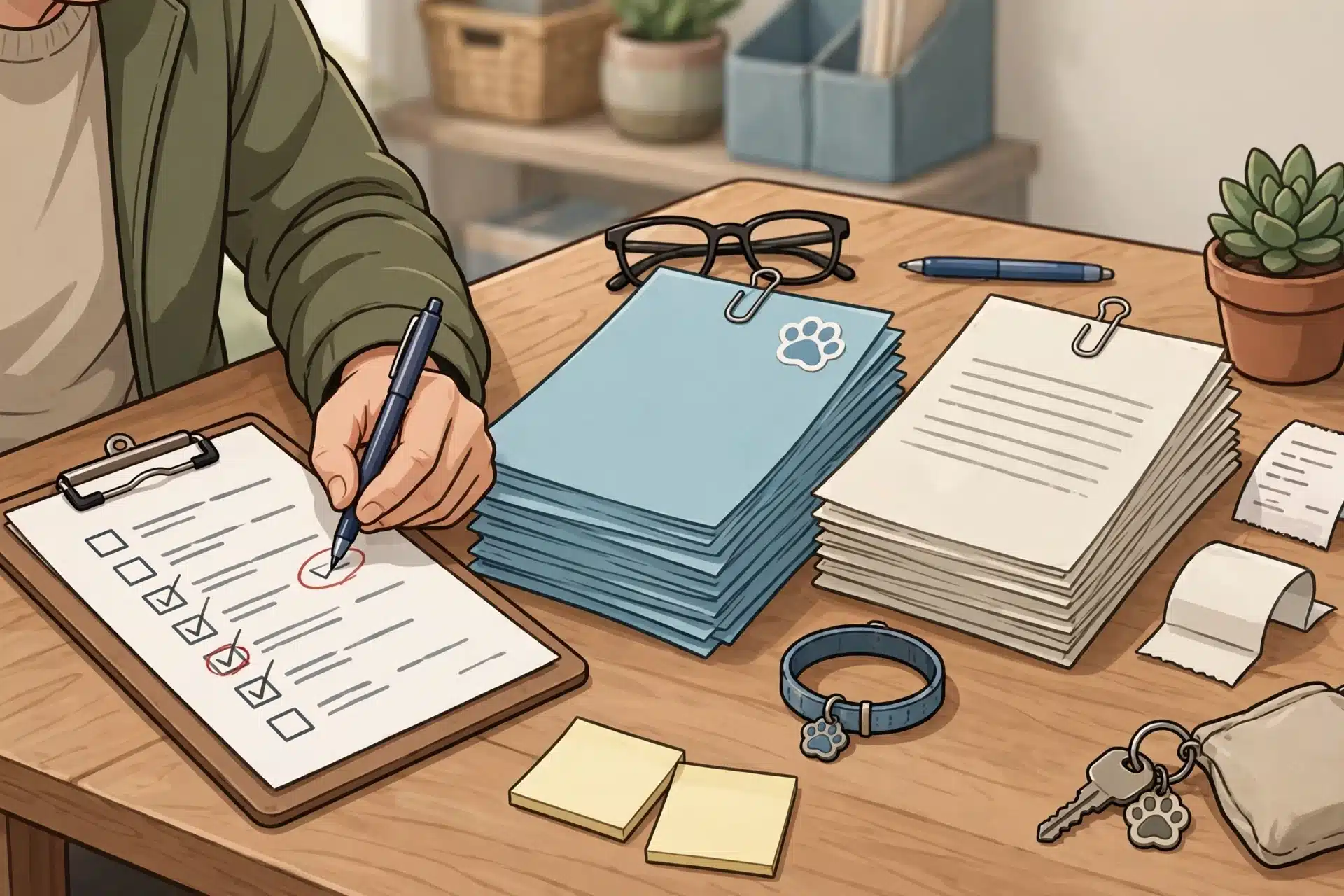
A good file answers every question before you ask it. So test it. Lay out the contract, health records, and registration papers side by side and look for what’s missing or doesn’t match. What are the red flags in a breeder’s paperwork? Each gap below pairs with the exact question it should raise.
Seven Gaps That Appear in Real Breeder Paperwork
- No vet exam date near pickup. Ask when the puppy was last seen and by whom.
- Vaccinations listed without lot numbers or clinic names. Ask who administered them.
- Missing OFA or CHIC numbers for the parents. Ask why screening wasn’t documented.
- A pedigree with no registration number to verify against. Ask which registry issued it.
- Microchip number absent from the contract. Ask for it in writing before payment.
- Return-to-breeder clause missing. Ask what happens if you can’t keep the puppy.
- Spay or neuter terms vague or absent. Ask for the deadline and proof required.
Each one is answerable. A breeder who documents care will answer in minutes.
How to Ask Without Accusing
Frame gaps as checklist items, not charges. Try: “My puppy vet records checklist needs the clinic name for the first shots” or “Could you send the parents’ OFA numbers so I can verify them?” Most honest breeders appreciate organized buyers. Our own questions to ask a puppy breeder before bringing home a puppy cover phrasing that keeps the tone friendly and the answers on record. If a simple request triggers defensiveness or a promise to “get papers later,” treat that as your answer.
When Paperwork and Payment Never Line Up
Watch the money trail too. A deposit paid with no written receipt, a contract dated after pickup, or a price that changed between application and invoice all signal loose records. Legitimate breeders match amounts, dates, and names across every document. If the numbers drift, ask for a corrected, signed copy before funds move.
Step 5: Confirm Deposit, Guarantee and Delivery Terms in Writing
Deposit and Refund Language
A verbal promise about your deposit means nothing on pickup day. Ask the breeder to spell out the amount, what it holds, and every condition that refunds it in the purchase agreement. Reasonable reasons include a failed vet exam or a health issue the breeder cannot resolve. Some breeders, including Sage Puppies, apply the deposit toward the purchase price, so ask how yours is handled before you pay.
Guarantees, Warranties and Exclusions
Read the health guarantee closely. Look for what it covers, how long it lasts, and what you must do to keep it valid, such as a vet exam within a set window. Note the exclusions: parasites, stress-related upset, or conditions tied to diet. Watch for a return-to-breeder clause, which asks you to send the dog back to the breeder if you cannot keep it. That clause protects the puppy, so a serious breeder will include it.
Delivery, Pickup and Handoff Records
Ask who pays each delivery cost, and never accept a handoff without written records.
Decide how the puppy reaches you: pickup in South Jordan, a ground courier, or flight nanny service. The written terms should name who books travel, who pays, and what happens if a flight is delayed. At handoff, get the signed contract copy, vaccination record, microchip number, and a start date for insurance or registration. If the breeder cannot produce these documents on delivery day, slow down and ask why.
Step 6: Build Your Own Copy of the File
A breeder hands you paperwork once. Keeping your own organized copy protects you if a record goes missing, a health question comes up later, or you ever need to prove terms. The answer to “what records should I keep after buying a puppy?” is a short checklist you build in two stages: save the breeder’s file before pickup, then add your own records after.
What to Save and Where
Before pickup day, save or photograph these:
- The signed puppy purchase agreement, including the health guarantee, spay or neuter terms and return-to-breeder clause
- Payment and deposit receipts
- The vet exam record and vaccination history the breeder provided
- Deworming dates and any microchip number
- Registration papers or pedigree information, if applicable
Keep digital copies in one cloud folder and paper copies in one folder at home. Name files clearly, such as “2026-Contract-Signed.” If a breeder’s answers shaped your decision, written questions before you commit are worth saving too.
What to Add After Pickup
Your file keeps growing in the first weeks. Add:
- Your vet’s first wellness exam notes
- The vaccination schedule your vet sets up
- Microchip registration transfer confirmation
- Spay or neuter surgery records
- Insurance policy, if you bought one
- Feeding notes and weight records from early visits
Within a month you will have a complete health history. That single folder answers most questions a new vet, insurer or trainer will ask.

Ready to see the paperwork for yourself? At Sage Puppies, Cassie’s application and matching process puts health records and parent screening up front, so you know exactly what you’re bringing home. Start your application today and compare our file against any breeder you’re considering. Wisely Bred. Beautifully Loved.
Frequently Asked Questions
Q1: What breeder paperwork should I request before buying a puppy?
Ask for the signed purchase agreement first, then the puppy’s vet record, parents’ OFA or CHIC numbers, DNA variant report, pedigree chart, and microchip number in writing.
Q2: How do I verify a breeder’s health testing records?
Search each parent’s registered name on the OFA database. A CHIC number confirms the breed’s recommended test list, but read the actual findings, not just the number.
Q3: What if a parent dog has no OFA records?
Ask why before committing. Screening missing from one parent means the health testing claim cannot be verified for that line.
Q4: Should I get registration papers before or after pickup?
Ask which registry applies and whether registration is limited. Transfer steps should be in writing; finish the microchip transfer yourself.
Q5: What records matter most on delivery day?
Get the signed contract copy, vaccination history, vet exam record, and microchip number in writing. If any are missing, delay payment until they appear.
Conclusion
Paperwork separates a reputable breeder from a hopeful guess. Start with the signed purchase agreement, then separate the puppy’s care record from the parents’ health screening and DNA results. Verify each document where it lives: your own vet, the OFA database, and the registry behind the pedigree. When names, dates and numbers match across the whole file, you can trust what you’re buying. Keep your own copies, because a complete folder of puppy breeder paperwork answers questions long after pickup day. A breeder who documents care will welcome the review. One who hesitates has told you what you need to know.