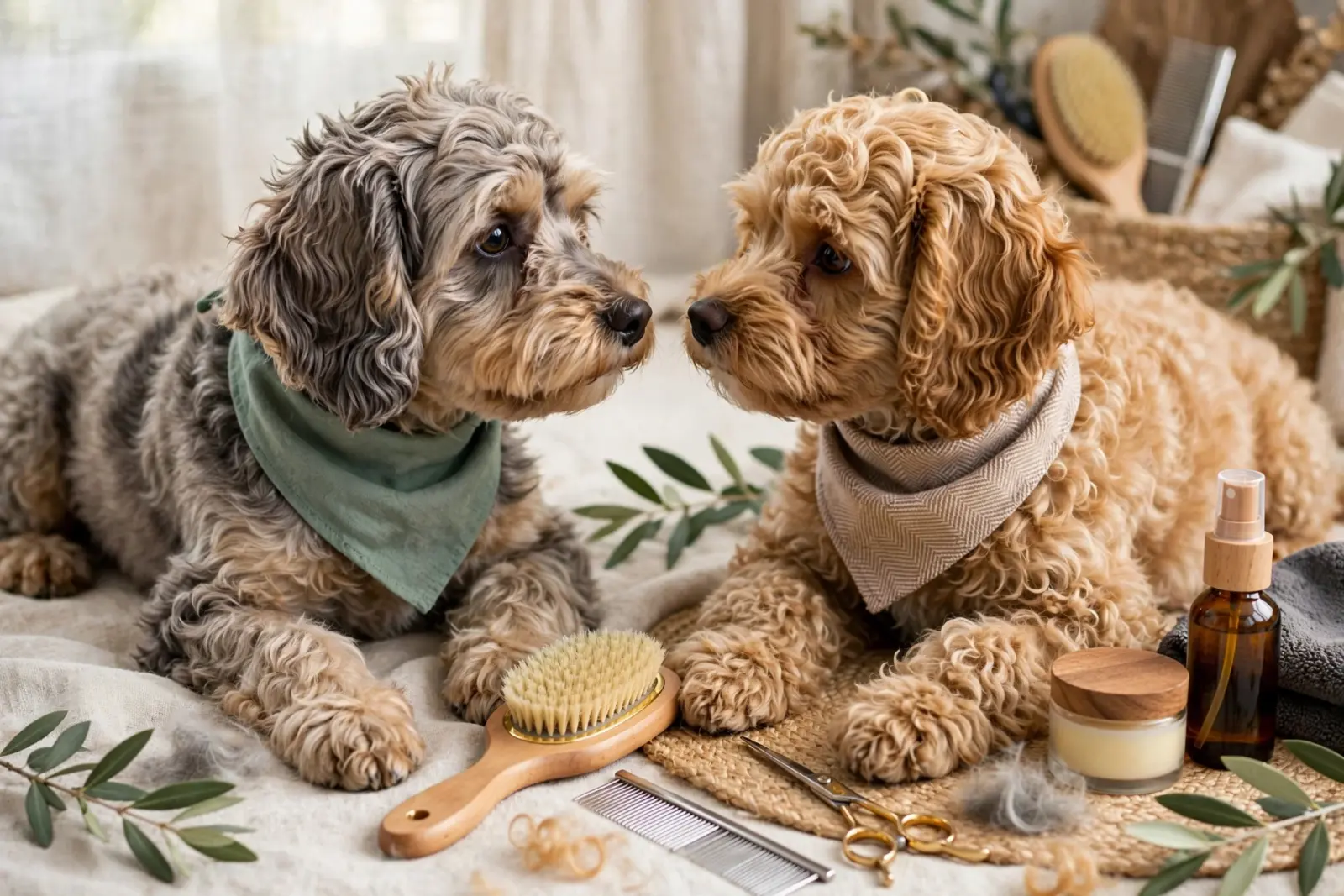
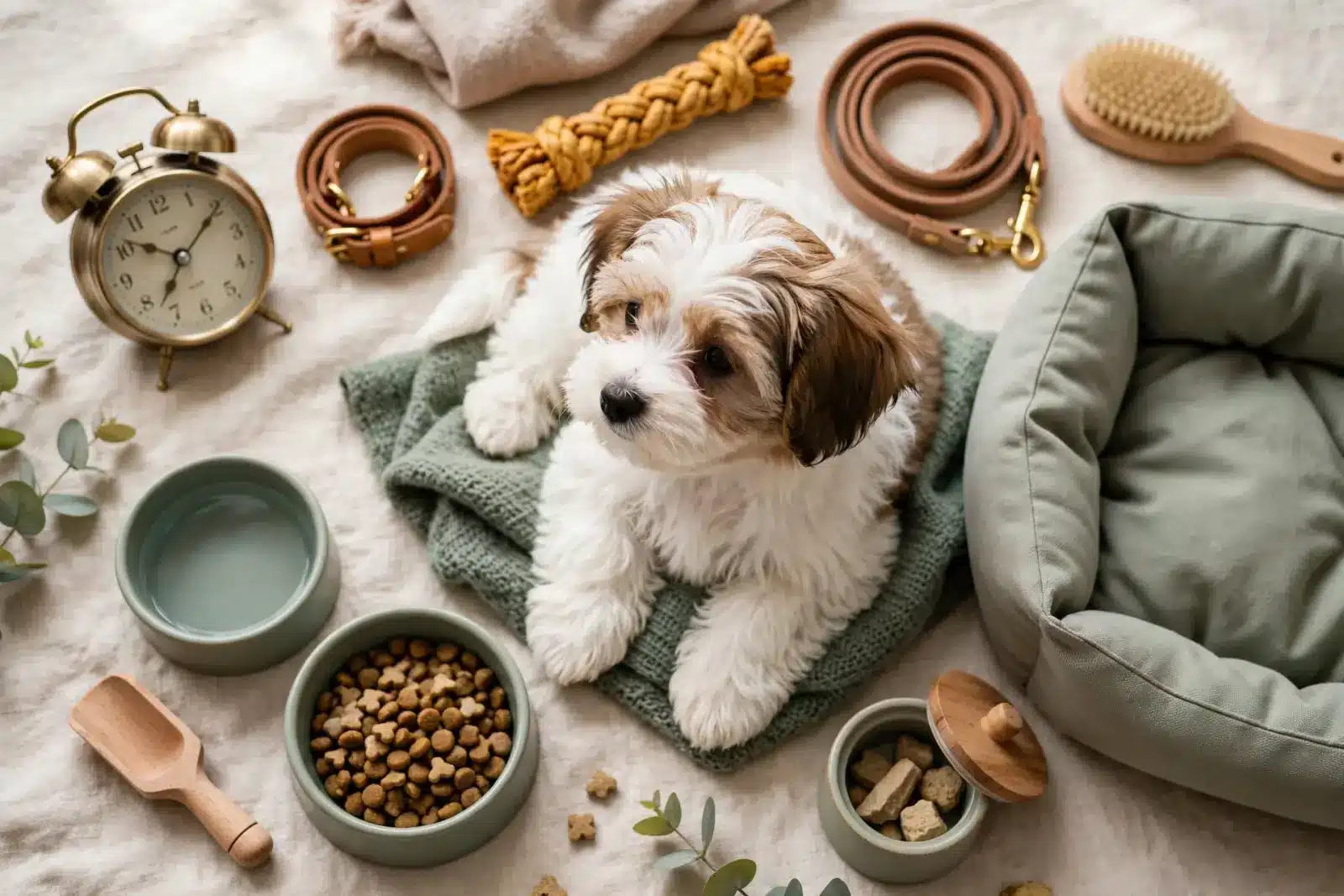
Quick Summary: Havanese puppies are affectionate, alert companion dogs that thrive on human company, often following their family from room to room and barking at visitors. They need daily brushing to prevent matting, small frequent meals, short reward-based training, and careful socialization between 8 and 16 weeks to build confidence and reduce separation anxiety. A healthy puppy should come from parents screened for common conditions such as eye, knee, hearing and heart problems, and Sage Puppies matches families with Havanese, Havapoo and Cavapoo puppies.
A Havanese puppy will trail you from room to room, sound the alarm at the front door, then fall asleep against your ankle. That mix of affectionate, alert, people-focused behavior defines the breed’s core Havanese personality traits, and it separates the Havanese from nearly every other small companion dog. The challenge for new owners is knowing which behaviors come from the breed itself and which depend on how you raise your puppy. This guide answers that. We cover temperament first, then feeding, grooming, Havanese training, and Havanese socialization, with guidance drawn from the AKC breed standard and the Havanese Club of America. Every point separates breed tendency from individual variation, so you know what to expect and what you can shape.
Where the Havanese Comes From and What That Means for You
Breed History and Why Companionship Shaped the Havanese
The Havanese is the national dog of Cuba, descended from small bichon-type dogs brought to the island centuries ago. Wealthy Cuban families kept them as house companions, so the breed was shaped by human company rather than field work. That purpose still shows: Havanese personality traits center on closeness with people, and the AKC breed profile calls them cheerful and springy little dogs.
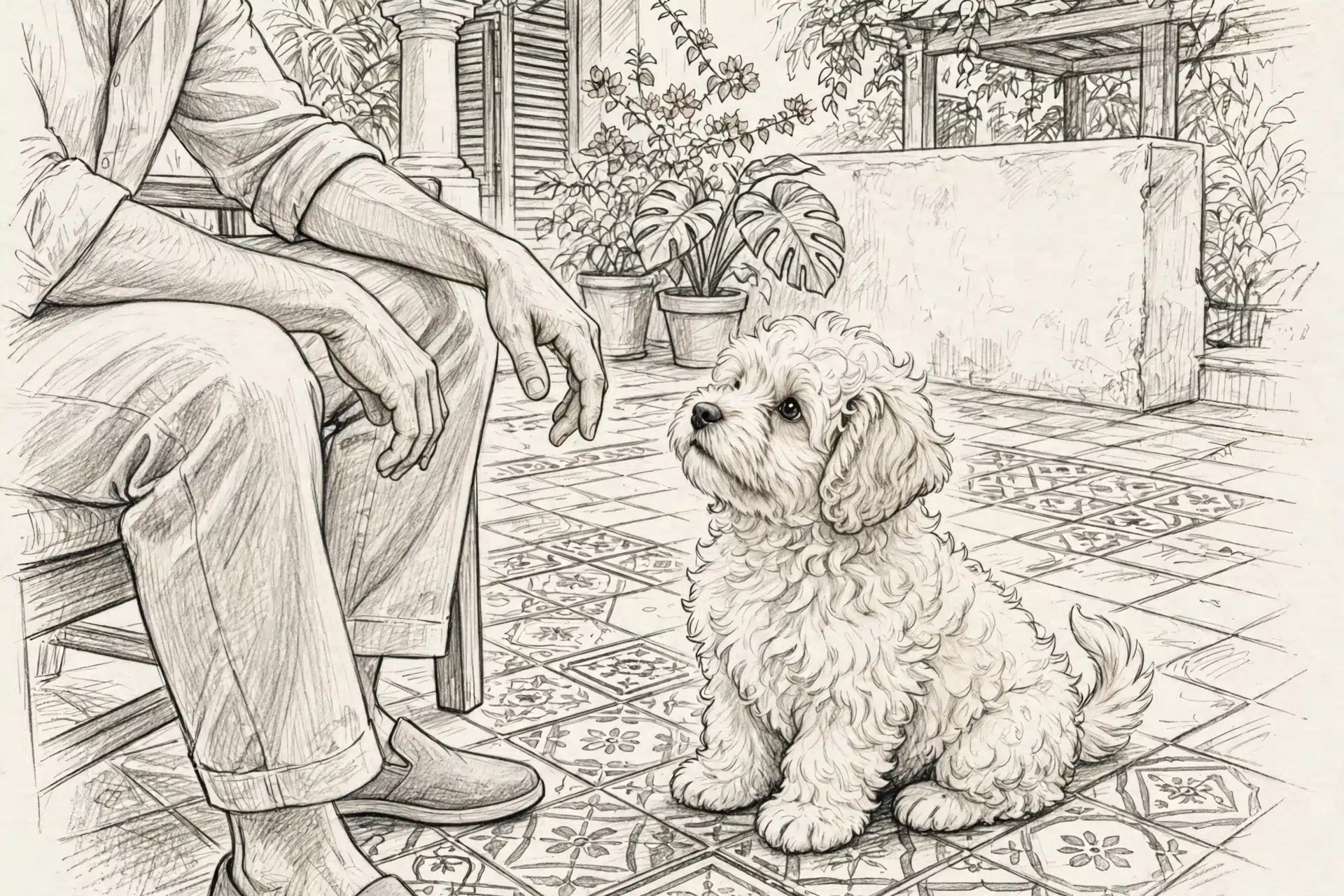
Size, Coat Type and the Double-Coat Reality
Havanese stand about 8.5 to 11.5 inches tall and usually weigh 7 to 13 pounds. The breed standard describes a long, untrimmed, soft double coat, so the fluffy look needs real upkeep. Daily brushing prevents mats, and this coat care guide covers the routine between professional grooms.
Reading Breed Temperament Description Versus Individual Personality
Breed descriptions give you a tendency, not a promise. Most Havanese are affectionate, trainable and people-focused, but each puppy varies in boldness, energy and how quickly it settles. Ask breeders what a specific puppy shows at seven weeks, then plan to build on it. Early socialization and steady routines do more than any breed write-up to shape the dog you live with.
Havanese Personality Traits: What the Temperament Is Really Like
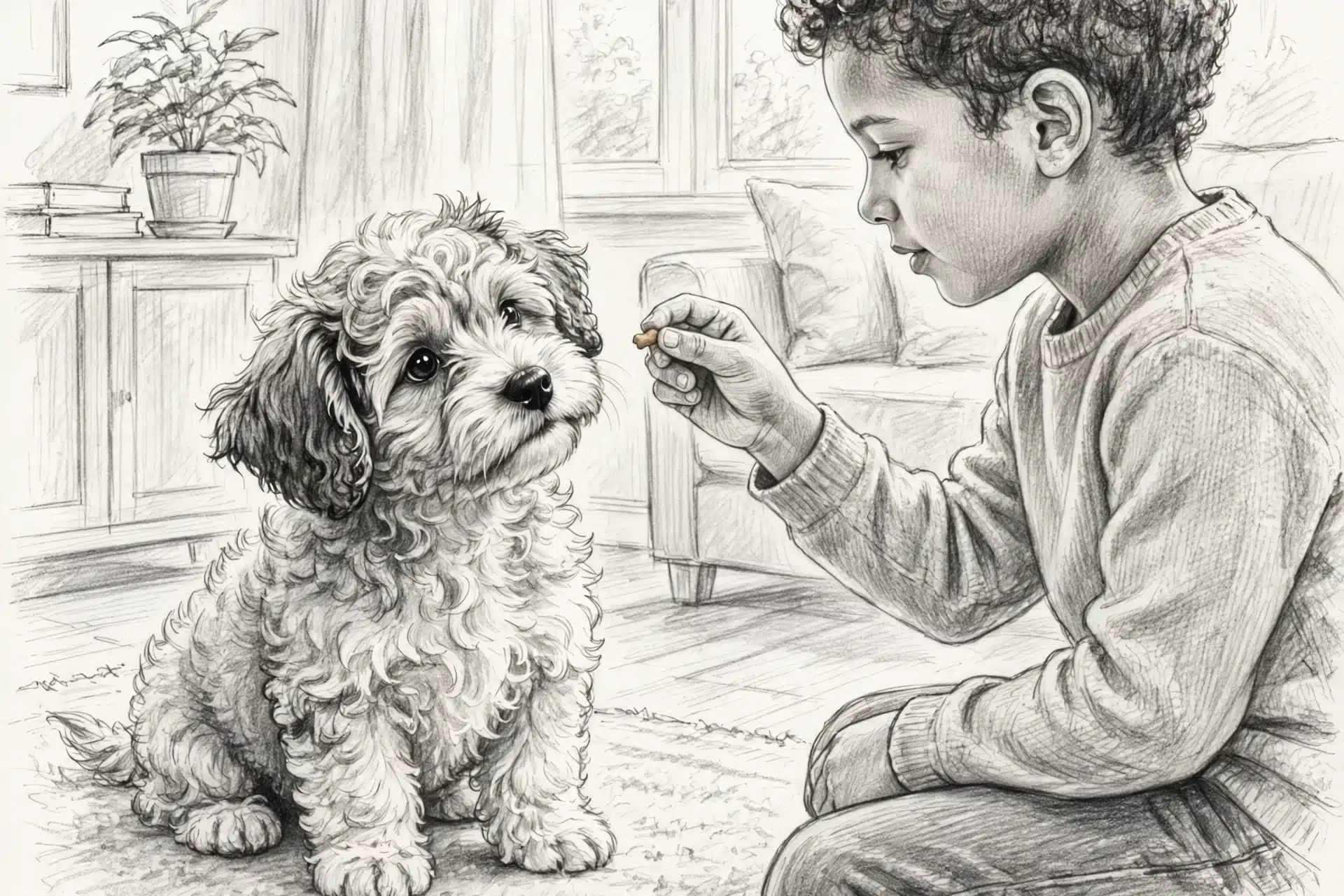
A Havanese puppy is affectionate, playful and people-focused, with a sweet disposition and no hint of quarrelsomeness. The Havanese Club of America breed standard faults both aggression and shyness, so a well-bred puppy should be outgoing. The defining traits:
- Closely bonded to family
- Friendly with strangers, children and dogs
- Alert, intelligent and trainable
- Food-motivated and eager to please
Affectionate, People-Oriented and Closely Attached
This breed wants to be with you, not near you. Havanese were bred as companion dogs in Cuba, and that history shows: they follow their people from room to room and thrive on attention. Because the bond runs deep, long days alone can lead to separation anxiety, so plan for company, training and a gradual alone-time routine. Individual puppies vary, but the clingy streak is a breed tendency.
Sociable With Children, Strangers and Other Dogs
The AKC breed profile rates Havanese high on openness to strangers, good with children and good with other dogs. They are small but sturdy, so they usually handle gentle family life well. Early puppy socialization still matters: positive exposure during the first few months shapes whether that natural friendliness matures into confidence.
Alert, Vocal and Food-Motivated
Havanese make keen little watchdogs. They notice visitors, delivery drivers and squirrels, and they will tell you about all of them, so expect some barking and teach a quiet cue early. The upside is trainability. These dogs are smart, food-motivated and quick to learn with positive reinforcement, which is why even first-time owners do well with short, consistent sessions.
Feeding and Nutrition for a Growing Havanese Puppy
A Havanese puppy needs food labeled complete and balanced for growth, sized for small or toy breeds, with a named animal protein as the first ingredient, moderate fat, and a kibble piece small enough for a tiny mouth. What to avoid matters too: skip adult maintenance formulas, filler-heavy first ingredients and free-feeding.
| Age | Meals per day |
|---|---|
| 8 to 12 weeks | 4 |
| 3 to 6 months | 3 |
| 6 to 12 months | 2 |
How Often and How Much to Feed
Small-breed puppies burn energy fast and can’t store much, so frequency matters. Most guides suggest four meals a day for toy breeds until six months, then three, according to Chewy’s puppy feeding guide. Weigh out the daily amount, split it across meals, and adjust to the body, not the bag.
Choosing a Food and Transitioning Safely
Keep your puppy on the food the breeder started. When you switch, blend the new food in over 7 to 10 days, increasing the share slowly. Sudden changes often cause loose stools. The first weeks at home go more smoothly when routine stays steady, a point covered in our first 30 days with a new puppy.
Water, Weight Tracking and When to Call the Vet
Keep fresh water down at all times. Weigh your puppy every week or two on a kitchen scale, since a 7-to-13-pound adult hides weight swings easily. Call your vet about vomiting, diarrhea beyond a day, or refusal to eat two meals in a row.
Final word count check: roughly 250. Trim slightly to stay safe.
Grooming the Double Coat and Everyday Care Tasks
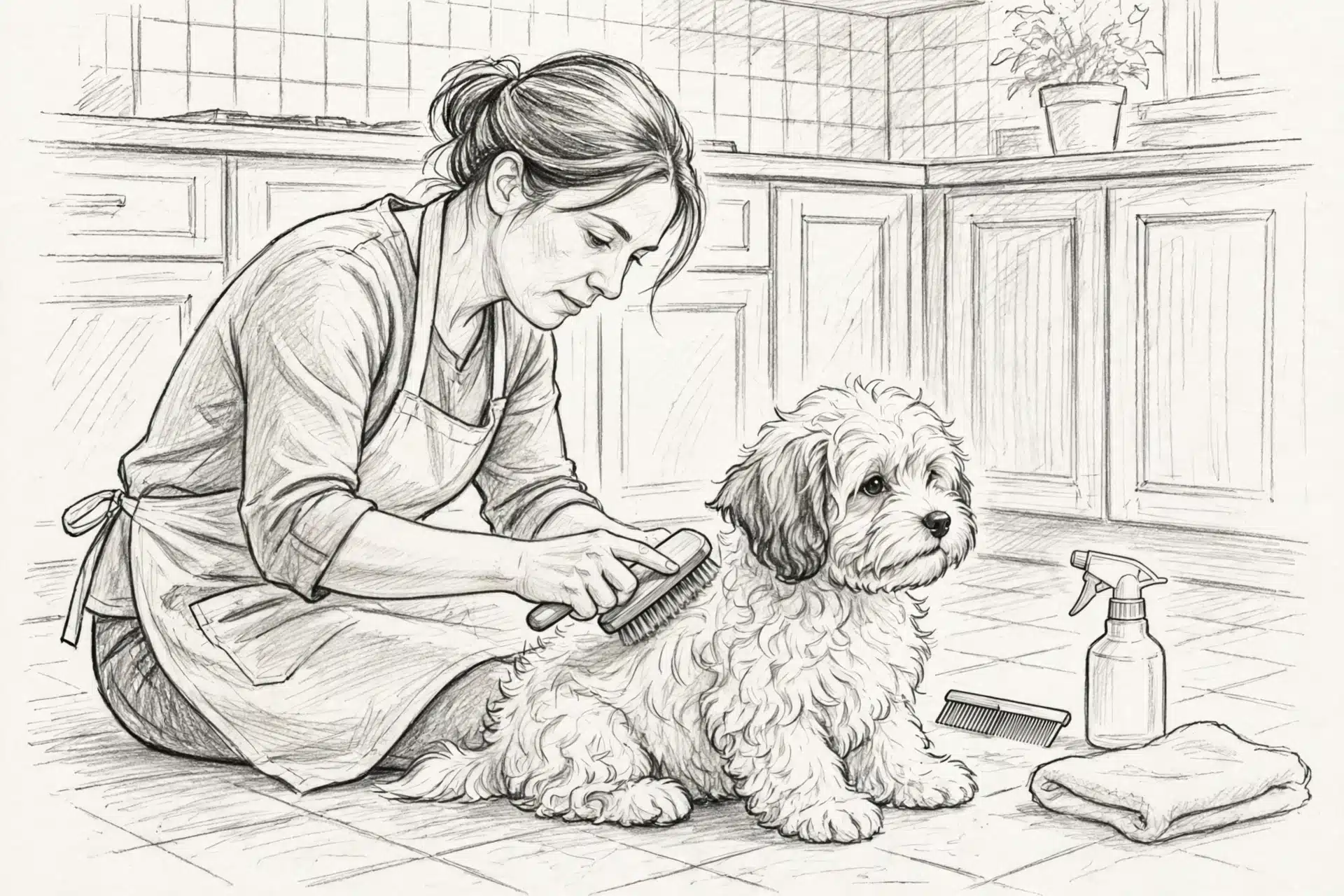
The Havanese coat looks like a double coat but grows more like human hair, so it tangles instead of shedding out. A short weekly session is not enough. Daily brushing, or at least every other day, keeps mats from forming close to the skin, which the ASPCA notes is the core of Havanese grooming.
Brushing Habits That Prevent Mats
How often should a Havanese puppy be brushed? Brush daily for a long coat, or three to four times a week for a shorter puppy cut. Use a slicker brush first, then a metal comb to check for hidden tangles behind the ears, under the legs and along the belly. Mist the coat with water or detangler before brushing, because dry brushing breaks the hair.
Bathing, Drying and Tear Stain Care
Bathe every two to four weeks with a gentle dog shampoo, then condition so the coat keeps its moisture. Rinse well and towel dry first. Blow dry on low heat while brushing, since air drying lets mats tighten. For tear stains, wipe the eye area daily with a warm, damp cloth and keep the hair there trimmed short.
Nails, Teeth and the Weekly Care Routine
Small breed puppy care goes beyond the coat. Trim nails every three to four weeks; if you hear clicking on hard floors, they are too long. Brush teeth several times a week with dog toothpaste, because small breeds build tartar fast. Check ears weekly for redness or odor. Keep the routine short and calm, and pay your puppy with praise so grooming stays easy for life.
Havanese Training Basics: Building Manners From the First Week
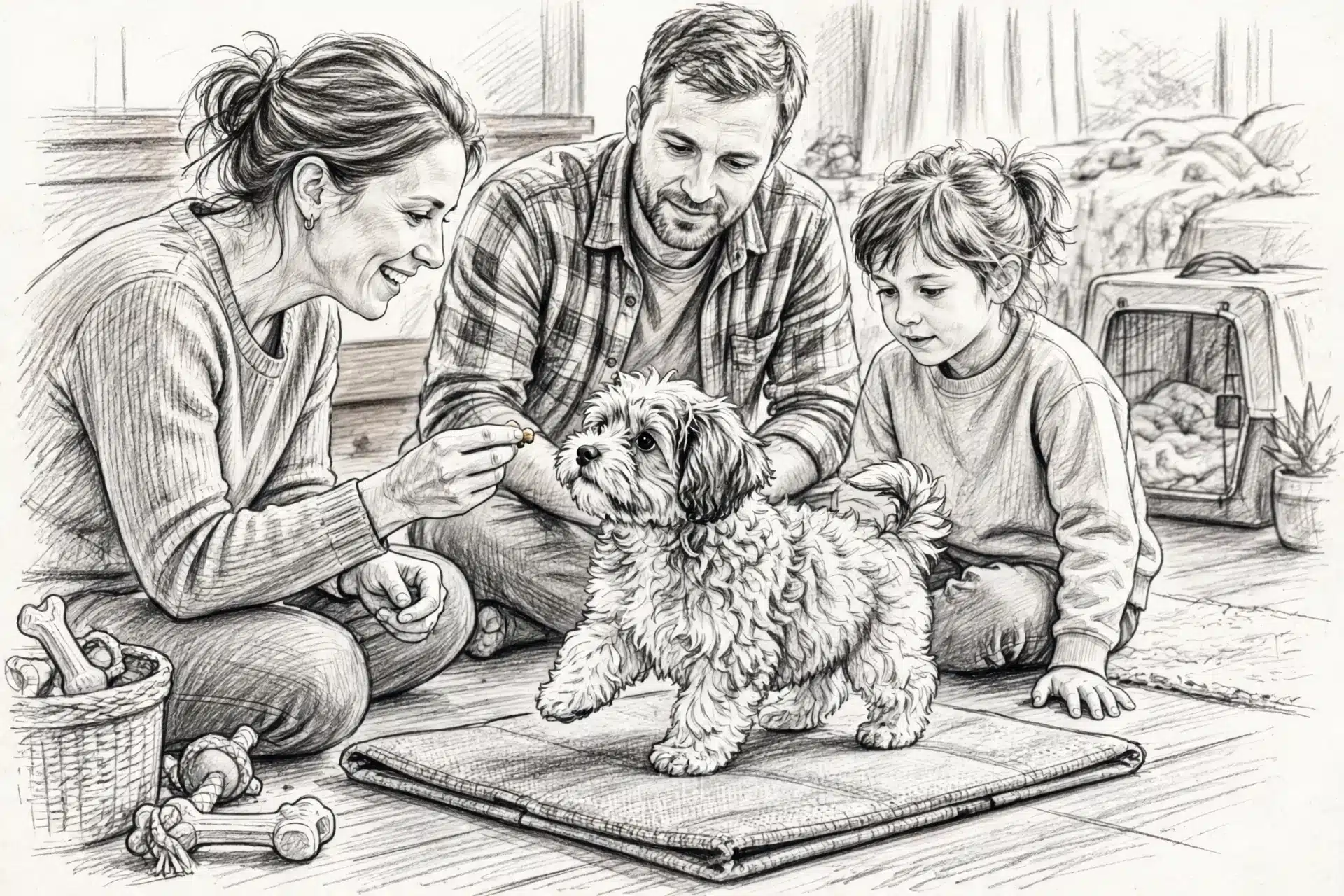
Train a Havanese puppy with short, reward-based sessions that start the day it comes home. This people-focused breed learns fast when food, play, and praise mark good choices, and it shuts down under scolding. Keep sessions to two or three minutes, several times a day, and let consistency do the heavy lifting.
Positive Reinforcement and Why It Suits This Breed
Positive reinforcement training pairs a behavior your puppy offers with something it wants, usually a tiny treat. Havanese are sensitive and eager to please, so they respond to rewards and stall when corrected harshly. Aim for a soft marker word like “yes,” then pay the puppy within one second. That timing teaches faster than any leash pop ever could.
The First Skills to Teach, in Order
A Havanese puppy training timeline works best in this order:
- Name recognition: say the name once, reward the eye contact that follows.
- Sit: lure the treat up and back, then mark and pay.
- Come: call from two steps away, always reward it.
- Crate or mat calm: feed meals inside so the spot feels safe.
- Handling practice: touch paws, ears, and mouth while your puppy licks a treat.
Each skill gets its own two-minute session, and one skill at a time keeps your puppy winning.
House Training and Managing the First Weeks
House training a small breed succeeds on schedule, not on vigilance alone. Take your puppy out after waking, eating, playing, and every 60 to 90 minutes in between. Praise calmly outdoors, and clean indoor accidents with an enzymatic cleaner so no scent lingers. Expect steady progress over several weeks rather than a fixed deadline; every puppy sets its own pace.
The 8 to 16 Week Window and What Comes After
What the Critical Window Actually Is
Start socializing your Havanese puppy between 8 and 16 weeks, because this is the puppy socialization window when the brain accepts new people, places and sounds as normal. Experiences here shape adult temperament more than anything you do later. After 16 weeks, new things get harder to accept, so keep going but expect slower progress.
A Practical Exposure Checklist
Aim for a few new, gentle experiences each week while your Havanese socialization plan is under way. Work through this list:
- Different floor surfaces: tile, grass, carpet, stairs
- Household sounds: vacuum, doorbell, TV, washing machine
- People of varied ages, hats, and voices
- Short car rides
- Calm, vaccinated adult dogs
- Being alone for brief, increasing stretches
Keep every meeting positive and let your puppy opt out if scared. Never force an approach.
Handling, Vet Visits and Everyday Household Skills
Pair exposure with handling so vet visits and grooming feel routine. Touch ears, paws, teeth and tail daily, and give a treat during each session. Bring your puppy to the vet just to weigh in and get a treat. Practice crate naps, name response, and sitting before meals. Keep sessions short, two to five minutes, and end while your puppy still wants more. Small, repeated wins build a confident adult dog.
Health, Safety and Veterinary Care for Havanese Puppies
Preventive Care and the First Year
Book a vet visit within a few days of bringing your puppy home. That first exam checks weight, heart, teeth and overall condition, and it starts the vaccination series. Your vet will set a puppy vaccination schedule with boosters every few weeks until about 16 weeks, plus deworming and parasite prevention. Keep treats small, because a 7-to-13-pound dog fills up fast.
Breed-Relevant Health Topics to Ask About
The breed health problems page explains what to discuss at checkups. Ask breeders about testing for the conditions the breed tends toward: eye disorders, patellar luxation, deafness, heart murmurs and Legg-Calve-Perthes disease, which the AKC breed profile lists. The Havanese Club of America’s health and testing guide describes what screening each parent should have. Individual dogs vary, so tendencies are not predictions.
Home Safety, Heat and Cold
Puppy-proof one room first. Block gaps behind furniture, tuck cords away, and keep shoes and small objects off the floor.
Their single coat insulates less than a double coat. In summer, walk early or late and carry water. In winter, a coat helps on short trips. Never leave a puppy in a parked car, and watch for shivering, heavy panting or slow movement.
Choosing a Healthy Havanese Puppy and Working With a Breeder
A healthy Havanese puppy starts with a breeder who tests parent dogs and answers questions openly. Before you send money to anyone, including programs offering Havanese puppies for sale online, take the time to ask and verify.
Questions to Ask Before You Pay a Deposit
Good breeders expect questions, so ask them early. Request proof of health testing on both parents, including eyes, hearing and knees, since these checks catch problems common in the breed. The Havanese Club of America lists breeder questions that cover testing, litter size and support after pickup. Also ask where the puppy lives, when it can go home and what happens if the fit is wrong.
How Sage Puppies Works for Havanese Families
Sage Puppies runs a simple application, then matches each family with the puppy that fits their home. Pricing runs $3,500 to $4,500, and Cassie works with local pickup in South Jordan, Utah or national delivery. Because the program breeds Havanese, Havapoo and Cavapoo only, guidance stays focused rather than spread across many breeds.
Matching the Right Puppy to Your Household
Watch how each puppy behaves, not just how it looks. A calm pup suits apartments and quieter homes, while a bold one handles busy families well. Tell the breeder about your schedule, children and other pets so the match reflects real daily life, not just first impressions.

Ready to meet your Havanese? Sage Puppies pairs families with well-bred puppies through a simple application and personal matching, with local pickup in South Jordan or delivery nationwide. Visit Sage Puppies, review the pricing and application details, and take the first step toward your puppy today.
Frequently Asked Questions
Q1: What is the temperament of a Havanese puppy like?
Most are affectionate, alert and people-focused, bred in Cuba as close house companions. Expect a follower, a friendly greeter of strangers and a keen little watchdog. Individual puppies vary in boldness and energy, so ask breeders what each shows.
Q2: How do you train a Havanese puppy?
Use short, reward-based sessions of two or three minutes, several times daily. Teach name recognition, sit, come and crate calm first. This sensitive breed learns fastest with treats and praise, and stalls under harsh correction.
Q3: What food should I feed my Havanese puppy?
Choose a complete and balanced small-breed puppy food with a named animal protein first. Keep the breeder’s food, then transition over 7 to 10 days. Feed four meals until six months, then three.
Q4: Do Havanese puppies have separation anxiety?
The breed tends toward strong attachment, so long days alone can trigger it. Build alone time gradually and keep departures calm. Not every dog struggles, but plan for company early.
Q5: Are Havanese good apartment dogs?
Yes. Their 7-to-13-pound size and moderate exercise needs suit apartments, and they stay indoors-focused. Provide daily walks, play sessions and barking training, since alert watchdog habits carry through thin walls.
Q6: How much does a Havanese puppy cost?
Well-bred puppies from health-tested parents typically run $3,500 to $4,500, which is Sage Puppies’ range for Havanese, Havapoo and Cavapoo families. Budget separately for grooming, vet care and supplies in year one.
Conclusion
A Havanese puppy brings affection, alertness and a strong wish to be with you, shaped by centuries as a Cuban house companion. The essentials are simple: brush the soft double coat daily, feed small frequent meals, train with short reward-based sessions, and socialize during the 8 to 16 week window. Breed tendency sets the starting point, but your routines shape the adult dog. Health-tested parents and an open breeder complete the picture, so ask about eye, knee and hearing screening before you commit to a puppy.