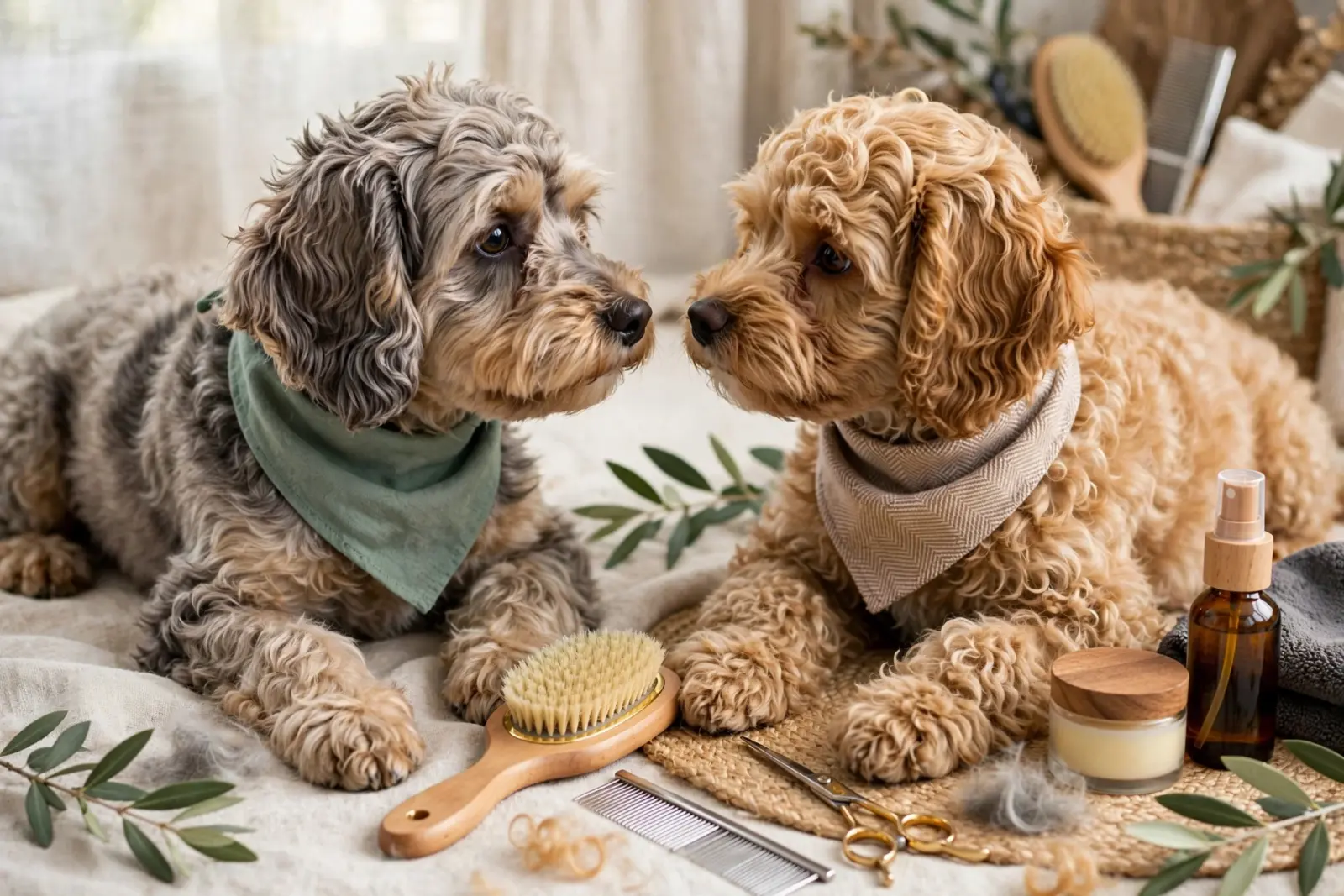
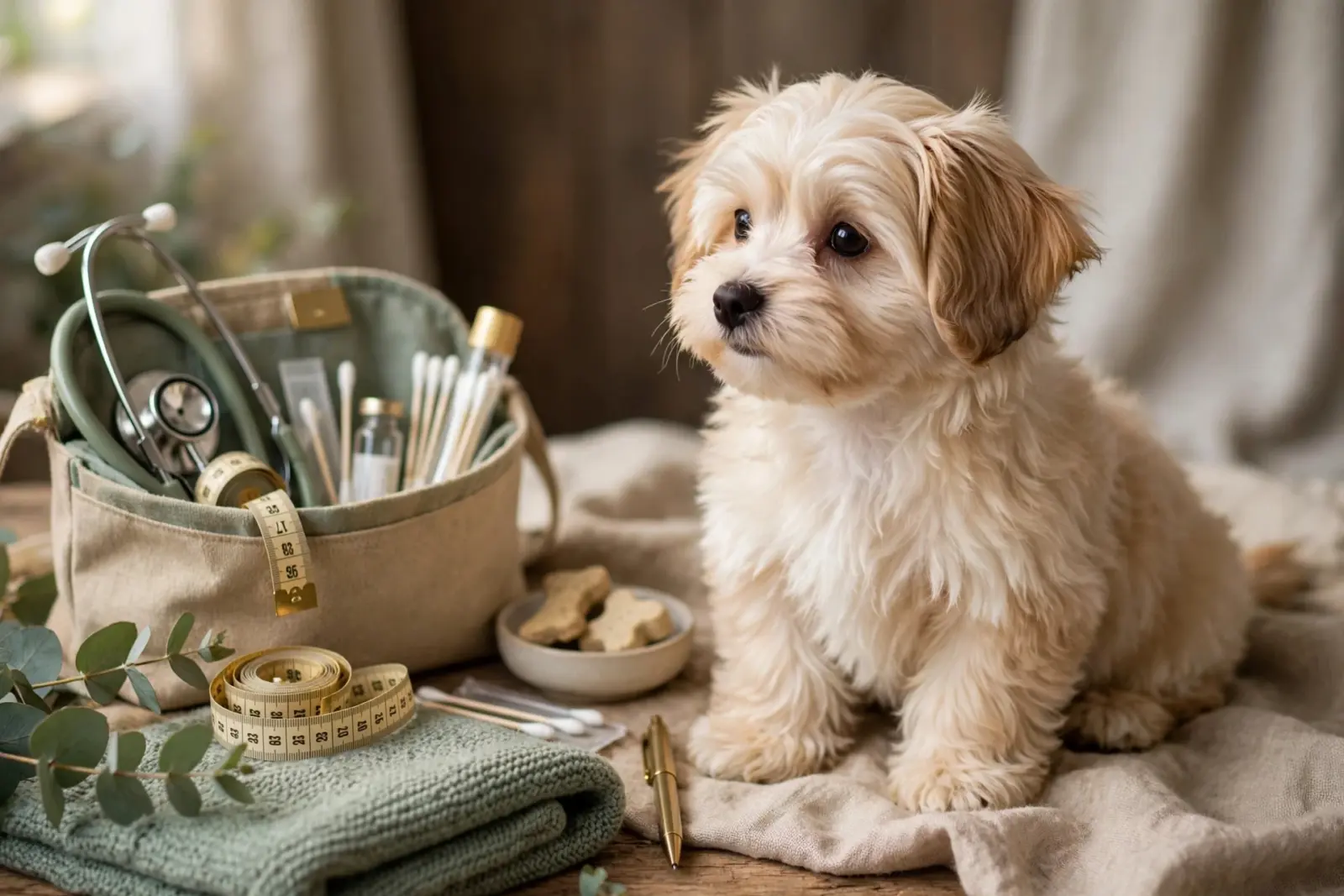
Quick Summary: Havanese coats stay mat-free between professional grooms when owners brush to the skin with a slicker brush and metal comb, use conditioning spray, bathe on a regular schedule, and dry the coat completely. Check behind the ears, at the collar, in the armpits, at the tail base, and on the backs of the rear legs every session, since these areas mat first. Brush daily during the 8- to 14-month coat change, and leave tight mats to a professional groomer rather than cutting them out at home.
A Havanese puppy’s coat can go from silky to snarled in the six weeks between grooms, and what decides the outcome is rarely the haircut. It is the havanese puppy coat care that happens at home, week after week. Hair keeps growing, and a fine cotton-like undercoat tangles against the guard hairs when it is skipped or rushed.
So what should you actually do between appointments? Brush and comb to the skin, bathe with conditioner on a steady schedule, dry fully, and watch the mat-prone spots behind the ears and under the legs. Coat blow-outs during growth add extra tangles, so those months need a lighter touch more often.
This guide lays out a seven-step routine built for Havanese, Havapoo and Cavapoo coats specifically, drawing on what we see every day raising these puppies here in South Jordan, Utah. Follow it, and your puppy walks into every professional groom tangle-free instead of shaved short.
Step 1: Set Up a Home Grooming Station and the Right Tools
Why the Havanese Coat Behaves Differently
Good Havanese puppy coat care starts with knowing what you are working with. The breed carries a long, silky, low-shedding coat, so loose hair stays trapped instead of falling out, and tangles form close to the skin where you cannot see them. That is why a coat can look tidy on top while hiding mats underneath. Our guide to Havanese history, temperament, and care covers this coat in more depth.
Matching Each Tool to a Job
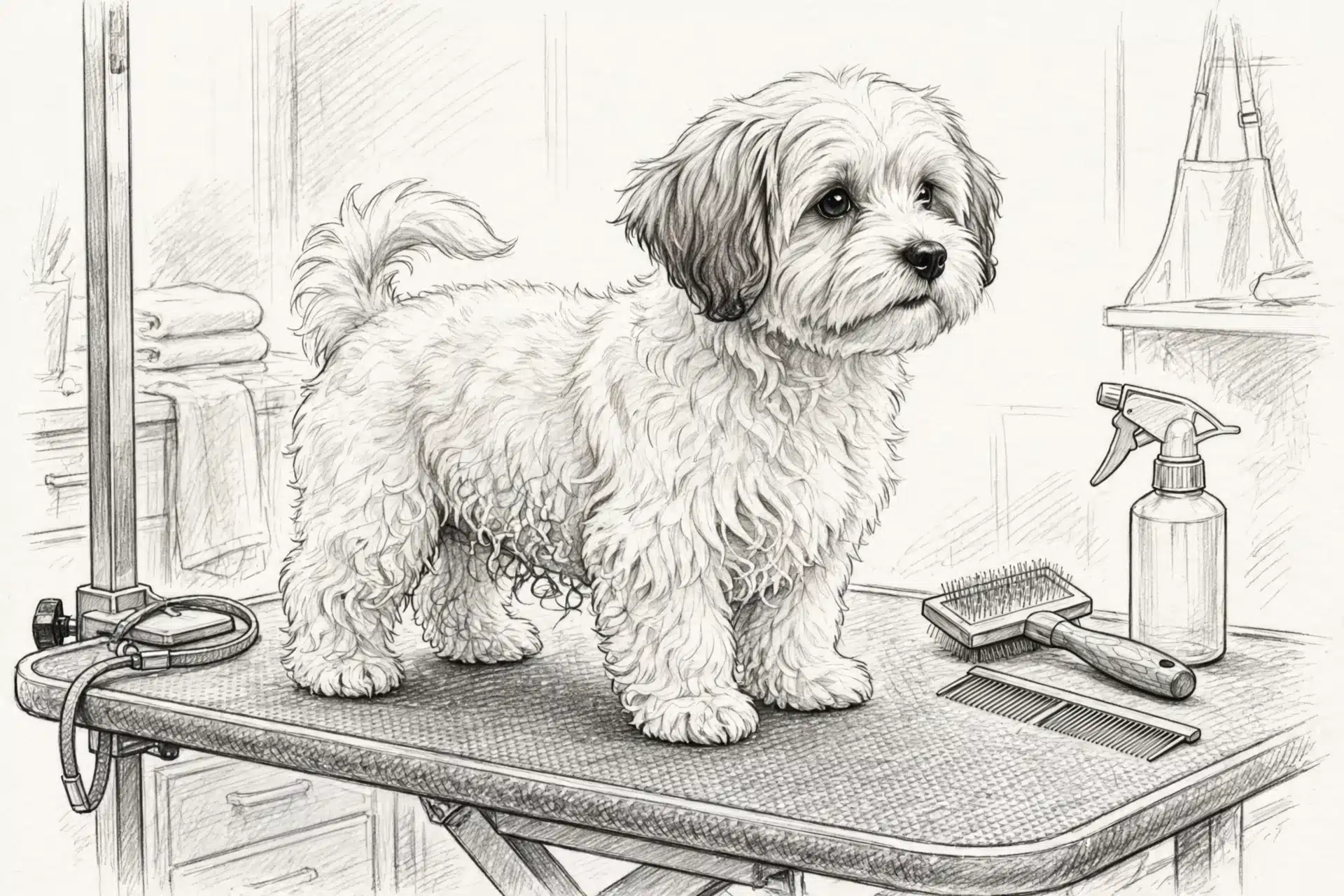
Two tools do most of the work: a slicker brush Havanese owners trust for loosening tangles, and a metal comb that reaches the skin. Brush first, then comb through the same section. If the comb glides, you are done; if it catches, there is a mat hiding there. Add a conditioning spray before brushing, since brushing a dry coat breaks the hair.
Making the Session Low Stress From Day One
Pick one quiet spot, a non-slip surface, and keep sessions short. Handle paws, ears, and belly daily so brushing never feels like a wrestling match. Treats after each section help a lot.
Step 2: Build a Brushing Routine That Fits Between Grooms
How often should you brush a Havanese puppy between professional grooms? Brush two to three times a week at minimum, and daily during a coat blow-out. That steady rhythm is the heart of Havanese puppy coat care, because matted fur forms where brushing gets skipped, not where it gets rushed.
- Every day: puppies in a coat blow-out, after swims or muddy play, and around the eyes and mouth
- Two to three times a week: the full coat for most adult Havanese between grooms
- Before every bath: a full brush-out, since water tightens existing tangles
Setting a Brushing Frequency You Will Actually Keep
The right Havanese puppy matting prevention schedule is the one you will follow. Pick fixed times, like after dinner or before bed, and keep the brush in a basket near the sofa. Short, calm five-minute sessions beat a weekend battle. If your Havanese puppy coat care happens at the same time each day, your puppy learns to relax into it.
The Line Brushing Method, Step by Step
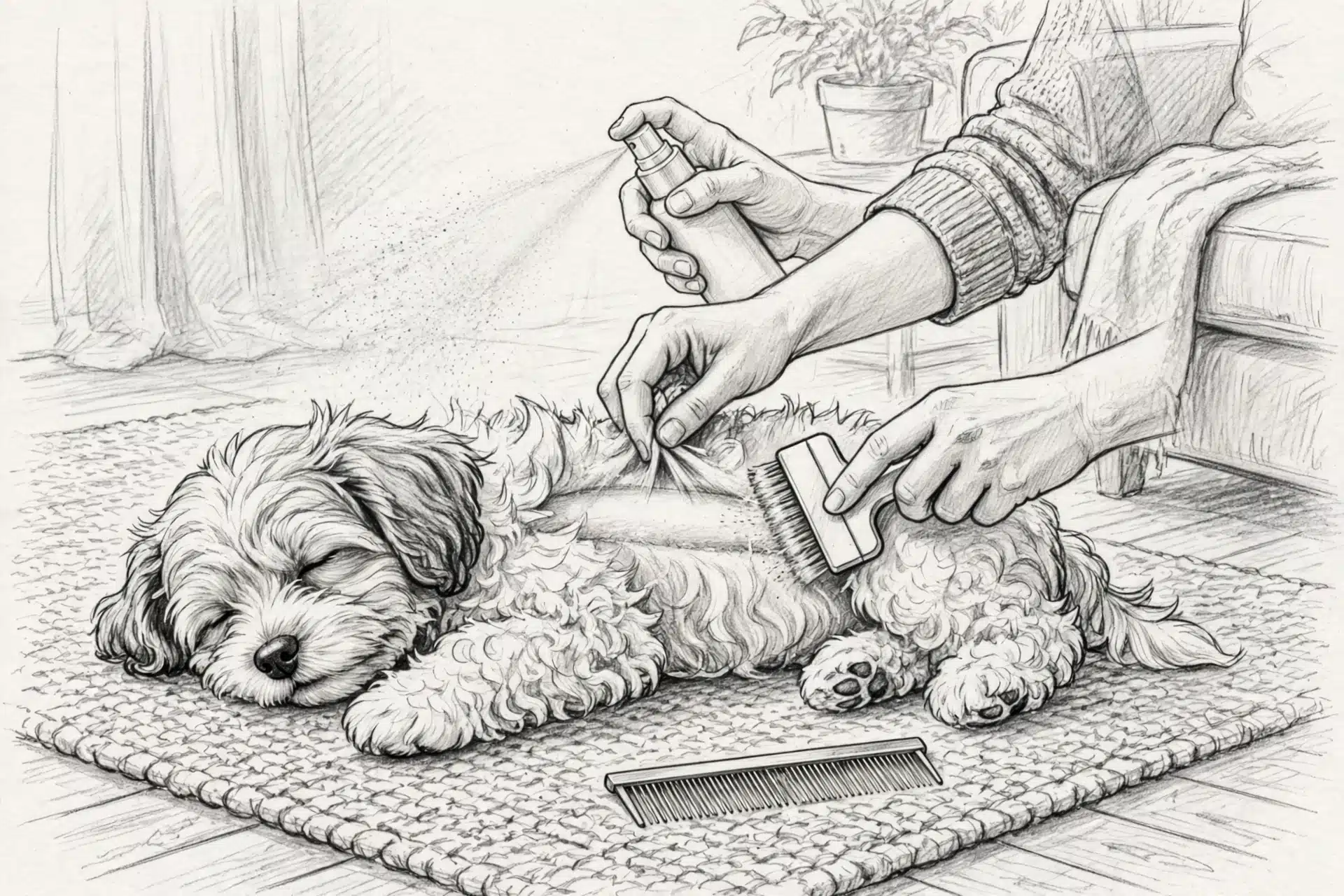
Line brushing gets the slicker brush through the coat and down to the skin, which is where mats start.
- Have your puppy lie on its side.
- Part the hair to expose a line of skin.
- Spray that line lightly, then brush from the skin outward.
- Move back one hair-width at a time until you finish the coat.
- Follow with a metal comb to confirm you can reach the skin everywhere.
Never Brush a Dry Coat
No, never brush a Havanese coat dry. Dry brushing breaks and snaps the fine hair and pulls painfully at tangles, so always mist with a conditioning spray or detangler first, then brush through the dampened section. Work in small areas so nothing dries before you reach it. This single habit protects the coat more than any expensive tool, and it keeps grooming sessions something your puppy tolerates happily instead of dreads.
Step 3: Bathe and Dry Without Creating Mats
Choosing a Bath Interval
So, how often to bathe a Havanese puppy between grooms? Match the bath to the coat length:
| Coat Length | Bath Interval |
|---|---|
| Long show-style coat | Every 1-2 weeks |
| Medium “puppy cut” | Every 2-3 weeks |
| Short trim, mostly indoors | Every 3-4 weeks, sooner if dirty |
The Havanese Club of America notes that full-coated dogs often need bathing every one to two weeks. Use a gentle dog shampoo, then condition. Skip human products; they strip the coat.
Pre-Brush Before Water
Never bathe a matted coat. Water tightens existing knots into felt, close to the skin, and you cannot comb that out wet. Before the bath, do a full line-brush pass with a slicker brush, then follow with a metal comb to the skin. Work a light conditioning spray through the legs, armpits, behind the ears, and under the collar line. If the comb snags anywhere, stop and work that spot out by hand first. Ten minutes of brushing saves a painful dematting session later.
The Drying Sequence That Prevents Knots
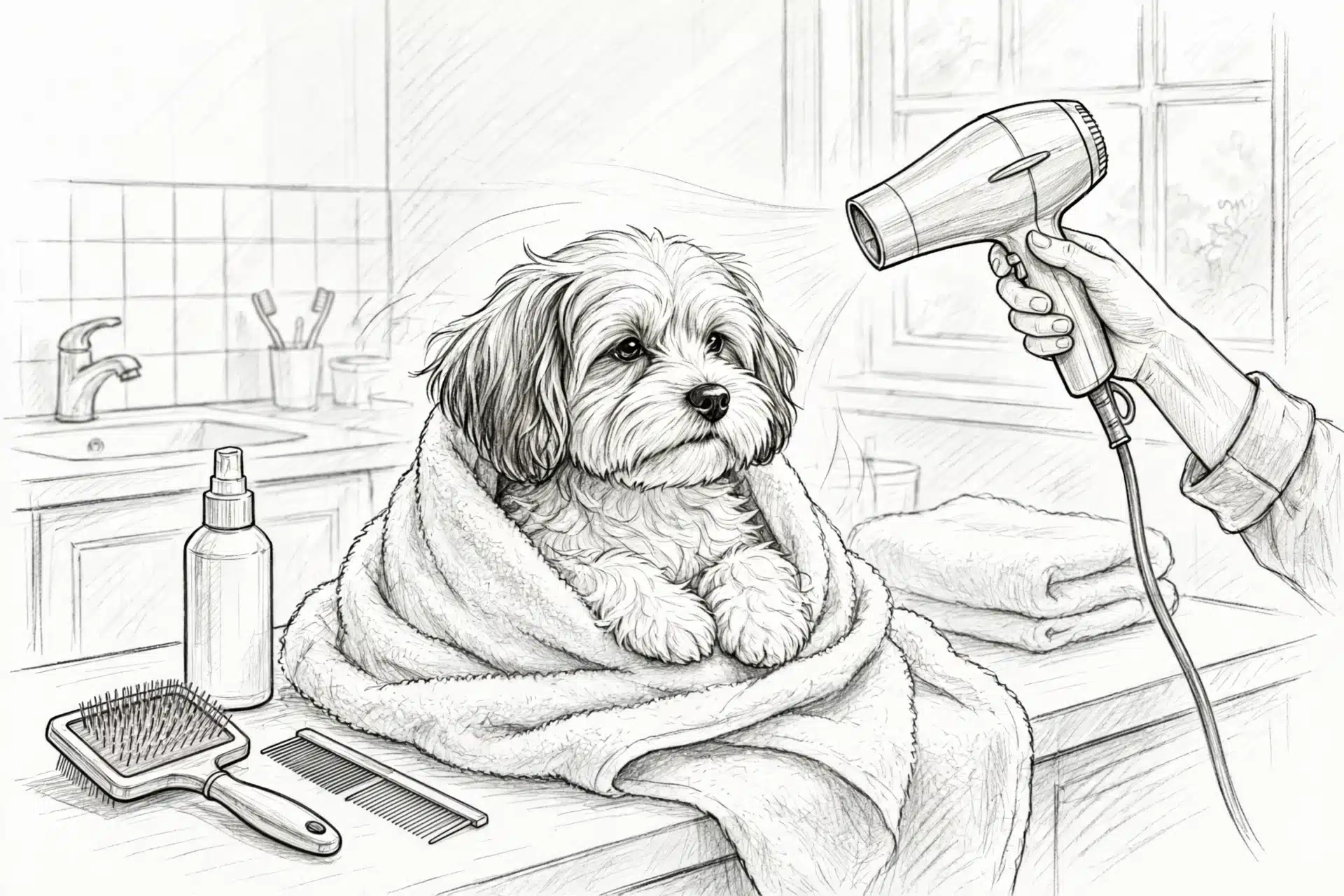
A wet Havanese coat left to air dry curls and knots as it shrinks. Dry it instead:
- Towel blot first. Press, don’t rub. Rubbing twists the hair into tangles.
- Blow dry on cool or low heat. Warm air dries the coat faster, but keep airflow moving; never aim heat at one spot.
- Dry in sections. Lift the coat and run the dryer along the direction of growth, brushing gently as you go so the hair dries straight.
- Comb the mat-prone zones once more after drying, while you can still feel small clumps.
The coat should be completely dry, including the dense hair behind the ears, before your puppy trots off to play. Damp underlayers are where mats start. For a fuller routine, our Havanese puppy care guide walks through feeding, grooming, and training together.
Step 4: Work on the Five Areas That Mat First
Some spots on a Havanese coat mat long before the rest. Check these five zones first every session: behind the ears, the collar line, the armpits, the tail base, and the backs of the rear legs. Friction plus moisture makes these areas felt quickly, so a two-minute tangle here becomes a tight mat within days. Run a metal comb to the skin in each zone before you touch anywhere else, with a light conditioning spray first so the hair slides instead of tearing.
Behind the Ears and at the Collar
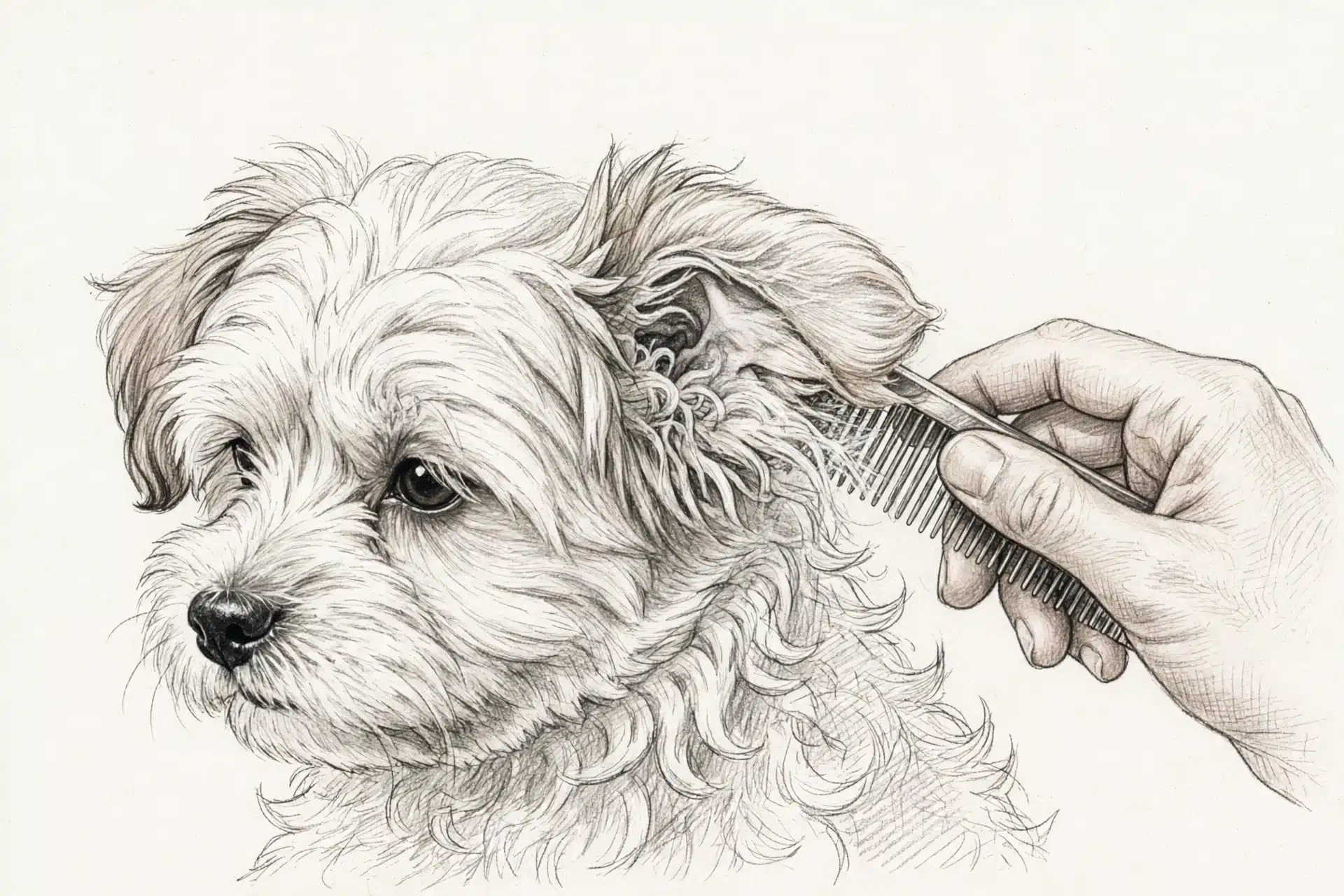
The softest, finest hair on your puppy grows behind the ears, and collar friction packs it into mats fast. Hold the ear flap flat with one hand and comb the hidden side in short strokes. Check the neck under the collar daily, or switch to a harness between grooms so the throat hair stays loose.
Under the Front Legs and Armpits
Armpits trap moisture from drinking, licking, and play. Lift each front leg and comb the crease gently, because skin here is thin and mats pull when you rush. During a heavy coat blow-out at this age, dead undercoat sheds loose here first, so extra combing saves you a shaved patch later.
The Tail Base and Rear
The tail base rubs against crates, car seats, and grass, so hair felts right at the root. Lift the tail up and comb underneath, then check the backs of the rear legs where sitting presses hair flat. Potty messes cling here too, so trim this zone shorter if it stays dirty.
Step 5: Handle the Face, Eyes and Nails Between Visits
Daily Face and Eye Care
Wipe the corners of your Havanese puppy’s eyes every day with a damp, soft cloth or a pet-safe eye wipe. Hair around the eyes grows fast, so trim carefully with blunt-nosed scissors or ask your groomer to round it out. Wipe outward from the corner and dry the fur after. Tear staining shows up faster when moisture sits on the coat.
Nails and Foot Hair
Check nails weekly. If you hear clicking on hard floors, they are too long. Use small guillotine clippers or a grinder, and take off just a sliver at a time to avoid the quick, the pink blood vessel inside the nail. Trim the hair between the paw pads so your puppy keeps grip on smooth floors. Pair trims with a treat so handling stays easy.
Light Trimming Between Appointments
Keep a small pair of rounded scissors for touch-ups only. Neaten the corners of the eyes, the hair around the ears, and the sanitary area, and leave everything else for the pros. Havanese coats grow in fine and soft, so a shaky cut near the face takes months to grow back. If your puppy wiggles, stop and try again another day. Small, calm sessions between full grooms keep the coat in good shape without undoing your groomer’s work.
Step 6: Adjust the Routine as the Puppy Coat Changes
What a Blow-Out Is
A Havanese coat blow out is the shift from soft puppy fur to the adult coat, usually somewhere between 8 and 14 months. The adult hair grows in while the puppy coat loosens and falls out, so dead hair tangles fast against the new growth. Expect extra shedding, sudden small mats, and a coat that feels coarser than before, per this breeder guide to coat change.
Why Puppy Coat and Adult Coat Need Different Tools
The puppy coat is fine and single-layered, so a soft brush plus a quick comb-through kept it tidy. The adult coat is denser and, in many lines, closer to a double-coated Havanese texture, so dead undercoat hides at the skin. Switch to your slicker brush and metal comb daily during the change, and comb all the way to the skin, not just the top layer.
Marking Growth on a Simple Coat Calendar
Keep a one-page coat calendar on the fridge. Note each brushing, bath, and groom appointment, plus where you found mats that week.
| Week | Mat zones found | Notes |
|---|---|---|
| 1 | Behind ears | Slightly damp after bath |
| 2 | Armpits, collar line | Added conditioning spray |
Patterns appear quickly, so you can spend extra minutes on trouble spots before the next groom.
Step 7: Work With Your Groomer and Veterinarian on Coat Problems
The Line You Should Not Cross
Never bathe a matted coat or try to cut tight mats out yourself. Water tightens mats, and clippers or scissors against packed fur can nick the skin underneath. Mats also block airflow and trap moisture, which leads to irritation and sores, as one veterinary clinic explains. When a mat sits flat against skin, the kind choice is a professional shave-down, not weeks of home dematting.
What a Professional Visit Involves
A good groomer does more than trim. Expect a bath, a full blow dry, a clip in your chosen style, nail trimming, ear cleaning and a check of mat-prone spots like the armpits and behind the ears. Ask your groomer to show you any trouble areas they find, then target those zones at home. Keep your appointment schedule consistent, usually every six to eight weeks, because gaps between grooms are when matting sneaks back in.
Coat Signs That Need a Veterinarian
Some coat problems are skin problems, and no groomer should treat those alone. Call your vet if you notice bald patches, constant scratching, red or flaky skin, a dull or brittle coat, sores under mats, or a sudden coat texture change outside the normal puppy-to-adult shift. These can point to allergies, parasites, infections or thyroid issues, and grooming guides agree that coat or skin problems that do not improve need a vet’s exam.

Raising a Havanese through the coat blow-out takes patience, and the right start makes it easier. At Sage Puppies, every puppy goes home with honest coat-care guidance from Cassie’s program. If you want a well-bred Havanese, Havapoo or Cavapoo and a breeder who answers your grooming questions for years, not weeks, start your application today.
Frequently Asked Questions
Q1: What does Havanese coat care between professional grooms involve?
Brush two to three times weekly to the skin with a slicker brush and metal comb, always with a conditioning spray first. Bathe on a set interval, dry fully with a blow dryer, and check the ears, armpits, collar line, tail base, and rear legs for mats every session.
Q2: How often should I brush my Havanese puppy?
Two to three full brush-outs a week works for most puppies. Go daily during a coat blow-out, after swims, and around the eyes and mouth. Short five-minute sessions beat one long weekend battle.
Q3: What are the spots that mat first on a Havanese?
Behind the ears, the collar line, the armpits, the tail base, and the backs of the rear legs. Friction and moisture felt these zones fast, so comb them to the skin first every session.
Q4: Can I brush my Havanese when the coat is dry?
No. Dry brushing snaps the fine hair and pulls painfully at tangles. Mist each section with a conditioning spray or detangler first, then brush through while damp.
Q5: Should I cut out mats at home myself?
Never cut tight mats against the skin; scissors and clippers can nick skin hidden under packed fur. Work out small loose tangles by hand, and let a groomer handle anything flat or felted.
Q6: What happens during a Havanese coat blow-out?
Between about 8 and 14 months, the soft puppy coat loosens as denser adult hair grows in. Dead hair tangles quickly, so brush daily and comb all the way to the skin until the change finishes.
Q7: How do I keep tear staining under control between grooms?
Wipe the eye corners daily with a damp soft cloth or pet-safe eye wipe, working outward, then dry the fur. Moisture left sitting on the hair darkens staining, so trim or have your groomer round out the hair near the eyes.
Conclusion
Havanese puppy coat care between professional grooms comes down to a few steady habits. Brush two to three times a week to the skin with a slicker brush and metal comb, always with a conditioning spray first. Bathe on a set interval and dry the coat fully, because damp underlayers are where mats begin. Check the five friction zones, keep nails trimmed, and brush daily during the coat blow-out between 8 and 14 months.
The routine is simple, but it only works when you keep it up. Small, calm sessions at home protect the coat your groomer shapes, and they save your puppy from painful dematting or a shave-down. Stay consistent with your grooming appointments, watch for skin changes worth a vet visit, and your Havanese walks into every visit tangle-free, with a soft, healthy coat all year.