Quick Summary: Ask every breeder the same detailed questions before paying a deposit, focusing on who raised the litter, meeting the mother dog, documented health testing for both parents, socialization, and clear written contract and deposit terms. Request original health records, vaccination and deworming documents, microchip paperwork, and care instructions, and have your own vet review the records. Walk away if a breeder hides the mother, pressures you to pay immediately, lacks health testing or a written contract, or offers only a parking-lot or sight-unseen handoff.
You are standing in a warm living room in South Jordan with an eight-week-old Cavapoo waddling toward your ankles. The breeder is describing how well socialized she is, and you realize you never asked a single question about the mother dog. Most Utah buyers hit that moment, and it is entirely avoidable.
Good puppy contract questions and honest puppy temperament questions protect both your money and the dog. So does basic Havanese breeder screening before you pay any deposit. This guide walks through what to ask stage by stage, what strong answers sound like, and what red flags should stop the visit.
Sage Puppies is a small Havanese, Havapoo, and Cavapoo program in Utah, so these questions come from the buyer’s side of the table. Ask every one of them.
Before You Start: Know What You Want and Prepare Your Questions
Good breeder questions start with a clear picture of your own home and routine. Before you call anyone, decide what you actually want.
Describe your home before you describe the dog
Write down your space, work schedule, and activity level. A Havanese fits apartments and close company; a Havapoo may want more play. First-time owners should note who handles grooming and training. This short profile keeps you honest when a cute face tempts you.
Build one question list you reuse with every breeder
Make one written list covering health testing, where are puppies raised, socialization, and your puppy contract questions about deposits and returns. Use the same list with every breeder you contact, including our application page. Identical questions make answers easy to compare side by side.
Know what you can verify and what you can only ask about
Health testing results, registration papers, and written guarantees can be verified in documents. Temperament, socialization habits, and parent dog temperament depend on trust and observation. Ask for both kinds of evidence, and treat vague verbal answers as a signal to keep looking.
Key terms to verify: health testing certificates, vaccination records, microchip registration paperwork, and written deposit terms.
Step 1: Confirm Exactly Who You Are Buying From
Before you ask anything about health or price, find out who actually owns the mother. Some “breeders” are brokers who resell puppies from other people’s litters, and no amount of paperwork fixes that gap.
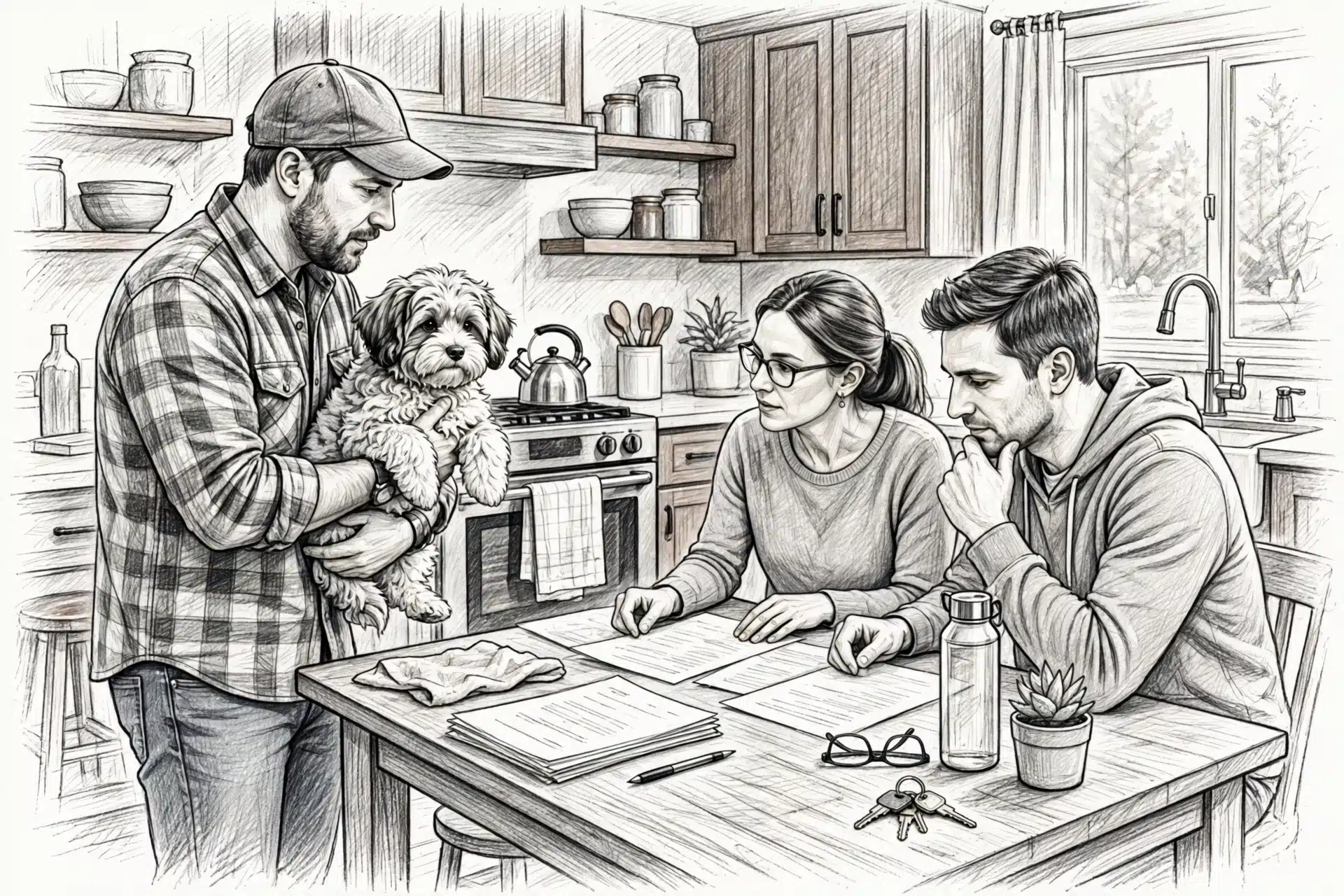
Did the breeder raise this litter, and are you buying direct?
Ask plainly: “Did you breed and raise this litter at your home?” A direct breeder can say yes and describe the whelping setup. A broker will pivot to delivery options. You want a person who knows each puppy’s quirks, not a middleman reading from a listing. Some programs, like Sage Puppies, keep matching and handoff with the owner rather than a sales team, and it helps to see how a transparent matching process works before you commit anywhere.
Ask about litter details, age, and how many litters the dam has had
Good answers are specific: birth date, litter size, how many males and females, and which puppies are still available. Ask the dam’s age and how many litters she has had. Responsible breeders usually limit a dam to a few litters. Vague answers here often mean the breeder never met the mother.
Check the basic paperwork trail
You should see the dam’s name, vaccination records, and a written receipt or contract at pickup. At minimum, these early puppy contract questions set the baseline: who issues health records, when registration papers transfer, and when the microchip is registered to you. If records are “coming later,” slow down.
Step 2: Visit the Home and Meet the Mother Dog
Can I meet the mother dog and see where the puppies are raised?
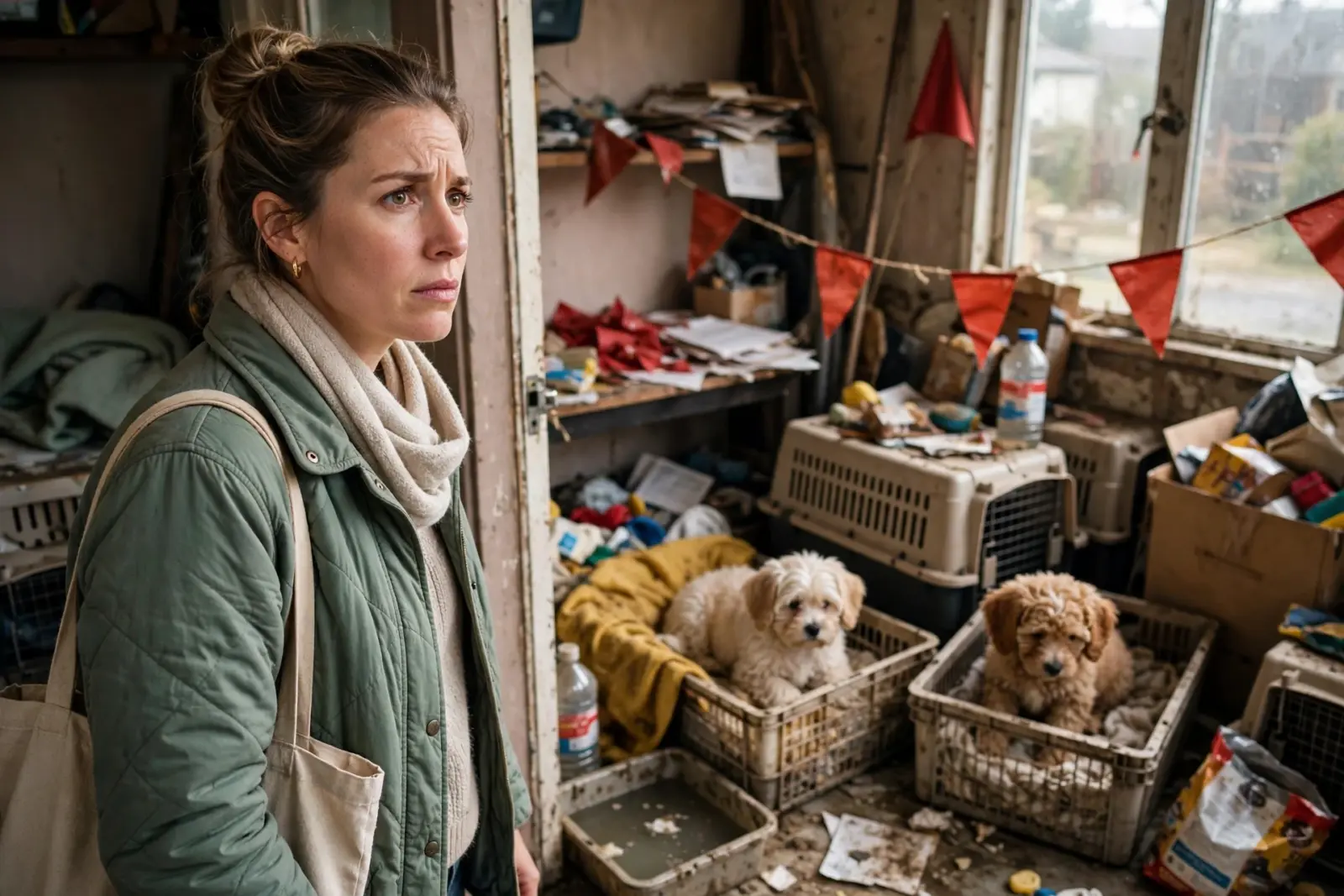
Yes. Any ethical breeder should let you meet the mother and show you exactly where the puppies live. If a breeder refuses, offers only a parking lot handoff, or wants to ship the puppy sight unseen, walk away. Puppy mills and resellers hide behind those excuses because they have something to hide, and anti-puppy mill groups list a breeder who won’t arrange a visit as a top warning sign. Utah has many small, home-based breeders, so an in-person visit is usually easy to arrange.
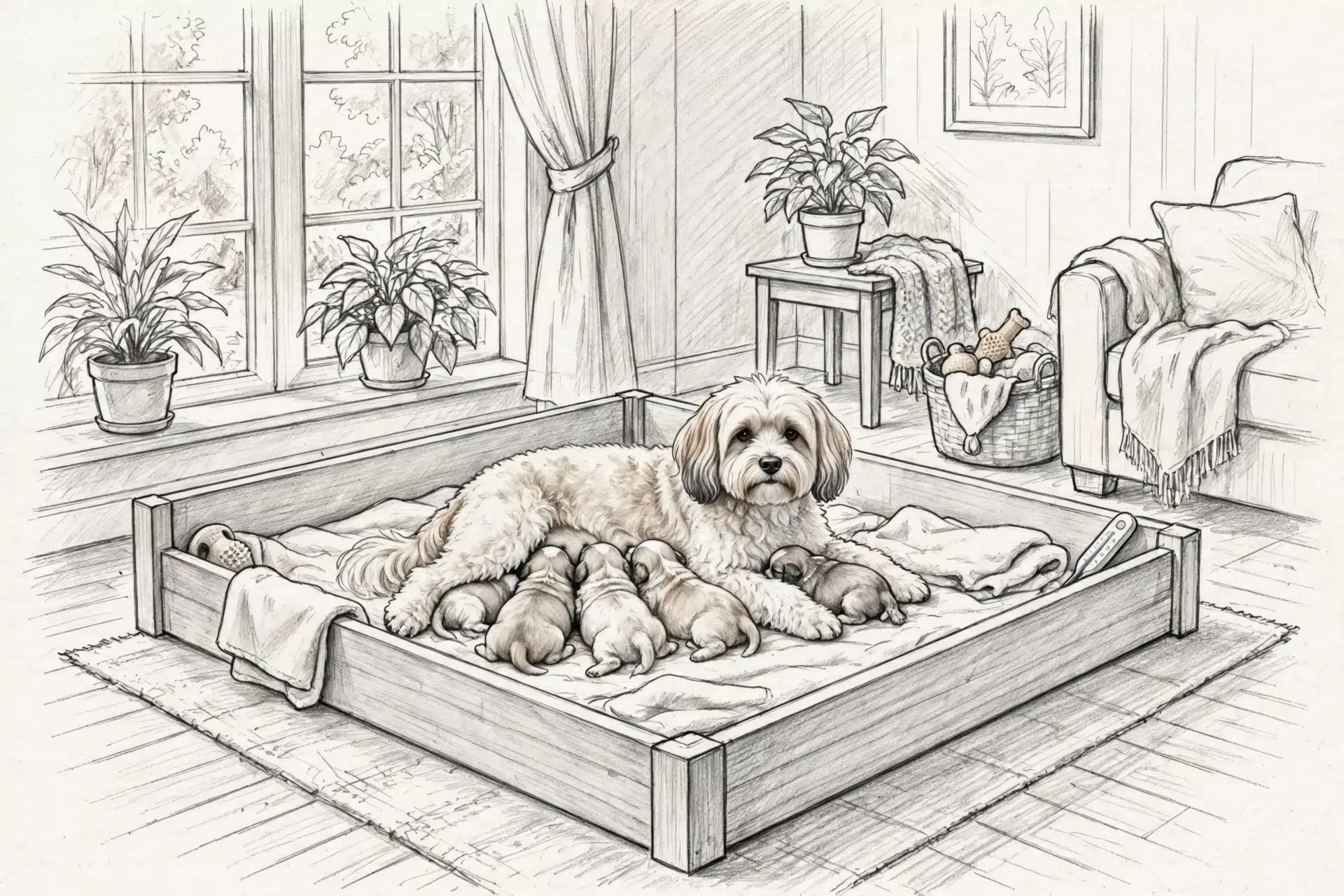
What to look for in the puppy area
The space should be clean, warm, and free of strong odors. Look for:
- Fresh bedding and clean water within reach
- Room to move, play, and rest away from drafts
- Toys and safe surfaces for early socialization
- Puppies that look bright, plump, and curious
Watch the mother too. She should seem healthy, friendly, and comfortable with people nearby. Her temperament is your best preview of how these puppies may turn out as adults.
What to ask about feeding, house training, and early care
Ask what food the puppies eat, how often they’re fed, and whether the breeder will send a sample home with you. Ask when weaning started, what house training groundwork is underway, and which vaccines and dewormings each puppy has had. Good breeders also explain how they handle early socialization and why puppies stay with their mother and littermates until eight weeks or so. For a picture of what home life looks like in a well-run program, see how these family-raised puppies grow up with the litter.
Step 3: Ask the Health Testing Questions for Both Parents
Health testing questions come down to three things: which conditions affect the breed, proof of the tests, and a vet who reads the proof. Ask about both parents. A clean dam and an untested sire still pass problems on.

Which conditions matter most for these three breeds
Start with a short, direct list. For Havanese and Cavapoo parents, ask about:
- Heart: cardiac exams, since Cavalier lines carry mitral valve disease
- Knees: patellar luxation, common in small breeds
- Eyes: annual ophthalmologist exams for inherited eye disease
- Genetics: DNA panels for breed-specific conditions
Hips matter less for tiny breeds but are still worth asking about. The Havanese Club of America’s testing guide lists recommended screenings, and results are searchable in the OFA database.
Ask for the actual test reports, not a summary
“Parents are health tested” means nothing without documents. Request the OFA certificates, eye exam forms, and DNA reports by name, then look each parent up yourself in the OFA database. Test timing matters too: cardiac and patella results require dogs at least 12 months old, and hip certifications start at 24 months. A “pass” on a ten-month-old dam is not a valid result. If a breeder hesitates or sends a vague paragraph instead of pages, treat it as a red flag. You can see how a Utah program documents this in our health testing breakdown, but verify any breeder’s claims the same way.
Have your own vet review the paperwork
Before you pay a deposit, send every report to a veterinarian you trust. Ask three questions: were the right tests run for each breed mix, were the dogs old enough, and did anything come back borderline? A “fair” hip or a murmur noted in a young dog deserves an explanation, not a shrug. Good breeders expect this step and will talk you through any imperfect result. Evasiveness at this stage usually predicts how easy the breeder will be to reach after you take the puppy home.
Step 4: Ask the Temperament and Socialization Questions

What are the mother and father’s temperaments like?
Genetics set the ceiling for a puppy’s temperament, so ask about each parent’s personality before anything else. Good breeders describe their dogs in specific terms: how the mother reacts to strangers, whether the father is easy to groom, how both handle noise and handling. Vague answers like “she’s sweet” are not enough. Ask to meet the mother in person, and request video of the father if he lives elsewhere. Since Havanese, Havapoos, and Cavapoos are bred to be companion dogs, a nervous or sharp parent is a real warning sign. At Sage Puppies, temperament notes on both parents are part of the matching conversation with each family.
How have the puppies been socialized, and with whom?
Ask where the puppies are raised and what they experience daily. Puppies kept in a barn or kennel run miss the sounds and handling that shape a calm adult dog. Strong breeders raise puppies in the home and expose them to household noise, different floor surfaces, children, and gentle handling from strangers. Ask for specifics: how many people handle each puppy, at what ages, and whether the litter meets other vaccinated dogs. Puppy socialization in the first eight weeks does more for a steady temperament than any training later. If a breeder cannot describe a daily routine, keep looking.
Step 5: Read the Contract, Deposit, and Payment Terms Line by Line
A good contract protects both of you, so read every line before you pay. Strong Utah breeders expect questions and answer them in writing.
The questions to ask before signing anything
Ask these before you sign:
- What health guarantees are included, and for how long?
- What happens if my vet finds a problem in the first days?
- Do you require the puppy back first if I cannot keep it?
- Are spay or neuter terms, and by what age?
- What shots and dewormings has the puppy had, and what’s next?
Get answers in writing, not just by phone.
Deposit, refund, and waitlist questions
Money terms should be as clear as the health terms. Ask whether the deposit is refundable, transferable to a later litter, or applied only if you move forward. Find out what happens if the pregnancy falls through or no puppy fits your home. A small program like Sage Puppies handles deposits through a written application and matching process, so ask any breeder you talk to for the same clarity: amounts, deadlines, and refund conditions spelled out on paper.
Total cost questions, beyond the sticker price
The price on the listing rarely covers everything. Ask what the purchase price includes, such as first vaccines, microchip registration paperwork, and a starter kit. Then ask what it excludes: delivery or flight fees for out-of-state families, sales tax, and any litter choice fees. Ask which payment methods are accepted and when the balance is due, usually at pickup. Budget for the first vet visit too, since that cost lands within days of bringing your puppy home.
Step 6: Know the Documents You Should Receive at Pickup
At pickup, you should leave with five core items: a signed health record with vaccination dates, a deworming schedule, veterinary exam notes, microchip registration paperwork, and written feeding and care instructions. A responsible breeder hands these over without being asked. Ask before deposit day exactly which documents you’ll get, so nothing surprises you at handoff.
Health and vaccination paperwork
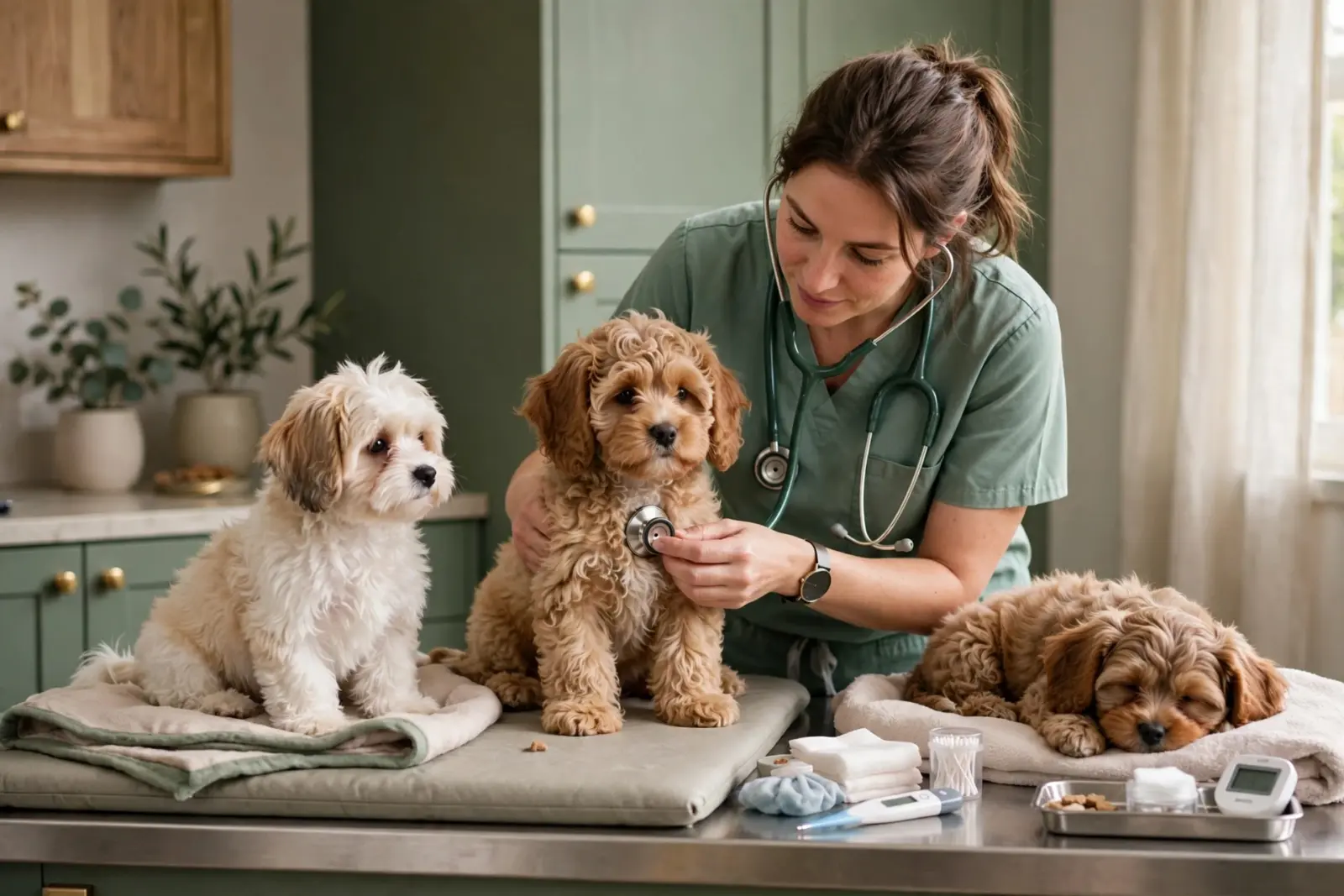
Ask for a dated health record showing each vaccine given, the vaccine maker, and the date of the next due dose. Utah breeders follow standard puppy shot series, so you should see entries starting around six weeks of age. A recent vet exam note is another good sign. It shows someone outside the breeding program checked your puppy before pickup day.
Identity, ancestry, and microchip records
Your microchip paperwork should list the chip number and the registry where it’s filed. Register the chip in your own name within days of pickup, because an unregistered chip is hard to trace. If your puppy is purebred, expect registration papers or a written ancestry record. Crosses like a Cavapoo usually come with a parentage summary instead, which is normal and honest.
Care instructions and next steps
Good breeders send you home with a feeding sheet, including the exact food the puppy eats now. Keeping that food for two weeks prevents stomach upset during the move. You should also get deworming dates, grooming basics for a long coat, and a way to reach the breeder with questions. At Sage Puppies, that handoff packet is part of the matching process, so new owners start with clear instructions.
Plan the drive home before pickup day too. A small crate, a towel, and a planned potty stop keep the first hours calm.
Step 7: Compare Local Pickup With Nationwide Delivery and Know When to Walk Away
How the puppy gets home is part of vetting the breeder, not an afterthought.
Local pickup in the Salt Lake Valley versus delivery
Pickup lets you see where the puppy was raised and meet the person who raised it. If you live in Utah, ask to visit before pickup day and bring your puppy pickup checklist: vet records, microchip paperwork, a fitted carrier, and a leash. Delivery can work well for out-of-state families, but ask who travels with the puppy, how the trip is handled, and what handoff details you get in writing. Sage Puppies covers its pickup and delivery options on its site.
Red flags that should end the search
Walk away if a breeder refuses a video call, will not show the mother dog, or pressures you to pay a same-day deposit. Other serious warning signs: no health testing results for the parents, no written contract, puppies always “available now” for shipping, or payment by gift card or wire only. One vague answer is a question to clarify. A pattern of them is your answer.
Where Sage Puppies fits in this checklist
Use these questions with any Utah puppy breeders you compare, including Sage Puppies’ application and pricing process. A program that answers them plainly earns the deposit.

Ready to put these questions to work? Sage Puppies raises Havanese, Havapoo and Cavapoo puppies in South Jordan with health-tested parents, clear paperwork and an owner-managed matching process. Start with the application, ask us anything on this list, and we’ll answer it straight before you pay a deposit.
Frequently Asked Questions
Q1: Can I meet the mother dog and see where the puppies are raised?
Yes. Ethical breeders welcome visits and show you the whelping area. Refusals, parking-lot handoffs, or ship-only offers are serious red flags.
Q2: What health testing should I ask about for Havanese and Cavapoo parents?
Ask for documented results covering:
- Cardiac exams for mitral valve disease
- Patellar luxation evaluations
- Annual eye exams by an ophthalmologist
- DNA panels for breed-specific inherited conditions
Request OFA certificates by name and verify each parent yourself in the OFA database.
Q3: What documents should I get when I pick up my puppy?
You should leave with a signed vaccination record, deworming dates, a vet exam note, microchip registration paperwork, and written feeding and care instructions.
Q4: Is a puppy breeder’s deposit refundable?
Ask before paying. Strong breeders state in writing whether a deposit is refundable, transferable to a later litter, or void if no puppy fits your home.
Q5: Are Cavapoo puppies registered like purebreds?
No. Crosses like Cavapoos come with a parentage summary instead of registration papers, which is normal and honest. Purebred Havanese should include ancestry records.
Conclusion
Vetting a breeder comes down to a handful of plain questions: Did you raise this litter? Can I meet the mother? Which health tests were run, and can I see the reports? What do the contract, deposit, and return terms say in writing? Ask the same list of every program you compare, and the strong breeders separate from the vague ones fast. Trust paperwork over promises, and walk away from parking-lot handoffs, missing test results, or pressure to pay the same day. Whether you choose a Utah breeder you can visit or a nationwide program with delivery, a little patience now saves years of vet bills and heartache later. The right breeder will welcome every question on this list.