Quick Summary: Choose a Havanese if predictable size matters most: adults weigh 7 to 13 pounds, but their silky double coat needs line brushing two to three times weekly and professional grooming every four to six weeks. Cockapoos are easier and cheaper to groom, yet their adult weight can range from about 6 to 30-plus pounds depending on the Poodle parent. Both require lifelong coat care, and neither is truly hypoallergenic.
If your shortlist has come down to Havanese vs Cockapoo puppies, grooming decides the answer more often than size does. A Havanese carries a long, silky double coat that can take well over an hour to line brush and blow dry. A Cockapoo’s shorter, curlier coat usually needs far less daily hands-on time, but the breed lands in a much wider adult size range, roughly 6 to 30-plus pounds depending on whether the Poodle parent was toy, mini or standard.
That tradeoff matters most for first-time owners and families juggling young children, travel or tight weekly routines. You need a straight answer on coat maintenance and how big the dog will actually get, not sales pressure from a breeder.
This comparison breaks down both breeds’ coat structure, realistic grooming frequency and cost, the coat change most puppies go through at 8 to 12 months, and adult height and weight ranges. It ends with a clear pick for each type of household, plus a checklist of questions to ask any breeder before you commit. Every claim here draws on AKC breed standards, veterinary sources and professional groomer guidance rather than marketing copy.
Cassie Milar of Sage Puppies in South Jordan, Utah, breeds Havanese and shares this guide so you can choose well, even when the answer is not her breed.
Havanese vs Cockapoo Puppies: Grooming and Size at a Glance
| Havanese puppy | Cockapoo puppy | |
|---|---|---|
| Adult weight | 7 to 13 pounds | Roughly 6 to 30-plus pounds depending on the crossing |
| Adult height | 8.5 to 11.5 inches at the shoulder | About 9.5 to 18 inches at the withers |
| Coat type | Long, untrimmed double coat, straight to wavy | Wavy to curly, shorter and lighter than a Havanese |
| Grooming schedule | Line brush 2 to 3 times weekly, bath every 2 to 4 weeks, professional trim every 4 to 6 weeks | Brush2 to 3 times weekly for smooth coats, daily for wavy or curly coats, full groom roughly every 3 months |
| Best for | Owners ready for a coat-care routine and a compact, even-tempered companion | Owners wanting lower coat upkeep and flexible sizing, including larger households |
How Havanese puppy and Cockapoo puppy Compare
Havanese puppy
The Havanese is a small companion breed from Cuba with a long, silky double coat and a predictable adult size of 7 to 13 pounds. It suits owners who want a compact, even-tempered dog and can keep up with a steady coat-care routine.
Key strengths
- Consistent, easy-to-predict adult weight of 7 to 13 pounds
- Straight to wavy coat that responds well to line brushing
- Low shedding
Cockapoo puppy
A Cockapoo crosses a Cocker Spaniel with a Poodle, which brings a shorter, softer coat and a wide adult size range of roughly 6 to 30-plus pounds depending on the crossing. It fits owners who want lower coat upkeep and flexible sizing.
Key strengths
- Wavy to curly coat that is lighter to maintain
- Toy, mini and standard Poodle lines offer size choices
- Full groom needed only about every 3 months
How Do Havanese and Cockapoo Grooming Needs Actually Compare?
Havanese puppies need more brushing sessions on a long, silky double coat; Cockapoo puppies need less daily coat care but more frequent professional trims. Both breeds shed very little, but neither is truly hypoallergenic, and both need grooming you can commit to for life.
- Havanese: line brushing 2 to 3 times weekly, baths every 2 to 4 weeks, professional grooming every 4 to 6 weeks
- Cockapoo: brushing 2 to 3 times weekly for smooth coats, daily for wavy or curly ones, full groom about every 3 months
What the Havanese Double Coat Means for Your Weekly Routine
Yes, the Havanese is double coated. The AKC breed standard describes a long, silky outercoat over a soft undercoat, and that structure is why the breed sheds so little. The trade-off is tangles. Long hair mats close to the skin, so a quick once-over is not enough. Line brushing, parting the coat and brushing section by section down to the skin, 2 or 3 times a week keeps mats from forming. Most owners also tie back or trim the hair around the eyes for comfort and vision. For a full routine, see this Havanese puppy care guide.
Why Cockapoo Coats Are Easier to Brush but Need Consistent Trims
A Cockapoo’s coat is usually shorter and softer than a Havanese coat, so brushing sessions go faster and tangles show up less often. But the coat keeps growing, and it can curl tightly depending on how much Poodle the puppy inherited from its toy, mini or standard Poodle parent line. Curly coats hide mats under a soft surface, so owners still need to check behind the ears, under the legs and along the chest. The coat change at 8 to 12 months can make the adult coat denser, so brushing habits set in puppyhood matter most later.
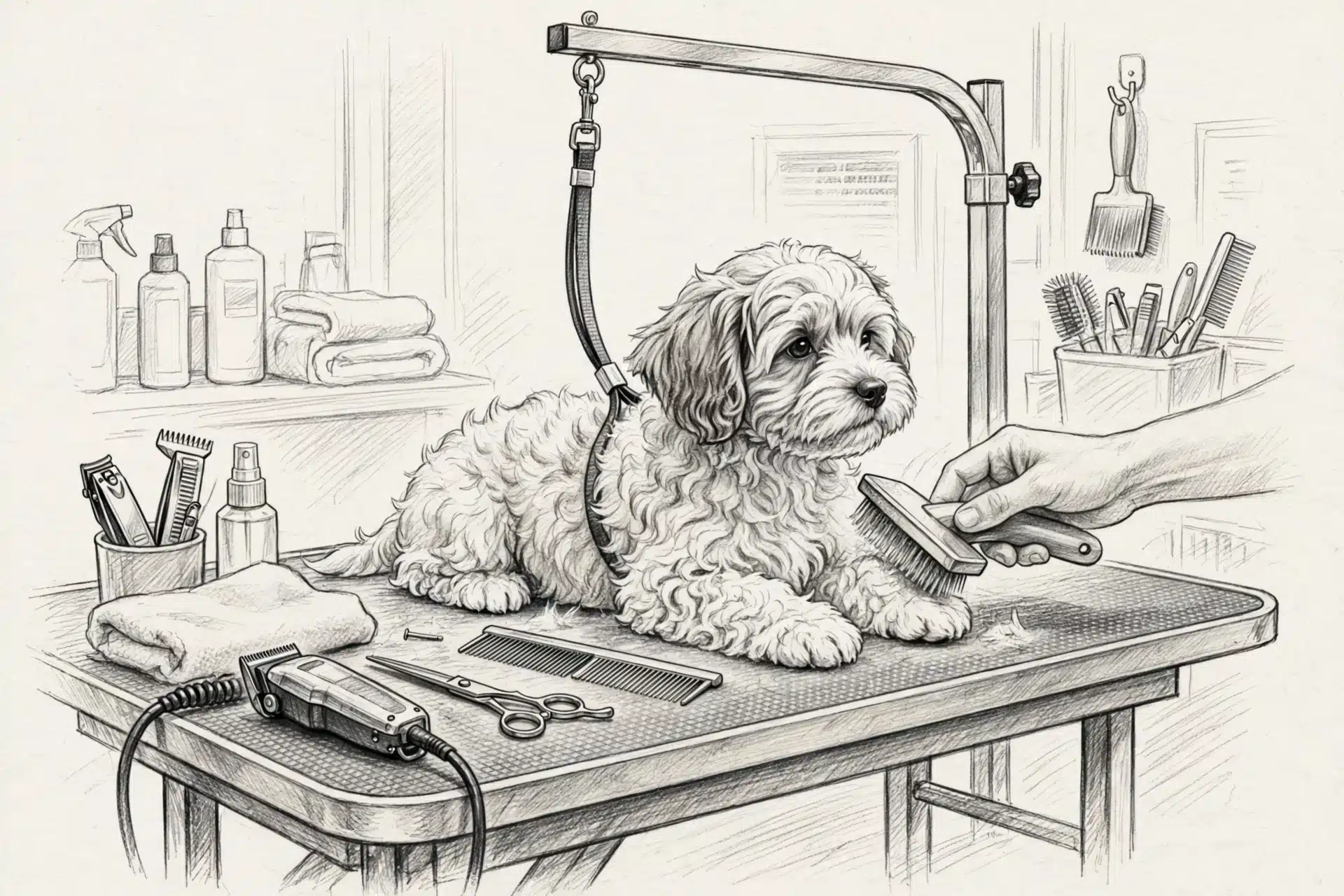
Realistic Grooming Time and Cost
| Cost item | Havanese | Cockapoo |
|---|---|---|
| Weekly hands-on time | 60 to 90 minutes | 30 to 60 minutes |
| Full groom frequency | Every 4 to 6 weeks | About every 3 months |
| Annual grooming budget | Higher, more salon visits | Lower, fewer salon visits |
Budget examples vary by salon and coat length, so call local groomers for current prices. Ask whether matting fees apply, because a neglected coat costs more to fix.
Shedding, Allergies, and What Low Shedding Really Means
Both breeds are low shedding, which means loose hair stays in the coat instead of falling on your couch. That trapped hair still carries dander, the protein that triggers allergies, so no breeder can promise a hypoallergenic dog. Spend time with the breed before you commit, and keep up with brushing to remove dander at the source.
How Big Will Each Puppy Grow: Adult Weight and Height
Havanese Size: One of the More Predictable Small Breeds
A Havanese grows to 7 to 13 pounds and stands 8.5 to 11.5 inches at the shoulder. Because the breed is recognized as a single, defined size class, well-bred puppies land inside that band with few surprises. The main variable is frame, not family tree: a leggy puppy usually fills out, rather than outgrowing, its parents’ size. Ask a breeder to show you both parents. When parents sit mid-range, adult size is about as predictable as small breeds get.
Cockapoo Size: Why the Range Is So Wide
A Cockapoo can reach anywhere from roughly 6 to 30-plus pounds and about 9.5 to 18 inches at the withers. The spread exists because the breed crosses a Cocker Spaniel with a Poodle, and the Poodle parent may come from toy, mini, or standard lines. Breeders pair a small toy Poodle with a Cocker for a compact dog, or a mini Poodle for something taller and sturdier. So a “Cockapoo” label alone tells you little; the size of both parents matters far more. Health testing for parents also matters, because a bigger frame can hide inherited joint issues. Reputable Cockapoo breeders usually state expected adult weight based on the parents’ actual measurements.
What Size Means for Your Home, Travel, and Budget
Size drives daily practicality more than most buyers expect. A 10-pound dog fits in a carry-on compliant airline bag under the seat, while a 25-pound Cockapoo may need a larger crate and a cabin fee or ground travel instead. Food, medication doses, crates, and harnesses all scale with weight, so the bigger dog costs more across a 12 to 15-year life. Apartment dwellers have room for either breed, but stair-climbing and car lifts get harder past 20 pounds.
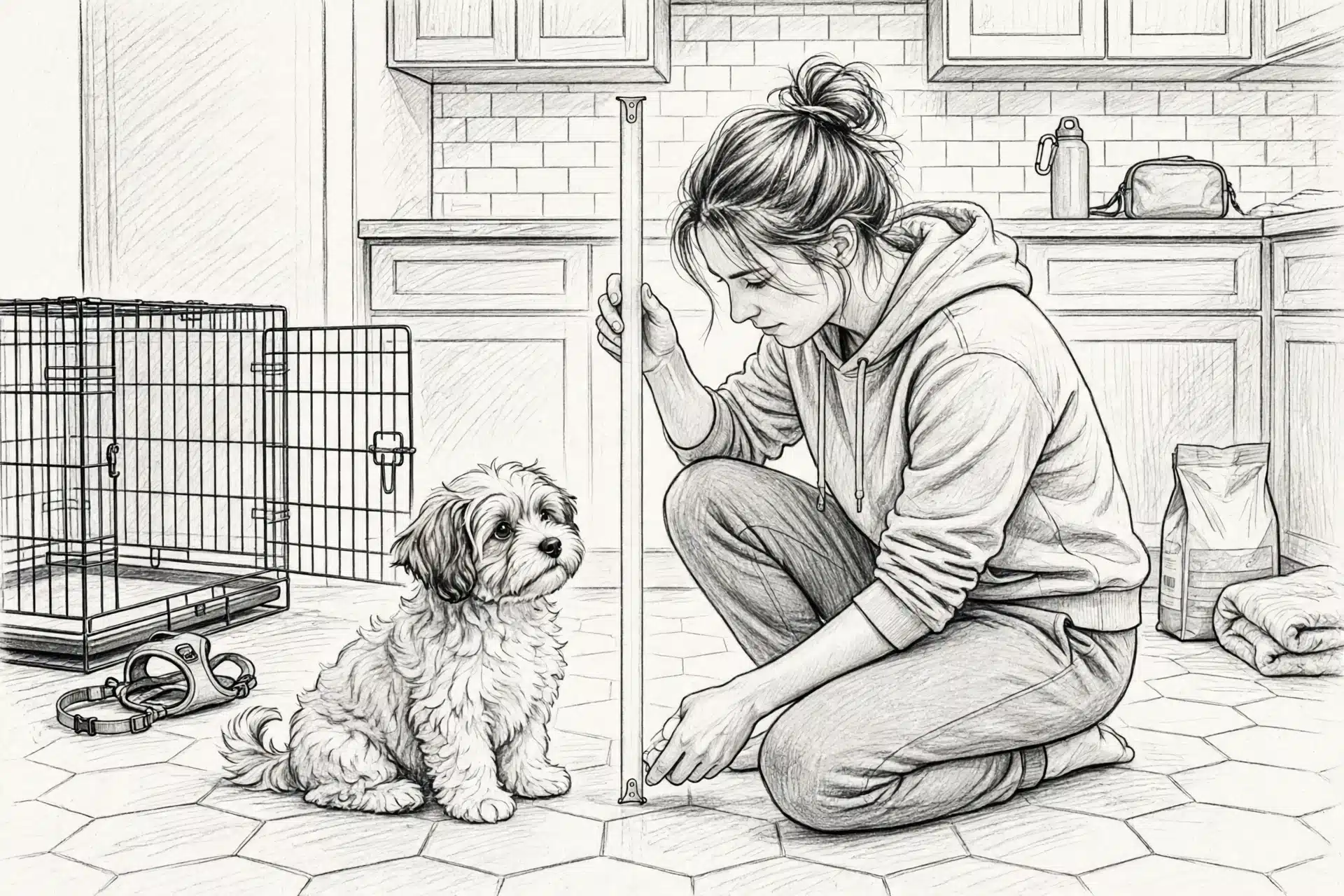
If you are weighing which size fits your household, our Havanese puppies page lists current litters with parent photos, so you can see the frame behind each puppy.
Coat Change and Puppy Stage: When the Grooming Load Really Changes
The First Year, Month by Month
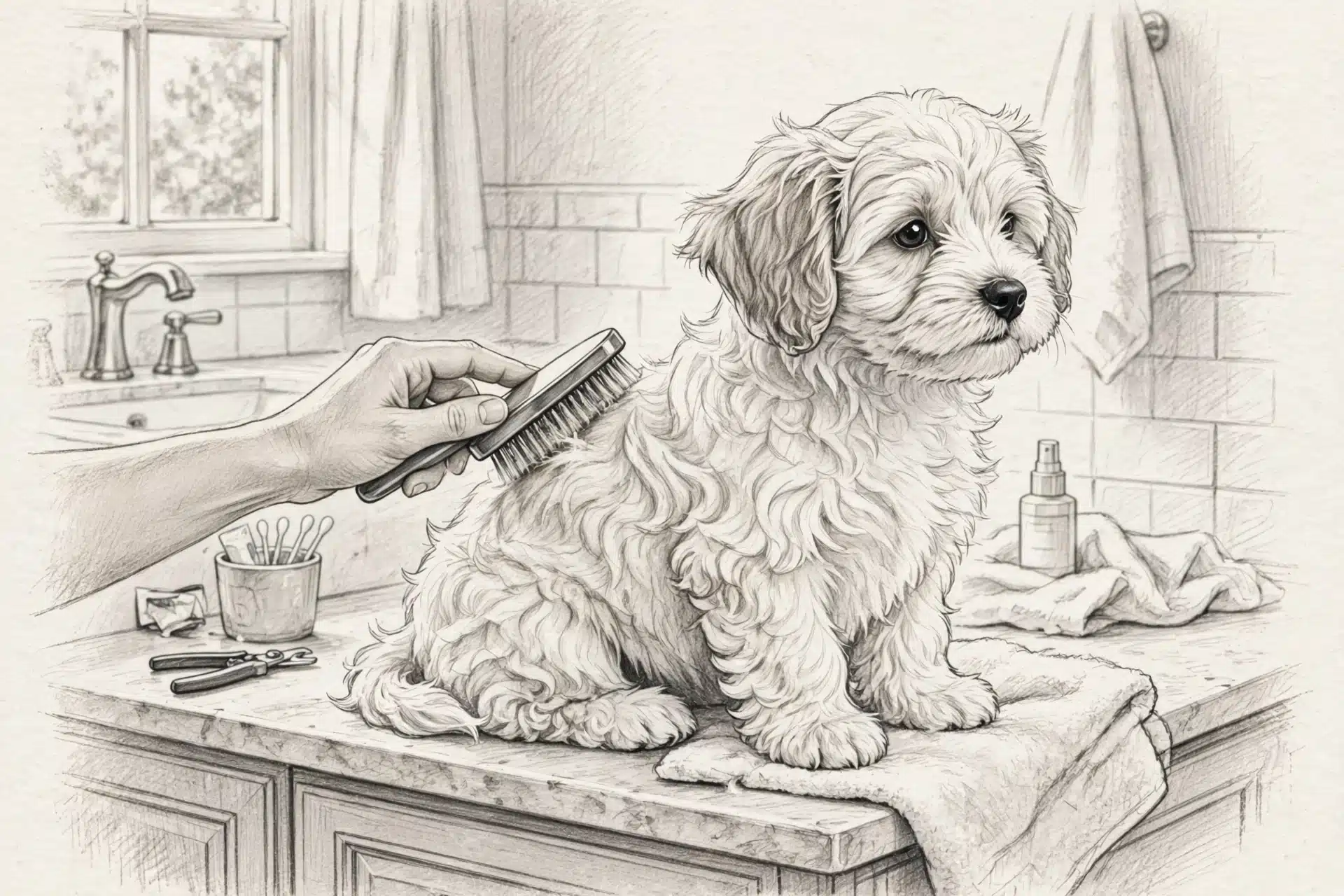
Both breeds start easy. A young puppy’s coat is soft, short and forgiving, so a few minutes of brushing two or three times a week builds the habit without much work. Around 8 to 12 months, that changes. The Havanese puppy coat is gradually replaced by the denser adult coat, and breed guides describe the transition as a trying stretch that can last two to six months, when loose puppy hair tangles against incoming adult hair and mats form fast (Havanese ABC).
A practical first-year rhythm looks like this:
- Months 2 to 7: short, gentle brushing sessions, plus nail trims and ear checks
- Months 8 to 12: step up to the adult schedule, line brushing two to three times weekly
- Months 12 and beyond: the adult coat settles, and grooming frequency stops climbing
Why a Puppy Cut Does Not Reduce the Adult Commitment
A short puppy cut means less visible coat, not less responsibility. Mats start at the skin, so even a trimmed Havanese still needs line brushing two to three times weekly, baths every two to four weeks, and professional grooming every 4 to 6 weeks. Cockapoo owners face the same math: the cut removes bulk, but wavy or curly coats still need daily brushing, and loose undercoat still sheds into the coat rather than onto the floor. The schedule survives the haircut.
What a Good Breeder Tells You About Coat Development
Coat texture at eight weeks hints at the adult coat, but it never settles the question. Ask how the parents’ coats matured, since texture tends to follow the lines. A breeder who walks you through a first-week brushing routine before go-home day sets you up better than one who promises a low-shedding, carefree coat. Good breeders show you the parents and talk honestly about the coat change ahead.
Health, Temperament, and the Practical Side of Both Breeds
Grooming and size tell only part of the story. Health screenings and daily energy shape how each breed fits your home.
Energy Levels and How Size Changes Daily Life
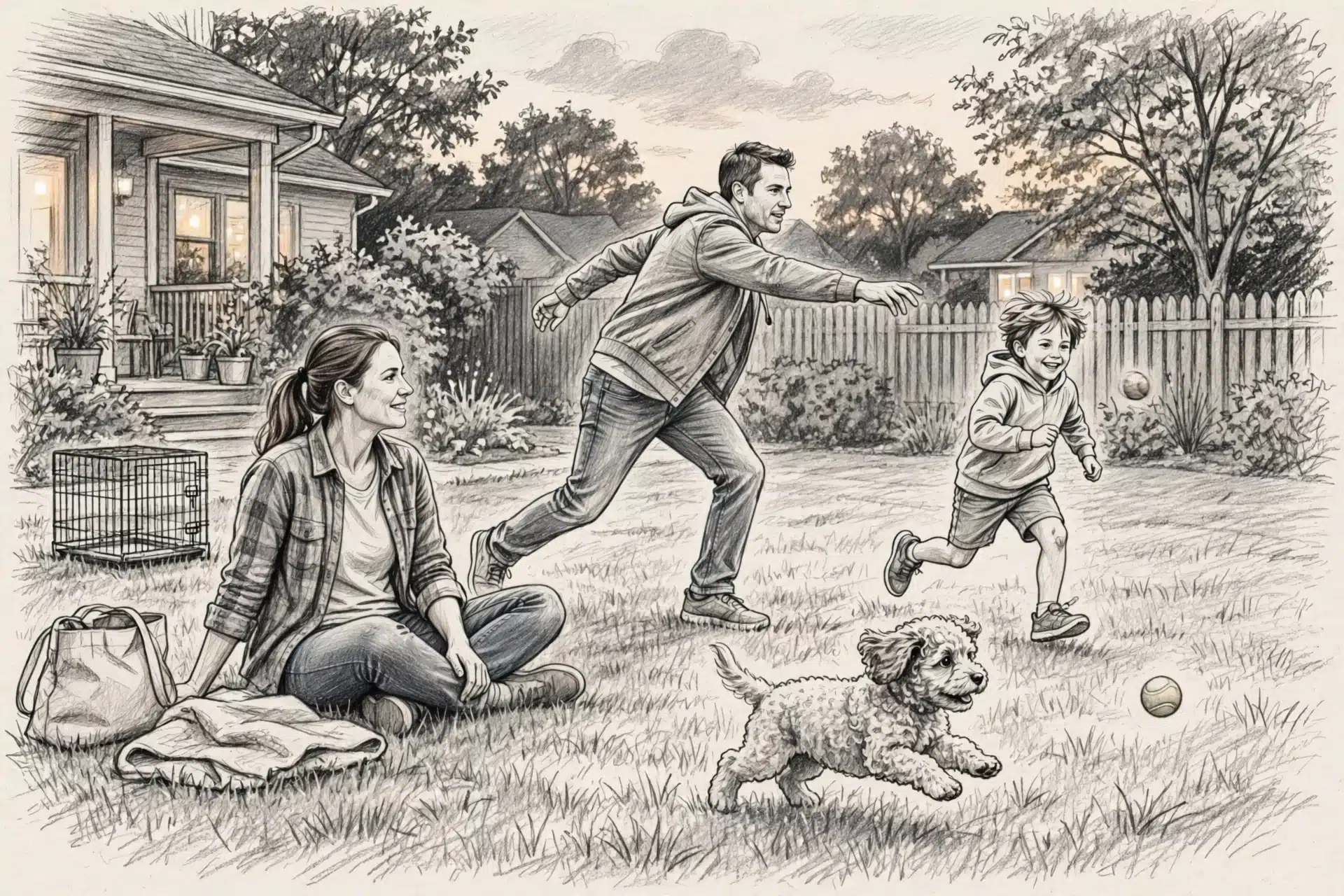
Both breeds are companion dogs that want people around, so neither does well alone all day. A Havanese is playful but settles quickly, and its 7 to 13 pounds make travel and lap time easy. A Cockapoo often has more stamina, especially from sporting Cocker lines, so plan longer walks and games. A bigger dog also means heavier food bills, larger crates, and more effort on stairs. Your routine matters more than the breed name here.
Ear Care, Eye Care, and Breed-Specific Health Checks
Floppy ears trap moisture, so both breeds need weekly ear checks and drying after baths or swims. Ask any breeder for documentation on the parents: the Havanese Club of America lists recommended screenings for patellar luxation, cardiac issues, and inherited eye disease in its health and testing guide. Havanese also watch for Legg-Calve-Perthes disease and cataracts, while Cockapoos can inherit ear infections and hip problems from either parent breed. Knowing what to ask a breeder about health testing protects you either way, and our Havapoo health checklist covers the questions most buyers forget.
Why a Breed Standard Helps and a Cross Does Not
A written breed standard gives you predictability. Havanese clubs track health results across generations, so problems like luxating patellas show up in records before they reach your puppy. A Cockapoo has no such standard, which cuts both ways. Hybrid vigor is real but uneven: temperament and adult traits depend heavily on the parents, not the label. Vet both breeders’ health testing equally, and treat promises about “hypoallergenic” coats with caution.
Which Should You Choose: Havanese or Cockapoo?
Which breed is easier to care for? It depends on what you value most:
- Choose the Cockapoo if you want less grooming cost and hands-on time. The shorter coat sheds little and often needs a full groom only every 3 months.
- Choose the Havanese if you want a predictable adult size of 7 to 13 pounds and a sturdy, portable companion.
Both are affectionate, low-shedding small dogs. The real difference is what you trade: the Havanese trades your time (60 to 90 minutes weekly of line brushing and professional grooming every 4 to 6 weeks), while the Cockapoo trades certainty about adult size, anywhere from roughly 6 to 30-plus pounds.
Choose a Cockapoo If
A Cockapoo fits well if you have room for a bigger dog or want a slightly more athletic playmate. You should also feel comfortable with the unknown: a puppy from toy, mini, or standard Poodle lines can land anywhere in that wide adult range. Ask the breeder to see both parents so you can estimate the grown weight. If the breeder can’t answer clearly, keep looking.
Choose a Havanese If
A Havanese makes sense if you want a dog you can carry, travel with, and size gear for without guessing. The adult weight lands between 7 and 13 pounds almost every time. You’ll commit to more grooming: regular line brushing and professional trims about every 4 to 6 weeks. If that routine sounds pleasant rather than tedious, this breed rewards you with a soft, silky, mat-prone coat that stays beautiful.
Where Sage Puppies Fits and How to Start
If the Havanese won you over, start by asking any breeder for proof of health testing on the parents and a chance to see the puppy’s coat type in person. Sage Puppies in South Jordan, Utah, breeds Havanese only from health-tested parents, so you can skip that search. Then plan your grooming budget before pickup, since that recurring cost is the biggest difference between these two breeds.

Still weighing coat care against adult size? Sage Puppies raises Havanese, Havapoo and Cavapoo puppies with honest grooming guidance and owner-managed matching. Start your application at Sage Puppies, and we’ll help you pick the breed and puppy that fits your home.
Frequently Asked Questions
Q1: What should I know when comparing grooming and size of Havanese and Cockapoo?
The Havanese needs more grooming: line brushing 2 to 3 times weekly and professional grooming every 4 to 6 weeks. The Cockapoo coat takes less time, but adult size ranges from roughly 6 to 30-plus pounds, so you trade grooming effort for size certainty.
Q2: Which breed sheds less?
Both are low shedding. Neither is truly hypoallergenic, because trapped dander still spreads.
Q3: How long is a Havanese grooming session?
Expect 60 to 90 minutes of hands-on coat care weekly, plus salon visits.
Q4: When does the puppy coat change?
Between 8 and 12 months, and mats form fast during that stretch. Brush more often.
Q5: How big do Cockapoos get?
Anywhere from about 6 to 30-plus pounds, depending on whether the Poodle parent came from toy, mini, or standard lines. Ask to see both parents.
Q6: Is a puppy cut less work?
No. Mats start at the skin, so trimmed coats still need the same brushing schedule.
Conclusion
The grooming-versus-size tradeoff decides this matchup. The Havanese gives you a predictable adult weight of 7 to 13 pounds, but its silky double coat needs line brushing 2 to 3 times weekly, professional grooming every 4 to 6 weeks, and extra patience during the coat change at 8 to 12 months. The Cockapoo’s shorter coat cuts hands-on time and salon visits, yet toy, mini and standard Poodle lines put its adult size anywhere from roughly 6 to 30-plus pounds.
So pick the breed whose trade you can live with. If you can commit 60 to 90 minutes a week to coat care, the Havanese rewards you. If you want a lower grooming bill and can accept a wider size range, the Cockapoo fits. Either way, ask breeders for health testing records and meet the parents before you commit.