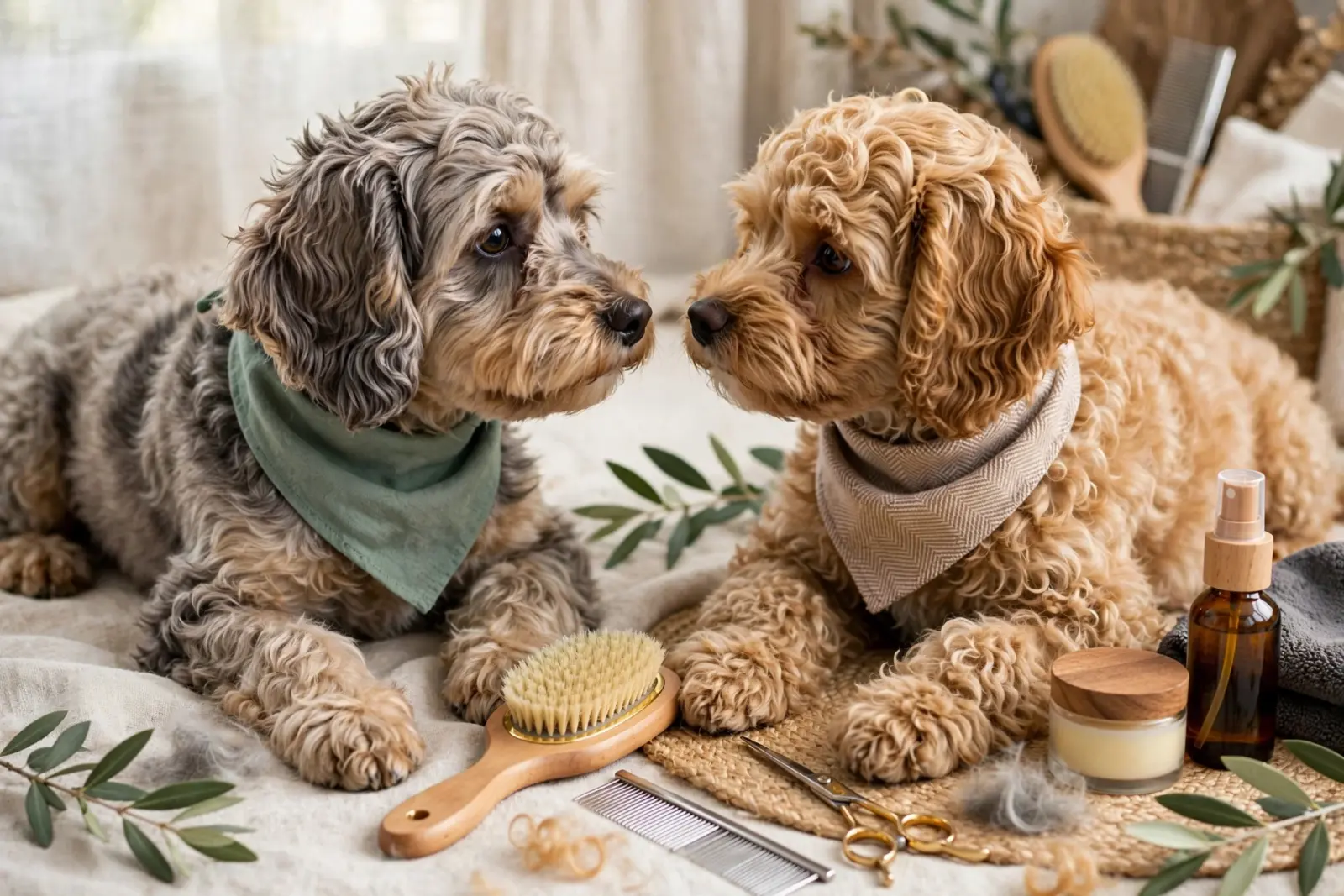
Quick Summary: A Havapoo in a short cut usually needs less grooming than a Havanese, with about 5 to 10 minutes of brushing most days, professional trims every 6 to 8 weeks, and baths every 2 to 4 weeks. A Havanese typically needs 10 to 20 minutes of daily brushing, trims every 4 to 6 weeks, and more extensive coat care, especially with a long, silky coat. Coat length matters more than breed, so Sage Puppies advises choosing the routine you can realistically maintain rather than assuming either dog is low maintenance.
A Havapoo usually needs less grooming, especially in a short cut, because the Poodle side often adds a curl that mats less easily. Keep a Havanese in a long, silky show coat and the answer flips.
Breeders love to promise low shedding and easy coats. Few explain what that promise costs in brushing time, baths, trims, and grooming bills. Real Havanese grooming requirements include daily combing of a full coat. Havapoo coat care depends on which of three coat types the puppy inherits, so havapoo grooming frequency varies from easy to demanding.
We raise both breeds at Sage Puppies in South Jordan, Utah, so this guide compares coat texture, brushing time, bath intervals, professional-grooming cycles, and costs for each.
Havapoo vs Havanese Grooming: Side-by-Side
| Havapoo | Havanese | |
|---|---|---|
| Typical coat | Wavy fleece, curly wool, or straight silky, often with a dense Poodle-type undercoat | Long, silky, wavy double coat with a soft cottony undercoat |
| Home brushing time | 5 to 10 minutes most days, with more time during the 6- to 12-month coat change | 10 to 20 minutes most days for a short cut and more for a full coat |
| Matting risk | Moderate; curly coats mat fastest after baths, while wavy coats are usually easiest | High, especially behind the ears, in the armpits, and around the back-leg trousers |
| Professional groom schedule | Typically every 6 to 8 weeks for a short cut | Every 4 to 6 weeks for a puppy cut; full show coats may be maintained between trims |
| Bathing interval | About every 2 to 4 weeks depending on coat length and activity | Every 1 to 2 weeks in full coat and every 2 to 3 weeks in a short cut |
| Best fit for | Busy first-time owners who want a short, low-maintenance coat | Owners who enjoy coat care, show or full-coat styling, and long-term routines |
How Havapoo and Havanese Compare
Havapoo
The Havapoo is a Havanese and Poodle cross, so its coat can come out wavy, curly, or straight. Many owners keep it in a short cut, which keeps daily work light and is part of why havapoo coat care stays simple. It suits busy first-time owners who want a companion without a long grooming routine.

Key strengths
- Shorter grooming sessions, usually 5 to 10 minutes most days
- Professional trims every 6 to 8 weeks in a short cut
Havanese
The Havanese is Cuba’s national companion breed, carrying a long, silky double coat that grows continuously. Its havanese grooming requirements make coat care a genuine daily commitment rather than an occasional chore. It fits owners who genuinely enjoy brushing, styling, and a steady long-term routine.

Key strengths
- Stunning full-coat look for owners who love styling
- A devoted, people-focused companion temperament
Which One Needs Less Grooming? The Honest Answer
Most Havapoos need less grooming, but only if you keep them in a short cut. Havanese grooming requirements sit somewhere in the middle: a lower-maintenance option than a Havapoo in a long, curly coat, but more demanding than a Havapoo clipped short. Three factors decide which dog actually costs you less time:
- Coat length – the single biggest lever, and the one you control
- Coat texture – curls and waves mat faster than silky straight hair
- The puppy-to-adult coat transition – the stretch where both breeds tangle most
The One-Line Answer Most Families Can Use
Pick the Havapoo if you want a short, easy clip and are happy booking professional grooming every 6 to 8 weeks. Pick the Havanese if you prefer silky hair over curly, low-shed coats and can commit 5 to 10 minutes of brushing most days. Neither breed suits a busy home that skips brushing entirely. Mats form on both, and de-matting hurts. Many of the families matching with puppies at Sage Puppies choose based on this single trade-off.
Why Coat Length Decides More Than Breed
A Havanese in a puppy cut and a Havapoo in a puppy cut need almost the same routine. The real difference shows up at the extremes. Long coats on either breed add daily brushing, more frequent baths, and regular line brushing with a comb test to catch hidden tangles. Short cuts shrink all of that.
So ask yourself one honest question before choosing: how long do you actually want this dog’s coat to be? If the answer is short, the Havapoo usually wins. If the answer is long and flowing, Havanese hair is often simpler to keep mat-free than a curly Havapoo coat, because straight silk slides through a brush more easily than tight curls. How often to brush a Havanese puppy also stays steadier over time, while havapoo coat care shifts as the adult texture comes in.
Coat Texture and Why It Changes Everything
Are Havapoos or Havanese better for people with dog allergies? Neither is truly hypoallergenic, because allergies react to dander, saliva, and urine, not just hair. Still, a low-shedding Havapoo coat usually spreads less dander around the house, so many mild allergy sufferers tolerate it better than a shedding breed.
The Havanese Double Coat
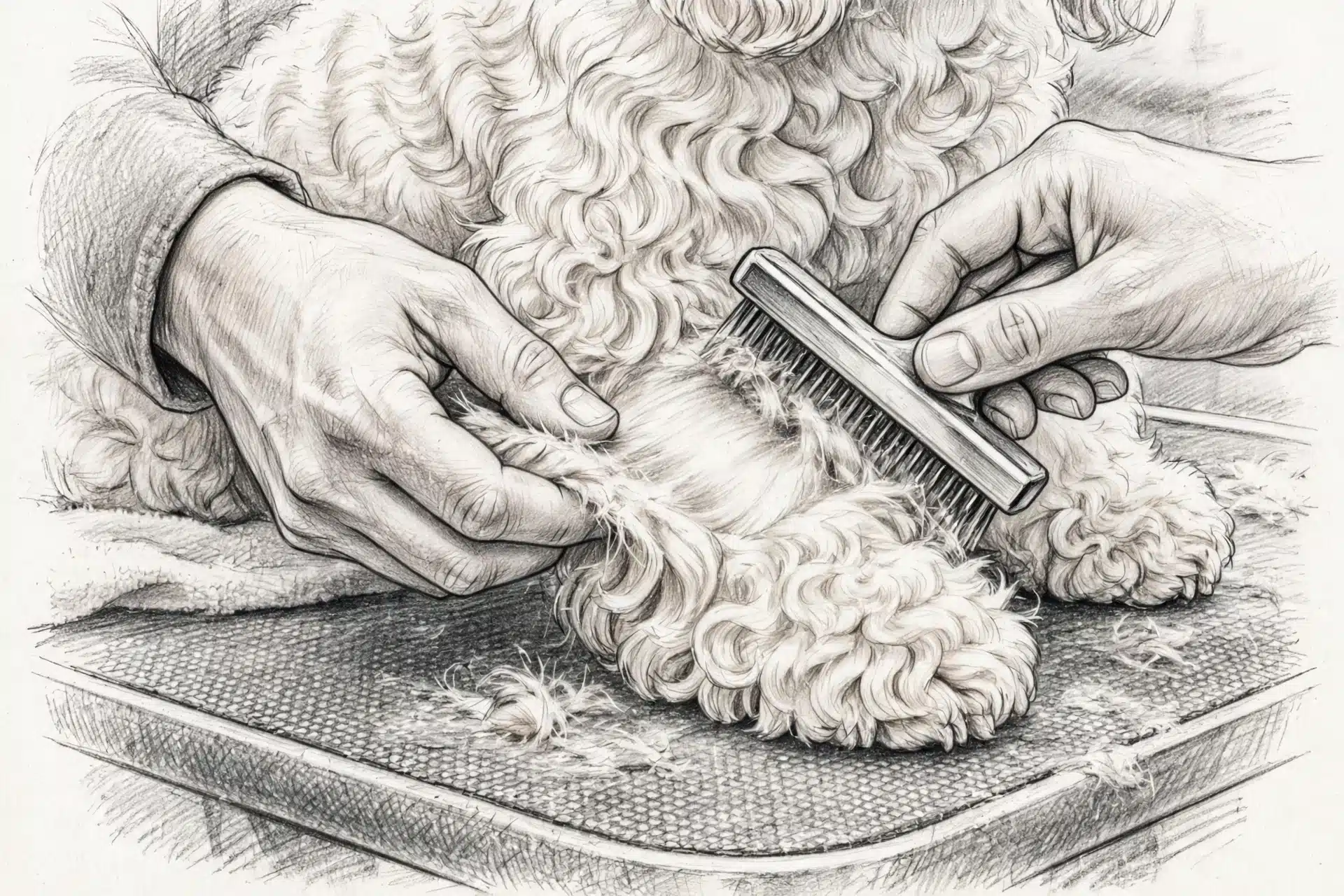
The Havanese carries a soft, silk-like double coat with a fine undercoat beneath longer guard hairs. That structure sheds very little, but loose hair stays trapped instead of falling out. Skip brushing and the trapped hair tangling into the topcoat is what creates mats, especially behind the ears, in the armpits, and along the harness line. This is why the breed fits the 5 to 10 minutes of daily brushing shown earlier. It also explains the coat’s other quirk: brushed out and kept long, a Havanese looks airy and light, because the breed standard calls for a naturally wavy, untrimmed coat.
Three Havapoo Coat Types and Their Grooming Load
Havapoo coats follow three broad types, and the grooming load differs by type:
- Curly (Poodle-leaning): dense and prone to matting fast, but sheds least
- Wavy: the most common, a fair middle on both brushing and shedding
- Straight (Havanese-leaning): silkier and easier to comb, but sheds more
Curlier coats usually mean professional trims closer together; straighter ones stretch further.
The Puppy-to-Adult Coat Change
Between roughly 6 and 12 months, both breeds trade the soft puppy fluff for adult hair. Expect tangles to form almost overnight during this transition, so shorten the gaps between brushing sessions until the new coat settles.
Brushing and Combing: The Weekly Time You Are Signing Up For
A Havapoo in a short cut needs brushing about 5 to 10 minutes most days. A Havanese needs 10 to 20 minutes most days, or more in a full coat. Both breeds need the same technique, and that technique decides whether grooming stays easy or turns into mat removal.
| Breed | Quick daily brushing | Weekly deep session |
|---|---|---|
| Havapoo | 5 to 10 minutes most days | One 20 to 30 minute line-brush |
| Havanese | 10 to 20 minutes most days | One 30 to 45 minute line-brush and comb-out |
Puppy Habits: Brushing and Combing Three Times a Week
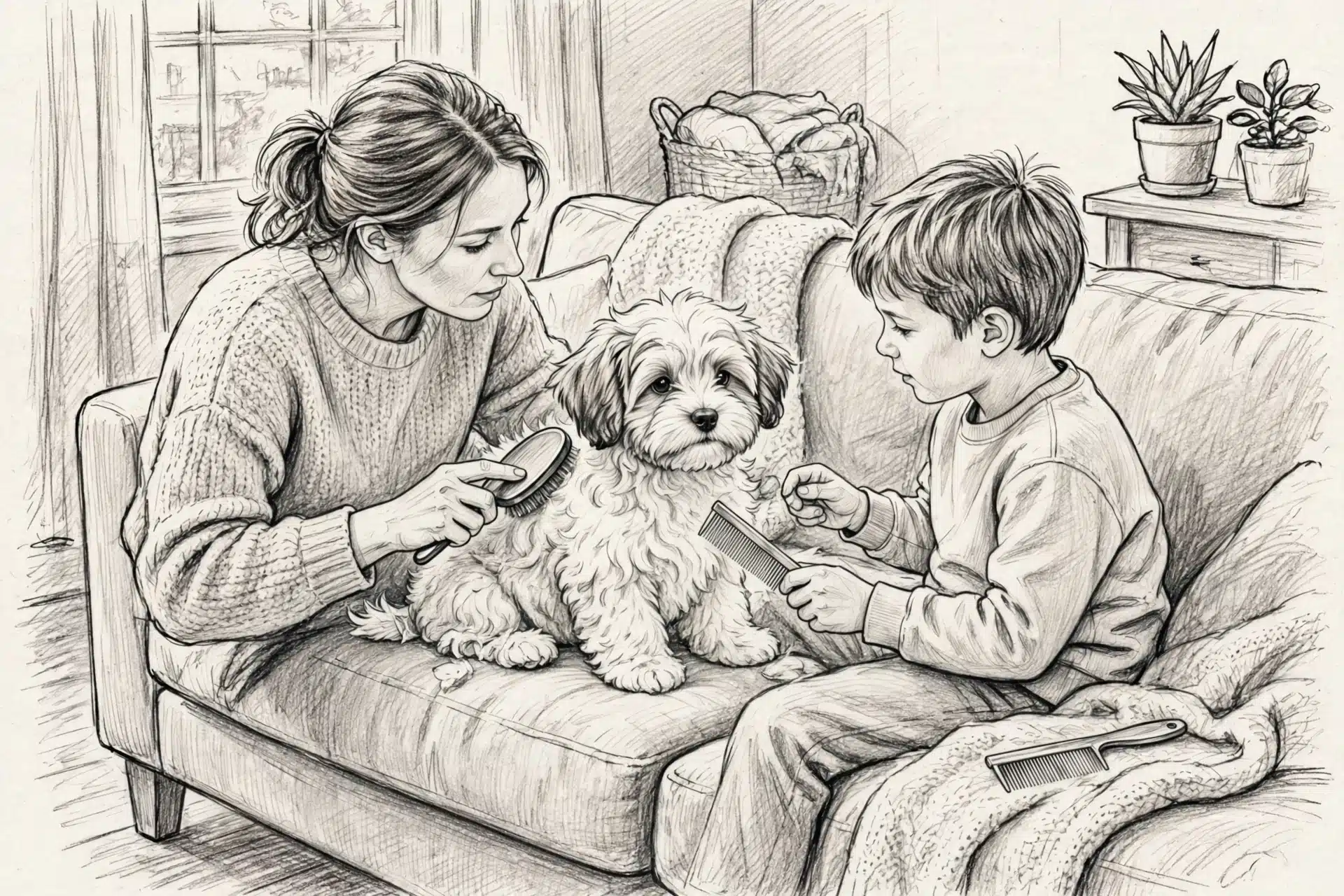
Start brushing three times a week while your puppy is young. Short sessions teach the pup to lie still, and the habit matters more than the timer. Puppies rarely mat badly because their soft fluff sheds out, so this window is for training, not tangles. Keep sessions short, reward calm behavior, and stop before your puppy gets restless. By the time the adult coat arrives, brushing feels normal instead of scary.
The Line Brushing Method That Prevents Most Mats
Surface brushing is the most common mistake. It fluffs the top layer while tangles tighten underneath, close to the skin. Line brushing fixes that. Part the hair to expose a thin row of coat, mist it lightly, and brush from the skin outward. Let that row drop, then part the next line above it. Groomers use this method to prevent matting because it reaches the spots brushes usually miss, especially behind the ears, armpits, and the harness area.
The Comb Test and Weekly Deep Sessions
Once a week, finish with the comb test. Run a metal comb through the coat after brushing. If the comb glides from skin to tip, you are caught up. If it catches, work that spot with your fingers and the brush before it becomes a mat. This check matters because a coat can look fluffy and still hide tangles underneath. Expect one longer session weekly: about 20 to 30 minutes for a Havapoo and 30 to 45 for a Havanese in a fuller coat. Consistency, not effort, keeps de-matting off your calendar.
Professional Grooms, Baths, and Trims
Short answer: No, they do not. Both breeds need regular professional grooms, but the schedules differ: a Havapoo in a short cut visits the groomer every 6 to 8 weeks, while a Havanese in a puppy cut needs a trim every 4 to 6 weeks. Bathing follows a similar pattern, since longer coats need more frequent baths.
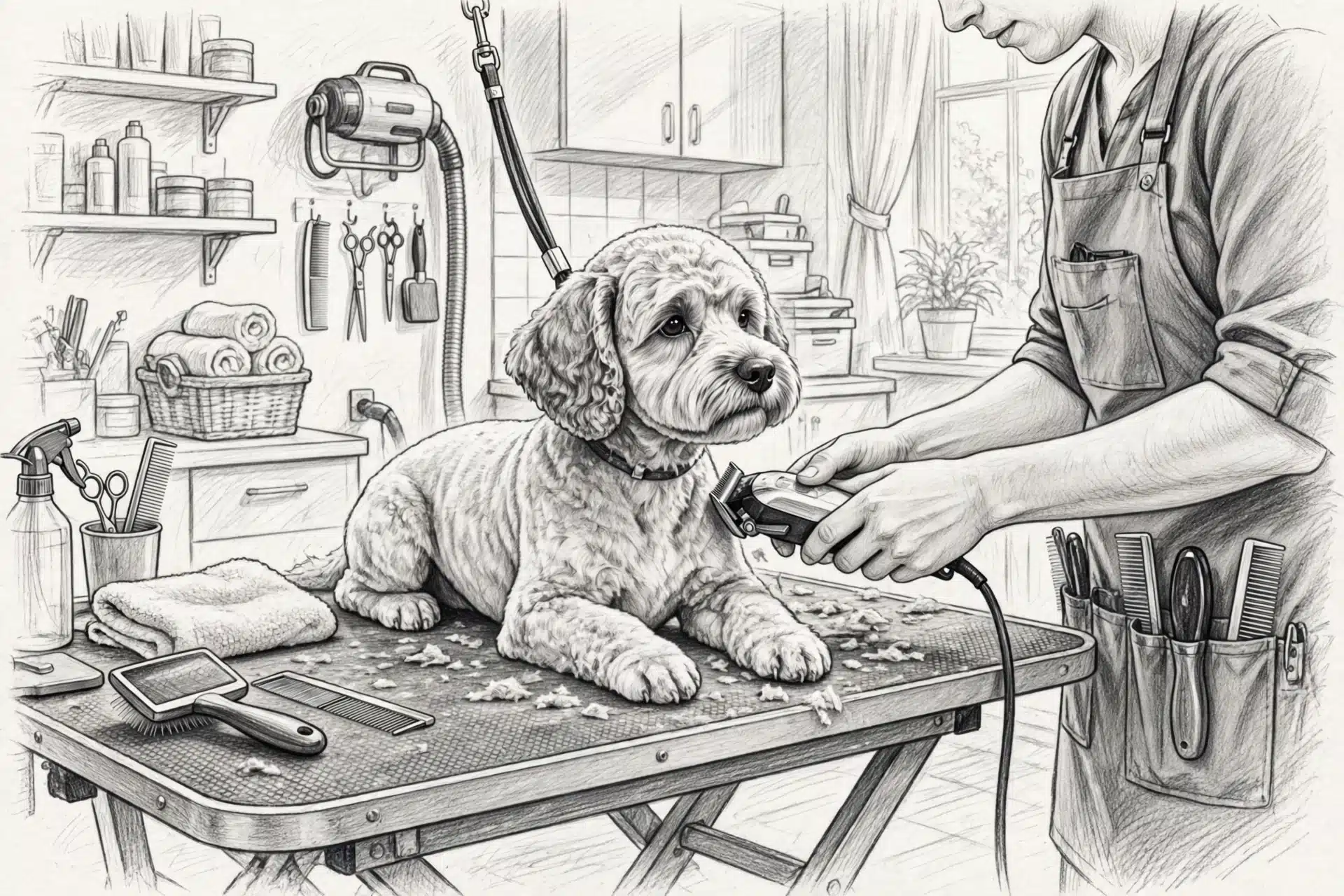
A typical schedule looks like this:
- Havapoo, short cut: professional trim every 6 to 8 weeks, bath every 2 to 4 weeks.
- Havanese, puppy cut: professional trim every 4 to 6 weeks, bath every 2 to 3 weeks.
- Havanese, full coat: bath every 1 to 2 weeks, with trims kept shorter between grooms.
How Often Each Breed Needs a Professional Trim
The Havapoo usually wins on groom frequency. Most curly or wavy coats hold a shape between trims, so a 6-to-8-week booking works. A Havanese grows hair faster and the silky texture shows every uneven edge, which is why groomers often set a 4-to-6-week schedule. Full-coat Havanese may stretch longer between trims, but that choice adds daily brushing time, not less work overall.
Bathing Rhythms That Follow Coat Length
Bath frequency tracks coat length more than breed. A Havapoo in a short clip can go 2 to 4 weeks between baths. A Havanese in a puppy cut needs one every 2 to 3 weeks, and a full silky coat may need a bath every 1 to 2 weeks. Always brush and detangle before a bath, because water tightens any existing mat. Use a dog-specific shampoo and dry the coat fully with low heat while brushing it straight.
Choosing a Cut That Cuts Your Workload
The cut matters more than the breed. Ask for a short, even clip with a trimmed face and sanitary area, and you cut both brushing time and groom bills. A longer “teddy bear” style looks sweet but adds weeks of extra combing. If a breeder or groomer helps you plan, follow their lead; good puppy preparation starts early.
The Grooming Tasks That Are Not Brushing
Tear Stains and Eye Area Care
Both breeds are prone to tear staining, which leaves reddish streaks under the eyes. Wipe the area daily with a damp, soft cloth or a vet-approved eye wipe, then pat it dry. Keeping the hair around the eyes trimmed short also helps, since long strands irritate the eye and trap moisture. Skip bleaching products and talk to your vet if the staining looks sudden or the eyes themselves seem sore.
Ears, Nails, and Feet
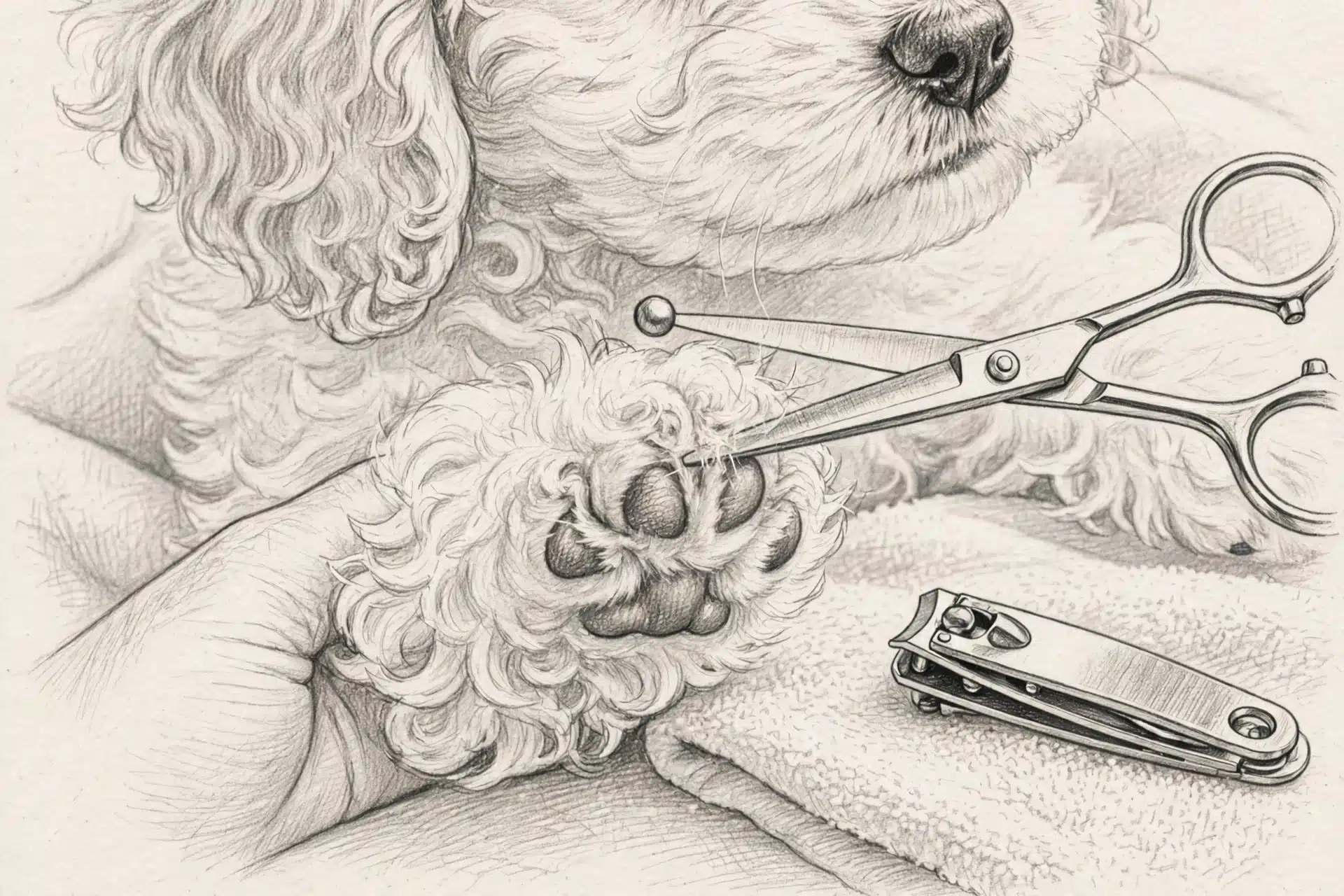
Drop ears plus hair inside the ear canal hold wax and moisture, so check both breeds weekly and clean with a gentle ear solution when they look dirty. Trim nails every few weeks; if you hear clicking on hard floors, they are too long. Hair between the pads also needs a short trim, because it gathers mud and lets feet slip on tile. Tack these tasks onto bath days and they rarely feel like extra work.
What Grooming Costs in Time and Dollars
Grooming is usually the biggest recurring expense for either breed after food. Prices vary a lot by city, coat condition, and cut, so treat the numbers below as labeled budget examples rather than fixed rates. Small-breed full grooms commonly run about $45 to $75 per session, with a Havanese groomed every 4 to 6 weeks and a Havapoo in a short cut every 6 to 8 weeks.
A Sample Annual Grooming Budget for Each Breed
| Cost Item | Havapoo (short cut) | Havanese (puppy cut) |
|---|---|---|
| Professional grooms per year | 6 to 9 visits | 9 to 13 visits |
| Budget example at $60 per visit | $360 to $540 | $540 to $780 |
| Home baths between grooms | Every 2 to 4 weeks | Every 2 to 3 weeks |
| Shampoo and conditioner per year | $40 to $80 | $50 to $100 |
A longer Havanese coat pushes both columns higher, since extra bath time and de-matting often carry an added fee.
The Ongoing Cost Buyers Rarely Plan For
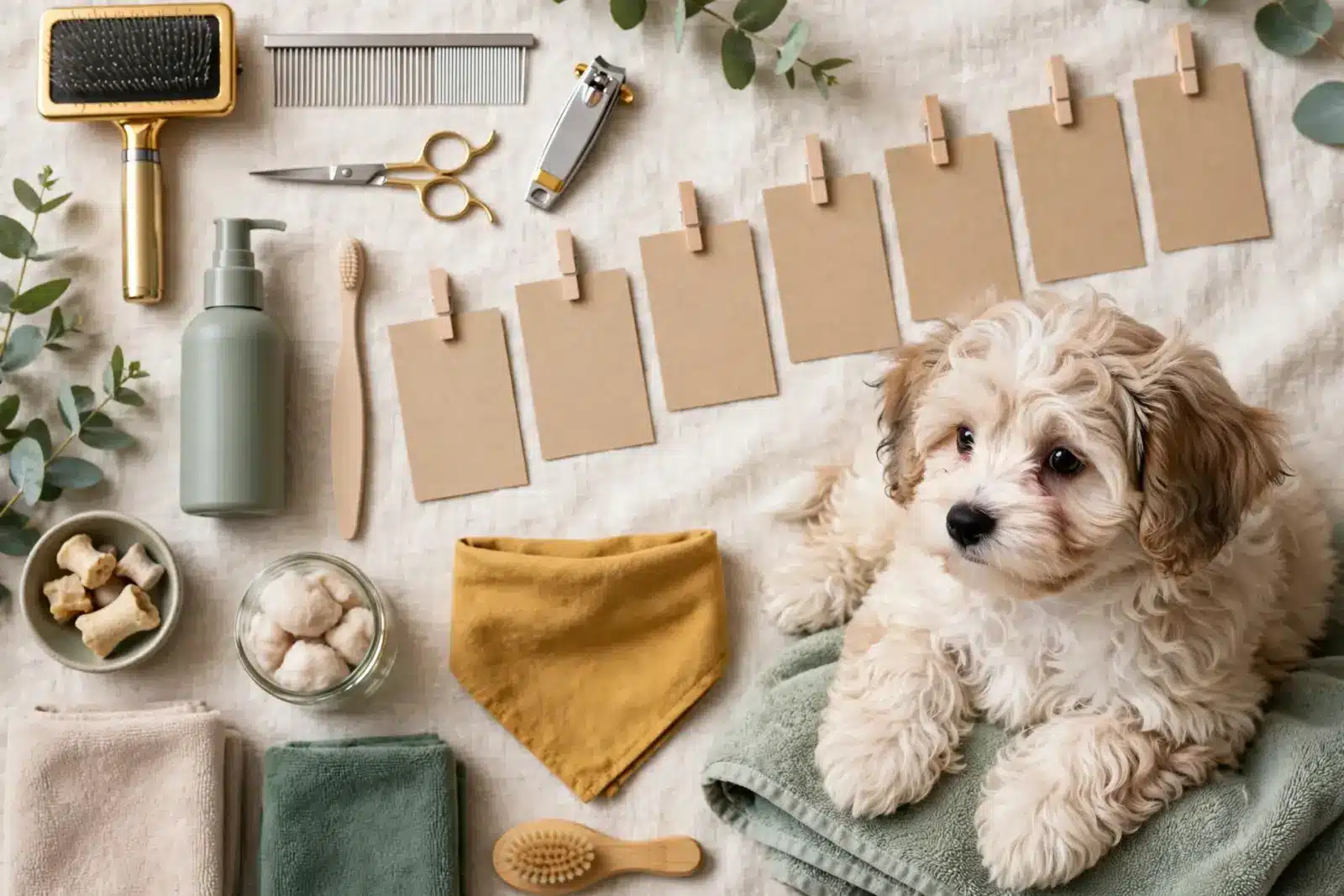
Plan for tools in your first month: a slicker brush, metal comb, detangling spray, nail clippers, and dog-safe clippers for paw trims usually total $60 to $150. Replace worn brushes yearly. Then budget for the coat change between 6 and 12 months, when thin puppy fluff mats faster and some owners book an extra de-matting visit. National grooming averages range widely, from about $40 to $160 per session depending on coat and location, so price your local groomers before your puppy comes home. Skipping trims to save money often backfires, because a matted coat costs more to fix than to maintain.
Which Should You Choose: Havapoo or Havanese?
Both breeds are loving, people-focused companions that fit well in homes and apartments. The grooming difference comes down to coat type and the schedule you can honestly keep. Here is the simplest way to decide.
Pick the Havapoo If You Want the Lightest Grooming Load
Choose a Havapoo when easy upkeep matters most. In a short cut, you will brush about 5 to 10 minutes most days and book professional grooming every 6 to 8 weeks. Baths land every 2 to 4 weeks. Curly or wavy hair hides uneven edges and holds its shape between trims, so a slightly stretched schedule rarely shows.
Tip: Ask the breeder which coat type the puppy shows at 6 to 8 weeks, because wavy and curly coats groom differently.
Pick the Havanese If You Love the Coat
Choose a Havanese if silky hair wins you over. The coat sheds less than most breeds but needs more hands-on care: 10 to 20 minutes of brushing most days, a professional trim every 4 to 6 weeks, and weekly line brushing sessions of 30 to 45 minutes in a fuller coat. Straight, silky hair shows every uneven edge, so a longer groom cycle is harder to stretch. Families who want a short clip all over can keep things manageable. Families chasing the long, flowing show look should expect the heaviest routine of the two.

Still torn between the two? Both fit a short daily brushing habit, just in different ways. Tell Sage Puppies how much grooming time you can truly give, and we’ll match you with the puppy whose coat suits your routine. Start your application at Sage Puppies today.
Frequently Asked Questions
Q1: Which dog needs less grooming, a Havapoo or a Havanese?
Usually a Havapoo in a short cut, with 5 to 10 minutes of brushing most days. The answer flips when a Havanese wears a short clip.
Q2: How often should a Havapoo be brushed compared to a Havanese?
Both need brushing most days. A Havapoo takes 5 to 10 minutes; a Havanese takes 10 to 20 minutes, more in a full coat.
Q3: Do Havapoo and Havanese puppies need the same number of professional grooms?
No. Havapoos visit the groomer every 6 to 8 weeks; Havanese puppy cuts need trims every 4 to 6 weeks.
Q4: Are Havapoos or Havanese hypoallergenic?
Neither. Allergies react to dander and saliva, not just hair. A low-shedding Havapoo coat spreads less dander, which helps some mild sufferers.
Q5: When does puppy coat care get hardest?
Between 6 and 12 months, during the coat change. Tangles form quickly, so brush more often until the adult coat settles.
Conclusion
A Havapoo in a short cut usually needs the least grooming: 5 to 10 minutes of brushing most days, professional grooming every 6 to 8 weeks, and a bath every 2 to 4 weeks. A Havanese asks more, with 10 to 20 minutes of brushing, trims every 4 to 6 weeks, and weekly line brushing in a fuller coat. Coat length decides more than breed, so choose based on the routine you can honestly keep. Match the coat to your schedule, and either breed becomes a joyful, manageable companion.