Quick Summary: Train Havapoo puppies from day one with short, frequent, reward-based sessions that progress from foundation cues to loose-leash walking, potty routines, crate rest, recall, and separation tolerance. Set a flexible schedule based on naps, meals, play, and the puppy’s signals, and reward desired behavior immediately without scolding or fixed deadlines. Introduce the crate as a safe place for rest, build independence in small steps, and judge progress over weeks rather than single bad days.
A Havapoo will follow you from room to room long before it will sit for you, and that people-focused instinct is exactly why the right Havapoo training techniques decide whether the next two years feel joyful or draining. This breed wants to please, but it also learns fast, craves company, and can slide into clingy habits if no plan is in place.
That is the problem this guide solves: most owners get scattered advice, fixed timelines, and no order of operations. Below you will find six phases of Havapoo training methods, from the first days at home through Havapoo obedience training, socialization, crate and potty routines, and calm settling. The steps use reward-based, positive reinforcement for Havapoo puppies, and they bend to your dog’s pace instead of a calendar.
Cassie Milar and the Sage Puppies team raise Havanese, Havapoo, and Cavapoo puppies in South Jordan, Utah, so the techniques here reflect how these dogs actually think.
Step 1: Begin Training in the First Days at Home
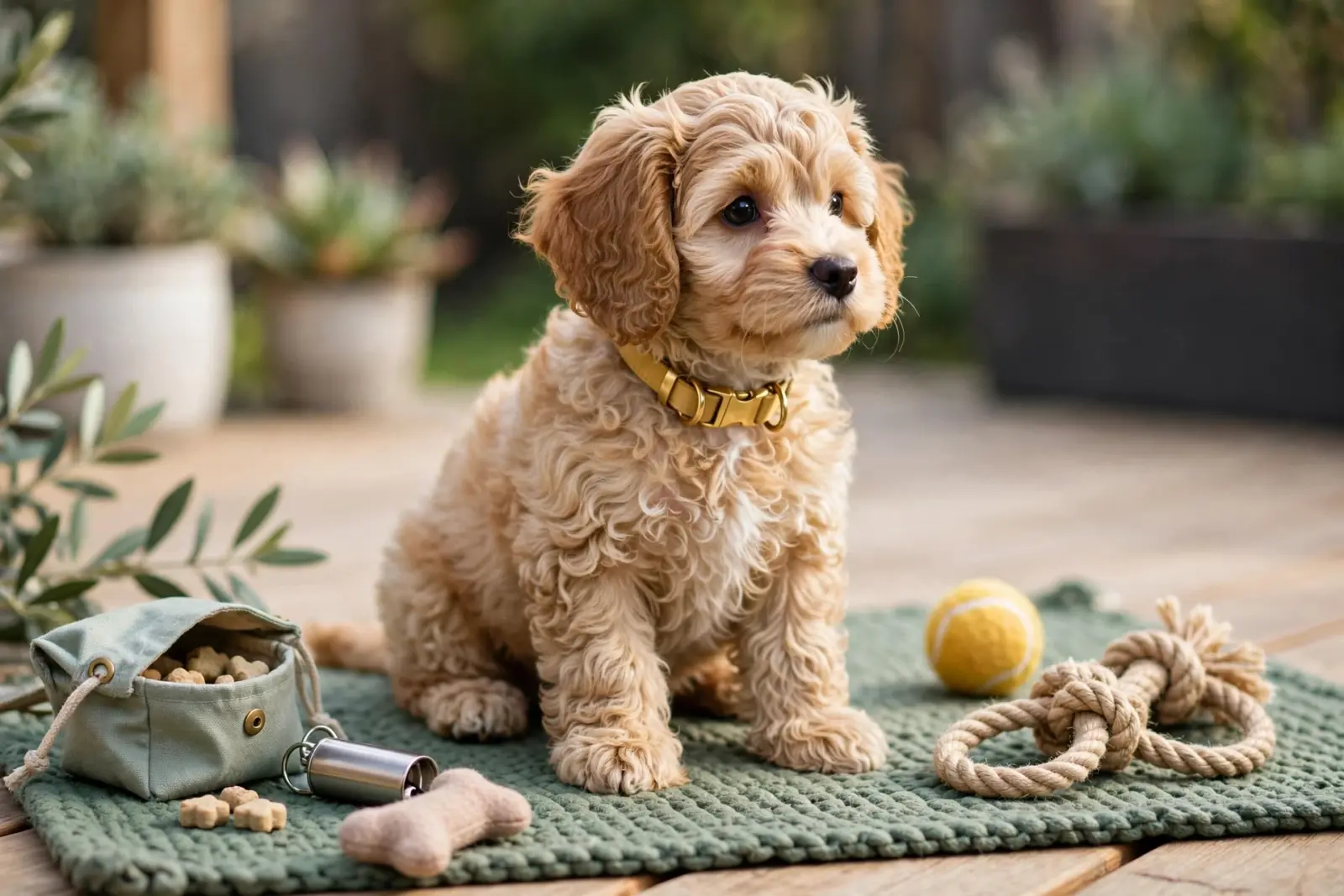
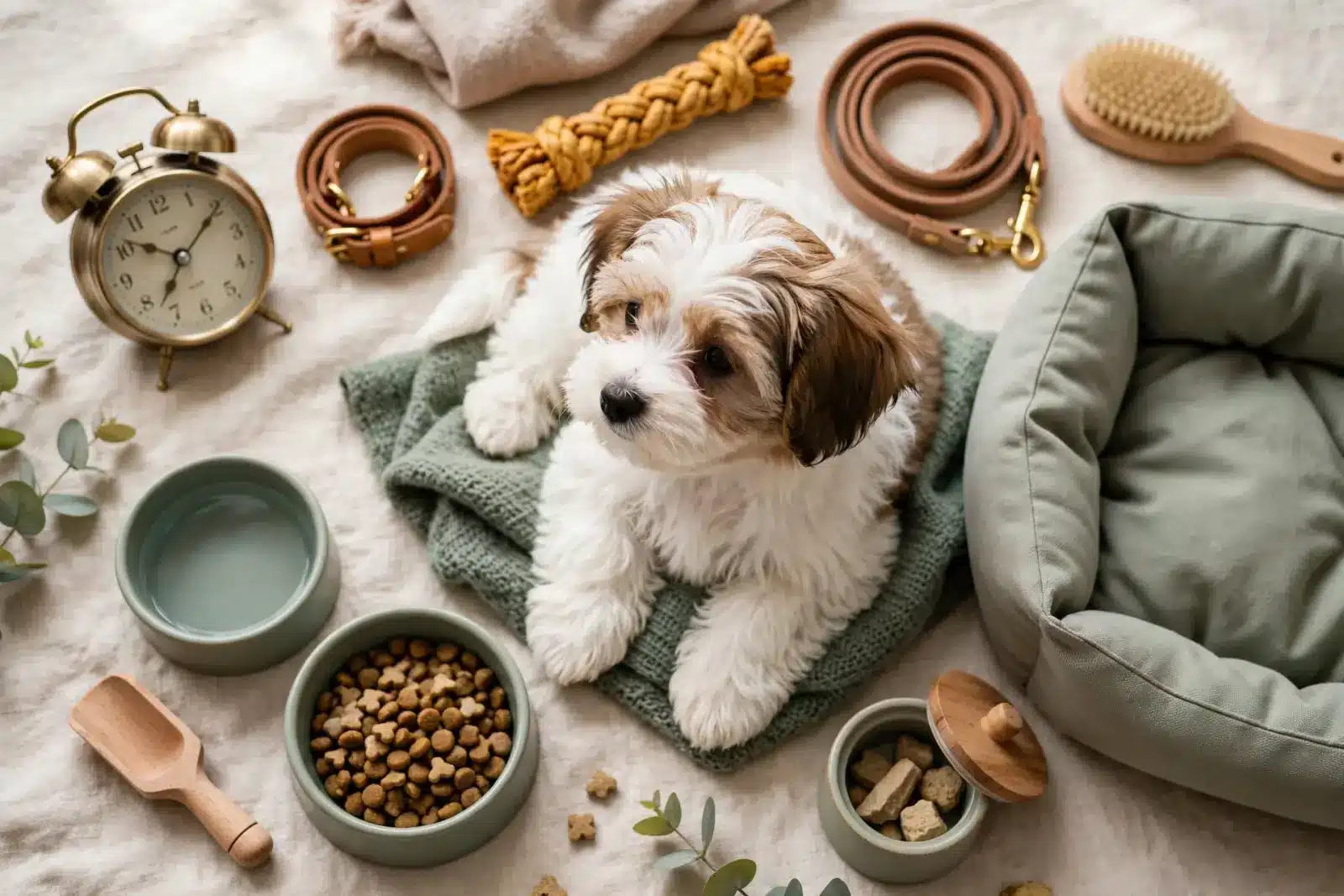
Start Havapoo training on day one, not at twelve weeks. Puppies learn fastest between about three and fourteen weeks of age, so gentle Havapoo training techniques can begin the moment your puppy arrives. Keep sessions short, stay calm, and use positive reinforcement for Havapoo puppies from the very first meal and potty trip. Your first week looks like this:
- A set potty spot, visited after every nap, meal and play session
- Meals fed at fixed times so bathroom habits become predictable
- Name practice: say the name, reward the eye contact
- Calm crate sessions with the door open at first
- Gentle handling of paws, ears and mouth
- Quiet nap breaks in a set spot, every couple of hours
For a fuller week-by-week plan, our guide to your first 30 days with a Havapoo puppy walks through each stage in order.
Why Starting Early Matters for This Breed
Havapoos are quick, people-focused dogs, which makes early habits stick fast, both good and bad. Reward-based dog training in week one prevents pull-y leashes, door dashing and picky potty habits later. Breeds like the Havanese and Havapoo respond strongly to praise, so patience pays off quickly.
Building a Daily Routine That Fits a Small Breed
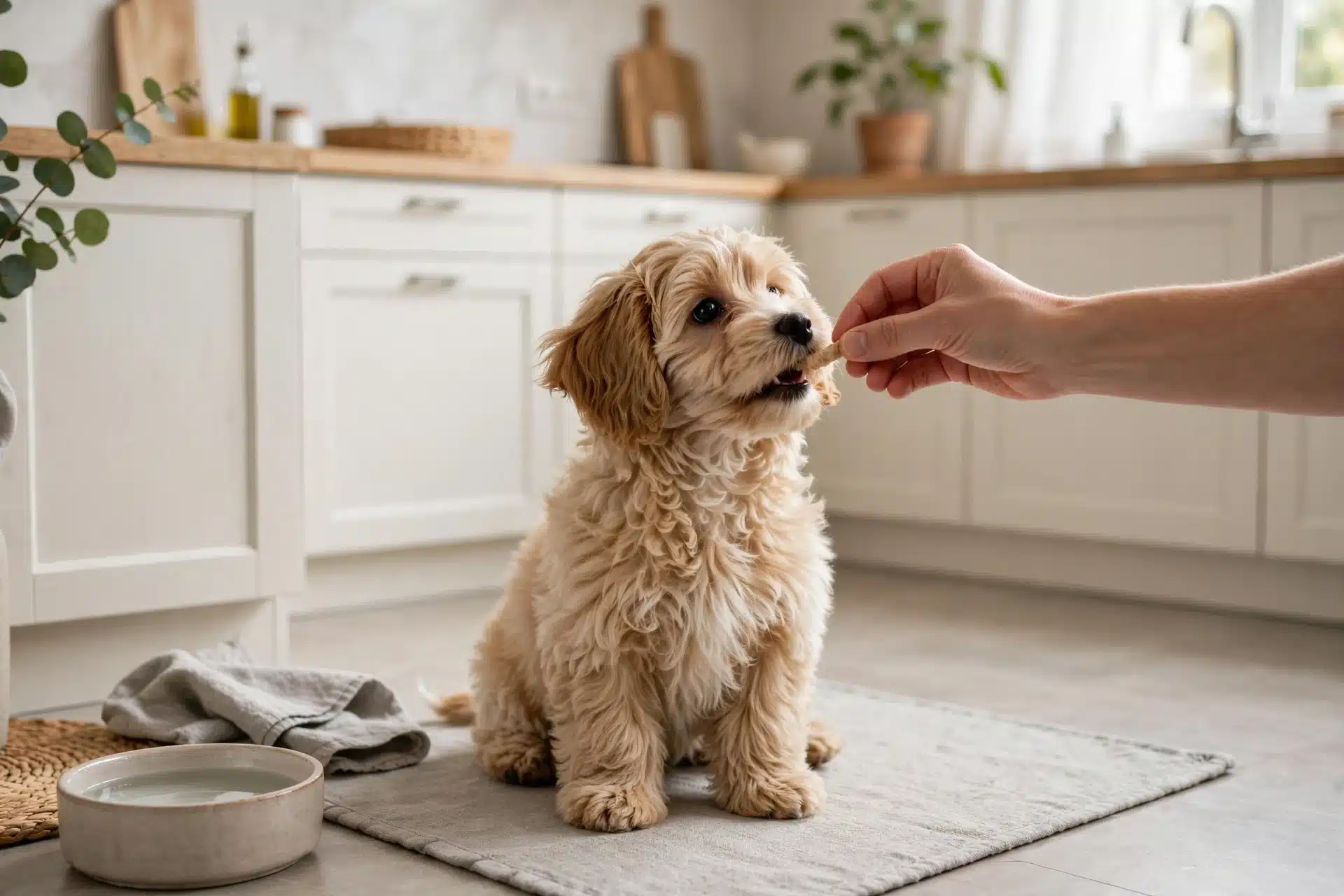
Small bladders need frequent trips. A workable Havapoo puppy training schedule pairs potty breaks with naps, meals and play, then repeats the same order each day. Predictability matters more than strict timing, so adjust the clock to your household rather than chasing a fixed timeline that does not fit your life.
How to Structure a First Training Session
Keep the first Havapoo training session to three minutes. Pick one skill, such as the name game. Use soft treats, mark the right moment with a cheerful word, then end before your puppy loses interest. Two or three short sessions beat one long one.
Step 2: Build the Foundation Cues Every Later Skill Rests On
Foundation cues are the first real Havapoo training techniques to teach, and they come before tricks, loose-leash walking or anything fancy. Name response, a marker word, sit, down, wait, leave it and drop it cover nearly every situation you will meet in daily life.
Name Response, Marker and Attention First
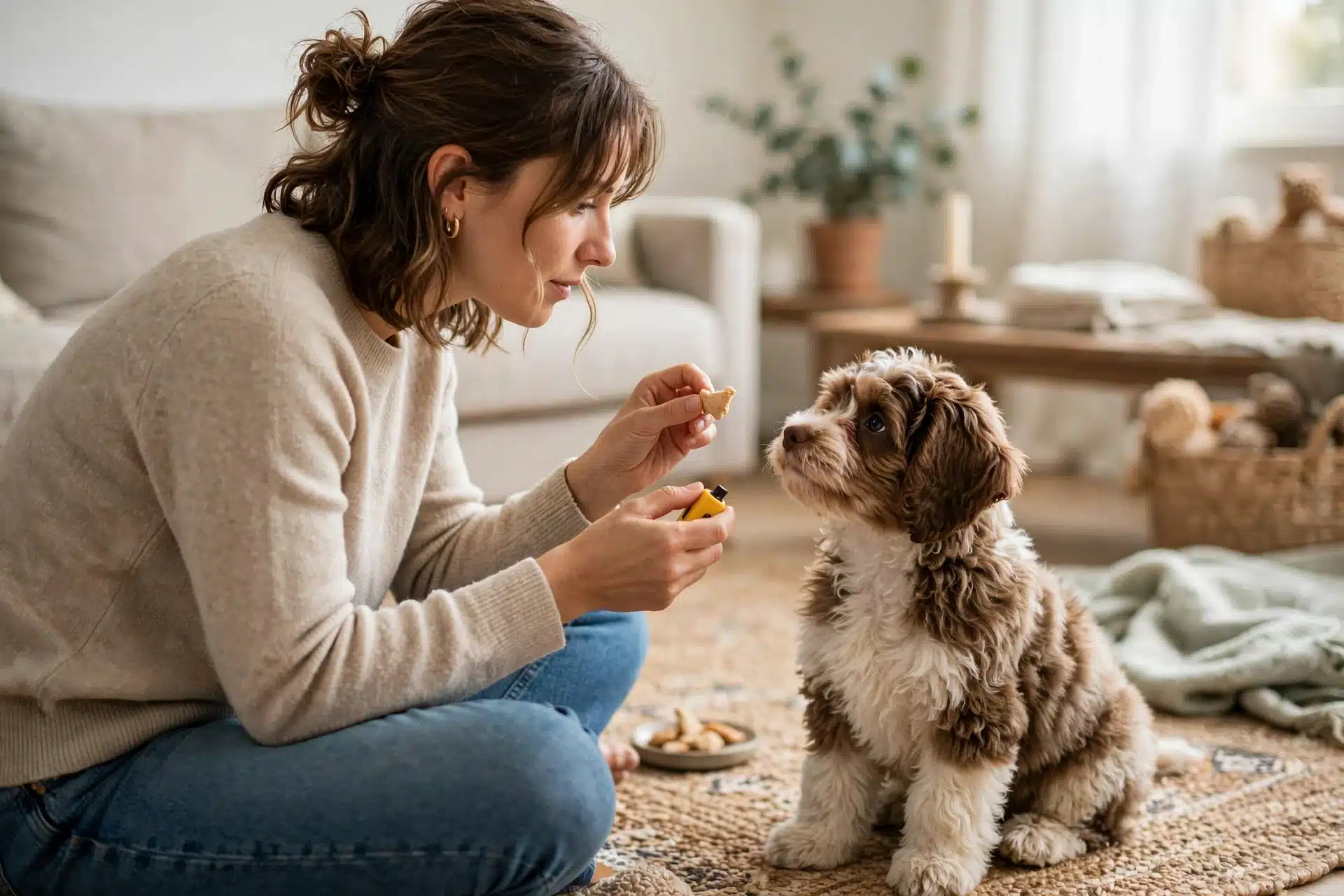
Say your puppy’s name once, in a happy tone, and give a treat the instant her eyes find yours. Repeat this five or six times per short session, in different rooms. A marker word such as “yes” tells her the exact moment she earned the reward, so pair the word with a treat about ten times before you use it to shape anything new. Attention is the cue every other skill leans on.
Teaching Sit, Down and Wait Without Frustration
Lure sit by moving a treat slowly over her head so her nose follows and her bottom drops. For down, trace the treat to the floor and slide it forward. Keep sessions under three minutes and end on a win. For wait, pause one second before releasing her to the food bowl, then build slowly. Havapoos are eager and people-focused, so reward-based dog training moves fast; corrections only slow them down.
Leave It, Drop It and Trading
Cover a treat with your hand, let her sniff and paw, then reward when she backs off. That becomes “leave it.” Teach “drop it” by trading: say the cue, offer a treat, and when she releases the toy she gets it back often too. If you want hands-on help, our article on puppy training sessions versus group classes for small breeds compares both formats.
Step 3: Leash Training and Loose-Leash Walking
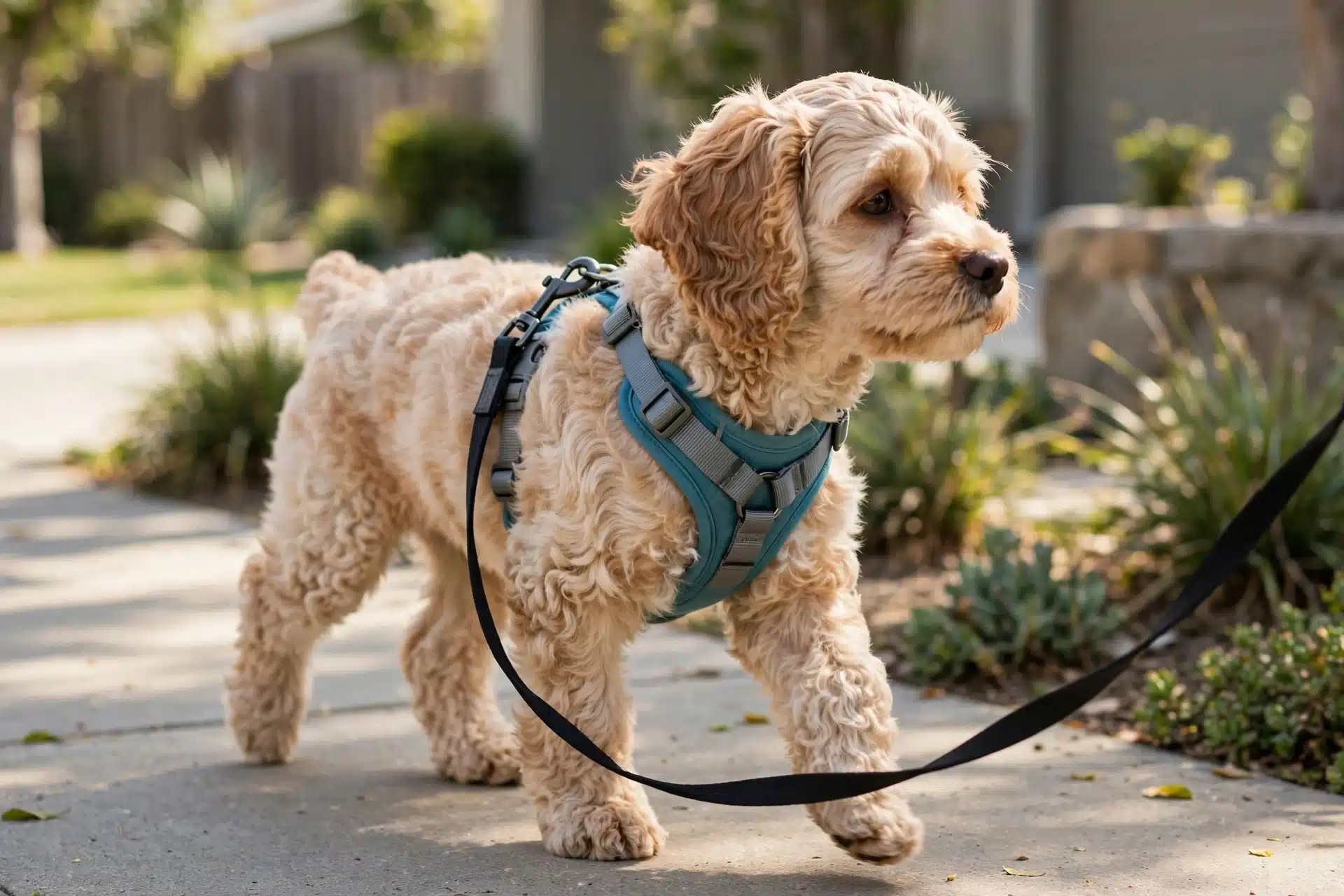
Havapoo leash training works best when you reward the position you want instead of punishing the pull. Use positive reinforcement: pay your puppy a small treat every few steps when the leash stays slack, and stop moving the instant it tightens. That simple loop, slack equals progress, teaches most Havapoos to walk politely within a few weeks of short, upbeat sessions.
Harness, Collar and Gear That Fits Correctly
Start with a flat, Y-front harness rather than a collar clipped to the leash. Small breeds like the Havapoo have delicate tracheas, and pulling against a collar can press on the throat. Fit the harness snug enough that your puppy cannot back out, with room for two fingers under each strap.
The Reward Loop for Pulling
Here is the full method, step by step:
- Clip on the leash indoors first, where nothing exciting competes for attention.
- Mark and reward each step your puppy takes beside you or with a loose leash.
- The moment the leash goes tight, stop. Wait quietly for your puppy to look back or ease the pressure.
- When the leash slackens, say “yes,” reward, and move forward again.
- Keep sessions to five minutes or so, ending before your puppy gets tired or frustrated.
You are not teaching heel position yet. You are teaching one clear rule: pulling makes the walk stop, slack makes it continue.
Adding Distance, Duration and Real-World Distractions
Once your puppy walks calmly on a slack leash in the house, move to the backyard, then a quiet street, then busier paths. Expect skills to dip in each new place; that is normal, so lower your criteria and pay more often. Keep walks short and end on an easy win. Havapoos are companion dogs, so a relaxed pace near you matters more than perfect form. If pulling returns after a break, go back one environment and rebuild.
Step 4: Potty Training with an Adaptive Schedule
Potty training a Havapoo puppy works best with a simple loop: take your puppy out on a schedule, reward the right spot immediately, and adjust the timing based on what you actually see. Havapoos are small, eager to please, and quick to learn routines, so consistency matters more than intensity.
Read Your Puppy’s Signals and Set the Schedule
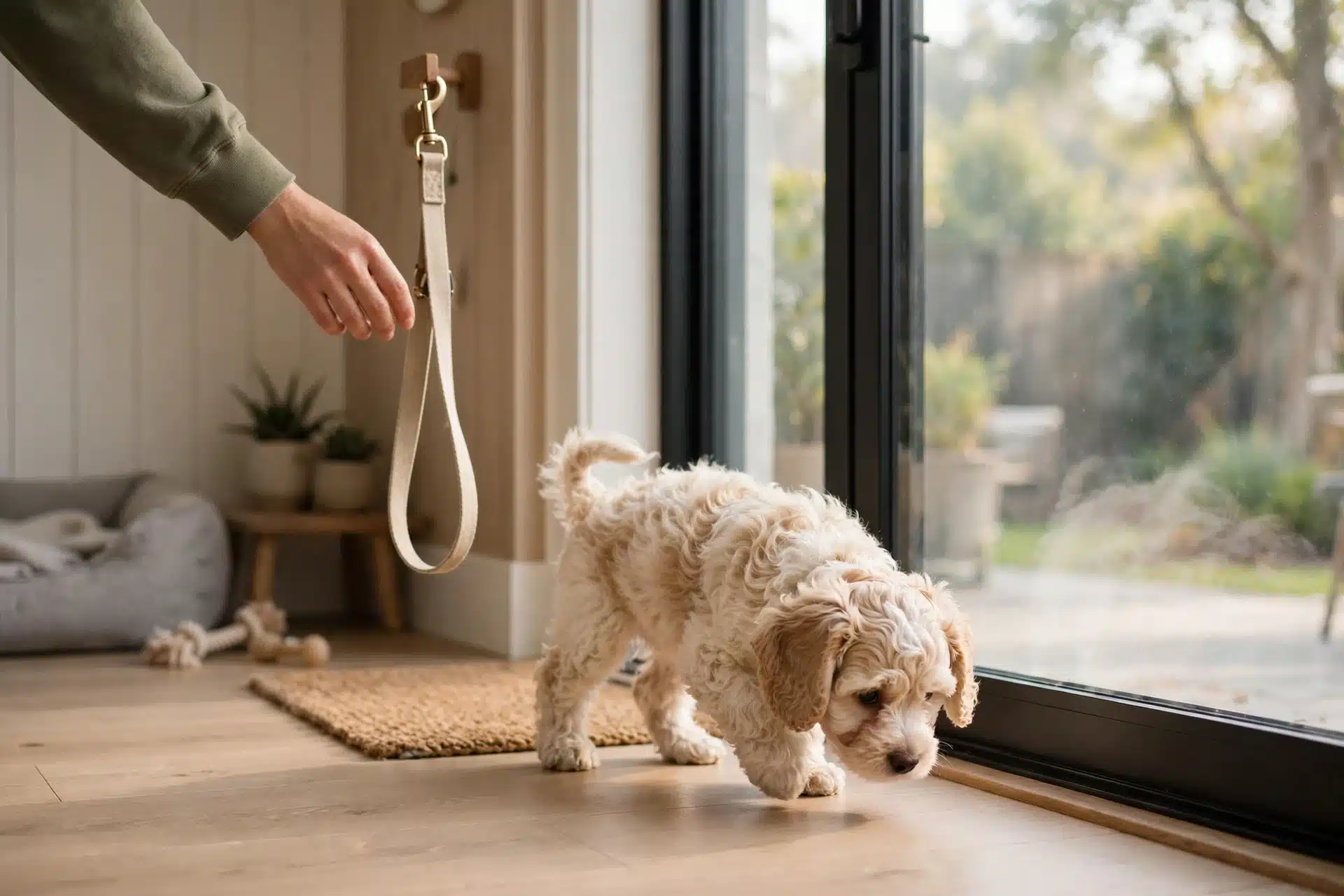
Watch for the signs: sniffing the floor, circling, whining, or wandering toward the door. Take your puppy out first thing in the morning, after every meal, after naps, after play sessions, and right before bed. Most 8 to 12 week old puppies need a trip every one to two hours while awake, and one overnight break. Log each trip for a few days and you will spot your puppy’s natural rhythm, then build the schedule around it.
Reward Placement and Supervision Between Trips
Reward timing decides everything. Praise and treat within one or two seconds of your puppy finishing in the right spot, outside or on the pad, not back inside the house. If you find an accident later, skip the scolding; puppies cannot connect punishment to something they did earlier. Between trips, keep your puppy in the same room as you or use the crate for short rests, because unsupervised freedom is where most accidents happen.
Weather, Indoor Options and Travel Days
Snow, rain, and long car rides still happen, so plan for them. Many small-breed owners keep a grass patch or pad on a balcony or in a bathroom as a backup spot. If you use both indoor and outdoor options, treat each one the same way so your puppy learns the rules apply anywhere. On travel days, add extra stops and expect a few resets when you get home.
Tip: If accidents continue past a few weeks of steady effort, or your puppy seems unable to hold urine at all, ask your vet to rule out a urinary issue before changing the training plan.
Step 5: Crate Training for Rest and Calm Solitude
How do I crate train a Havapoo puppy? Make the crate the best seat in the house, then build up alone time in tiny steps. Feed meals inside it, reward quiet moments, and never use it as punishment.
Introducing the Crate Without Rushing
Start on day one with the door open. Toss treats near the crate, then just inside, then at the back so your puppy walks in on her own. Feed one meal a day in there with the door open. Once she trots in without hesitation, close the door for a few seconds while you sit nearby. Add time slowly, always releasing her while she is still calm.
Using the Crate for Rest, Not Confinement
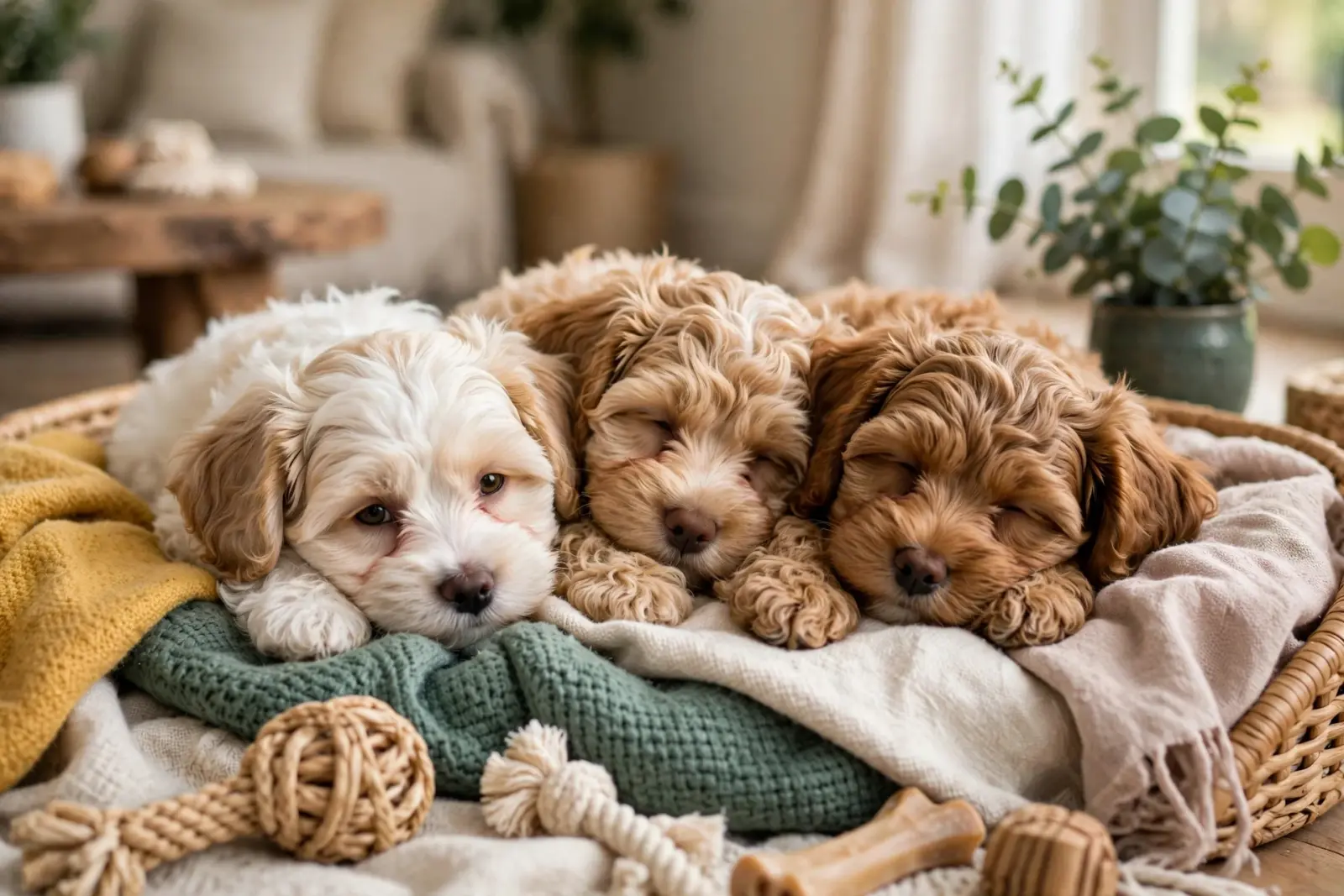
The crate works because it protects sleep, not because it holds a puppy still. Havapoos are social and can push past tiredness, so an overtired puppy gets bitey and wild. Offer the crate after play, meals and potty trips, when rest is due anyway. Cover it lightly, add a chew, and keep sessions short at first. This routine also builds the calm solitude that prevents separation trouble later.
Never use the crate as punishment. If it starts to feel like jail, rest training falls apart fast.
When Crate Distress Appears Instead of Rest
Whining for a minute or two is normal. Full panic, scratching or nonstop crying is not, so shorten sessions and go back a step. If distress continues for a week or more, talk with a force-free trainer or your vet.
Step 6: Recall, Separation Tolerance and Everyday Manners
Building a Recall You Can Trust
Havapoo recall training works best when “come” always predicts something great. Say your puppy’s name once, mark the moment she turns toward you, then pay with a high-value treat. Practice indoors first, then in a fenced yard, adding distance a few feet at a time. Never call her to do something she dislikes, like a bath, and don’t chase a puppy who ignores you. Instead, run the other way and make yourself fun. A reliable recall starts as a game, not a command.
House Manners, Settling and Jumping
Mat training gives your Havapoo a clear “go settle” spot. Toss a treat on the mat, reward calm lying, and slowly build duration while you cook or eat dinner. For jumping, ignore attention-seeking paws and reward all four feet on the floor. Guests should turn away until she sits, so everyone teaches the same rule. Short, consistent reps beat long sessions.
Cooperative Handling for Grooming and Vet Visits
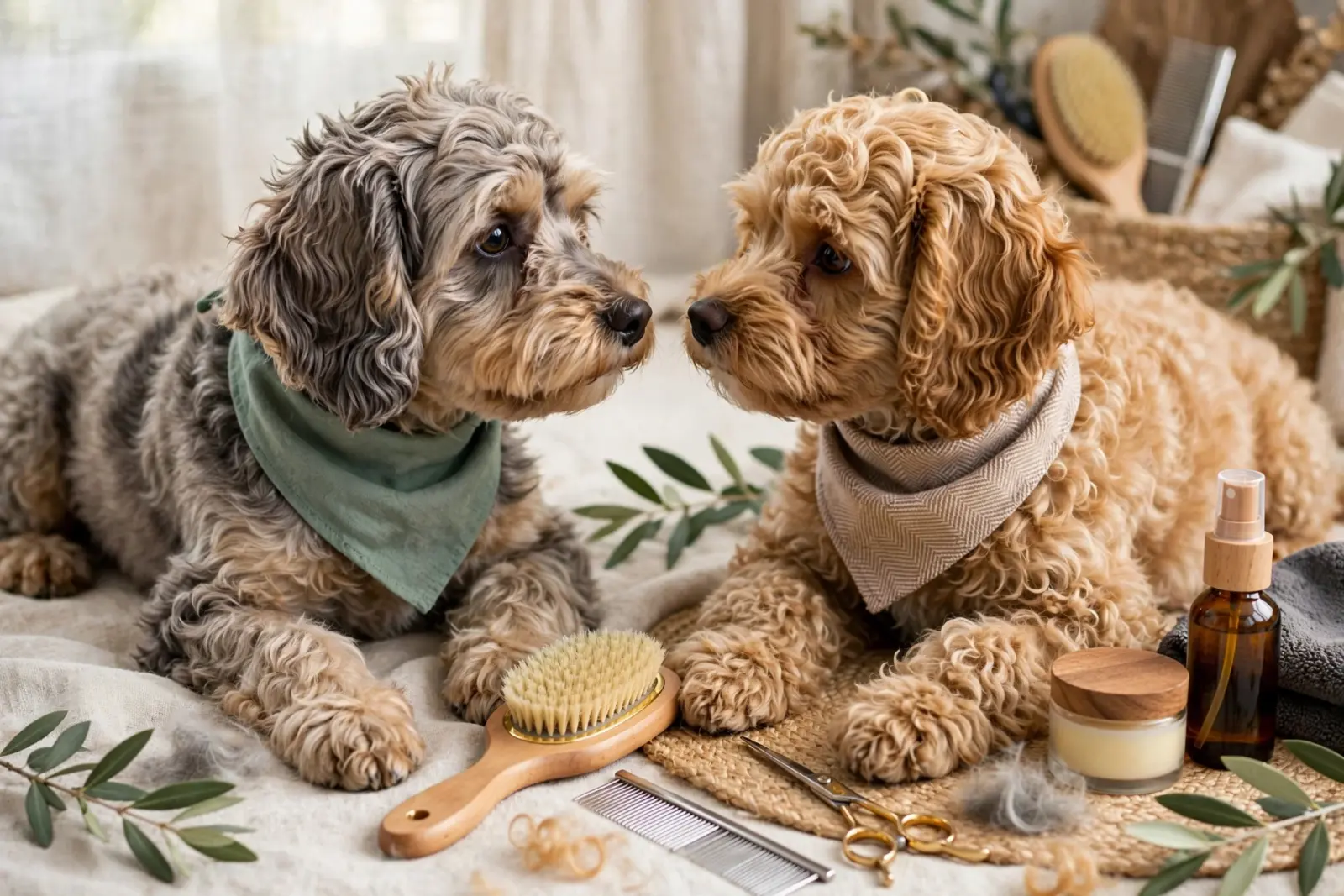
Cooperative handling for grooming means your puppy chooses to participate, not just tolerates being held. Touch a paw, feed a treat, and stop while she’s still relaxed. Progress from a glance at the brush to real brushing, nail handling and ear checks over weeks. Because Havanese coats need regular care, this habit pays off daily; our practical weekly grooming schedule shows what a calm adult routine looks like. Ask your vet’s team to pair every exam step with treats, too.
Separation Tolerance Without Separation Stress
To stop a Havapoo from following you everywhere, build alone-time in three graduated steps. First, reward calm stays behind a baby gate while you stay visible. Second, step out of sight for a few seconds and return before any whining. Third, lengthen those absences slowly, varying the time. Never correct whining; that’s anxiety, not defiance. If distress doesn’t fade, ask a qualified trainer for help.
Common Mistakes to Avoid
Training Errors That Slow Havapoo Progress
The biggest setback is skipping short sessions. Havapoos learn fast, but they learn best in two-to-five minute bursts, not long drills. Mixing reward-based dog training with scolding confuses them, so pick one approach and stay consistent with your wording and cues. Another common slip is letting potty breaks turn into playtime, which blurs the routine. If you want a deeper look at each phase, our Havapoo training tips for new owners cover the basics in order.
Expectation Errors Around Timeframes and Independence
Progress is rarely a straight line, so a bad week does not mean the plan failed. Havapoos are companion breeds that bond hard, and expecting them to handle long stretches alone too soon often backfires into whining or separation stress. Build alone time gradually instead of setting fixed deadlines. Crate work helps here, and our Havapoo essentials guide explains how crate training fits a daily routine.
Judge progress by trends, not single days. If a habit stalls for weeks despite consistent practice, bring in a qualified trainer early rather than waiting for it to fix itself.

Training a Havapoo comes down to short, kind sessions repeated daily, and the plan above gives you everything you need to start this week. If you’re still choosing your puppy, Sage Puppies matches families with well-bred Havapoos raised for easy, joyful training. Explore the available puppies and find your fit today.
Frequently Asked Questions
Q1: How soon should I start training my Havapoo puppy?
Start on day one at home. Puppies learn fastest between three and fourteen weeks, so short, gentle sessions from the first meal and potty trip build habits that stick for life.
Q2: How do I potty train a Havapoo puppy?
Take your puppy out after every nap, meal and play session, reward the right spot within two seconds, and supervise between trips. Most young puppies need a break every one to two hours while awake.
Q3: How do I crate train a Havapoo puppy?
Make the crate inviting with open-door meals and treats, then close it for a few seconds at a time. Release your puppy while she is still calm and never use it as punishment.
Q4: How long should Havapoo training sessions be?
Keep them to two or three minutes. Two or three short, upbeat sessions each day beat one long drill and end on a win.
Q5: How do I stop my Havapoo from whining when left alone?
Build alone time gradually: reward calm stays behind a gate, step out of sight briefly, then extend absences slowly. Never correct whining; treat it as anxiety and ask a qualified trainer if it persists.
Conclusion
Havapoo puppy training succeeds on a few simple habits: start on day one, keep sessions to a few minutes, and reward the behavior you want instead of punishing what you don’t. The six phases build in order, from foundation cues and potty routines to leash skills, crate rest, recall and calm separation, so each skill makes the next one easier.
Progress follows your puppy’s pace, not a calendar. Some weeks will stall, and that’s normal, so judge trends rather than single days. Because Havapoos are quick and eager to please, reward-based dog training pays off fast when you stay consistent. Stick with short, kind sessions and adapt the routine to your household, and most Havapoos become the easy, joyful companions they were bred to be.