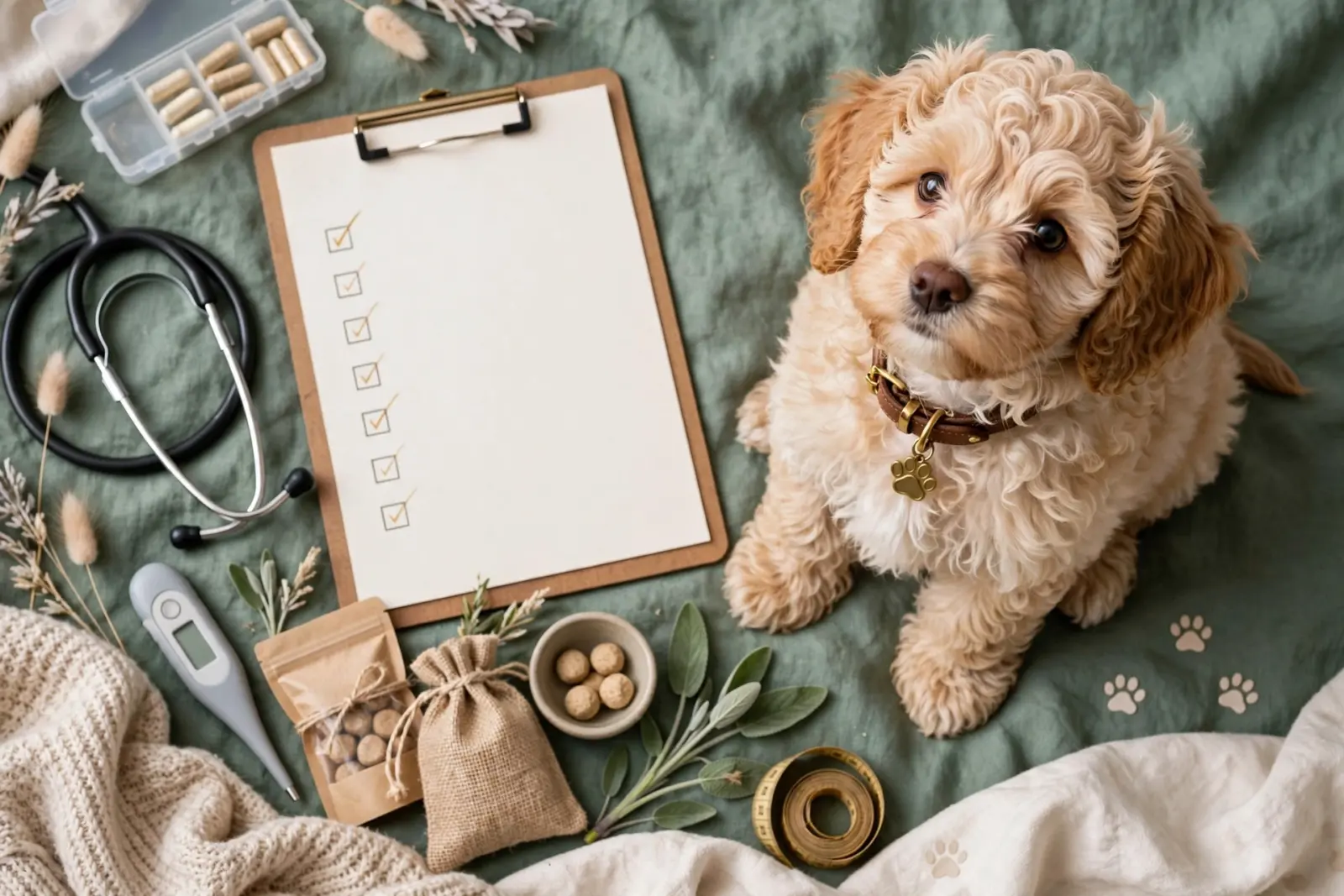
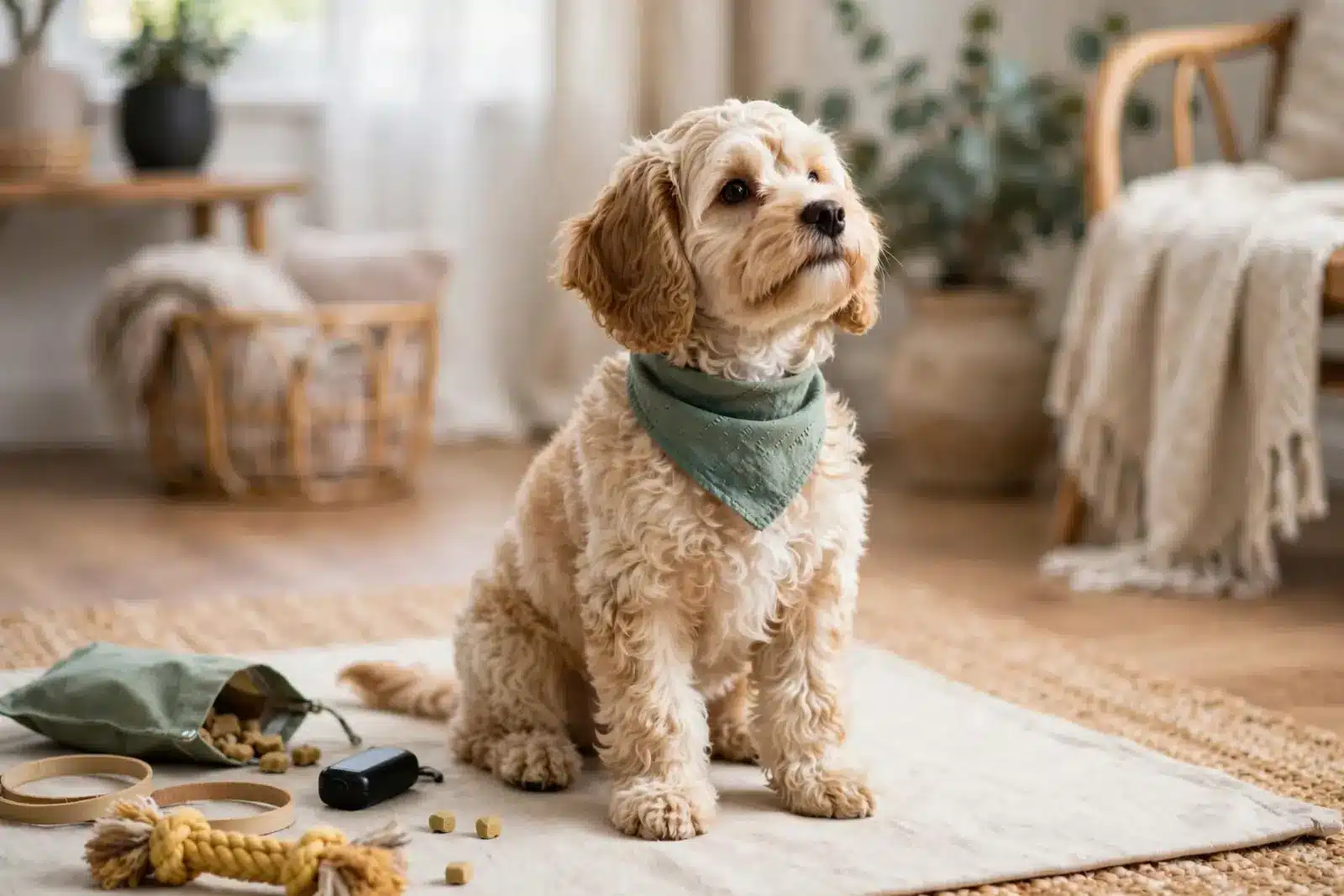
Quick Summary: Havapoo puppies learn quickly with reward-based training, short 3 to 5 minute sessions, and a warm, upbeat tone that suits their sensitive, people-focused temperament. Start with name response, sit, stay, and come, then build distractions gradually and end each session on a success. Games such as Find It, hide and seek, and ping-pong recall make practice feel like play while reinforcing real cues, and Sage Puppies recommends 10 to 15 minutes of training spread across the day.
The first time you say the word sit to a Havapoo puppy, you will probably hear a nose sniff, a tail wag, and then a very deliberate sit, as if the puppy had been waiting for you to catch up. That quickness is real. Havapoos are bright, people-focused, and eager to work for treats and praise. The challenge for most first-time owners is not the puppy’s ability. It is knowing which cues to teach first, how to keep sessions short, and how to hold a young dog’s attention without turning training into a chore.
This guide gives you a simple plan for teaching a Havapoo. You will find step-by-step ways to teach Havapoo commands like sit, stay, and come, plus Havapoo learning games that make each cue stick. Everything leans on reward-based puppy training, so your puppy learns because good things happen, not because it fears a correction. At Sage Puppies in South Jordan, Utah, we raise Havanese, Havapoo, and Cavapoo puppies for families across the country, and the methods below fit the first week with a puppy just as well as month three.
Why Havapoo Training Feels Different
Teaching a Havapoo feels easier than most puppy training, but it comes with one twist. These dogs pick up cues fast, and they also read your mood closely. Quick learning plus soft feelings means gentle, upbeat sessions work best.
The Eager, People-Loving Streak
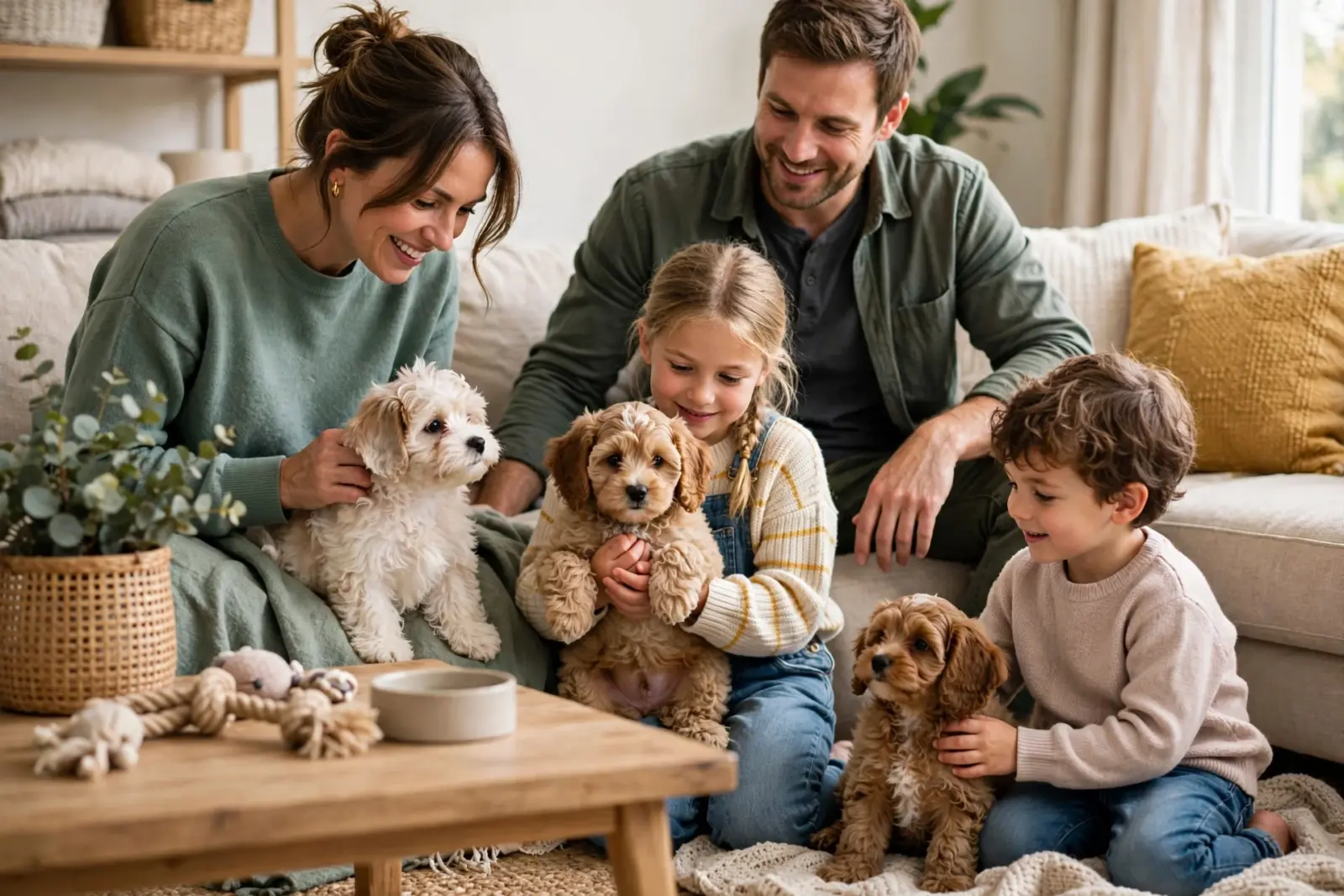
Havapoos are a Havanese and Poodle mix, and both parents were bred to work closely with people. Your puppy will follow you from room to room and watch for your next move. That attention is a training gift. Because your puppy wants your approval, praise and tiny treats teach cues quickly, so short sessions pay off more than long drills.
Smart Enough to Learn, Sensitive Enough to Notice
Both parent breeds rank high in smarts, and Havapoos respond well to training, but the Havanese side can be sensitive. A sharp voice or a scolding session can shut a Havapoo down. Keep your tone warm, reward effort, and end every session on a win. If a cue falls apart, drop back a step instead of pushing harder. You can read more about how the Havapoo’s temperament shapes daily life.
What Your Individual Puppy Changes
Every Havapoo is a blend, not a formula. Some lean more poodle and turn every session into a puzzle game. Others act more Havanese and train best when the game ends with cuddles. Energy level varies too, so watch what your puppy loves and build sessions around it.
How to Teach a Havapoo Puppy Sit, Stay, and Come
You can teach a Havapoo puppy sit, stay, and come in three short steps: lure the sit, build stay through duration and distance, and turn recall into a game. Use tiny treats, 3 to 5 minute sessions, and reward every success. Havapoos are people-focused, so praise works almost as well as food.
Step 1: Sit, the Cue That Builds Everything Else
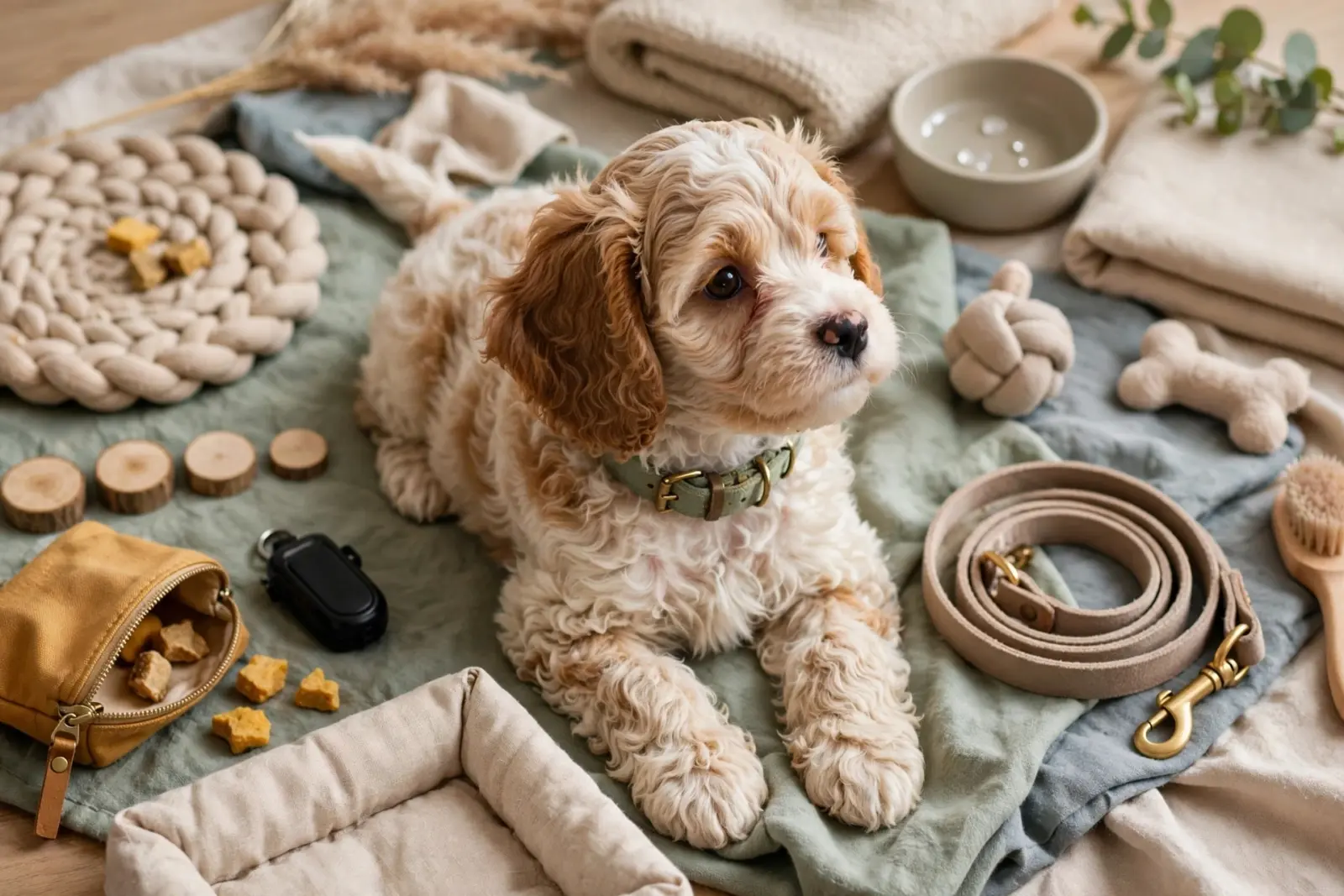
Sit comes first because it gives your puppy a calm default for doors, meals, and greetings. Hold a treat at nose level, then slowly lift it back over her head. Her nose goes up, her bottom goes down, and you mark the moment with a cheerful “yes” and the treat. Say “sit” only after she is doing it reliably, so the word attaches to a behavior she already knows. This reward-based approach mirrors what VCA Hospitals recommends: reward the behavior first, add the cue later. Practice before meals when she is hungry and focused.
Step 2: Stay, Built in Small Steps
Stay means your puppy holds a position until you release her. Start from a sit, hold your palm out, pause one second, then reward. Cornell’s canine health team suggests asking for a stay, taking one step back, and returning to reward, which is exactly where you begin. Add duration first, then distance, then mild distractions like a toy on the floor. Always return to your puppy to pay her, and use a release word such as “free” so she learns when the job ends. If she breaks the stay twice in a row, the step is too hard. Go back one level and rebuild her confidence.
Step 3: Come, the Game That Builds Trust
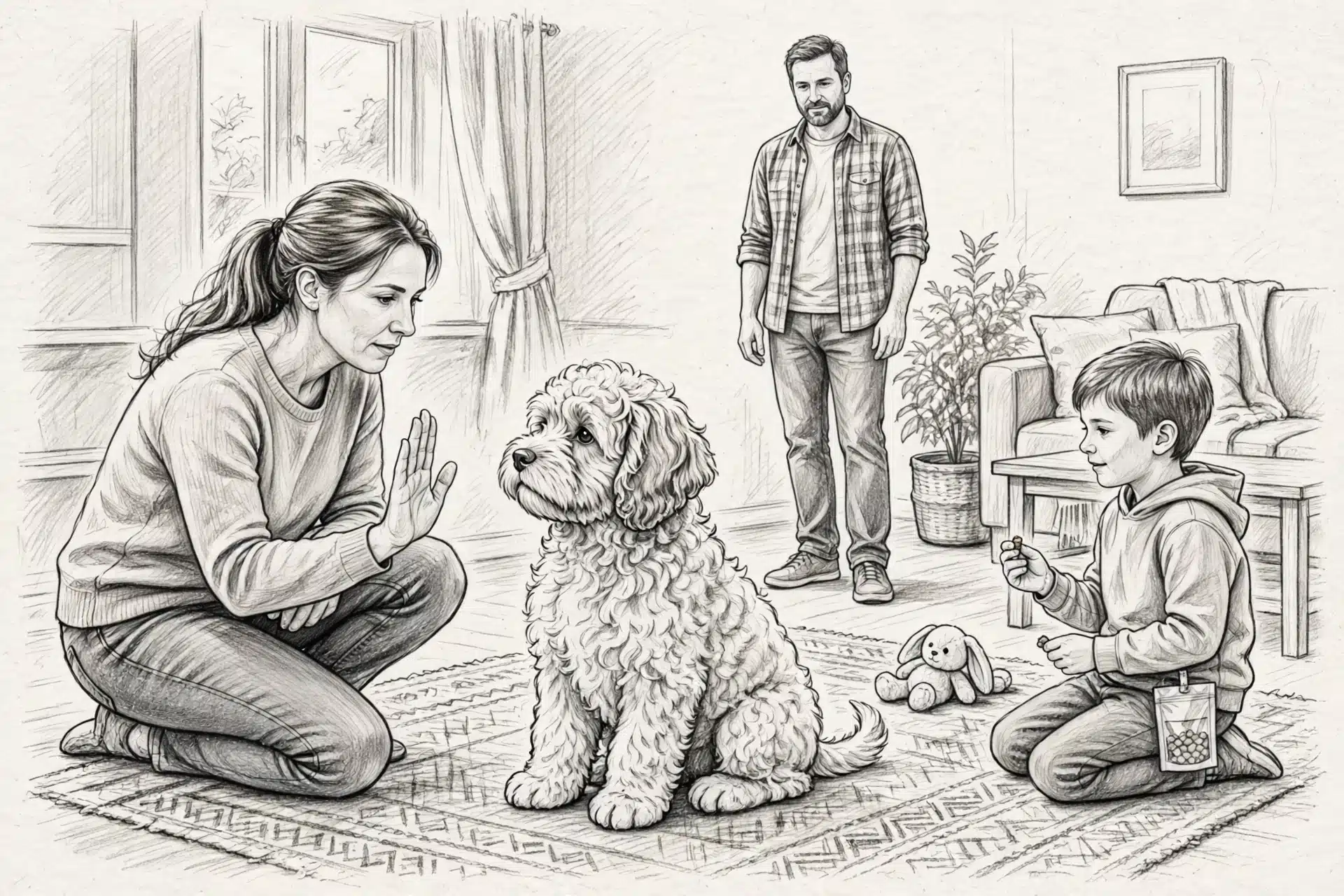
Come, or recall, is the command that keeps your puppy safe, so make it the best game in the house. crouch down, call her name once, then say “come” in a happy voice. When she reaches you, throw a small party: treats, praise, maybe a quick game. Never call her for baths, nail trims, or the end of play, or the word starts to mean bad news. Two people can play ping-pong recall across a hallway, taking turns calling her back and forth. Keep a leash dragging indoors during early practice so you can gently guide her if she hesitates. For a puppy still settling in, the routines in Sage Puppies’ first weeks guide pair well with short daily recall games.
The Rest of Your Everyday Cue Toolkit
Sit, stay, and come carry most of the weight, but a few more cues make daily life easier. To teach Havapoo commands beyond those three, keep the same pattern: short sessions, tiny treats, and a happy voice.
Name Response and Marker Words
Before anything else, pick a marker word like “yes.” Say it, then hand over a treat. Repeat ten times so your puppy learns the word means a reward is coming. Then teach the name: say it once in a cheerful tone, mark the moment your puppy looks at you, and reward. The Royal Kennel Club’s name training guide suggests ten happy, consistent repetitions per round. Never repeat the name if she ignores you; wait, then try again with less distraction.
Down, Stand, and Place
Lure your puppy from her nose straight down to the floor between her paws. The moment her belly touches the ground, mark and reward. For stand, lure the treat forward and slightly away so she rises to follow it. For place, pick a mat or bed, toss a treat onto it, and reward her the instant all four paws land there. These cues help at the vet, during meals, and whenever you need calm in one spot.
Leave It, Drop It, and Loose Leash
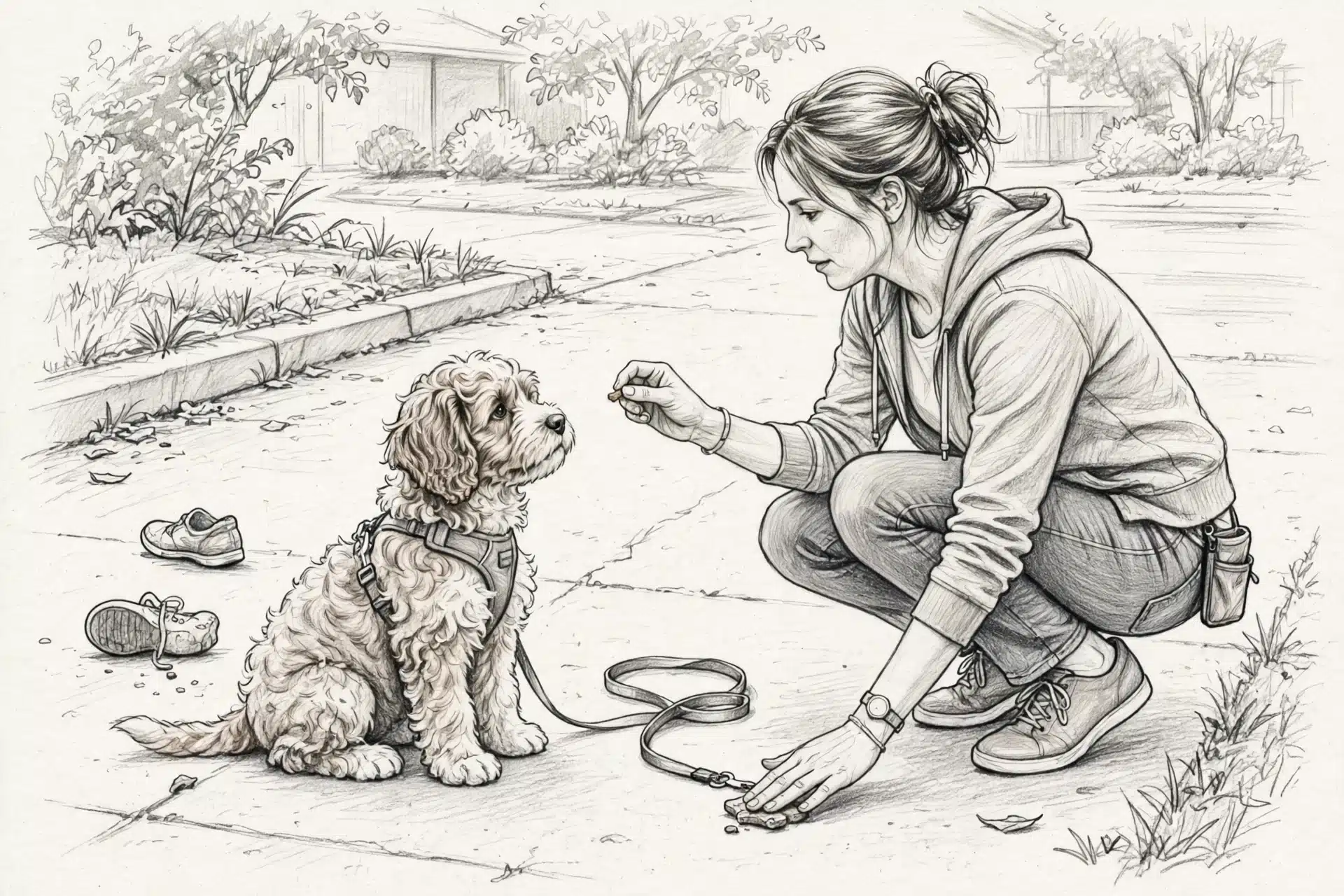
Cover a treat with your hand, wait for her to back off, then reward from your other hand. Drop It trades a forbidden item for a better one. For loose leash walking, stop whenever the leash goes tight, then move again once it slackens.
More setup ideas live in our guide to Havapoo puppy training techniques, and each cue pairs well with a game from the next section.
Havapoo Learning Games That Double as Training
The best training games for Havapoo puppies turn everyday play into practice. Hide treats for scent work, play hide and seek for recall, run simple obstacle games, and race back and forth so coming when called always ends in a reward. Each game below teaches a real cue while your puppy thinks it’s just fun. Games work well because Havapoos are bright, social, and eager to please, so short playful sessions beat long drills.
Games fit the same reward-based puppy training habits as your cue work. Keep treats tiny, hold each round to a few minutes, and stop while your puppy still wants more. When you teach a hawapoo through play, every win gets paid, so the puppy keeps guessing what fun thing comes next.
Find It: Scent Games for a Curious Nose
“Find it” is scent work for small breed puppies, and it starts simple. Say “find it,” drop a treat right in front of your puppy’s nose, and let him snap it up. Repeat a few times so the words predict the game.
Next, place the treat a step away while he watches, then a few feet away, then behind a chair leg. Finally, hide treats in another room and send him to search.
This game burns mental energy, builds confidence, and teaches a hawapoo that sniffing on cue has a payoff. It’s also a great indoor option for rainy days or small spaces, and it pairs nicely with the name-response work from earlier, since he should orient to you before each search begins.
Hide and Seek With You
Hide and seek strengthens puppy recall training without any pressure. Have someone hold your puppy, duck behind a doorway or couch, then call his name once in a happy voice. When he finds you, cheer and reward.
Start easy so he succeeds fast, then make hides harder over days. If he stalls, make a kissy noise or clap instead of repeating his name.
Tunnel, Cone, and Cup Games
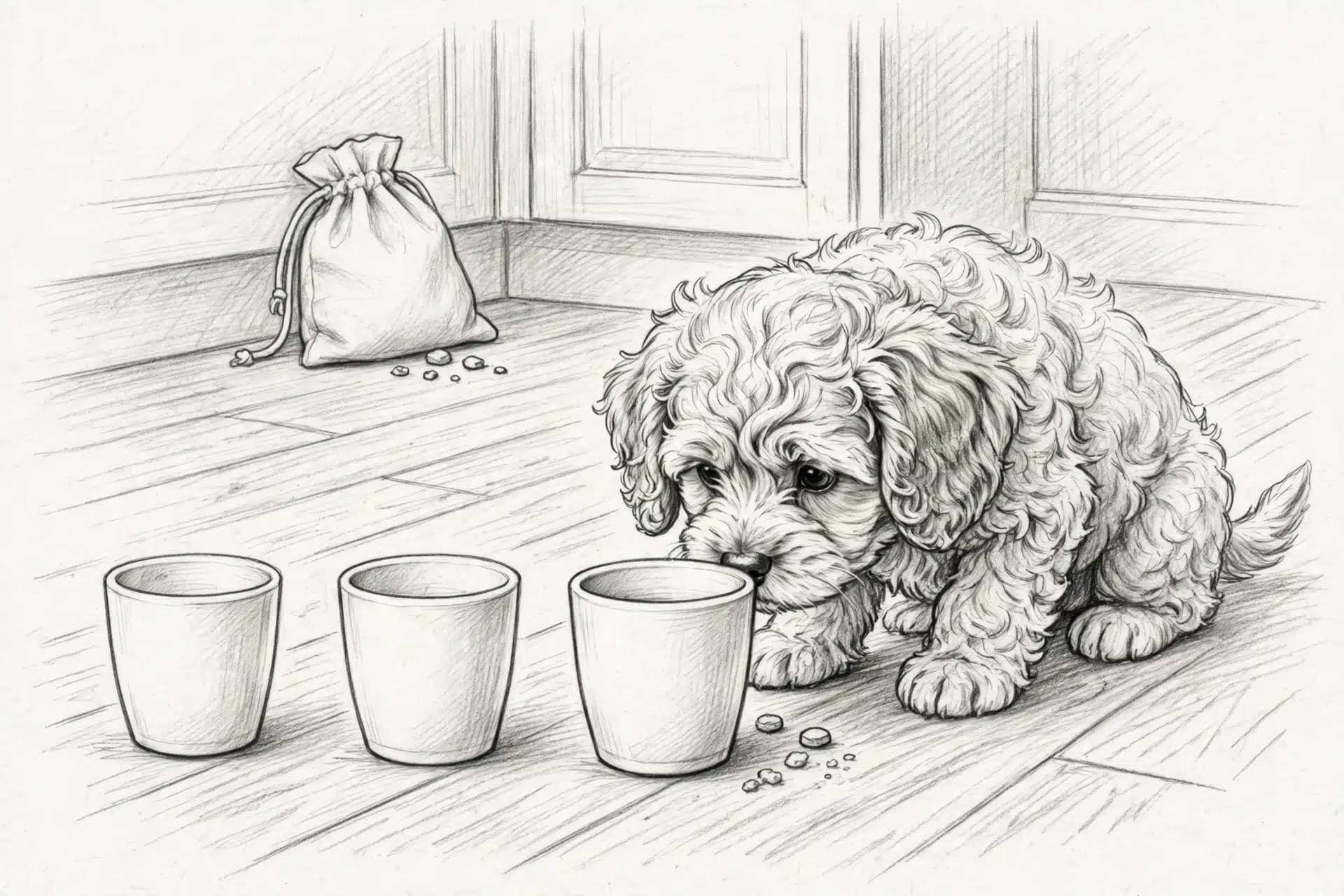
Simple props build focus and body awareness. Lay a blanket over two chairs for a tunnel, or set out cones to weave through. Lure him through once with a treat, then let him figure out the path himself and pay each success. Cup games work the same way: hide a treat under one cup, shuffle slowly, and let your puppy pick. These teach hawapoo commands in motion, like “through” and “wait.”
Recall Games That Never Feel Like Training
Recall races turn coming when called into the best part of his day. Two people stand a few yards apart and take turns calling his name. Whoever he runs to rewards him big. Back and forth he goes, learning that hearing his name means something good always follows.
How Long Should You Train a Havapoo Puppy Each Day?
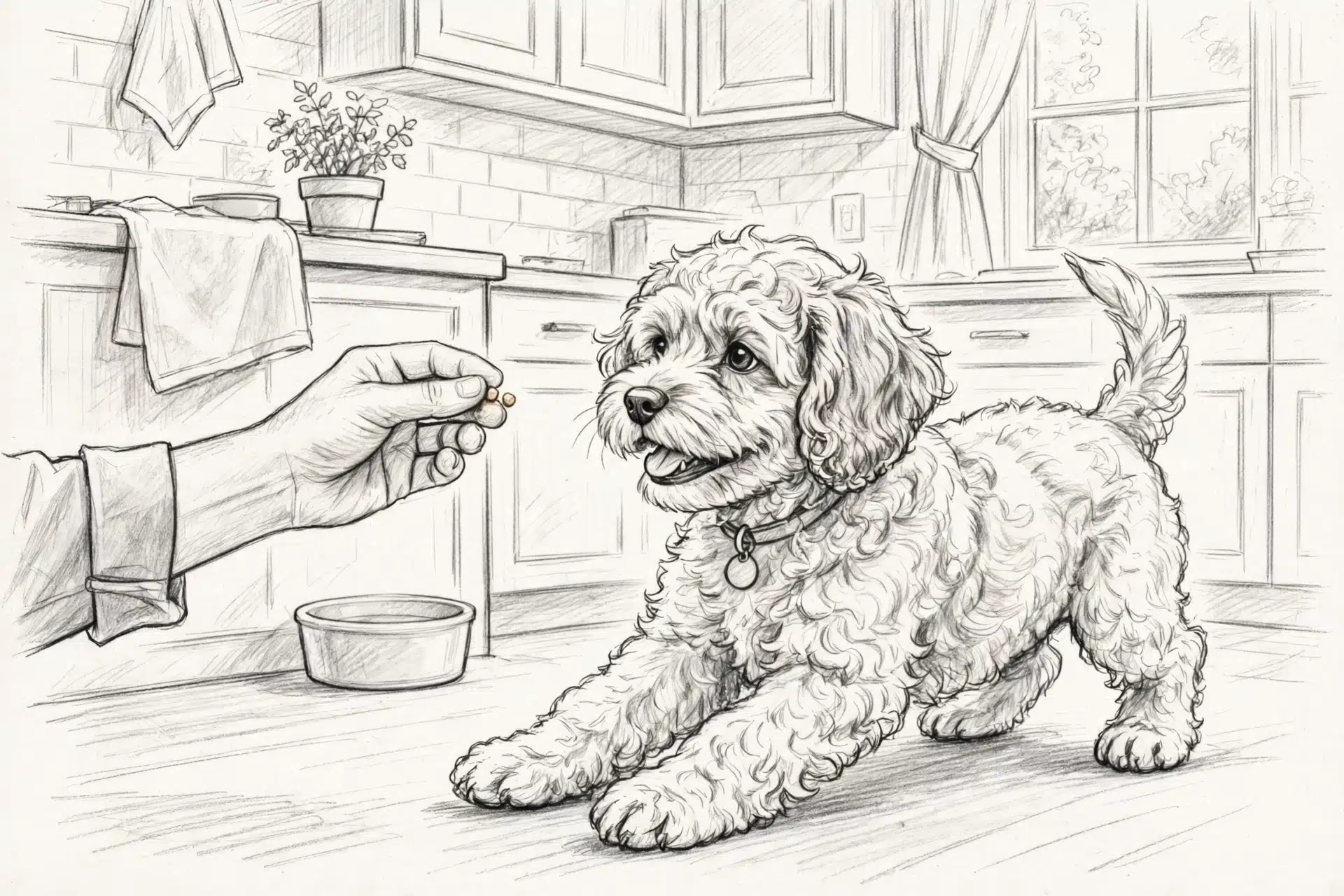
Most Havapoo puppies do best with 10 to 15 minutes of training spread across the day, not one long session. Three to five short blocks of 3 to 5 minutes each fit their attention span and keep the fun alive. When you teach a Havapoo this way, the puppy stays eager, and the lessons stick faster than they would in a marathon session.
Short and Often Beats Long and Exhausting
A young puppy’s focus fades quickly. If a session runs too long, you will see sniffing, rolling, or wandering off. That is your signal to stop while things still feel easy. Ending on a win keeps your puppy excited for the next round, so quit before either of you gets frustrated.
A Sample Weekly Rhythm for a Busy Household
| Time | Activity | Minutes |
|---|---|---|
| Morning | Sit and name response before breakfast | 3 to 5 |
| Midday | Stay practice or a quick recall game | 3 to 5 |
| Evening | Come and a learning game with family | 5 |
Use different rooms across the week so your puppy learns the cues apply everywhere, not just in the kitchen.
When to Scale Back or Step Up
Scale back on big days, like after a vet visit or a long car ride. Tired puppies learn poorly. Step up when your puppy nails a cue at home by moving the practice to the yard or a busier spot. One reliable cue in a new place is worth more than three cues in a quiet room.
Common Havapoo Training Problems and How to Fix Them
Most training problems come down to timing, distractions, or a puppy who is simply done learning. When you teach a hawapoo and things stall, the fix is usually smaller sessions and faster rewards, not more drilling.
The Puppy Learns the Treat but Not the Word
If your Havapoo only works when the treat bag is out, the word came too late. Say the cue once as the behavior starts, then reward. After a few good reps, pause before the treat so the puppy links the word to the action, not the food.
Distractions Beat You Every Time
Your puppy ignores you because the yard, park, or living room is louder than you. Start where nothing competes, then add one small distraction at a time. Reward attention harder than anything else in the room, and shorten sessions when focus fades.
Barking, Spinning, and Zoomies Mid-Session
Frantic barking or the zoomies mean the session has gone too long. Havapoos do best with 3 to 5 minute blocks, so end on a success and let your puppy reset with a nap. A puppy who self-sets is a puppy who learns.

Ready to start training with the right puppy? Sage Puppies matches families with well-bred Havapoo puppies raised to learn fast and love deeply. Browse available puppies, then apply when one feels right. Cassie and her team will walk you through pickup in South Jordan or delivery to your door, so those first sit and come games can start the day your puppy comes home.
Frequently Asked Questions
Q1: How do I train a Havapoo puppy to sit, stay, and come?
Lure the sit with a treat over her head, build stay in one-second steps with a release word, and make come a happy game with a big reward every time. Use tiny treats in 3 to 5 minute sessions.
Q2: What are the best training games for Havapoo puppies?
Find It scent work, hide and seek recall, tunnel and cup games, and ping-pong recall races work best. Each game teaches a real cue while your puppy thinks it’s plain fun.
Q3: How long should I train a Havapoo puppy each day?
Aim for 10 to 15 minutes total, split into three to five short blocks. End each block on a win, and scale back after vet visits or long car rides.
Q4: When should I start training my Havapoo puppy?
Start the day she comes home, around 8 weeks old. Name response and marker words come first, then sit. Puppies learn fastest before distractions feel interesting.
Q5: What treats work best for Havapoo training?
Use soft, pea-sized pieces of puppy-safe food she can swallow in one bite. Small breeds fill up fast, so tiny rewards keep sessions going without spoiling meals.
Q6: What if my Havapoo puppy ignores a cue she already knows?
The step is probably too hard, or something else competes for her attention. Drop back to an easier version, reward generously, then rebuild distractions one at a time.
Conclusion
Havapoo puppy training comes down to a few simple habits. Teach sit, stay, and come in small steps, keep each session to 3 to 5 minutes, and reward every win with treats and a happy voice. Games like Find It, hide and seek, and ping-pong recall turn practice into play, which suits a bright, people-loving puppy perfectly.
Remember the core pattern: start easy, add distractions one at a time, and end before your puppy loses interest. If a cue stalls, drop back a level instead of pushing harder. Work in short daily blocks of 10 to 15 minutes total, and your Havapoo will learn faster than you expect. Reward-based puppy training builds trust, so every session makes your bond stronger while the commands stick.