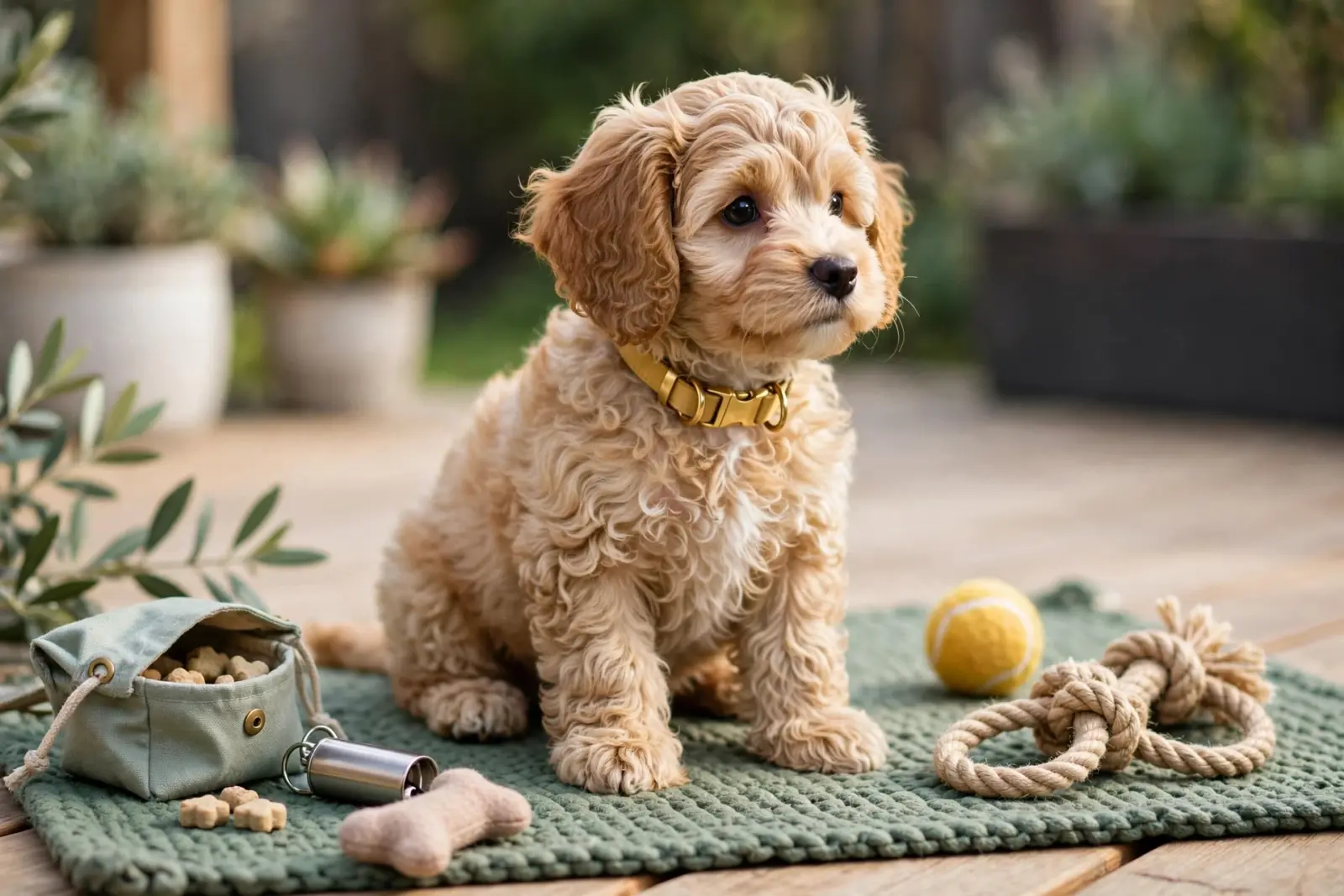
Quick Summary: Havapoo puppies vary widely because they are not a standardized breed, so buyers should expect ranges rather than promises about size, coat, and temperament. Most are affectionate, trainable companions weighing 7 to 20 pounds, and they thrive in homes with people nearby, needing regular exercise, grooming, and gradual training for separation anxiety. A responsible breeder should provide parent DNA results, eye exams, patella evaluations, health records, and written sales terms, with Sage Puppies offering puppies for $3,500 to $4,500.
A Havapoo puppy cannot tell you which parent it will resemble as an adult. That single fact explains most of what a buyer needs to know before choosing. Some puppies lean toward their Havanese parent, others toward the poodle side, and the difference shows up in adult size, coat type, and personality.
The real challenge is that most listings describe every Havapoo the same way: small, fluffy, and great with kids. Those Havapoo puppies traits sound nice, but they tell you nothing about the puppy in front of you. You need ranges, not promises.
This guide explains how the havanese poodle mix inherits its traits, what size and weight at maturity actually look like, and which health questions matter most. It also converts that knowledge into documents and questions you can verify with any breeder before you commit.
This guide comes from the Sage Puppies team in South Jordan, Utah, a boutique program that has raised Havanese, Havapoo, and Cavapoo puppies since 2025. The goal is simple: help you pick a puppy with evidence instead of marketing language.
What a Havapoo Is, and What It Is Not
A Havapoo is a cross between a purebred Havanese and a Poodle, usually a Toy or Miniature. It is not a registered breed, so every Havapoo puppies traits claim you read comes from observed tendencies in the mix, not a written standard. Knowing that difference makes you a sharper buyer.
The Two Parent Breeds Behind the Havapoo
The Havanese is Cuba’s national dog, a small, social companion with a silky coat. The Poodle parent is nearly always Toy or Miniature, chosen to keep the mix small. Which poodle variety is used changes adult size, so ask the breeder directly. You can see how the mix differs from its Havanese parent in this Havapoo vs Havanese comparison.
Why Havapoos Have No Breed Standard
The American Kennel Club does not recognize the Havapoo, and as Wikipedia notes, it was developed in the United States as a designer cross rather than a formal breed. No breed club sets required health tests, coat types, or size ranges. That is not a flaw by itself, but it means quality depends entirely on the individual breeder’s program.
How to Read Claims About Havapoo Traits
Because there is no standard, treat sweeping claims with care. One puppy can take more after the Havanese, another after the Poodle, even in the same litter. Reputable breeders describe Havapoo puppies traits as ranges, and they can show health testing on the parents since no registry requires it. Ask what each parent was tested for, and why.
Havapoo Puppies: Traits and Temperament
Havapoo puppies are affectionate, people-oriented companions that blend the Havanese’s sociable nature with the Poodle’s smarts. Expect a small, cheerful dog that wants to be part of the family. Most Havapoos share these core traits:
- Affectionate and eager to be near their people
- Playful with moderate, manageable energy
- Alert without heavy guard-dog barking
- Intelligent and quick to pick up training
- Social, enjoying both children and other pets
Affectionate, People-Oriented, and Highly Social
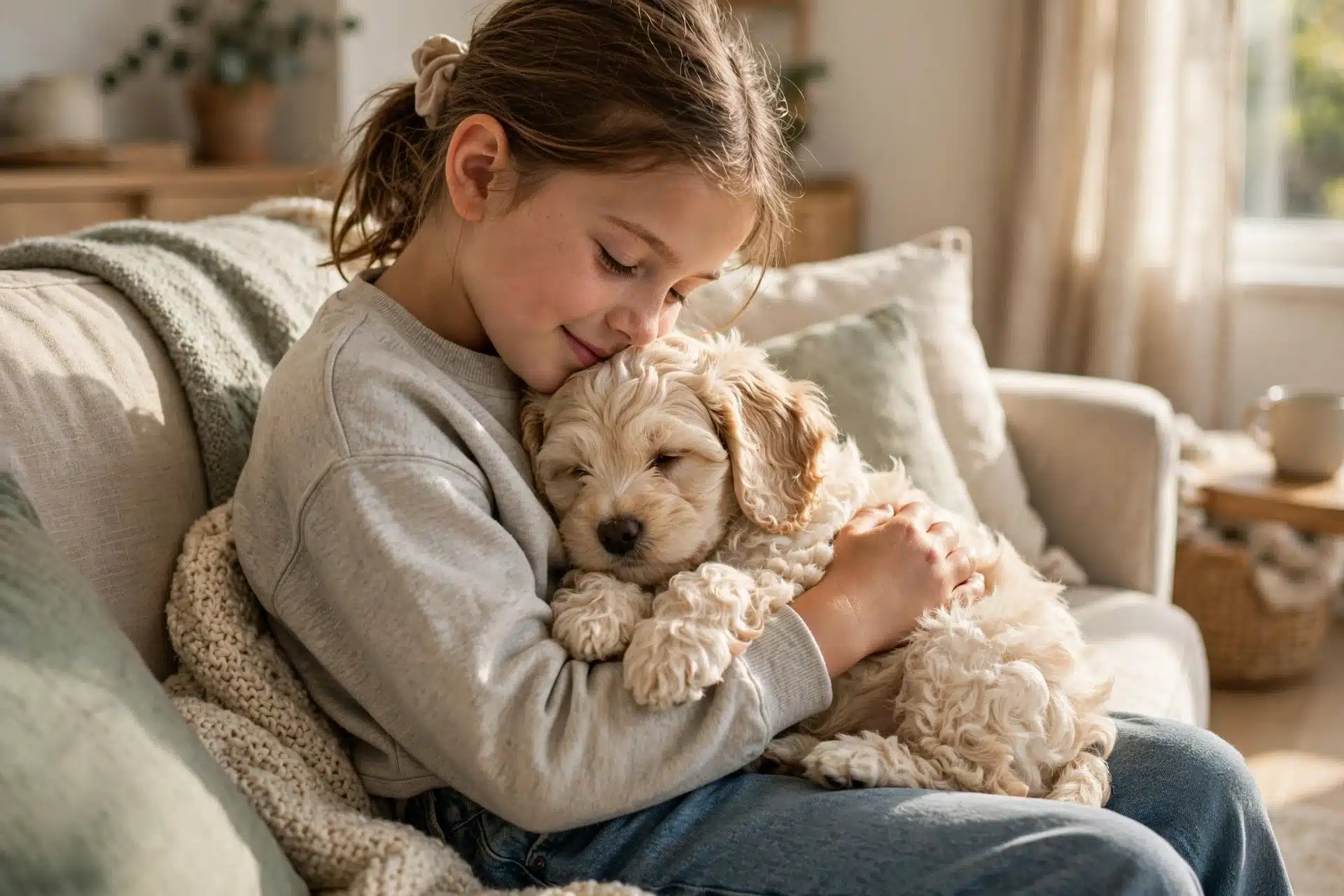
The Havapoo inherits the Havanese’s famous love of people, so this puppy thrives on company. It will follow you from room to room, greet guests warmly, and settle best when included in daily life. Because long hours alone can lead to barking or other unwanted habits, this mix suits households where someone is home much of the day, as PetMD’s breed overview notes.
Playfulness, Energy Level, and Alertness
Most Havapoos are lively without being hyper. Short play sessions, a brisk walk, and a game of fetch usually meet their daily needs, which makes them a good fit for apartments and small yards. They stay watchful and will announce visitors, but they are far more likely to wag than to guard.
Intelligence and Trainability
Both parent breeds rank high in trainability, and the Havapoo inherits that eagerness to please. Puppies learn house rules, crate routines, and basic cues quickly with short, positive sessions. Early socialization shapes an adult dog that stays confident in new places, and our guide to Havapoo training and health essentials walks through the first steps.
How Havapoos Behave With Children, Dogs, and Cats
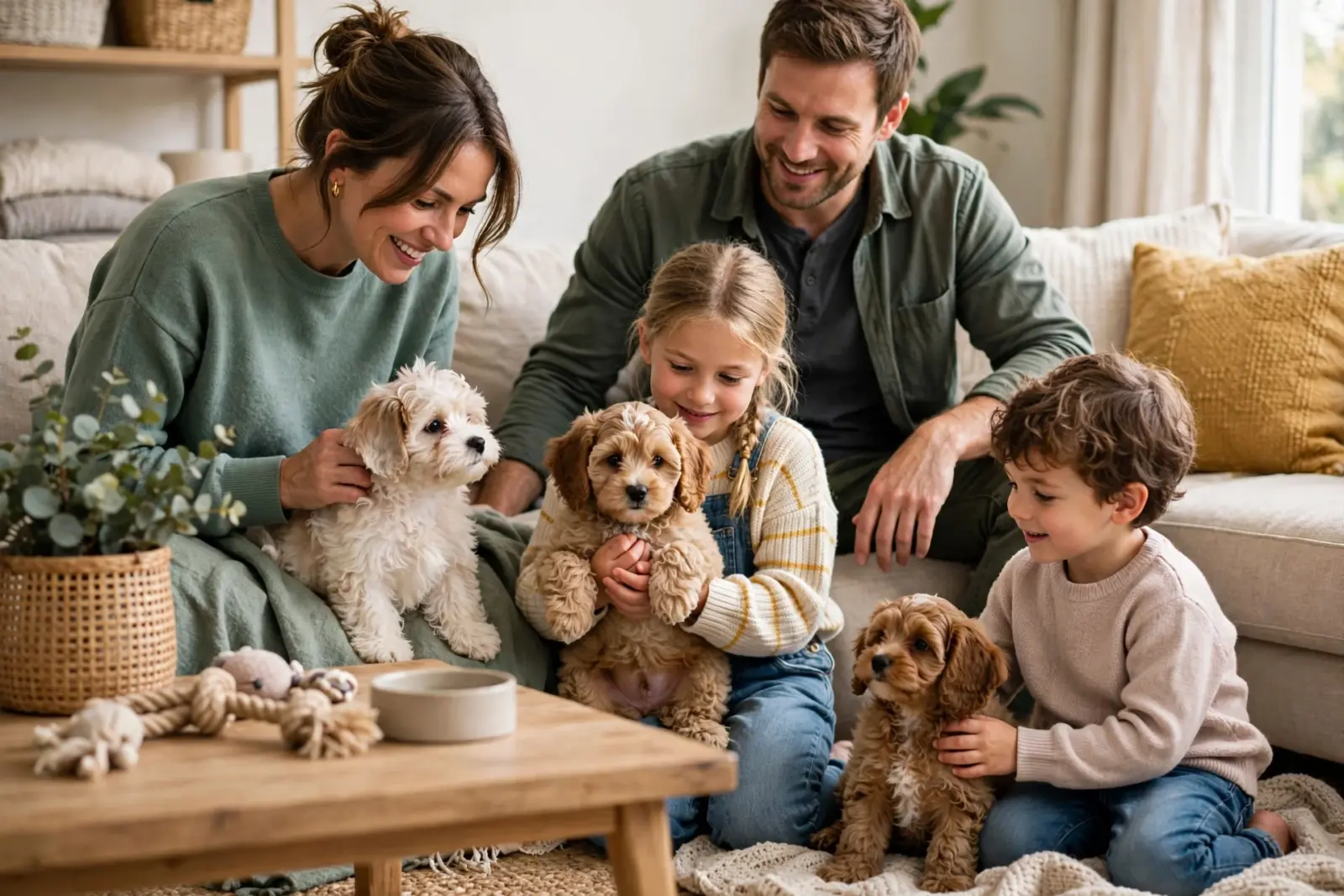
Yes, well-bred Havapoos are typically gentle with kids and get along with other dogs and cats, especially when raised together. Their small size means rough play needs supervision, so teach children to sit on the floor and handle the puppy softly. Slow, calm introductions with resident pets protect everyone while the puppy learns household manners.
Size, Growth Patterns, and Coat Development
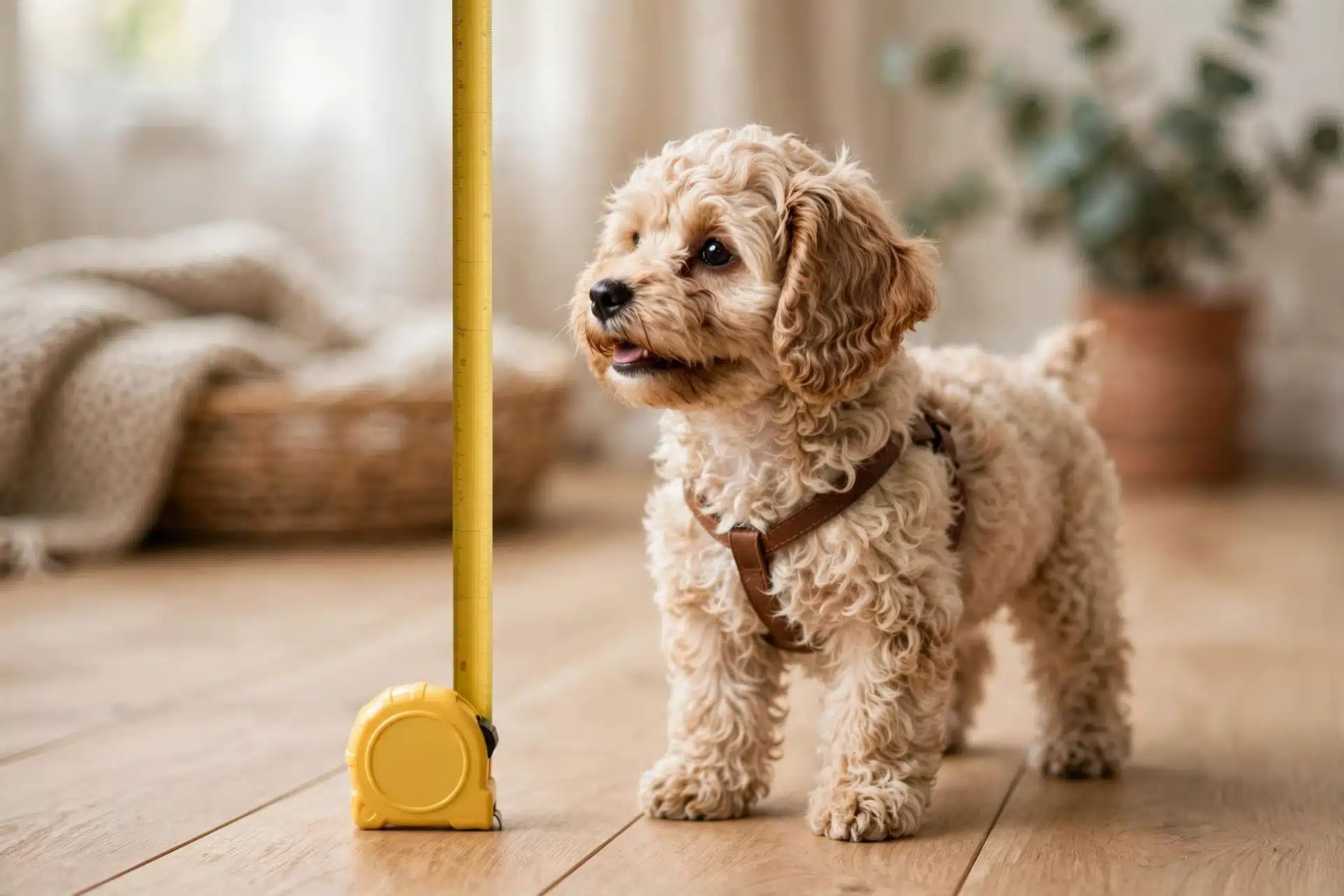
Adult Weight and Height Ranges
Most Havapoos reach 7 to 20 pounds and stand 9 to 15 inches tall at the shoulder as adults, according to the breed profile from Adopt a Pet. PetMD offers a tighter estimate, noting that full-grown Havapoos typically weigh under 15 pounds. Here are the common ranges:
- Toy lines: roughly 7 to 12 pounds, 9 to 11 inches tall
- Miniature lines: roughly 12 to 20 pounds, 11 to 15 inches tall
Growth happens fast. Most pups hit half their adult weight by four to five months and finish filling out between 10 and 14 months. For a fuller breakdown, our Havapoo size guide covers mini, toy, and full-grown weights in detail.
Why Size Varies So Much
The Havanese parent is small, usually 7 to 13 pounds, but the poodle parent may be a toy or a miniature, and that difference drives most of the spread. Breeders can estimate adult size, yet mixed breeds carry genetic dice. Ask which poodle variety each parent is, and treat any size promise as an educated range, not a guarantee.
Coat Types and the First-Year Coat Change
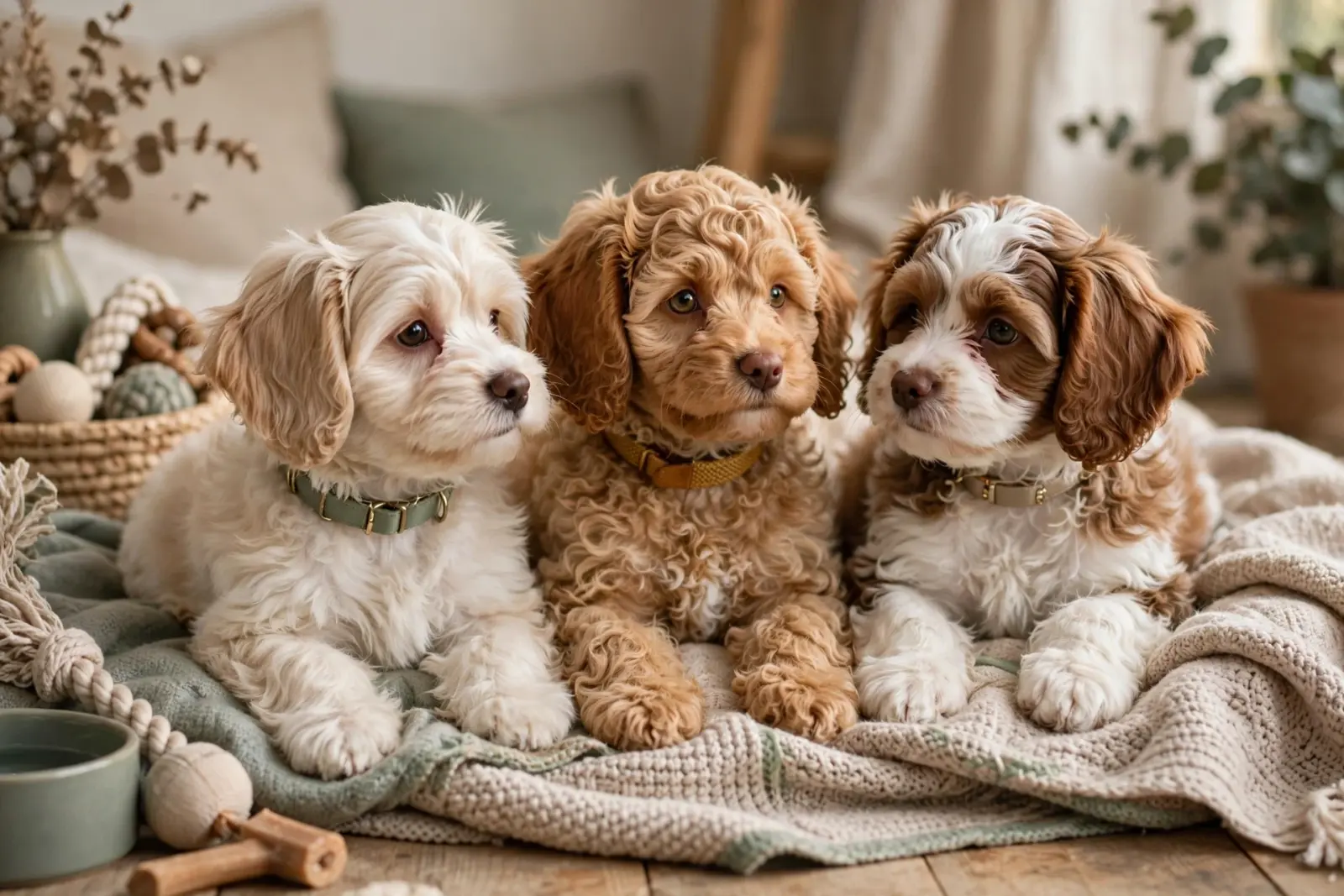
Havapoo coats usually fall into three groups: wavy, curly, or fleece-soft straight. The Havanese side passes down a silky double coat, while the poodle side contributes tighter curls and lower shedding.
Expect a change. Puppy coats shed out between 6 and 12 months, and the adult texture often shifts from soft fluff to denser waves or curls. Colors can fade or lighten during this stage, a poodle trait called “clearing.”
Plan grooming around it. Mats form fastest during the coat transition, so daily brushing and early trims matter more in year one than at any other time.
Tip: Ask the breeder which coat type your puppy shows at eight weeks. It is a decent early clue, but the adult coat after the first shed is the reliable one.
Exercise, Training, and Everyday Care Needs
Daily Exercise and Mental Work
Havapoos need modest but consistent activity. Plan on two or three short walks a day plus a few minutes of play, which suits a dog this small. Indoors, hide treats around the room or use a puzzle feeder so the brain works as hard as the legs. A bored Havapoo invents games you may not like, so build mental work into the daily routine rather than saving it for weekends.
Training Approach for a Sensitive, People-Oriented Dog
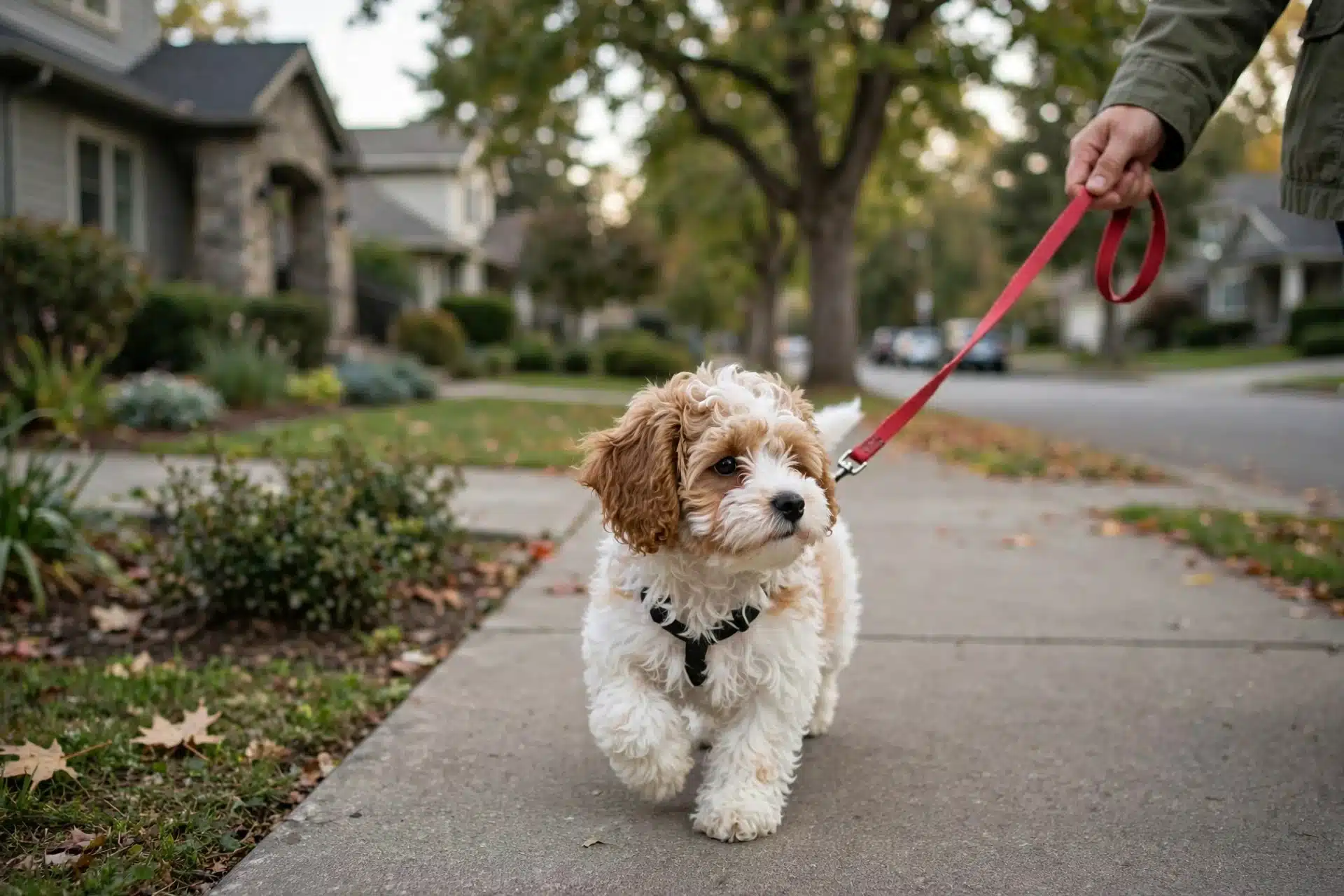
Train with soft methods. This mix reads your tone closely, so use treats, praise, and short five-minute sessions instead of corrections. Start small breed puppy socialization early with gentle exposure to people, sounds, and handling. Keep departures low-key and build alone time gradually, because small companion breeds can lean toward separation anxiety. Crate training from day one gives your puppy a safe retreat and supports house training.
Grooming, Brushing, and Coat Care
How often should a Havapoo be groomed? A workable routine looks like this:
- Brush daily or every other day with a slicker brush to prevent mats near the ears, armpits, and harness line.
- Bathe every three to four weeks, then blow the coat dry while brushing.
- Trim around the eyes and paws every few weeks.
- Book a full clip every six to eight weeks.
Once the puppy coat sheds out between 6 and 12 months, havapoo grooming and coat care gets easier to predict. The adult coat is denser, so mats form faster if brushing slips.
Health Considerations and Testing Worth Asking About
A Havapoo can inherit any condition its parent breeds carry, so havapoo health testing starts with knowing what the Havanese side and the poodle side each bring. Here is what the risks look like, grouped by parent.
| Parent Side | Conditions to Watch | Typical Testing |
|---|---|---|
| Havanese | Progressive retinal atrophy, cataracts, cherry eye, patellar luxation, liver shunt, dental disease | Eye exam, DNA panel, patella check |
| Toy or Miniature Poodle | PRA, cataracts, patellar luxation, collapsing trachea, Addison’s disease | Eye exam, DNA panel, patella check |
| Both | Dental crowding in small mouths, obesity stress on joints | Vet dental review, weight plan |
Eye Conditions: PRA, Cataracts, and Cherry Eye
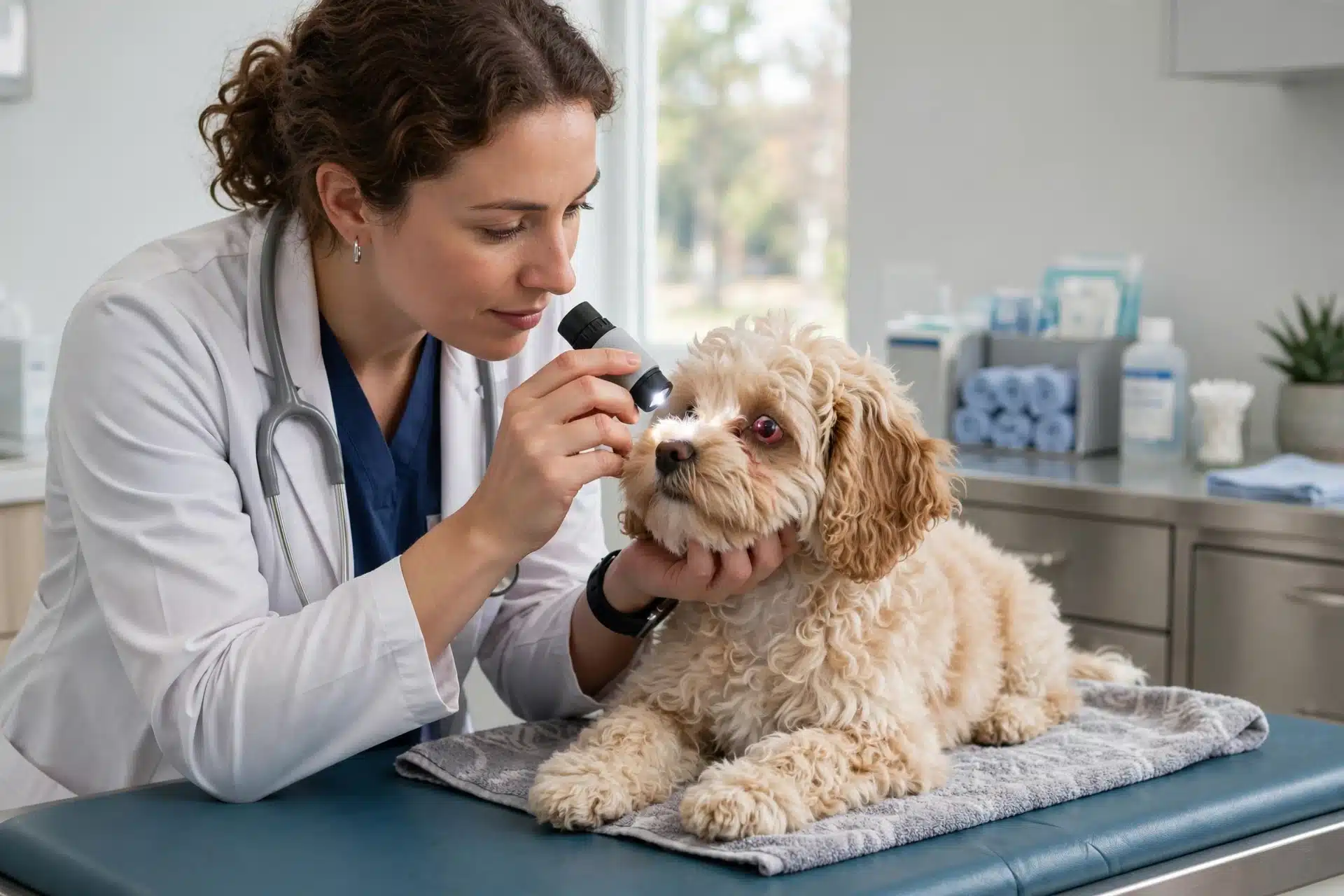
Eye problems sit at the top of the list because both parents carry them. Progressive retinal atrophy is a slow, inherited loss of sight, and most Havanese cataracts are inherited too, according to the Havanese Club of America. Cherry eye, a visible red gland in the corner of the eye, appears in small breeds and is fixable with surgery.
Joints and Skeletal Conditions
Patellar luxation, or slipping kneecaps, is the most common joint problem in small breeds, and the Havanese is predisposed to it. Ask whether a vet checked both parents’ knees. Chondrodysplasia, a skeletal growth defect, is rarer but worth a mention in any parent DNA panel.
Liver Shunts, Dental Disease, and Lifespan
Liver shunts, where blood bypasses the liver, show up in both parent breeds, often as poor growth or odd behavior in young pups. Small mouths also crowd teeth, so plan on regular dental care. The reward: Havanese live a reported 12 to 16 years.
What to Ask For in Health Records
Ask for a copy of parent DNA results, an eye exam from a board-certified ophthalmologist, and a patella evaluation. Reading puppy health records takes some practice, so ask the breeder to walk you through each line.
Homes and Lifestyles That Suit a Havapoo
A Havapoo fits almost any home, but it needs people nearby. This breed is a true companion dog, so the right lifestyle matters more than square footage.
Apartments, Small Homes, and Yard Access
Small homes work well. Most Havapoos stay under 20 pounds, so an apartment or townhouse gives them plenty of room. A yard is nice for potty breaks and play, but it is not required. Short daily walks cover their exercise needs. What they cannot do is live outdoors; they want to be inside with you.
Households With Children and Other Dogs
Havapoos are typically gentle and social, which makes them a good match for families. They usually get along with other dogs, especially when socialized early as puppies. Supervise interactions with very young children, though. At 7 to 20 pounds, a Havapoo is small enough that rough handling can cause injury. Teach kids to sit on the floor and let the puppy come to them.
Time Alone and Working Schedules
This is the one area where many homes fall short. Like their Havanese parent, Havapoos bond tightly and can develop separation anxiety when left alone all day. They do best with someone home most of the day, or with a midday dog walker or doggy daycare filling the gap. Build tolerance gradually with short, calm departures. If your household is gone ten hours straight, an older, more independent breed may suit you better. When you set up your space before pickup, a room-by-room new puppy home checklist covers the basics.
Choosing a Havapoo Puppy From a Responsible Breeder
A good breeder sells more than a puppy. You get documented parentage, health records, and written terms you can hold up. Since Havapoos come from a Havanese and a toy or miniature poodle, the parent dogs tell you most of what a puppy will become. Ask about both sides of the mix, not just the mother.
Questions to Ask About Parents, Records, and Development
Start with the parents. What do they weigh, and how do they act around strangers and kids? Temperament runs in lines, so meeting the mother or seeing video helps.
Then ask about health testing. Responsible programs screen breeding dogs for problems small breeds carry, including patellar luxation and progressive retinal atrophy, and they share proof. Request puppy health records, vaccination dates, and deworming history. Ask how many litters the mother has had and how the pups are socialized before they go home.
Understanding Pricing and Written Terms
Expect to pay a premium for a well-bred Havapoo, and treat a bargain price as a warning sign, not a win. Get the deposit and total cost in writing, along with what happens if the puppy gets sick or you cannot keep it. A breeder who takes the dog back at any age is doing the work right.
Sage Puppies prices its puppies from $3,500 to $4,500 and puts terms in a clear written contract. Ask every breeder you contact for the same.
Availability, Pickup, and Delivery
Good breeders usually have a waitlist, so plan ahead rather than buying on impulse. Ask when the litter goes home, usually around eight weeks, and what pickup options exist. Families looking for havapoo puppies for sale in Utah can visit in person, while many programs across the country arrange flight-nanny or ground delivery. Confirm who handles the puppy during travel and what documents come along before you send any deposit.

Ready to meet a Havapoo raised with care? Sage Puppies matches families with well-bred puppies through a clear application and honest guidance, with pickup in South Jordan, Utah or delivery nationwide. Start your application today and ask every question on your list.
Frequently Asked Questions
Q1: What are the Havapoo puppies’ traits and temperament?
Havapoos are affectionate, playful, and people-oriented. Most are alert but not heavy barkers, quick to train, and social with children and other pets. Each puppy leans toward either the Havanese or poodle side, so expect individual variation.
Q2: How big does a full-grown Havapoo get?
Most reach 7 to 20 pounds and stand 9 to 15 inches tall. Toy lines run smaller; miniature poodle parents push the higher end. Ask which poodle variety each parent is for a realistic estimate.
Q3: Are Havapoos good apartment dogs?
Yes. Their modest exercise needs, usually two or three short walks plus play, suit small homes. A yard is optional, but they must live indoors with their people.
Q4: How long can a Havapoo be left alone?
Not all day. Like the Havanese, they bond tightly and can develop separation anxiety. Someone home most of the day, or a midday dog walker, works best.
Q5: What health testing should a Havapoo breeder provide?
Request parent DNA panels, an eye exam from a board-certified ophthalmologist, and a patella evaluation. These cover risks both breeds carry, including progressive retinal atrophy and patellar luxation.
Q6: How much does a well-bred Havapoo puppy cost?
Quality programs typically charge a premium, often $3,500 to $4,500. Get the deposit, total price, and return terms in writing before paying anything.
Conclusion
A Havapoo puppy is best understood as a range, not a promise. Most stay between 7 and 20 pounds, inherit a wavy or curly coat that changes in the first year, and bring a warm, trainable temperament suited to almost any home with people nearby. The mix carries real health risks from both parent breeds, so parent DNA panels, eye exams, and patella checks are worth asking for in writing. Because no registry sets a standard, the breeder’s program decides most of the outcome. Use the questions and documents in this guide to compare programs, and choose the one that shows evidence instead of repeating the same marketing lines.