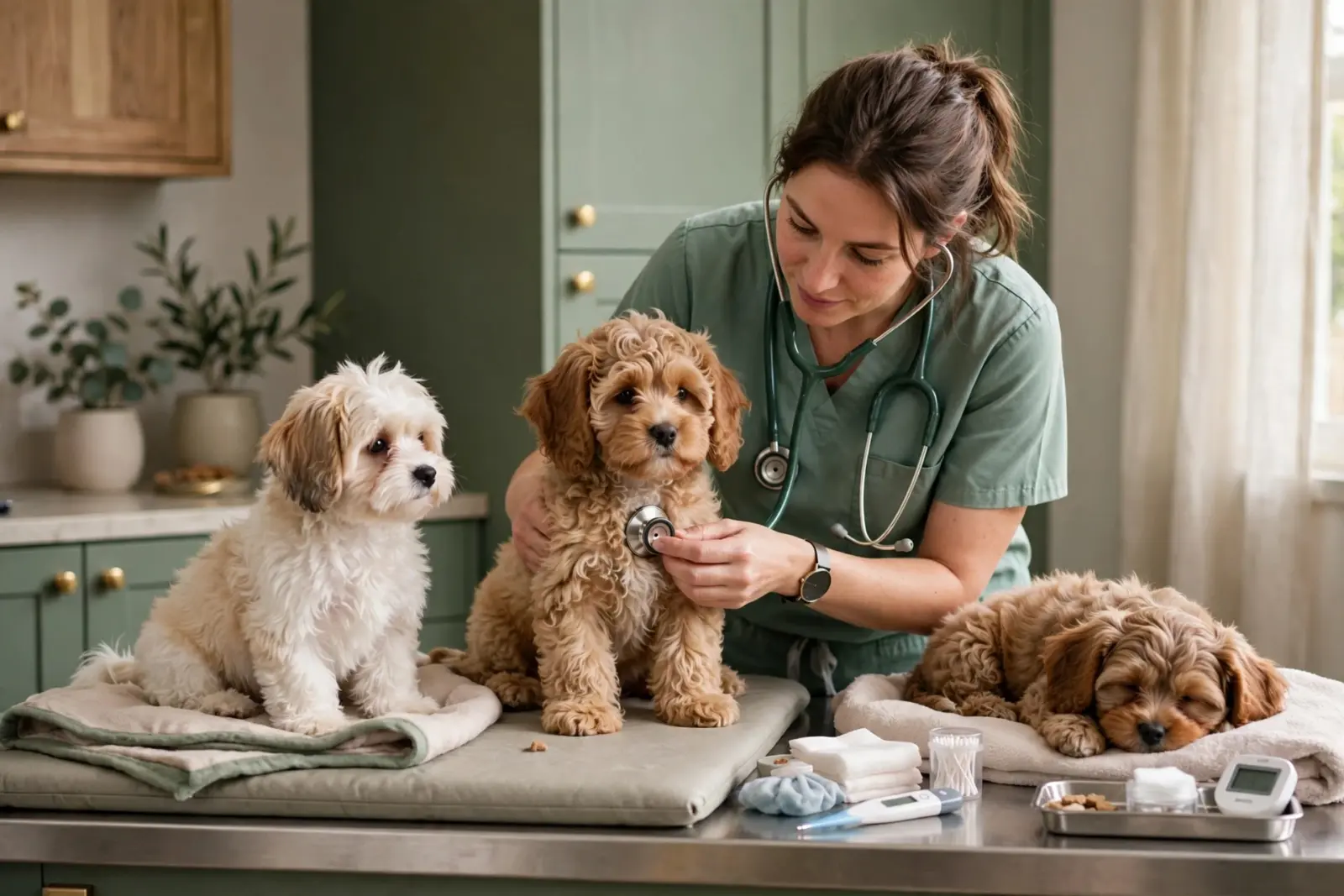
Quick Summary: Havapoo puppies thrive on short, consistent routines that combine reward-based training, calm handling, grooming, and daily health checks. Brush three to four times a week, trim nails every two to three weeks, and begin training with name recognition, sit, settle, recall, and crate time to prevent future struggles with mats and restraint. Sage Puppies recommends tracking vaccinations and weight from pickup, with most professional groomers accepting puppies after core vaccines are complete, typically around 12 to 16 weeks.
The first time you clip a Havapoo puppy’s nail, you set the tone for the next eight years of handling. Two calm minutes a day build patient grooming habits and the attention span that training depends on, because Havapoo puppy training and grooming run on the same skill: a pup that settles and trusts your hands. Most new owners treat these as separate projects, then wonder why nail trims turn into wrestling matches. This guide folds them into one daily and weekly routine instead. You will learn how to brush a Havapoo puppy before mats form, use positive reinforcement puppy training to make handling easy, and build a health rhythm around vaccinations and records. Sage Puppies raises Havapoo litters in South Jordan, Utah, so the milestones here reflect what small breed families actually live through in year one.
What Training and Grooming Actually Look Like in Year One
Good Havapoo puppy training and grooming share one rule: small doses, done often, starting the week your puppy comes home. Neither works as a weekend project. The sections below break the first year into a coat plan, a handling plan, and three short daily jobs.
Why Havapoo Coats Decide Your Grooming Rhythm
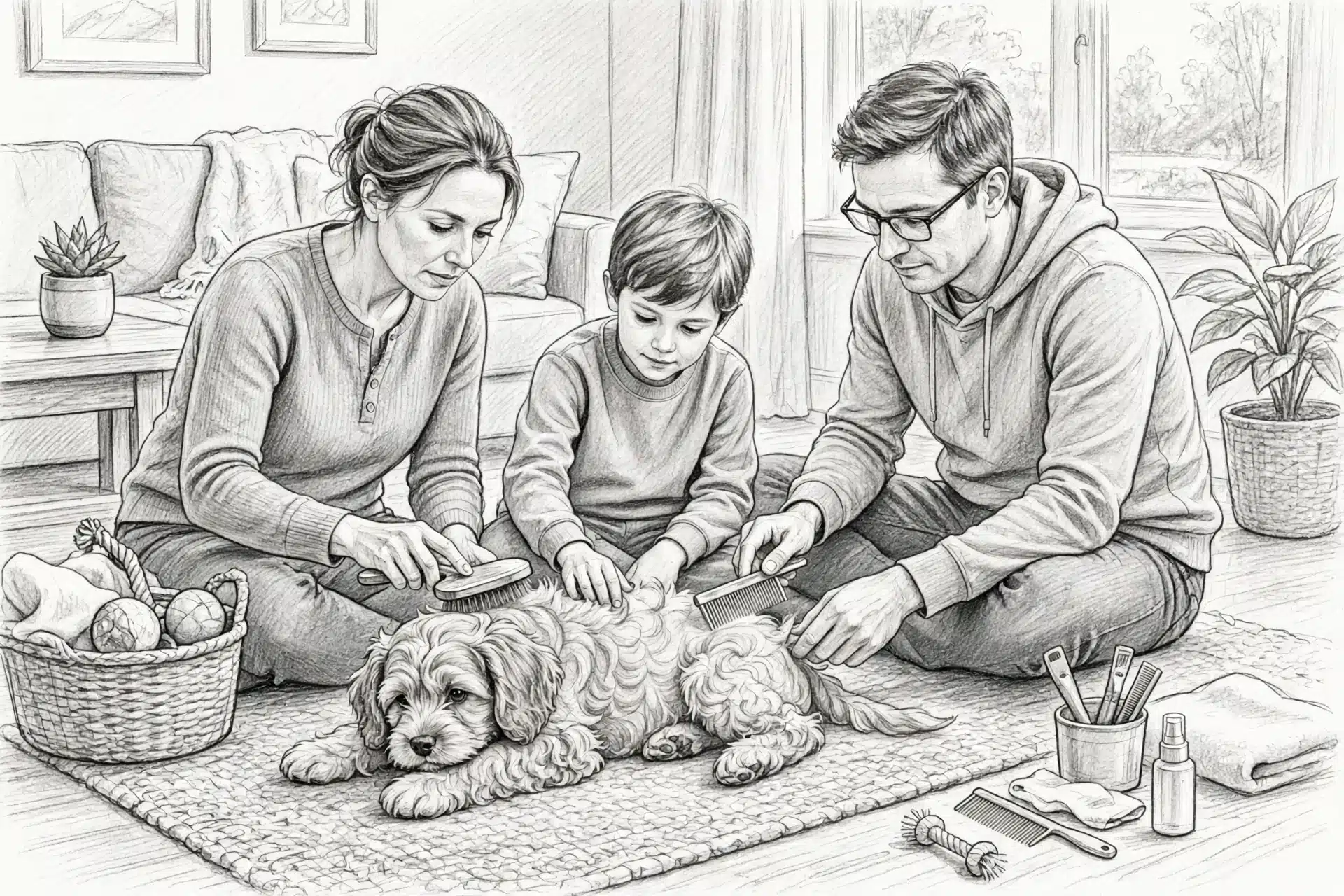
Your puppy’s coat type sets the schedule. Havanese carry a soft, long double coat, described in the AKC breed standard, and the Poodle parent adds curls that mat fast. Wavier coats need brushing every day; straighter, silkier coats often hold fine with three or four sessions a week. Line brushing with a slicker, then a metal comb check, finds tangles before they turn into mats. When you understand Havapoo temperament, size, and care basics, the grooming routine stops feeling random.
How Much Handling a Havapoo Puppy Can Take
Puppies tolerate more handling than most owners expect, but only in short sets. Aim for two to five minutes of touching, several times a day: paws, ears, mouth, belly, tail. Pair each touch with a treat so handling predicts good things. That is how nail trims, tear stain wiping, and ear checks become routine instead of wrestling matches. If your puppy squirms, shorten the session rather than pushing through.
The Three Daily Jobs: Training, Handling, and Health Checks
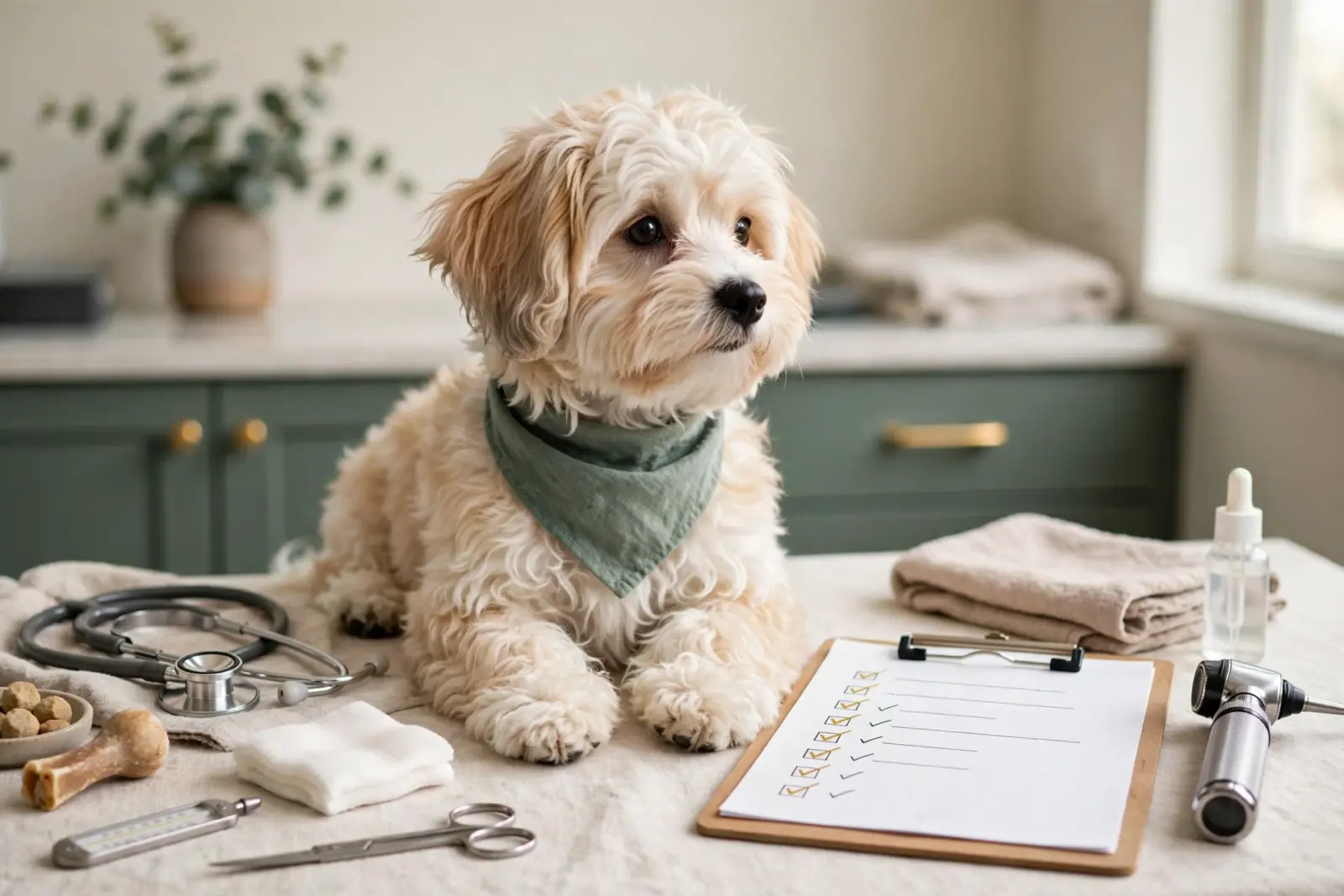
Keep year one simple with three daily blocks. First, five minutes of reward-based training: name, sit, crate settle. Second, one handling session from the list above. Third, a quick health check: eyes, ears, teeth, weight, appetite. Two minutes each evening catches loose stools, ear odor, or a skipped meal early, which matters more in a small breed.
Reward-Based Training Foundations for a Havapoo Puppy
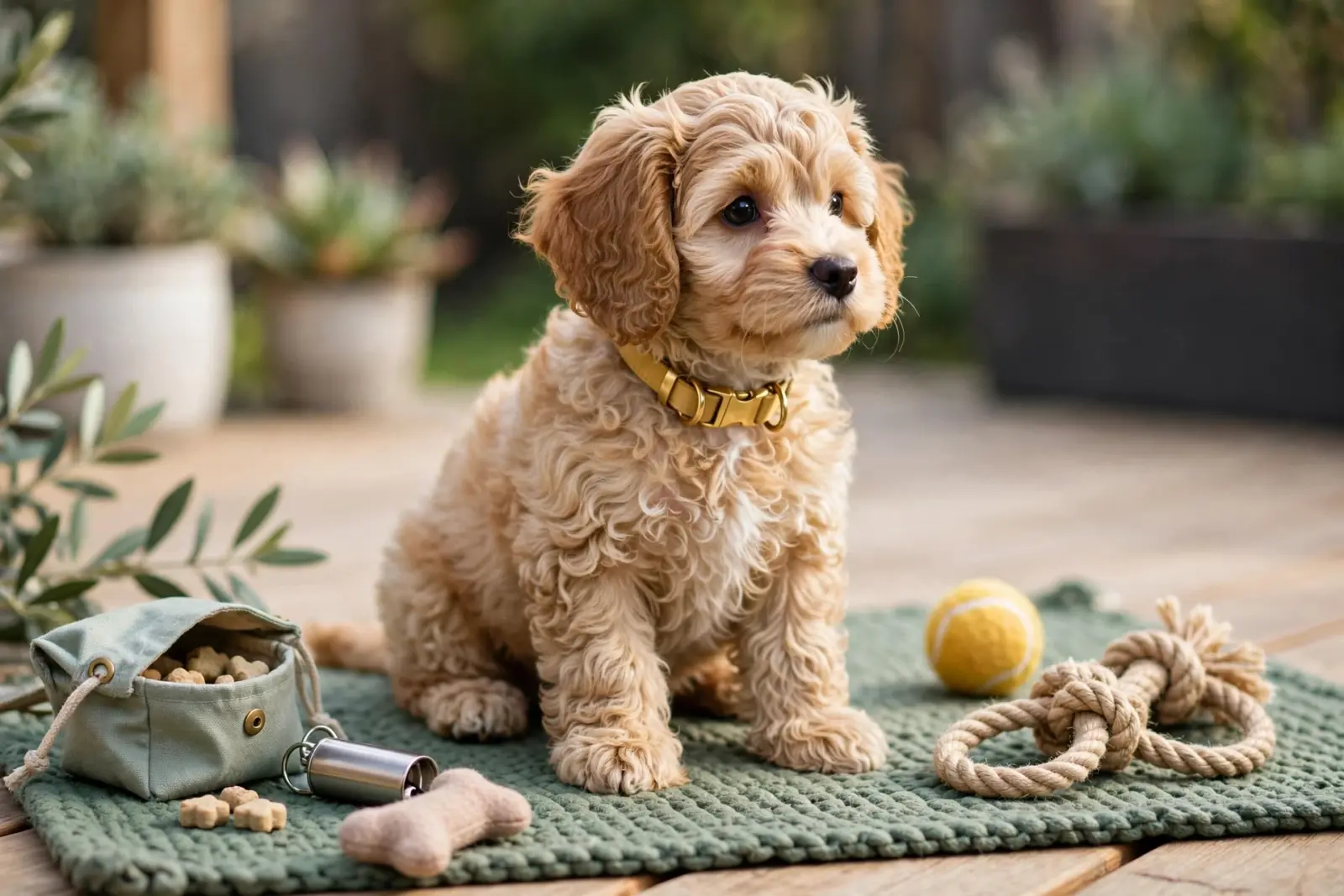
Havapoo puppy training and grooming work best when they share one routine. Your puppy learns fastest with positive reinforcement: reward the behavior you want, ignore what you don’t. Keep treats pea-sized, sessions short, and end every lesson on a win.
The Basics of Training a Havapoo Puppy
- Name recognition first, so your puppy turns to you when called.
- Sit on a hand signal or verbal cue.
- Down, then a short settle on a mat.
- Recall from just a few feet away.
- Crate or pen time for naps and quiet moments.
Havapoos are people-focused and quick, so they pick up cues fast. The risk isn’t stubbornness; it’s teaching them that jumping or barking earns attention. Reward calm instead. For a fuller skill list, this small breed puppy training guide covers eight habits worth starting early.
Name Recognition and Attention First
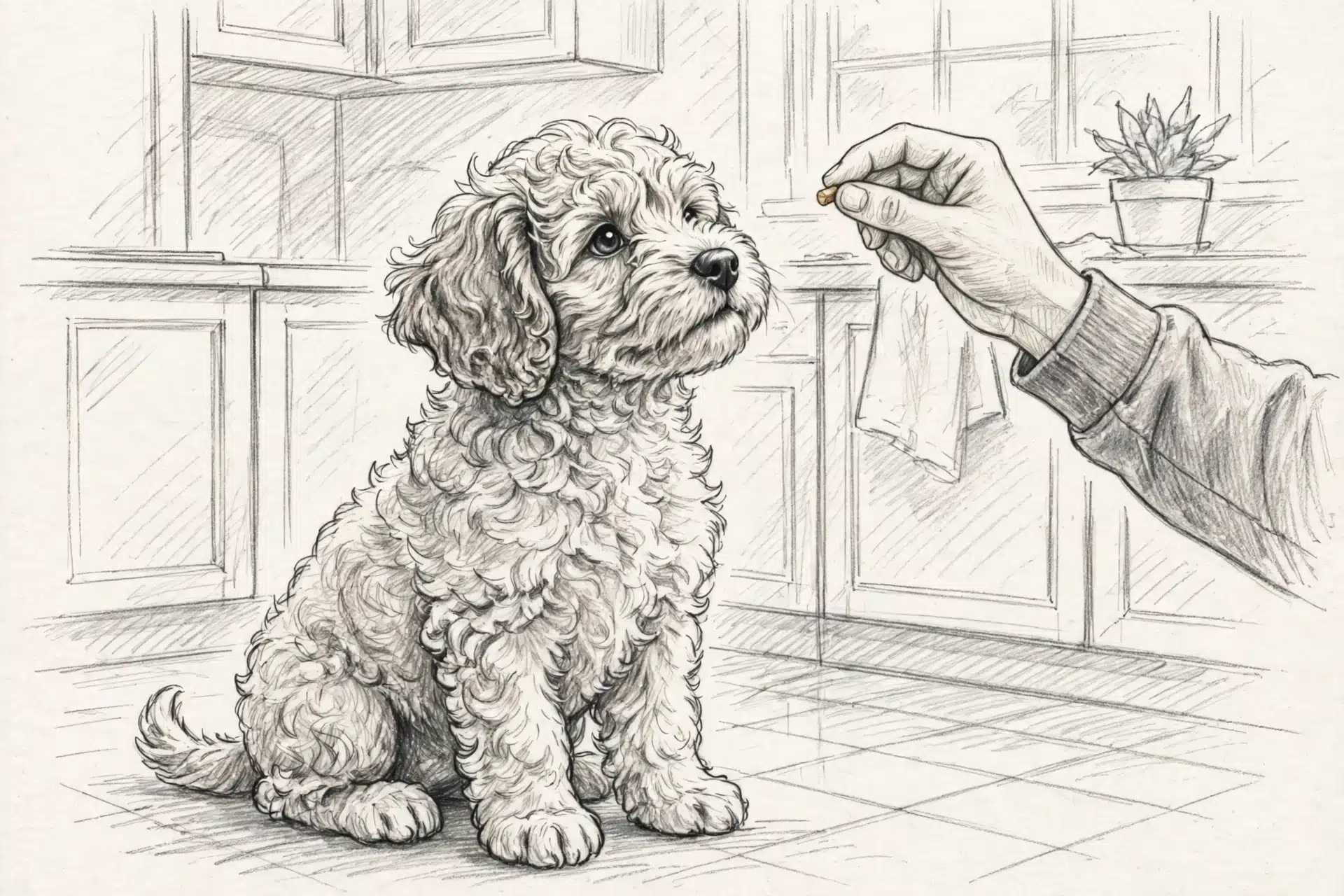
Say your puppy’s name once. The instant those eyes find yours, mark it with a cheerful “yes” and hand over a treat. Repeat this five or six times a day in different rooms. Never use the name for scolding. Within a week or two, the name becomes a magnet, and every later cue gets easier.
Sit, Down, and Settle With Small Rewards
Lure sit by moving a treat slowly up over the nose. For down, draw the treat straight to the floor between the front paws. Once both cues are solid, add settle: reward your puppy for lying calmly on a mat for a few seconds, then stretch the time. Short sessions, two or three minutes each, beat one long drill.
Recall That Starts Five Feet Away
Begin indoors, five feet apart. Call once in a happy voice, and reward generously when your puppy reaches you. Never chase. Build distance slowly, and keep recall rewarding forever.
Grooming Habits to Teach From Day One
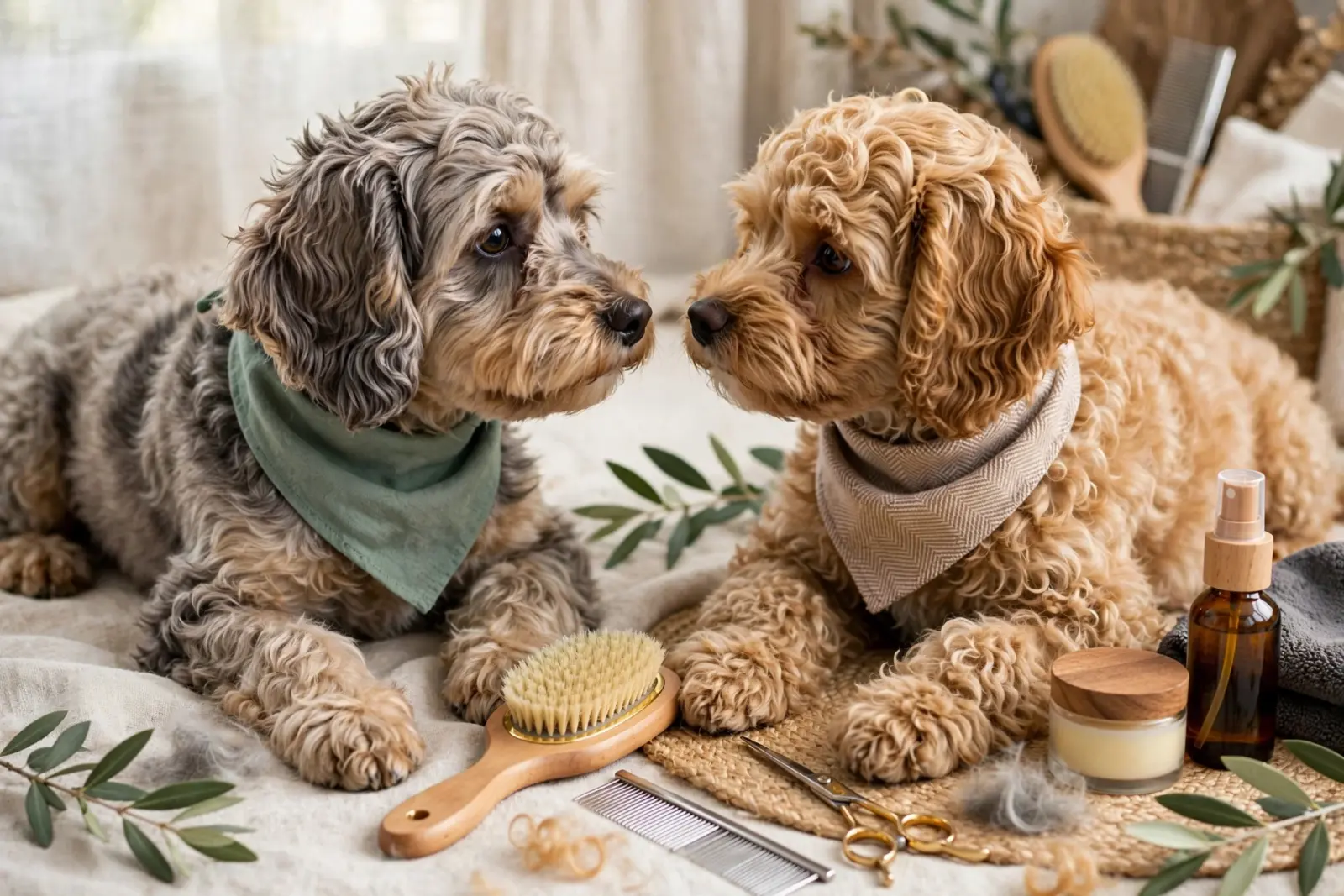
Brush a Havapoo puppy three to four times a week, and every day during coat changes. Ten calm minutes beats an hour of wrestling later. A simple routine works:
- Two to three passes with a slicker brush on each body area
- A metal comb check behind ears, armpits, and pant legs, where mats hide
- A treat after each area, so your puppy associates brushing with good things
This habit matters because a Havapoo coat grows like hair, not fur, and it mats fast once the adult texture comes in. For the full tool list and method, see our guide to Havapoo grooming essentials for beginners.
Brushing as a Training Session
Treat brushing as positive reinforcement training, not a chore. Start with sessions under two minutes while your puppy is tired, maybe after a play session. Brush one small area, mark with a “yes,” and pay with a lick of something tasty. End before your puppy squirms. Short and successful beats long and stressful. You are building a lifetime skill, so let your puppy opt in rather than hold him down.
Baths, Drying, and Mat Prevention
Bathe your Havapoo every three to four weeks with a gentle puppy shampoo. Mats tighten when wet hair is left alone, so drying matters more than the bath itself. Towel first, then blow dry on low while brushing through the coat with your fingers. If a tangle appears, work it out with your fingers before it becomes a mat. Never let a damp puppy air dry after a full bath.
Nails, Clippers, and Face Handling
Handle paws, ears, and lips daily for the first month, even without trimming. Touch a nail with the clippers, feed a treat, and put the clippers away. Trim only the tips every two to three weeks so you never quick a nail. Wipe around the eyes with a damp cloth to slow tear staining. These small sessions teach your puppy that grooming hands mean treats, not restraint.
The First Professional Groom Visit
Most groomers take Havapoo puppies between 12 and 16 weeks, once core vaccines are done, so ask your vet and your groomer to confirm timing. Plan the visit like this:
- Book a short puppy intro first, often a bath and tidy
- Ask for the same groomer at every visit
- Request a puppy cut rather than a full styled groom
Keep the first appointment under two hours if possible. A puppy trim sets the tone for years of grooming, so go slow and keep it easy.
Everyday Health Essentials for a Young Havapoo
Most of a Havapoo puppy’s health care happens at home, in small daily checks. This breed’s folded ears, light tear-prone coat, and small frame need a routine, not a crisis plan. Work through this checklist each week:
- Ears: Look inside once a week for redness, wax, or odor; clean gently if needed
- Eyes: Wipe under the eyes daily to limit tear stains
- Teeth: Brush several times a week with dog toothpaste
- Nails: Trim every two to three weeks when you hear clicking on floors
- Skin and coat: Run your hands over the body weekly for bumps, flaking, or sore spots
If a check turns up swelling, a foul smell, or a puppy that flinches, call your vet instead of waiting it out.
Ears, Eyes, and Tear Stains
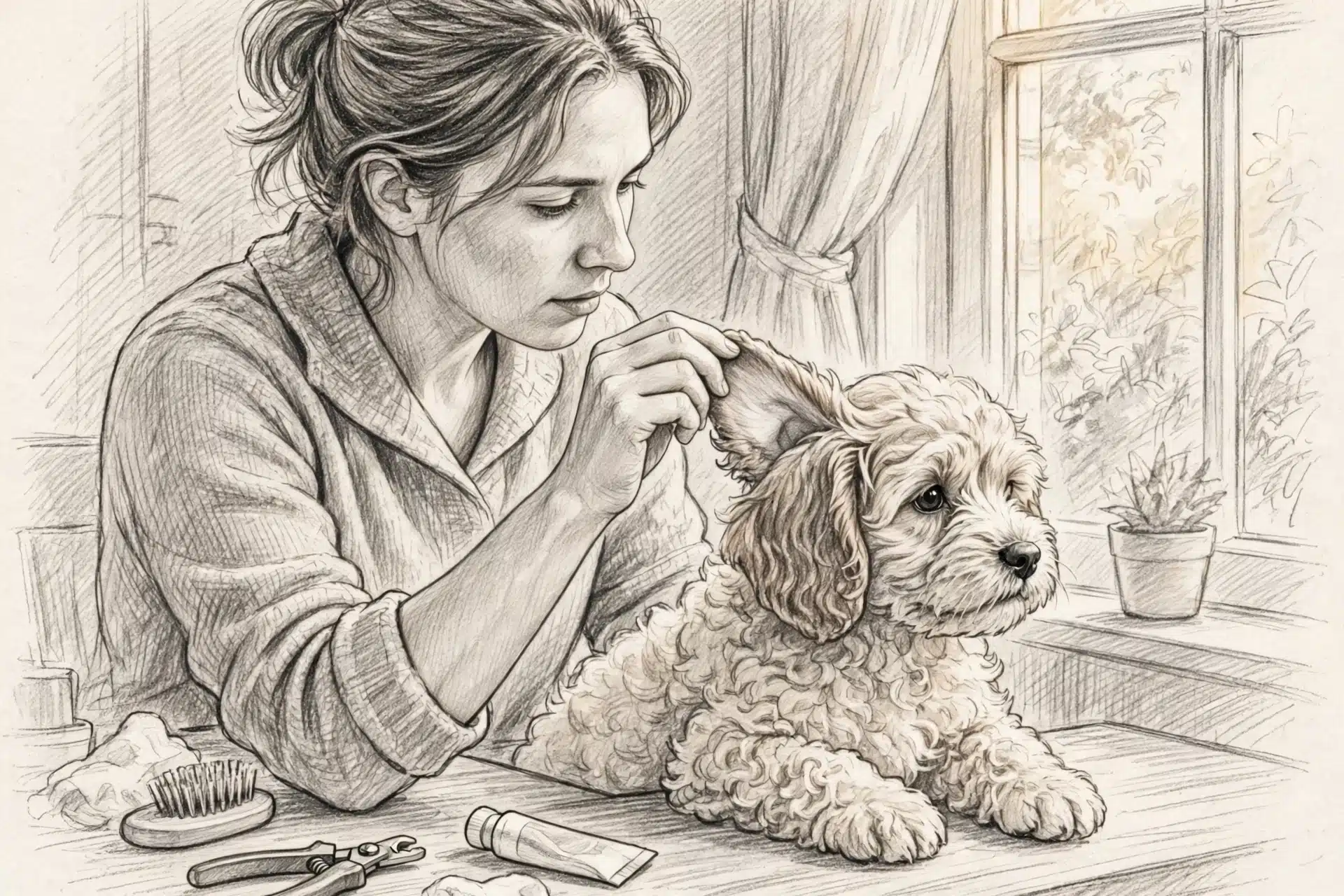
Havapoo ears fold over, so moisture and wax build up easily. Check inside weekly and clean with a vet-approved ear solution if you see debris. Redness, head shaking, or a yeasty smell means an ear infection is likely, so book an exam. Under the eyes, the light coat shows tear stains fast. Wipe daily with a damp cloth or a tear-stain wipe, and keep the face fur trimmed short. Persistent staining or squinting deserves a vet visit.
Teeth, Nails, and Skin Checks
Small breeds build tartar early, so start brushing now. Use a soft dog brush and dog toothpaste three or four times a week, and let your puppy lick the paste first so it stays positive. Trim nails every two to three weeks; clip just past the curve and keep styptic powder nearby. During each session, run your fingers along the skin for ticks, scabs, or dry patches, and check between the paw pads.
Vet Visits, Vaccinations, and Weight Tracking
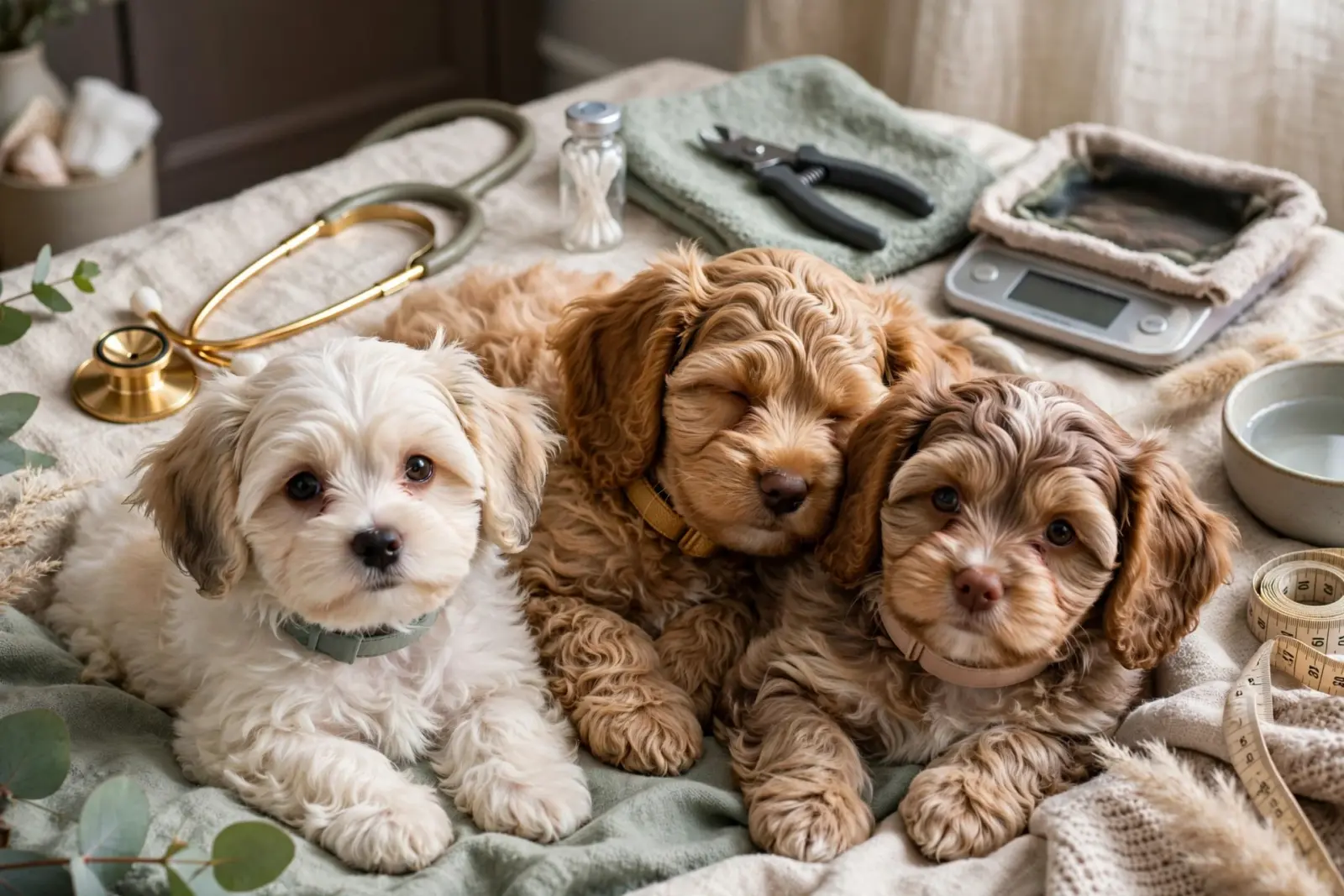
Your puppy should see the vet shortly after coming home for a baseline exam and to set a vaccine schedule. Core shots typically run through 16 weeks, so keep the records in one folder and bring them to every visit. Ask about flea, tick, and heartworm prevention sized for a small breed. Weigh your puppy every week or two on a kitchen scale and write it down; steady gain is the goal, and sudden loss or a stalled appetite means a call to the vet. Most groomers take puppies between 12 and 16 weeks, once core vaccines are done, so confirm timing with both your vet and groomer.
The First 90 Days as One Combined Routine
The first 90 days work best as one daily routine, not three separate projects. Layer the blocks: a short morning potty and crate session, two brief training windows, one brush-down, and a calm evening settle. The Havapoo puppy first 90 days routine below is a framework, not a schedule, so stretch or repeat any phase your puppy needs.
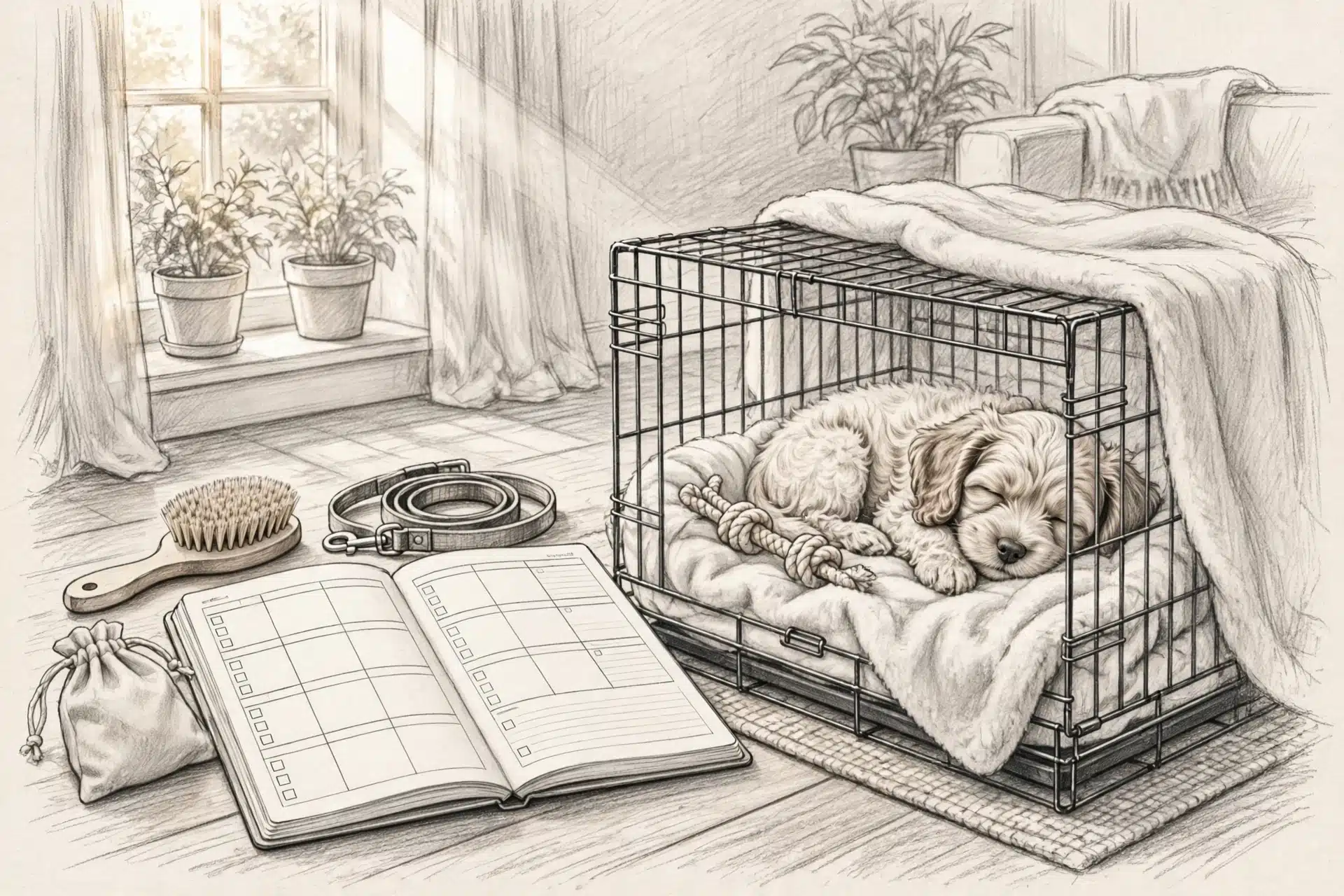
Week One: Routines, Name, and First Handling
Keep week one simple. Feed on a fixed schedule, take the puppy out after every nap and meal, and use the crate for short daytime rests. Say the name once, then reward eye contact. Add two minutes of gentle handling daily: touch paws, ears, and mouth, then treat. This builds the trust that makes nail trims and brushing easier later.
Weeks Two Through Four: Adding Commands and Brush Work
Now layer in commands. Use positive reinforcement puppy training for sit, come, and down, keeping each session under five minutes. Practice crate and settle training after meals, when the puppy is naturally sleepy. Start grooming in the same windows: a quick slicker pass, then a metal comb check behind the ears and armpits. Pair every step with a treat so grooming predicts something good.
Months Two and Three: Longer Sessions and Less Support
From weeks five onward, stretch sessions to ten minutes and add distance to recall. Train before meals, not after. Lengthen crate time to a couple of hours and fade food lures, rewarding intermittent sit and come. Keep the daily brush-down, trim nails weekly, and hold the routine steady through teething, when chewing and distracted recall peak.
Mistakes That Slow Training and Grooming Down
Training Errors Worth Fixing Early
The most common setback is skipping reward-based habits in week one. If jumping and nipping pay off with attention, they become hard habits. Keep sessions short, reward calm behavior, and let everyone in the house follow the same rules. Mixed signals confuse a puppy faster than anything else. Crate and settle training needs the same consistency, so never use the crate as punishment.
Grooming and Health Errors
Waiting until mats form is the biggest grooming mistake. A Havapoo coat tangles within days of missed brushing, and shaved-outs mats stress a young puppy. Start nail trims and ear checks early so they stay routine, not a battle. Skipping vet visits or losing vaccine records also delays the first professional grooming appointment, since most groomers want proof that core shots are done before they book a puppy.
Tools, Costs, and Records to Have Ready
A Starter Tool List With Cost Tiers
You can build your whole Havapoo setup for under $300 if you shop slowly. Start with the essentials: a wire crate, washable bedding, a harness and flat leash, stainless bowls, puppy food, and a slicker brush with a metal comb. Most families spend $150 to $250 on this tier, not counting the puppy itself, and $100 more if they add playpen panels or an x-pen for alone-time practice.
| Item | Budget Tier | Quality Tier |
|---|---|---|
| Crate | $40 – $60 | $90 – $130 |
| Grooming kit | $25 | $60+ |
| Harness and leash | $20 | $45 |
| Bowls and bedding | $35 | $80 |
Buy brushes before the coat tangles. A six-week-old Havapoo coat is forgiving; the adult coat is not.
Paperwork Worth Requesting Before Pickup
Ask for three things: vaccination and deworming records, a vet exam note, and feeding instructions for the first week. Sage’s purchase range runs $3,500 to $4,500, and every pricing and reservation detail spells out what’s included, so request anything missing in writing. Keep copies on your phone. Your vet will want the original dates, not summaries, at the first visit.

You now have the routine that makes the first 90 days calmer for both of you. If you’re ready to meet your Havapoo, start the application at Sage Puppies. Cassie matches each puppy to your family, whether you pick up in South Jordan or arrange delivery. Wisely Bred. Beautifully Loved.
Frequently Asked Questions
Q1: What are the basics of training a Havapoo puppy?
Start with name recognition, then sit, down, settle, recall, and crate time. Keep sessions under five minutes, use pea-sized treats, and reward calm behavior instead of reacting to jumping or barking.
Q2: How often should I brush a Havapoo puppy?
Three to four times weekly, and daily during coat changes. Follow each slicker pass with a metal comb check behind the ears and armpits, where mats hide first.
Q3: When can my Havapoo go to a professional groomer?
Most groomers book puppies between 12 and 16 weeks, once core vaccines are finished. Ask for a short intro visit with a puppy cut, not a full styled groom.
Q4: How much does a Havapoo puppy cost?
Sage’s Havapoos run $3,500 to $4,500, with pricing and what’s included listed upfront.
Q5: What should I ask for before pickup day?
Request vaccination and deworming records with original dates, a vet exam note, and first-week feeding instructions. Keep copies on your phone for your puppy’s first vet visit.
Conclusion
A Havapoo puppy’s first year runs on one combined routine, not three separate ones. Short daily training sessions, two minutes of handling, and a quick health check cover the basics without overwhelming either of you. Brush three to four times a week with a slicker and metal comb check, trim nails every two to three weeks, and keep vaccine records in one folder so the first professional groom stays on schedule. Expect milestones to stretch or repeat as your puppy needs; the framework bends, the habits don’t. Do the small things daily and coat mats, nail battles, and vet surprises mostly stay rare. Consistency in year one sets the tone for the next dozen.