Quick Summary: Havapoo puppies are usually affectionate, playful, intelligent companions, but their temperament, size, and coat vary because each puppy inherits differently from its Havanese and Poodle parents. Most adults weigh under 15 pounds and need measured small-breed meals, regular brushing, dental care, positive training, daily enrichment, and gradual alone-time practice. Choose a breeder like Sage Puppies that provides documented eye, patella, and cardiac testing, explains the puppy’s expected size and personality, and supports socialization rather than making guarantees about allergies or perfect health.
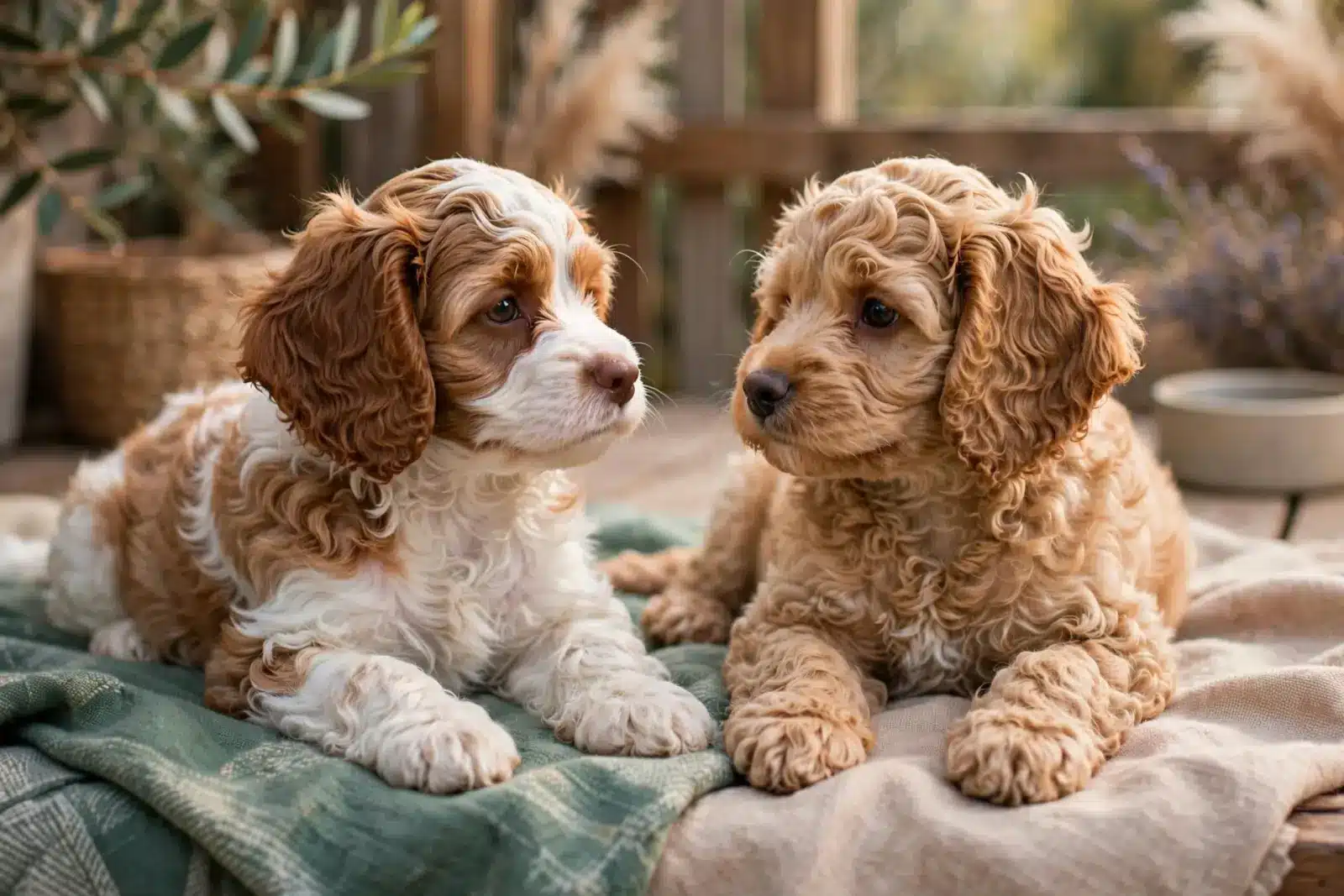
Two puppies from the same Havapoo litter can grow into very different dogs. One settles on the couch after a short walk. The other needs a puzzle feeder and a neighbor’s midday visit, because temperament follows the Havanese and Poodle parents in each individual puppy. That variance is the biggest surprise for new owners, and it shapes every part of Havapoo puppy temperament and care, from grooming routines to feeding schedules to how you handle time alone.
This guide covers what a Havanese Poodle mix typically weighs as an adult, how coat and grooming needs vary, and which daily habits keep a small companion dog healthy. It also explains what honest breeders do differently, starting with health tested puppy parents and early socialization.
The advice here draws on documented breeder experience from Sage Puppies, a small program in South Jordan, Utah that raises Havanese, Havapoo, and Cavapoo puppies only.
What a Havapoo Actually Is
A Havapoo is a cross between a purebred Havanese and a Toy or Miniature Poodle. It is a hybrid, not a registered breed, so every litter looks a little different in coat, size, and havapoo puppy temperament and care needs.
The Havanese and Poodle Parent Breeds
The Havanese is Cuba’s national dog, a small companion breed known for a silky coat and a people-focused nature. The Poodle originated in Germany as a water retriever and brings intelligence and a low-shedding coat. Breeders cross the two hoping to keep the friendly Havanese personality and the Poodle’s curly, low-shedding coat, a pairing that grew popular in the United States in the 1990s.
Why There Is No Havapoo Breed Standard
No major kennel club recognizes the Havapoo, so there is no written standard for size, coat, or color. That matters because hybrid traits are not fixed. According to Rover’s breed profile, adult weight can range widely depending on which Poodle parent is used.
What That Means for a Litter
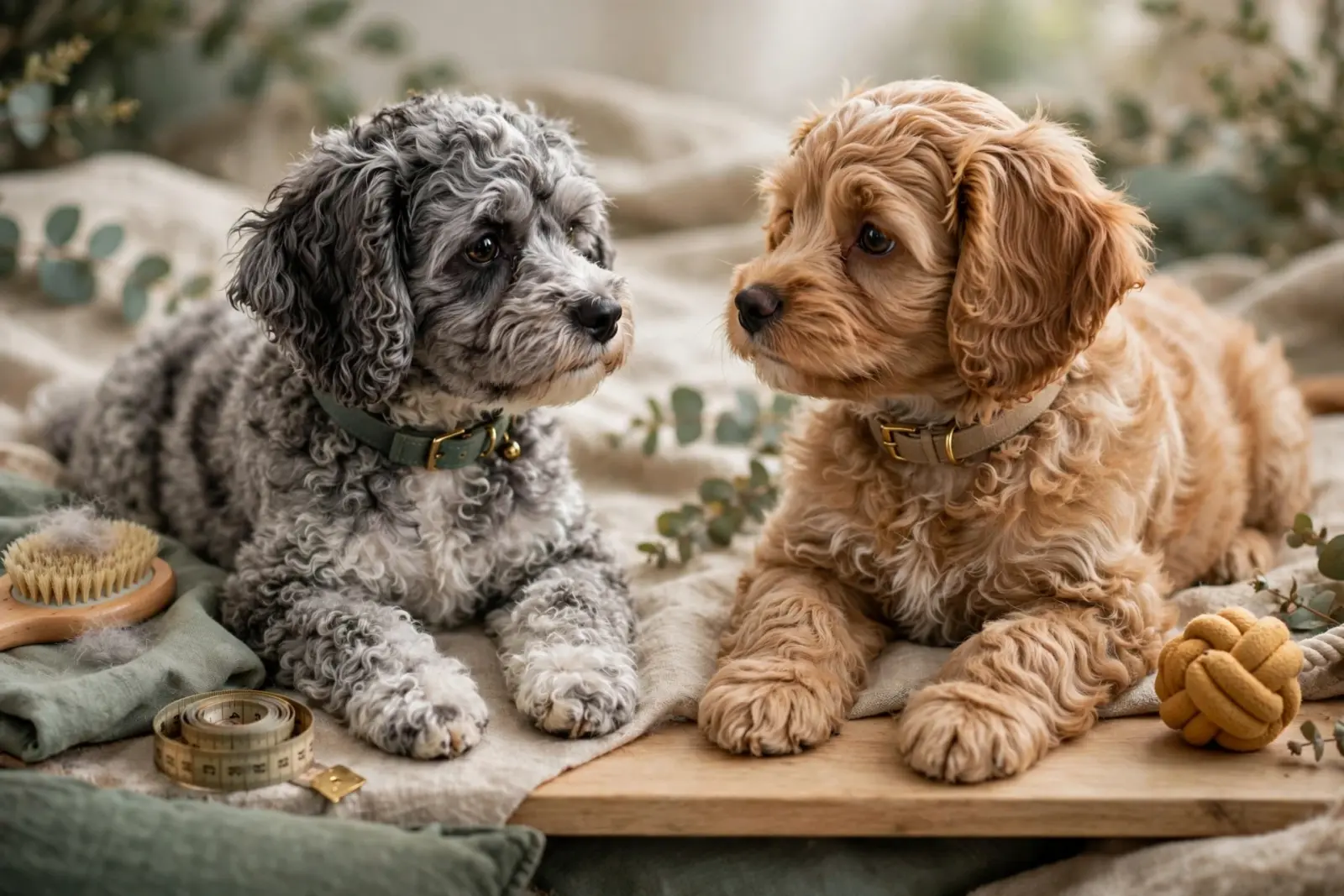
Puppies in the same litter can differ in coat texture, adult size, and shedding. A good breeder explains what to expect and shows health records for both parents, which is why reading a breeder’s health record matters.
The Havapoo Personality
A Havapoo puppy’s temperament and care go hand in hand: this mix is typically affectionate, people-focused, and quick to learn, happiest when someone is nearby. Most Havapoos inherit the Havanese’s warm, gentle nature and the Poodle’s smarts, which makes early training easier than with many small breeds. Common traits include:
- Affectionate and eager to sit with you
- Playful without being hyperactive
- Watchful, so they often alert you to visitors
- Sensitive, responding best to gentle, positive training
Affectionate, People-Oriented, and Watchful
Havapoos bond tightly with their people. They follow you from room to room, greet guests warmly, and settle quickly once you’re home. Because both parent breeds were bred as companions, this is a dog that wants to be part of the family, not left in a yard. Their watchful streak makes them decent little alarm dogs, though most warm up fast once a visitor is friendly. Good breeding and early socialization shape how strong each trait becomes.
Puppies and Time Alone
Companionship cuts both ways. Havapoos are considered more prone to separation anxiety than many breeds because they crave company, and bored, lonely dogs may bark or chew, as PetMD notes. Build alone-time tolerance early: short absences, a safe chew, and calm departures. Work up gradually rather than expecting a young puppy to handle a full workday. If your household is gone for long hours, plan midday help.
Children and Other Pets
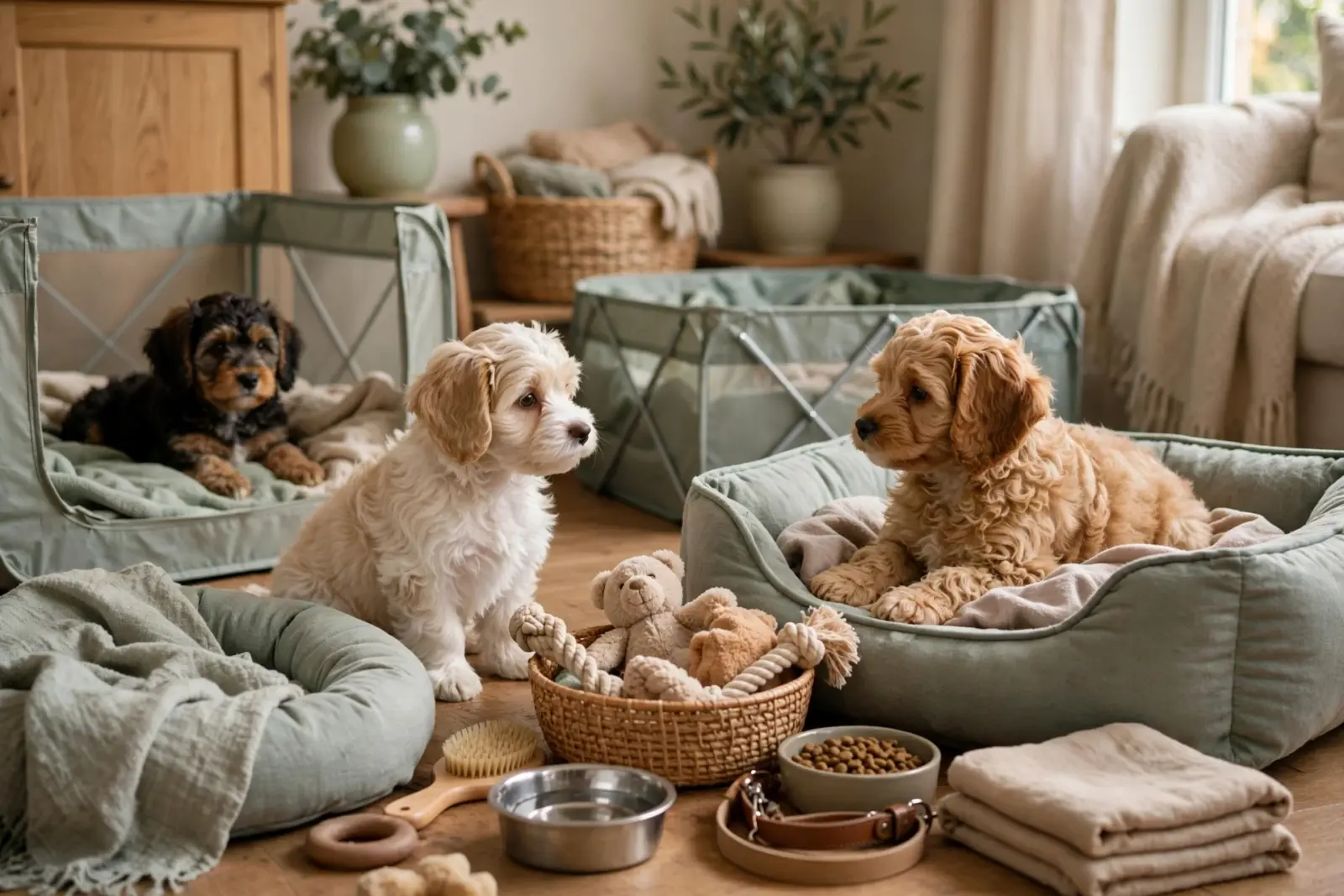
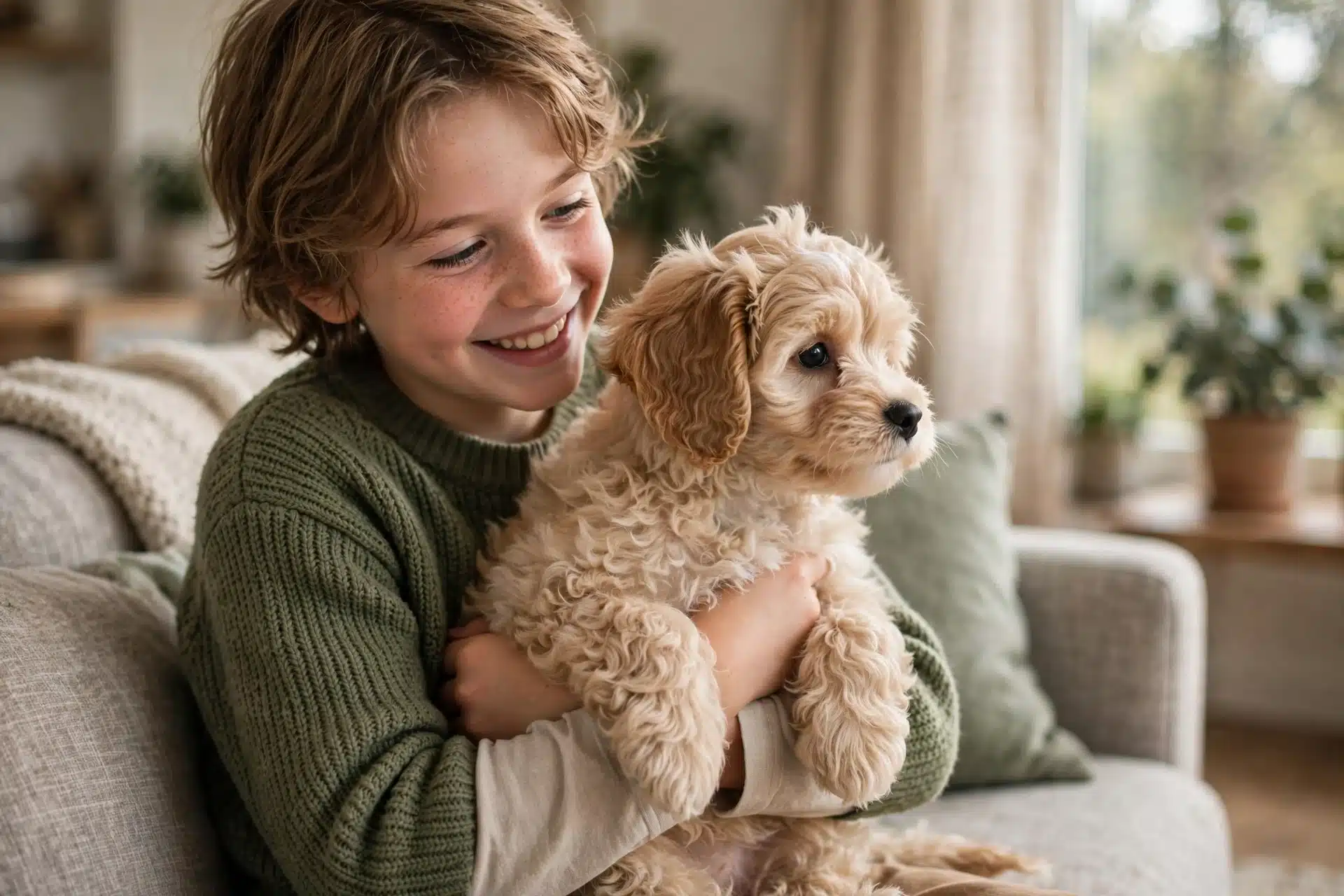
The Havapoo temperament suits families well. These dogs are typically gentle with respectful kids and get along with other dogs and cats, especially when raised together, a trait the Havanese side contributes. Small bodies need protection, so teach children to sit on the floor, handle softly, and never carry the puppy unsupervised. Supervised introductions with existing pets matter more than breed promises. Matched, well-socialized puppies tend to settle in easily, which is why we pair each puppy with the family that fits its personality at Sage Puppies.
Size and Growth: What to Expect
A full grown Havapoo usually weighs under 15 pounds and stands 8 to 15 inches tall. The exact number depends on the Poodle parent: a toy Poodle parent produces a smaller dog than a mini.
Parent Size Sets the Range
Each parent breed sets the boundaries. A Havanese typically weighs 7 to 13 pounds, and a toy Poodle often falls under 10 pounds. Pair a Havanese with a mini Poodle instead and the puppies can push past 15 pounds. Ask a breeder about both parents’ weights so your havapoo puppy temperament and care plan matches the dog you will actually live with.
| Parent | Typical Adult Weight |
|---|---|
| Havanese | 7 to 13 pounds |
| Toy Poodle | 6 to 10 pounds |
| Miniature Poodle | 10 to 15 pounds |
| Full grown Havapoo | Usually under 15 pounds |
Puppy Growth and the First Year
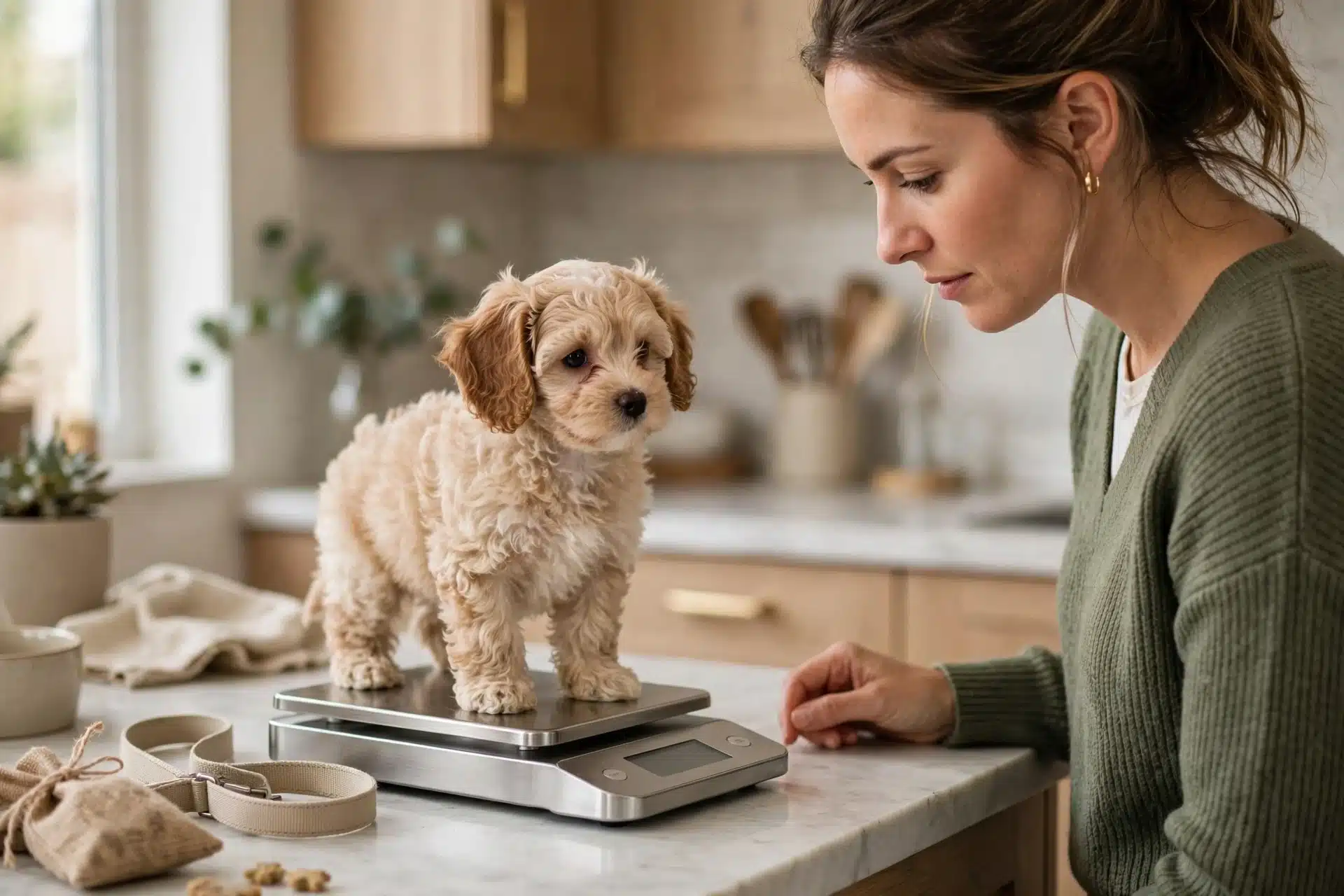
Most Havapoos reach half their adult weight by four months and level off between 9 and 12 months. Weight doubles quickly early on, then slows. Steady gain matters more than hitting a date, so weigh your puppy monthly and keep growth even rather than fast.
Planning Around a Small Dog
Size shapes daily choices: crate dimensions, a harness instead of a collar, and gentle handling rules for young children. Sage Puppies’ Havapoo families get matched with expected adult weight in mind, and our Havapoo size guide breaks down mini, toy, and full grown weights in detail. A dog this small also lives comfortably in apartments.
Everyday Care: Feeding, Grooming, and Home Setup
Good habits in the first year shape a Havapoo’s health and coat for life. This section covers the three routines that matter most: steady meals, regular brushing, and simple upkeep of ears, eyes, and nails.
Feeding Schedule and Portions
How often should you feed a Havapoo puppy? Follow a simple age-based plan:
- 8 to 12 weeks: three to four small meals a day
- 3 to 6 months: three meals a day
- Over 6 months: two meals a day
Because Havapoos stay small, use a toy or small-breed puppy formula and measure each meal. The feeding chart on your food bag is a starting point; adjust for your puppy’s body condition. PetMD’s new puppy guide recommends checking the label for accurate portions. Keep treats under 10% of daily calories.
Coat Care and Matting Prevention
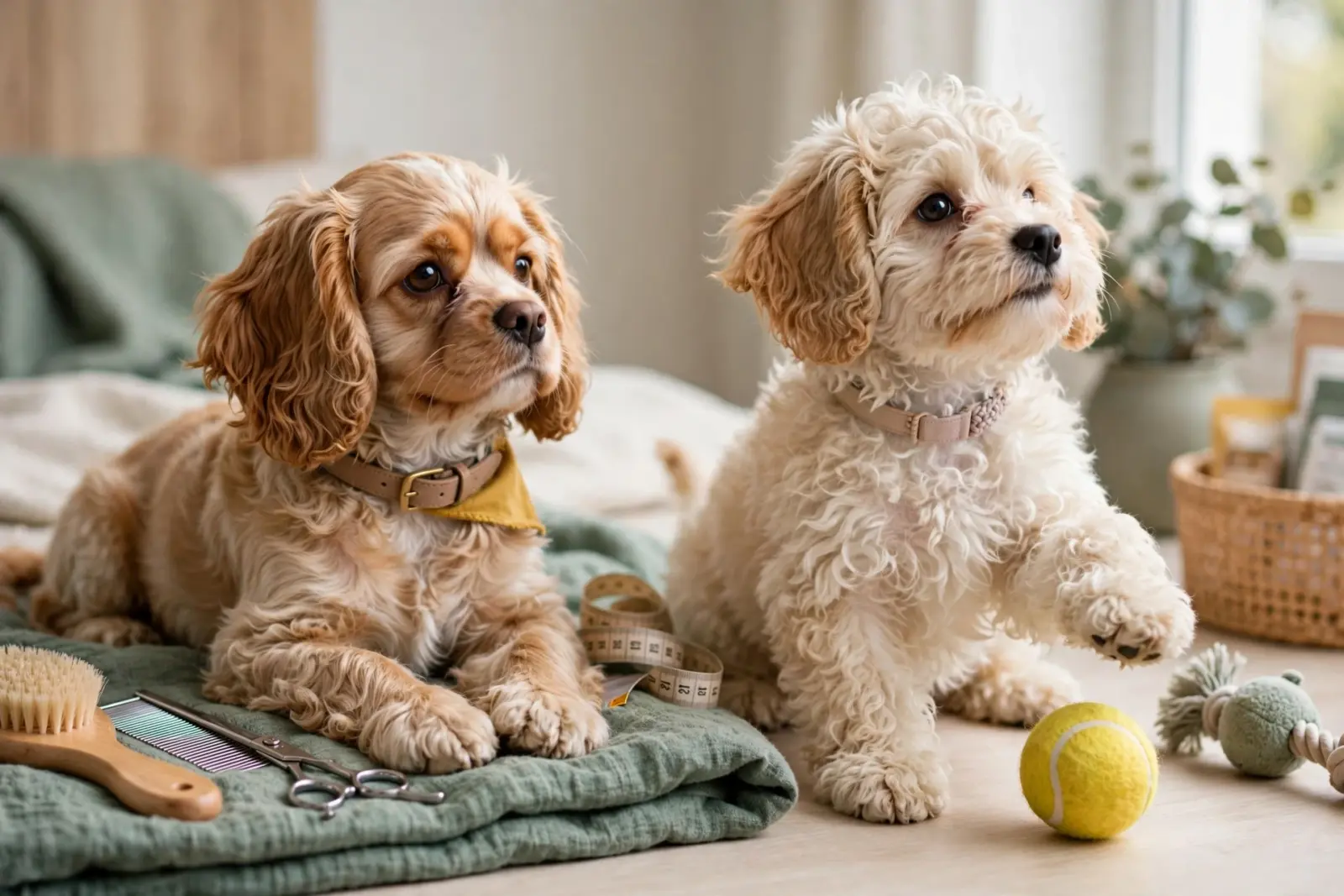
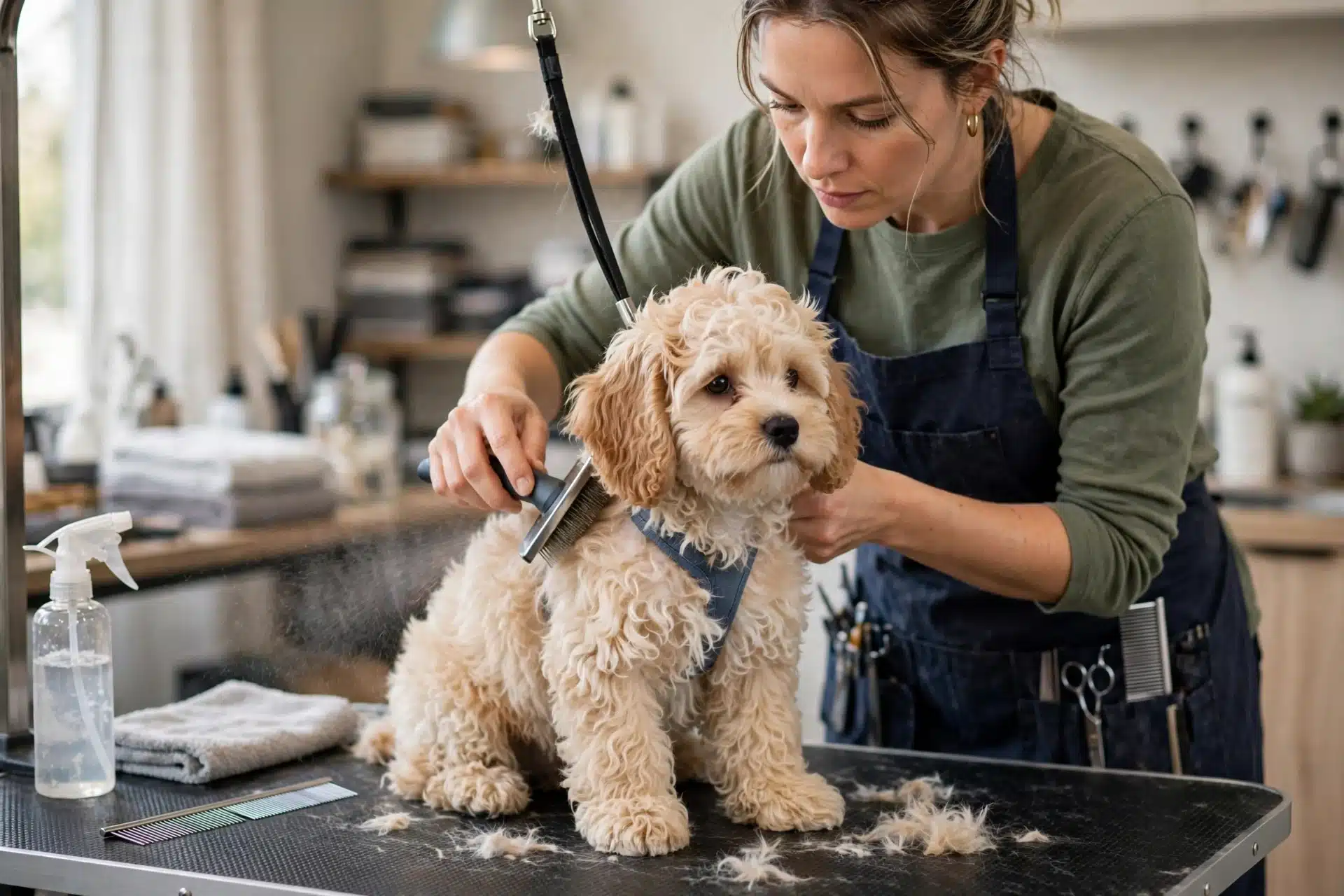
How often should you brush a Havapoo’s coat? Brush two to three times a week at minimum, and daily during coat changes at 6 to 12 months. The Havanese-Poodle mix coat is low-shedding, not no-maintenance: loose hair stays trapped and tangles fast. Use a slicker brush and metal comb, working from skin outward, and pay extra attention behind ears, armpits, and the harness area. Most Havapoos need a professional trim every 6 to 8 weeks.
Ears, Eyes, and Nails
Those floppy ears trap moisture, so check them weekly and clean with a vet-approved solution if they look dirty or smell. Light tear staining near the eyes is common in the breed; wipe gently with a damp cloth daily. Trim nails every 3 to 4 weeks, or when you hear clicking on hard floors. If you want a deeper routine for each task, our small breed puppy care guide walks through feeding, grooming, and training step by step.
First-Week Home Setup
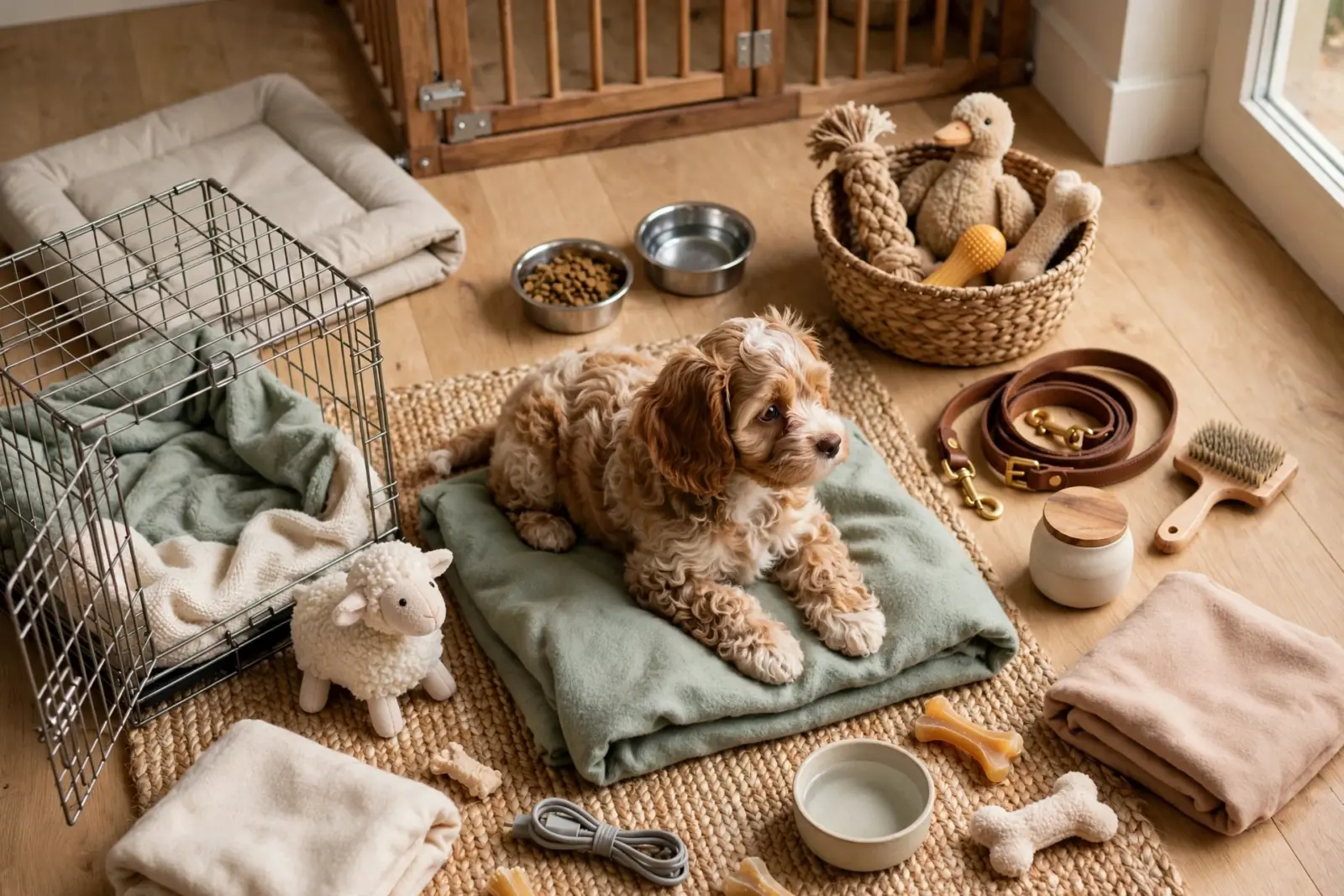
Before your puppy arrives, set up one small gated area with a crate, water, and a potty spot nearby. Puppy-proof by tucking cords, moving plants up, and picking up small objects. Keep a consistent corner for meals so the schedule above takes hold quickly. The team at Sage Puppies sends each new family a first-week checklist, since a calm, contained start makes house training easier.
Health and Veterinary Care
Most Havapoos stay healthy, but they can inherit problems from either parent breed. The conditions worth knowing about include:
- Patellar luxation, a kneecap that slips out of place
- Progressive retinal atrophy (PRA), an inherited eye disease that causes vision loss
- Heart issues, especially in aging Havanese lines
- Legg-Calvé-Perthes disease, a hip joint problem in small breeds
- Dental disease, which affects most small dogs by midlife
Warning signs to watch: limping, hesitating on stairs, bumping into furniture, a cloudy or withdrawn look in the eyes, coughing, or bad breath with red gums.

Conditions Seen in Both Parent Breeds
Knees, eyes, and heart are the shared trouble spots. Havanese and toy Poodles are both prone to luxating patellas, and both can carry the gene for PRA, which is why dogs with the condition should not be bred, as PetMD explains in its Havanese health guide. Because the mix is hybrid, a puppy may dodge some risks or inherit others from either side.
Dental Care for Small Breeds
Small mouths crowd teeth together, so plaque builds up fast. Gum disease is one of the most common problems vets see in little dogs. Brush daily or at least several times a week with dog toothpaste, and plan on professional cleanings when your vet recommends them. Dental chews help, but they do not replace a toothbrush.
Screening, Lifespan, and Honest Expectations
No breeder can promise a puppy will never get sick. What you can ask for is proof: eye clearances, patella exams, and cardiac checks on both parents. Well-bred Havapoos and Havanese are long-lived dogs, often reaching the mid-teens, and the Havanese Club of America notes heart disease there is usually a function of natural aging. At Sage Puppies, health testing on the parents is part of the program, not an add-on. Combine that head start with yearly vet visits and steady dental care, and you have done most of what good health requires.
Training, Exercise, and Mental Stimulation
Havapoos learn fast, but they need structure early. This section covers the socialization window, the training style that suits the breed, and how much daily activity keeps a Havapoo happy.
Socialization in the First 16 Weeks
The first three months shape a Havapoo’s adult temperament more than any other period. The AVSAB puppy socialization guidance notes sociability outweighs fear during this window, so introduce your puppy to varied people, sounds, surfaces, and gentle handling right away. Puppy classes can start as early as 7 to 8 weeks. Short, calm outings work best, and keep each new experience positive.
Rewards-Based Training That Works
Use treats, praise, and play to reward behavior you want. Havapoos are sensitive, so harsh corrections can shut them down or trigger nervous barking. Keep sessions to five minutes, repeat them a few times a day, and teach basics like sit, come, and settle first. Crate training and a steady routine also ease house training.
Keep treats under 10% of daily calories so training rewards do not upset the feeding plan.
Daily Activity and Enrichment
Most adult Havapoos do well with two short walks plus indoor play. Their small size means less ground to cover, but they still need daily movement. Add mental work: snuffle mats, puzzle feeders, and short trick sessions tire them out faster than extra miles.
Because the breed bonds closely with people, avoid long stretches alone. Gradual alone-time practice from puppyhood helps prevent separation anxiety and nuisance barking. A tired, mentally busy Havapoo is a calm housemate.
Choosing a Healthy Havapoo Puppy
A healthy Havapoo puppy comes from health tested puppy parents, clear records, and a breeder who answers questions directly. Start there, and most other risks shrink.
Questions to Ask Before You Reserve
Ask what screening each parent has had, and ask for the actual results rather than a summary. For the Havanese side, current CHIC requirements cover annual eye exams, hip x-rays, and patella certification. Then ask about the puppy itself: vaccination dates, deworming history, and when a veterinarian last examined it. Request the vet’s name so your own vet can follow up. Also ask how the puppies are raised and who handles them daily. If a breeder dodges these questions, keep looking.
Warning Signs and Safe Practices
Walk away from sellers who won’t show the mother, push same-day deposits, or meet you somewhere random with a litter of “ready now” puppies. Be equally wary of prices that look too good, missing paperwork, and breeders who promise an allergy-proof coat. No breed is, so talk with your allergist if allergies are a concern. Pay by traceable methods, and never send gift cards or wire transfers. Our guide to health-tested puppy parents covers the screening questions in more depth.
How Sage Puppies Raises Havapoo Puppies
Sage Puppies keeps its program small on purpose. Cassie Milar breeds Havanese, Havapoo, and Cavapoo only, from her home in South Jordan, Utah, so every puppy gets daily handling from birth. Each family completes an application before matching, which lets her pair the right puppy with the right household instead of selling on a first-come basis. Puppies go home with their exam records, vaccination history, and feeding instructions. Pricing and reservation details are published up front, and Utah families can pick up their puppy locally while national families can arrange delivery.

If a small, friendly, low-shedding companion fits your home, the next step is simple. Sage Puppies matches Havapoo puppies with Utah and national families through an honest application, so you know temperament and size before you commit. Apply today.
Frequently Asked Questions
Q1: What are the Havapoo puppies temperament and care basics?
Havapoo puppies are typically affectionate, watchful, and quick to learn, but each one leans toward its Havanese or Poodle parent. Care basics: two to three meals daily, brushing several times a week, short positive training sessions, and gradual alone-time practice.
Q2: How big does a full grown Havapoo get?
Most stay under 15 pounds and 8 to 15 inches tall, depending on whether the Poodle parent is toy or mini.
Q3: Do Havapoos shed or trigger allergies?
They shed very little, but no dog is allergy-proof. Spend time with the coat before committing.
Q4: How long can a Havapoo be left alone?
Build tolerance slowly with short absences. Long workdays need midday help.
Q5: What health tests should Havapoo parents have?
Ask for eye clearances, patella exams, and cardiac checks with documented results.
Conclusion
A Havapoo’s temperament comes from both parent breeds, so expect affection, smarts, and some variance in size and coat even within one litter. Most adults stay under 15 pounds, and honest breeders show health tested puppy parents with eye, patella, and cardiac records rather than promises. Daily care is simple but steady: measured small-breed meals, brushing several times a week, dental care, and gradual alone-time practice from puppyhood. No puppy is allergy-proof or maintenance-free, and any breeder who claims otherwise is telling you to walk away. Match the puppy to your household with facts in hand, and this small companion can be a calm, happy family dog for years.