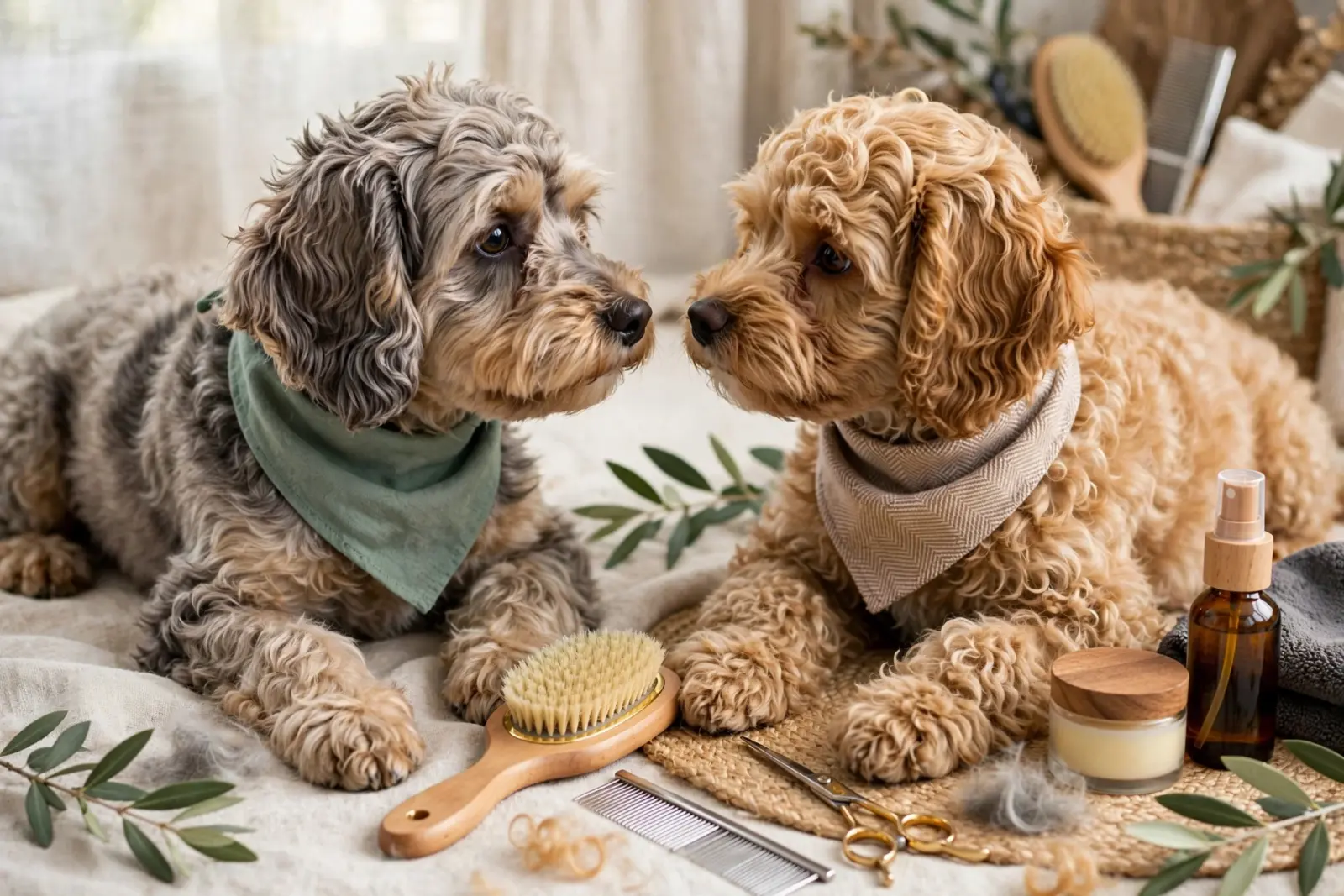
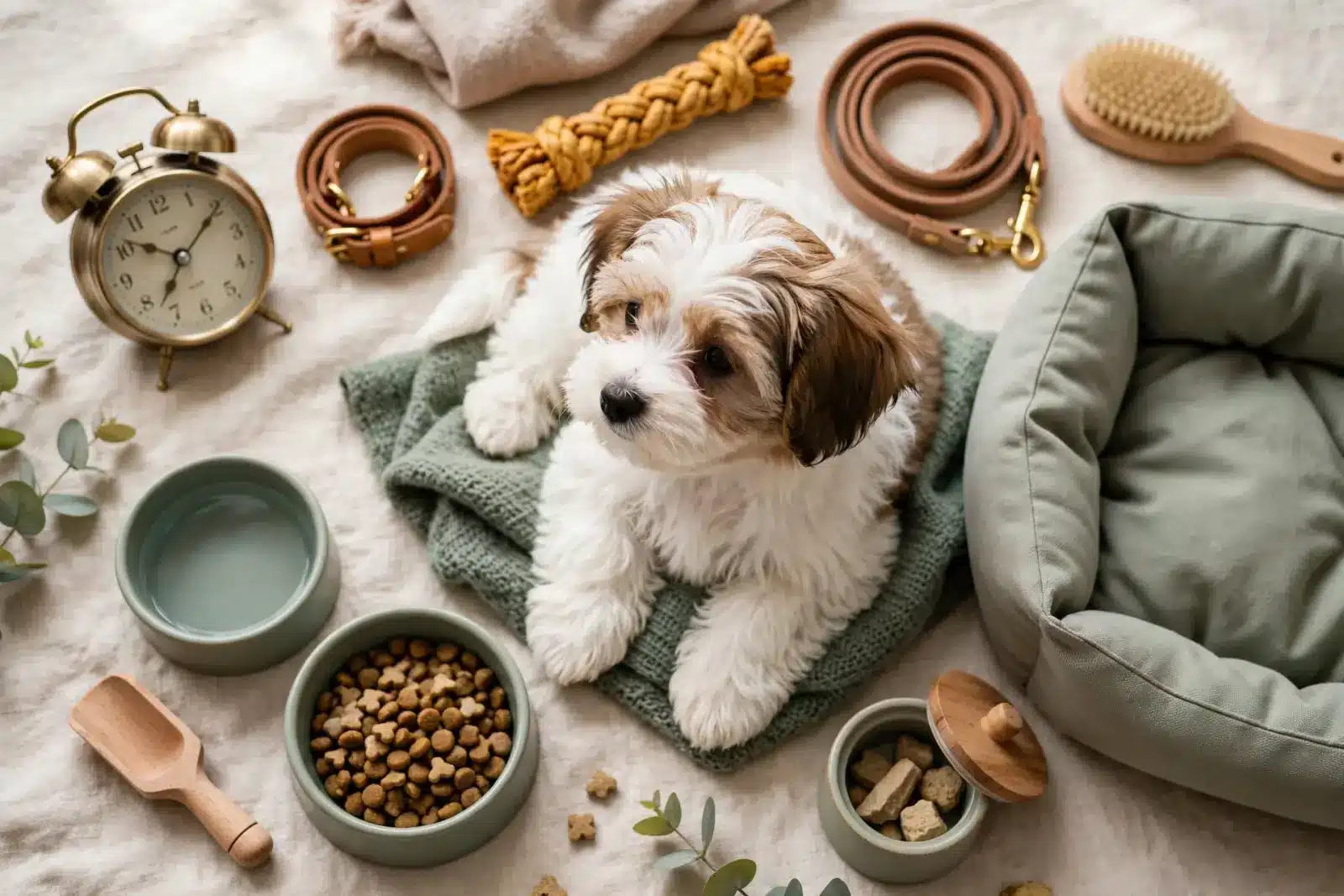
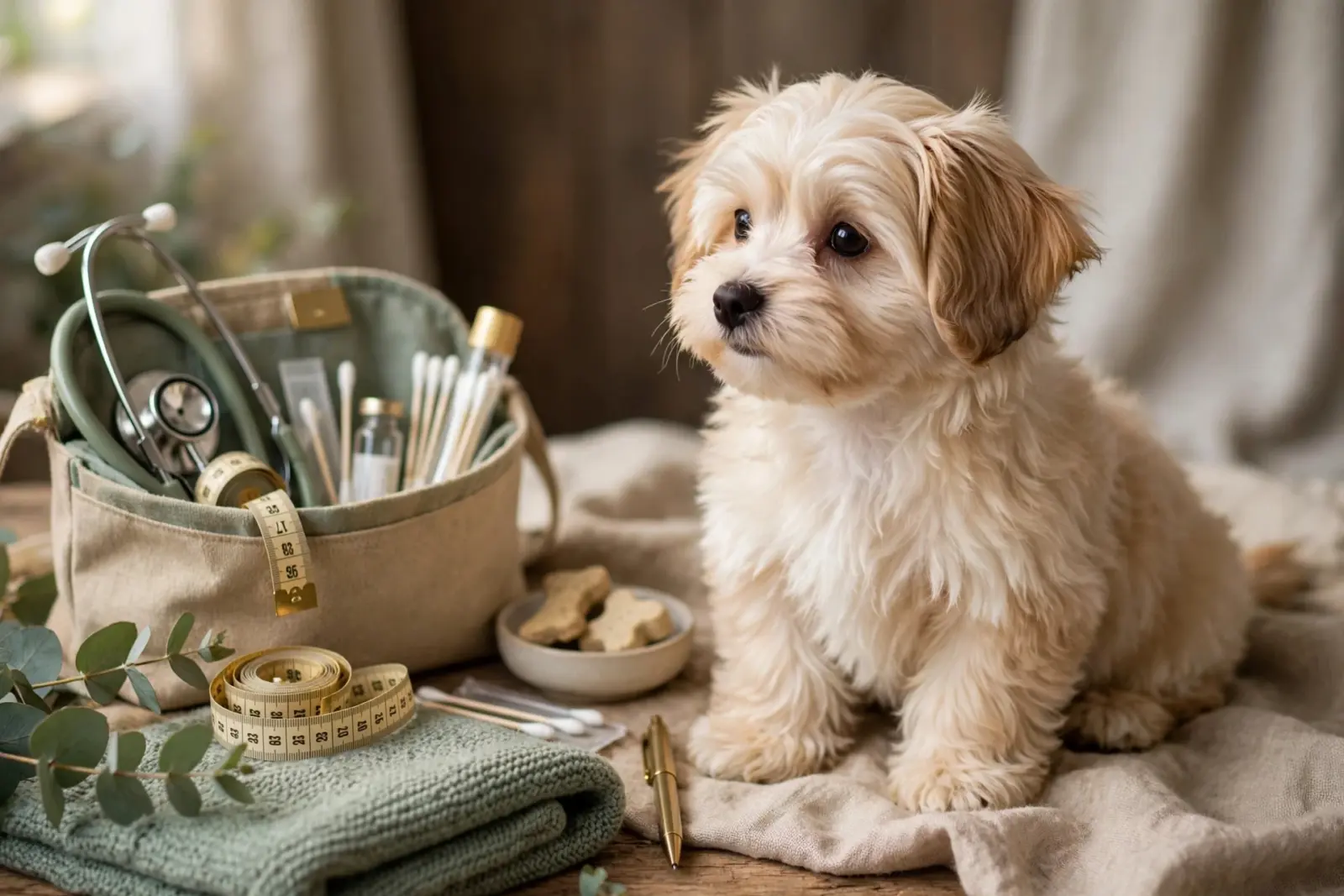
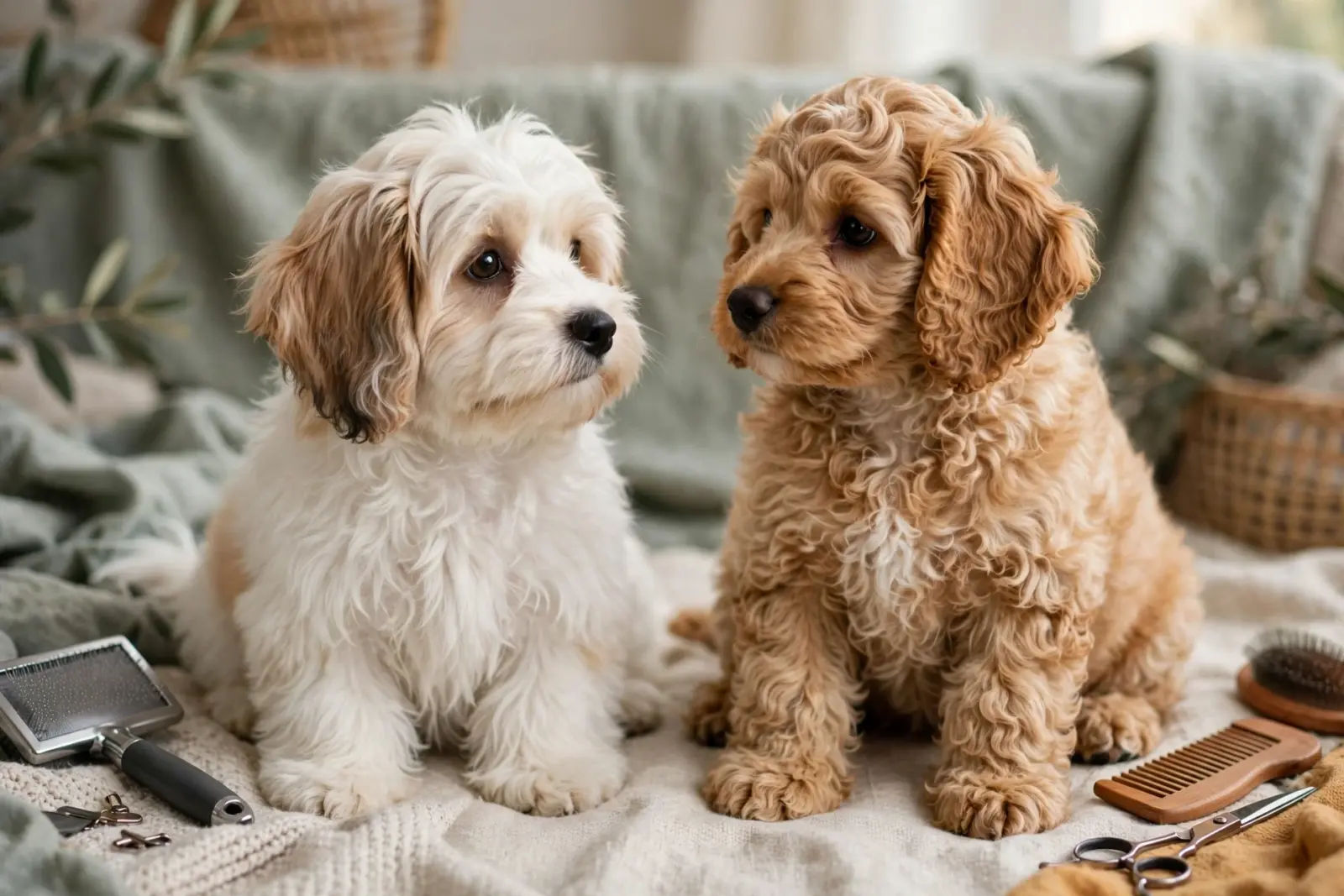
Quick Summary: Brush and comb a Havanese puppy’s dry coat at least three days a week, focusing on behind the ears, under the collar, and in the armpits where mats begin. Bathe every one to two weeks after a full brush-out, wipe the eyes daily, and check ears, nails, and teeth weekly. Introduce the dryer and clippers early with short, positive sessions, then book the first professional groom at 4 to 6 months and return every 4 to 6 weeks, increasing brushing during the 9-to-18-month adult coat change.
Run a comb through a Havanese puppy’s fluffy coat for the first time and you will find tangles in places you never expected. Armpits, behind the ears, the collar line. Even a calm evening session takes about four minutes once those spots start matting. Most new owners wait too long between brush-outs, so small knots turn into full mats that need shaving.
This guide gives you a Havanese puppy grooming schedule built week by week through the first year, not vague advice for adults. You will see how often to brush, when to introduce the dryer and clippers, how bathing changes with age, and the right point for a first professional trim.
It follows breed guidance from the Havanese Club of America, plus the coat care steps breeders hand to puppy families at pickup and delivery. The result is a schedule you can actually keep.
Step 1: Your First Four Weeks at Home
A Havanese puppy grooming schedule starts before any bath or clipper touches your puppy. The first month is about trust. Brush how often? Daily, or at least four days a week, is the rule most sources agree on, because the fine puppy coat tangles fast, and PetMD’s Havanese care guide recommends daily brushing as the safest habit.
Days One to Seven: Handling, Brushing and Praise Only
Spend this week teaching your puppy that being touched is good news. Handle the paws, ears, belly and tail for a minute or two each day, then follow with praise and a tiny treat. Add one short brushing session, two or three minutes, on a towel. Stop while your puppy is still happy. Short wins now prevent squirming later.
Introducing Water, Clippers and the Dryer Without Stress
Week two or three, let your puppy watch and hear the tools before you use them. Run the dryer across the room while your puppy eats. Turn the clippers on, off, then touch a hind leg with the flat side. First bath should be warm water, puppy shampoo and a calm voice, then towel dry and a low-heat dryer finish. These small sessions matter more than any single Havanese puppy grooming schedule, and that page walks through feeding and early care too.
What to Ask Your Breeder Before Pickup
A good breeder hands over written coat care instructions, which the Havanese Club of America Code of Ethics expects sellers to provide. Ask what products they used, how the puppy reacted to the dryer, and whether the parents are clipped or kept in full coat. Any breeder you work with, including a small program like Sage Puppies, should answer these without hesitation, because your grooming schedule builds on the puppy’s first eight weeks.
Step 2: The Weekly Core Routine You Repeat
A weekly grooming schedule for a Havanese puppy combines short brushing and combing sessions several days a week, one full brush-out before a bath every one to two weeks, daily eye wiping, and a weekly check of ears, nails and teeth. Everything on this list takes under an hour when spread across the week.
The Weekly Schedule at a Glance
| Task | How Often | Time |
|---|---|---|
| Brush and comb through | 3 or more days a week | 5-10 minutes |
| Full brush-out, then bath | Every 1-2 weeks | 20-30 minutes |
| Wipe eyes, check tear stains | Daily | 1 minute |
| Ears, nails, mouth check | Once a week | 5 minutes |
| Detangling spray on friction zones | Each brush session | Included |
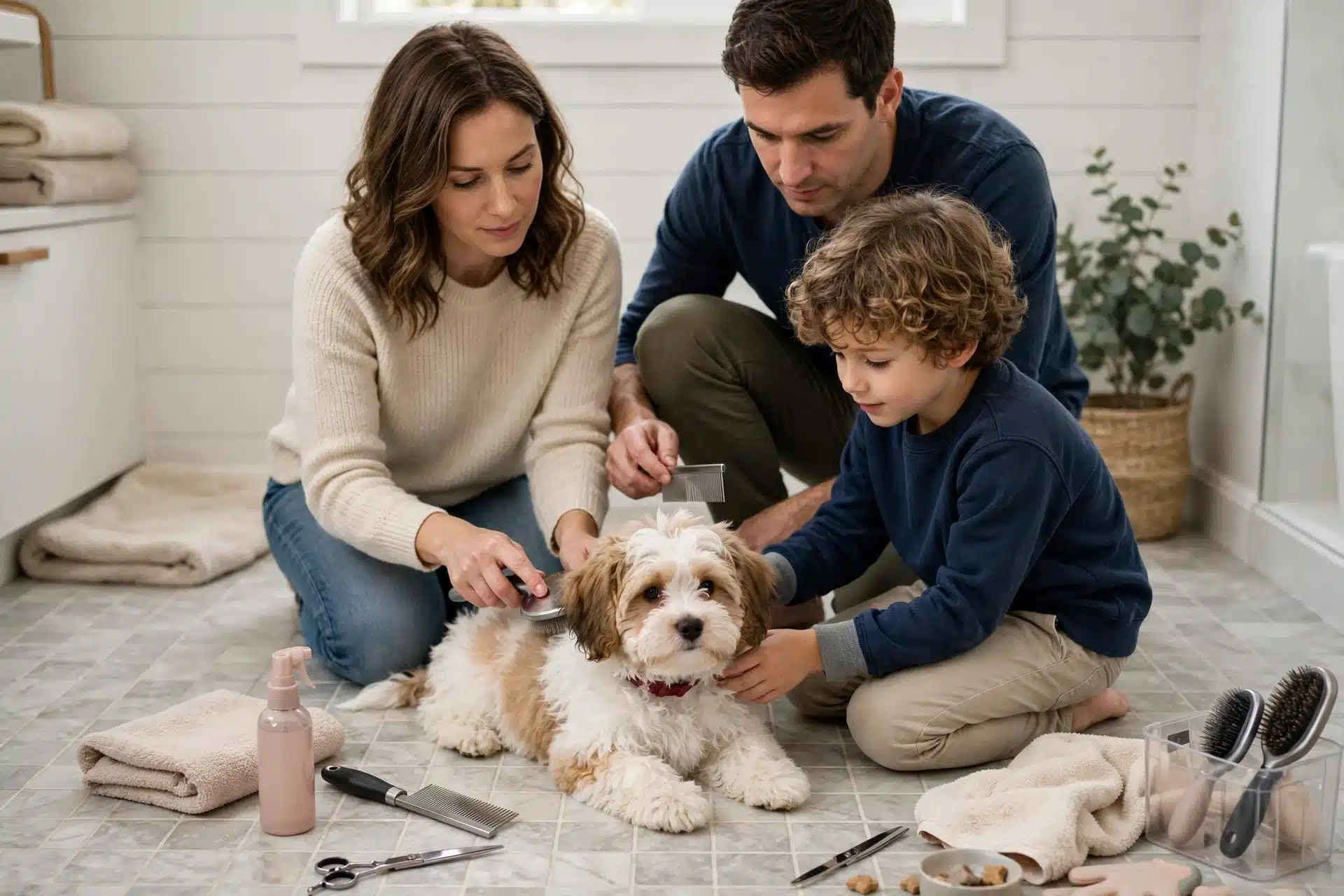
The Havanese Club of America recommends brushing and combing puppies about three times a week so they grow used to being handled. That habit matters more than perfection right now.
How Often and How Long
Keep sessions short while your puppy is small. Three to five minutes on non-bath days builds tolerance; the AKC notes the breed’s long, soft coat needs frequent combing to stay mat-free. Always brush a dry coat, because wet tangles tighten. Spray a light dog detangling spray first, then work through the friction zones: behind the ears, under the armpits, the belly and the trousers area. If you keep a short puppy cut, you can stretch brushing to every other day once the adult coat comes in.
Face, Eyes and Tear Stains
Wipe under each eye daily with a damp cloth or a vet-approved eye wipe. Havanese puppy tear stains show up as rusty streaks below the inner eye corner, and daily wiping keeps them from setting in. Hair growing toward the eyes should be trimmed or gathered into a loose topknot so it cannot rub the cornea. Never point scissors toward the eye; use small rounded-tip shears and only trim what you can see clearly. Persistent redness, squinting or heavy discharge needs a vet, not more wiping.
Ears, Nails and a Quick Mouth Check
Once a week, lift each ear flap and look inside. The ear canal should be pale pink and clean with no sour smell. Wipe only the visible part with a canine ear cleaner, never a cotton swab down the canal. Check nails next; if you hear clicking on hard floors, trim just the tips. Finally, lift the lips and glance at the gums and teeth. The same steps in our nails, ears and eyes routine work for any small breed puppy, so one habit covers the whole house.
Step 3: Bathing and Brushing Out on a Monthly Cycle
How Often to Bathe a Havanese Puppy
Bathe a Havanese puppy every two to four weeks. The Havanese Club of America suggests at least every two to three weeks as a general rule, though a puppy in a short puppy cut that stays clean can stretch closer to a month. Bathe more often after muddy play, and always brush the coat out fully before wetting it. Water tightens existing mats, so a wet tangle becomes a very hard tangle.
The Home Bath, Step by Step
Set up before you start: towels, puppy shampoo, and a non-slip mat in the sink or tub.
- Brush and comb the coat completely dry, misting with a dog detangling spray if you hit resistance.
- Use lukewarm water and wet the coat down to the skin.
- Apply puppy shampoo, work it through with your fingers, and rinse until the water runs clear. Leftover soap itches.
- Squeeze water out with your hands, then towel dry. Skip human hair dryers on hot; use a dryer on cool or low while you brush, so the coat dries straight.
Many Havanese puppies learn to tolerate the dryer best if you introduce it during their first baths, running it briefly at a distance before each session.
The Monthly Full Brush-Out
Once a month, give the coat a full brush-out on a table or your lap: line by line, down to the skin. Pay extra attention to friction zones where mats form, including behind the ears, under the collar, in the armpits, and along the belly. A thorough session takes about 20 to 30 minutes. Our Havanese care guide for first-time owners covers more of this routine, and your breeder’s coat care notes are worth following over generic advice.
Step 4: The First Professional Groom and What Comes After
When to Book the First Visit
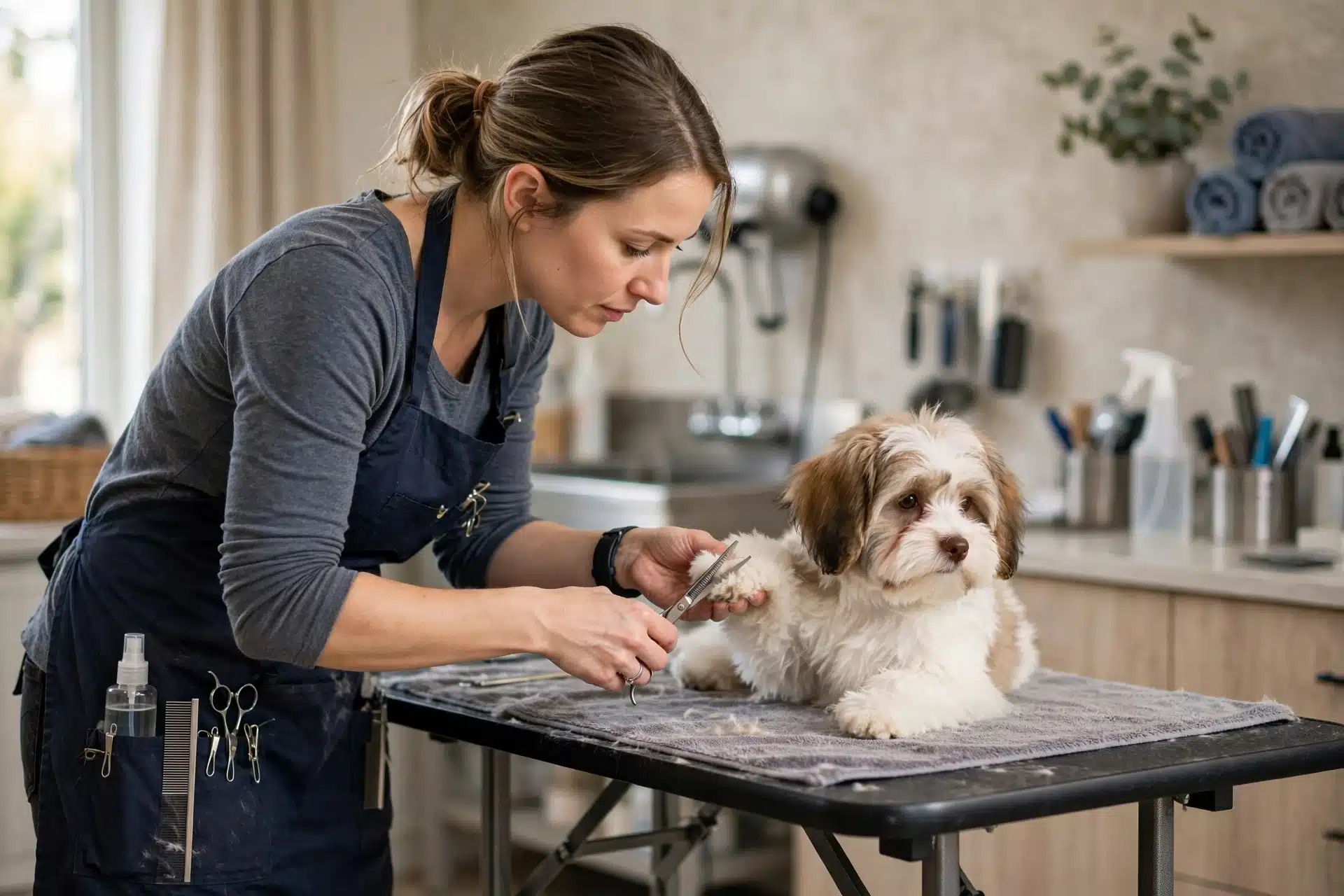
A Havanese puppy’s first professional groom usually lands between 4 and 6 months old, once the full vaccine series is done and the salon can safely accept your pup. Book earlier than you think you need to. Salons fill up, and an easy, short first visit matters more than a perfect cut. Call ahead, ask how they handle puppies, and request a brief session.
- Ask for a puppy intro groom: bath, trim, nails, no long wait time.
- Visit the salon first so your pup smells it before the real appointment.
Choosing a Cut You Can Actually Maintain
Most family Havanese do best with a puppy cut or teddy bear cut: an even length of about 1 to 2 inches all over, with the face left soft and natural. Long show-style coats look lovely but need daily combing, so skip them unless grooming is your hobby. Ask the groomer to keep a loose topknot or trimmed face hair out of the eyes. A slightly shorter trim actually saves you brushing time at home, and it grows out fine.
The Return Cycle Between Grooms
Plan on a professional groom every 4 to 6 weeks. Between visits, keep your home routine going: brush and comb three or more days a week, bathe every 1 to 2 weeks, and check the friction zones behind the ears, under the collar, and in the armpits where mats start. If tangles multiply faster than you can work them out, shorten the interval rather than fighting the coat alone.
Step 5: Adjusting the Schedule as Your Dog Grows
The weekly plan that works at 12 weeks will need small changes as your dog matures. Havanese coat texture, seasons and your dog’s own habits all shift how much time brushing really takes.
From Puppy Cut to Adult Coat
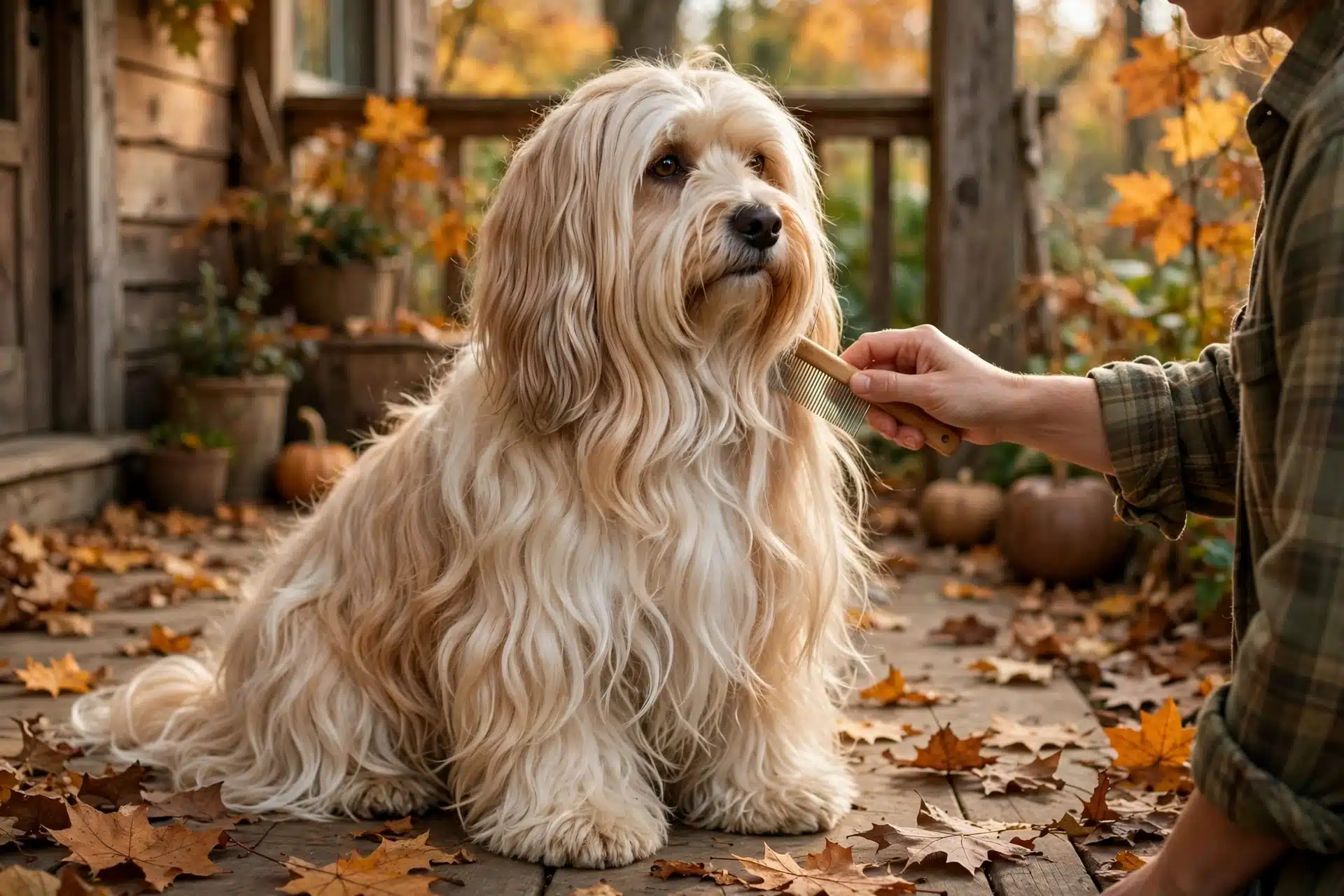
Somewhere between 9 and 18 months, the soft puppy coat gives way to the denser adult coat. This transition is the matting danger zone: the two coat textures tangle where they meet, especially behind the ears and in the armpits. If you keep a short puppy cut, the change is mild. If you grow the coat long or add a topknot, expect to move from three brush days a week toward near-daily sessions, and use a detangling spray so you can brush a dry coat without breakage.
Season, Climate and Coat Texture
Utah winters mean dry indoor air and snow, so coats pick up static and ice balls between the pads. Rinsing or wiping paws after walks helps. In summer, a shorter trim keeps a Havanese comfortable, though the coat also insulates against heat, so ask your groomer rather than shaving to the skin. Rain and mud stretch bath intervals and add brushing time. Straighter coats shed tangles faster; a curlier Havapoo coat mats quicker and needs more frequent comb-throughs.
Signs the Schedule Is Not Working
Your dog will tell you the plan needs adjusting. Watch for mats you can feel but not see through, tear stains reappearing within a day of cleaning, or a comb that stops at the same spot every session. Scratching after baths can point to harsh shampoo or leftover soap. If a full brush-out creeps past 30 minutes, split it into two shorter sessions instead.
Common Mistakes to Avoid
Skipping the Friction Zones
Mats start where hair rubs: behind the ears, under the collar, in the armpits and along the harness line. Owners brush the easy back hair and miss these spots, then find tight mats weeks later. Lift each ear and work through the base, run your fingers under the collar area, and feel the armpits every session. Two extra minutes there saves a shave-down later.
Rubbing With a Towel and Brushing Dry Coats
After a bath, blot the coat with a towel instead of rubbing. Scrubbing packs loose hairs into tangles fast. Then brush only once the coat is damp or fully dry, never soaking wet, because wet hair stretches and snaps. A light dog detangling spray makes the brush-out easier and protects the coat while you work through it.
Tight Hair Ties and Home Eye Trims
Topknots keep face hair out of the eyes, but a band pulled too tight breaks hair and sore spots at the roots. Keep them loose and move the position each day. Leave scissor work around the eyes to your groomer. One flinch at the wrong moment can cost your puppy an eye.

A short weekly routine now saves you from matted coats and stressful salon visits later. Start the schedule this week, and your puppy will accept brushing for life. Want a well-started Havanese, Havapoo or Cavapoo raised with grooming handling from day one? Visit Sage Puppies to start your application.
Frequently Asked Questions
Q1: What is a good Havanese puppy grooming schedule?
Brush and comb three or more days a week for five to ten minutes, bathe every one to two weeks, wipe eyes daily, and check ears, nails and teeth weekly. Book the first professional groom between four and six months old, then repeat every four to six weeks.
Q2: How do I introduce my puppy to the dryer and clippers?
Run the dryer across the room during meals and touch turned-off clippers to a hind leg. Short, calm sessions in weeks two and three build tolerance before any real grooming.
Q3: When should a Havanese puppy get its first professional groom?
Usually four to six months, once vaccines are complete. Ask for a short puppy intro groom and visit the salon beforehand.
Q4: Should I brush my Havanese puppy wet or dry?
Always brush dry, or lightly damp with a dog detangling spray. Wet hair stretches and snaps, and water tightens existing mats.
Q5: What happens to grooming during the adult coat change?
Between nine and eighteen months, the two coat textures tangle where they meet. Move toward near-daily brushing in friction zones like behind the ears and armpits.
Conclusion
A Havanese puppy grooming schedule comes down to a few habits repeated on time. Brush and comb three or more days a week, always on a dry coat, and work through the friction zones where mats form first. Bathe every one to two weeks with a full brush-out beforehand, wipe eyes daily, and check ears, nails and teeth each week. Introduce the dryer and clippers early, keep sessions short and positive, and book the first professional groom between four and six months. After that, plan on a salon visit every four to six weeks. As the adult coat arrives, expect brushing to take longer, especially behind the ears and in the armpits. Follow your breeder’s coat care notes, adjust with the seasons, and the routine becomes easy for both of you.