Quick Summary: Choose a healthy Cavapoo by verifying claims, not trusting promises: request both parents’ OFA and DNA reports, confirm them in public registries, and review the puppy’s veterinary certificate, vaccine record, deworming log, and exam notes. Observe the puppy’s movement, eyes, coat, breathing, and behavior, then examine the health guarantee’s deadlines and exclusions before paying. Refuse sellers who hide records, pressure you, or demand wire transfers, gift cards, or other untraceable payment, and arrange an independent vet visit within days of taking the puppy home. Health testing reduces risk but cannot guarantee lifelong health.
Two Cavapoo listings can show the same smiling puppy photo, the same price range, and the same phrase “health-tested” in the description, yet sit years apart on real veterinary care. The difference usually lives in paperwork you never see until after a deposit clears. That gap is the core problem for anyone choosing a healthy puppy: breeders can claim OFA testing, DNA panels, and vet checks, but claims cost nothing to make.
This guide gives you a seven-step checklist built on standards from the AVMA, Cornell’s Riney Canine Health Center, and the OFA. You will learn to request parent test results, read them properly, confirm registry entries yourself, audit the puppy’s own cavapoo vet exam and vaccine records, interpret DNA carrier status, judge the puppy in person, and read the cavapoo health guarantee for exclusions and claims terms. Sage Puppies, a small Cavapoo program in South Jordan, Utah, follows this documented process with its own litters, and the same verification steps work whether you buy from Sage or anyone else. Health testing reduces risk. It never guarantees a puppy will stay healthy for life.
Step 1: Verify the Breeder Before You Talk About Puppies
Choosing a healthy puppy starts with the breeder, not the litter. Before you fall for photos, confirm who you are dealing with, how their dogs live, and how they sell. Paperwork later in this guide only matters if the person behind it is legitimate.

Confirm There Is a Real Business and a Real Location
Start with basics any honest breeder shares without hesitation. Ask for the breeding program’s legal name, physical address, and state business registration. Look those up yourself. A legitimate program, like any small Utah or national breeder, can tell you where the dogs live and who answers your questions. If a seller gives only a first name and a shipping quote, stop there.
Understand How the Puppies Were Raised
Next, ask how the puppies spend their first eight weeks. You want answers about the home environment, contact with people, the mother’s presence, and early handling. Breeders who raise pups inside the family home can usually describe this in detail. Vague replies like “on the property” deserve a follow-up question, and the visit itself will confirm what you hear.
Know Which Selling Setups Carry the Most Risk
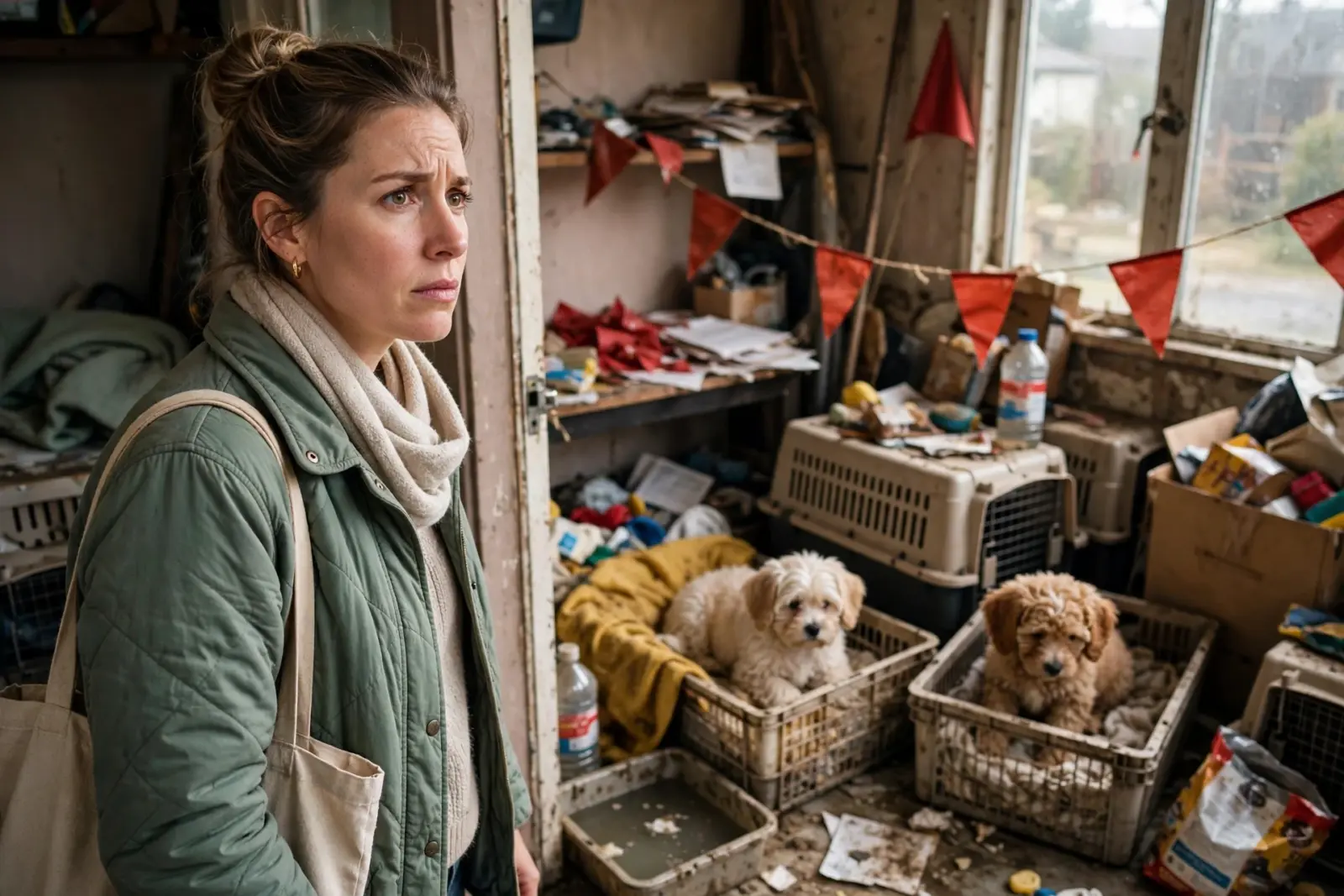
Some setups carry more risk than others. Large operations with many breeds, resellers, and sight-unseen shippers often hide puppy mills. A federal USDA license typically applies when a breeder keeps five or more breeding females and sells sight-unseen, so treat “licensed” as a floor, not a promise. The questions to ask the breeder on your first call will sort careful programs from careless ones fast.
Step 2: Get the Parents’ Health Test Results and Read Them Properly
Ask for documents, not assurances. A breeder who says the parents are tested should hand you the actual reports, including the registered names of both parents. That name is your key to confirming everything yourself, which is the core of choosing a healthy puppy rather than hoping for one.
Which Tests Belong in a Cavapoo Health Record
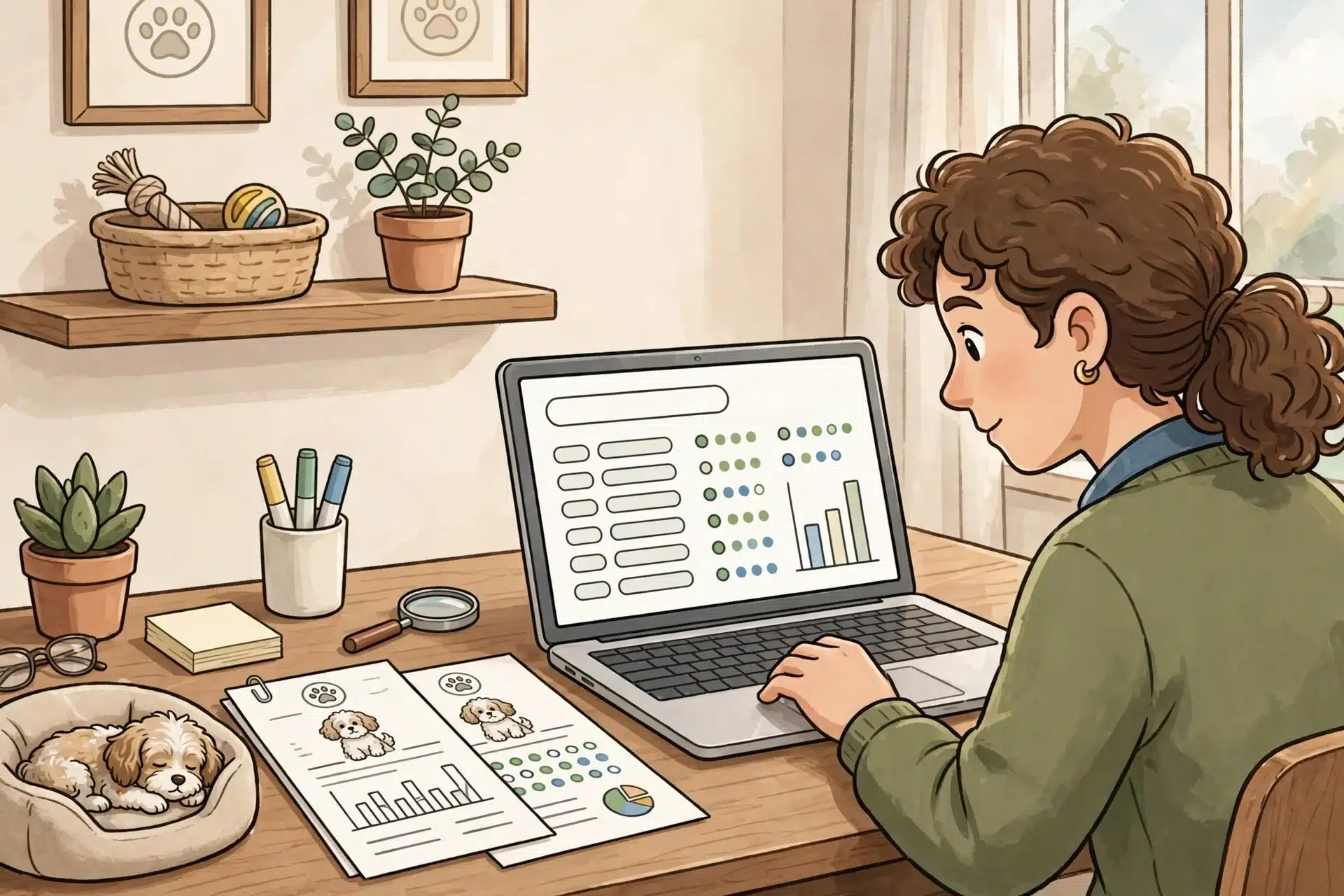
A solid Cavapoo parent record covers both sides of the mix. For the Cavalier side, look for heart clearance by a cardiologist, an eye exam, patellar luxation screening, and DNA tests for conditions such as syringomyelia risk markers. For the Poodle side, expect hip scores, patellar luxation, eye exams, and a DNA panel for Poodle diseases such as progressive retinal atrophy. Many breeders also earn a CHIC number, which shows the dog completed the breed’s required test list.
Verify Results Instead of Taking Screenshots at Face Value
A screenshot proves nothing. The Orthopedic Foundation for Animals keeps a public database, so you can check results yourself in about two minutes:
- Go to the OFA Advanced Search page.
- Enter the parent’s registered name and breed.
- Confirm each claimed test appears with a passing result.
- Compare both parents against the same checklist.
If a test you were promised does not appear, ask why before you pay anything.
How to Read a DNA Panel Without Over-Interpreting It
A DNA panel report lists several diseases with one of three outcomes:
| Result | What it means | What it matters for |
|---|---|---|
| Clear | No copies of the mutation | Nothing to worry about |
| Carrier | One copy, usually no symptoms | Fine if the mate is not a carrier |
| Affected | Two copies, likely to develop disease | Should not be bred |
A carrier parent paired with a clear mate can still produce healthy puppies, so carrier status alone is not a red flag. Sage Puppies shares which tests breeders should show so buyers know what a complete record looks like.
Step 3: Audit the Puppy’s Own Vet Exam and Health Records
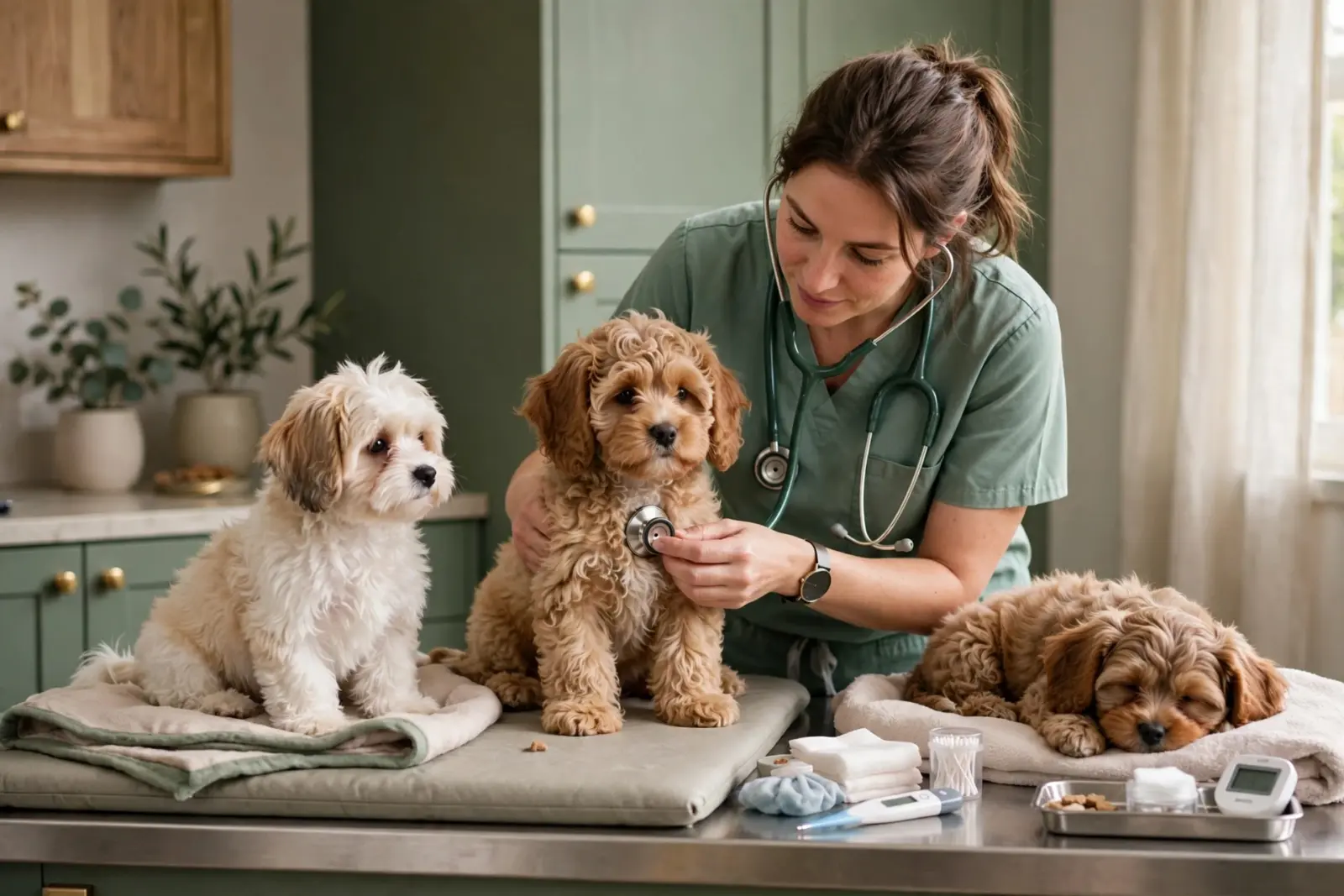
Parent testing tells you about the family. This step tells you about the puppy in front of you. A good breeder hands over four documents: a veterinary health certificate with the puppy’s description, age, and exam date; a vaccine record listing each shot, date, and vaccine brand; a deworming log with the product and dates; and the exam notes from the vet’s visit. Ask for all four before you commit.
What a Pre-Go-Home Veterinary Exam Should Show
The puppy health certificate should come from a licensed vet, not from the breeder’s own write-up. It should identify the puppy by age, color, and weight, state the exam date, and note that the heart, lungs, eyes, ears, and knees were checked. A certificate dated weeks before pickup is stale. Many states require an exam within a set window before sale or travel, so ask when the exam was done and who signed it.
Read the Vaccine and Deworming Records as a Timeline
Vaccine records work like a diary. Each entry needs the date, the exact product, and the puppy’s weight. At eight weeks a puppy typically has had its first round of puppy shots, with boosters following every three to four weeks until about sixteen weeks. Deworming usually starts earlier and repeats at set intervals. Gaps or vague entries like “first shots” deserve a question.
Tell the Difference Between Missing, Unverifiable, and Abnormal
Missing means no paper at all. Unverifiable means a photocopied form with no clinic name or a vet you cannot call. Abnormal means something written down, like a heart murmur or loose knees. Only the third one is a diagnosis. Bring the records to your own vet within a few days of pickup; a walkthrough of how to read a puppy vet record before buying helps you know what each line means.
Tip: A written note on the exam is not always a dealbreaker, but a breeder who hides it is. Responsible breeders share full records from a licensed vet rather than dodging questions about them, which matches what owners report when records are withheld. Sage Puppies provides each puppy’s exam and vaccine records before go-home day so you can review them with your own vet.
Sources and further reading:
- Your Puppy’s First Vet Visit – AKC Pet Insurance
- Understanding Veterinary Health Certificates
- Reddit discussion on breeders sharing vet records
Step 4: Meet the Puppy and Judge What You Can Actually See
How to Tell if a Cavapoo Puppy Is Healthy Before Buying
A healthy Cavapoo puppy looks bright, moves easily, and shows a steady appetite and normal stools. You can confirm most of this with your own eyes before you buy. Check these markers during any visit:
- Eyes and ears: clear eyes, no discharge, and clean ears without odor or scratching
- Coat and skin: soft fur with no bald patches, scabs, or constant itching
- Body condition: a pup you can feel ribs on but not see them
- Movement: even walking, no limping, and no hopping gait that can hint at patellar luxation
- Breathing: quiet at rest, no coughing or sneezing
- Temperament: curious and playful, though tired after play is normal

Questions to Ask While the Puppy Is in Front of You
Good breeders welcome questions, so use the visit well. Ask:
- Which puppy in the litter fits our household, and why?
- What have you observed about this pup’s energy and confidence?
- Has a vet examined this puppy, and when?
- What vaccines and dewormings have been given, and what comes next?
- What food is the puppy eating now?
- Can I see where the puppies live and meet the mother?
Watch how the answers land. A breeder who answers easily and volunteers detail is showing you the same openness the paperwork should back up.
What Changes When You Can Only See the Puppy by Video
Video visits work well for out-of-state families, but they narrow what you can judge. Ask the breeder to walk the puppy toward the camera, turn it around, and lift it briefly so you can check gait and body condition. Request a live, unedited call rather than a pre-recorded clip, and ask for short videos of the pup eating and playing. Then compare what you see against the puppy’s vet records. Some programs, including Sage Puppies, arrange video meet-and-greets during their matching process, which helps you judge temperament before pickup or delivery day.
Step 5: Read the Health Guarantee and Contract Terms Carefully
A cavapoo health guarantee is only as good as its written terms. Read the full contract before you pay a deposit, and compare what it covers against what the breeder claims in conversation.
What a Legitimate Health Guarantee Actually States
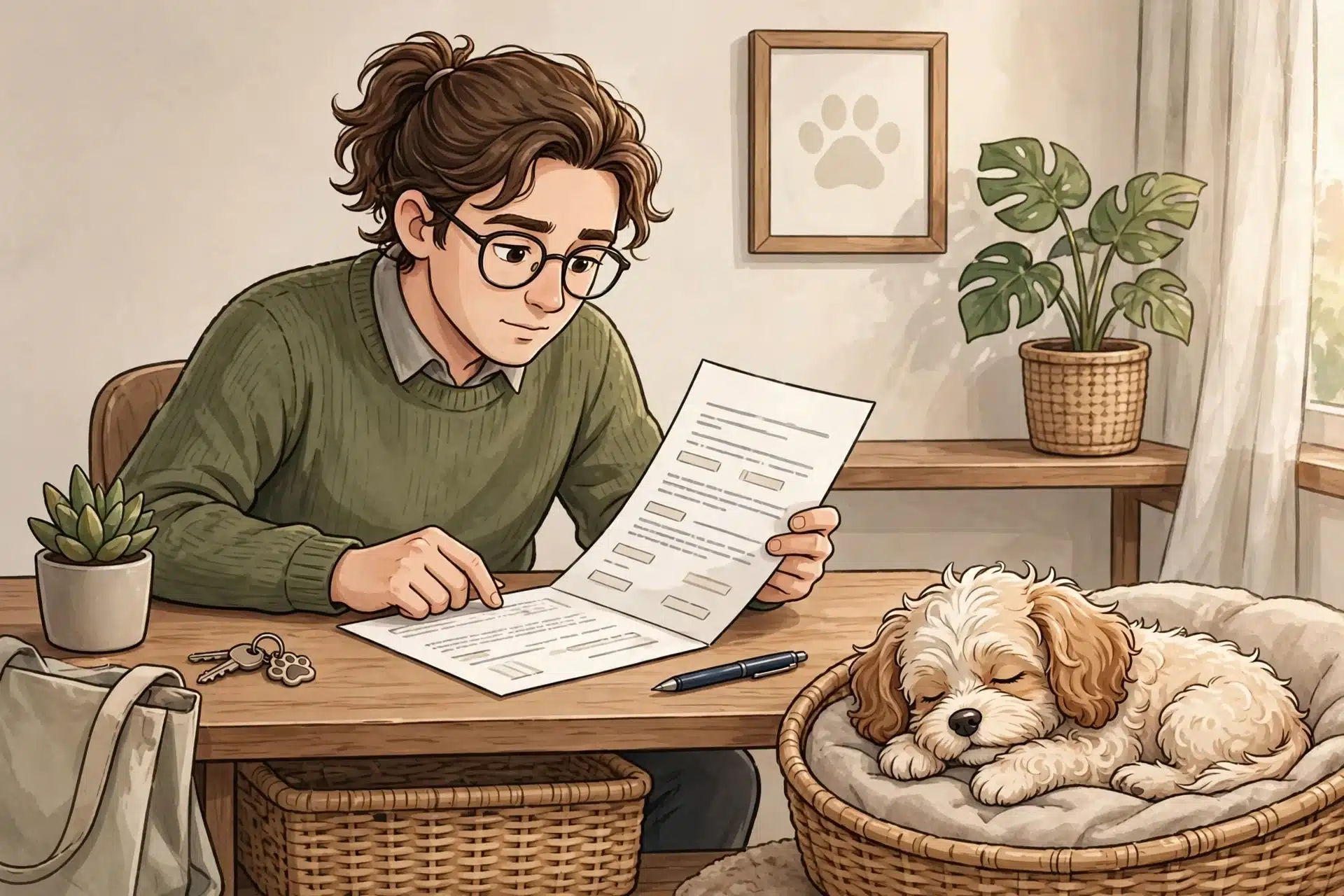
Most guarantees cover genetic conditions that appear within a set window, often one to two years. A legitimate document spells out the covered conditions, the time limits, your duties as the owner, and the remedies on offer, whether a refund, replacement puppy, or help with vet bills. If the contract lacks any of these elements in writing, the guarantee protects no one.
The Clauses That Decide Whether a Claim Succeeds
The claim rules matter more than the coverage list. Look for a required exam deadline after you bring the puppy home, documentation the breeder needs from your vet, exclusions such as neglect or missed vaccines, and a deadline for reporting a problem. Contracts with strict notice windows and vague exclusions can void a claim over an innocent mistake, so flag any clause you cannot meet before you sign.
What to Do If Something Is Unclear
Ask the breeder to clarify vague terms in writing, and keep the emails with your contract. Have your own veterinarian review the health sections if the language feels dense. Serious breeders answer these questions willingly; hesitation is a useful signal. Sage Puppies pairs its written health terms with documented parent testing, so buyers can match the contract against real records.
Search internal link opportunity: none needed here, as the relevant page was already linked earlier.
Step 6: Red Flags That Should Stop the Purchase
Some warning signs end the conversation on the spot. If a breeder or seller shows any of the following, walk away:
- Documentation: no OFA or DNA results shown, results that don’t match the registry, no vet exam or vaccine records
- Sales and payment: wire transfers, gift cards, Venmo or Zelle, pressure to pay a deposit today
- Soft signals: refuses a visit, no vet reference, vague answers about the mother
Documentation Red Flags
Ask to see every document from Steps 1 through 3. A real breeder shares parent OFA records, DNA panel results, and the puppy’s own health certificate without hesitating. Refusal is one answer. Screenshots without registry numbers, or names that don’t match the pedigree, are another. If a “guarantee” only exists in a text message, treat it as if it doesn’t exist.
Sales and Payment Red Flags
Scam warnings track payment method first. The FTC and AKC both flag gift cards, wire transfers, crypto, and payment apps as classic puppy scam moves, especially with shipped puppies. Demand for a deposit before you see records, a price far below typical Cavapoo rates, or “only one puppy left, pay now” all mean stop. Pay with a traceable method and only after verification.
Soft Signals Worth a Follow-Up Question
Some issues are unclear, not disqualifying. A breeder who won’t video chat or welcome a visit deserves one direct question about why. So does one who keeps puppies hidden from the mother, or can’t name their own vet. For more side-by-side examples, our guide to puppy breeder red flags covers what to ask next.
Step 7: Pay Safely and Set Up the First 72 Hours
Paying and Finalizing the Paperwork
Pay only after you have the signed contract, the puppy health certificate, and the vaccine and deworming records in hand. Pay with a credit card or a method that leaves a paper trail, and treat a wire transfer or gift-card request as a puppy scam warning sign. A Certificate of Veterinary Inspection is required for interstate air travel, so confirm the breeder has issued one dated within 10 days of the flight. Keep every receipt with the contract; both documents matter if a guarantee claim comes later.
Callout: Never let a payment deadline pressure you into skipping document review. A legitimate breeder welcomes the delay.
Confirm Handoff Details and Book the First Vet Visit
Before handoff, confirm the exact date, location, and who receives the puppy, whether that is a South Jordan, Utah local pickup or a delivery option. Planning pickup or delivery ahead of time keeps travel day calm for the puppy and for you. Then book a cavapoo vet exam within the first few days, since most puppies go home between six and eight weeks old with more shots due on a three-to-four-week schedule. Bring the records so your vet can plan the puppy vaccination and deworming schedule from day one, and keep the first 72 hours quiet, consistent, and low-pressure.

If you want a Cavapoo raised with this kind of documented care, take the next step. See Sage Puppies for current availability, or submit the application and Cassie will walk you through every health record before you commit. Wisely Bred. Beautifully Loved.
Frequently Asked Questions
Q1: How can I tell if a Cavapoo puppy is healthy before buying?
Look for clear eyes and ears, a soft coat, easy movement without limping, quiet breathing, and a curious, playful nature. Then match what you see against the puppy’s vet records.
Q2: What health records should a Cavapoo breeder provide?
Four documents: a veterinary health certificate, a vaccine record with dates and brands, a deworming log, and the vet’s exam notes. Ask for parent OFA and DNA results too.
Q3: What are red flags when buying a Cavapoo puppy?
Missing or unverifiable records, payment by wire transfer or gift cards, pressure to deposit quickly, refused visits, and a guarantee that exists only in texts.
Q4: Does carrier status on a DNA panel mean the puppy will get sick?
No. A carrier usually shows no symptoms. Puppies stay healthy when the other parent tests clear for the same condition.
Q5: When should my puppy see a vet after coming home?
Book a cavapoo vet exam within the first few days. Bring all records so your vet can plan remaining shots and deworming.
Conclusion
Choosing a healthy Cavapoo puppy comes down to one habit: verify instead of trust. Ask for parent test results, then read them rather than skim. Confirm OFA and DNA entries yourself in the registry. Audit the puppy’s own health certificate, vaccine record, and deworming log, and remember that carrier status is not a diagnosis. Judge the puppy in person or on a live video call, and read the health guarantee for exclusions and claim deadlines before you pay anything.
No test promises a lifetime of health. Good paperwork simply removes most of the risk, and a breeder who shares it willingly is showing you how they run their program. Use these seven steps with any breeder you consider, and you will spot the difference between a claim and a record.