Quick Summary: New puppies in Florida need a slow, indoor-first acclimation plan with brief, shaded potty trips during cooler hours, not long walks or outdoor play. Watch for heavy panting, drooling, or weakness as heat-stress signs, and cool with room-temperature water, never ice, while calling a vet for emergencies. Sage Puppies, which raises Havanese, Havapoo, and Cavapoo puppies, emphasizes keeping water close, testing pavement heat, and returning indoors before a puppy tires.
Your puppy can leave a cool car or delivery trip and meet bright sun, hot pavement, and wet air within minutes. That first bathroom break should be short, calm, and closely watched.
Florida heat puppies face more than high temperatures. Humidity for dogs slows normal cooling, while a puppy’s small body and unfamiliar routine raise the risk. Havanese, Havapoos, and Cavapoos may look ready to play, even when they need shade and rest.
This guide gives new families a clear arrival plan, safe outdoor timing, potty-break rules, and warning signs that need fast action. You will also learn puppy heat safety steps for travel days and daily walks. Sage Puppies raises small companion breeds for family life, so this advice focuses on the real adjustment Florida heat puppies need after coming home.
Step 1: Create a Cool Landing Zone Before Your Puppy Arrives
Set Up Air Conditioning, Shade, and Water
Your puppy should enter a calm, cooled room first, not a sunny patio or busy kitchen. Run the air conditioning before pickup or delivery. Set up a crate or pen away from windows, heat vents, and direct sun.
Keep these basics within reach:
- A spill-resistant bowl of fresh, cool water
- A shaded potty spot near the door
- A thin bed or cooling mat
- A quiet space away from excited children and pets
The American Veterinary Medical Association advises constant fresh water, shade outside, and cooler areas indoors. Those details matter for Florida heat puppies, especially after travel.
| Landing-zone item | Where it goes | Why it helps |
|---|---|---|
| Crate or pen | Cool indoor room | Gives your puppy a safe place to rest |
| Water bowl | Near the resting area | Supports hydration after travel |
| Shade | Potty area | Limits direct sun exposure |
Never leave a puppy in a parked car. Shade and cracked windows do not keep a vehicle safe.
Make the First Trip Outside Brief and Purposeful
Carry or leash your puppy straight to the potty area. Give them three to five quiet minutes to sniff and relieve themselves, then head back inside to cool down.
Choose grass over hot pavement. The AVMA warns that hot sidewalks and roads can burn paw pads, and recommends avoiding the hottest hours for walks.
Watch for heavy panting, drooling, weakness, or a puppy who stops moving. End the outing at once and bring them inside. Short, calm potty trips help Florida heat puppies adjust without turning their first day into a heat test.
Also Read: How to Keep a New Puppy Cool During Florida Car Travel
Step 2: Use a 72-Hour Indoor-First Acclimation Plan
The First 24 Hours: Rest, Potty, and Observe
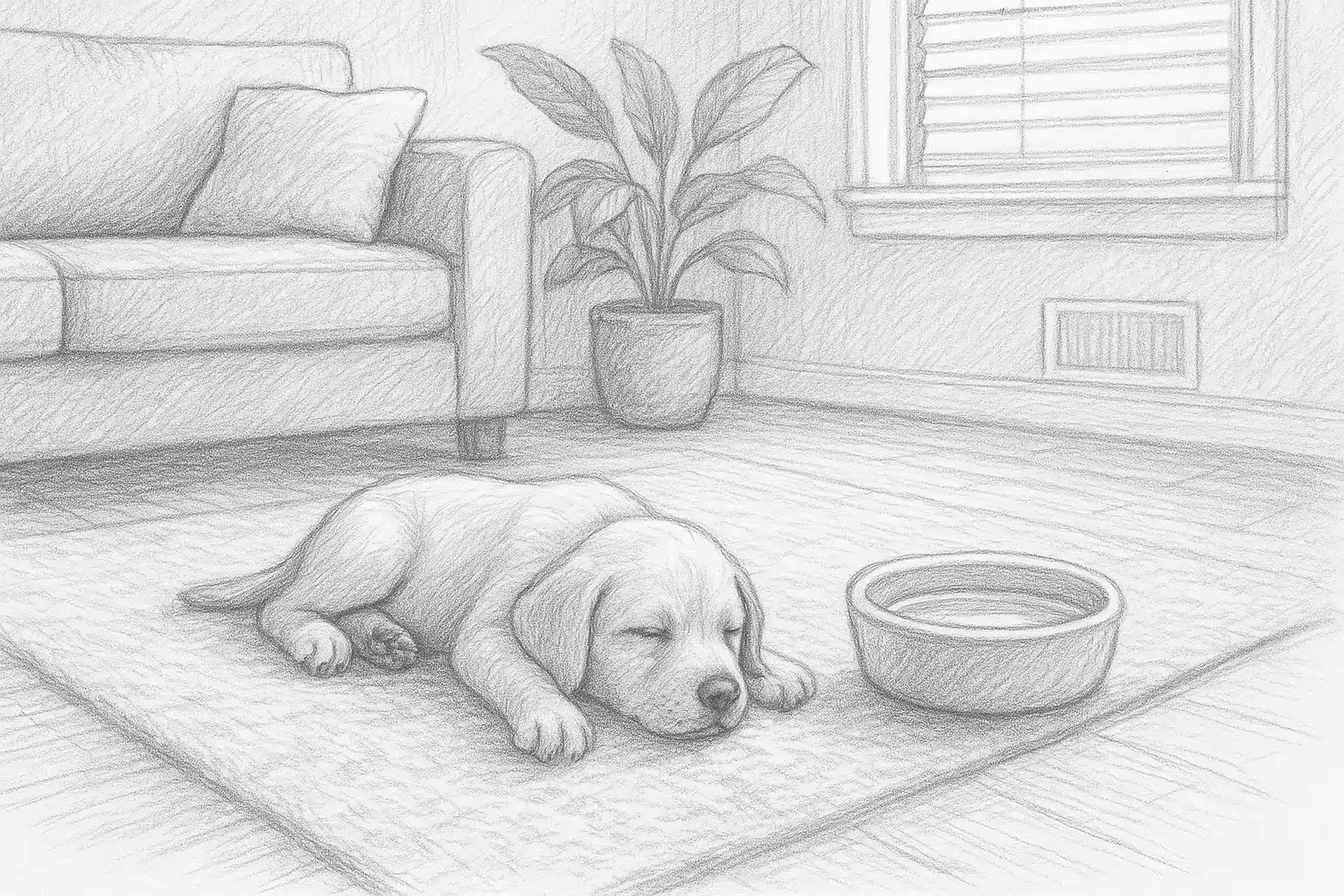
After travel or a big move, keep your puppy indoors except for brief potty trips. Set up a cool, quiet sleep space, fresh water, and a simple routine.
- Carry or leash your puppy to the same shaded potty spot.
- Give them a few calm minutes to go.
- Bring them straight back into air conditioning.
Watch appetite, water intake, stool, energy, and breathing. Skip visitors, long walks, and yard play today.
Florida humidity makes panting less effective. Keep the first day calm, cool, and predictable.
Days Two and Three: Repeat Before You Extend
Repeat the indoor routine before adding tiny outdoor exposures. Choose early morning or late evening, stay on grass, and return inside while your puppy still seems comfortable.
| Day | Outdoor goal | Stop point |
|---|---|---|
| Day 2 | Brief potty trips plus a few quiet minutes outside | Panting increases or puppy seeks shade |
| Day 3 | Short leash practice near home | Puppy slows, sits, or loses interest |
Use these outings for simple wins:
- Say the potty cue once.
- Reward calmly after toileting.
- Let your puppy sniff, then head inside.
- Offer water after each trip.
The AVMA recommends cooler walk times, water, shade, and avoiding hot pavement. Do not extend time outdoors just because your puppy seems excited.
Know When to Pause the Plan
Stop outdoor exposure and bring your puppy into a cool room if they show heavy panting, drooling, weakness, restlessness, unsteady movement, or unusual gum color. These are recognized heat-stress warning signs.
Treat collapse, confusion, vomiting, or trouble breathing as an emergency. Start gentle cooling and call an emergency veterinarian right away.
A slower plan is not a setback. It is smart puppy care.
Also Read: 10 Adorable Havapoo Colors You Need to See (2026)
Step 3: Decide When and Where Your Puppy Can Go Outside
Judge the Whole Environment, Not the Thermometer Alone
Florida heat feels different when humidity is high. Your puppy cools through panting, and humid air makes that less effective. Check shade, sun, airflow, wet ground, and how long your puppy has been active.
Choose early morning or later evening for outdoor time. Keep midday trips to quick, supervised potty breaks.
| Outdoor condition | Better choice |
|---|---|
| Shade, breeze, dry grass | Short potty trip or calm sniffing |
| Full sun, still air, high humidity | Indoor play and a brief potty break |
| Heat advisory or stormy weather | Indoor potty plan and gentle training |
If your puppy is panting hard, slowing down, drooling, or seeking shade, go indoors at once. The AVMA lists these as heat-stress warning signs.
Use the Pavement Test and Choose Safer Surfaces
Touch pavement with the back of your hand for several seconds. If it feels too hot to hold comfortably, it is too hot for small puppy paws. Asphalt, dark pavers, pool decks, and sand can heat up fast.
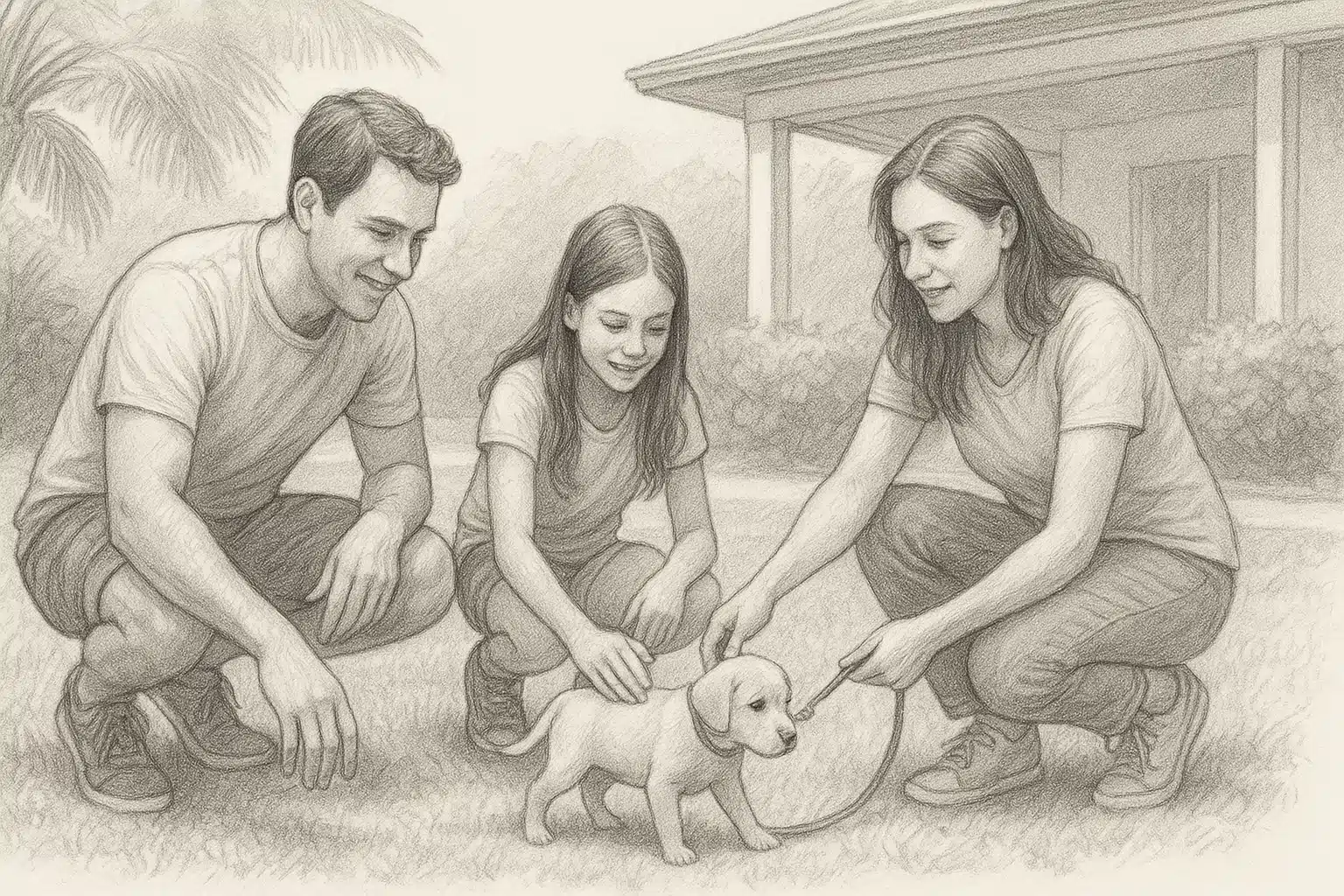
Pick a shaded grass patch for potty training. Check for standing water, lawn chemicals, sharp debris, fire ants, and gaps under gates before each outing.
- Use a harness and lightweight leash.
- Carry your puppy across hot driveways if needed.
- Skip crowded dog areas until your veterinarian confirms vaccine timing.
The AVMA advises avoiding hot surfaces because they can burn paw pads.
Build Walks Around Potty Needs and Recovery
At first, outside time is for potty practice, not distance. Take your puppy out after waking, meals, play, and naps. Go to the same shaded spot, wait quietly, praise the right moment, then return to air conditioning.
- Keep each trip brief.
- Offer water and a cool rest indoors afterward.
- Add a few minutes of calm sniffing only when your puppy stays comfortable.
Never leave a puppy outside to “get used to” Florida weather. Slow, positive exposure is safer and builds trust.
Also Read: 10 Small Breed Puppies That Stay Friendly & Easygoing
Step 4: Make Hydration, Shade, and Breaks Part of Every Routine
Offer Water Without Forcing It
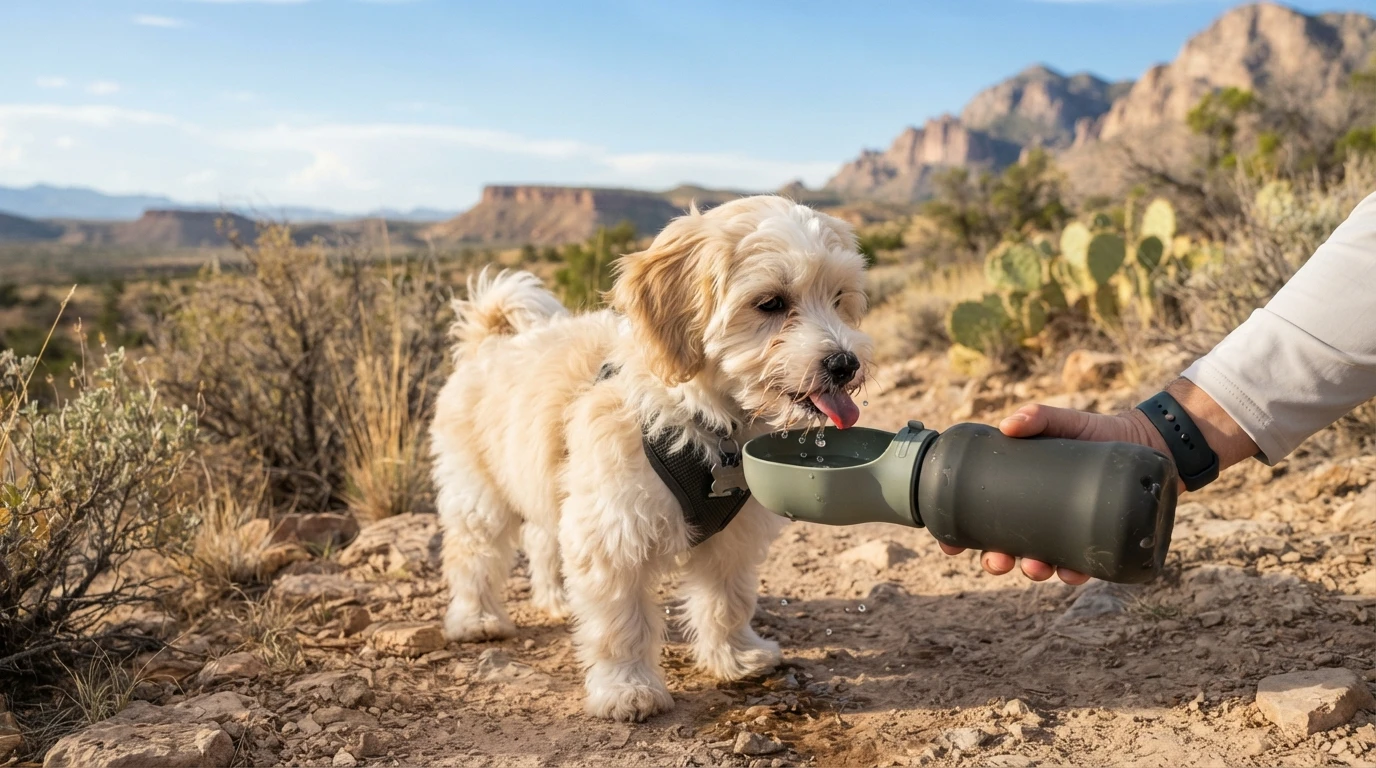
Keep fresh, cool water available indoors all day. Bring a travel bowl and water on every potty trip, walk, and car ride. Offer a few calm chances to drink, then let your puppy decide.
- Place bowls away from busy foot traffic.
- Refresh water after outdoor time.
- Pack extra water for delivery-day stops or errands.
The American Veterinary Medical Association’s warm-weather guidance calls for constant fresh water and shade outdoors.
Never squirt water into your puppy’s mouth. If they seem weak, confused, or cannot drink, call a vet right away.
Schedule Breaks Before Your Puppy Asks
Young Havanese, Havapoos, and Cavapoos may keep playing past their comfort point. Build a cool-down break into every outing.
- Potty in a shaded spot.
- Pause in air conditioning for a few minutes.
- Check breathing and energy before going back out.
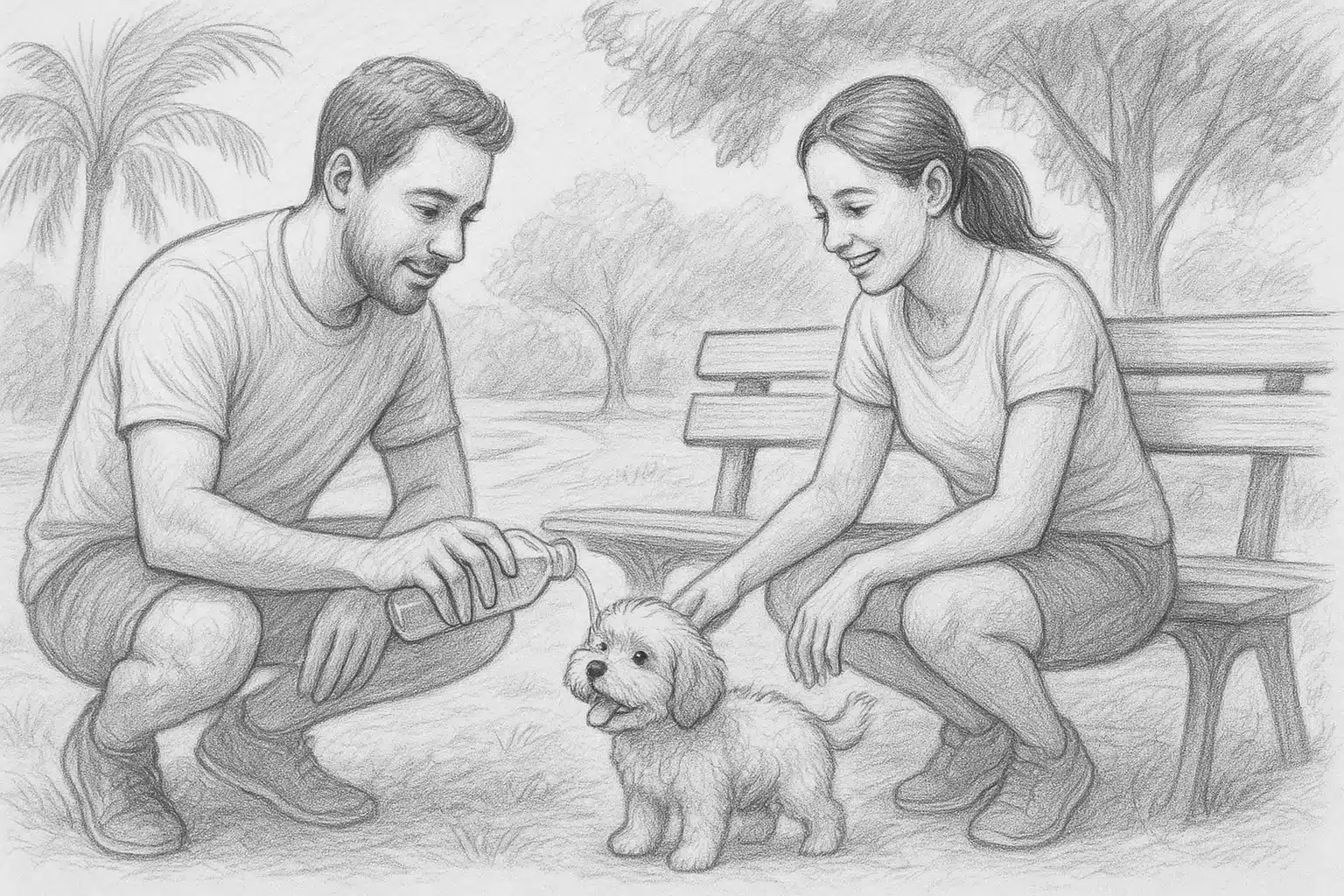
Heavy panting, drooling, slowing down, or seeking shade means the outing ends now.
Protect Puppies From Cars and Hot Outdoor Setups
A parked car is never a safe waiting room. Even shade and cracked windows do not prevent fast, dangerous heat buildup. The AVMA notes that a car can rise about 20°F in ten minutes, according to its vehicle safety guidance.
| Situation | Safe choice |
|---|---|
| Quick store stop | Leave your puppy home |
| Patio visit | Use full shade, water, and a short stay |
| Outdoor event | Skip it or keep puppy indoors |
| Car travel | Run AC, secure the carrier, and go straight home |
Also Read: 10 Red Flags to Avoid When Visiting a Local Puppy Breeder
Step 5: Monitor Recovery After Every Outdoor Session
Early Signs Mean Stop, Cool, and Reassess
Bring your puppy inside after each potty break or walk, then watch how they settle. In Florida humidity, panting may last longer than you expect. It should still ease as your puppy rests in air conditioning.
Stop outdoor time for the day if you see:
- Heavy panting that does not calm
- Extra drool, restlessness, or weakness
- Slow response to your voice
- Dry, sticky gums
Offer small drinks of water and let your puppy rest on a cool floor. The AVMA lists excessive panting, drooling, and unsteadiness as heat-stress signs.
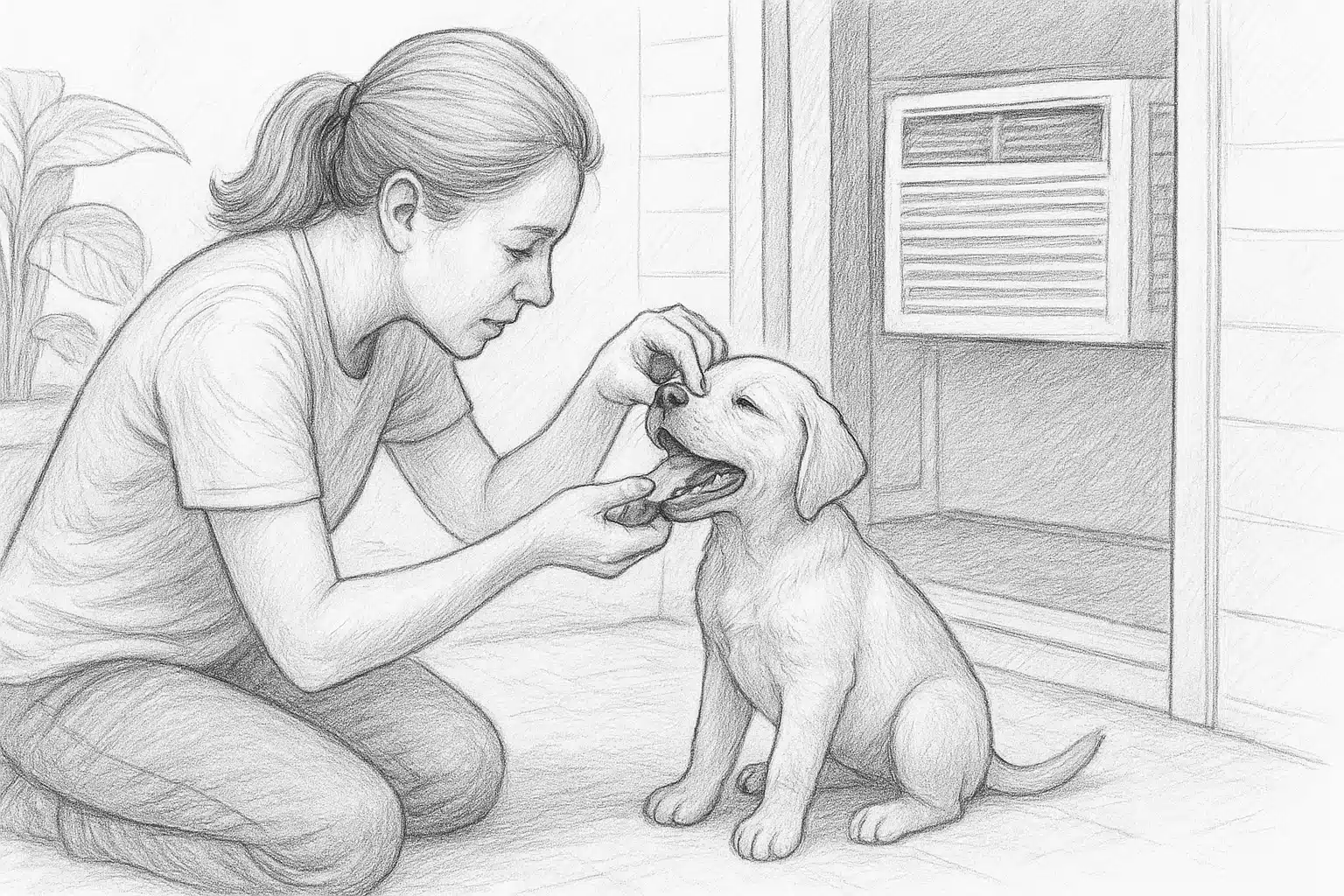
Do not push a puppy back outside because they still need to potty. Recovery comes first. Try again later during a cooler window.
Emergency Signs Require Immediate Veterinary Care
Treat collapse, confusion, staggering, vomiting, diarrhea, or abnormal gum or tongue color as an emergency. Call your vet or nearest emergency clinic while you begin cooling.
Move your puppy indoors, wet the neck, armpits, and groin with room-temperature water, and use a fan. Do not use an ice bath. The AVMA first-aid guide advises immediate cooling and prompt veterinary care.
| Sign | What to do |
|---|---|
| Heavy panting but alert | Rest indoors and monitor |
| Weakness or sticky gums | Stop activity and call your vet |
| Collapse, vomiting, or confusion | Cool gently and leave for emergency care |
Use a Simple Post-Outdoor Check
Before moving on with your day, confirm your puppy is:
- Breathing normally
- Alert and walking steadily
- Drinking willingly
- Resting comfortably
Also Read: Puppy Care Blog & Resources | Sage Puppies
Step 6: Respond Safely if Your Puppy Overheats
Move to Air Conditioning and Start Gentle Cooling
Act at the first sign of trouble. Heavy panting, thick drool, weakness, wobbling, vomiting, confusion, or unusual gum color can signal heat stress. The American Veterinary Medical Association lists these as emergency warning signs.
- Carry your puppy into air conditioning.
- Stop all play and remove any harness or clothing.
- Wet the neck, armpits, groin, and belly with room-temperature water.
- Aim a fan toward the damp coat.
- Offer small sips of water only if your puppy is awake and can swallow.
Do not wait for a puppy to collapse. Florida humidity can make panting far less effective at cooling the body.
Avoid Ice Baths, Delays, and False Reassurance
Do not place your puppy in an ice bath or cover them with ice packs. Very cold water can make their condition worse. Do not force water, give human medicine, or assume they are fine because panting slows down.
| Unsafe response | Safer response |
|---|---|
| Ice water or an ice bath | Room-temperature water and moving air |
| Waiting to “see how they do” | Calling for urgent veterinary advice |
| Forcing a large drink | Offering small sips if alert |
A puppy may look better before internal heat injury is clear.
Call Ahead and Go to a Veterinarian
Call your regular veterinarian or nearest emergency clinic while another adult drives. Say your puppy may have heatstroke, describe the signs, and share when the heat exposure began.
Continue gentle cooling during the trip, but do not delay care to finish a home treatment. AVMA first-aid guidance advises immediate veterinary care after suspected heatstroke.
Bring your puppy’s health records if they are easy to grab. Keep the car cool, quiet, and safely restrained.
Step 7: Adjust the Routine for Havanese, Havapoo, and Cavapoo Puppies
Plan for Small Bodies and Short Outdoor Windows
These small puppies heat up fast, especially during play. Keep potty trips brief and use early morning or later evening for walks. Bring water, stay on grass, and head inside at the first sign of heavy panting.
| Puppy need | Florida routine |
|---|---|
| Potty breaks | Quick, shaded trips |
| Exercise | Short indoor games |
| Walks | Coolest hours only |
Heat stress can include rapid breathing, drooling, weakness, or confusion. Treat it as urgent and call a veterinarian. VCA explains the warning signs.
Manage Coat Care Without Overcorrecting
Brush Havanese, Havapoo, and Cavapoo coats often to prevent mats that trap moisture. Ask a groomer for a manageable puppy trim if needed, but do not shave the coat to the skin. Fur offers some protection from sun and heat.
- Check behind ears, under legs, and around the collar.
- Dry the coat well after rain or damp grass.
Let Temperament Guide the Pace
A bold puppy may rush outside, while a cautious puppy may need quiet, repeated trips. Do not force either one. Reward calm potty breaks and return indoors before your puppy looks tired.
Also Read: Havanese, Havapoo & Cavapoo Puppy Care Blog
Common Mistakes to Avoid
The biggest mistake is treating a small puppy like a heat-ready adult dog. Your Havanese, Havapoo, or Cavapoo needs short, calm potty trips, then indoor recovery.
Avoid these common errors:
- Taking a long walk after arrival or during the hottest hours.
- Assuming shade alone makes outdoor time safe.
- Letting your puppy stand on hot asphalt, pool decks, or sidewalks.
- Leaving water outside but not offering fresh water after each trip.
- Using a parked car for even a quick errand. The AVMA warns that vehicles heat up fast, even in shade.
- Waiting for collapse before acting.
Heavy panting, drooling, weakness, odd gum color, or unsteady steps need urgent care. Heat stress can worsen quickly.
Stop outdoor activity at the first sign your puppy cannot settle or cool down indoors. Call a veterinarian or emergency clinic right away.
Also Read: How to Keep Puppies Safe During Extreme Weather and Temperature Changes

Give your puppy a calm, well-planned start in Florida. Sage Puppies helps families welcome home-raised Havanese, Havapoo, and Cavapoo companions with clear delivery or pickup guidance. View available puppies, then plan a safe indoor recovery and gradual heat routine from day one.
Frequently Asked Questions
Q1: What is the best way to acclimate a new puppy to Florida’s heat and humidity?
Start with brief, shaded potty trips during cooler hours. Add a few minutes every few days, watch breathing, and return indoors before your puppy pants hard.
Q2: How hot is too hot to walk a puppy in Florida?
Skip walks when heat and humidity make your puppy pant quickly. Choose early morning or late evening, test pavement with your hand, and keep outings short.
Q3: What are the signs of heatstroke in a puppy?
Warning signs include frantic panting, drooling, weakness, vomiting, bright red gums, confusion, or collapse. Move indoors, cool with room-temperature water, and call a vet at once.
Q4: Can my puppy potty train in Florida rain?
Yes. Use one sheltered spot, go out on leash, reward right after success, and dry paws indoors. Do not wait through a storm if the puppy needs relief.
Q5: Should Florida puppies have water available all day?
Yes. Keep fresh water indoors and bring water on every outing. Never force drinking, but offer small sips after play, travel, or warm potty breaks.
Conclusion
A Florida puppy does best with a calm, gradual plan. Let your Havanese, Havapoo, or Cavapoo recover indoors after travel. Keep water close, use short potty trips, and save walks for cooler parts of the day.
Watch your puppy, not just the forecast. Heavy panting, drooling, weakness, unsteady steps, or strange gum color can signal heat stress. The AVMA lists these as emergency warning signs.
Heat safety is not about making a puppy tough. It is about helping them feel secure while they adjust.
With shade, cool indoor rest, and slow outdoor exposure, your puppy can settle into Florida life safely.