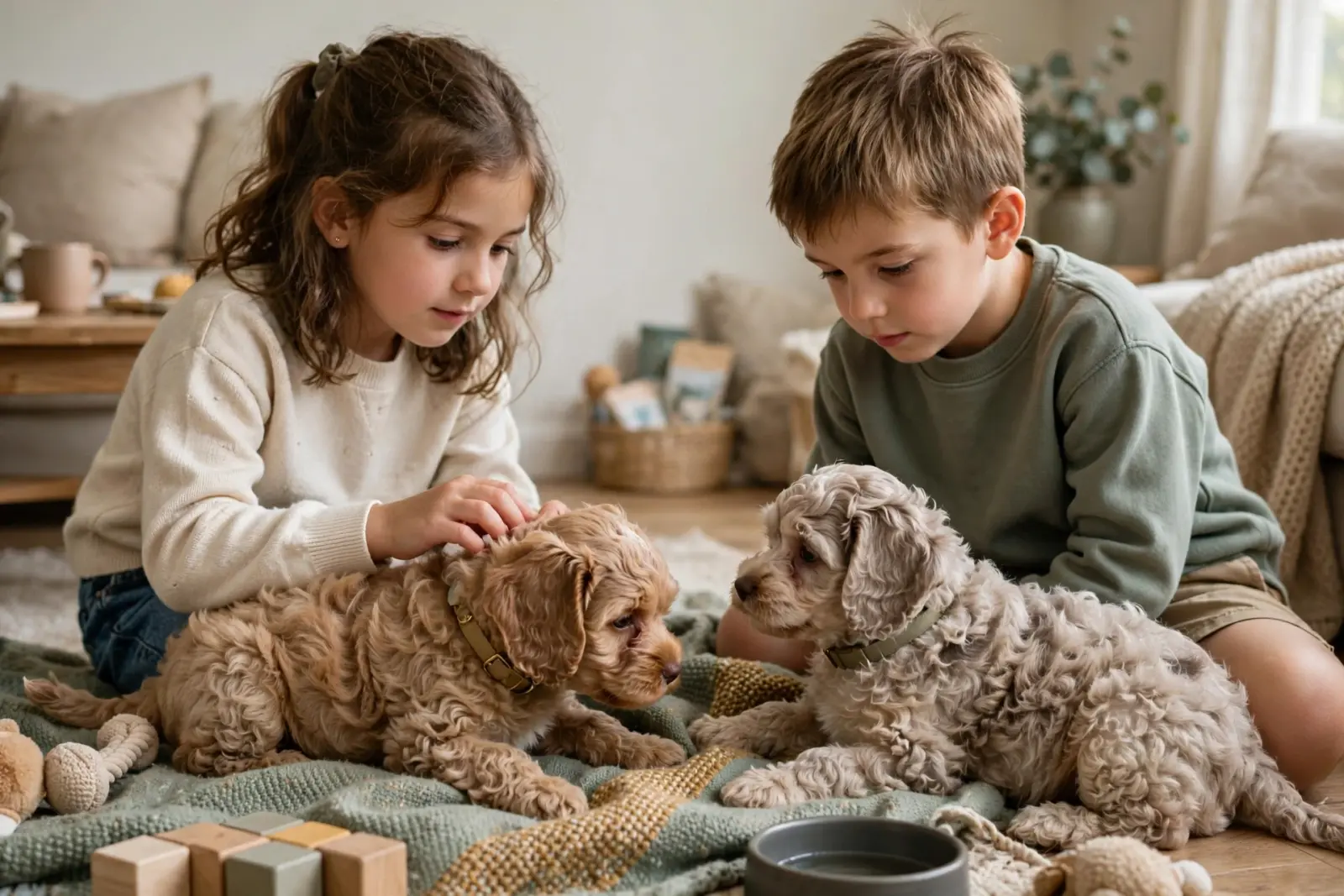
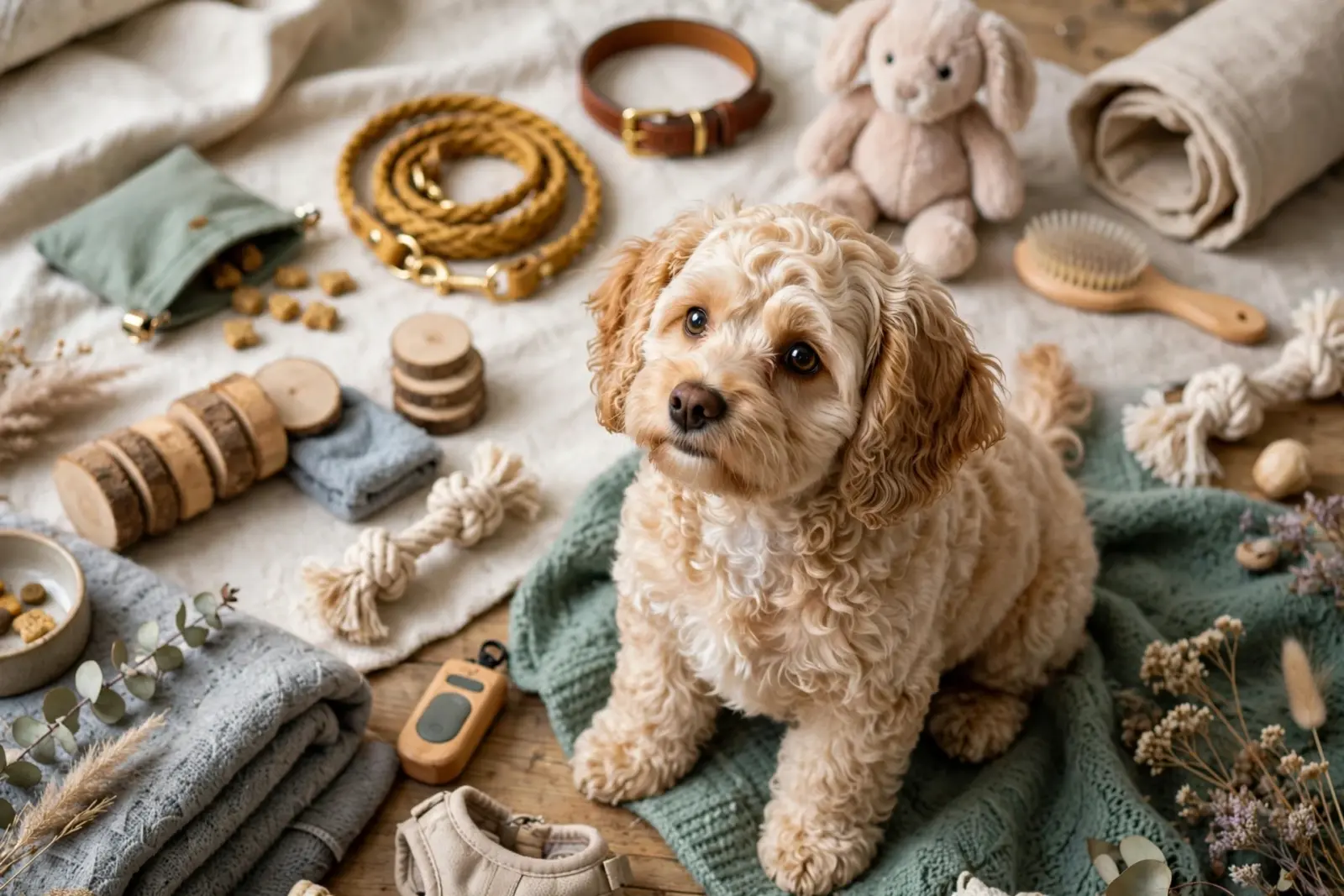
Havapoo coats can be cream, apricot, brown, black or a combination of shades and markings. The useful distinction is between a color, a pattern and coat texture: “chocolate” describes a shade, “parti” describes markings and “curly” describes texture. None tells you whether a puppy fits your family.
This guide explains the labels you may see in listings and what to ask when comparing photographs. It is not a popularity ranking or a forecast of current litter colors. Lighting, grooming and coat development can change a puppy’s appearance, and breeders may use the same label differently.
Common shade and marking labels
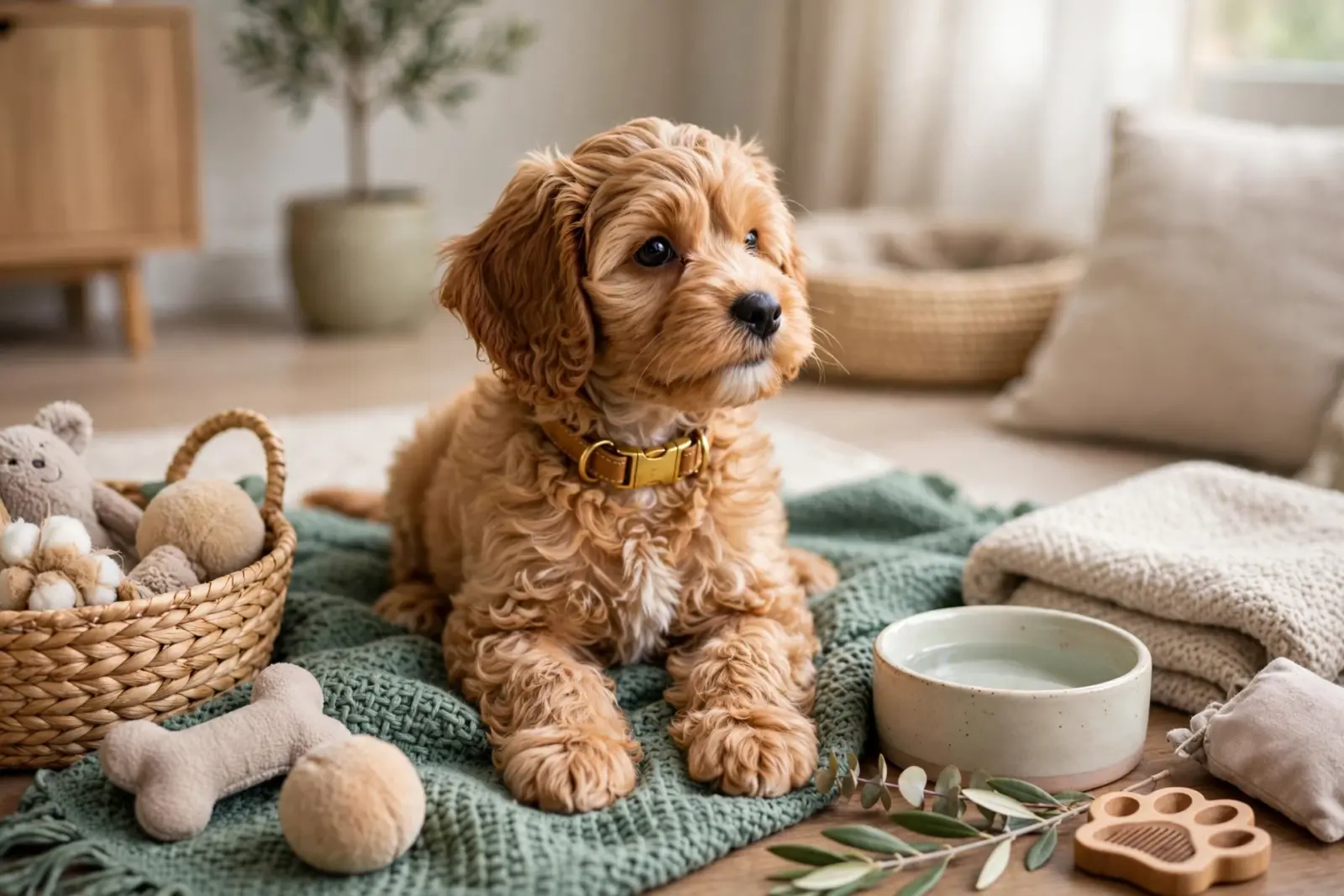
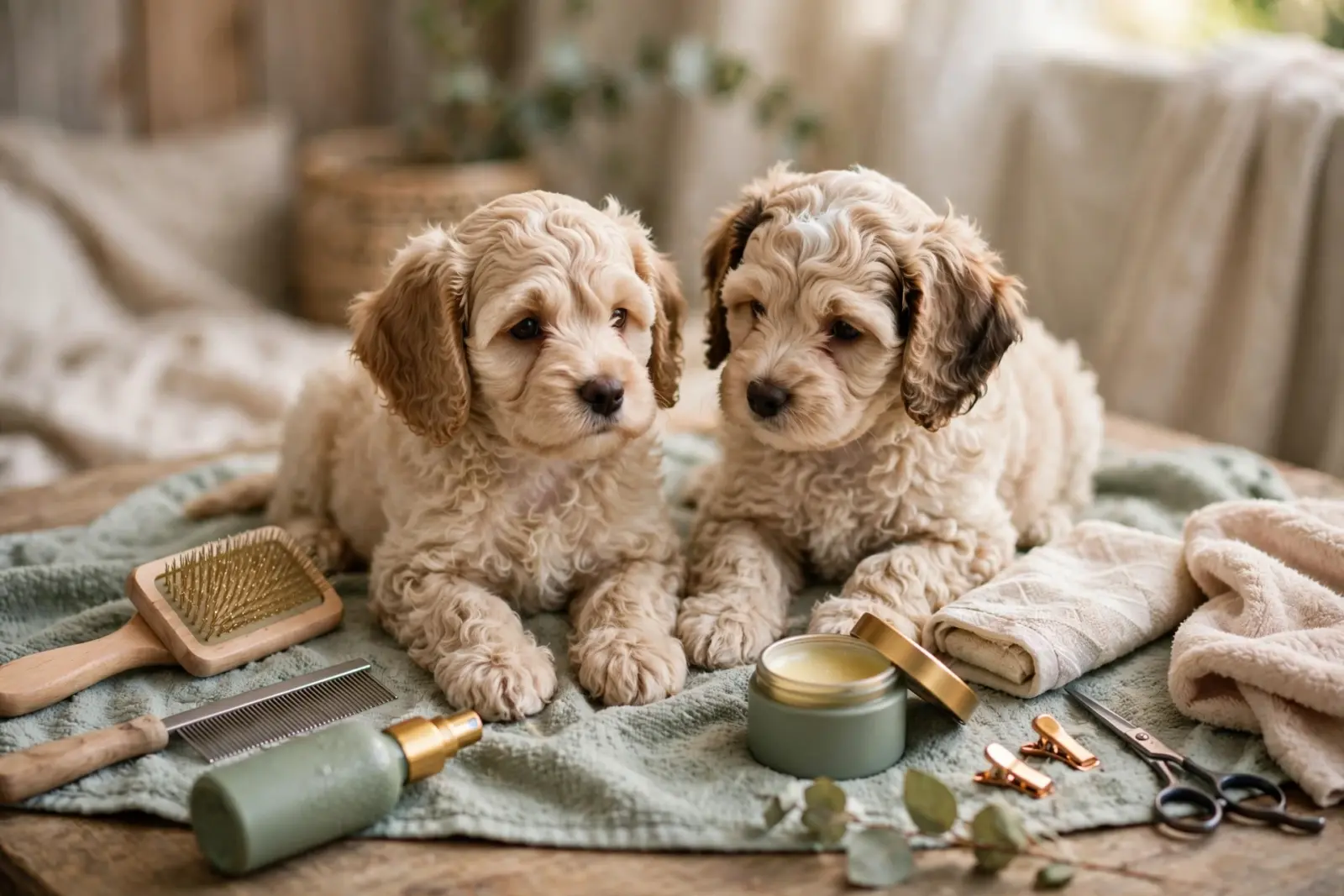
- Cream: A pale coat described as ivory, cream or light beige. Ask for a photograph in natural light if the distinction matters to you.
- Apricot: A warm peach or golden shade. Boundaries between cream, apricot and red are descriptive rather than a reliable way to compare two breeders’ photographs.
- Red: A deeper warm reddish shade. A rich puppy coat does not promise the same adult shade.
- Chocolate or brown: A brown appearance ranging from lighter to deeper tones. Ask how the breeder uses the label instead of treating it as evidence of rarity or quality.
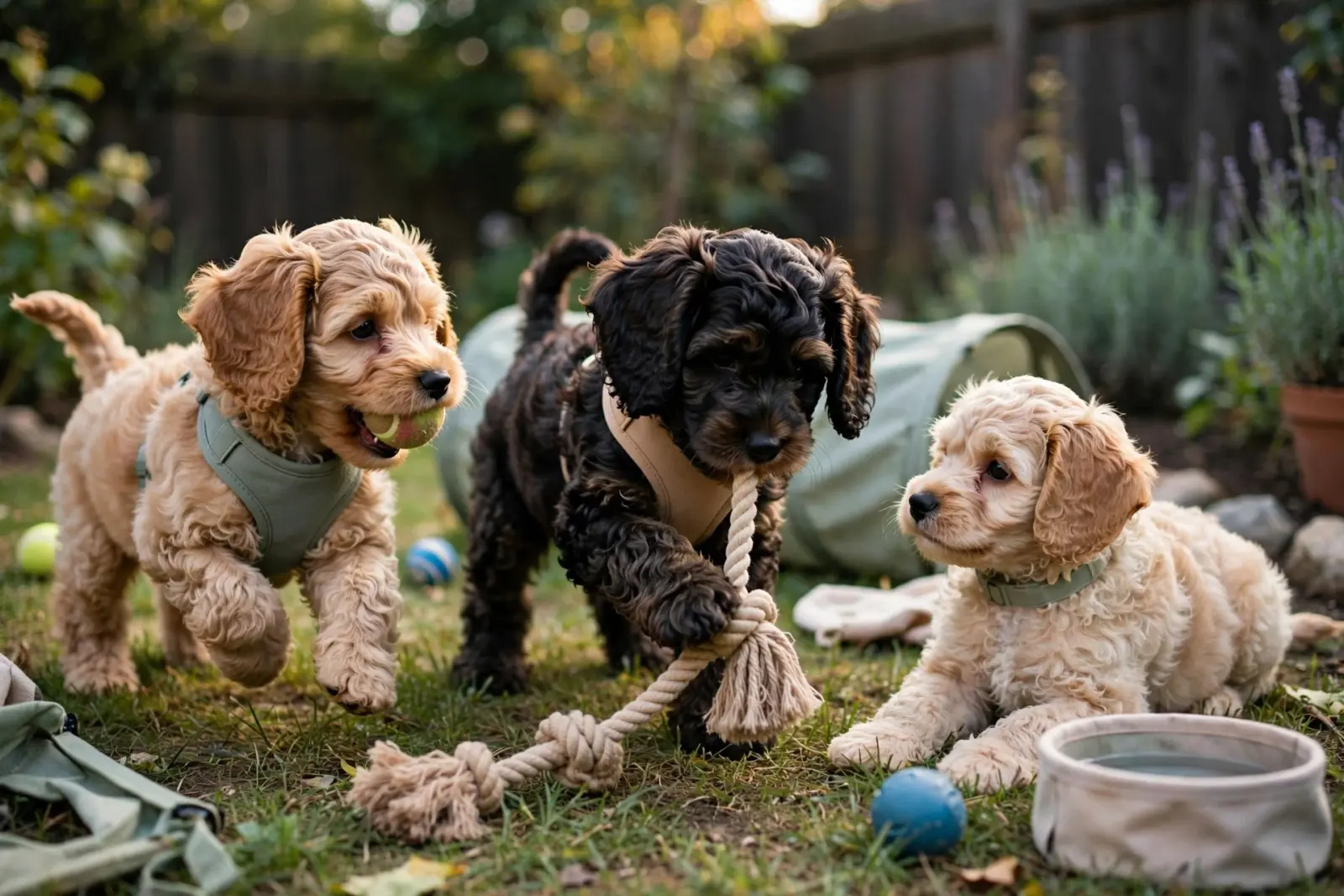
- Black: A dark coat that may be solid or have separate markings. Check the whole puppy rather than relying on an edited close-up.
- White: A mostly white appearance. White fur does not establish breed, temperament or grooming effort.
- Sable: A shaded appearance with darker-tipped hairs over a lighter base. Red sable and golden fawn sable describe the appearance a breeder is seeing, not a guaranteed adult result.
- Parti: White areas combined with another color, such as brown and white or black and white. The location and extent of markings differ between puppies.
- Abstract: A listing term often used for smaller white markings on an otherwise colored coat. Confirm what the breeder means by it.
- Tri-color or phantom: Labels for combinations or placement of contrasting markings. They are not interchangeable; ask the breeder to show the markings they are describing.
These are appearance descriptions, not a genetic test. A photograph cannot establish which color variants a puppy carries. The UC Davis Veterinary Genetics Laboratory’s coat-color resources explain why different genes contribute to colors and patterns.
Why a puppy’s coat may look different later
Havapoos combine Havanese and Poodle ancestry, and there is no fixed appearance standard for every pairing. The puppy coat you see now may differ from the adult coat. A haircut can also expose lighter hair beneath darker tips, while camera exposure and indoor lighting can make the same puppy look different in two photographs.
Ask for adult photographs of both parents and, when available, related older puppies. Those examples give context, but they cannot guarantee this puppy’s final shade, curl or markings. Avoid choosing on the promise that a particular color will remain unchanged.
Compare photographs without guessing
- Request a recent, unfiltered photograph in natural light.
- Compare more than one view: face, back, sides and markings.
- Ask the puppy’s age and whether the coat has been trimmed.
- Ask which words describe shade and which describe a pattern.
- Record what the breeder knows about the parents and what is only an estimate for the puppy.
A useful question is: “Can you show me what you mean by chocolate parti in this puppy, and explain what may change?” That invites a specific answer instead of a claim that one color is the cutest, rarest or best.
Does color change grooming or family fit?
Color is a preference. Grooming effort follows the actual coat’s length, density, texture and tendency to tangle. White areas may make dirt more visible, but a darker coat still needs the same attention to cleanliness and comfort.
Before using color as a tie-breaker, review parent health records, the puppy’s observed temperament, the basis for the adult-size estimate and the care your household can provide. A color label does not establish shedding level, allergy compatibility, intelligence or health.
What about merle?
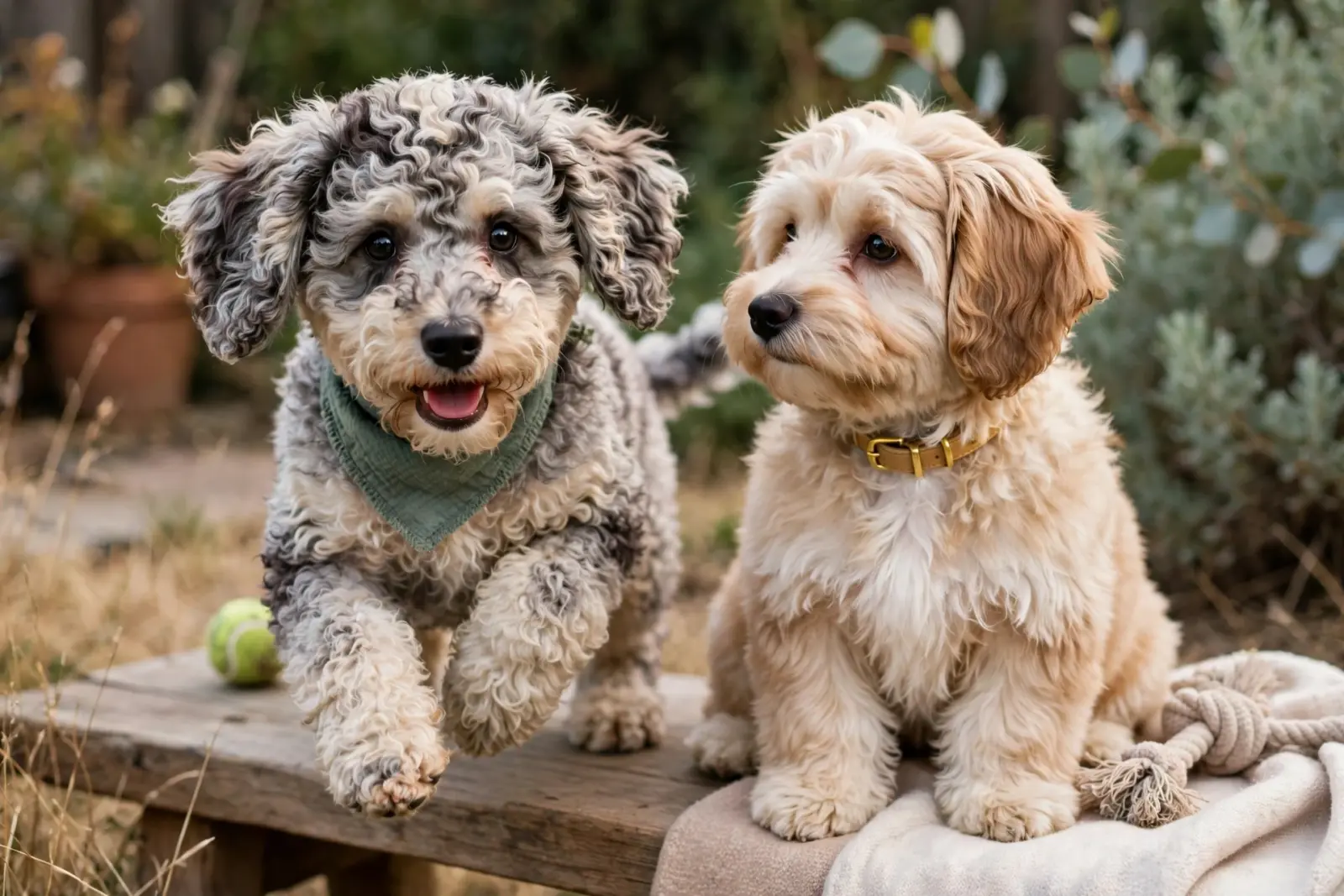
If a listing uses “merle,” ask for documented parentage and relevant testing rather than treating an unusual pattern as an upgrade. The UC Davis merle resource explains the inheritance and associated health considerations. Discuss the actual pairing and records with the breeder and your veterinarian. This guide does not assert that Sage has a merle litter or offers every color listed.
Frequently asked questions
What is the most popular Havapoo color?
We do not have verified market data establishing a most popular color. Cream, apricot, brown, black and combinations of markings are descriptive options, not a ranked list.
Can two puppies from one litter look different?
Yes. Compare each puppy’s appearance and information individually rather than assuming littermates will have identical coats.
Will my puppy keep the same color?
It is not guaranteed. Ask about possible coat changes and related adult dogs, while allowing for individual variation.
Is a rare color worth paying more for?
A color premium does not prove better care or health. Review the actual price, records and written inclusions, then decide whether the individual puppy is a suitable match.
Where can I see current Sage Havapoos?
Start with the Havapoo guide and current puppy profiles. Confirm availability, appearance and timing directly; listing colors can change as puppies grow.
If your favorite shade is unavailable, keep the household match first. Our three-breed comparison and Havapoo buying guide help connect the photograph to everyday care.