Quick Summary: Havapoos usually cost less up front, but Havapoo and Havanese ownership costs converge at roughly $22,000 over ten years because grooming, food, veterinary care, and supplies dominate the budget. The Havanese offers more predictable adult size and coat, while the Havapoo offers a lower entry price and greater coat flexibility, so breeders with transparent health testing, contracts, and support, including Sage Puppies at $3,500 to $4,500, may deliver better long-term value than a cheap listing.
Ask what a puppy costs and you get one number. Ask the real question, which breed costs less over fifteen years, and the answer splits: the Havapoo usually wins on sticker price, while the Havanese usually wins on grooming and predictable adult size, the two biggest recurring lines. That gap is where most budgets break. This Havapoo vs Havanese cost comparison separates the purchase price from the years that follow, shows how each coat and size drives food, grooming, insurance, and training bills, and walks through an illustrative ten-year budget with every assumption labeled. You also get the contract, deposit, and health-testing questions worth asking before any money changes hands. The figures come from documented breeder pricing and published breed standards, so you can check the math yourself.
Havapoo vs Havanese Cost Comparison at a Glance
| Havapoo | Havanese | |
|---|---|---|
| Purchase price | Published US breeder listings mostly sit about $1,800 to $3,000 (GoodDog, 2026); some litters quote more | Published US breeder prices cluster about $2,200 to $3,000 (GoodDog, 2026); some breeders quote more |
| Grooming cost per year | Roughly 8 to 12 professional grooms a year at typical small-dog rates of $60 to $100 per visit | Roughly 8 to 12 professional grooms a year, with a longer, fuller coat that can take extra time and product |
| Food and supplies per year | Small-breed adult food plus standard supplies; no published Havapoo-specific figure, so treat as a planning line | Small-breed adult food plus standard supplies; no published Havanese-specific figure, so treat as a planning line |
| Health testing and veterinary care | Screening may cover both parent breeds; expect a standard puppy exam schedule plus ongoing checkups | Havanese Club of America CHIC requires annual eye, hip x-ray and patella certification, per the March 2025 statement |
| Predictability of size and coat | Variable, since adult size and coat type depend on the Poodle parent and the puppy | High, with adults typically 8.5 to 11.5 inches and 7 to 13 pounds under the AKC standard |
| Best for | Owners who want a curlier coat, some extra Poodle energy, and accept more variation between littermates | Owners who want a documented purebred, a reliable adult size, and the signature flowing coat |
How the Havapoo and the Havanese Compare
Havapoo
The Havapoo is a designer cross between the Havanese and a Poodle. Owners pick it for a curlier, often lower-shedding coat plus a blend of Havanese warmth and Poodle trainability. Its angle in any havapoo vs havanese cost comparison is simple: lower upfront listings but more variation in adult size and coat.
Havanese
The Havanese is Cuba’s national dog and an AKC recognized purebred with a documented breed standard. Buyers who want a reliably small frame and the signature silky coat gravitate here. Its cost story rests on higher 2026 breeder prices offset by predictable size and required health testing.
What You Pay Up Front for Each Breed
How much do Havapoo and Havanese puppies cost from breeders? In 2026 US listings, published breeder prices cluster in these ranges:
| Breed | Published 2026 listing range |
|---|---|
| Havapoo | About $1,800 to $3,000 in most US breeder listings |
| Havanese | About $2,200 to $3,000 in most US breeder listings |
These figures come from nationwide listing networks such as GoodDog, and some litters quote more.
Published Listing Ranges for Both Breeds
Both breeds land in similar territory on paper, with Havanese listings running a few hundred dollars higher on average. Treat any range as a starting point, not a final bill.
Why Havapoo Listings Often Sit Lower
Havapoos appear across many price tiers because the mix attracts a wide spread of breeders, from casual litters to structured programs. A lower sticker price often reflects less health testing, limited socialization work, or little breeder support after pickup, so the cheapest puppy is rarely the cheapest dog.
What Sage Puppies Charges and What That Range Covers
At Sage Puppies, the purchase range for Havapoo and Havanese puppies is $3,500 to $4,500, which covers health testing, early socialization, vaccinations, and breeder support.
Grooming and Coat Maintenance Costs Year After Year
So which breed is cheaper to groom? Neither, by much. Both need a professional groom every 4 to 8 weeks. At 8 to 12 sessions a year and typical small-dog rates of $60 to $100 per visit, either coat runs roughly $500 to $1,200 annually. The real difference is coat texture, not the bill.
The Havanese Coat and Its Time Commitment
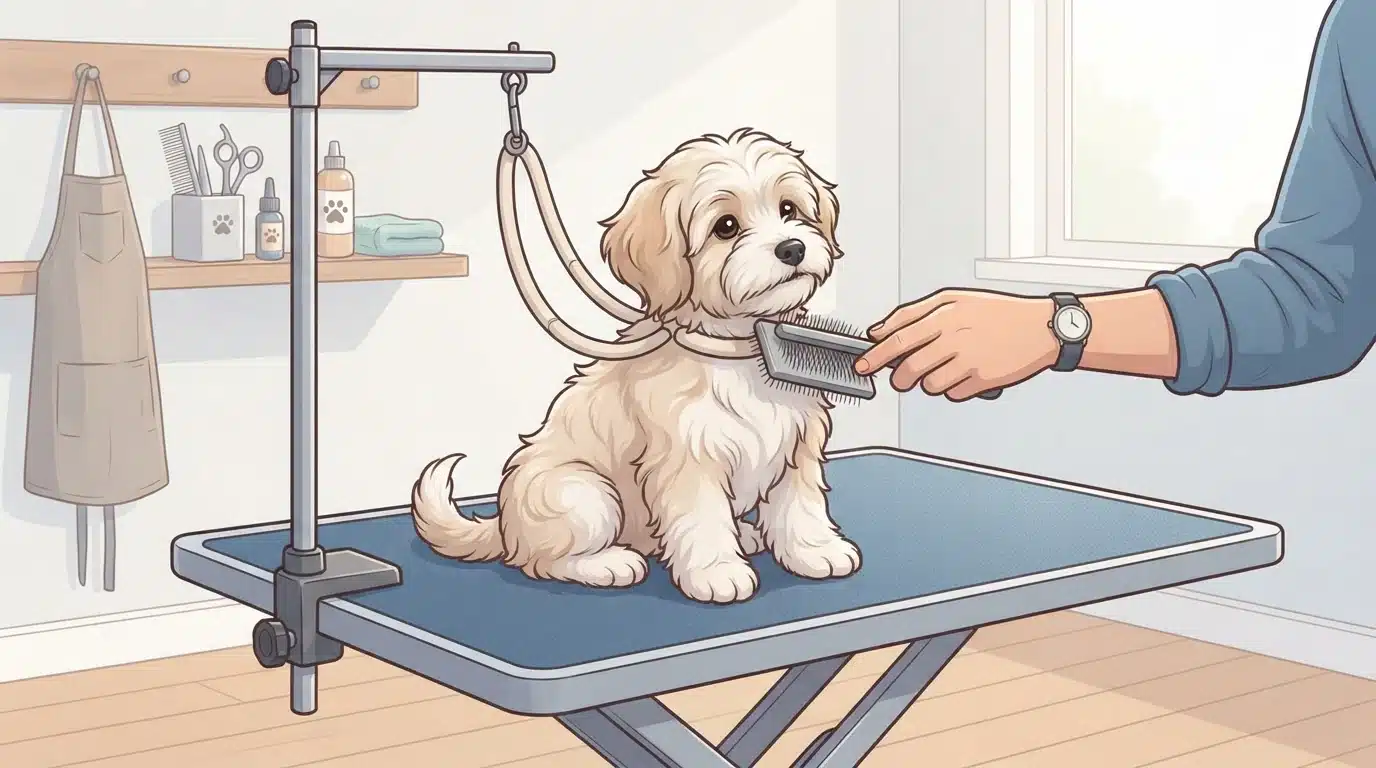
A Havanese has a long, silky double coat that mats fast. Most owners book grooms every 6 to 8 weeks and brush at home several times a week, or they keep a shorter “puppy cut” to stretch the schedule. Some owner reports show $40 to $110 per session, so quotes vary by area. Sage Puppies sends families home with a simple brush-out routine for the weeks between grooms.
The Havapoo Coat and Why It Is Not Automatically Cheaper
A Havapoo coat depends on the Poodle parent. Some pups get a low-shed curly coat that needs clipping every 4 to 6 weeks, which is more often than a Havanese. Curly coats also mat close to the skin, so missed brushing turns into a costly shave-down. Budget the same $500 to $1,200 per year for either breed.
At-Home Grooming as the Cheapest Line Item You Control
This is where you save real money. A slicker brush, comb, and dog clippers cost about $150 once, then roughly $50 to $100 a year in shampoo and blades, per Bark’s 2026 guide. Learn nail trims and ear cleaning yourself too. Two good habits, weekly brushing and a steady coat-care routine, matter more than the breed you pick.
Food, Equipment and Training Costs
Food Budgeting for Two Small Breeds
Food is where Havapoos and Havanese cost about the same. A 7- to 15-pound dog eats little, so most owners spend $25 to $70 a month on quality kibble, or roughly $300 to $700 a year. The US average for all dogs is $447 a year, per a MarketWatch study, so small breeds often land below it.

Supplies and Home Setup
Expect a one-time setup of about $250 to $500: crate, bed, bowls, harness, leash, toys, and puppy-proofing gear. Add $75 to $150 a year for replacements and treats. The AKC pegs small-dog annual care at $1,831, which includes these smaller extras.
Training and Enrichment
Training is optional only on paper. A puppy class usually runs $100 to $200 for six weeks, and a private trainer charges $50 to $150 an hour (example budgets; rates vary by area). Both breeds are eager learners, so group classes often suffice. A consistent plan at home, like a simple first-8-weeks training schedule, keeps paid sessions to a minimum. Budget $300 to $600 in year one, then $100 to $200 yearly for refreshers and puzzle toys.
Veterinary and Health Costs Over the Dog’s Life
Health costs swing more than the purchase price does. Two dogs of the same breed can cost very different amounts at the vet, so the screening a breeder did before the puppy was born matters more than the breed name itself.
What Screening Records a Buyer Should Ask For
Ask for OFA results on both parents: patellas, cardiac exam, hearing (BAER), and eye clearance from an ophthalmologist. Also request DNA test results for any conditions the parent breeds carry, plus proof of the puppy’s first vaccines and a deworming record. A breeder who shares all of this openly saves you guesswork later, and you can compare breeder health testing records side by side before you commit.
Breed-Specific Risk in Each Cross
Both crosses are small dogs, so shared risks include luxating patella and dental disease. Havanese can also inherit eye conditions and heart murmurs, and Havapoos add possible hip or thyroid issues from the Poodle side. One patella surgery runs $1,500 to $3,000 per knee, so prevention through tested parents is worth real money, as these luxating patella surgery costs show.

How Vet Costs Actually Appear in a Household Budget
Plan for routine care first: an annual exam, vaccines, and dental cleanings, often $400 to $800 a year for a healthy small dog (example budgets; rates vary by clinic). Then hold a cushion for surprises. A pet insurance plan for a small breed typically runs $20 to $50 a month, and buyers who start coverage young avoid the pre-existing condition trap. Label these as planning numbers, not quotes, and price three clinics in your area before you set your budget.
The Costs Buyers Rarely Budget For
Sticker price is only the opening bid. Three smaller costs catch first-time owners off guard, and each one is easy to plan for if you know it exists.
Deposits, Contracts and Refund Terms
Most breeders take a deposit, often $200 to $500, to hold your puppy. Read the contract before you pay it. Some deposits are refundable, some roll into the price, and some are forfeited if you change your mind. Ask who pays if a health check fails or a litter arrives later than promised. At Sage Puppies, the application and matching process spells these terms out before money moves.
Getting the Puppy Home
Local pickup costs little beyond gas. If you live out of state, budget for a flight nanny, ground transport, or your own travel. Compare the real tradeoffs of puppy delivery vs pickup before you commit, since transport can add several hundred dollars.
Boarding, Sitting and the Alone-Time Question
Neither breed likes being alone, so plan for boarding or a pet sitter. Boarding typically runs $40 to $60 per night, per Care.com’s cost guide. A one-week vacation can add $300 or more, so treat this as a yearly line item.
An Illustrative Ten-Year Budget for Each Breed
First-Year Scenario and the Assumptions Behind It
This is a labeled example, not a market average. Assume a $2,600 Havapoo and a $2,800 Havanese, both mid-range 2026 prices. Year one for either adds a $350 setup, $500 in food, $800 in grooms, $450 in insurance and routine vet care, and $150 for puppy class. That lands near $4,850 to $5,050 before surprises. Use your own quotes to replace each line.
Ten-Year Totals and Where the Two Converge
| Line item | Havapoo (10 yrs) | Havanese (10 yrs) |
|---|---|---|
| Purchase price | $2,600 | $2,800 |
| Food ($300-$700/yr) | $5,000 | $5,000 |
| Grooming ($500-$1,200/yr) | $8,500 | $8,500 |
| Insurance and vet routine | $4,500 | $4,500 |
| Gear, treats, boarding extras | $1,500 | $1,500 |
| Illustrative total | ~$22,100 | ~$22,300 |
Check the math against your local rates, because every column is an assumption. The takeaway holds either way: after year one, the breeds cost nearly the same, so the $200 to $400 price gap at purchase fades to noise over a decade. Grooming, not the sticker price, drives the total.
Price Is Not the Same Thing as Value
A low sticker price can hide the biggest bills. Before you compare listings, ask what the number actually covers.
What a Higher Price Should Have Bought
A responsible program prices in things you would otherwise pay for later: health testing on both parents, first vaccinations, deworming, early socialization, and weeks of breeder support after you take the puppy home. Ask what the fee includes before you judge it. At pricing around $3,500 to $4,500, a boutique program is charging for documented work, not just a cute face. That support often saves money in year one.
Warning Signs That a Low Price Is a Problem
Verify a fair price with this checklist:
- Ask for the parents’ health test results.
- Request vaccination and deworming records.
- Demand a written health guarantee.
- Get the return clause in the contract.
- Confirm the breeder answers questions freely.
No records, no contract, or pressure to pay fast are classic puppy scam warning signs, and a bargain can turn into vet bills.
Which Should You Choose: Havapoo or Havanese?
Over a ten-year window, the two breeds cost close to the same, because food, grooming, vet care, and gear match at this size. The real difference shows up in the first invoice and in how well you can predict the years after it.
- Pick the Havanese when steady, predictable costs matter most.
- Pick the Havapoo when a lower entry price and coat flexibility win.
Choose the Havanese When Budget Predictability Wins
A Havanese costs more up front, usually $2,200 to $3,000 from US breeders, but the adult coat and size are far more predictable. You can plan grooming appointments, food costs, and travel gear without surprises. Families who want fewer unknowns, especially first-time owners, often find that certainty worth the higher starting price. The breed standard is well defined, so what you see in a puppy is close to what you get as an adult.
Choose the Havapoo When Coat and Entry Price Win
A Havapoo often starts around $1,800 to $3,000, so the sticker price is lower. Some pups carry a tighter curly coat that needs clipping every 4 to 6 weeks, which adds sessions and cost over time. Others take after the Havanese side and stay easier to manage. If you accept some coat and size variation in exchange for a smaller first check, the Havapoo fits well.

If you’re weighing a Havapoo against a Havanese and want honest help matching a puppy to your budget and lifestyle, start with Sage Puppies’ application at Sage Puppies. Cassie’s owner-managed process gives Utah families local pickup and nationwide families clear delivery options.
Q1: Which breed costs less to own, Havapoo or Havanese?
Over ten years they land close, around $22,000 each in our labeled example. The Havapoo usually costs less up front, while grooming, food, and vet bills nearly even out.
Q2: What does the first year cost beyond the puppy price?
Plan roughly $2,250 to $2,450 in extras: setup gear, food, grooms, insurance, and a puppy class.
Q3: Is one breed cheaper to groom?
Not by much. Both run about $500 to $1,200 a year, though curly Havapoo coats sometimes need clipping more often.
Q4: Are Havapoos more expensive at the vet?
They can inherit hip or thyroid issues from the Poodle side, so ask for both parents’ OFA and DNA results before you buy.
Q5: Is pet insurance worth it for a small breed?
Most plans run $20 to $50 monthly. Starting young avoids pre-existing condition exclusions that get expensive later.
Q6: Why do breeder prices vary so widely?
Cheap listings often skip health testing, contracts, and after-pickup support, which pushes costs back onto you.
Conclusion
Over ten years, the Havapoo and the Havanese cost nearly the same, around $22,000 each in our labeled example. The Havapoo usually wins on the 2026 sticker price, while the Havanese wins on predictable adult size and coat, which makes grooming and food bills easier to plan.
The cheapest puppy is rarely the cheapest dog. Health testing, written contracts, and breeder support are what keep year-one vet and training surprises down. Choose the Havapoo for a lower entry price and coat flexibility; choose the Havanese when steady, plannable costs matter most, and verify every assumption with your own local quotes.