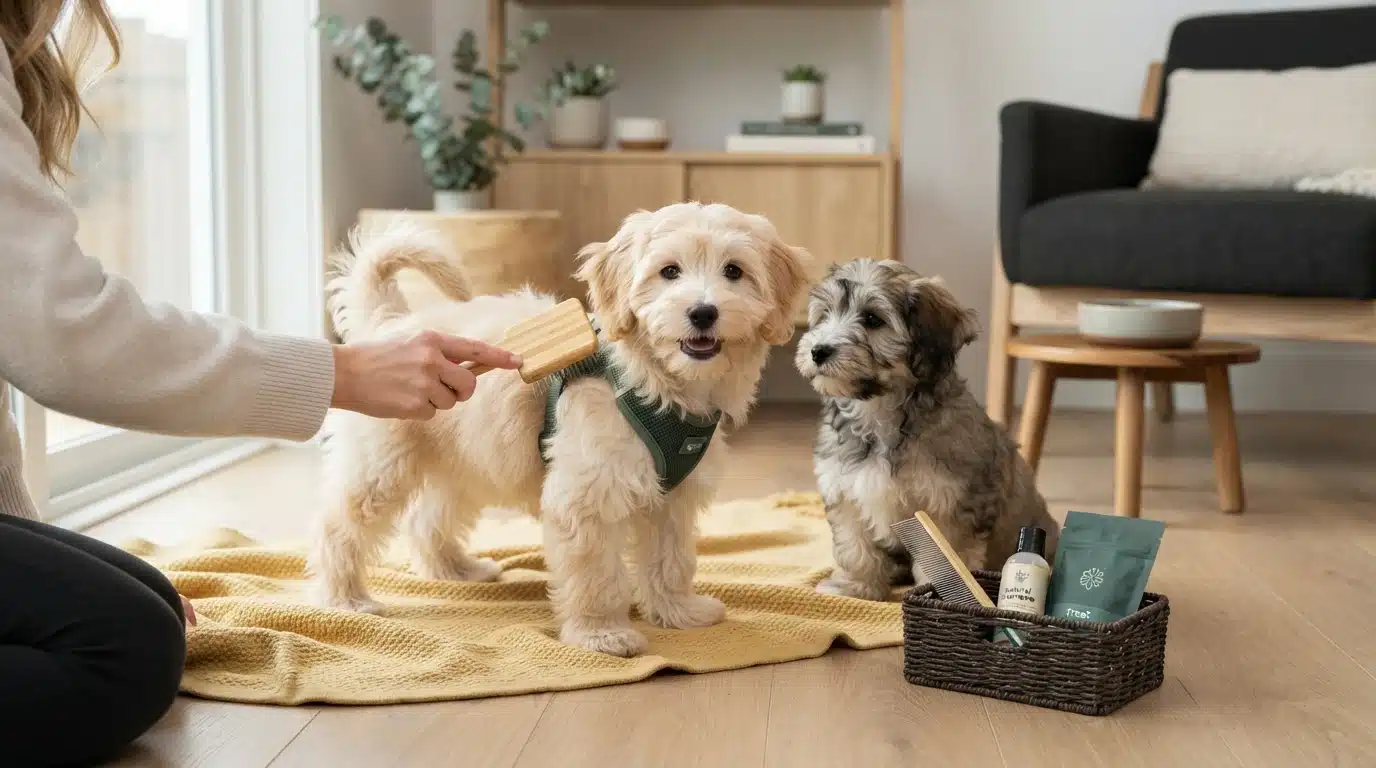
Quick Summary: Havapoo coat care takes about 10 to 15 minutes a day: brush to the skin, use a metal comb, bathe every three to five weeks, and schedule professional trims every six to eight weeks. Havanese dogs shed the least predictably, Havapoos are generally low-shedding but vary by coat, and Cavapoos vary the most. None of these breeds is truly hypoallergenic, so families should assess the individual puppy and reduce allergens through regular brushing, bathing, HEPA filtration, and careful home cleaning. Sage Puppies advises matching coat work and shedding tolerance to your household routine.
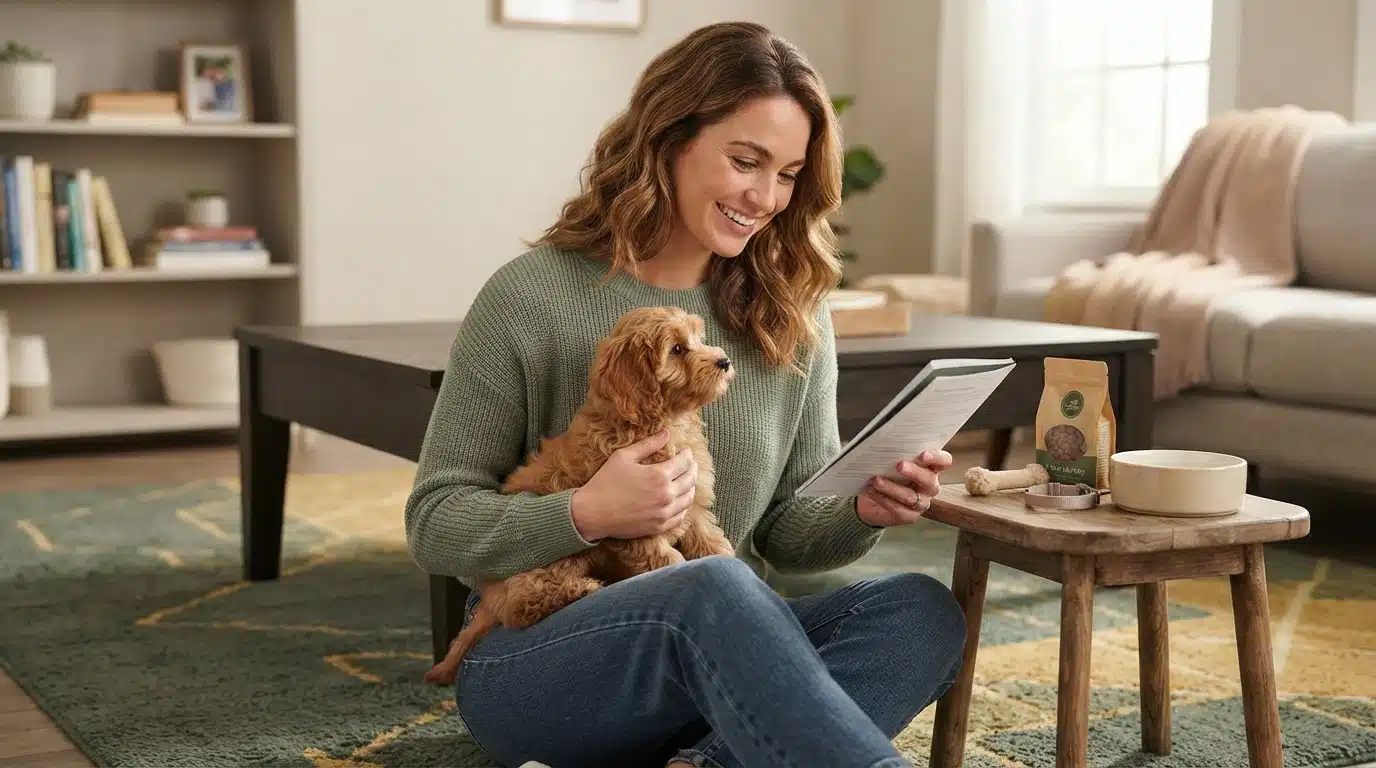
A Havapoo puppy can look like an easy, low-shedding companion right up until the puppy coat changes and tangles form behind the ears. Here’s the good part: Havapoo coat care is learnable in about ten minutes a day, and it’s the clearest way to tell whether a Havapoo, a Havanese, or a Cavapoo fits your home. Many families compare these three small breeds on size and price while underestimating the coat work each one brings. If someone in your home has allergies, you need a grounded picture of shedding rather than a sales promise. This guide covers what a Havapoo puppy’s coat needs, how shedding compares across the three breeds Sage Puppies raises, what the word hypoallergenic actually means, and the real time and money grooming takes.
Havapoo vs Havanese vs Cavapoo: Coat, Shedding, and Allergy Fit at a Glance
| Havapoo | Havanese | Cavapoo | |
|---|---|---|---|
| Coat type and shedding | Variable; generally low shedding with a long, wavy or curly coat that holds loose hair | Long, soft double coat with low shedding and heavy seasonal coat drop | Varies; many inherit a silky or wavy coat with moderate year-round shedding |
| Allergy-friendly household fit | Often workable for mild allergy homes, but not hypoallergenic and not guaranteed | Generally among the more manageable options for allergy-sensitive homes, still not hypoallergenic | Mixed results, since spaniel influence can add loose hair and dander |
| Daily grooming time | Short daily sessions plus several full comb-outs each week | Daily brushing to the skin is the standard expectation, plus regular bathing and coat care | Several brushings each week, with more attention to feathering behind the ears and legs |
| Professional grooming interval | Roughly every six to eight weeks, adjusted to coat density and cut length | Every six to eight weeks for most coats, more often for fuller cuts | Typically every six to eight weeks, adjusted for coat length and feathering |
| Coat variability from puppy to adult | Noticeable; coats often become denser and more mat-prone as the adult coat develops | More predictable than a Poodle mix because the breed standard describes the coat | Considerable, because spaniel and Poodle coats differ in texture and fall |
| Best for | Households ready for regular coat work who want a playful, people-oriented small dog | Owners who want a consistent, well-documented coat and a cheerful companion dog | Families seeking a small spaniel-and-Poodle mix and willing to manage regular coat work |
Havapoo, Havanese, and Cavapoo: How Their Coats Differ
Havapoo
A Havanese and Poodle cross whose coat can come in loose wave, plush fleece, or tighter curl. Shedding is generally low, but havapoo coat care varies dog to dog, so daily brushing and weekly comb-outs matter from the start.

Key strengths
- Low shedding in most coat types
- Playful, people-oriented temperament
Havanese
A purebred companion breed with a long, soft double coat and a documented breed standard. That makes its coat the most predictable of the three, though daily brushing to the skin is still the honest expectation.

Key strengths
- Consistent, well-documented coat type
- Cheerful companion temperament
Cavapoo
A Cavalier King Charles Spaniel and Poodle mix that often keeps a silky spaniel coat with moderate shedding year round. Families who want that spaniel look should plan for regular brushing and frequent professional grooming.

Havapoo, Havanese, and Cavapoo: How Their Coats Differ
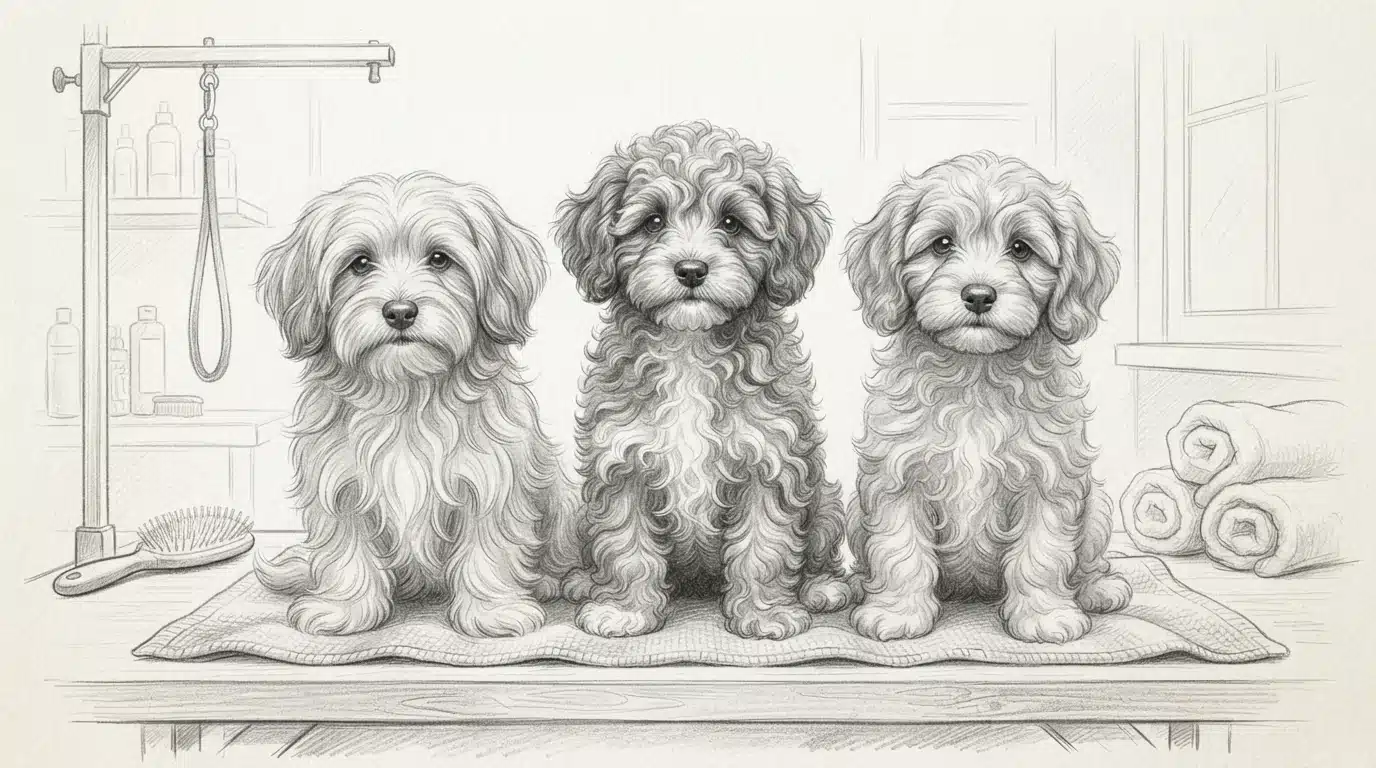
Havapoos, Havanese, and Cavapoos all wear soft, low-shedding coats, but they are not interchangeable. The Havapoo is the cross between a Havanese and a Poodle, so its coat sits somewhere between the two parents. The Havanese carries a silky double coat, while the Cavapoo mixes a Cavalier King Charles Spaniel with a Poodle and often ends up with a wavier, fleece-like texture.
What Each Breed Inherits From Its Parents
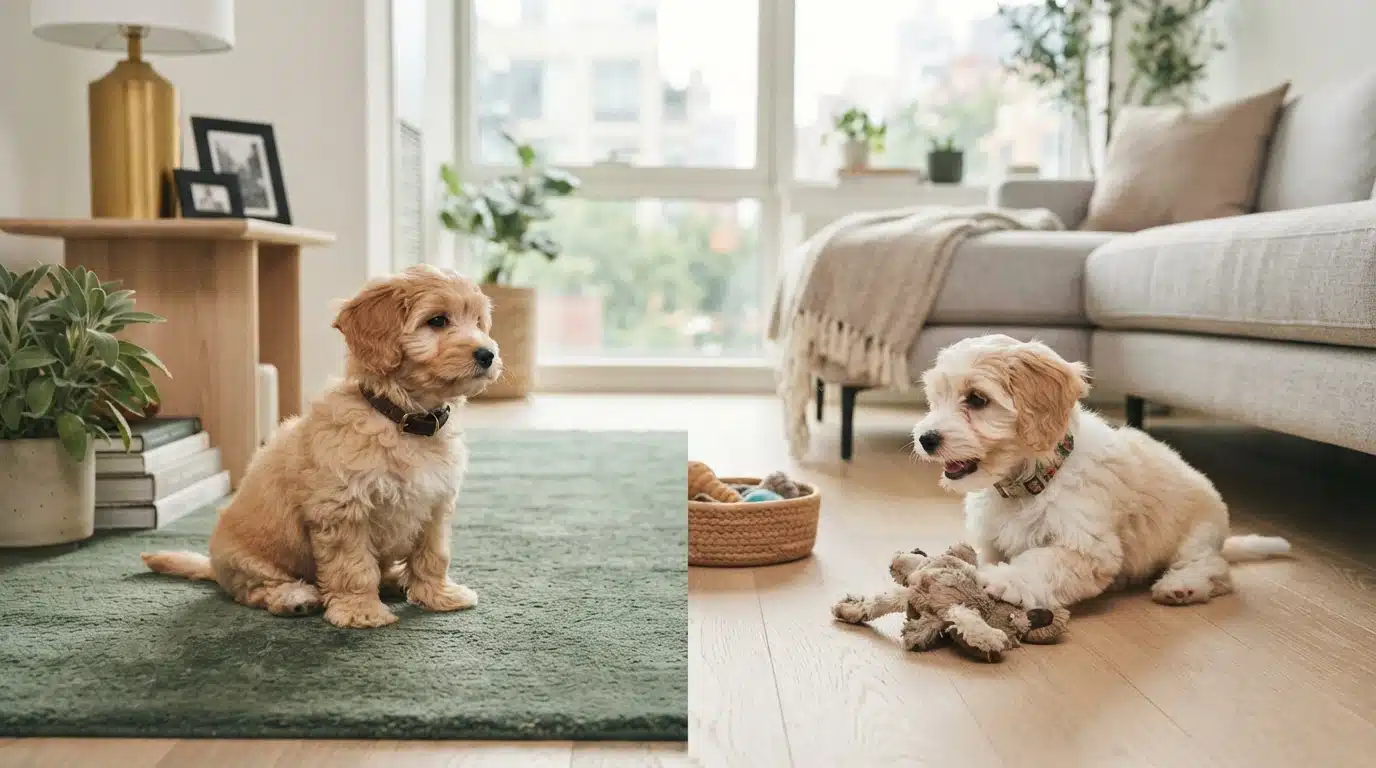
Genetics decide the coat before the puppy is born. A Havanese puppy inherits the silky, hair-like coat the breed is known for, and it stays fairly predictable. A Havapoo can lean toward the Havanese silk or the Poodle curl, sometimes within the same litter. A Cavapoo usually shows a soft wave that falls between its Cavalier and Poodle parents. This is why good breeders describe each puppy’s coat individually rather than promising one texture for the whole litter.
Why Coat Texture Matters More Than the Breed Name
Texture drives your daily routine, not the breed label. Curly coats trap loose hair and need frequent brushing, so havapoo coat care looks a lot like Poodle care for curly-coated pups. Silkier coats tangle less but still mat behind the ears and under the legs. Ask to feel the puppy’s coat in person, or request current photos if your puppy ships or is picked up in Utah, because texture at eight weeks hints at grooming needs later.
What Coat Care Does a Havapoo Puppy Need?
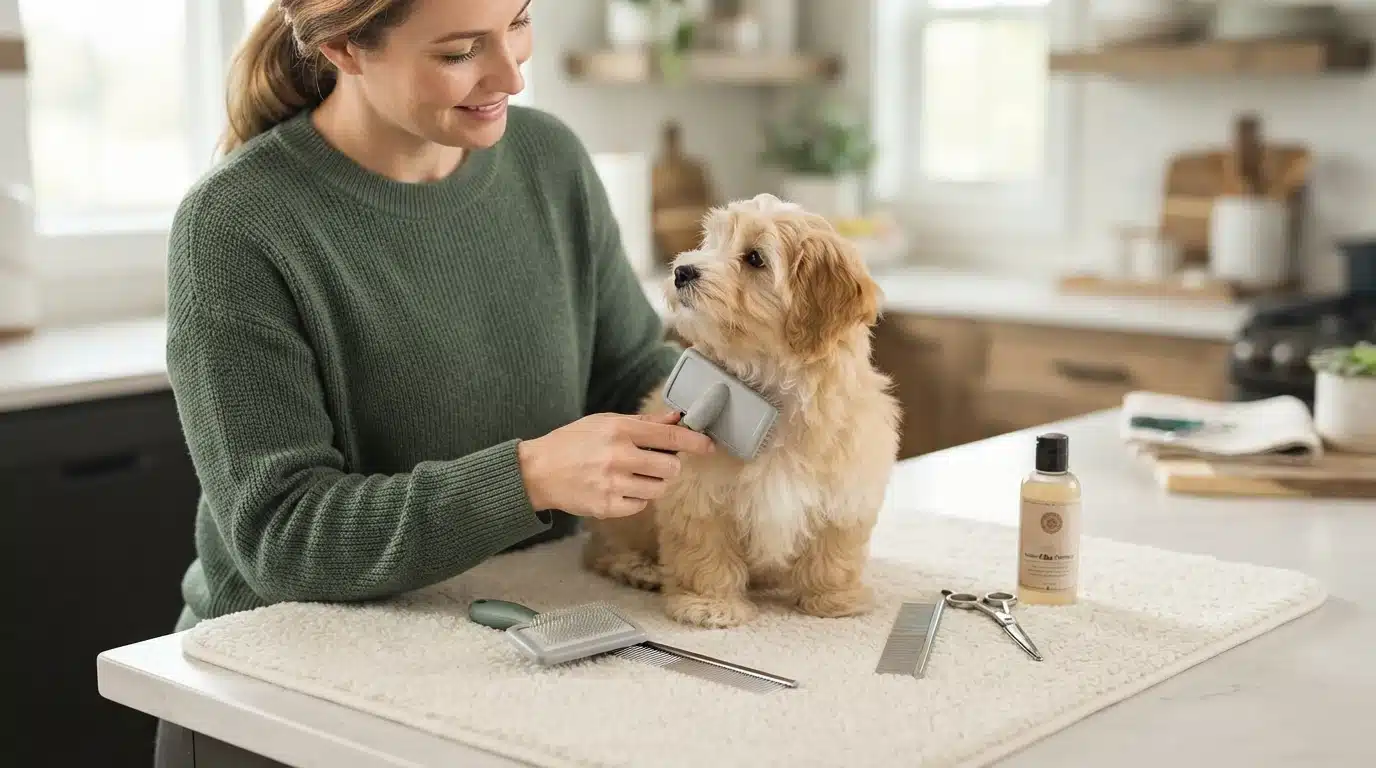
A Havapoo puppy needs daily brushing down to the skin, a metal comb to catch hidden tangles, a bath every three to five weeks, and professional trims every six to eight weeks. The coat is soft and low-shedding, so loose hair stays in instead of falling out. That sounds nice, but it means tangles build fast unless you stay ahead of them.
A Starting Rhythm for Brushing, Combing, Bathing, and Trims
Follow this routine and mats rarely get a foothold:
- Brush the whole coat daily, working down to the skin, not just the top layer.
- Run a metal comb through after brushing to catch tangles the brush missed.
- Brush before every bath, because water tightens existing mats.
- Bathe every three to five weeks with a gentle puppy shampoo.
- Book a full groom every six to eight weeks, or trim face, feet, and tail at home between visits.
Breeders and grooming guides on Havanese-type coats repeat the same core advice: daily brushing down to the skin and a groom every four to eight weeks depending on coat length. Start this rhythm the first week you bring your puppy home, so brushing feels normal instead of scary.
Tools That Make Puppy Coat Care Manageable
You need four things. A slicker brush lifts loose hair and works through light tangles. A metal greyhound comb checks your work; if it glides through, you are done. Blunt-nosed scissors tidy around the eyes and paws safely. A pet dryer or towel matters because a damp coat mats twice as fast. Skip fancy de-shedding tools, since Havapoos barely shed.
High-Friction Areas Where Mats Start
Mats form where fur rubs together. Check behind the ears, under the collar and harness, in the armpits, between the paw pads, and around the groin after every potty break. The area under the eyes needs daily wiping too, because tear staining pairs with crusty fur that tangles. Five minutes on these spots each evening prevents most shaving emergencies at the groomer.
Shedding Patterns Compared: Havapoo vs Havanese vs Cavapoo
Which small breed sheds the least? Here is the quick answer:
| Breed | Coat Type | Shedding Level |
|---|---|---|
| Havanese | Single hair coat | Very low, loose hair stays trapped |
| Havapoo | Mixed Havanese and Poodle | Low, varies by coat |
| Cavapoo | Cavalier and Poodle mix | Low to moderate, some coats shed more |
What the Shedding Evidence Actually Shows
The Havanese has hair rather than fur, and shed hair usually gets caught in the outer coat instead of falling on your floor. That makes it the most predictable low shedder of the three, as ASPCA Pet Insurance notes.
Havapoos lean low-shedding too, but the Poodle mix adds variety. Some puppies throw a wavy, tight coat and shed almost nothing. Others favor the Havanese side and shed slightly more. Cavapoos vary the widest because the Cavalier parent can pass down a softer undercoat. That parentage means some Cavapoos shed visibly more than either Havanese or Havapoo littermates.
The First-Year Coat Change and the Blow-Out
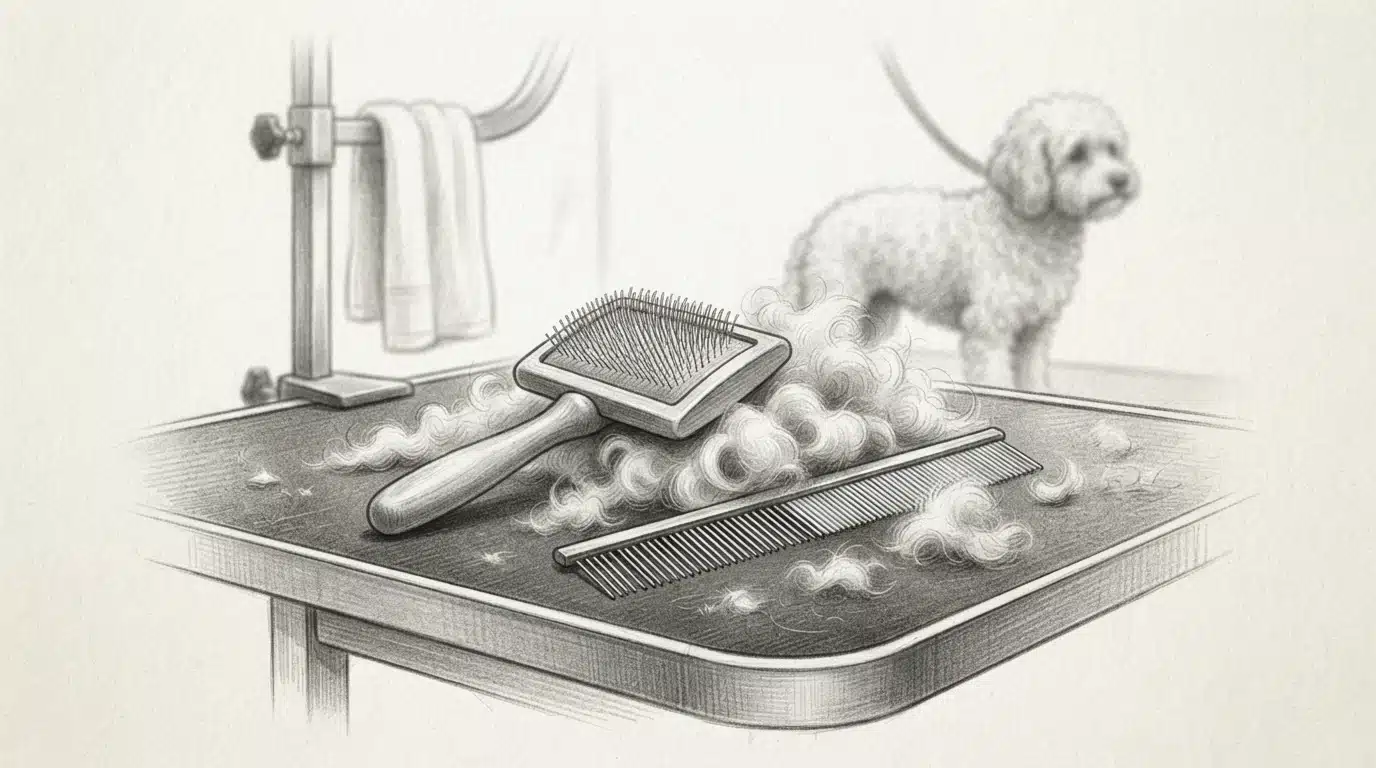
Expect a puppy coat change somewhere between 6 and 12 months. The soft baby coat loosens and the adult coat pushes in, so even a Havanese can look like it is suddenly shedding a lot. Brush through the transition with a metal comb and slicker brush a few times a week so loose hair lifts out before it mats.
Why Shaving Is Not a Shortcut for Shedding
Clipping the coat short removes hair you would see on the brush, not the shedding itself. Shaved coats also regrow unevenly and lose some sun protection. Regular brushing and consistent trims manage loose hair better than one dramatic cut.
Allergy-Friendly Choices: What Hypoallergenic Actually Means
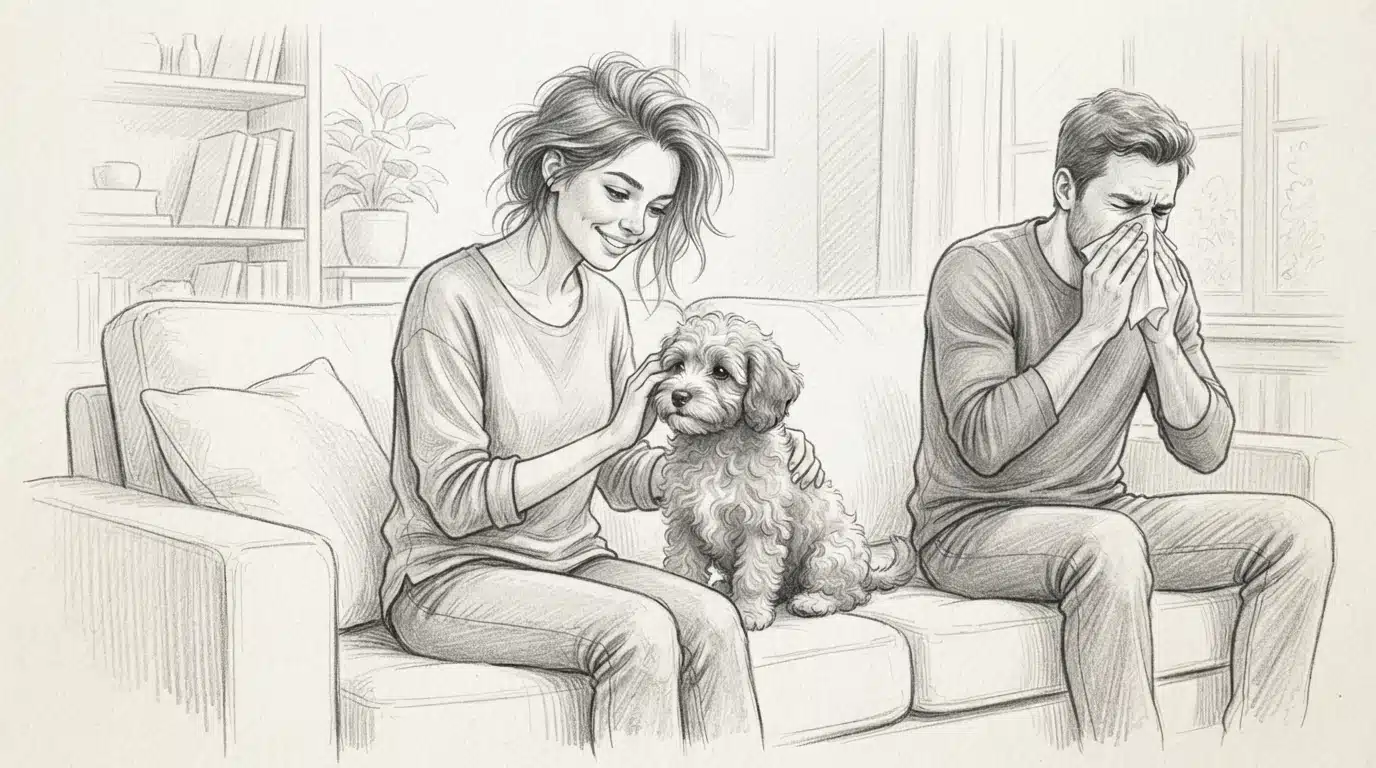
Short answer: no. Are Havapoo puppies hypoallergenic? Not truly, because the allergens that trigger reactions live in dander, saliva, and urine, not in fur itself. Every dog carries them, no matter the coat. A Havapoo may shed less and spread less dander around your home, which helps some sensitive families, but it never removes the risk entirely.
Why No Dog Is Truly Hypoallergenic
The allergen protein sticks to skin flakes and saliva, so even a hairless dog would carry it. Studies comparing shedders with so-called low-allergen breeds found no consistent difference in the allergen levels of their homes. According to the AKC, allergies come from dander and saliva, not hair. That is why honest breeders, including those here at Sage Puppies, avoid promising allergy-proof puppies.
Matching a Coat to an Allergy-Sensitive Household
Coat type still matters, just not the way ads claim. A tight, low-shedding curl keeps dander trapped near the skin instead of scattering it on couches and floors, and frequent brushing removes it at the source. Havapoos and Cavapoos usually inherit that from the Poodle side, while a Havanese coat sheds little but needs daily combing. Spend time with the exact puppy before you commit, ideally in a small room for 30 minutes or more.
Household Steps That Actually Reduce Allergen Load
Small habits cut allergens more than any breed choice. The AAAAI notes that no breed reliably produces fewer allergens, so managing your home does the real work.
- Wash hands after handling, and keep the puppy off the bedroom.
- Run a HEPA air purifier and vacuum weekly with a HEPA filter.
- Bathe and brush the puppy outdoors or in the bathroom.
- Hard floors beat carpet, and washable dog bedding helps too.
Grooming Time, Cost, and How Each Coat Fits Your Routine
All three breeds need regular brushing, but the weekly time differs. A Havanese in a long show-style coat needs near-daily combing. A puppy cut trims that to three or four sessions a week. Havapoos and Cavapoos sit in between, with curly coats needing brushing every other day to stop mats near the ears and armpits.
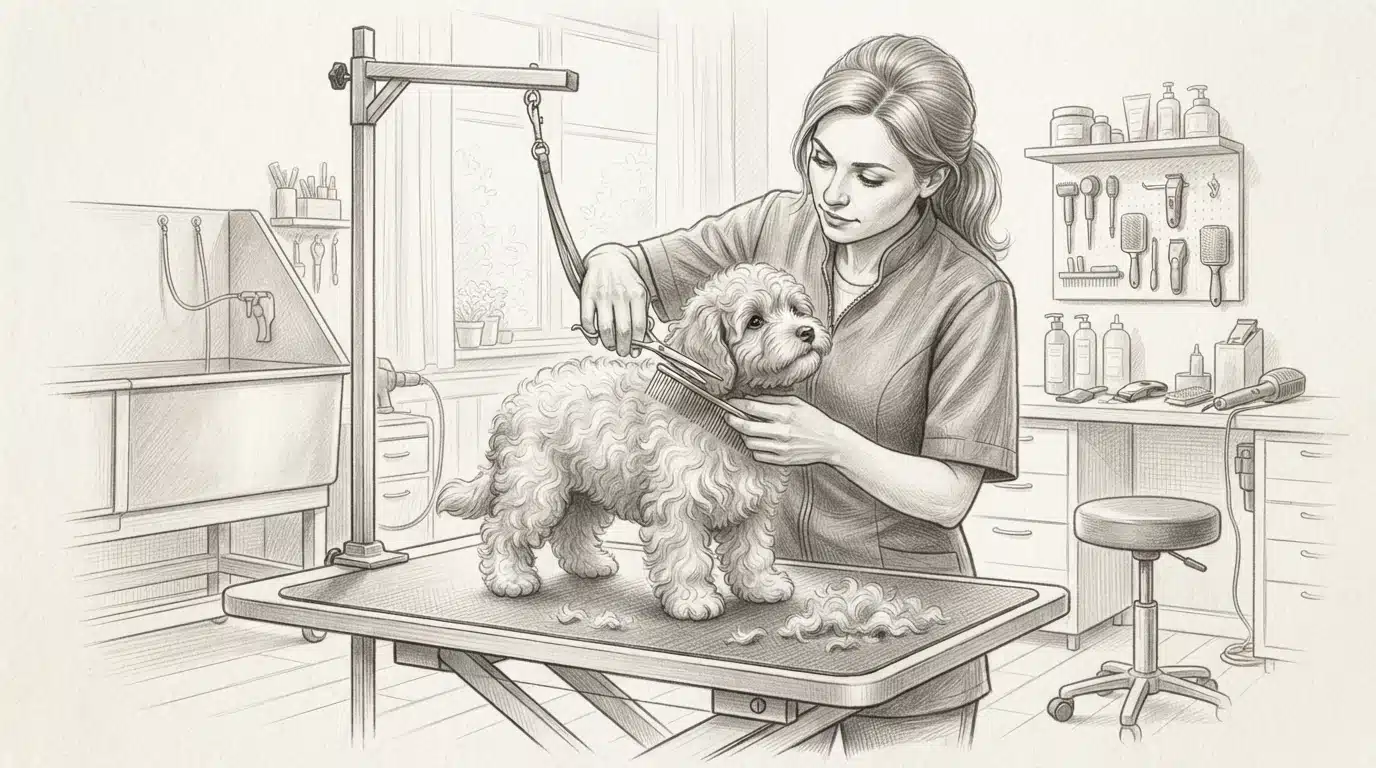
What Each Coat Costs You in Time Each Week
Plan on 15 to 20 minutes per brushing session. Long Havanese coats take closer to 20, plus daily eye wiping for tear staining. Havapoo and Cavapoo puppy cuts often fit in 10 to 15 minutes. Until the puppy coat change between 6 and 12 months, brush more often, because the soft fluff mats fastest during that blow-out.
Recurring Grooming Costs to Budget For
How much does Havapoo grooming cost? Budget for four categories: professional full grooms every 4 to 6 weeks, at-home tools such as a slicker brush and metal comb, shampoo and ear-care supplies, and occasional extras like nail trims. Havanese grooming cost falls in the same range, roughly $45 to $75 per session nationally, though prices vary by region, coat length, and groomer. A puppy cut often runs less than a full scissor finish.
Adjusting the Routine for Utah Homes and Traveling Families
Utah’s dry air and dusty trails mean more baths and paw checks, so keep wipes by the door. Families receiving a puppy nationwide should book a groomer before arrival and start short brushing sessions the first week, since early handling makes every later groom easier.
Coat Care and Health: Matting, Skin, Ears, Eyes, and Teeth
Coat work is only half the routine. Small companion breeds also need steady attention to skin, ears, eyes, and teeth, and each area fails quietly before it becomes a vet bill.
Mats, Moisture, and Skin Irritation
Mats form fastest where friction lives: behind the ears, under the leg bands, and along the belly. Check those spots daily with a slicker brush and metal comb, since a mat hides damp skin underneath. Never bathe a matted coat. Wet mats tighten, trap moisture, and invite irritation, so brush the puppy fully dry first, then bathe and dry again to the skin.
Eyes, Tear Staining, and Ears
Havanese and their mixes often tear, and light coats show it as rust-colored staining. Wipe under each eye daily with a damp cloth or eye wipe. For ears, check weekly for redness or odor and dry them after every bath, because floppy ear flaps hold moisture. Trimming hair around the ear opening helps air move through.
Teeth and Small-Breed Dental Care
Small breeds crowd their teeth, so tartar builds early. Daily brushing works best, and even a few times a week helps according to the AVMA. Use dog toothpaste and short sessions, and start while your puppy is young. Some small dogs need a first professional cleaning as early as age two, so ask your vet at each visit (Orlando Veterinary Dentistry).
Which Should You Choose: Havapoo, Havanese, or Cavapoo?
Pick the match for your household, not the cutest face in a litter photo. Ask three questions: how much coat variation you can handle, how predictable you need grooming to be, and how much shedding your family accepts.
Choose a Havapoo When Your Routine Can Handle Variable Coats
A Havapoo suits families who can adapt. Coat type ranges from wavy to curly, so shedding and matting vary litter to litter, and even within one litter, as comparisons of the two poodle mixes note. If you can meet whatever coat arrives and keep up brushing through the puppy coat change, this mix works well.
Choose a Havanese When You Want a Predictable, Well-Documented Coat
The Havanese breed coat is the known quantity here: single-layer, low shedding, and consistent across dogs. You trade surprise for work. Expect longer brushing sessions, daily eye wiping for tear staining, and regular trims. Breeders document this coat across generations, so you know the job before the puppy comes home.
Choose a Cavapoo When You Want Spaniel Character and Accept Variable Shedding
Cavapoos bring the Cavalier’s gentle, people-focused temperament, but shedding depends on which coat the puppy inherits. Straighter coats shed a little more, while curlier ones shed less, as Petful’s comparison explains. Spend time with the individual puppy before deciding.

Ready for a Havapoo whose coat you can actually manage? Sage Puppies matches families with well-bred Havanese, Havapoo, and Cavapoo puppies and walks you through coat care before pickup. Start the application today and ask your coat questions directly.
Frequently Asked Questions
Q1: What coat care does a Havapoo puppy need?
Brush daily to the skin, follow with a metal comb, bathe every three to five weeks, and book professional trims every six to eight weeks. Focus on mat-prone spots like behind the ears and armpits.
Q2: When does the puppy coat change happen?
Most Havapoos transition between 6 and 12 months. The soft baby coat loosens during the blow-out, so brush more often with a slicker brush to lift loose hair before it mats.
Q3: Are Havapoos truly hypoallergenic?
No. Allergens live in dander, saliva, and urine, not fur. Low-shedding coats may spread less dander, but spend time with the exact puppy before committing.
Q4: How much does professional grooming cost?
Havanese-type grooming typically runs $45 to $75 per session nationally, with full grooms every four to eight weeks depending on coat length and cut style.
Q5: Which breed sheds least: Havapoo, Havanese, or Cavapoo?
Havanese shed least and most predictably. Havapoos are close behind, while Cavapoos vary most because the Cavalier parent can pass down a heavier-shedding coat.
Q6: What grooming tools do I need to start?
Four basics: a slicker brush, a metal greyhound comb, blunt-nosed scissors, and a towel or pet dryer. Skip de-shedding tools, since low-shedding coats rarely need them.
Conclusion
Coat care decides how well a Havapoo, Havanese, or Cavapoo fits your home. Brush daily with a slicker brush, follow with a metal comb, and plan on professional trims every six to eight weeks. Havanese coats shed least and most predictably, Havapoos stay low-shedding with some variety, and Cavapoos vary most. No breed is truly hypoallergenic, so spend time with the puppy you’re considering. Match the coat work to your routine, and the right choice follows.