Quick Summary: Havanese puppies are affectionate, adaptable companions, but they need regular grooming, close company, and careful preparation for their first 90 days. Brush a puppy cut three times weekly and a long coat daily, request documented OFA, CAER, and BAER health results rather than relying on a CHIC number alone, and avoid leaving the dog alone for a full workday. Match the puppy’s temperament to your household, and Sage Puppies supports this process through health-tested dogs, early socialization, and owner-managed placement.
The first time you run a comb through a Havanese puppy’s coat, you will find tangles you did not know existed, tucked behind the ears and under the collar. The small fluffy dog everyone calls easy is quietly asking for daily attention.
This Havanese puppy breed guide answers the real question: what should you know before bringing one home? You will get a grooming routine with actual time estimates, a health-screening checklist based on Havanese Club of America guidance, and temperament expectations matched to your household.
At Sage Puppies in South Jordan, Utah, we breed Havanese, Havapoo, and Cavapoo puppies with documented health testing and early socialization, for Utah families and buyers nationwide. Whether this is your first puppy or your fifth, the next few pages will help you plan the first 90 days with confidence.
What to Know Before Bringing Home a Havanese Puppy
Before a Havanese puppy walks through your door, three things matter most: knowing what daily life with the breed really looks like, having your home ready, and asking the right health questions. This havanese puppy breed guide covers each one so day one goes smoothly.
The Honest Version of Living With a Havanese
Havanese dogs are cheerful, adaptable, and famously people-focused. That devotion has a cost: they dislike being alone, so plan company or dog care for long workdays. Their silky coat grows nonstop and needs brushing several times a week, or mats form fast. Budget for regular trims or grooming visits. Expect a small, sturdy companion who follows you room to room and wants to be part of everything. For early training help, this step-by-step Havanese puppy training plan covers the first weeks.
What to Have Ready Before the Puppy Arrives
A little prep buys you a calmer first week. Get these in place before pickup day:
- A crate sized for an adult dog under 15 pounds, with soft bedding
- Food the breeder already feeds, so you avoid stomach upset
- Bowls, a harness, a flat collar, and a short leash
- Chew toys and a safe play area
- A vet appointment booked within a few days of arrival
Set one consistent potty spot outside now. Puppies learn routines fast, and mixed messages slow progress.
Questions to Ask a Breeder Before You Commit
The Havanese Club of America requires OFA hip, patella, and annual eye exams for a CHIC certificate, so ask for documented results, not promises. Request BAER hearing results, the vaccination and deworming record, and the exact dates. Ask how puppies are socialized and who raised them indoors or out. Finally, read the contract: health terms, return policy, and spay or neuter expectations should all be in writing.
The Silky Coat: A Real Grooming Routine, Not a Pampering Task
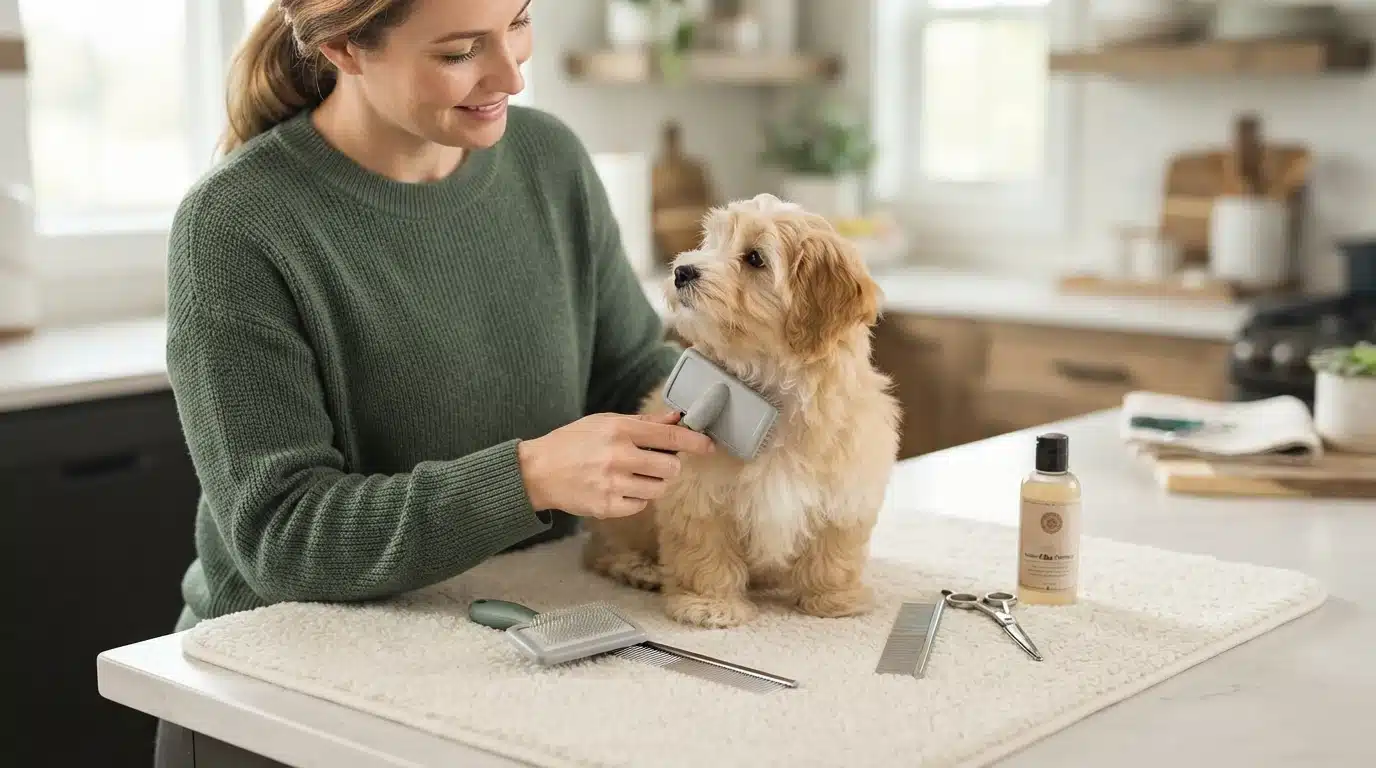
Brush a Havanese puppy about three times a week, and daily if you keep the coat long. The Havanese Club of America gives that same puppy brushing schedule, and sessions take ten to fifteen minutes once you get fast at it. Skip the routine and you will be paying for a shave-down instead.
Why a Low-Shedding Coat Still Mats
Low-shedding sounds easy, but it works against you. Hair that stays put instead of falling out gets caught in the undercoat, twists, and forms tight mats close to the skin. Collars, harnesses, armpits, and the area behind the ears tangle first. The AKC notes the silky Havanese coat needs daily care when grown long. Matting hurts, and a badly matted dog often loses its coat to the clippers.
A Weekly Routine You Can Keep
Use a slicker brush and a metal greyhound comb, and always comb after brushing to find hidden tangles. Work in short strokes down to the skin, not over the top layer. Mist with water or coat spray first so dry hair never breaks.
| Coat style | Brushing | Grooming visits |
|---|---|---|
| Long coat | Daily, 10-15 minutes | Every 5-6 weeks |
| Puppy cut | 3 times weekly, 5-10 minutes | Every 6-8 weeks |
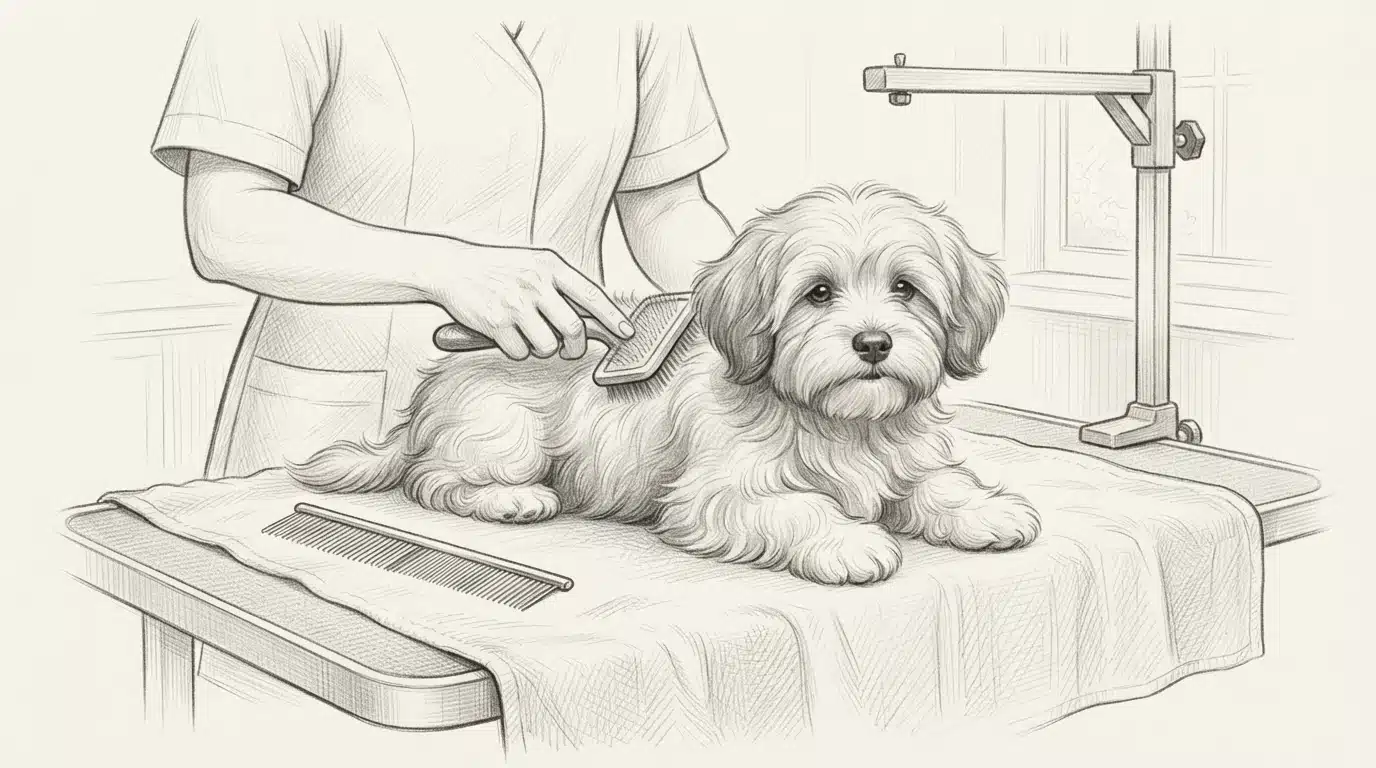
This is the core of any Havanese puppy breed guide’s grooming advice: consistency beats effort. If coat type has you unsure, the brand’s page on a grooming schedule by coat type breaks the timings down further.
Professional Grooming and the Puppy Cut Decision
Most pet families choose the puppy cut: short body, longer face, easy upkeep. It trims home brushing to a few minutes and cuts grooming costs over time. Full coats look lovely, but budget for steady daily work or a groomer every month or so.
Nails, Teeth, Ears, and Weight
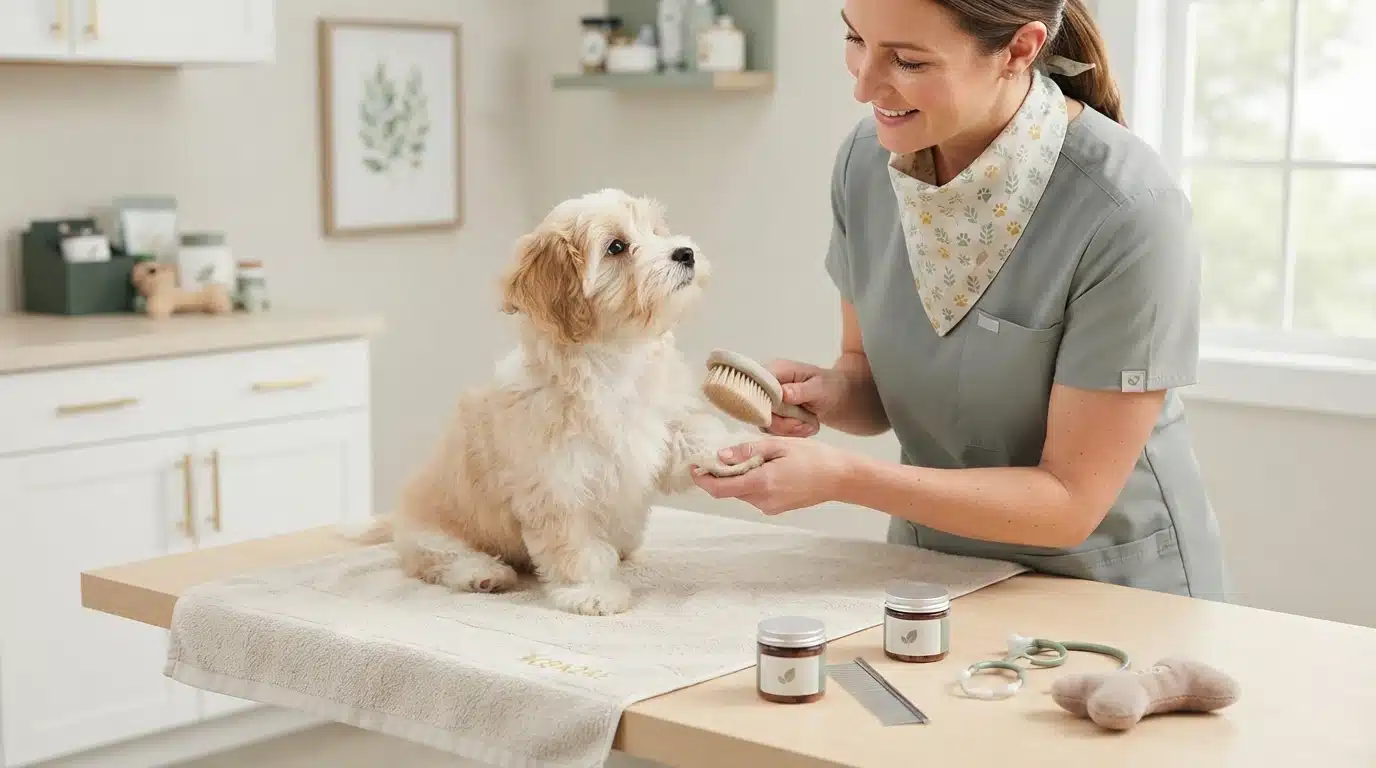
Trim nails every three to four weeks; short nails protect your floors and your dog’s gait. Brush teeth several times a week because small breeds build tartar fast. Check ears weekly for wax or odor, and weigh your puppy monthly. A Havanese stays small, so a few extra pounds show up quickly.
What to Ask About and What to Watch For
What the Breed’s Health Reputation Means, and What It Does Not
Havanese are generally healthy, but “healthy breed” is not a health guarantee for your individual puppy. Lines vary. Responsible breeders screen breeding dogs for inherited eye, knee, heart, and hearing problems, and they share results openly. Ask for documents, not descriptions. Anyone selling Havanese puppies should show you the parents’ testing records before you place a deposit, so keep those records with your contract.
The Tests to Ask For, and What Each One Screens
Which health tests should I ask a Havanese breeder about? Ask about all of these:
| Test | What It Screens | Why It Matters |
|---|---|---|
| OFA patella evaluation | Luxating patella, a slipping kneecap common in small breeds | Kneecap problems often need surgery later |
| OFA hip evaluation | Hip joint abnormalities | Less common in Havanese, but still worth ruling out |
| CAER eye exam | Inherited eye disease, including cataracts | Performed by a board-certified ophthalmologist, so results carry weight |
| BAER hearing test | Deafness in each ear | Puppy-stage results catch problems before you bond |
| Cardiac exam | Heart murmurs and defects | Some congenital issues show up only on auscultation |
A good breeder hands you copies without being asked.
What a CHIC Number Does and Does Not Prove
A CHIC certificate from the Orthopedic Foundation for Animals confirms a dog completed the required tests and the breeder published the results, good or bad. It does not certify the results are normal, and it never expires based on health. Read the actual results behind the number.
Conditions Your Vet Will Likely Monitor
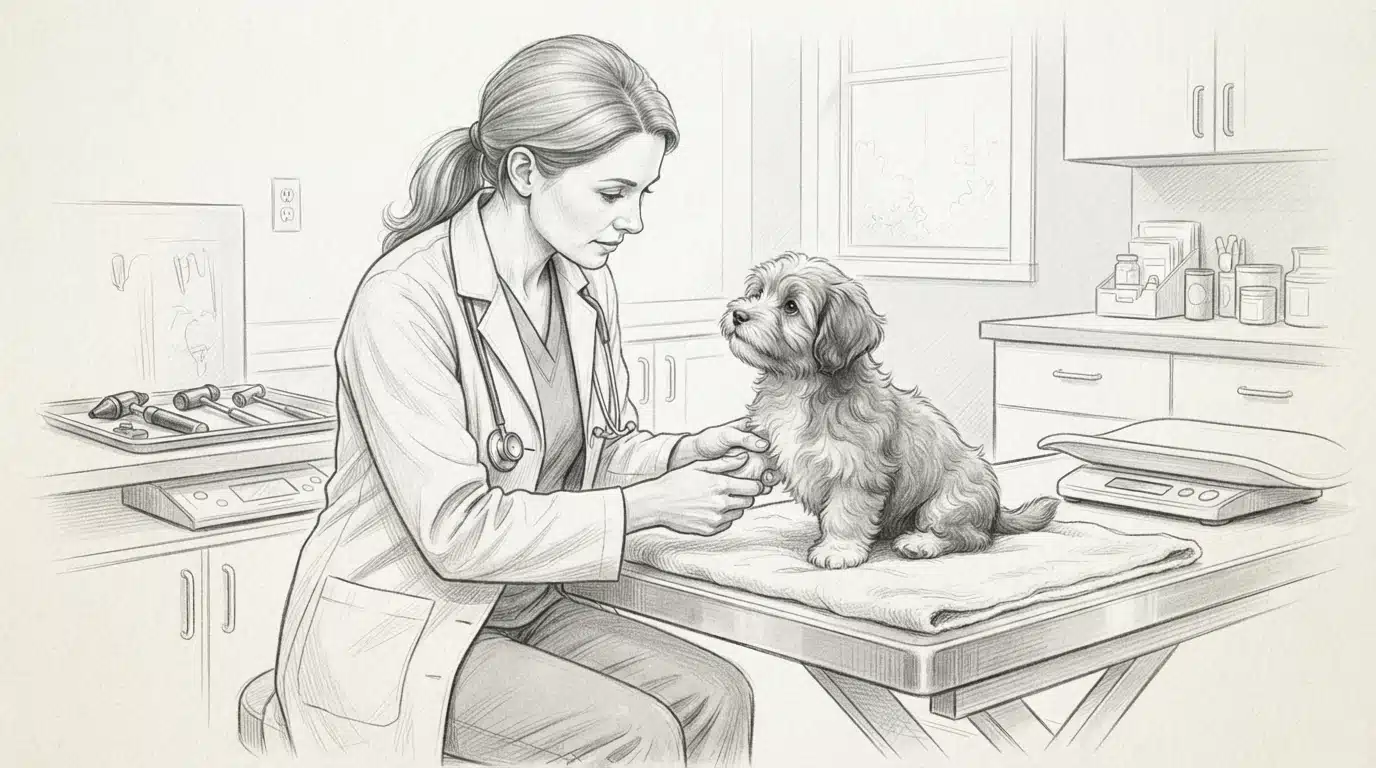
At your puppy’s first visits, expect your veterinarian to check the knees, heart, eyes, and ears, and to note the breed’s known issues: luxating patella, heart murmurs, progressive retinal atrophy, and cataracts. Watch at home for a skipping gait, head tilt, cloudy eyes, or night blindness, and report anything odd early.
The Companion Side and Its Edges
Havanese puppies were bred to sit on laps and watch everything. That instinct shapes how they bond, how they cope when you leave, and which homes fit them well.
Affectionate, People-Oriented, and Observant
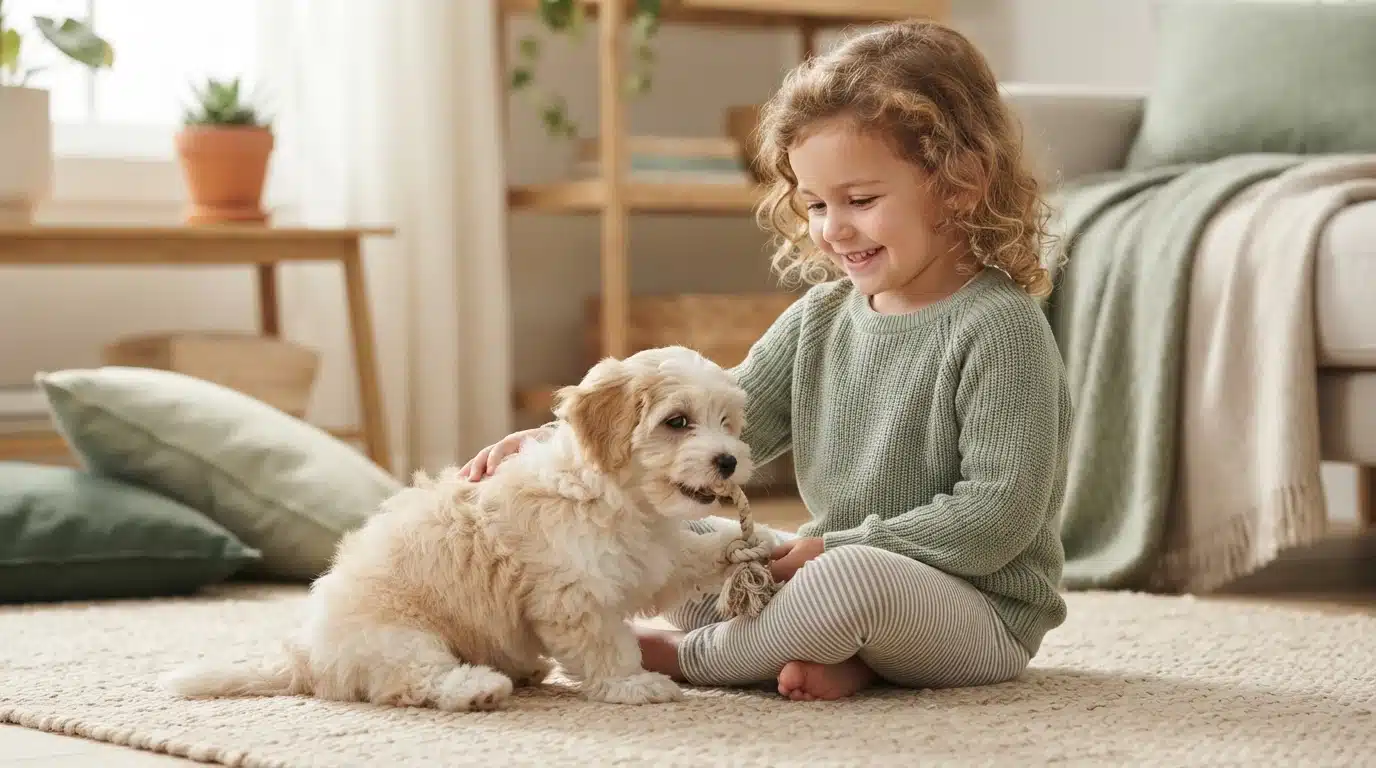
This breed wants to be where you are. A Havanese follows you between rooms, greets visitors warmly, and picks up on your mood fast. They watch first, then act, which makes them quick learners in a calm home. With kids they are sturdy enough for gentle play and soft enough not to knock anyone over. Expect a shadow dog, not an independent yard dog.
Separation and the Indoor Dog Reality
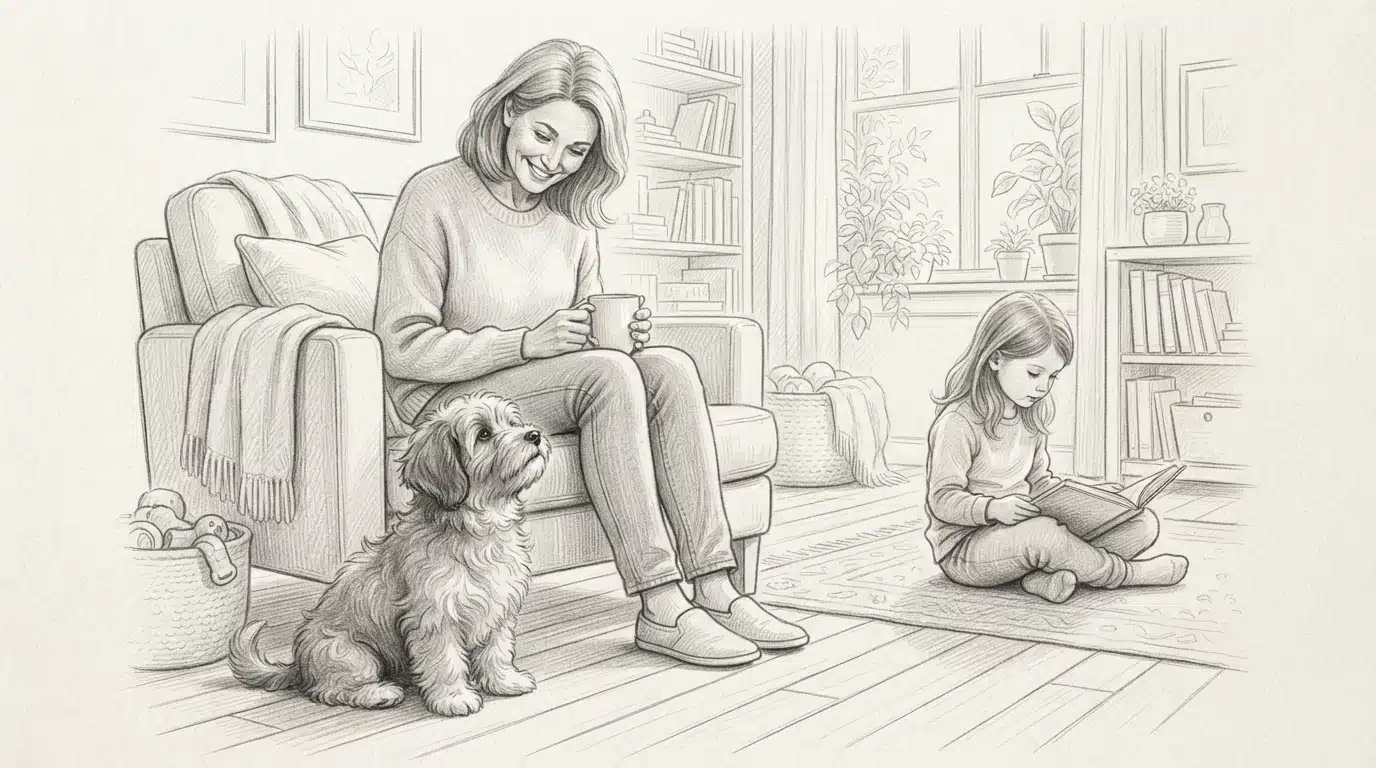
Can a Havanese puppy be left home alone? Yes, but only after training, and never for a full workday. This breed is prone to separation anxiety, and PetMD notes some cannot tolerate a crate all day. Build up in small steps: start with 10 to 15 minutes, then 30, then an hour. A realistic adult plan is four hours maximum, broken by a dog walker, neighbor, or midday visit. Signs of trouble include key-time panic, howling, or house soiling.
Socialization and Training in the First Months
Keep the first three months busy with people. Carry your puppy to new places, let strangers offer treats, and meet calm adult dogs. Pair every new sound with food. Short, upbeat training sessions of five minutes work better than long drills, because this breed shut down when pushed too hard.
Which Household Suits a Havanese Best
Families with kids, retirees, apartment dwellers, and work-from-home owners all fit. The poor match is a household gone ten hours daily with no backup care.
Matching a Puppy to Your Home Rather Than Choosing on Color
Coat color draws people in, but color says nothing about how a puppy will fit your household. Energy level, confidence, and tolerance for handling matter far more for the next 14 years. Good breeders match on those traits first, then talk about the reds and parti patterns.
Why Puppies Are Placed Around Eight Weeks
Those first eight weeks are not waiting time. Puppies learn bite inhibition from littermates, build confidence from their mother, and get gentle handling from people. Litters should stay together through this period, so a breeder who ships at six weeks is cutting development short. Around eight weeks, the puppy’s budding personality is also easier to read, which makes placement decisions more honest for everyone.
How Temperament Observations Guide Placement
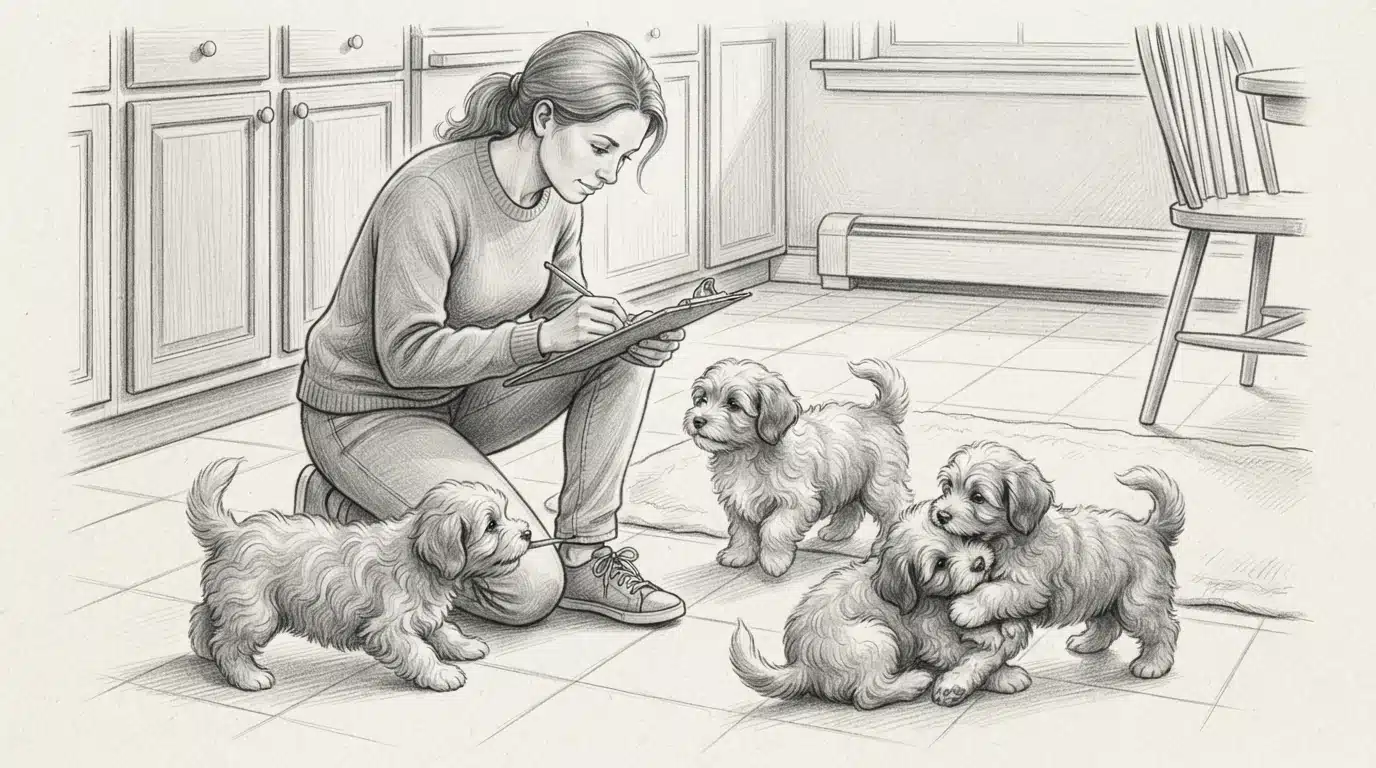
Breeders watch puppies daily for weeks. Who recovers fast after a startle? Who naps through noise, and who follows the kids around? Those notes decide which puppy suits a calm apartment versus a busy house with three children. A shy puppy placed with a loud, chaotic family often struggles, while the same puppy thrives with a retired couple. At Sage Puppies, this owner-managed matching process is how Cassie pairs each puppy with the home that fits it. Ask any breeder how they make these calls, and expect specifics.
What an Application Should Actually Cover
A useful application digs into daily life, not just contact details. Expect questions about work hours, children’s ages, other pets, yard access, and how you plan to handle grooming and training. Detailed answers help the breeder steer you toward or away from certain puppies. Slow or generic application processes are a red flag in the other direction, since they suggest puppy selection is driven by the checkout page.
Pricing and What It Reflects
Well-bred small-breed puppies typically run from a few thousand dollars upward, and Sage Puppies lists its pricing and reservation terms openly at $3,500 to $4,500. That figure reflects health testing of parents, early socialization work, veterinary visits, and the breeder’s time, not coat rarity. Learn more in the puppy reservation FAQ.
Your First Ninety Days: A Rhythm That Prevents Problems
Puppies settle fastest when the day looks predictable. This three-stage plan covers the first 90 days with a Havanese puppy, from quiet arrival to full grooming and training habits.
Days One to Fourteen
Keep the world small. Book a vet visit within 48 to 72 hours of pickup and bring your puppy’s vaccine and deworming records. Start crate training right away so the crate feels like a safe spot, not a punishment, a step the AAHA recommends for every new puppy. Feed on a fixed schedule, take potty trips after meals and naps, and let your puppy sleep. The critical socialization window closes around 14 to 16 weeks, so gentle exposure starts now: carry your puppy through new rooms, sounds, and surfaces before vaccines are complete.
Days Fifteen to Sixty
Now the routine expands. Add short car rides, different floor textures, calm adult dogs, and visitors of varied ages, since socialization works best in the first three months. Begin five-minute handling sessions: touch paws, ears, and the muzzle, then reward. Brush three to five times weekly so grooming feels normal, and practice a short stay alone to prevent separation stress later. Keep sessions upbeat and brief.
Days Sixty to Ninety
Solidify what’s working. Lengthen alone-time gradually, keep practicing handling, and book the first full groom if your puppy wears a longer coat. By now potty habits, crate naps, and brushing should feel routine.
Keep a Simple Health and Grooming Log
Track weights, vaccine dates, grooming sessions, and any skin or stool changes in one notebook or note. Patterns surface early, and your vet visits go smoother when dates are written down.
Common Mistakes to Avoid in the First Year
Coat and Grooming Errors
The biggest error is skipping grooming until mats form, then shaving the coat off. Havanese hair tangles fast, especially behind the ears and in the armpits. Stick to the schedule you set, whether that is a daily 10-15 minute brush for a long coat or three short sessions weekly for a puppy cut. Also avoid bathing a matted coat, since water tightens knots.
Health and Buyer Errors
Do not wait to schedule the first vet visit; aim for 48 to 72 hours after pickup with records in hand. Ask for real proof, not promises: OFA hip, patella, and CAER eye results on the parents, plus BAER hearing tests. A CHIC number alone does not prove a dog passed everything, so read the results yourself. And never skip the contract; health guarantee and return terms matter later.
Home Setup Errors
Free run of the whole house overwhelms a small puppy. Use a crate, a playpen, and one gated room. Block stairs and high furniture, since jumps cause injuries, and keep a consistent potty spot from day one.

Ready to meet your Havanese? Sage Puppies matches families with health-tested, well-socialized Havanese, Havapoo, and Cavapoo puppies in South Jordan, Utah, with delivery nationwide. Browse available puppies or start the application today.
Frequently Asked Questions
Q1: What should I know before bringing home a Havanese puppy?
Plan for daily company, grooming several times a week, and a vet visit within 48 to 72 hours of pickup. Ask the breeder for documented OFA, CAER, and BAER results, and set up a crate, potty spot, and consistent routine before day one.
Q2: How often does a Havanese puppy need brushing?
Three times weekly for a puppy cut, daily for a long coat. Sessions take five to fifteen minutes, and combing after brushing catches hidden tangles.
Q3: Do Havanese puppies shed?
Very little, but that low-shedding hair stays in the coat and mats near the skin, which is why regular brushing matters.
Q4: Can a Havanese stay home alone while I work?
Not a full workday without help. Build alone time gradually and arrange a midday visit or walker; four hours is a realistic adult maximum.
Q5: What does a CHIC number actually prove?
Only that required tests were completed and published. Read the individual results, since a CHIC certificate does not confirm the results were normal.
Q6: What should a Havanese puppy cost?
Well-bred puppies typically run from a few thousand dollars upward. At Sage Puppies, pricing runs $3,500 to $4,500, reflecting health testing and socialization work.
Conclusion
A Havanese puppy rewards a steady routine. Brush three or more times weekly to stop matting, ask for documented OFA hip, patella, CAER eye, and BAER hearing results rather than trusting a CHIC number alone, and plan company for a dog that hates being alone. The first 90 days set the pattern: short socialization outings, crate training, and a simple grooming rhythm your puppy learns to accept. Match on temperament and household fit, not coat color, and keep the contract with the health records. Do those things, and your Havanese puppy grows into the adaptable, affectionate companion the breed promises.