Quick Summary: For Utah puppy buyers, pickup from South Jordan wins on cost and lets families meet the breeder face to face, but delivery via flight nanny or vetted ground transport makes more sense once you live past roughly 500 miles or face winter canyon closures on I-80 and US-6. The right call depends on your route, season, and the puppy’s age at go-home, with 8 to 10 weeks being the minimum window before small breeds like Havanese, Havapoos, and Cavapoos should travel. Lock in transport details, handoff location, health records, and refund terms in writing a week ahead, and verify any driver’s identity and health certificate to avoid scams.
If you are choosing between driving to South Jordan and having a Havapoo couriered to your front door, the cheapest number on paper usually loses to the option that fits your week, your vehicle, and your puppy’s age at go-home. That is the real challenge with puppy delivery options: cost tables look simple, but the right choice depends on where you live, how far you will drive, and what your small-breed puppy can handle in transit.
This guide compares pickup and delivery for Utah families and out-of-state buyers, covering Utah geography, what Havanese, Havapoo, and Cavapoo puppies need on the road, and the details worth putting in writing before go-home day. Sage Puppies, a boutique South Jordan program founded in 2025, raises only these three breeds, so the advice here is built around small dogs and real buyer questions, not generic shipping charts.
The Two Real Options for Bringing Home a Utah Puppy
When you reserve a Havanese, Havapoo, or Cavapoo from a Utah breeder, your puppy delivery options come down to two paths: coordinated national delivery, or a pickup trip you make yourself. Both work well. The right choice depends on where you live, your schedule, and how hands-on you want go-home day to be.
Option 1: Coordinated National Delivery
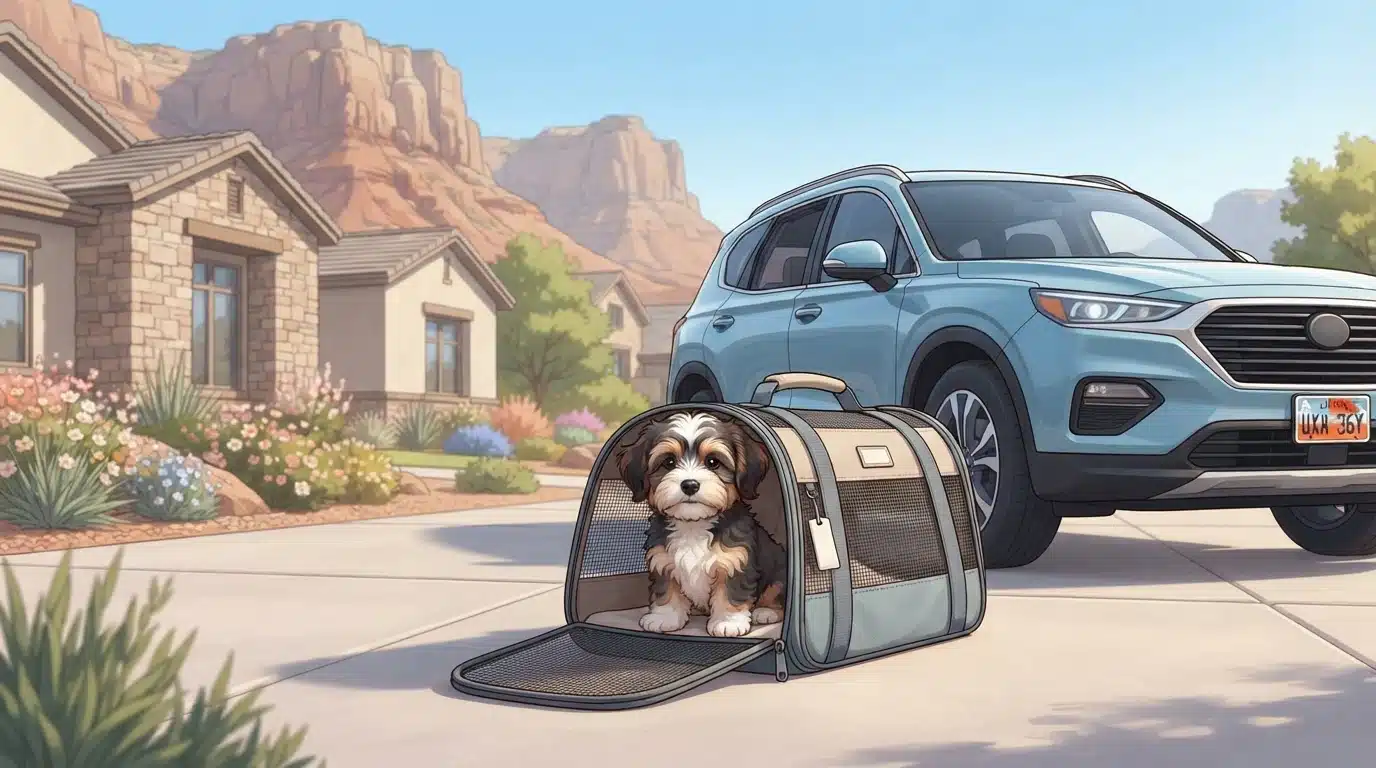
Delivery means a vetted ground transporter or a flight nanny brings your puppy to you, either to your door or to a nearby airport. The breeder books the travel, shares the route, and confirms pickup times, so you mostly need to be ready with a towel, water, and a quiet spot at home. Because Havanese and doodle mixes are small, they travel comfortably in a cabin carrier rather than cargo. Before go-home day, ask the breeder to confirm transporter details, health paperwork, and who receives the puppy in writing.
Option 2: Local Pickup Near South Jordan
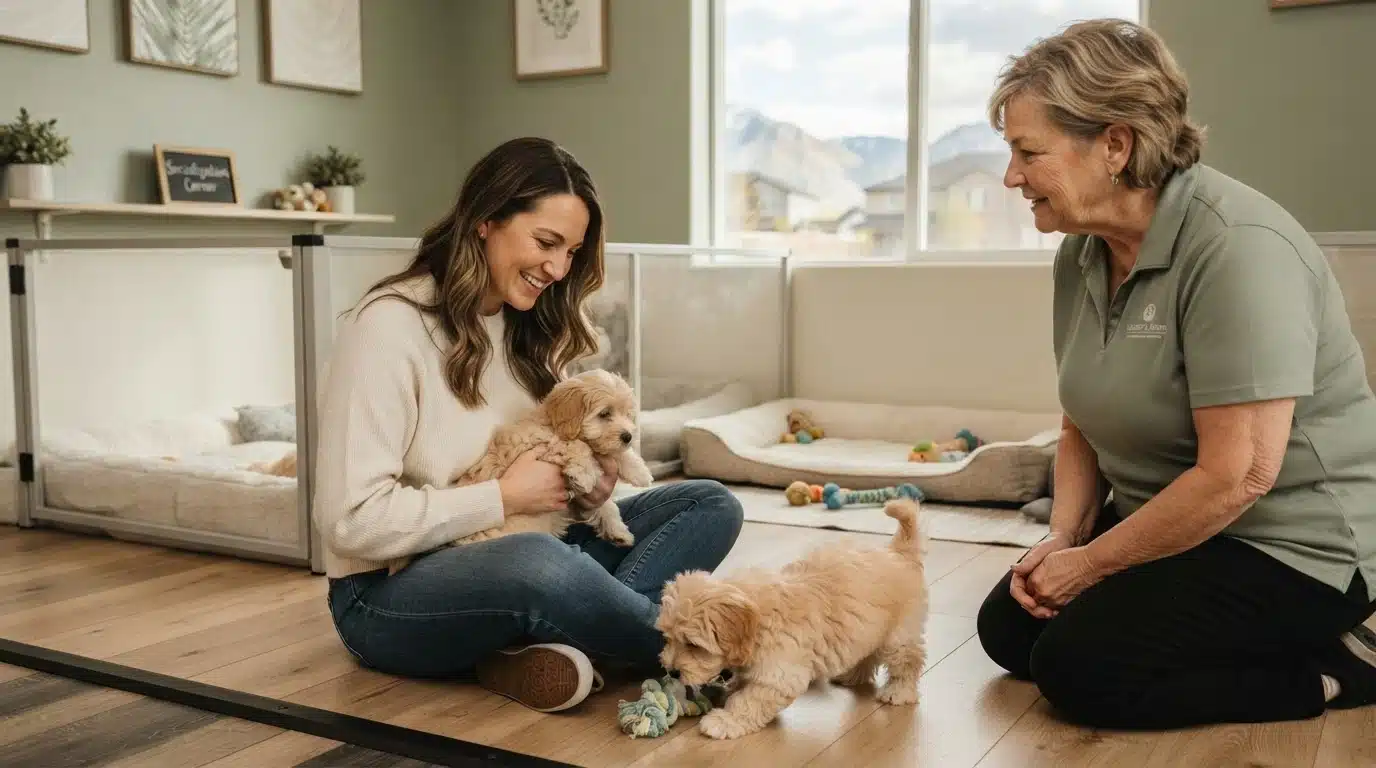
Pickup puts you in the room. Families driving through the Salt Lake Valley meet the breeder near South Jordan, see the puppy’s parents or littermates when possible, and start the car ride home together. Local pickup also lets you review feeding routines and paperwork in person. If you are weighing both paths, our guide to Utah puppy breeder red flags covers what to check before you drive.
Cost, Distance, and the Real Numbers
Delivery quotes and pickup trips cost more than families expect, and the gap between the two shrinks fast once you look at what each actually includes.
What Goes Into a Delivery Quote
A delivery quote is never just mileage. Ground transport pricing usually reflects the driver’s route, fuel, overnight care if the trip spans two days, insurance, and the courier’s handling fee. A flight nanny quote adds the cabin ticket, a soft carrier, the vet health certificate required by airlines, and the nanny’s time through two airports.
Compare puppy delivery options line by line before you pay, and ask what happens if a flight cancels or a route shifts. A vague flat fee hides the details that matter most.

What a Utah Pickup Trip Actually Costs
Driving to South Jordan sounds free, but it rarely is. Budget for fuel, one or two hotel nights for distant families, meals, and time off work. A family driving from Denver or Phoenix spends a full weekend on the road.
For Wasatch Front families, pickup is genuinely cheap: gas and a few hours. Utah prices sit near the national middle for gasoline, so check current state fuel averages before assuming your trip cost.
The Break-Even Distance
Past roughly 500 miles each way, pickup stops winning. You lose two travel days, and hotels plus fuel can match a flight nanny’s fee. Inside Utah, pickup is the clear value. Beyond that, weigh your calendar against your budget, not just the dollar figures.
Utah Logistics: Weather, Roads, and Schedule
Utah geography shapes your go-home plan more than most buyers expect. South Jordan sits at the base of the Wasatch Front, and the drive to Sage Puppies can cross mountain passes, high desert, or lake-effect snow zones depending on the season.
Seasonal Risk for Pickup Trips
Winter is the biggest variable. I-15 stays plowed, but canyon routes like I-80 over Parleys Summit and US-6 through Price Canyon can close without warning during storms. If you’re driving in from Nevada, Idaho, or Colorado between November and March, build a buffer day and check UHP road conditions before you leave. Summer brings its own risk: a puppy in a parked car for even ten minutes can overheat fast, so plan your stop for a shaded, quick handoff.

Why Go-Home Day Timing Matters
Puppies do best when their first day home follows a calm, predictable pattern. Utah breeders, including Sage Puppies, typically schedule go-home around eight weeks of age, and that day works best when pickup happens in the morning or early afternoon. That timing gives your puppy daylight to explore, one meal on a steady routine, and a calm evening before the first night alone. Late-evening arrivals often mean a stressed puppy and a rougher first night. If weather or roads delay you, message your breeder early and reschedule rather than rushing a tense, hours-long drive with a young puppy.
Vehicle and Cargo Setup for Pickup
Keep it simple and safe. A crate or booster seat secured in the back seat works far better than a loose carrier, and a towel inside catches accidents. Bring water, a small bowl, and paper towels. No loose collars needed for a car ride, just a calm, cool space.
Puppy Comfort and Safety on the Road
A puppy’s comfort matters more than your schedule. Small breeds like Havanese, Havapoos, and Cavapoos feel stress, heat, and cold faster than adult dogs, so plan around the puppy, not the calendar.
Age and Vaccination Status
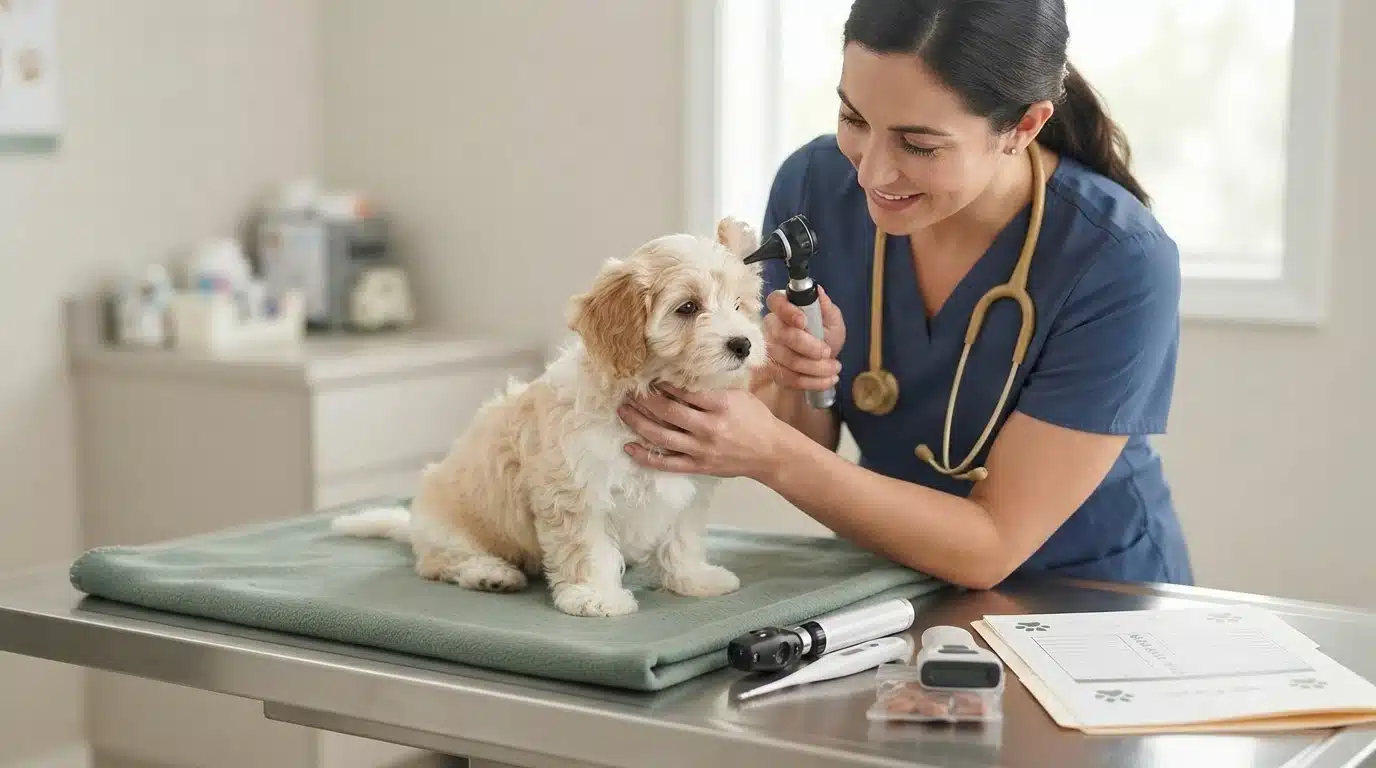
Responsible breeders and transporters follow age minimums rather than rushing a puppy onto the road. Most puppies stay with their mother and littermates until 8 to 10 weeks old, which lets early socialization and first vaccines happen before travel. Carriers and airlines often require a current health certificate, and some airlines expect puppies to meet a minimum age before flying. The USDA pet travel guidelines outline the paperwork a vet must sign before a puppy crosses state lines.
Ask any driver or courier to carry vaccination records in writing, and confirm them yourself.
Temperature, Hydration, and Rest
Utah’s weather swings hard. Summer pavement and closed-in cars heat fast, so travel early in the day and never leave a puppy alone in a parked vehicle. Winter runs the other way; hypothermia risk rises for 5-pound puppies, so keep the crate out of drafts and off cold metal.
Offer small sips of water every couple of hours rather than a full bowl, which cuts motion sickness and accidents. Stop every two to three hours so the puppy can stretch and relieve itself on a leash. The ASPCA’s travel safety tips recommend keeping a familiar blanket in the crate to lower stress.
Crate Fit and Small-Breed Realities
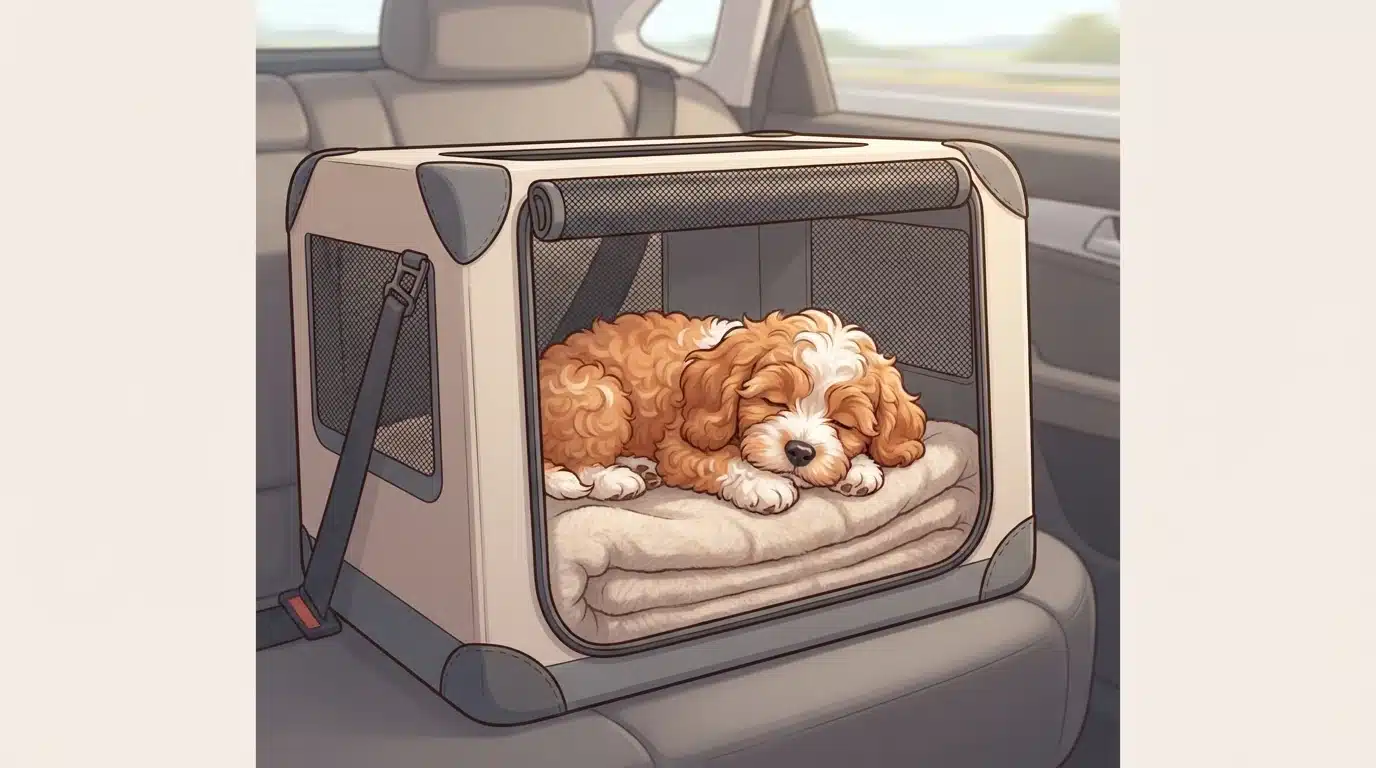
A crate should let the puppy stand, turn around, and lie down flat, no bigger. Oversized crates let small puppies slide during turns, so line the floor with a non-slip pad and a soft blanket. Tape a label with your name and phone number to the door. When you plan go-home day, our new puppy preparation guide covers what to set up before the crate arrives.
Putting It in Writing Before Go-Home Day
A verbal agreement fades fast when weather, flights, or work schedules shift. Get the transport details in writing at least a week before go-home day, so both sides know exactly what happens and who pays if plans change.
Method, Handoff Location, and Timing
Confirm the method itself: breeder-driven delivery, a flight nanny, or your own pickup. Then write down the exact handoff spot, whether that’s your front door, an airport terminal, or the Salt Lake City pickup address. Add a date, a time window, and a backup date. If winter travel is involved, note how a canyon closure or flight cancel triggers rescheduling.
Health Records and Paperwork
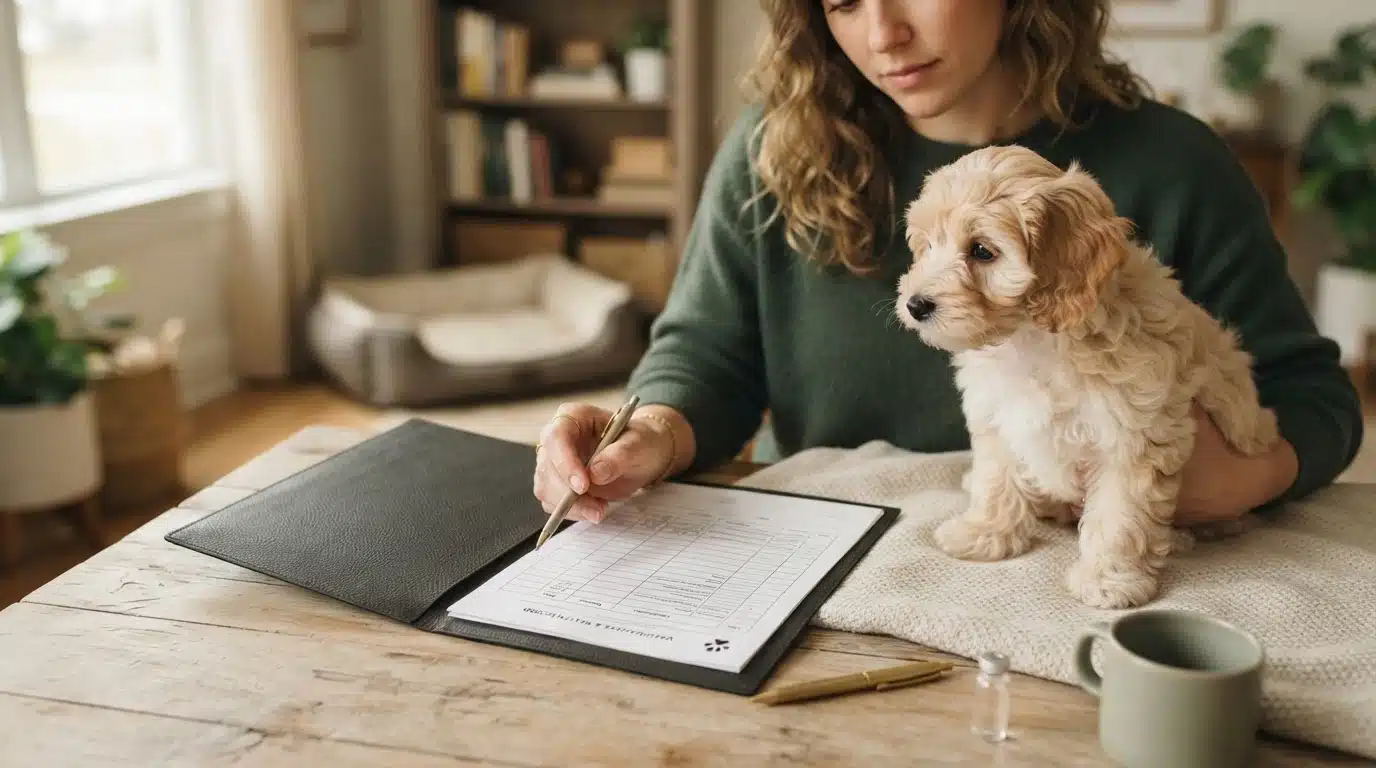
Ask for the record list before you agree to anything. At minimum, that means the vaccination dates given so far, deworming history, a vet exam date, and any health certificate your state or the airline requires. Request digital copies in advance and printed versions at handoff. Keep the microchip number, registration papers, and breeder contact in the same folder. Sage Puppies sends these details with the go-home packet, so ask your breeder what theirs includes.
Cost, Contingencies, and Refund Logic
Write the total price, the deposit amount already paid, and the balance due at handoff. Then cover the “what ifs”: who pays if a flight nanny cancels, whether delivery fees are refundable, and how a delay changes the final bill. Signed clarity here prevents the most common go-home disputes.
Matching the Choice to Your Family’s Situation
Most families already lean one way once they see the trade-offs side by side.
Pickup Tends to Fit When…
You live in Utah or within an easy day’s drive of South Jordan, and you want to meet the breeder before go-home day. Pickup suits families who like seeing where their puppy was raised, asking questions in person, and starting the car-ride home as a shared first experience. It also works well if you can travel midweek, when roads are quieter and schedules are looser than on weekends.
Delivery Tends to Fit When…
You live out of state, especially past roughly 500 miles each way, where a round-trip drive stops making sense. Delivery also fits busy households, families without a suitable vehicle, or anyone traveling during winter storms when canyon routes get risky. A well-planned transport keeps a small puppy in a climate-controlled crate with a checked-in arrival, so you meet your Havanese or Cavapoo rested rather than road-tired.
Mixed Plans and Reasonable Compromises
Some families split the difference. A relative in Utah picks up the puppy and hands it off partway, or you fly in, collect the puppy in cabin, and fly home the same day. Others start with delivery, then visit the breeder later for a kennel tour. Whatever you choose, confirm the plan in writing: date, time, handoff location, and who signs for the puppy.
Common Mistakes to Avoid
Assuming the Cheapest Quote Is the Safest
A bargain rate can mean an overloaded van, no climate control, or a driver stacking several litters on one run. Scam listings also lean on prices that look too good, so it’s worth learning the common scam tactics before you pay anyone a deposit. Ask for the driver’s name, vehicle details, and a health certificate issued within 10 days of transport, then compare that answer against higher quotes.
Booking Travel Before the Puppy Is Ready
Puppies usually stay with their mother and littermates until 8 to 10 weeks old. If you lock in a pickup date before then, a delayed litter forces costly rebooking. Confirm the go-home day with your breeder first, then reserve transport. For a Utah pickup, also check canyon road conditions during winter, because Parleys and US-6 can close in a storm.
Skipping the In-Person Cue Check
Whether you meet a driver or pick up in person, verify identity in writing before money changes hands. Confirm the puppy’s microchip, vet record, and the name on the transfer paperwork. Any resistance to a video call or a simple ID check is your cue to walk away.
Next Steps for Families Choosing Sage Puppies
If You Are Choosing Sage Puppies
Once you know whether pickup or delivery fits your plans, the next step is a short conversation. Start with Sage Puppies’ application so Cassie can match you with a Havanese, Havapoo, or Cavapoo litter and confirm go-home timing. Then review the current pricing and reservation details so the deposit, total, and transport plan are clear before go-home day. Put the delivery or pickup choice, driver details, and any health paperwork in writing at that point.
If You Are Still Researching Utah Breeders
Keep asking the same questions of every breeder you consider. How old are the puppies at go-home? Who drives, and in what vehicle? What happens if a storm closes the route? A breeder who answers these easily will likely handle the trip well. Compare answers side by side, then choose the program that made you feel most prepared.

Decided how your puppy will travel? Start the application at Sage Puppies and we’ll help you weigh Utah pickup against delivery for your route. You’ll get honest timing, driver details in writing, and a plan that fits an 8-week-old Havanese, Havapoo, or Cavapoo. Wisely Bred. Beautifully Loved.
Frequently Asked Questions
Q1: Puppy delivery vs pickup transport options
Pickup suits Utah and nearby families who want to meet the breeder. Delivery fits buyers past roughly 500 miles each way, or anyone traveling during winter canyon storms.
Q2: How much does flight nanny delivery cost?
Quotes usually include the cabin ticket, soft carrier, vet health certificate, and the nanny’s airport time. Ask what happens if a flight cancels before you pay.
Q3: When should I book my puppy’s travel?
Confirm the go-home day with your breeder first, then reserve transport. Puppies stay with their mother until 8 to 10 weeks, so early bookings risk rebooking fees.
Q4: Is winter pickup from South Jordan safe?
I-15 stays plowed, but Parleys Summit and US-6 close during storms. Build a buffer day and check Utah road conditions before leaving.
Q5: What paperwork should I get at handoff?
Vaccination dates, deworming history, vet exam date, health certificate, microchip number, and registration papers. Request digital copies ahead and printed versions at handoff.
Q6: Can my puppy fly in cabin with me?
Yes. Small breeds like Havanese and Cavapoos travel comfortably in cabin carriers, and many families fly in, collect the puppy, and return the same day.
Conclusion
Pickup and delivery both work; the right answer depends on distance, season, and your puppy’s age. Inside Utah, pickup is cheap and lets you meet the breeder in person. Past roughly 500 miles each way, or during winter canyon storms, a flight nanny or ground transporter usually wins on time and stress.
Whatever you choose, the details that prevent disputes are the same: confirm the go-home date after the puppy is 8 to 10 weeks old, get driver and handoff information in writing, and collect vaccination records, a health certificate, and the microchip number at handoff. Plan around a small puppy’s needs, and go-home day goes smoothly either way.