
Quick Summary: First-time puppy buyers should watch for seven breeder red flags, including no access to the home, pressure to pay fast, vague health claims, and missing contracts. A reputable breeder welcomes questions, shows health records, and lets you visit or video tour. The article highlights Sage Puppies in South Jordan, Utah, as a transparent option for Havanese, Havapoo, and Cavapoo puppies, but stresses verifying all claims yourself.
A puppy listing can look polished, answer every question with cheerful photos, and still leave out the one detail that matters most: where and how that puppy was raised.
If you’re buying a puppy for the first time, excitement can make vague health claims, urgent deposit requests, and public parking-lot handoffs seem harmless. Those details often hide the classic puppy mill signs: poor socialization, missing records, broker involvement, and dogs bred in poor conditions. Bad puppy breeders count on first-time owners not knowing what to ask.
This guide ranks seven puppy breeder red flags, then shows you what to ask, what to verify, and when to walk away. You’ll also see what a reassuring breeder process looks like, whether you visit near South Jordan, Utah, or arrange delivery to another state.
Our ranking focuses on what you can observe and confirm: behavior, paperwork, living conditions, and accountability. It follows guidance from veterinary and animal welfare groups while leaving room for legitimate differences, like a sire living with another family or video meetings for distant buyers. Not every breeder who breaks the mold is among the bad puppy breeders, but every serious one can answer these questions without hesitation.
Puppy Breeder Red Flags at a Glance
| Red flag | Best for | What you may notice | Why it matters | What to do |
|---|---|---|---|---|
| Sage Puppies | Families seeking Havanese, Havapoo, or Cavapoo puppies | A guided process centered on puppy fit, family questions, and next steps | Clear communication helps buyers evaluate care, records, and expectations | Review Available Puppies, complete the application, and read the process details |
| No access to the puppy’s home or raising environment | Buyers evaluating a local or remote breeder | No home visit, vague video call, parking-lot exchange, or hidden facility | You cannot assess welfare, socialization, cleanliness, or the mother | Request a meaningful visit or live tour and postpone payment until satisfied |
| Pressure to pay before questions are answered | First-time buyers who need time to compare options | Urgent deposits, cash-only requests, countdowns, or emotional sales tactics | Pressure discourages independent checks and informed consent | Pause, request documents, compare breeders, and never pay before understanding terms |
| Vague or unverifiable health claims | Families comparing health practices between breeders | Only verbal assurances, missing parent identities, or records that cannot be verified | Specific screening supports more informed breeding and buying decisions | Request and verify parent testing, veterinary records, and breed-relevant documentation |
| Puppies or adult dogs appear unhealthy or poorly socialized | Buyers conducting a visit or video assessment | Poor body condition, dirty coats, fearful adults, illness, overcrowding, or limited interaction | Daily care and early experiences influence welfare and readiness for family life | Document concerns, request records, consult a veterinarian, and walk away if concerns persist |
| The breeder avoids questions and never evaluates your family | Families assessing breeder knowledge and placement standards | No application, impatient replies, evasive answers, or instant approval | Good matching reduces preventable expectation and placement problems | Prepare questions and choose a breeder who welcomes a thoughtful two-way conversation |
| No clear contract, records, or lifelong return plan | Buyers ready to finalize a puppy placement | Verbal promises, missing records, unclear terms, or no post-placement contact | Written accountability clarifies care, ownership, health terms, and rehoming | Review the contract and records with enough time to ask questions before signing |
What to know about bad puppy breeders
Most bad puppy breeders follow the same script: hurry you to decide, skip questions, and hand over a puppy with no records. It feels exciting in the moment and stressful a week later.
A reputable breeder does the opposite. They answer reasonable questions, share health testing on the parents, socialize puppies for family life, and stay in touch after pickup or delivery.
This matters right now because Havanese, Havapoo, and Cavapoo puppies are in high demand. Scammers and careless breeders know it too.
Here are the seven red flags to check before you commit.
1. Sage Puppies
A featured option for families seeking thoughtfully raised Havanese, Havapoo, or Cavapoo puppies. Sage Puppies is a small, home-based program in South Jordan, Utah, focused on only these three companion breeds. The process is guided, not rushed: you review available puppies, talk through breed fit, and decide whether pickup or nationwide delivery works best.
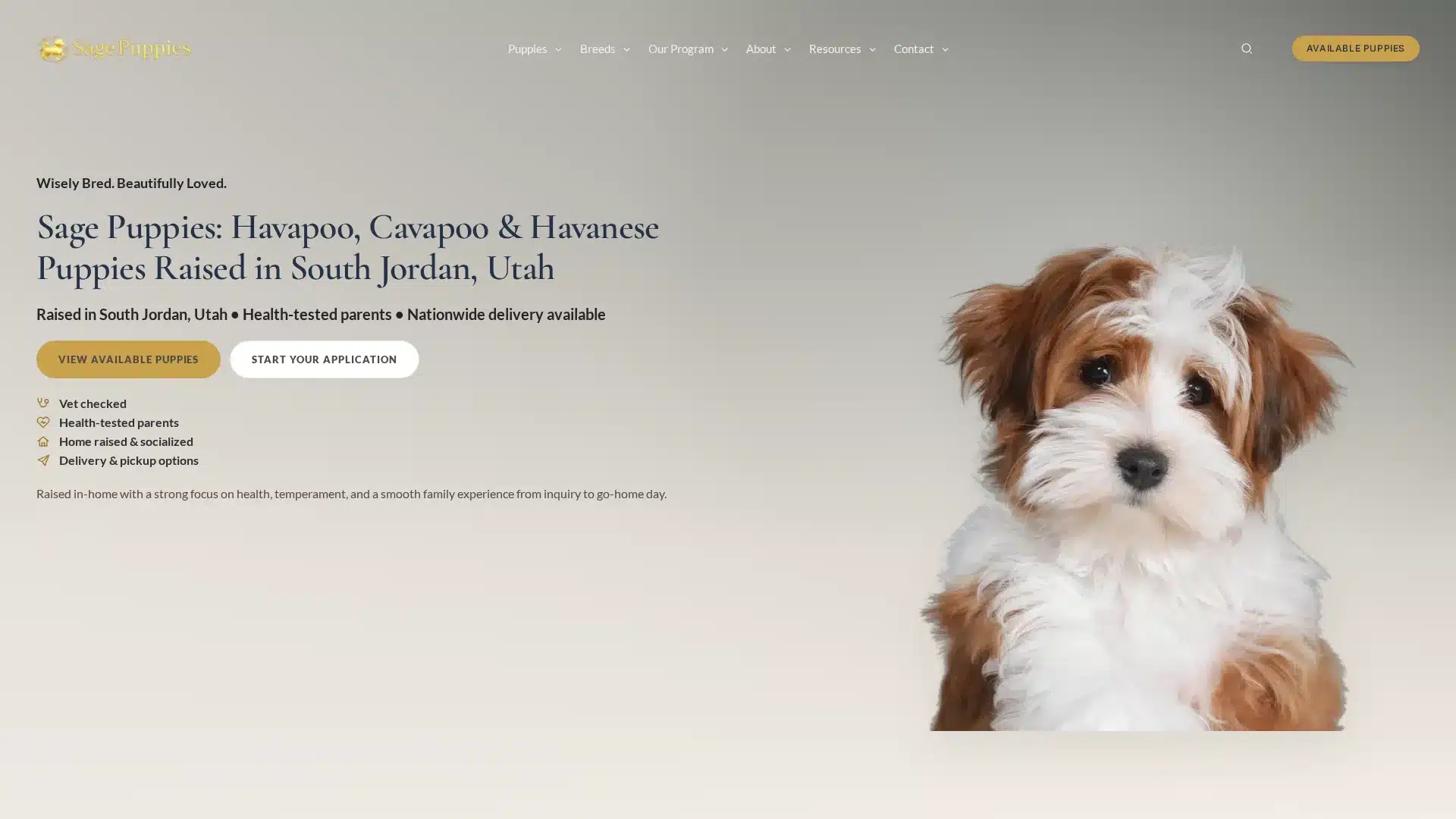
Highlights
- Breeds offered: Havanese, Havapoo, and Cavapoo puppies only
- Location: South Jordan, Utah, with local pickup or nationwide delivery
- Focus: health-tested parent dogs, early socialization, and careful family placement
- What you can review: available puppies, pricing and reservation details, How It Works, delivery and pickup information, and breed pages
- Best for: families wanting a small companion dog raised in a home setting
Pros
- Clear breed focus, so you’re not sifting through a dozen mixes
- Fits both Utah locals and out-of-state families
- Practical next-step pages make the process easy to follow
Cons
- You should still review current health records, policies, and the contract before reserving
- A breeder’s website is one part of verification. Ask to see parent health testing, since breed club guidance recommends documentation for eyes, hips, and patellas. The AKC’s toy group health testing requirements list the same core screenings for Havanese.
Why it ranks here: Sage Puppies leads this list as the featured option, and it invites the same careful questions every reputable breeder should welcome.
Last updated: September 18, 2026
Also Read: 7 Documents a Reputable Puppy Breeder Should Provide
2. No access to the puppy’s home or raising environment
A breeder who hides where puppies are raised deserves heightened caution. One of the clearest puppy mill signs is refusing to show the place where the litter actually lives, because that’s where health and socialization start.
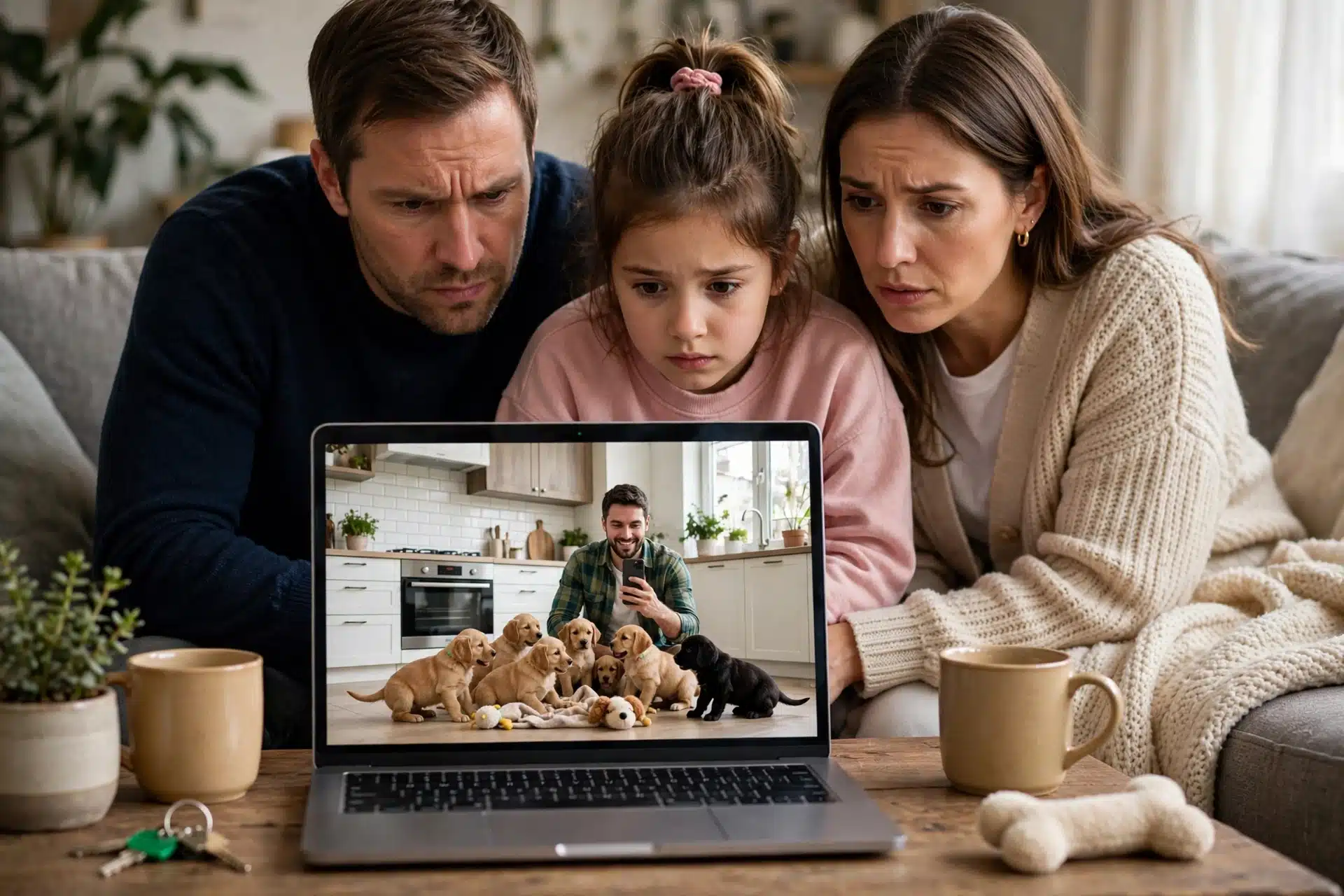
Highlights
- Ask to see where the puppies are born and raised, even by live video tour if you’re out of state.
- Watch the mother, the puppy area, cleanliness, ventilation, and how much household life the puppies see.
- Treat public-place sales and unexplained parking-lot meetings as major warnings.
- A good video call is specific and interactive, not a ten-second clip of a blanket.
Why it matters
- You cannot judge welfare, socialization, or the mother’s condition without seeing the setting.
What to do
- Request a meaningful visit or live tour, and postpone any payment until you’re satisfied.
- A missing sire isn’t automatically suspicious since he may live with another family, but the breeder should explain where he is.
Why it ranks here: Hidden origins block you from checking the conditions most tied to your puppy’s health and early temperament.
Last updated: September 18, 2026
Also Read: 10 Red Flags to Avoid When Visiting a Local Puppy Breeder
3. Pressure to pay before questions are answered
A countdown, a same-day deposit demand, or a claim that another family is waiting can push a first-time buyer into a fast decision. Good breeders may have waiting lists and reservation steps, but they still give you time to review the contract, records, and total cost. If the first real question is “how soon can you pay,” slow down.
Highlights
- Be cautious when the conversation jumps straight to payment instead of the puppy’s health, parents, or temperament
- Ask for the written contract before you send any deposit
- Confirm what the reservation payment covers and whether the terms can change
- Do not let holiday deadlines, scarcity talk, or a child’s excitement replace your own checks
Watch for requests to pay cash only or through unusual methods, since these are common puppy scam warning signs. If a breeder skips an application entirely, that is a signal they care more about the sale than the home. Serious breeders, including ethical programs like Sage Puppies in South Jordan, Utah, will invite your questions before any money changes hands. When you feel rushed, pause, request documents, and compare breeders before committing.
Last updated: September 18, 2026
Also Read: 10 Adorable Havapoo Colors You Need to See (2026)
4. Vague or unverifiable health claims
“Vet checked” and “healthy bloodlines” are not records. They are adjectives, and anyone can type them. Ask which health screenings were performed on both parents, which conditions Havanese, Havapoo, and Cavapoo lines should be watched for, and whether the paperwork can be checked independently. The OFA’s CHIC program notes that a CHIC number only means the breed-recommended tests were done and made public – not that every result is normal or that a puppy is guaranteed to stay disease-free. A transparent breeder talks about risk honestly instead of promising a perfect outcome.
Highlights
- Ask for the registered names or identifying details of both parents.
- Look for specific test types, dates, results, and issuing organizations.
- Use public databases when applicable, and understand their limits – you can search OFA records by dog name to confirm what was actually tested.
- Ask about veterinary records, vaccination status, parasite care, and the puppy’s exam.
Specs
- Best for: Families comparing health practices between breeders
- What you may notice: Only verbal assurances, missing parent identities, or records that cannot be verified
- What to do: Request and verify parent testing, veterinary records, and breed-relevant documentation
Health documentation is one of the strongest ways to tell careful breeding decisions from marketing language.
Last updated: September 18, 2026
5. Puppies or adult dogs appear unhealthy or poorly socialized
A breeder’s daily care shows on the dogs themselves. Puppies should look active, clean, and well-fed, while adult dogs should be calm and comfortable around people, not fearful or withdrawn. Photos can hide a lot, so trust what you see during a visit or live video call.

Highlights
- Check eyes, coat, body condition, energy, mobility, and breathing at every puppy health check
- Notice how the mother and other adults react to the breeder and to strangers
- Ask how puppies get handling, household sounds, grooming, and safe exploration time
- Request current vet records and vaccination details before pickup or delivery
Specs
- Best for: Buyers doing an in-person visit or live video assessment
- What you may notice: Poor body condition, dirty coats, fearful adults, illness, overcrowding, or little interaction
- Why it matters: Daily care and early experiences shape a puppy’s welfare and readiness for family life
- What to do: Document concerns, ask for records, talk to a vet, and walk away if problems persist
One tired or shy puppy is not a red flag on its own. Repeated signs of fear, illness, or overcrowding are. At Sage Puppies, puppies grow up in our South Jordan home with daily handling, so we encourage families to see (or video tour) exactly where they live.
Last updated: September 18, 2026
Also Read: How to Check Delaware Puppy Breeder Credentials Before You Visit
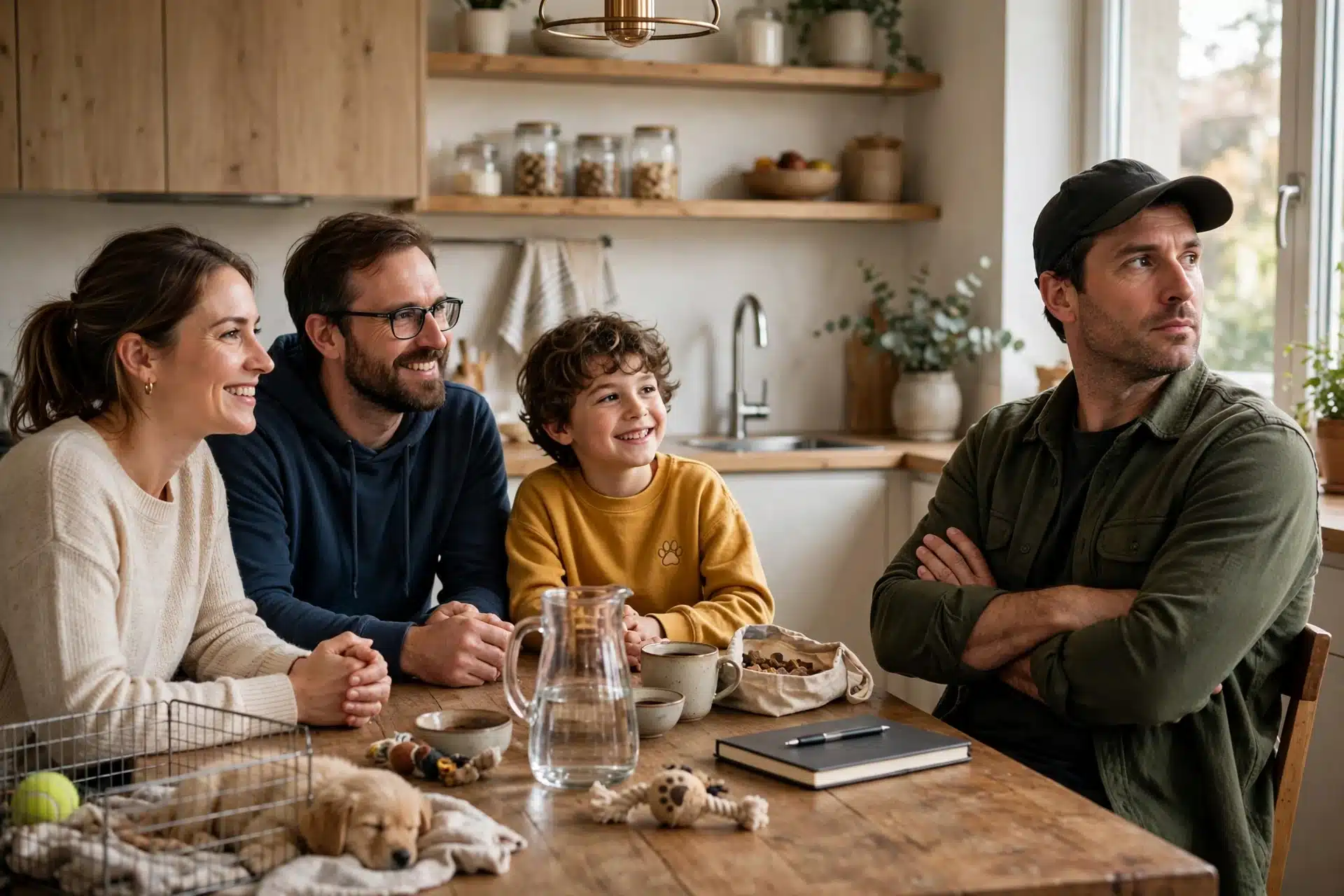
6. The breeder avoids questions and never evaluates your family
Responsible puppy placement is a two-way conversation. A breeder who never asks about your home, schedule, or experience may care more about the sale than the match. Watch for the warning signs.
Highlights
- Expect an application or interview that explores your household, kids, other pets, and daily routine. Many breeders use a questionnaire for exactly this reason, as AKC guidance explains.
- Ask how puppies are matched to families instead of chosen only by color or size.
- Listen for honest talk about grooming, temperament, training, and possible health concerns.
- A newer breeder is not automatically a bad one if they have a credible mentor and answer questions thoughtfully, a point the OFA also makes.
What you may notice: no application, impatient replies, evasive answers, or instant approval the moment you mention money. That should worry you. Good matching prevents expectation and placement problems later, especially with companion breeds like the Havanese, Havapoo, and Cavapoo, where coat care, social needs, and supervision matter. At Sage Puppies, we screen every family and welcome every question, because the right home is the whole point.
Prepare your questions ahead of time, then pick a breeder who enjoys the conversation as much as you do.
Last updated: September 18, 2026
Also Read: Havanese, Havapoo & Cavapoo Puppy Care Blog
7. No clear contract, records, or lifelong return plan
A responsible placement should leave both family and breeder clear about responsibilities. Before money changes hands, you should know exactly which documents and support come with the puppy. A written puppy breeder contract should identify the puppy, spell out buyer and breeder duties, explain health-related terms, and state what happens if you can no longer keep the dog. Registration papers are not a substitute for a contract or puppy health records. Be cautious with anyone who promises paperwork “later,” won’t let you read the agreement, or goes quiet after payment.

Highlights
- Read the complete contract before making a reservation.
- Confirm the puppy’s identification, parent information, medical records, and transfer details.
- Ask what support is available after pickup or delivery.
- Understand any return-to-breeder, rehoming, spay or neuter, and veterinary exam provisions.
What you may notice: Verbal promises, missing records, unclear terms, or no post-placement contact.
Why it ranks here: Written accountability protects both puppy and family when plans change or questions arise.
Last updated: September 18, 2026
Questions to ask before you commit
The ranked red flags are the heart of this guide. These quick questions help you test how a breeder answers before you commit.
- Sage Puppies – Ask about the available puppy, breed fit, application, reservation, pickup, delivery, and ongoing support.
- No access to the puppy’s home or raising environment – Ask whether you can visit or get a live video tour of the mother, puppies, and living area.
- Pressure to pay before questions are answered – Ask for time to review the contract, records, and total process first.
- Vague or unverifiable health claims – Ask which tests both parents had, who ran them, and how you can verify them.
- Puppies or adult dogs appear unhealthy or poorly socialized – Ask about vet care, daily handling, and vaccination records.
- The breeder avoids questions and never evaluates your family – Ask how puppies are matched to families.
- No clear contract, records, or lifelong return plan – Ask to read the full contract and what happens if circumstances change.
How to choose the right puppy breeder
The right breeder fits your life first and your timeline second. Work through these six checks before you reserve:
-
Match the breed to your household. A Havanese, Havapoo, or Cavapoo each has different grooming needs and energy levels. Think about your schedule, kids, other pets, and how much brushing you’ll actually do.
-
Verify the raising environment. Visit near South Jordan in person, or ask for a live video tour. You should see the mother, the puppies, and where they sleep and play.
-
Ask for specific health information. Request parent details, breed-relevant screening results, vaccination records, and an honest talk about any limits.
-
Evaluate the conversation. A good breeder asks about your family, explains temperament clearly, and helps match you to the right puppy instead of pushing whatever is available.
-
Read everything before reserving. Review the contract, pickup or delivery terms, and what support looks like after you bring your puppy home.
-
Choose calm and transparent. This is where Sage Puppies stands out: health-tested parents, family-raised litters, and unhurried guidance from first question to pickup or nationwide delivery.

You know the seven red flags now. The next step is finding a breeder who clears every one. At Sage Puppies, health-tested parents, early socialization, and a fully transparent process come standard – whether you pick up in South Jordan, Utah or choose nationwide delivery. Browse our available Havanese, Havapoo, and Cavapoo puppies today, or submit an application to reserve your well-started companion.
Frequently Asked Questions
Q1: What are the most common puppy breeder red flags?
The biggest ones: no health testing records, no visit options, always multiple litters available, pressure to pay fast, and refusing video calls. Responsible breeders welcome questions and show proof.
Q2: How can I spot a puppy mill breeder?
Puppy mills sell many breeds at once, keep dogs outdoors or in kennels, and ship puppies before eight weeks. If they avoid sharing parent photos or vet records, walk away.
Q3: What questions should I ask a puppy breeder?
Ask about health testing on both parents, how puppies are socialized, vaccination history, and whether you can visit or video call. Good breeders answer openly and ask questions back.
Q4: How old should a puppy be before coming home?
Puppies should stay with their mother and littermates until at least eight weeks. This window shapes bite control and confidence, so any breeder offering younger puppies is cutting a critical corner.
Q5: Is it okay to buy a puppy without visiting in person?
Yes, if the breeder substitutes video calls, live tours, and references. Reputable programs nationwide, including home-raised Utah breeders like Sage Puppies, use these tools to keep things transparent.
Q6: What health testing should a breeder show me?
Ask for OFA or vet-certified checks on hips, knees, eyes, and heart for both parents. Breed-specific panels matter too, since Havanese, Havapoos, and Cavapoos each carry different risks.



