Quick Summary: Before contacting a breeder, check seven specific listing details: the puppy’s identity and availability, parent health screenings, dated vet records, age and early care, temperament and size expectations, written pricing and policies, and breeder communication with a clear pickup or delivery plan. The article stresses that cuteness and vague claims like ‘health tested’ mean little, so always ask for concrete records and get everything in writing. It also highlights Sage Puppies as an example that provides individual profiles, health-tested parents, and clear terms for its Havanese, Havapoo, and Cavapoo puppies.
That adorable face in the photo tells you almost nothing about the puppy. The clues that matter sit just below it: the birth date, the parents’ health details, the vet records, and the go-home plan. Learning how to assess puppy listings starts with reading past the cuteness.
When families search for puppies for sale near me, the profiles they find vary wildly. One seller documents everything. Another leans on a polished page and a reassuring phrase. Neither confirms the puppy’s health, where it was actually raised, or whether the promises are written down anywhere.
So use these seven checks as a simple review sequence. They move from the puppy’s identity and availability to parent health, veterinary records, early care, temperament and fit, written terms, and finally pickup or delivery. Read each check alongside a direct conversation with the breeder and any paperwork they provide.
And if something is unclear, ask before you commit. A good breeder welcomes the questions.
Puppy Listing Details to Check
| Detail | Best for | What to look for | Follow-up question |
|---|---|---|---|
| Puppy identity and current status | Confirming the puppy and listing are real and current | Puppy identity, breed, birth date, location, and updated status | Is this specific puppy still available, and what is the expected go-home timing? |
| Parent information and health screening | Understanding parent background and inherited health considerations | Parent names, health-screening specifics, and supporting records | What health screening was completed for each parent in this litter? |
| Puppy veterinary records and health terms | Understanding documented care and post-purchase responsibilities | Dated exam details, care records, and written health terms | What veterinary records and written health terms will I receive before reservation? |
| Age, development, and early care | Assessing readiness and preparing for the transition home | Birth date, go-home window, and specific early-care notes | What experiences and routines has this puppy had so far? |
| Temperament, size, and breed expectations | Matching a puppy’s likely needs and observed traits to family life | Individual temperament notes, size estimate, coat, and breed details | How do you assess this puppy’s personality and guide family matching? |
| Price, reservation, and written policies | Understanding costs and obligations before making a commitment | Price, included items, deposit rules, and written policies | Can I review the complete reservation terms and total costs before paying? |
| Breeder communication and pickup or delivery | Verifying seller communication and planning a safe handoff | Consistent contact details and specific pickup or delivery arrangements | Can we discuss the puppy live, and what are the written pickup or delivery details? |
What to know about puppy listings
Every puppy search starts the same way: you scroll listings. Some are clear and complete. Others are vague, rushed, or missing the details that matter most.
Learning how to assess puppy listings protects you before you ever send a message. A good profile tells you who bred the puppy, how the puppy was raised, and what comes next. It gives you real details to check – health, temperament, timing, cost, and how the puppy will get home safely.
Think of a listing as a starting point, not the whole story. The best breeders welcome your questions and share records openly. The seven points below show you exactly what to look for before you reach out, so your first conversation starts from a place of confidence.
1. Puppy identity and current status
Before anything else, make sure the listing points to one specific puppy, not just a litter or a breed page. Concrete identifiers matter: puppy name or profile ID, breed or cross, sex, birth date, parent names, and the breeder’s location. Listings change fast, so knowing exactly which puppy you’re asking about is the first step in how to assess puppy listings.

Highlights
- Look for an individual puppy profile rather than a general breed or litter page
- Confirm current status and the expected go-home window, since a puppy may already be reserved after the listing went live
- Check that the seller’s name and location match across the listing, website, and contact channels
- Treat missing or conflicting details as questions to resolve, not facts to assume
Specs
- What to look for: Puppy identity, breed, birth date, location, and updated status
- Follow-up question: Is this specific puppy still available, and what is the expected go-home timing?
Pros
- Specific identifiers make it easier to ask focused questions and keep records straight
- For local searches, a broad “puppies for sale near me” phrase may hide where the breeder actually operates, so verify the real location
Cons
- Availability changes, so a listing status should always be reconfirmed before you get attached
This ranks first because every later question depends on the listing describing a specific, currently available puppy from an identifiable seller. At Sage Puppies, each Havanese, Havapoo, and Cavapoo puppy has its own profile so families always know exactly who they’re asking about.
Last updated: September 28, 2026
Also Read: 10 Red Flags to Avoid When Visiting a Local Puppy Breeder
2. Parent information and health screening
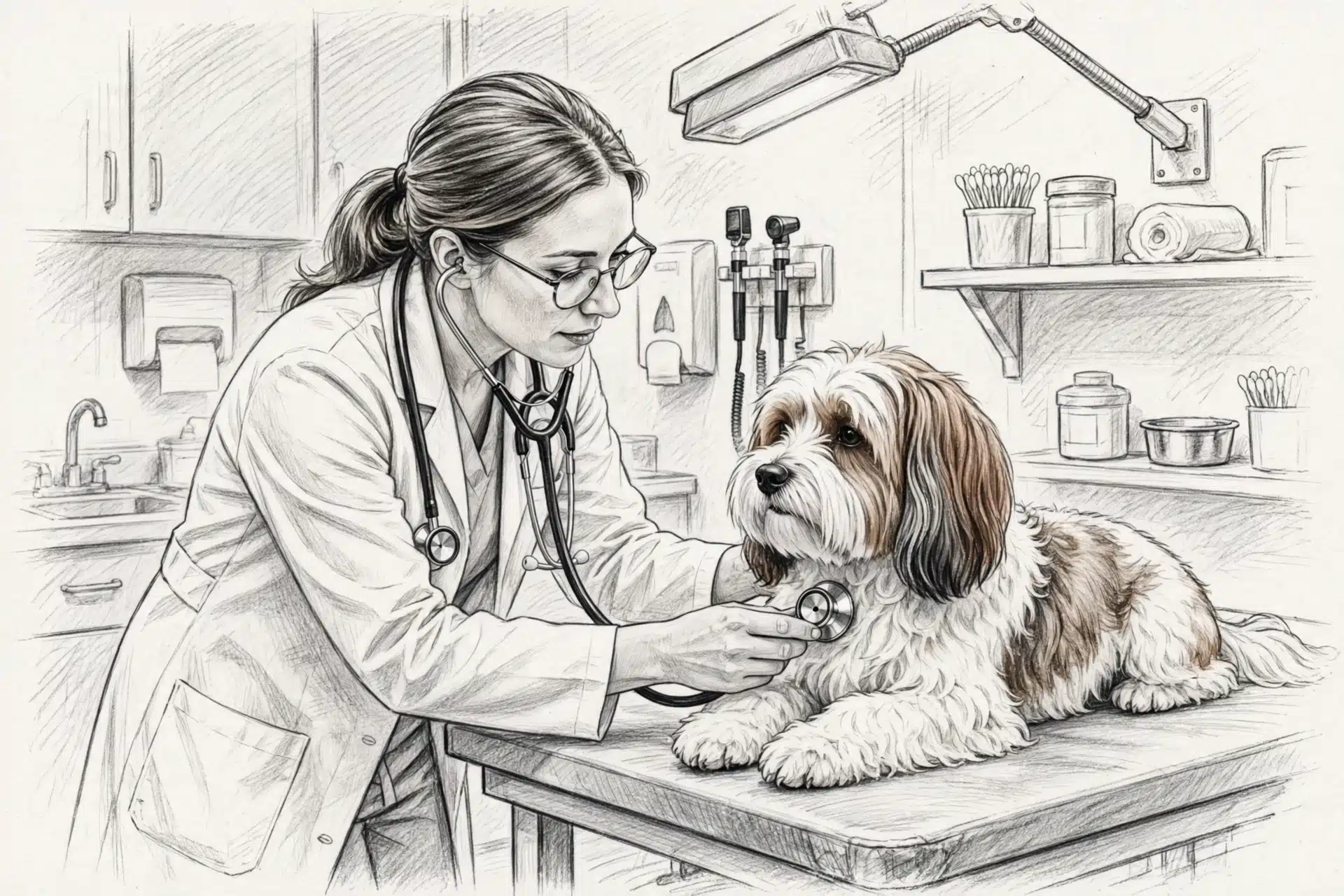
A good listing names the dam and sire or links to parent profiles, sometimes with notes on temperament. Look past the phrase “health tested” and find out exactly what was checked, and when. That answer tells you more than any price or photo.
Highlights
- Check whether the listing names or shows the puppy’s parents.
- Ask what health screenings were completed, when, and by whom.
- Request copies or verifiable records when they exist.
- Ask how the parents’ health and temperament informed the pairing.
Pros
- Specific screening information gives families a more meaningful basis for questions.
Cons
- No screening can guarantee a puppy will never develop a health issue.
At Sage Puppies, every pairing starts with health-tested parents chosen for both health and temperament, and we share screening details with each family. Registration papers help confirm lineage, but they are not proof of health. Parent information earns the number two spot because it gives you a real foundation for understanding inherited traits, without treating a short claim as a promise.
Last updated: September 28, 2026
Also Read: 7 Puppy Breeder Red Flags First-Time Dog Owners Should Know
3. Puppy veterinary records and health terms
Separate dated veterinary information from general health claims. Look for a veterinary exam date, the vet’s findings, and vaccination or deworming records tied to your exact puppy, not just a “vet checked” line. Then read the full contract before you pay a deposit.

Highlights
- Check for dated, puppy-specific records instead of a general promise of good health.
- Ask which records will accompany the puppy and when they will be shared.
- Read any health guarantee and contract in full, including deadlines and conditions.
- Plan to establish care with your own veterinarian within days of bringing the puppy home.
Specs
- Best for: Understanding documented care and post-purchase responsibilities
- What to look for: Dated exam details, care records, and written health terms
- Ask before reserving: What veterinary records and written health terms will I receive?
Pros
- Clear records and policies help families understand the puppy’s known care history and their own duties.
Cons
- A health guarantee may have limits or conditions. It is not a promise of perfect health, and a vet check only describes the puppy at that moment.
It ranks here because health records and written terms are central to an informed decision, but only when you read them precisely rather than as a guarantee of the future.
Last updated: September 28, 2026
Also Read: 10 Signs a California Puppy Listing Is a Scam – Sage Puppies
4. Age, development, and early care
Check dates and ask what the puppy has experienced as it grows. A good listing states the birth date or age and gives a realistic go-home window. The first three months matter most for social development, so specific early-care notes tell you more than a broad label ever will (AVSAB).

Highlights
- Compare the stated age and go-home timing with the breeder’s explanation of readiness.
- Ask about exposure to everyday sounds, people, handling, and grooming routines.
- Clarify whether crate, potty, or car exposure has begun and what that means in practice.
- Plan to continue gradual socialization and training at home, since early foundations vary by puppy and do not replace ongoing work.
Ask the breeder
- What experiences and routines has this puppy had so far?
“Well-socialized” does not mean fully trained or ready for every environment. Research shows most puppies are developmentally ready to explore new settings around 8 to 9 weeks, and learning continues long after go-home day (AVMA).
This detail ranks here because age and early-care notes help you judge timing and prepare for the transition home.
Last updated: September 28, 2026
5. Temperament, size, and breed expectations
Look past coat color and cute photos. The best listing tells you how this puppy acts, how big it might get, and what daily care it will need. Then you can honestly ask whether that fits your home.

Highlights
- Look for individual personality notes, not just a general breed blurb. A good breeder describes confidence, sociability, activity level, and how the puppy handles being held. Ask when the puppy was last observed.
- Treat size, coat type, and shedding as estimates, not promises, especially for mixed breeds like Havapoos and Cavapoos.
- Compare grooming and exercise needs with your real routine, including kids, other pets, and your work schedule.
- Ask how the breeder matches puppies to families. Sometimes a littermate or a future litter is a better fit.
Pros
- Personality and care details support a more thoughtful match than looks alone.
Cons
- No listing can guarantee a specific adult temperament, size, or coat.
That is why this ranks at number five: the right puppy depends on the family and the individual dog, never just the breed label or a photo. If you want breed-by-breed guidance, our pages on Havanese puppies for sale break down temperament and care needs in plain terms.
Last updated: September 28, 2026
Also Read: Guides – Sage Puppies
6. Price, reservation, and written policies
Know the full financial commitment before you send money. A good listing states the price or points to where current pricing lives, and a good seller explains exactly what your payment reserves.

Highlights
- Confirm the puppy’s price plus any delivery or travel costs up front, since scams often escalate fees after an initial payment.
- Ask whether a deposit holds one specific puppy or simply a place in line.
- Review refund, transfer, and cancellation terms in writing; AKC guidance says the contract should be available before you decide, not a last-minute surprise.
- Avoid rushing because a seller claims another buyer may pay first.
Specs
- Best for: Understanding your total cost and obligations before committing
- What to look for: Price, included items, deposit rules, and written policies
- Ask: “Can I review the complete reservation terms and total costs before paying?”
Pros
- Written terms make the money side of adoption easy to understand.
Cons
- A listed price may not include travel or optional extras, so ask for the full amount.
It ranks here because cost and contract details shape whether your family is truly ready to reserve.
Last updated: September 28, 2026
Also Read: Puppy Care Blog & Resources | Sage Puppies
7. Breeder communication and pickup or delivery
A good listing is only as trustworthy as the person behind it. Before you commit, talk live by phone or video, and confirm the seller’s identity, location, and puppy details all match across channels. Then nail down the handoff plan in writing.

Highlights
- Ask for a live conversation and current, puppy-specific photos or video. The BBB advises a video call so you can see the actual animal and the breeder before any money changes hands.
- Verify contact details, location, and seller identity through consistent channels. A real reverse image search on the puppy’s photos is quick and revealing.
- Clarify pickup or delivery method, timing, who coordinates it, when details are final, and total costs. Escalating fees after payment are one of the clearest puppy scam warning signs, so get everything in writing.
- Utah families: confirm whether South Jordan-area pickup is possible. Nationwide families: ask about delivery expectations and costs up front.
- Do not send payment based only on a listing, a reassuring badge, or a pretty website.
Your follow-up question: “Can we discuss the puppy live, and what are the written pickup or delivery details?” A direct call helps you compare answers against the listing, though a friendly conversation alone is not proof of responsible care. That is why this check comes last: even a detailed listing needs direct communication, and a clear handoff plan protects both the puppy and your family.
Last updated: September 28, 2026
How to choose the right puppy listing
The right listing is the one that matches your real life, not just your wishlist. Use these criteria as you compare:
- Fit first. Match breed traits to your home: grooming time, kids, other pets, and when you can honestly bring a puppy home.
- Specifics over slogans. Trust listings with puppy-level detail – birth date, temperament notes, current photos. Skip ones that hide behind broad claims.
- Paperwork on request. Ask for parent health screening, dated vet records for the puppy, and the full written agreement before you reserve.
- A real conversation. Talk live about the puppy’s personality and how the breeder matches families. A confident breeder welcomes this.
- Money in writing. Confirm total price, deposit terms, go-home timing, and any delivery cost before you pay anything.
Some programs, like Happytail Puppies, list many breeds at once. If you want a smaller, hands-on match, Sage Puppies fits these criteria well: health-tested Havanese, Havapoo, and Cavapoo parents, home-raised litters in South Jordan, Utah, and written clarity on pricing, pickup, or nationwide delivery.
Compare at least three listings side by side. The one that answers your questions fastest is usually the right one.
Ready to look? Review available puppies and how our process works.

Found a listing that checks all seven boxes? The next step is simple. At Sage Puppies, every listing already answers these questions: health-tested parents, early socialization, and clear pickup or nationwide delivery options. Browse our available Havanese, Havapoo, and Cavapoo puppies, then submit an application. A few minutes today brings a well-started companion home sooner.
Frequently Asked Questions
Q1: What details should I verify in a puppy listing?
Check the listing for birth date, parent photos, health testing notes, vaccination records, the puppy’s current age, and clear pricing. If any of these are missing, ask before you apply.
Q2: How can I tell if a breeder is ethical?
Look for health-tested parents, home-raised puppies, and open answers about temperament and care. Ethical breeders like Sage Puppies welcome your questions instead of rushing you toward a deposit.
Q3: Should I trust a listing with no parent information?
Be cautious. Photos of both parents and their health results show whether the puppy was thoughtfully planned. Listings with no parent details leave you guessing about size, coat, and temperament.
Q4: What questions should I ask before reserving a puppy?
Ask about socialization routines, current vet checks, vaccination dates, pickup or delivery options, and what the puppy has experienced so far. Written answers help you compare breeders fairly.
Q5: Is nationwide puppy delivery safe?
It can be, when handled carefully. Confirm the transport method, travel age requirements, and who supervises the puppy. Many families also choose local pickup in South Jordan, Utah instead.
Q6: What age should a puppy go home?
Most small breeds do best going home around eight weeks or later. Puppies raised with their mother and littermates longer often show calmer, more confident behavior.