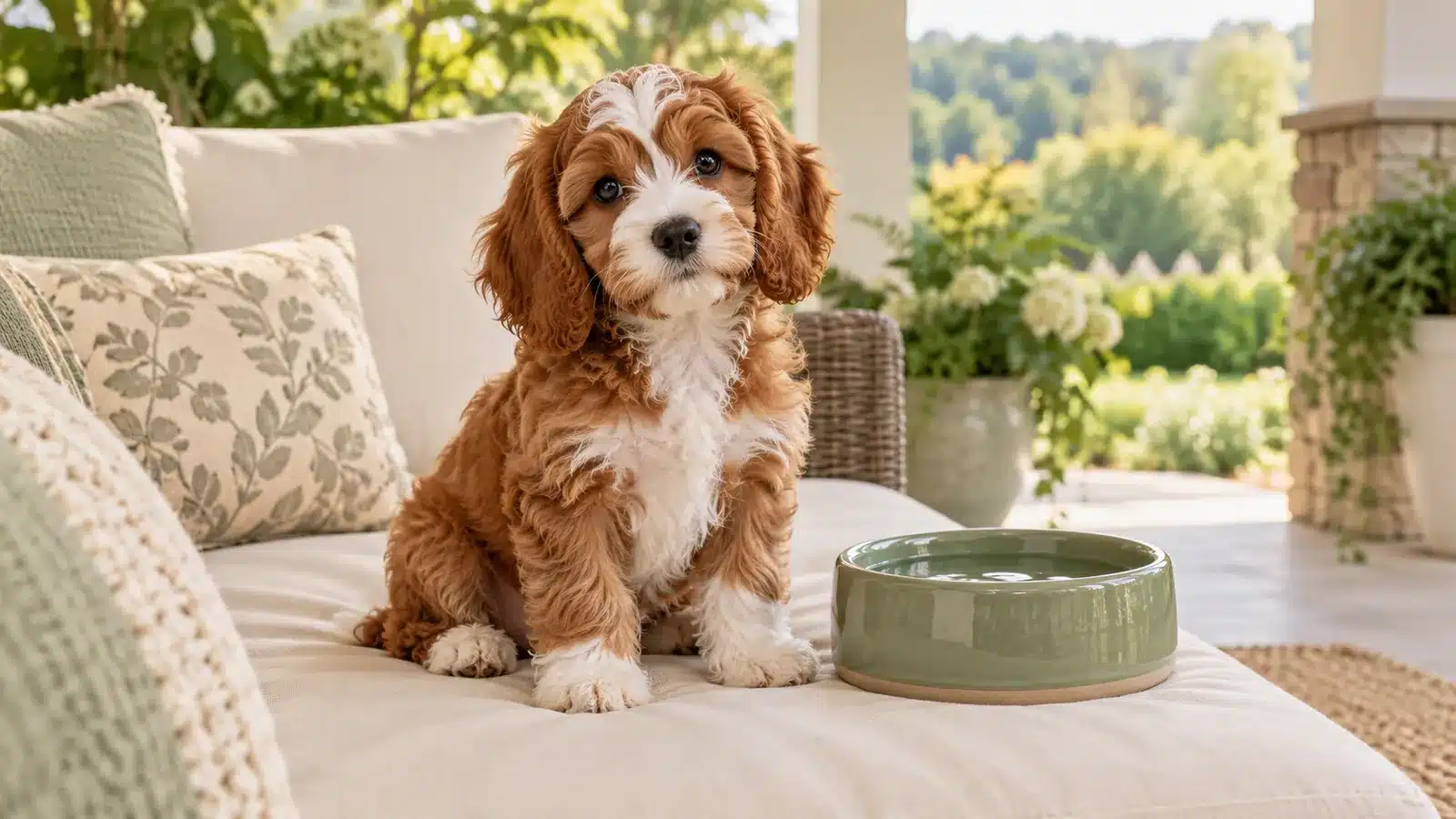
Quick Summary: A Cavapoo is a defined cross between a Cavalier King Charles Spaniel and a Poodle, while a Havacavapoo is an informal label usually adding Havanese ancestry, but its exact parentage varies by breeder. Since neither mix is a recognized breed, the name tells you little, so you must verify the actual parents, their health screening (especially heart tests for the Cavalier line), and how the puppy was raised. Choose based on verified parentage and individual fit, not the label, and always ask for dated OFA or DNA results you can check yourself.
If a listing calls a puppy a Havacavapoo, ask one question first: who are the parents? A Cavapoo is a clear two-parent cross – a Cavalier King Charles Spaniel bred with a Poodle. A Havacavapoo, in the way the name is used in niche listings, adds Havanese ancestry, usually by pairing a Cavapoo with a Havanese.
The problem is that Havacavapoo has no single, consistent definition. The name alone tells you little about size, coat, temperament, or health. This guide explains the ancestry behind each label, where the differences stay uncertain, and the exact questions to ask a breeder about parentage, health screening, and early care before you commit.
We raise Cavapoos at Sage Puppies in South Jordan, Utah, so we will keep this evidence-based rather than salesy.
Cavapoo vs Havacavapoo: At a Glance
| Cavapoo | Havacavapoo | |
|---|---|---|
| Parentage | Cavalier King Charles Spaniel and Poodle | Reportedly Cavalier, Poodle, and Havanese ancestry |
| Naming clarity | Commonly used for this two-parent cross | Informal term; verify the breeder’s definition |
| Trait predictability | Varies by parent, generation, and individual | Cannot be inferred from the label alone |
| Health questions | Ask about both parent lines and their screening | Ask about each parent and relevant screening |
| Best fit | Families seeking this defined two-parent ancestry | Families comfortable verifying a less-standardized mix |
How Cavapoo and Havacavapoo Compare
Cavapoo
The Cavapoo crosses a Cavalier King Charles Spaniel with a Poodle. It suits families who want a small, affectionate companion with a well-defined two-parent background. Traits vary by parent and generation, so health screening on both lines matters.
Key strengths
- Recognized, widely used name for this cross
- Clear two-parent ancestry to verify
Havacavapoo
Havacavapoo is an informal breeder label for a Cavapoo crossed with a Havanese. It fits families open to a less standardized mix, provided they confirm the exact parentage and generation. Ask about each parent’s screening before reserving.
Key strengths
- Blends three companion-breed lines
- Best for buyers comfortable verifying ancestry
The Ancestry Difference Is the Starting Point
Before you compare price, size, or temperament, you need to know what each name actually means. The two labels sound similar, but they describe different family trees.
What the Cavapoo Name Usually Describes
A Cavapoo is a cross between a Cavalier King Charles Spaniel and a Toy or Miniature Poodle. The mix came out of Australia in the 1990s, when breeders wanted a small, low-shedding companion with the Poodle’s smarts and the Cavalier’s soft, people-first nature. It worked, and Cavapoos are now one of the most popular Poodle mixes in the world.
Because it’s a hybrid, no major kennel club recognizes it as an official breed and there’s no fixed breed standard. Wikipedia’s Cavapoo overview notes individual dogs can vary a lot in coat, color, and build. You’ll also see generation labels: an F1 is a 50/50 first cross, an F1b is bred back to a Poodle for a curlier coat, and later generations pair two Cavapoos.
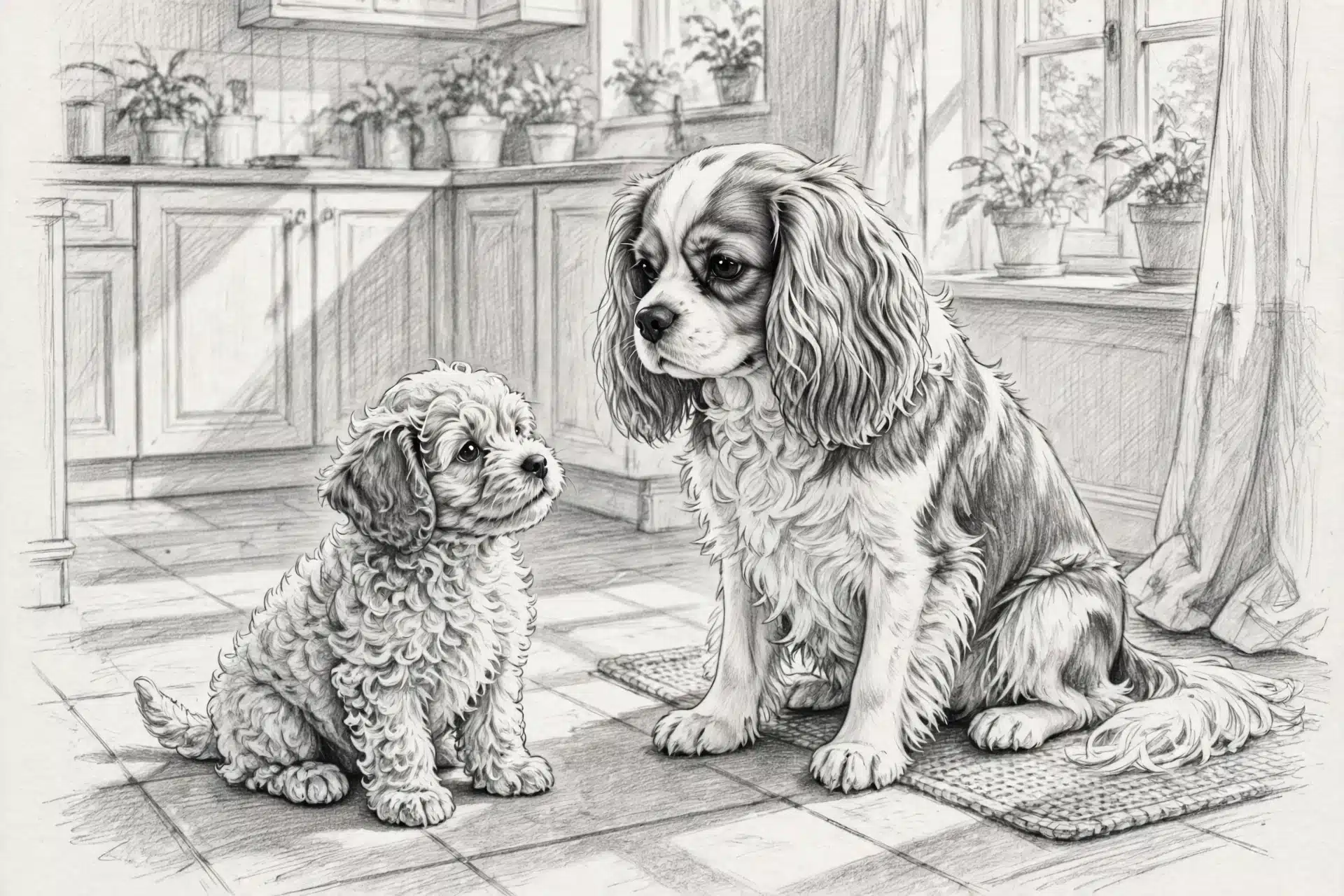
At Sage Puppies, our Cavapoos come from health-tested Cavalier and Poodle parents, raised in our home in South Jordan, Utah.
What a Breeder May Mean by Havacavapoo
Havacavapoo is not a standardized breed name. No kennel club or hybrid registry defines it. When a breeder uses the term, they usually mean a puppy with three breeds in its background: Havanese, Cavalier King Charles Spaniel, and Poodle.
But here’s the catch. The same name can describe very different pairings, such as:
- A Havanese crossed with a Cavapoo
- A Havapoo crossed with a Cavalier
- A three-way mix with uncertain percentages
Each recipe produces a different adult dog in size, coat, and temperament. So treat the label as a conversation starter, not a specification. Trupanion’s Cavapoo guide makes a useful point for any mix: since hybrids aren’t formally standardized, the breeder’s actual pairings matter more than the name on the listing.
Ask any Havacavapoo breeder these three questions:
- Which breeds are the sire and dam?
- What percentage of each breed is in the litter?
- Can I see health testing for both parents?
A confident breeder will answer all three without hesitation. If the answers stay vague, walk away.
Also Read: Puppy Care Blog & Resources | Sage Puppies
How the Added Havanese Line Changes Expectations
The Havanese contribution shifts a few things. It tends to soften the coat, boost the social streak, and add a touch of the breed’s famous playfulness. But each puppy is a mix, not a formula. AKC’s Havanese profile describes a cheerful, social, silky-coated toy dog between 8.5 and 11.5 inches tall, and those traits show up in the mix at different strengths in different puppies.
Coat, Size, and Grooming Are Individual Outcomes
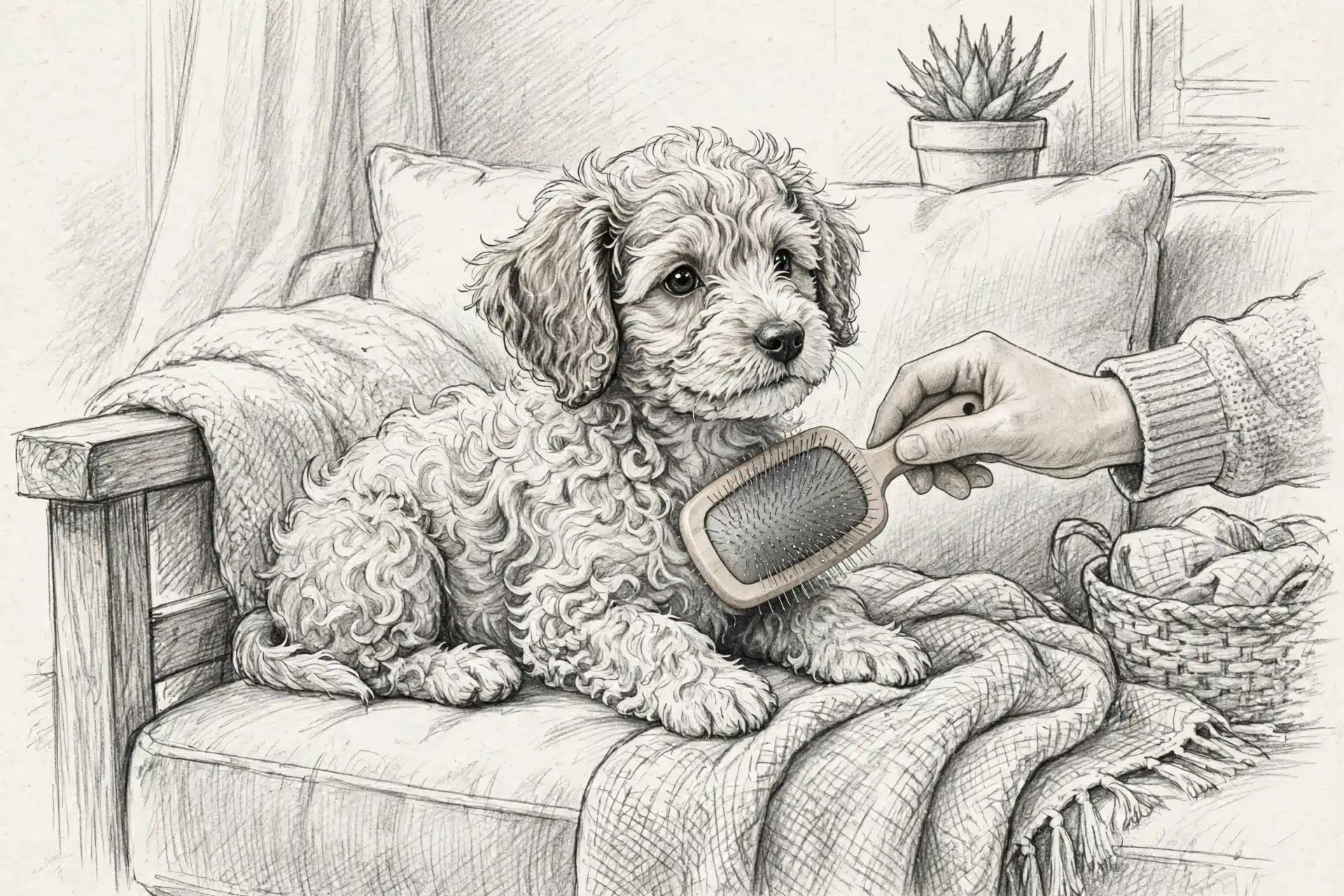
The Havanese brings a long, silky double coat to the blend. The breed standard calls the ideal coat soft, wavy, and abundant, and Havanese owners brush daily to prevent mats. In a Havacavapoo, that silkiness mixes with the Cavapoo’s low-shedding wavy coat, so results vary.
You might get:
- A loose, wavy, low-shedding coat that needs brushing a few times a week
- A thicker, curlier coat closer to the Poodle side
- Something in between that mats faster than either parent line
Size stays small across the board. Expect roughly 8 to 13 pounds, leaning toward the larger parents. Ask the breeder which coat types appear in past litters and what the parents actually look like as adults.
Temperament Descriptions Are Starting Points, Not Guarantees
Breed temperament tells you the range, not the promise. The Havanese line adds sociability, eagerness to please, and a strong need for company. The AKC notes Havanese respond best to gentle, positive training and don’t like long stretches alone.
Most Havacavapoos land somewhere between the Cavalier’s soft affection and the Havanese’s clownish energy. Early socialization shapes the rest. At Sage Puppies, we raise every litter in our South Jordan home with daily handling, so you meet a puppy whose temperament is already taking shape. Still, treat any description as a starting point. Spend time with the puppy, ask about both parents, and match energy to your household.
Also Read: Havapoo Puppy Checklist: Supplies, Scheduling, and First-Week Tips
Compare Health Information by Parent, Not by Mix Label
A puppy’s health starts with its parents, not with the name on the ad. “Cavapoo” or “Havacavapoo” tells you nothing by itself. The Cavalier, Havanese, and Poodle each bring their own health risks, and a puppy inherits a mix of them. So judge the sire and dam individually.
The Cavalier side matters most here. Mitral valve disease is the top health concern in the breed, so a good breeder screens the Cavalier parent’s heart. The breed club also recommends eye exams, patella checks, and hip X-rays before breeding. You can read the Cavalier health testing guidelines to see the full list.
The Havanese and Poodle sides carry different risks, like luxating patellas and certain eye conditions. Each parent needs screening matched to its own breed.
Ask for Parent-Specific Records and Clear Explanations
Ask for paperwork on each parent, and ask which parent is which breed. Then match the records to the risks.
Useful questions:
- Has the Cavalier parent had a recent heart exam by a board certified cardiologist?
- Have both parents had eye and patella exams, with results you can see?
- Are results registered with the OFA, where you can verify them yourself?
- Can the breeder explain why each test matters for that specific parent?
The OFA databases let you verify health results on a sire, dam, and their relatives. A confident breeder welcomes this. One who gets vague or defensive is giving you an answer in itself.
Red flag: a breeder who says “the mix is healthier than purebreds” but cannot produce a single parent test result. Hybrid vigor is not a substitute for screening.

Separate Breeding-Parent Screening From Puppy Vet Care
Parent health testing and puppy vet care are two different things. You need proof of both.
Parent screening happens before breeding. It covers inherited risks: hearts, eyes, knees, hips, and DNA tests where they apply.
Puppy vet care happens after birth. It covers exams, deworming, and first vaccines. A clean puppy checkup does not predict adult inherited disease. Do not accept a vaccine record as a stand-in for parent clearances.
At Sage Puppies, we share health testing on the parents and keep puppy vet care transparent, so families know exactly what has been covered on both sides.
Also Read: 10 Red Flags to Avoid When Visiting a Local Puppy Breeder
Questions to Ask Before Choosing Either Puppy
The right questions matter more than the right label. Whether you settle on a Cavapoo or a puppy advertised as a Havacavapoo, the breeder’s answers tell you what you’re really bringing home. Vets at Cornell’s canine health center stress that health testing and early socialization are the clearest signs of a responsible program.
Verify the Name, Parents, and Generation
“Havacavapoo” is not a standardized breed name, so your first job is to pin down exactly what it means to this breeder. Ask these questions and take notes:
- What breeds are the sire and dam, and which Havanese, Cavalier, or Poodle line does each parent come from?
- Can you show me photos of both parents, or meet the mother in person?
- What generation is this litter – F1, F1b, or multigen?
- What health testing have both parents passed? Ask to see OFA or DNA test results, not just hear the words “health tested.”
- What adult size and coat type should I expect?
A responsible breeder checklist from the OFA points out that test results should be easy to verify online. Hesitation here is a red flag. At Sage Puppies, our parents are health tested and every litter’s background is shared openly, because families deserve to see the paper trail.
Review Raising, Records, and the Handoff Plan
Next, focus on how the puppy is raised and how it reaches you. The AKC recommends asking about socialization, vaccination records, and the age puppies go home, which should be around eight to twelve weeks.
Ask:
- Are puppies raised inside the home with normal household sounds?
- Do you use a structured socialization plan?
- What vaccinations and deworming will my puppy have before going home?
- Does the contract include a health guarantee?
- Will you take the dog back if our circumstances change?
- How does pickup or nationwide delivery work, and what’s included?
A breeder who answers all of this without dodging is worth waiting for.
Also Read: Havapoo vs Cavapoo: Which Puppy Needs Less Exercise?
Which Should You Choose: Cavapoo or Havacavapoo?
Both mixes make wonderful family companions, so the real question comes down to fit. A Cavapoo suits you if you want a well-known mix with an established breeder community. A Havacavapoo may suit you if you want an extra layer of genetic diversity and the Havanese’s famously biddable, people-first temperament.
Here’s a simple way to decide:
- Meet the parents. Whatever the label, the health of the actual parent dogs matters more than the mix name.
- Ask what the mix actually is. Most puppies sold as Havacavapoos are Cavapoo lines with Havanese heritage. Get the exact parentage in writing.
- Review health testing. Cavalier lines carry a strong genetic risk of early mitral valve disease, so cardiac screening of parents is essential. Research on the breed shows the condition is highly heritable, and breeding stock should be screened by a cardiologist (review of MMVD genetics). Havanese lines bring their own watch list, including eye and knee issues (common Havanese health problems).
- Match energy to your home. Both are small, affectionate, and moderately active. Neither suits a household gone all day, every day.
| You value | Pick |
|---|---|
| A proven, predictable mix | Cavapoo |
| Added diversity and Havanese softness | Havacavapoo (verify lineage) |
| A trusted, familiar breeder market | Cavapoo |
| A rarer program with clear answers | Havacavapoo |
At Sage Puppies in South Jordan, Utah, we focus on health-tested Cavapoo, Havapoo, and Havanese parents, raised in our home. Whichever mix you choose, a transparent breeder beats a trendy name every time.

Still weighing a Cavapoo against a Havacavapoo? Meet the parents, ask about health testing, and see how each puppy is raised before you decide. Browse our Available Puppies at Sage Puppies, or start an application today – local pickup in South Jordan, Utah, plus nationwide delivery.
Frequently Asked Questions
Q1: What distinguishes a Cavapoo from a Havacavapoo?
A Cavapoo is a Cavalier King Charles Spaniel and Poodle mix. A “Havacavapoo” usually adds Havanese to the mix, but naming is unregulated, so always ask your breeder to confirm each parent’s breed and health testing.
Q2: Are Havacavapoos recognized by the AKC?
No. Both mixes are hybrids, so no major registry recognizes either. Reputable breeders still health-test parents and share lineage openly.
Q3: Which mix sheds less?
Both are usually low-shedding, but coats vary by generation. Ask to meet the parents or see adult photos from past litters.
Q4: How big do these mixes get?
Most stay small, roughly 10 to 20 pounds, depending on whether a toy or mini Poodle parent was used.
Q5: What should I ask a breeder before reserving?
Request parent health test results, how puppies are raised, vaccination records, and pickup or delivery details. At Sage Puppies, every family gets this in writing.
Choose by Verified Parentage and Individual Fit
The Cavapoo and the so-called Havacavapoo share the same core: a Cavalier crossed with a Poodle, sometimes with Havanese added. The name tells you less than the paperwork does. Since neither mix is a recognized breed, quality depends entirely on each breeder’s testing and care, as Petful’s breed guide explains. Ask for dated heart, eye, and joint results for both parents, and verify them in OFA’s public database before you commit. Then pick the puppy whose temperament and size fit your home. Health testing reduces risk; your questions confirm it.