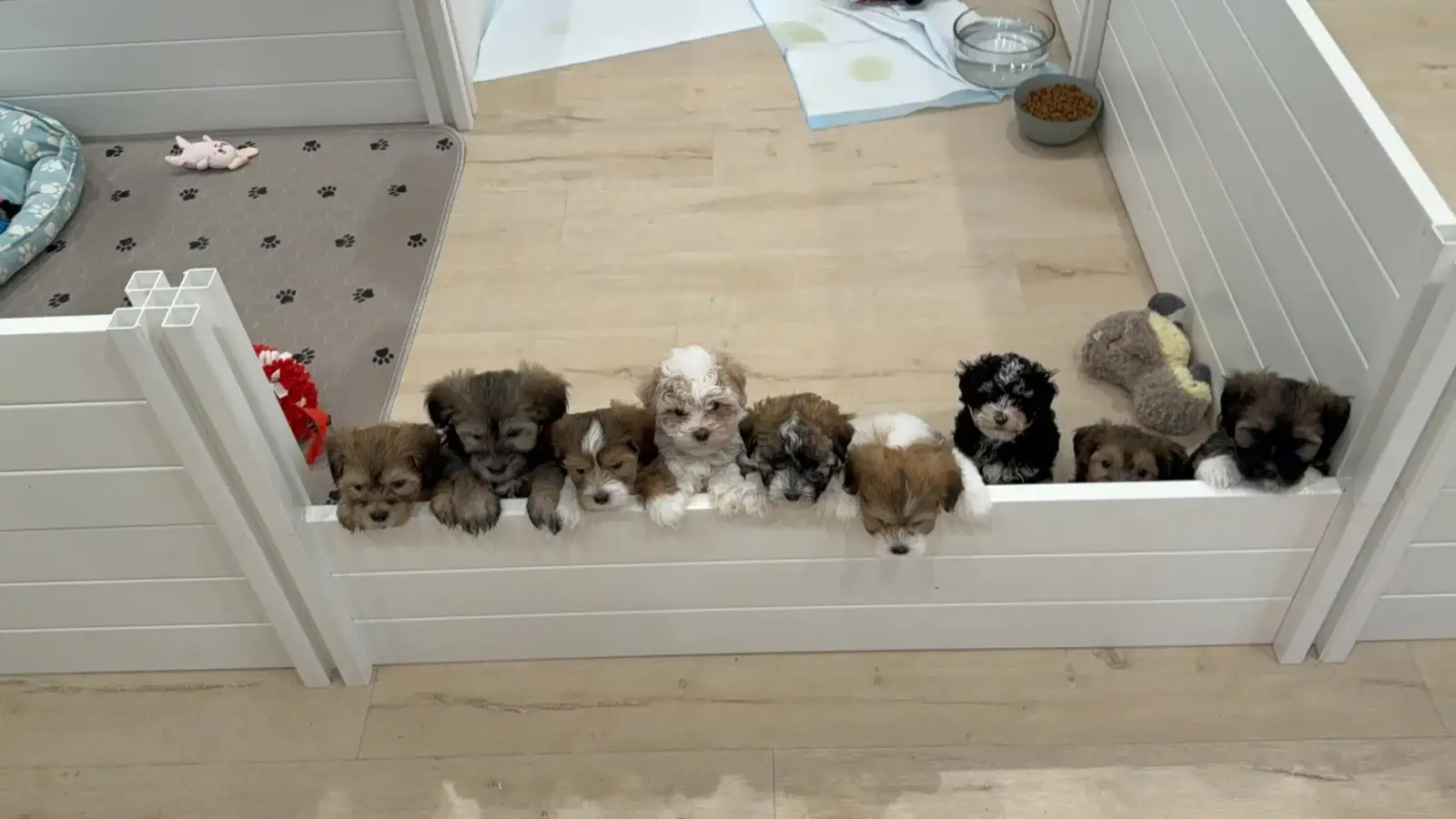
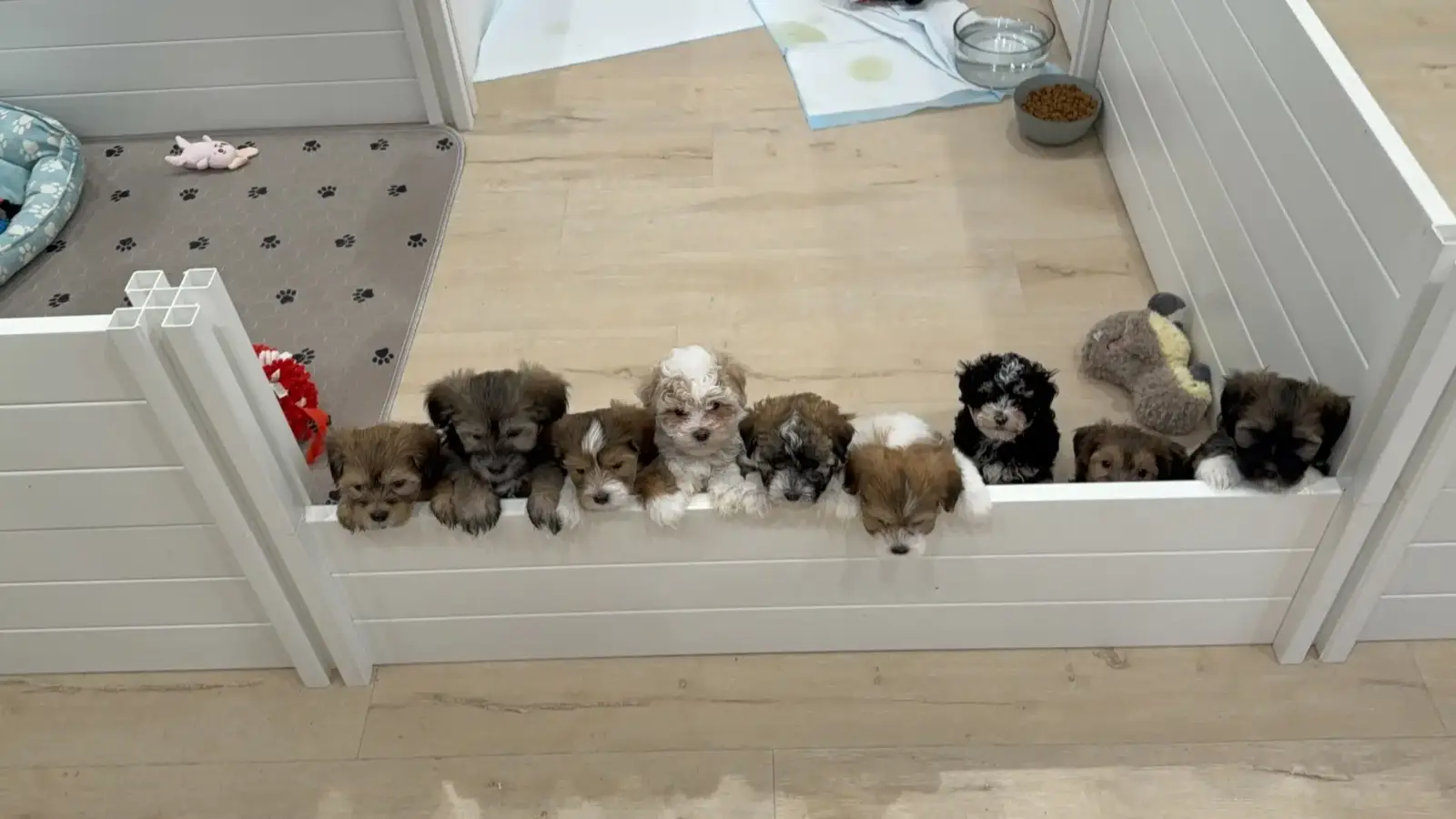
Quick Summary: Bringing a Havapoo home goes smoothly when you prep a few basics, build a repeatable potty-meal-play-rest rhythm, and book a vet visit before pickup. Skip extra gear and focus on a crate, familiar food, leash, and safe chew toys in one quiet room. The first week should stay calm: keep visitors away, start gentle grooming, and add slow, positive new experiences. Sage Puppies, which raises these pups in a home setting, emphasizes settling over stimulation, making low-key structure the biggest first-week win.
The night before your puppy comes home, a washable playpen, familiar food, and a written plan for the first potty break, nap, meal, and vet call matter more than a house full of extras.
Most new-family stress comes from guessing what to buy and what to do next. This guide puts Havapoo puppy supplies in order, then helps you build a calm Havapoo puppy schedule for day one.
You will also find practical first-night, grooming, socialization, pickup, and delivery guidance for the Havapoo first week. Sage Puppies raises companion puppies in a home setting, so we understand that the best Havapoo puppy supplies support routine, safety, and rest. Start with the essentials, not clutter.
1. Gather the Essential Havapoo Puppy Supplies First
A calm first day starts with a few safe basics, not a cart full of gadgets. Set up your puppy’s sleep area, feeding spot, and potty path before pickup or delivery.
The core supplies to have ready on day one
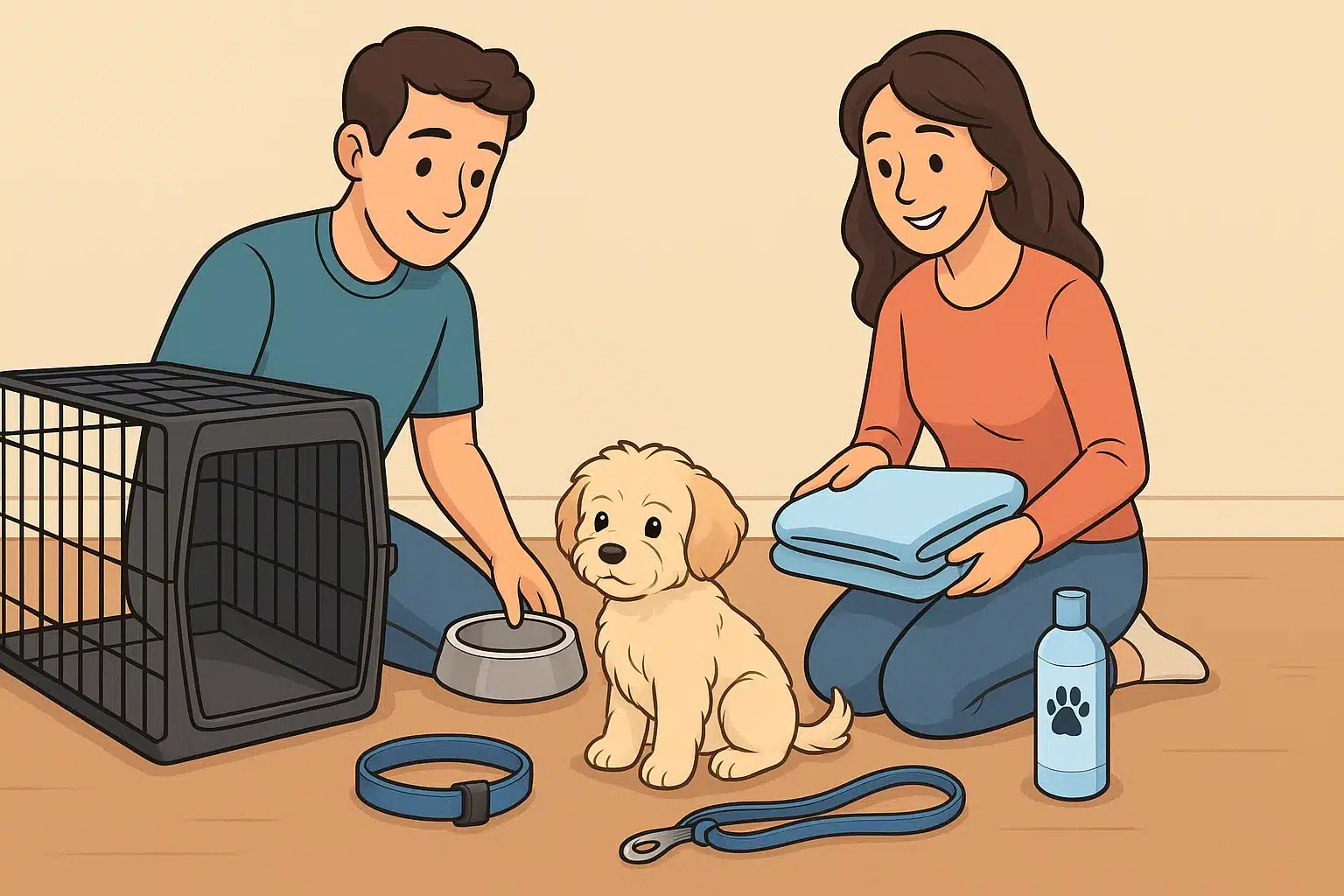
Buy these items before your Havapoo comes home:
- A correctly sized crate or playpen with a washable bed
- The same puppy food your breeder has been feeding
- Small food and water bowls
- A flat collar, ID tag, harness, and 6-foot leash
- Enzyme cleaner, poop bags, and a safe chew toy
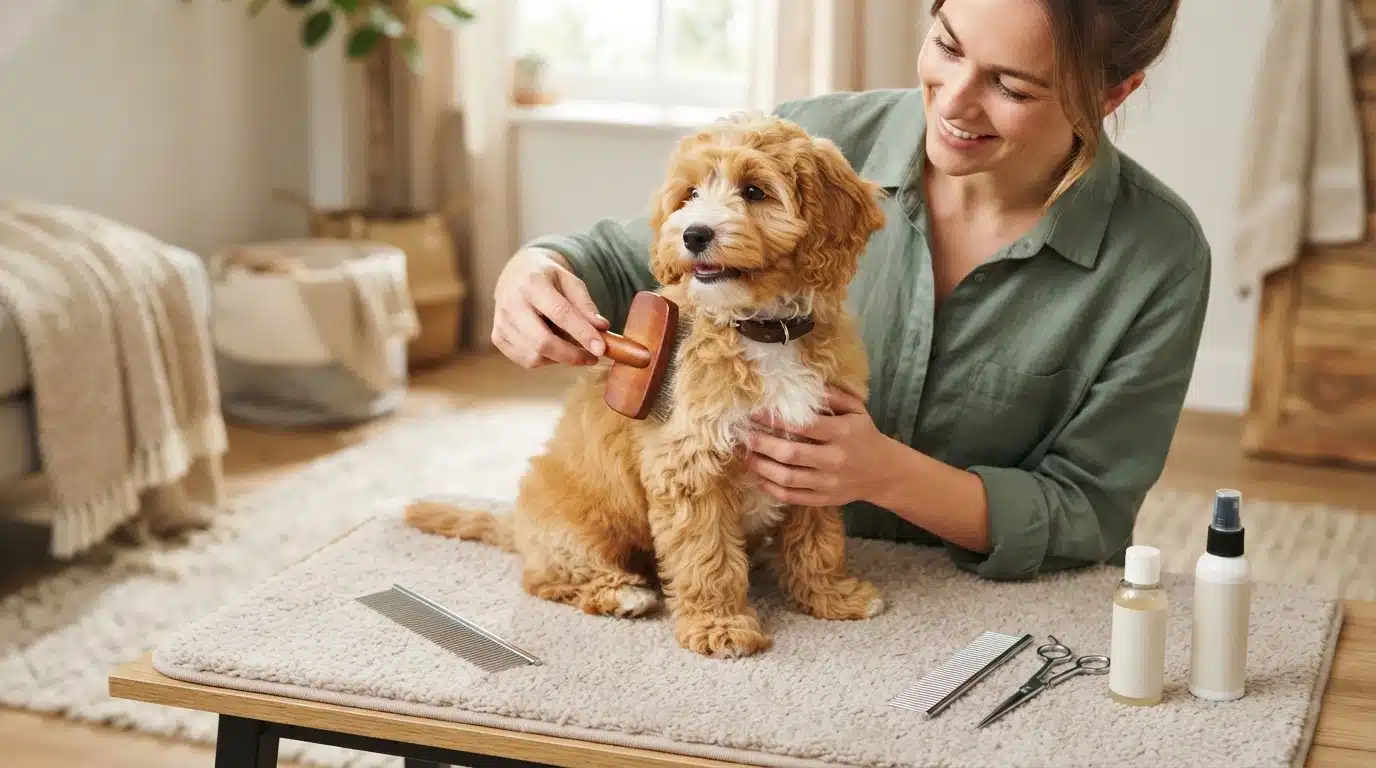
- A soft brush, metal comb, puppy shampoo, and towel
The crate should let your puppy stand, turn, and rest with ease. The Humane World’s new-dog guide also recommends keeping food consistent at first to help avoid an upset stomach.
| Supply | Why it matters now | Simple buying rule |
|---|---|---|
| Crate or pen | Creates a safe rest space | Choose secure, easy-clean materials |
| Food and bowls | Keeps meals familiar | Start with the current food |
| Harness and leash | Supports safe potty trips | Fit snugly without rubbing |
| Chew toys | Gives teething mouths a safe outlet | Avoid small pieces or loose parts |
Keep cords, shoes, children’s toys, and small items off the floor. A Havapoo puppy will explore with its mouth.
What can wait until you know your puppy’s habits
Hold off on costly extras until you see your puppy’s size, coat, and play style. You can wait on:
- Designer beds and extra crates
- Large toy bundles
- Fancy outfits and seasonal gear
- Specialty grooming tools
- Puzzle feeders and travel accessories
Start with two or three sturdy, size-appropriate toys. Safe toy guidance recommends watching play closely and removing damaged toys before pieces can be swallowed.
Also Read: How to Puppy-Proof Your Georgia Home Before Bringing a Puppy Home
2. Set Up a Safe Havapoo Puppy Home Base
Choose a quiet puppy zone
Start with one calm, easy-to-clean room or gated corner. Your Havapoo needs a small, predictable space to rest, eat, and learn where potty trips begin.
Set up:
- A crate or pen with a washable bed
- Water in a sturdy bowl
- Two safe chew toys
- A baby gate at the doorway
Keep the zone away from busy doors, stairs, loud TVs, and other pets at first. Let your puppy explore the wider home in short, watched visits. The ASPCA also recommends starting a new pet in one familiar room, then slowly adding more space as they settle in. Read its home-base guidance.
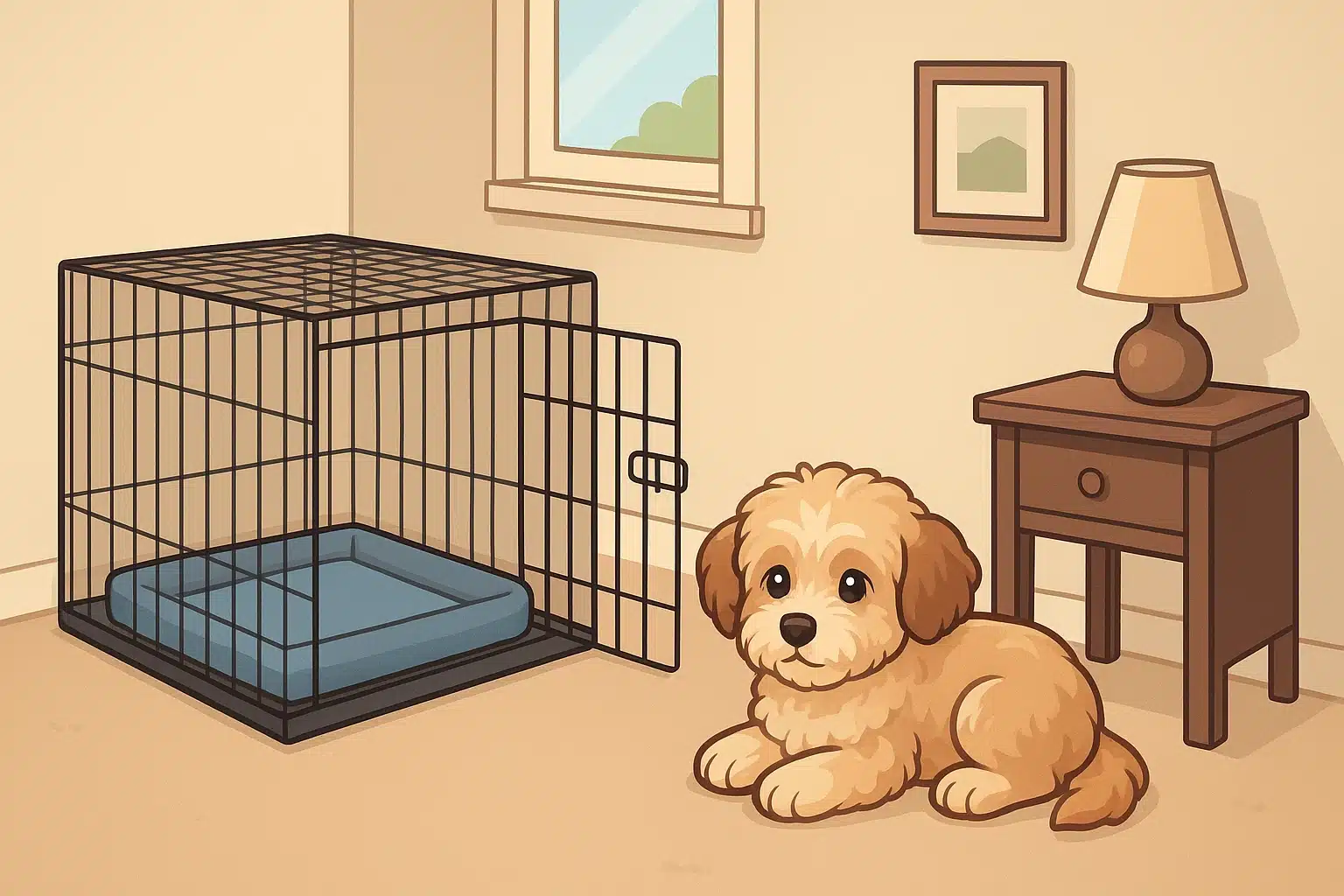
Keep the crate door open during calm daytime periods. It should feel like a safe den, not a place for punishment.
Puppy-proof at nose and mouth level
Get on the floor and inspect the room from your puppy’s view. Havapoos are curious, quick, and small enough to slip behind furniture.
- Secure cords, chargers, blind pulls, and loose rugs.
- Pick up coins, hair ties, socks, children’s toys, and batteries.
- Lock away cleaners, medicines, gum, and trash.
- Remove toxic plants and block tight gaps behind appliances.
The ASPCA warns that cords, small objects, medicines, and cleaning products can all create risks for curious puppies. Use this pet-proofing checklist.
Recheck the space daily. A safe room can change fast after a child drops a toy or a bag is left open.
Also Read: Havapoo Puppies in Utah: Local Pickup and Breeder Questions
3. Build a Flexible Havapoo Puppy Schedule
The repeating puppy rhythm
A steady rhythm helps your Havapoo feel safe, but it should bend around real life. Repeat four basics: potty, meal, play or training, then rest.
Take your puppy out after waking, eating, drinking, play, and before bed. The Humane World potty-training guide advises trips outside at least every two hours, with prompt praise after success.
- Keep meals, bedtime, and morning wake-up close to the same time.
- Use short play sessions and brief, reward-based training.
- Plan calm naps between active moments.
- Watch for sniffing, circling, or sudden restlessness.
Tip: A tired, overstimulated puppy often needs sleep, not more activity. Lead them to their quiet rest space before fussing grows.
A sample first-week day
Use this as a loose pattern, then adjust for your puppy’s age, energy, and potty cues.
| Part of day | Simple routine |
|---|---|
| Morning | Potty, breakfast, gentle play, nap |
| Midday | Potty, lunch if needed, short training, nap |
| Afternoon | Potty, family time, calm exposure, nap |
| Evening | Dinner, potty, quiet play, bedtime potty |
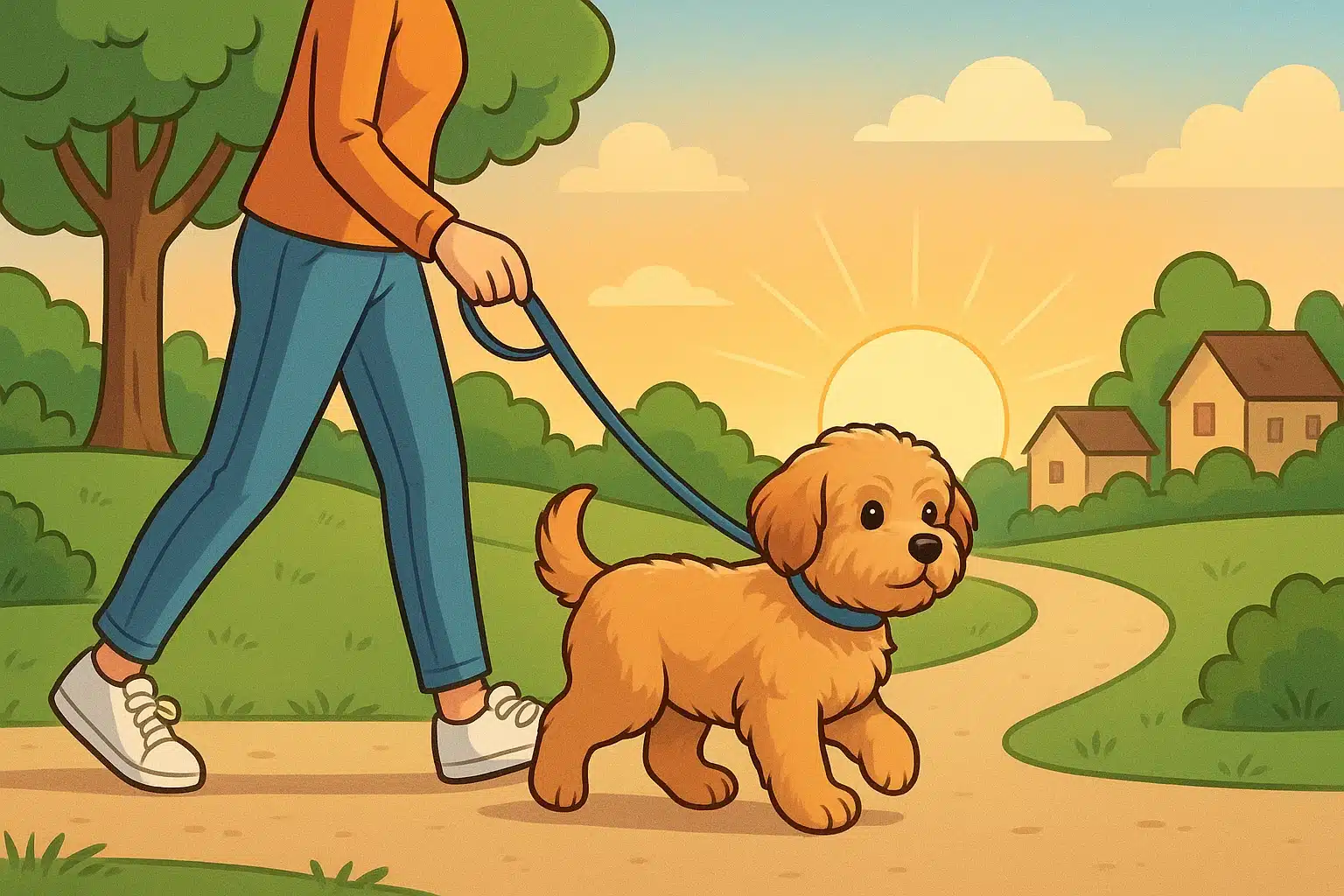
- Start each wake-up with a leash trip to the same potty spot.
- Feed on schedule, then head outside again.
- Keep training to a few happy minutes.
- End the day quietly, without exciting games.
If you use a crate, build a positive association and avoid using it as punishment. Puppies under six months should not stay crated longer than three to four hours, according to Humane World crate guidance.
4. Plan the First Veterinary Visit and Health Records
Book the appointment before go-home day
Choose a veterinarian and reserve a new-puppy visit before your Havapoo comes home. Aim for the first few days after local pickup or delivery, unless your veterinarian advises another timing.
An early hands-on exam helps your vet get to know your puppy and build a care plan. It also starts the veterinarian-client-patient relationship needed for informed treatment decisions.
The American Veterinary Medical Association advises selecting a veterinarian before acquiring a new pet. Ask about appointment times, urgent-care options, and how the clinic handles small-breed puppies.
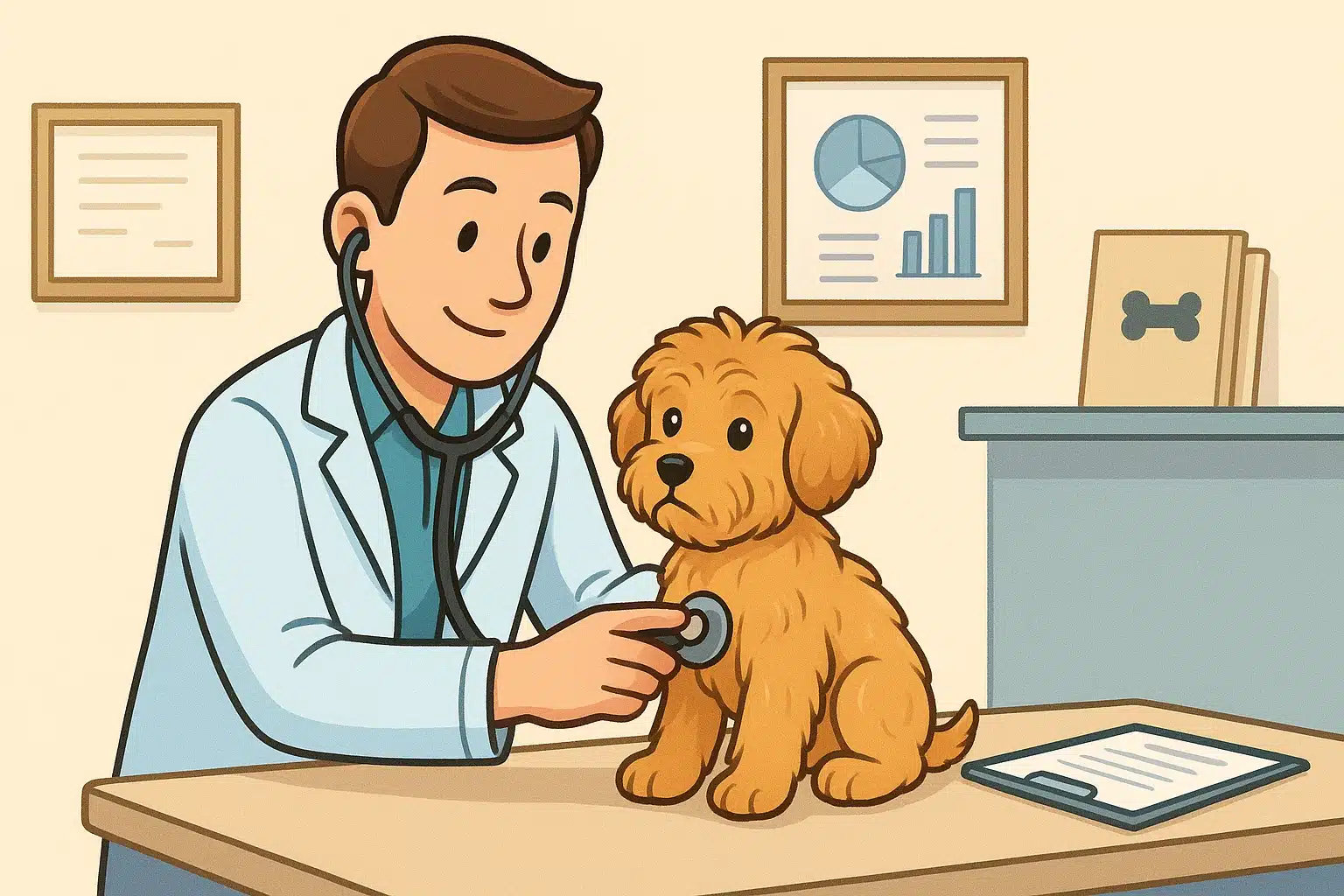
Keep your Havapoo away from high-traffic dog areas until your veterinarian explains safe social plans and vaccine timing.
Bring the right information and questions
Bring every record Sage Puppies provides, including vaccination and deworming details, parent health information, feeding notes, and any delivery paperwork. Keep paper copies in a folder and save clear photos in a backed-up phone folder.
Puppies need a vaccine series because early protection from their mother fades over time. The AVMA notes that vets tailor vaccine plans to each puppy’s needs and risks.
Ask your veterinarian:
- What is our next vaccine and deworming date?
- Which flea, tick, and heartworm prevention fits our area?
- How much and how often should we feed?
- Which symptoms require a same-day call?
- When can grooming, puppy class, and public outings begin?
Write down answers before you leave. The first visit gives you a clear baseline for your puppy’s care.
Also Read: What to Bring When Picking Up a Havapoo Puppy Locally
5. Start Grooming, Handling, and Dental Habits Gently
Choose a simple Havapoo grooming kit
Start before your puppy looks messy. Short, happy sessions teach a Havapoo that brushing and touch are safe parts of family life.
Keep your first kit simple:
- Soft slicker brush for light daily brushing
- Metal comb to check for small tangles
- Puppy shampoo for baths only when needed
- Nail trimmers or a nail file
- Dog toothbrush and dog-safe toothpaste
Brush for one minute, then offer praise or a small treat. Pay close attention behind the ears, under the collar, legs, and tail. Never pull through a mat. Hold the fur near the skin and work gently, or ask a groomer for help.
Tip: Tooth brushing does not need to be perfect on day one. Let your puppy lick the toothpaste first, then touch one or two teeth. The AVMA recommends regular brushing as the most effective at-home step for dental health.
Make handling a daily confidence exercise
Practice calm handling every day. Briefly touch paws, lift each ear flap, look at teeth, and lightly hold the collar. Stop before your puppy gets restless.
- Choose a quiet moment after play or a nap.
- Touch one body part for a few seconds.
- Give praise and a treat.
- Repeat later with a different body part.
This prepares your Havapoo for grooming, vet visits, and nail care without a struggle. Puppies learn best from gentle, positive exposure, especially early on, as AVMA socialization guidance explains.
Also Read: Havanese, Havapoo & Cavapoo Puppy Care Blog
6. Make the Havapoo First Week Calm and Connected
Day one: arrive, potty, settle, and sleep
Keep the home quiet and the plan simple. Bring your Havapoo straight to the potty spot, then let them explore one puppy-safe room under close watch. Offer water, a small meal if it matches their normal routine, and a calm introduction to their bed or crate.
- Take them out after waking, eating, playing, and every short nap.
- Use the same cue, such as “go potty.”
- Keep visitors away on day one.
A crate should feel like a safe resting place, never a punishment. The AVMA crate guidance recommends helping dogs see it as their own secure space.
Days two and three: repeat the rhythm
Your Havapoo learns faster when each day feels predictable. Repeat meal times, potty trips, short play breaks, and quiet naps. Start saying their name before good things happen, then reward eye contact with a tiny treat or warm praise.
| Daily moment | Simple goal | Family action |
|---|---|---|
| Morning | Potty success | Go outside right away |
| Mealtime | Trust and routine | Hand-feed a few kibble pieces |
| Play | Gentle bonding | Keep sessions short and calm |
| Bedtime | Safe sleep | Use the same sleep space nightly |
Nighttime whining is common. Pause briefly to see if your puppy settles, then take them out quietly if a potty break is likely.
Days four through seven: add small, positive experiences
Add one gentle new experience at a time. Let your puppy hear the vacuum from another room, walk on a new safe surface, or meet a calm visitor who sits quietly. Keep every interaction brief and reward relaxed behavior.
The AVMA socialization review notes that positive early exposure can help prevent fear later. Avoid dog parks and unknown dogs until your veterinarian advises it is safe based on your puppy’s vaccine plan.
- Practice a soft brush stroke each day.
- Touch paws, ears, and collar gently.
- End before your Havapoo gets tired or worried.
7. Prepare for Safe Socialization, Training, and Travel
Socialize through calm, safe exposure
Start small. Your Havapoo should meet calm people, hear normal home sounds, and explore new surfaces at a pace that keeps them relaxed.
The AVSAB puppy socialization statement notes that the first three months are a key learning period. Keep outings safe until your veterinarian advises otherwise.
- Invite one gentle visitor at a time.
- Pair new sounds, handling, and places with tiny treats.
- Practice sit, name response, and coming when called for one to two minutes.
- Avoid dog parks and busy pet-store floors before vaccines are complete.
If your puppy freezes, hides, or will not take a treat, create more distance. Socialization should build confidence, not push through fear.
Use reward-based training from day one. AVSAB recommends reward-based methods rather than fear or physical corrections.
Make pickup or delivery day uneventful
Keep the trip home quiet and direct. Bring a secured travel crate, absorbent pad, water, paper towels, and a familiar soft item.
For South Jordan pickup or nationwide delivery, plan to take your Havapoo straight home. Skip errands, guests, and long introductions.
- Offer a potty break in your planned safe spot.
- Let your puppy explore one puppy-proofed room.
- Offer water and a small meal on their normal schedule.
- Begin calm crate rests right away.
A low-key first day helps your puppy settle faster.
Also Read: 10 Red Flags to Avoid When Visiting a Local Puppy Breeder
8. Avoid Common First-Week Mistakes and Know Your Next Steps
Mistakes that make the first week harder
Keep the first week small and steady. Too many visitors, long outings, and constant handling can overwhelm a Havapoo puppy.
Common missteps include:
- Changing food without breeder or vet guidance
- Letting children carry the puppy without adult help
- Expecting perfect crate training or potty habits at once
- Taking an unvaccinated puppy to dog parks or high-traffic pet areas
- Punishing accidents instead of calmly resetting the routine
Offer short, safe new experiences at your puppy’s pace. The AVMA socialization guidance supports positive exposure while avoiding fear and illness risk.
Call your vet promptly for repeated vomiting, diarrhea, marked tiredness, or a puppy who will not eat or drink.
Use the checklist to choose your next step
Use your checklist each evening to spot one need, not ten. Then act on it.
| If you notice | Next step |
|---|---|
| Frequent accidents | Add more calm potty trips |
| Tangled coat areas | Begin brief daily brushing |
| Nervous behavior | Reduce stimulation and add gentle exposure |
| Vaccine questions | Book or confirm your vet visit |
Keep health records handy and follow your veterinarian’s vaccine plan. The AVMA notes that puppy vaccines are given as a series, tailored to each puppy.

Ready to welcome a Havapoo with calm, clear support? Sage Puppies helps families prepare for a smooth first week with home-raised puppies, health-tested parents, and flexible South Jordan pickup or nationwide delivery.
Frequently Asked Questions
Q1: What essential supplies do I need for a Havapoo puppy?
Start with a crate, bed, food and water bowls, quality puppy food, leash, harness, ID tag, chew toys, grooming brush, enzyme cleaner, and puppy-safe gates.
Q2: How do I schedule the first vet visit for my Havapoo puppy?
Call before pickup and book a visit within the first few days. Bring health records, feeding details, and questions about vaccines, parasite prevention, and the next care steps.
Q3: What should I do during the first week with a Havapoo puppy?
Keep life quiet, follow a simple potty and sleep routine, and let your puppy settle. Offer short, kind introductions to household members without overwhelming them.
Q4: How often should I groom a Havapoo puppy?
Brush several times each week, especially behind ears and around the legs. Begin calm handling early so future baths, nail trims, and coat appointments feel normal.
Q5: Is local pickup or delivery available?
Sage Puppies welcomes local families near South Jordan, Utah, and can help nationwide families plan puppy delivery. Confirm timing and travel details before your puppy comes home.
Conclusion
A calm first week starts with a safe setup, a simple routine, and realistic expectations. Have core supplies ready, book veterinary care, begin gentle coat handling, and give your Havapoo quiet time to settle.
Use short, positive training and social moments instead of packing each day with new demands. Early, safe exposure matters: the AVMA review of puppy socialization notes that positive experiences can help prevent later fear. Stay consistent with meals, potty trips, sleep, and your veterinarian’s vaccine plan.