
Quick Summary: When choosing a puppy in Iowa, the most revealing question to ask a breeder is for their exact feeding schedule, including meal counts, portions, and weaning timeline, since vague answers signal poor daily care. A responsible breeder will provide specifics like the exact food brand, how portions are calculated by weight and body condition, and a written plan for transitioning foods gradually over a week to avoid stomach upset. Red flags include breeders who cannot describe weaning stages, track each puppy’s intake, or explain how they adjust meals as the puppy grows. Sage Puppies, which raises Havanese, Havapoo, and Cavapoo litters in a home setting, exemplifies this transparency by sending each puppy home with its full feeding routine and weight history in writing.
When Iowa families compare Havanese, Havapoo, or Cavapoo puppies, one question reveals more than any other. Not “what food do you use?” but “can you walk me through this puppy’s current meals, portions, and transition plan from weaning to pickup?” A breeder with a clear puppy feeding schedule can answer without pausing. They know exact puppy food amounts, mealtimes, and how to shift brands slowly. Vague answers deserve a second look.
This guide gives you a simple interview framework: the feeding questions to ask, the proof to request, and the red flags to spot before you reserve. Feeding puppies well from day one shapes digestion, growth, and calm behavior, so it pays to get the answers right.
Start With the Breeder’s Exact Puppy Feeding Schedule
Every good puppy feeding schedule starts before pickup day. Your breeder already knows how your puppy eats, so ask for specifics, not generalities. Vague answers like “she eats puppy food twice a day” tell you little. A confident breeder will share exact meal counts, portion sizes, and timing without hesitation.
Ask How Many Meals the Puppy Eats Each Day
Start with the number. Most young puppies eat three to four small meals a day, and AKC guidance suggests four feedings from 6 to 12 weeks, stepping down as your puppy grows. This matters even more for small breeds like Havanese, Havapoo, and Cavapoo puppies, whose tiny stomachs can struggle with long gaps between meals. Ask exactly how many meals your puppy gets now, so your first week at home matches what your puppy already knows.
Ask What a Typical Day Looks Like
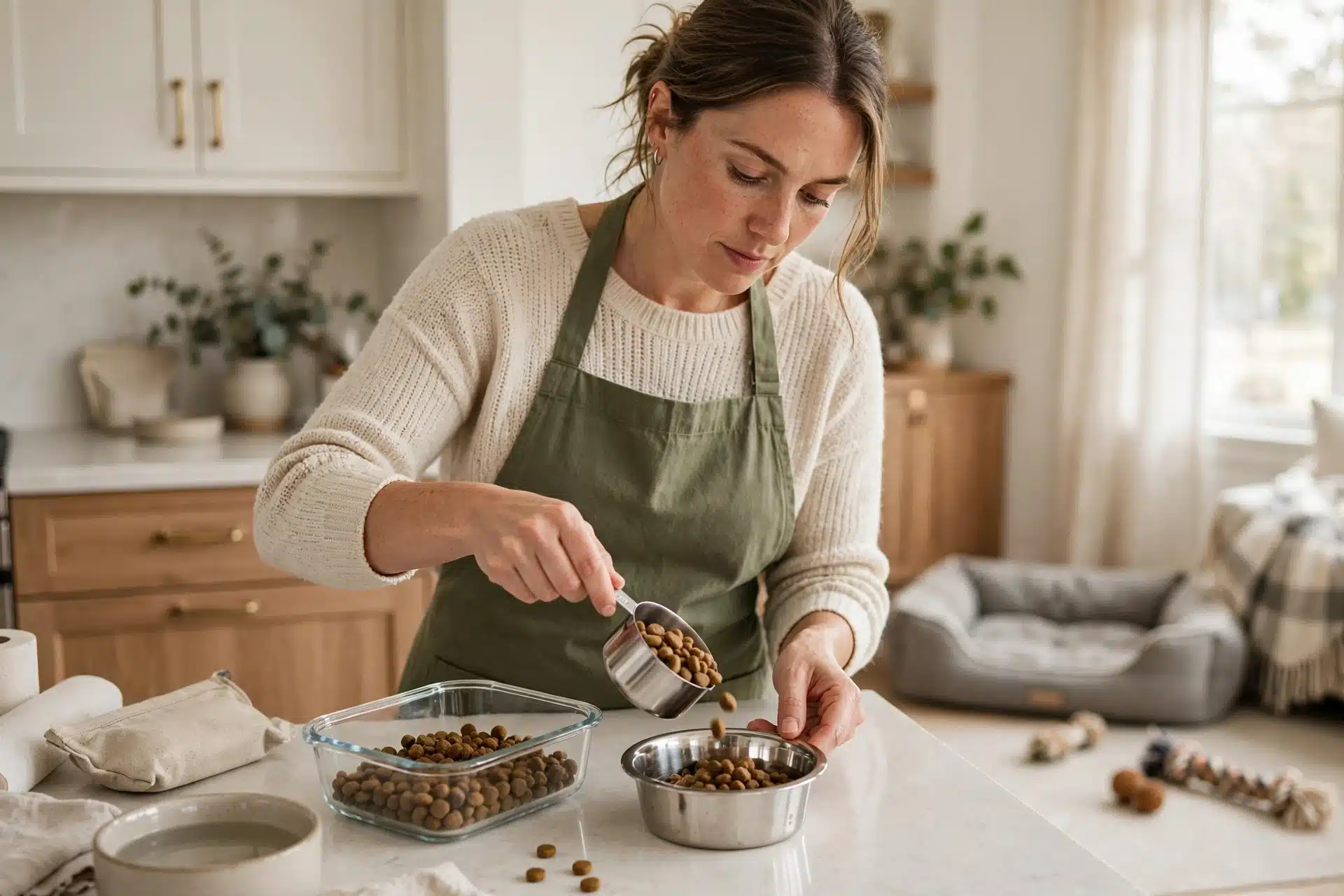
Then ask for the actual routine. What time is breakfast? When is the last meal? Which food, and how much per bowl? A home-raised program like Sage Puppies can describe a puppy’s whole day because the puppies live in the home, not in a kennel. Ask how meals connect to potty breaks, naps, and play, since meals at predictable times make house training easier. Take notes and keep the same rhythm for at least the first week.
Ask What Changes With Age, Growth, or Appetite
Finally, ask what comes next. Meal counts drop as puppies mature, and small breeds often move to adult food between 7 and 9 months, according to the AKC’s first-year timeline. Ask when to reduce portions, when to drop a meal, and how to read body condition instead of the empty bowl. A puppy that skips a meal once is fine. A pattern of skipped meals deserves a vet call. The right breeder will hand you this plan in writing, gladly.
Also Read: 10 Signs a California Puppy Listing Is a Scam – Sage Puppies
Ask How the Litter Was Weaned From Mother’s Milk to Puppy Food
A rushed or abrupt weaning can set a puppy back. Purdue Extension notes that weaning done too fast can affect a puppy’s behavior and stress levels long after it leaves the litter. Good breeders can describe the whole process in detail. Ask for the timeline, not just a yes.
Ask When Solid Food Was First Introduced
Most puppies start tasting solid food around 3 to 4 weeks old, while still nursing. A careful breeder watches each puppy instead of following a fixed date. Ask: “What week did you offer the first food, and why then?” You want answers like weight gain, teeth coming in, or the dam stepping back. Vague answers like “around a month, I think” are worth a follow-up.
Ask How Food Texture Changed During Weaning
The texture should shift in stages. Good breeders start with a thin, soupy gruel made from puppy food and warm water, then thicken it, then soften kibble, then serve it dry. Ask the breeder to walk you through each stage. This matters more for small breeds like Havanese, Havapoo, and Cavapoo puppies, since tiny stomachs and low blood sugar risk call for frequent, gradual meals.
Ask How the Breeder Knows Each Puppy Is Eating
Litters eat competitively, and quiet puppies can get pushed out. Ask how the breeder tracks intake. Solid answers include separate bowls, weighing puppies regularly, and daily notes on who finished meals. At Sage Puppies, each puppy is watched individually through weaning so you can start a feeding schedule with confidence.

Also Read: What Iowa Puppy Contracts Should Include Before You Sign
Ask What Food the Puppy Eats and Why It Was Chosen
Food is one of the easiest things for a breeder to answer, and one of the most telling. A confident breeder knows the exact diet, can explain the reasoning, and will send your puppy home with a sample. Vague answers here are worth noting.
Ask for the Exact Food Name and Formula
Get the full name, not just “a chicken kibble.” Ask for the brand, the specific recipe, and whether it’s a puppy or all-life-stages formula. Then ask how long the litter has been on it. Puppies do best when their food stays the same for the first few weeks at home, so you’ll want enough to transition slowly if you plan to switch. Any breeder feeding a consistent, complete diet can rattle this off without hesitation.
Ask Whether the Food Is Formulated for Growth
Puppies have different needs than adults, including more protein, fat, and key minerals like calcium. The AAFCO nutritional statement on the bag tells you if a food covers growth, not just adult maintenance. Ask which statement applies. For small breeds like Havanese, Havapoos, and Cavapoos, a standard growth formula is fine, but the breeder should still know why the food qualifies.
Ask Whether Supplements, Toppers, or Homemade Foods Are Used
Some breeders add goat milk, toppers, or homemade mixes during weaning. That’s normal. What matters is that extras stay minor and the base food does the real work. Adding supplements on top of a complete diet is usually unnecessary and can even unbalance it. Ask what gets added, when, and how you should continue at home.
Ask How the Breeder Determines Puppy Food Amounts
A good breeder can explain why a puppy eats what it eats, not just hand you a scoop. Vets start with a calculated amount, then adjust based on the puppy’s body, not the bag’s math. AAHA guidance notes that package directions are only a starting point, and portion checks against the puppy’s actual condition matter more. Ask these three questions before you reserve.
Ask How the Daily Amount Was Calculated
Ask for the method, not just the number. A thoughtful answer sounds like this: “We use the food’s calorie content and the puppy’s weight, then verify against body condition.” Small breeds like Havanese and Cavapoos burn more calories per pound than big dogs, so a generic chart often underfeeds them. The breeder should also mention how treats fit in, since treats should stay near 10% of daily calories per AAHA’s feeding tips.
Videos showing how breeders portion puppy meals are worth watching before your call.
[1 media element: YOUTUBE_PLACEHOLDER:how much to feed a puppy body condition explained]
Ask How Portions Are Adjusted as the Puppy Grows
Puppies grow fast, and their needs change monthly. Ask:
- How often the breeder re-weighs puppies.
- What growth rate looks normal for the breed.
- How a picky eater or a fast grower changes the plan.
Expect an answer tied to weigh-ins, not guesswork. At Sage Puppies, each puppy’s weight history travels with them, so pickup or delivery day starts with numbers, not notes from memory.
Ask What Body Condition and Stool Changes Mean
You can feel a healthy puppy’s ribs with light pressure, and see a waist from above. Ask the breeder to walk you through their scale, and to describe firm, formed stool. Ask what they do when either changes.
If a breeder cannot explain how they watch weight and stool, that is a signal to slow down and ask more questions before reserving.
Also Read: How to Find a Family-Friendly Puppy Near Des Moines
I need to fix the media placeholder – it must be the raw format, not a markdown link. Corrected section:
Ask How the Breeder Determines Puppy Food Amounts
A good breeder can explain why a puppy eats what it eats, not just hand you a scoop. Vets start with a calculated amount, then adjust based on the puppy’s body, not the bag’s math. AAHA guidance notes that package directions are only a starting point, and portion checks against the puppy’s actual condition matter more. Ask these three questions before you reserve.
Ask How the Daily Amount Was Calculated
Ask for the method, not just the number. A thoughtful answer sounds like this: “We use the food’s calorie content and the puppy’s weight, then verify against body condition.” Small breeds like Havanese and Cavapoos burn more calories per pound than big dogs, so a generic chart often underfeeds them. The breeder should also mention how treats fit in, since treats should stay near 10% of daily calories per AAHA’s feeding tips.
Ask How Portions Are Adjusted as the Puppy Grows
Puppies grow fast, and their needs change monthly. Ask:
- How often the breeder re-weighs puppies.
- What growth rate looks normal for the breed.
- How a picky eater or a fast grower changes the plan.
Expect an answer tied to weigh-ins, not guesswork. At Sage Puppies, each puppy’s weight history travels with them, so pickup or delivery day starts with numbers, not notes from memory.
Ask What Body Condition and Stool Changes Mean
You can feel a healthy puppy’s ribs with light pressure, and see a waist from above. Ask the breeder to walk you through their scale, and to describe firm, formed stool. Ask what they do when either changes.
If a breeder cannot explain how they watch weight and stool, that is a signal to slow down and ask more questions before reserving.
Also Read: How to Find a Family-Friendly Puppy Near Des Moines
Ask for a Safe Food-Transition Plan After Pickup or Delivery
Pickup day and delivery day both come with a hidden risk: a sudden food change. Small breeds like Havanese, Havapoo, and Cavapoo puppies have sensitive stomachs, so ask every breeder for a written transition plan before you reserve. A good breeder will have one ready.
Ask How Long to Continue the Current Food
Start with the simplest question: “What food is my puppy eating now, and how long should I keep it?” The answer should be the exact brand and formula, plus a set number of days. Keeping the same food for the first week or so is one of the kindest things you can do, because a new home is already a big adjustment. If the breeder can send a small starter bag or tell you where to buy the same food, that is a green flag.
Ask How to Change Foods Gradually
Once you decide to switch, ask for the breeder’s step-by-step mixing schedule. Sudden changes can cause vomiting and diarrhea, so experts recommend blending foods over about a week, starting with 25% new food and 75% old, then shifting to 50/50, then 75/25, per guidance from the AKC. Watch stool quality each day and slow down if it softens.
Ask How Travel Changes the Routine
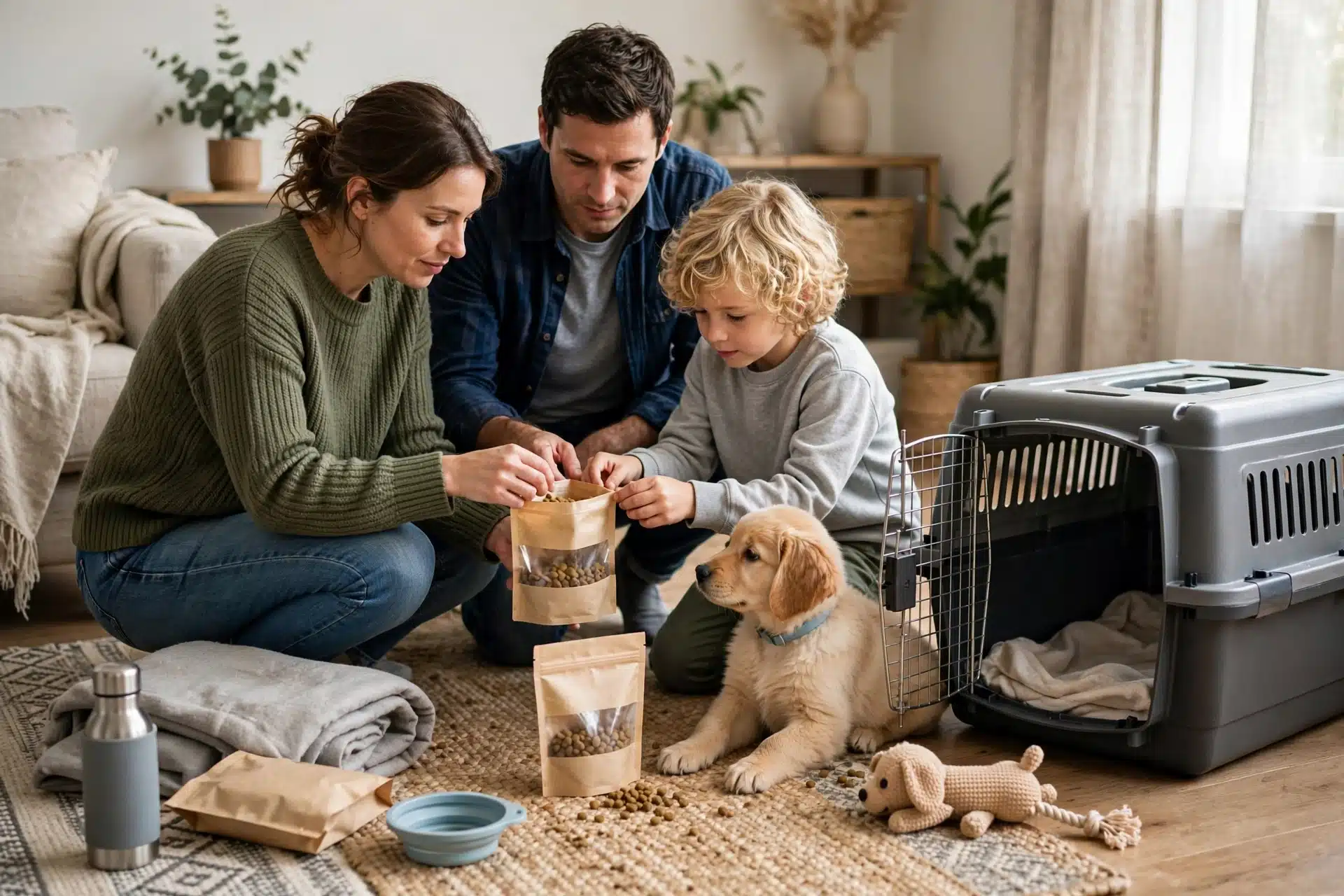
Travel adds stress, whether your puppy rides home with you or arrives through delivery. Ask how the breeder adjusts meals before, during, and after the trip. Many breeders suggest a lighter meal before travel and keeping the first day simple. At Sage Puppies, we include these details with every pickup or nationwide delivery plan.
Also Read: 10 Red Flags to Avoid When Visiting a Local Puppy Breeder
Ask About Water, Treats, and Mealtime Habits
Food is only part of the picture. How a breeder handles water, treats, and meal timing tells you a lot about their daily routine, and it helps you keep things consistent at home.
Ask How Water Is Offered
Ask whether puppies have fresh water available all day and how it’s cleaned. Good breeders refresh bowls often and watch intake during hot weather or after play. Water should never be rationed the way food is. One useful follow-up: how do they handle water at night during crate training? Their answer helps you plan your own routine.
Ask How Treats Fit Into Puppy Food Amounts
Treats are great for training, but they add up fast. The Merck Veterinary Manual recommends keeping treats under 10% of daily calories. Ask the breeder which treats they use, how often, and whether they subtract treat calories from meals. If they train with food, ask what kind. At Sage Puppies, we use small, simple rewards and keep portions balanced.
Ask Whether Meals Are Scheduled or Freely Available
Free feeding (leaving food down all day) is not recommended for puppies. It can lead to overeating, and it hides appetite changes that signal illness. The AKC suggests set mealtimes, with food picked up after about 15 minutes. Ask how many meals the puppy eats now and at what times. Then match that schedule at home to avoid stomach upset.
Red flag: A breeder who cannot tell you the puppy’s meal times, portions, or treat routine likely is not hands-on with daily care.
Use the Answers to Evaluate Breeder Transparency
You asked the questions. Now pay attention to how the breeder answers, not just what they say.
Signs of a Clear, Responsible Answer
A good answer is specific and quick. The breeder names the exact food, the feeding times, and the portion sizes without checking notes. They offer to send the puppy home with a small bag of the current food, which eases the switch. The AKC’s breeder checklist lists this kind of openness as a mark of a responsible program. Vague replies, like “just puppy food,” are a weak sign.
Questions That Deserve Follow-Up
Some answers deserve a second question:
- “What food?” followed by “Why that one for this breed?”
- “Can I see the weaning schedule in writing?”
- “What happens if my puppy refuses to eat the first few days?”
The OFA’s breeder interview guide advises trusting your instincts if a breeder stalls or dodges. Hesitation on feeding basics often signals bigger gaps elsewhere.
Connect Feeding Transparency With the Bigger Picture
Feeding answers reveal more than diet. A breeder who documents meals, weights, and weaning steps usually documents health testing and socialization too. That consistency is what we build into every Havanese, Havapoo, and Cavapoo litter at Sage Puppies. Clear daily routines before pickup mean a calmer first week at home.
Also Read: Havanese, Havapoo & Cavapoo Puppy Care Blog
Prepare Your Own Puppy Feeding Questions Before You Reserve
A good breeder welcomes good questions. Bring these with you before you place a deposit, and write down the answers. Vet teams recommend arriving with a written list of questions so nothing gets forgotten during a busy first appointment.
Copy-and-Paste Questions for Your Breeder
- What exact food is the puppy eating now, and how much per day?
- How many meals a day, and at what times?
- How did the puppy handle weaning and solid food?
- May I take a photo of the food bag label?
- Have any puppies in the litter had loose stools or appetite issues?
- How should I transition foods if I want to switch brands later?
Most responsible breeders, per the AKC’s first-visit guidance, will also hand over care records with the puppy. At Sage Puppies, we send each puppy home with its full feeding routine in writing.
What to Bring Into the First Veterinary Visit
Book your puppy’s first vet visit within a few days of pickup. Bring the breeder’s health records, a fresh stool sample, your list of feeding questions, and a photo of the current food label. Vets use this to confirm what care is done and what comes next.
Keep it simple: same food, same times, slow changes. That alone prevents most puppy stomach trouble.

Ready to bring home a puppy whose feeding routine is already on track? At Sage Puppies, every Havanese, Havapoo, and Cavapoo goes home with clear feeding guidance from health-tested, family-raised parents. Browse available puppies, submit your application, and ask us anything – pickup in South Jordan or delivery to Iowa.
Frequently Asked Questions
Q1: What should I ask a breeder about puppy feeding schedules?
Ask what food the puppy eats now, how often it’s fed, and for portion sizes. A good breeder sends home a written feeding plan.
Q2: How often should I feed a puppy in Iowa?
Feed small-breed puppies three to four times daily until four months old, then twice daily. Keep the schedule consistent, even on cold Iowa mornings.
Q3: What questions should I ask a puppy breeder about diet?
Ask which brand they use, whether kibble is softened, any supplements given, and how they handle picky eaters during weaning.
Q4: Should I switch my puppy’s food after pickup?
Wait two weeks first, then transition gradually over seven days to avoid stomach upset.
Q5: How do I handle food changes with nationwide delivery?
Ask the breeder to ship a small food bag with your puppy, keeping the diet steady during travel. Breeders like Sage Puppies include feeding guidance with every puppy.
Conclusion
A breeder who can explain their feeding plan in detail is usually a breeder who has paid attention everywhere else. Ask what food they use, how often puppies eat, how they guard against hypoglycemia in tiny breeds, and how they ease the transition to your home. The AKC feeding timeline backs these basics, and the Purina Institute notes small breeds need frequent, well-monitored meals. Clear answers here signal a healthy, well-started Havanese, Havapoo, or Cavapoo puppy.




