Quick Summary: Finding an ethical breeder in Kansas requires looking past state licenses to verify parent health testing and home-based socialization. Reputable programs like Sage Puppies prioritize transparency by welcoming questions and providing proof of genetic screening. Always avoid breeders who pressure you for deposits or refuse to show where the puppies are raised.
When you walk into a home and see puppies thriving in a living room, playing with children, and nuzzling their mother, you realize responsible breeding is about far more than a certificate. That moment is what families hope for, yet most listings in Kansas hide the very details that matter. Many Kansas dog breeders run clean, caring programs. Others hide behind glossy photos, and a puppy’s first eight weeks shape its health for life. This guide walks you through finding ethical breeders: the questions to ask, the red flags to spot, and the health testing to demand. We draw on the standards we hold at Sage Puppies, a boutique, family-raised program, so you can compare any ethical breeders Kansas offers against a clear gold standard.
Understanding the Difference Between Licensed and Ethical Breeders in Kansas
Why State Regulation is the Baseline, Not the Ceiling
Kansas takes licensing seriously. Under the Kansas Pet Animal Act, breeders who produce three or more litters per year, or keep 30 or more dogs for sale, must hold a license through the Kansas Department of Agriculture. Licenses come with inspections, so a licensed breeder has met a legal floor.
But that floor is lower than many families assume. Licensing mostly covers housing, sanitation, and record keeping. It says nothing about health testing parents, socializing puppies in a home, or honest communication after you take your puppy home. That’s why ethical breeders Kansas families trust go well beyond the paperwork. Use the license as a screening step, not a stamp of approval. Our Kansas puppy guide walks through what to ask next.
The Boutique Approach to Puppy Raising
The ethical breeders Kansas families should seek out treat puppies as individuals, not inventory. They raise litters inside the home, where puppies hear everyday sounds, meet children, and learn to settle. Parents are health tested, not just “vet checked,” and breeders gladly share results.
Expect questions aimed back at you: your schedule, your yard, your experience. Transparency is the tell. A boutique program, like ours at Sage Puppies, pairs health-tested parents with early socialization and stays in touch long after pickup or delivery. That ongoing relationship, not a license number, is what separates truly ethical breeding from everything else.
The Essential Health Testing Checklist for Kansas Puppies
A healthy puppy starts long before birth. The most reliable signal of your puppy’s future health is not the puppy itself but the testing done on its parents. Ethical breeders can show you proof, and they expect the question. Use this checklist when you evaluate any Kansas breeder, whether you visit a homestead in person or interview a program that ships to your door.
Genetic Screening and Parent Health
Ask to see the parents’ health records before you fall for a face. For small companion breeds like Havanese, Cavapoos, and Havapoos, responsible programs screen for breed-specific conditions. The Orthopedic Foundation for Animals maintains a public database where you can verify a dog’s health testing yourself, so ask breeders for each parent’s OFA or CHIC number and look it up.
Key tests to ask about include:
- Patellar luxation evaluation, common in small breeds
- Cardiac exam by a licensed veterinarian
- Eye certification through a board-certified ophthalmologist
- DNA tests for known genetic conditions in the breed
Also ask about the parents’ age and how many litters the mother has had. Back-to-back breeding is a red flag. A program like Sage Puppies raises its dogs in the home, health-tests both parents, and shares results openly, which is the standard you should hold any breeder to.
Veterinary Partnership and Early Care
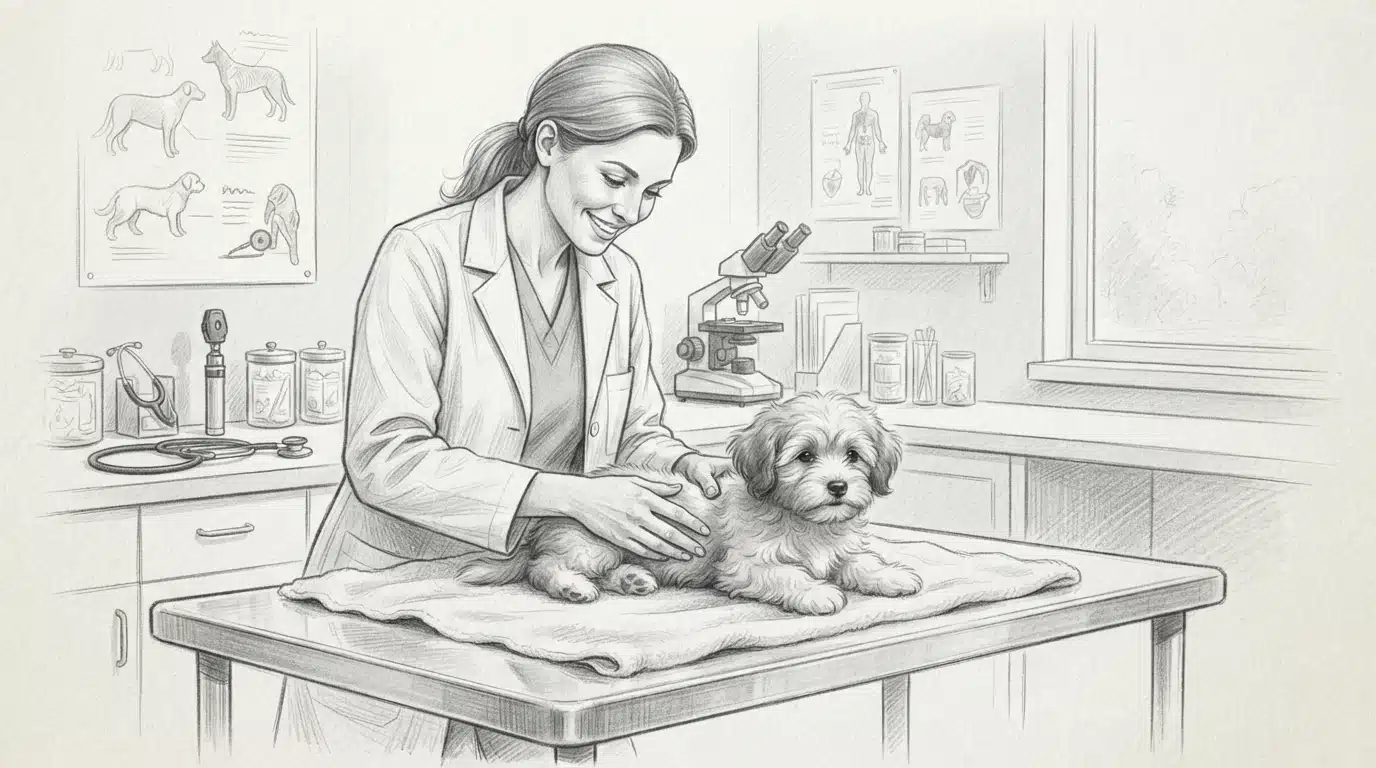
Good early care shows up in the puppy’s first eight weeks. Ask which veterinary clinic the breeder uses and whether you can speak with them. A breeder with a real veterinary partnership will answer easily.
Your checklist for the puppy’s first weeks:
- First vaccinations given on schedule, with records
- Deworming repeated at proper intervals
- A wellness exam by the breeder’s veterinarian
- Documentation you can hand to your own vet
Ask what food the puppy eats and when the next vaccine is due. Breeders who track these details tend to track everything else, too. When you compare programs, see how each one explains its process for raising healthy puppies before you commit a deposit.
How to Interview a Potential Breeder
A phone call or video chat tells you more than any website. Good breeders welcome questions, because your care signals the puppy is headed to a good home. Treat the interview as a two-way conversation: you are evaluating them, and they should be evaluating you.

Questions That Reveal a Breeder’s Values
Ask open-ended questions and listen for specifics, not rehearsed answers.
- Where are the puppies raised? A home-raised puppy hears dishwashers, children, and daily life, which builds confidence.
- Can I meet or see the parents? Health-tested parents with known temperaments matter more than photos.
- What health testing do you do? Look for named tests and results, not vague assurances.
- How do you socialize puppies? Ask what a typical day looks like at three, five, and seven weeks.
- What happens if I can’t keep the dog? Ethical breeders always take their dogs back, at any age.
- How and when do puppies go home? Clear pickup and delivery plans show an organized, transparent process.
A breeder like Sage Puppies answers these gladly, and a good breeder will ask you questions back about your home, schedule, and experience.
Red Flags to Watch For
Some answers should end the conversation quickly. Walk away if you hear:
- No in-person or video visits. Hiding the facility hides how dogs live.
- Always having puppies available. Ethical programs plan limited litters, so waiting lists are normal.
- No health testing records, or refusal to share them in writing.
- Pushy payment pressure, discounts for paying cash, or requests for wire transfers.
- Shipping without a conversation. Puppies delivered to strangers sight-unseen is a volume business, not a breeding philosophy.
- Selling before eight weeks. Early separation affects temperament and health.
Trust your gut. When a breeder rushes you, or your questions feel like an inconvenience, keep looking.
The Benefits of Early Socialization in Home Environments
Puppies learn their most important lessons before they ever leave the breeder. The first eight weeks shape how a dog handles noise, handling, new people, and everyday surprises for the rest of its life. A puppy raised in a quiet kennel run meets far less of the world than one raised in a busy family kitchen.
That is why home-raised matters. At Sage Puppies, our Havanese, Havapoo, and Cavapoo puppies grow up inside our South Jordan home, surrounded by the sights and sounds they will meet in yours.

Daily Life as a Learning Experience
A home is a full curriculum. Vacuum cleaners, doorbells, dropped dishes, and footsteps on stairs all teach a puppy that normal life is safe. Children offer gentle handling practice. Other dogs model calm behavior and bite limits.
Breeders who follow structured programs like Puppy Culture add age-appropriate exercises on top of daily life, from early scent introduction to short car rides. The result is a puppy that has already solved small problems, so bigger ones feel manageable later.
The Result: Confident, Adaptable Companions
Ask any trainer what makes a companion dog easy to live with, and confidence tops the list. Well-socialized puppies recover quickly from startling moments, settle during travel, and greet new people without fear or overexcitement.
That early foundation shows up in your home within days. Puppies from home environments typically house train faster, adapt to crate training with less stress, and bond readily with their new family. For families, especially those with kids, this head start means the first week feels like settling in rather than starting over.
When you compare breeders, ask where the puppies sleep, what sounds they hear daily, and who handles them. The answers tell you more than any photo. Our step-by-step adoption process shows exactly how our puppies are raised and prepared for your home.
Finding the Right Match for Your Family
The best breeder in Kansas still can’t help you if the puppy’s temperament doesn’t fit your home. Before you fall for a face, think honestly about your family’s rhythm, energy, and space.
Considering Breed Temperament and Energy
Ask two questions first: how much exercise can you realistically give, and how do you want the dog to behave around children and visitors?
Havanese are cheerful lap dogs that stay close to their people. They adapt well to apartments and gentler routines. Havapoos and Cavapoos, both small doodle crosses, add a little playful energy while keeping that same people-focused temperament. All three breeds shed lightly, which many allergy-sensitive families appreciate.
Be honest about your schedule. A busy household with toddlers needs a patient, social puppy, not a shy or high-drive one. A good breeder will tell you which puppy in a litter matches your family, and which one doesn’t.

Why Nationwide Delivery is a Reliable Option
Some families hesitate to adopt a puppy they can’t pick up in person. In practice, a transparent breeder makes distance a non-issue.
Reputable programs like Sage Puppies send video of the puppy, its parents, and its living space, then arrange delivery or airport pickup with clear timelines and costs. Health records and vaccination dates travel with the puppy. You can also review Havanese puppies page details before you commit.
Choose a breeder who communicates the same way whether you live in Wichita or across the country. That consistency tells you everything about how they raise their dogs.
Ask to see a live video of the puppy’s home environment before delivery day. Any ethical breeder will say yes without hesitation.
Common Mistakes to Avoid When Searching
Families in Kansas often lose time and money on avoidable errors. Watch for these.
Trusting a cute website alone. Glossy photos say nothing about health testing or how puppies are raised. Ask for proof, not promises.
Skipping parent health records. If a breeder will not share the parents’ health testing, walk away. Ethical breeders volunteer this before you ask.
Buying from classifieds or parking-lot meetups. These sales hide the puppy’s early life. You never see the mother, the home, or the litter.
Paying before asking questions. Send your questions first. A breeder who rushes your deposit is telling you something.
Ignoring early socialization. Puppies raised in homes with daily handling adjust faster than kennel-raised pups. Ask how the litter spends its first eight weeks.
Judging price alone. A low price often means skipped vet care and testing. Budget for a well-bred puppy instead.
Forgetting to check the waitlist and pickup plan. Know the timeline, delivery options, and what happens after you bring your puppy home before you commit.
A transparent breeder welcomes every one of these questions. Ours answer them on the puppy matching process page, so you can see exactly how an ethical adoption works.
Each section builds on the last, so the order matters. Start at the top if you are early in your search, or jump to the questions if you already have a breeder in mind.
Frequently Asked Questions
How do I know if a Kansas breeder is ethical?
Ask to see where the puppies live and meet the mother. Ethical breeders say yes without hesitation, share health testing results, and interview you as much as you interview them.
Are online listings safe to use?
Some are, many are not. Treat any listing as a starting point only. Always verify the breeder with a video call, references, and a written contract before money changes hands.
What does health testing actually mean?
It means the parent dogs were screened by a veterinarian for inherited conditions common to their breed, with results you can see. A clean bill of health for the puppy alone is not the same thing.
How much should I expect to pay?
Well-bred puppies from health-tested parents usually cost more than listings from casual breeders, and the difference shows up in temperament, support, and fewer vet bills later. Ask what the price includes.
Can a reputable breeder ship a puppy to me?
Many do, including programs outside Kansas. What matters is how the puppy travels and how well the breeder prepares it. A good breeder explains the process clearly and answers every question first.
What if I just want a pet, not a show dog?
That is exactly who good breeders serve. Companion homes are the goal, not the exception.
Ready to see what transparent breeding looks like? Browse our available Havanese, Havapoo, and Cavapoo puppies or start an application today.

If you want to see what transparent, ethical breeding looks like up close, visit Sage Puppies. Our health-tested Havanese, Havapoo, and Cavapoo parents are raised in our South Jordan home, and we deliver nationwide. Browse our Available Puppies and start a conversation today.
Frequently Asked Questions
Q1: How do I avoid puppy mills when searching for puppies in Kansas?
Visit the home where puppies are raised. Ethical breeders welcome visits, introduce the mother, and limit litters. Walk away from anyone selling multiple unrelated breeds.
Q2: What health tests should I look for in a puppy from a Kansas breeder?
Ask for OFA or CERF results on both parents, plus genetic panels for breed-specific conditions. Responsible breeders share documentation without hesitation.
Q3: What questions should I ask before buying a puppy in Kansas?
Ask where the puppy lives, how it is socialized, what it eats, vaccination history, and whether the breeder offers ongoing support after you bring your puppy home.
Q4: Can I adopt a quality puppy in Kansas without a local breeder?
Yes. Programs like Sage Puppies offer nationwide delivery with health-tested, home-raised puppies, so transparency matters more than distance.
Q5: How much should a well-bred puppy cost in Kansas?
Expect roughly $1,500 to $3,500 depending on breed and health testing. Very low prices often signal corners cut on care.
Conclusion
Finding an ethical breeder in Kansas comes down to a few habits: ask about health testing, insist on meeting the parents or seeing where puppies are raised, and walk away from anyone rushing your decision. Red flags like multiple litters always available or no vet references should stop you cold.
Breeders who welcome your questions are the ones raising puppies well. If you want to see what true transparency looks like, browse the available Havanese, Havapoo, and Cavapoo puppies and compare how they’re raised against anyone else on your list. A little patience now gives your family a healthier, happier companion for years.