
Quick Summary: Buying a puppy in Pennsylvania requires thorough vetting of breeders, focusing on health testing, socialization, and clear paperwork. Prospective buyers should verify breeder credentials, parent health results, and socialization routines before committing. Pennsylvania law offers protections, but careful questions and documentation are key to avoiding scams and ensuring a healthy, well-raised puppy.
Looking at puppies for sale in Pennsylvania? Start with proof, not pictures. A cute photo tells you nothing about health testing, paperwork, breeder care, or how your puppy will safely get home. That is where many first-time buyers get stuck.
This guide helps you sort through puppies for sale in Pennsylvania with a clear checklist. You will learn what to ask, what documents matter, what warning signs to catch early, and how pickup or delivery should work for local and out-of-state families.
We focus on the standards careful families should expect from ethical small-breed breeders, especially for Havanese, Havapoo, and Cavapoo puppies. If you are comparing puppies for sale in Pennsylvania, this guide will help you ask better questions, avoid bad surprises, and take the next step with confidence.
1. Start with the breeder, not the listing
A cute photo tells you almost nothing. Start with the breeder behind the puppy, then judge the puppy listing after that. If the program is solid, the listing will usually be clear, specific, and easy to verify. For the full buyer process, read the parent guide on Puppies for Sale in Pennsylvania: Smart Buyer Checklist.
Look for a real breeding program, not a random inventory page. You want to see parent details, health testing, home-raising, socialization, and a clear process. A seller who only posts puppy photos, prices, and “ready now” language is giving you inventory, not trust. Use this quick check:
- Parent dogs are introduced
- Health records are explained
- Family application steps are visible
- Pickup or delivery terms are clear

Pay attention to how they talk about puppies and families. Good breeders screen buyers, set expectations, and talk about fit. That usually means they care where the puppy goes. Be cautious if every puppy sounds the same, every family is “approved fast,” or the page pushes urgency over care. A boutique program like Sage Puppies should sound calm, transparent, and family-first, not like a flash sale.
If a breeder avoids hard questions, treat that as an answer.
Use Pennsylvania-specific context wisely. Since 2024, Pennsylvania ads from kennels and shelters offering dogs for sale or adoption must include a kennel license number, and retail sellers must disclose breeder and medical details under the updated Pennsylvania dog law. The state also explains that buyers have rights under the Dog Purchaser Protection Act. That helps, but it does not replace your own vetting.
Also Read: 10 Adorable Havapoo Colors You Need to See (2026)
2. Verify health testing before you fall in love
Cute can blur your judgment fast. Slow down and ask for proof first. In Pennsylvania, a seller must give you a health record at sale, but that is not the same as full breeding-dog screening under the state’s dog purchaser protection rules Pennsylvania dog purchaser protection law.
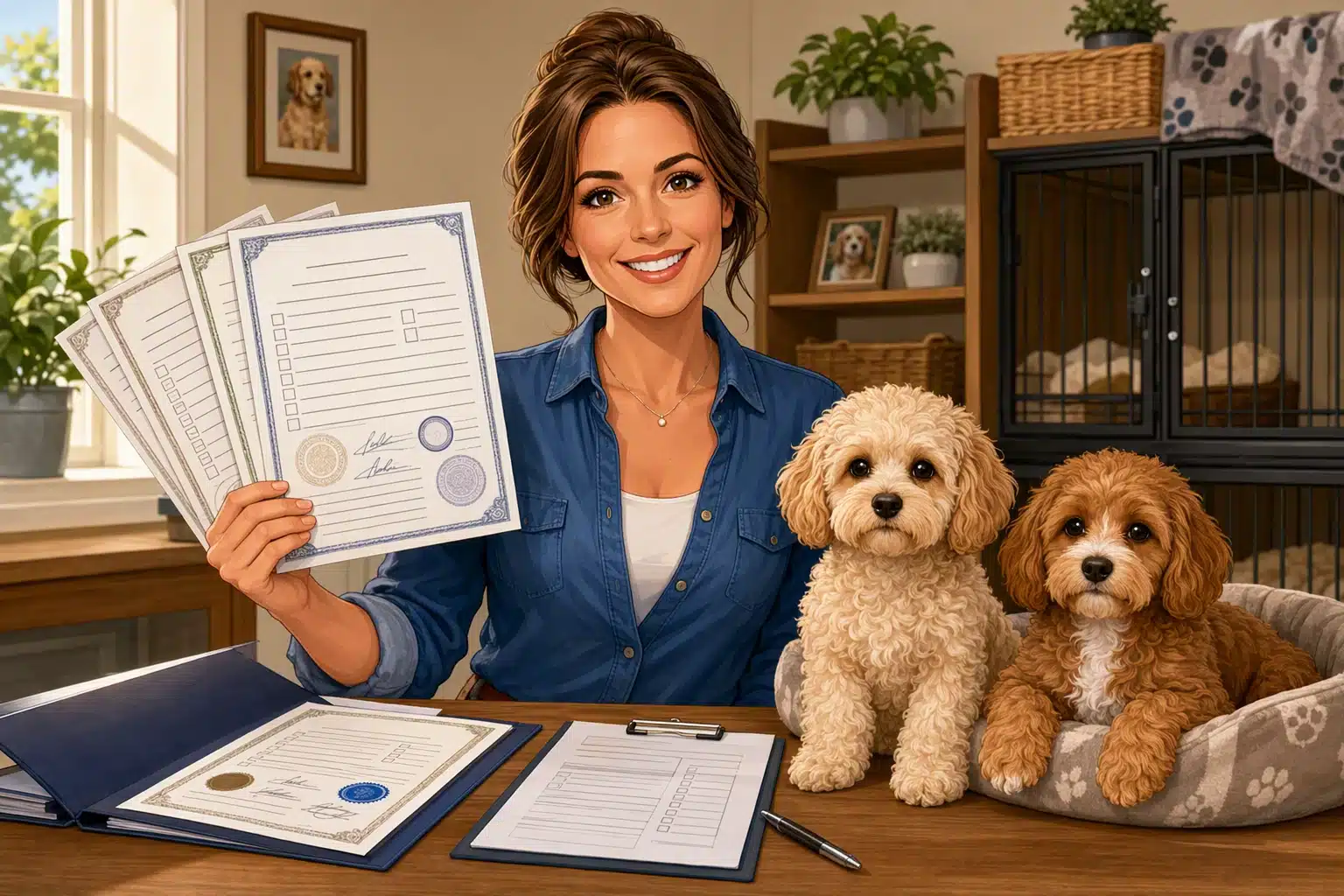
Ask for the parent dogs’ testing details in writing
Ask for the dam and sire’s actual test results, not a promise that they are “healthy.”
Request:
- The test name
- The date completed
- Which parent was tested
- The result
- The registry or lab used
Good breeders will share documents without getting defensive. If a breeder says, “our vet checked them,” press for copies. You are buying the outcome of those parent pairings, not just the puppy in front of you.
A clear breeder can explain each result in plain English.
Know the difference between a wellness exam and breed-relevant screening
A wellness exam checks the dog on that day. It matters, but it does not replace genetic or orthopedic screening. Pennsylvania buyers should also remember the law requires a prompt post-purchase vet exam to protect certain rights, and the public notice says you must do that within 10 days Pennsylvania buyer notice requirements.
Use this quick check:
| Document | What it tells you | What it does not prove |
|---|---|---|
| Puppy vet exam | Current visible health | Parent genetics |
| Vaccine record | Preventive care started | Breed screening done |
| Parent test result | Specific inherited risk checked | Every possible issue |
Match the breed to the testing conversation
Testing should fit the breed, not a generic script. The AKC notes that health testing should follow parent club recommendations for each breed, and OFA tells buyers to review parent screenings before choosing a puppy.
For Havanese, Cavapoo, or Havapoo, ask:
- What inherited issues were screened in the parents?
- Which tests were done because of the breed mix?
- Can I see the report numbers or certificates?
- Were both parents tested before breeding?
If you are talking with Sage Puppies or any breeder, this is the right time to ask direct questions.
Also Read: 10 Questions to Ask Before Buying a Puppy Locally
3. Check the puppy’s early care and socialization
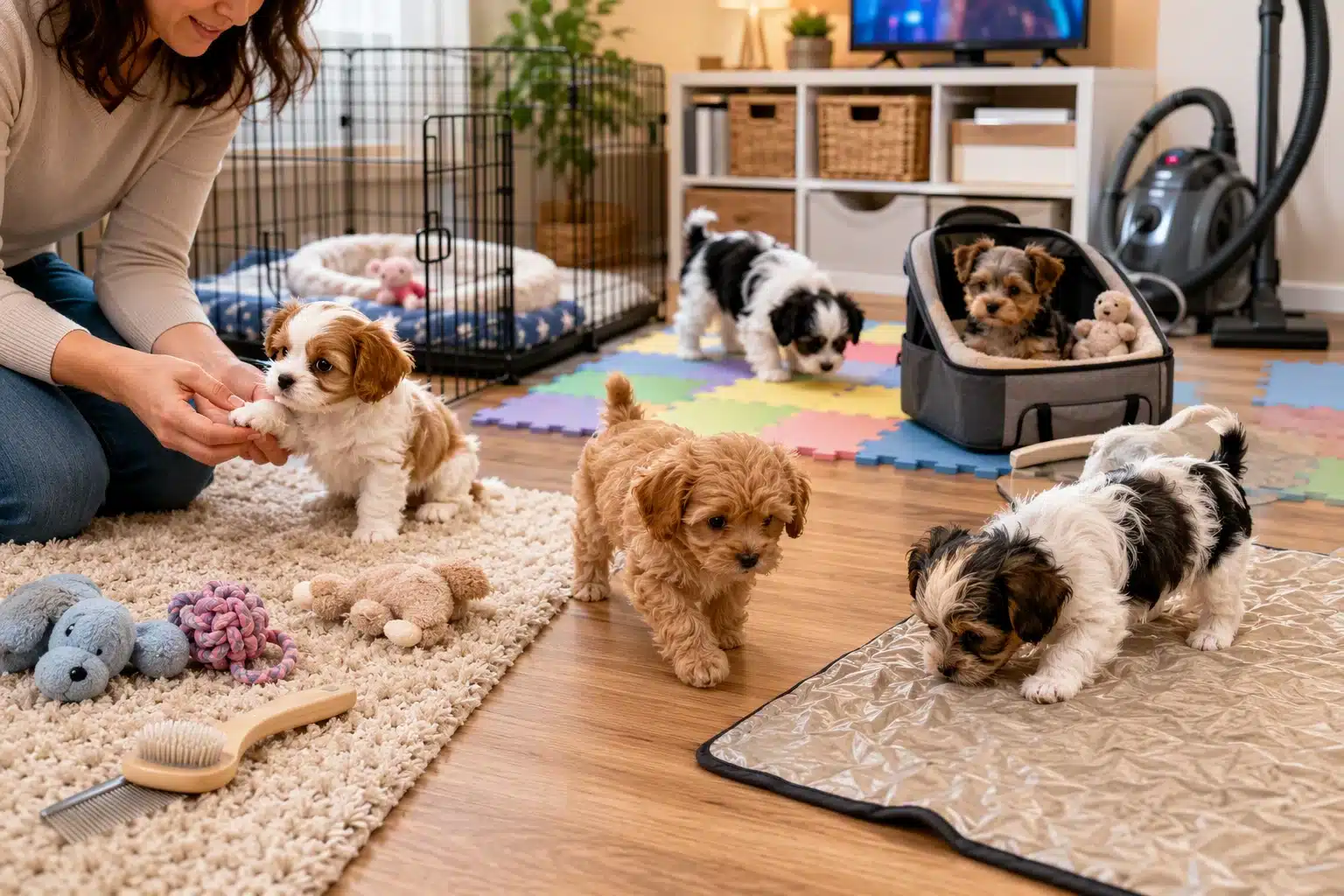
Ask what the puppies actually do each day. A good breeder should describe real routines, not vague claims like “very socialized.” The AVMA says the key socialization window for puppies is 3 to 14 weeks, so early exposure matters during this period. Ask about:
- Handling of ears, paws, mouth, and grooming
- Household sounds like vacuums, doors, and TV
- People exposure across ages and voices
- Crate, car, and potty basics
If the answer feels scripted, keep digging.
Look for temperament notes, not just cute photos. You want details like “curious with new toys,” “settles fast after play,” or “a bit cautious, warms up with gentle handling.” That tells you someone is watching each puppy as an individual. According to an AVMA literature review, puppies with more positive early social contact are less likely to show fear later. Ask for:
- Daily behavior observations
- How they respond to strangers and littermates
- What support they may need after going home
Expect cleanliness, routine, and thoughtful care. Clean spaces matter, but routine matters too. Ask how often bedding is changed, where puppies rest, how feeding works, and how they prevent rough, stressful chaos. The strongest programs balance socialization with disease safety through cleaning, disinfection, and controlled exposure. Sage Puppies should be able to explain this clearly, especially for families planning delivery or South Jordan pickup.
Also Read: 10 Signs a California Puppy Listing Is a Scam – Sage Puppies
4. Read the paperwork before you reserve a puppy
Confirm what is in writing before you pay
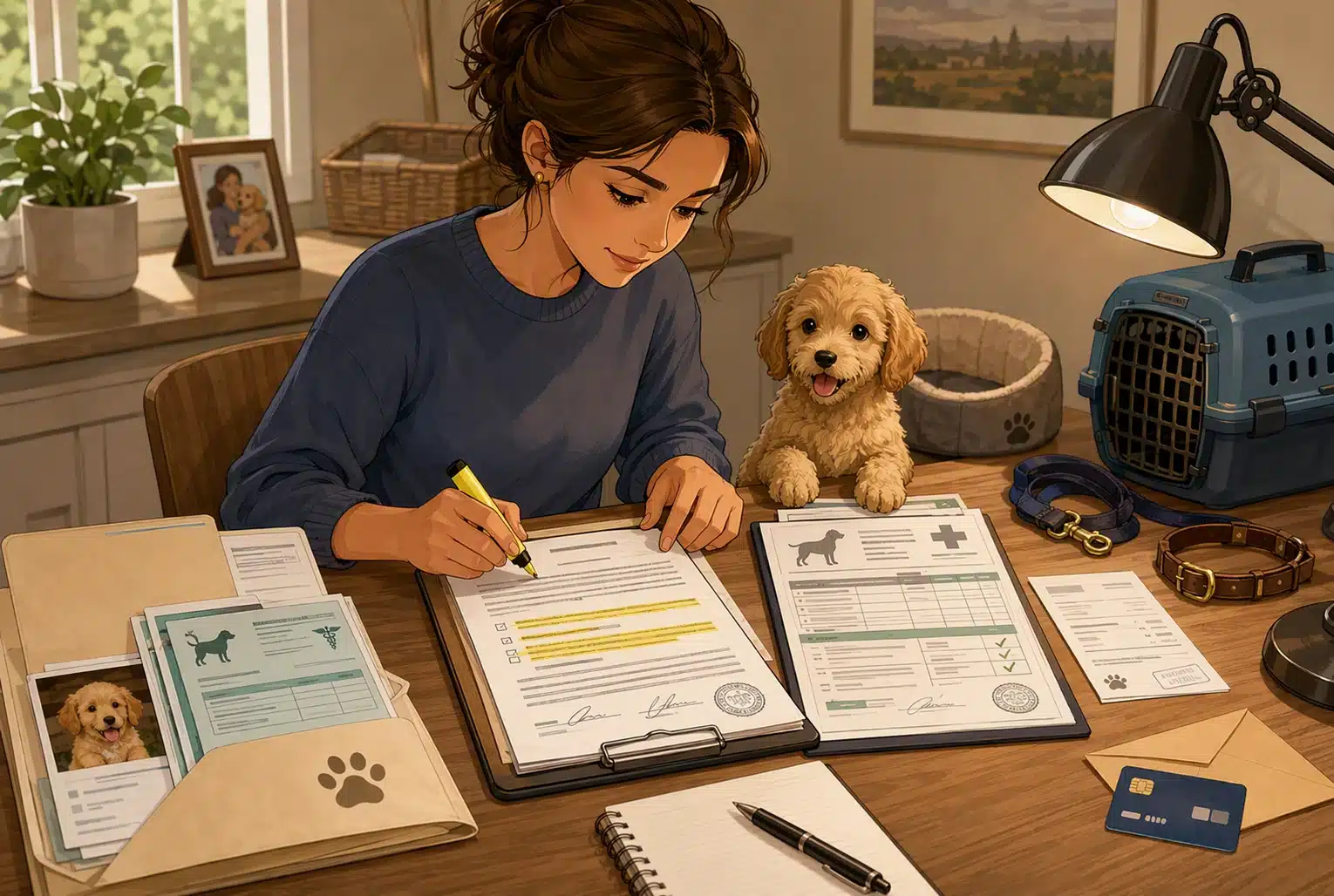
Do not send a deposit until you have the full agreement in hand. In Pennsylvania, sellers covered by the state’s dog purchaser protection rules must provide a health record at sale, plus either a recent vet health certificate or a signed good health guarantee, according to 37 Pa. Code § 309.2.
Use this quick check:
| Item | What to confirm |
|---|---|
| Puppy identity | Breed, birth date, sex, color, markings |
| Health papers | Vaccines, deworming, known illness, treatment history |
| Sale terms | Deposit amount, refund rules, final balance due |
| Registration details | Parents’ registry info if the puppy is sold as registrable |
If a breeder will not send the contract before payment, pause. That is a trust issue, not a paperwork issue.
Review the breeder’s communication about guarantees and support
Read every promise against the actual contract. If a breeder says “health guaranteed,” make sure the paper explains what that means, how long it lasts, what proof you need, and what remedy is offered. Pennsylvania law gives buyers specific options if a vet finds a contagious illness within 10 days or a congenital or hereditary defect within 30 days, as outlined in 73 P.S. § 201-9.3.
Look for:
- Clear deadlines
- Written notice steps
- Vet exam requirements
- Ongoing breeder support after pickup
Make sure pickup and delivery terms are specific
Travel details should be plain, not vague. You want exact pickup timing, delivery method, who handles the puppy, and what happens if weather, flight, or health timing changes.
Ask for these points in writing:
- Pickup city and date window
- Delivery fee and what it covers
- Who can receive the puppy
- What happens if you cancel late
- When the puppy is safe to travel
Sage Puppies should make this easy for both Utah pickup families and out-of-state buyers needing delivery.
Also Read: 10 Small Breed Puppies That Stay Friendly & Easygoing
5. Use Pennsylvania law as part of your safety check
Pennsylvania law gives puppy buyers a useful backup plan. It does not make a bad seller good, but it helps you spot gaps fast.
Know the basic buyer timeline
Under Pennsylvania’s Dog Purchaser Protection rules, you should book a licensed vet exam within 10 days of purchase to protect your rights. The state notice also says some congenital or hereditary defects may fall within 30 days, and registration papers, if promised, should arrive within 120 days under 37 Pa. Code § 309.2.
Put these dates on your calendar before pickup or delivery day.
Check that the seller gives you the right records
At sale, the seller should give you a health record plus either a vet-issued health certificate dated within 21 days before sale or a signed good health guarantee. The record should list key facts like breed, date of birth, sex, color, vaccines, known illness history, parasite treatment, and seller signature under Pennsylvania’s dog purchaser protection law.
- Ask for copies before you send final payment
- Match the puppy’s details to the paperwork
- Save texts, invoices, and vet notes
Use the law to support, not replace, good judgment
The law helps after a problem. Your main safety check still happens before you buy.
- Verify breeder identity
- Review health testing and parent details
- Confirm who raised the puppy
- Get pickup or delivery terms in writing
A transparent breeder will not act annoyed when you ask for records.
Also Read: Health-Tested Puppies for Sale Near Me: Buyer Checklist
6. Compare the next step: local pickup or delivery
Choose pickup if you want an in-person handoff
Pickup makes sense if you want to meet face to face, ask final questions, and handle the ride home yourself. It also gives you a clear look at how organized the handoff feels.
For Utah families, a South Jordan pickup can feel simple and calm. Bring a crate, towel, water, and cleaning supplies. Plan a quiet rest of day after you leave.
Pickup is often the best fit for buyers who want maximum control over the first trip home.
Choose delivery if distance is the main issue
Delivery is often the better option if you live far from the breeder or want to avoid a long return drive with a young puppy. The key is clear planning.
Ask how travel is handled, what updates you get, and what paperwork comes with the puppy. USDA APHIS notes that air travel safety depends on kennel fit, health readiness, and proper documents such as a signed health certificate within 10 days when required for air travel APHIS air travel guidance.
Match the method to your family’s comfort level
Use this quick comparison before you decide:
| Method | Best for | Main question to ask |
|---|---|---|
| Local pickup | Families who want a personal handoff | What should we bring for the ride home? |
| Delivery | Out-of-state buyers or busy families | Who handles transport and updates? |
If your family feels stressed by travel logistics, delivery may be worth it. If trust grows from meeting in person, choose pickup. With Sage Puppies, either path should feel clear, calm, and well planned.
7. Know the red flags before you commit
Be cautious with rushed deposits and vague answers
A good breeder will answer clear questions with clear details. Slow down if someone pushes for a same-day deposit, avoids live conversation, or keeps changing the story on age, parents, records, or pickup. The Pennsylvania Attorney General has warned buyers about sellers who ask for online payment before providing the puppy and who refuse to share breeder names, records, or vaccine details in this consumer alert.
If you feel hurried, step back. Pressure is a red flag, not proof that a puppy is in high demand.
Watch for listing habits that feel more like marketing than care
Some listings look polished but still hide the basics. Be wary of ads that use perfect photos, short captions, and lots of urgency, but give no real facts about the puppy’s health, home life, or parents.
Use this quick screen:
| Listing sign | Why it matters | Better sign |
|---|---|---|
| “Limited time” pressure | Pushes impulse decisions | Clear process and timeline |
| No parent details | Hides breeding context | Parent info and temperament notes |
| No health record shown | Leaves gaps on care | Written records available |
Pennsylvania rules also require sellers covered by the law to provide a health record and either a recent health certificate or a signed health guarantee under Dog Purchaser Protection rules.
Choose clarity over excitement
Excitement can hide risk. Pick the breeder who gives you straight answers, written steps, and time to think. Families usually make better choices when the process feels calm, not salesy. That kind of clarity matters whether you are buying in Pennsylvania, arranging delivery, or comparing local pickup options with a program like Sage Puppies.
8. Finish with a simple yes-or-no decision
A good puppy search should end with a clear answer, not more guessing. Use one short list and be honest. In Pennsylvania, sellers must give key paperwork, and buyers must act fast to protect their rights under the Dog Purchaser Protection rules.
| Final check | Yes or no |
|---|---|
| Breeder shared health records and recent vet paperwork | |
| Puppy is old enough and placement timing feels right | |
| You met the breeder or had a real, clear call | |
| Parent health testing and temperament were explained | |
| Delivery or pickup details are simple and documented |
If you can say yes to every line, move forward. Submit the application, review the reservation steps, and book your first vet visit now. Pennsylvania also requires licensed kennels and now requires kennel license numbers in ads, plus breeder and medical disclosure in retail sales under the updated state dog law.
A calm, documented process is a good sign. Pressure, gaps, or changing stories are not.
If one answer is no, stop. Do not send money just because the puppy is cute or available today. The right breeder will still make sense after you sleep on it. If not, keep looking. A better fit is worth the wait.

Ready to move from research to a trusted next step? Sage Puppies helps qualified families find a well-raised Havanese, Havapoo, or Cavapoo with clear health, pickup, and delivery details. Review available puppies, pricing, and the application process to see if the fit feels right.
Frequently Asked Questions
Q1: where to buy puppies in Pennsylvania
Start with breeders who share parent health testing, vet records, socialization details, and clear pickup or delivery steps. Ask for recent photos, temperament notes, and a written agreement. Avoid vague listings, rushed deposits, or sellers who will not answer direct questions.
Q2: How can I spot a responsible breeder?
Look for clean communication, breed focus, age-appropriate placement, and proof of routine care. Good breeders ask you questions too. That matters. It shows they screen homes instead of treating puppies like quick inventory.
Q3: What should I ask before placing a deposit?
Ask what the deposit covers, if it is refundable, when your puppy can go home, and what records you receive. Confirm transport details early if you live outside Pennsylvania or want pickup in another state.
Q4: Is delivery safe for a small-breed puppy?
It can be, if the breeder explains the process clearly and uses age-appropriate travel plans. Ask who handles the puppy, how long the trip takes, and what support you get before travel day.
Q5: What paperwork should come with my puppy?
You should receive basic health records, vaccine and deworming history, feeding guidance, and your sales agreement. If you are comparing options, Sage Puppies also makes next steps, pickup, and delivery details easy to follow.
Conclusion
Buying a puppy in Pennsylvania gets safer when you slow down and check the basics. Ask for health records, proof of parent testing, breeder details, and a clear pickup or delivery process. Pennsylvania also gives buyers real protections – sellers must share notice of rights under the state’s Dog Purchaser Protection Act, also called the Puppy Lemon Law. To keep those rights, buyers must have the puppy examined by a licensed vet within 10 days, as outlined in Pennsylvania’s posted notice rules. That checklist helps families choose with more confidence and fewer surprises.



